
Multipoint Locks: MUSG4592 vs PD1000 by Door Profile
Multi-Point Locking Systems: MUSG4592 vs PD1000 by Door Profile and Backset
Direct answer: For compatible timber or composite entrance doors that need automatic three-point locking, the MUSG4592 and Auto Lock 4592 configurations use a 45 mm backset, 92 mm lever-to-cylinder centres, a 20 × 1,720 mm faceplate and three locking positions. For compatible patio, balcony and terrace-door profiles, the PD1000 uses a 15.5 mm backset, 92 mm centres, a 16 × 1,414 mm faceplate and a 7 mm spindle. The decision is therefore a profile-fit and evidence-fit decision, not a simple model-name ranking.
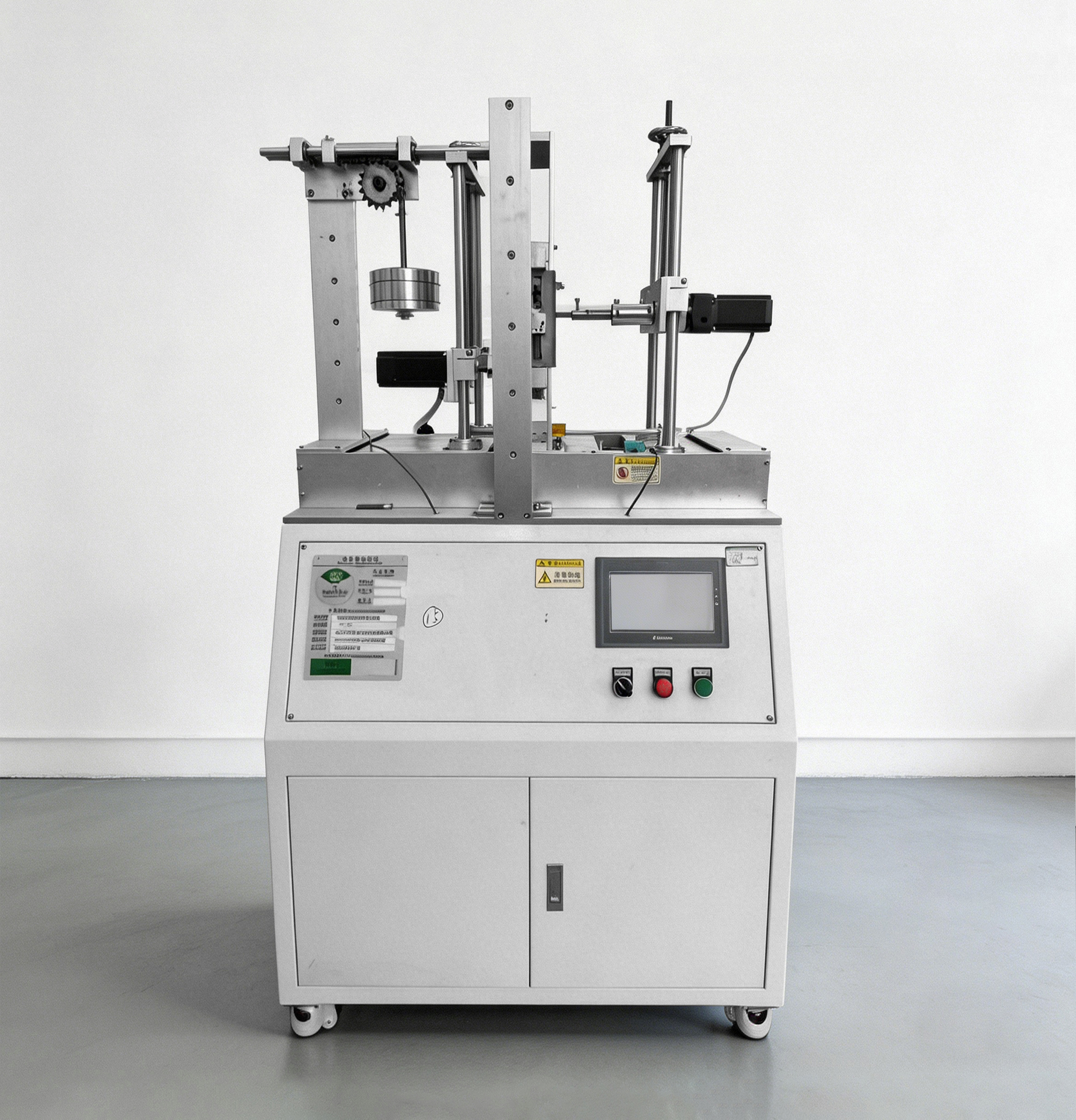
Durability checks belong in the procurement decision, but the test subject and configuration must match the model being compared.
TOPTEX is a door-hardware manufacturer based in Xiaolan, Zhongshan, Guangdong, China, and has produced commercial door locks and architectural hardware since 1991. Its multipoint range includes the MUSG4592 and Auto Lock 4592 entrance-door platforms and the PD1000 patio-door configuration. Buyers comparing these systems need to separate three issues: the door profile each system is intended for, the drilling and routing dimensions that follow from the backset and faceplate, and the evidence available for repeat orders.
The common 92 mm dimension can create a misleading sense of interchangeability. Both the MUSG4592/Auto Lock 4592 and the PD1000 are listed with 92 mm centres, but their backsets and faceplates are different. A door prepared for one geometry is not automatically suitable for the other. The correct starting point is the door section drawing and the approved hardware schedule, not a catalogue label alone.
The procurement problem: a shared 92 mm centre does not make two systems interchangeable
Multipoint locking systems are not sold as standalone lock cases in the same way as a simple latch. They coordinate a central operating point with additional locking points through the door edge, faceplate and keeps. If the backset, faceplate, lock-point positions or spindle arrangement do not match the door, the installation can require rework, extra keep adjustment or a change of hardware.
For the MUSG4592/Auto Lock 4592, the listed backset is 45 mm, the faceplate is 20 × 1,720 mm and the system has three locking positions. For the PD1000, the listed backset is 15.5 mm, the faceplate is 16 × 1,414 mm and the spindle is 7 mm. These are different starting conditions. A buyer who needs a patio or terrace-door profile should first confirm that the profile can accept the PD1000 geometry. A buyer working with a compatible timber or composite entrance door should first confirm that the 45 mm backset and 20 × 1,720 mm faceplate suit the door preparation.
Industry background: multipoint systems follow the door section
In multipoint procurement, the door section is the fixed constraint. The lock must fit the available edge distance, the faceplate must suit the routing, and the keeps must align with the locking points. Changing one dimension can change the installation sequence and the amount of site adjustment required. This is why two systems with the same 92 mm centre can still belong to different door applications.
Backset and centre distance are separate dimensions. Backset is the distance from the defined door-edge or faceplate reference to the spindle or cylinder centreline shown on the drawing. Centre distance is the spacing between the handle spindle and the cylinder or keyhole reference. A catalogue number or a shared centre does not replace the dimensioned drawing. Buyers should ask for the exact product drawing and compare it with the door section, the cylinder, the handle and the keeps.
What the MUSG4592/Auto Lock 4592 and PD1000 are
The MUSG4592 links one central lock case with two auxiliary cases. Closing the door triggers the upper and lower hooks and the central deadbolt to project automatically. A rocking stainless-steel trigger is designed to prevent premature hook projection before correct engagement, which helps reduce false triggering and jamming. Its one-piece zinc-alloy hooks and central deadbolt are linked by 2.5 mm metal connectors, and reversible latch handing supports different door orientations.
The PD1000 is a patio-door configuration within the same multipoint range. It is specified with a 15.5 mm backset, 92 mm centres, a 16 × 1,414 mm faceplate and a 7 mm spindle. The supplied comparison data does not state the same automatic three-point sequence for the PD1000, so buyers should not transfer the MUSG4592 operating description to the patio model without model-specific confirmation. The PD1000 should be selected from its own drawing and intended patio, balcony or terrace-door profile.
MUSG4592/Auto Lock 4592: automatic three-point locking for entrance doors
For compatible timber or composite entrance doors, the MUSG4592 and Auto Lock 4592 are positioned around automatic locking at several points. The closing action is intended to engage the upper and lower hooks and the central deadbolt without the user manually throwing each point. That operating mode changes the installation check: the door must close far enough for the trigger to register correct engagement, and the keeps must allow the hooks and deadbolt to travel fully.
The trigger detail matters because automatic systems depend on timing. A premature trigger can project a hook before the door is in the correct position, creating a closing fault or jamming risk. TOPTEX describes a rocking stainless-steel trigger designed to reduce that risk. The trigger component is listed at over 100,000 cycles in TOPTEK product information, while the lock itself is listed at 50,000 operations. These are separate claims about different test subjects and should not be combined into a single life figure.
The MUSG4592 faceplate is 20 × 1,720 mm, and the overall length can be extended to 2,400 mm subject to approved drawings. The 2.5 mm metal linkage connects the one-piece zinc-alloy hooks and central deadbolt. For a door manufacturer, the extension option is useful only when the approved drawing keeps the lock-point positions, faceplate straightness and keep alignment under control. The maximum extension is not a standard length and should not be ordered without a reviewed drawing.
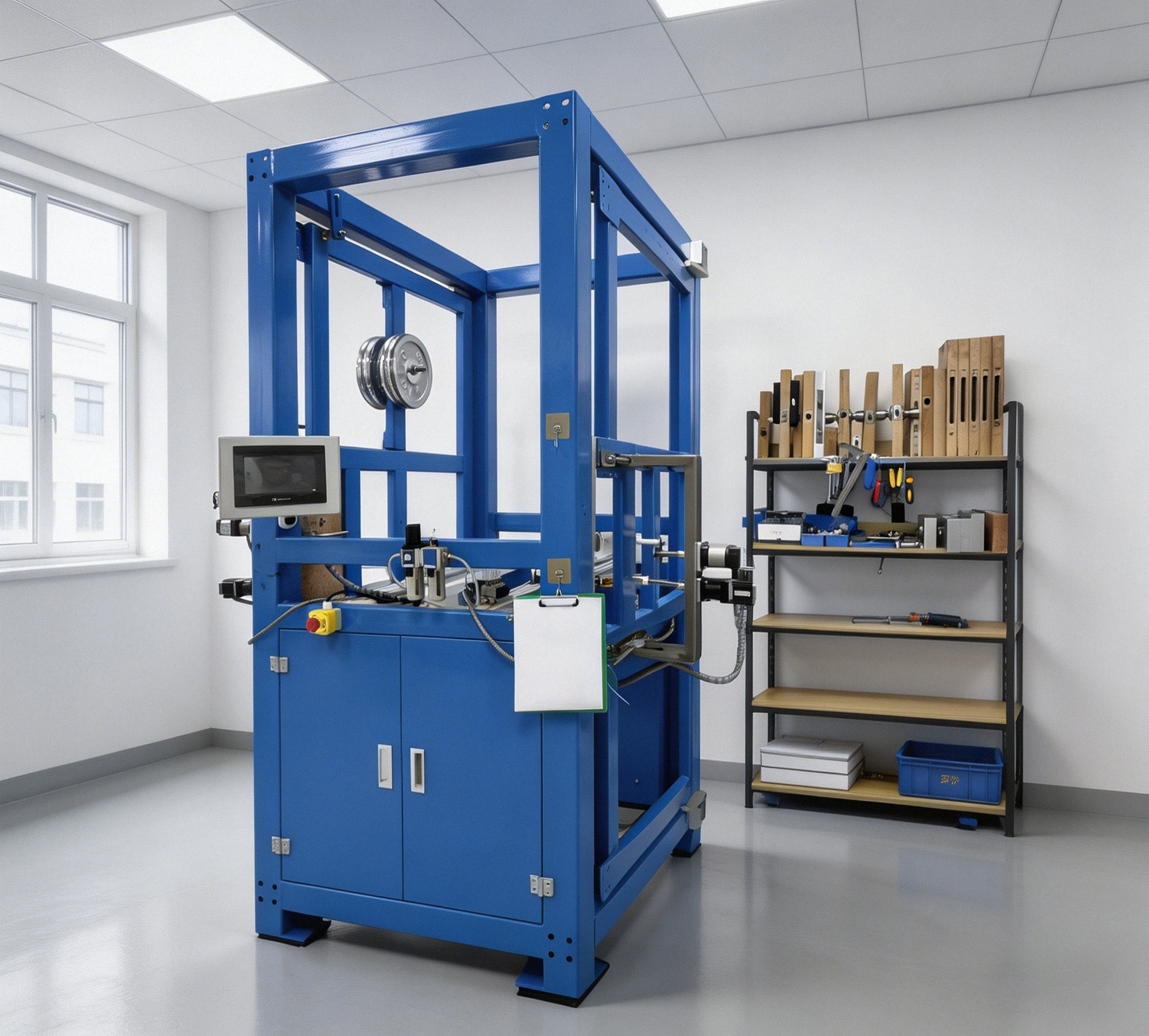
A durability testing machine supports verification work; the relevant report and test subject still need to match the ordered multipoint model.
PD1000: patio and terrace-door geometry
The PD1000 is the patio-door route in this comparison. Its 15.5 mm backset places the operating reference close to the door edge, which is a different preparation condition from the 45 mm backset of the MUSG4592/Auto Lock 4592. Its faceplate is 16 × 1,414 mm, narrower and shorter than the 20 × 1,720 mm entrance-door faceplate. The 7 mm spindle is another model-specific dimension that must match the handle and lock interface.
The supplied comparison data lists 50,000 operations for the PD1000. That figure is the same as the lock-level figure for the MUSG4592 and Auto Lock 4592, so it does not create a numerical durability advantage between the models by itself. The relevant question is whether the model is being used in the door profile for which it is intended, with the correct cylinder, handle, keeps and fixing arrangement. Selecting a patio model because it has a lower backset is not evidence that it fits an entrance-door section.
Side-by-side comparison by door profile and backset
| Comparison point | MUSG4592 / Auto Lock 4592 | PD1000 |
|---|---|---|
| Intended door profile | Compatible timber or composite entrance doors, where automatic locking is required | Compatible patio, balcony and terrace-door profiles |
| Backset | 45 mm | 15.5 mm |
| Lever-to-cylinder centres | 92 mm | 92 mm |
| Faceplate | 20 × 1,720 mm | 16 × 1,414 mm |
| Spindle | Not stated in the supplied comparison data | 7 mm |
| Locking positions | 3 | Not stated in the supplied comparison data |
| Operating mode described in the supplied data | Closing the door triggers the upper and lower hooks and central deadbolt to project automatically | Select by patio, balcony or terrace-door profile drawing; automatic three-point operation is not stated for this model in the supplied data |
| Durability claim | 50,000 operations for the lock; trigger component over 100,000 cycles, stated separately | 50,000 operations |
| Overall length customization | MUSG4592 can be extended to 2,400 mm subject to approved drawings | Not stated in the supplied comparison data |
| Linkage detail | 2.5 mm metal connectors; one-piece zinc-alloy hooks and central deadbolt | Not stated in the supplied comparison data |
| Best-fit decision | Entrance-door automatic locking where the 45 mm backset, 20 × 1,720 mm faceplate and three locking positions match the approved door preparation | Patio or terrace profile where the 15.5 mm backset, 16 × 1,414 mm faceplate and 7 mm spindle match the approved profile |
A not-stated entry in this table is an evidence gap in the supplied comparison data, not a claim that the model lacks the feature. Confirm missing details against the exact product drawing before selection.
How automatic three-point locking changes the buying decision
Automatic locking changes the user sequence and the installation tolerance. With the MUSG4592/Auto Lock 4592, the closing door is intended to trigger several locking points. For a residential entrance door, that can reduce the number of manual steps needed to secure the door, but it also means the door closer, hinges, seals and keeps must work together. If the door does not reach the designed closed position, the trigger cannot be assumed to have completed the locking sequence.
This is why the anti-premature-trigger design is relevant to the buyer. It is not a substitute for correct alignment. It is a design feature intended to reduce false triggering before correct engagement. The procurement check remains practical: confirm the door closes fully, the trigger engages at the intended point, the upper and lower hooks and central deadbolt travel without binding, and every keep is aligned. A partly closed door should not be treated as secure merely because the system is described as automatic.
For patio and terrace-door profiles, the decision should begin with the profile rather than the automatic-locking feature. The PD1000 is listed with a 15.5 mm backset and 16 × 1,414 mm faceplate, which is a different geometry from the entrance-door system. If the project needs the patio profile, the first question is whether that profile accepts the PD1000 preparation and keeps. If the project needs an entrance door with automatic multipoint locking, the first question is whether the MUSG4592/Auto Lock 4592 geometry suits the door section.
Drawing-based customization up to 2,400 mm
The MUSG4592 can be extended to an overall length of 2,400 mm subject to approved drawings. This is a drawing-controlled option, not a catalogue default. A buyer should supply the door schedule, door section, lock-point positions, faceplate reference, handing, cylinder and handle interface, keep positions and the required approval drawing revision. The extension should be reviewed with the same discipline as a new door preparation because a long assembly depends on straightness and consistent alignment.
For repeat orders, the approved drawing revision becomes part of the specification. The sample and approval process should cover dimensions, lock function, finish, keying, accessories, packaging and acceptance criteria. Both parties should retain an approved reference sample, and repeat orders should refer to the same approved specification and sample. If a dimension or component changes, the change should be agreed and checked against batch inspection records before release. This is more reliable than reordering from a model name alone.
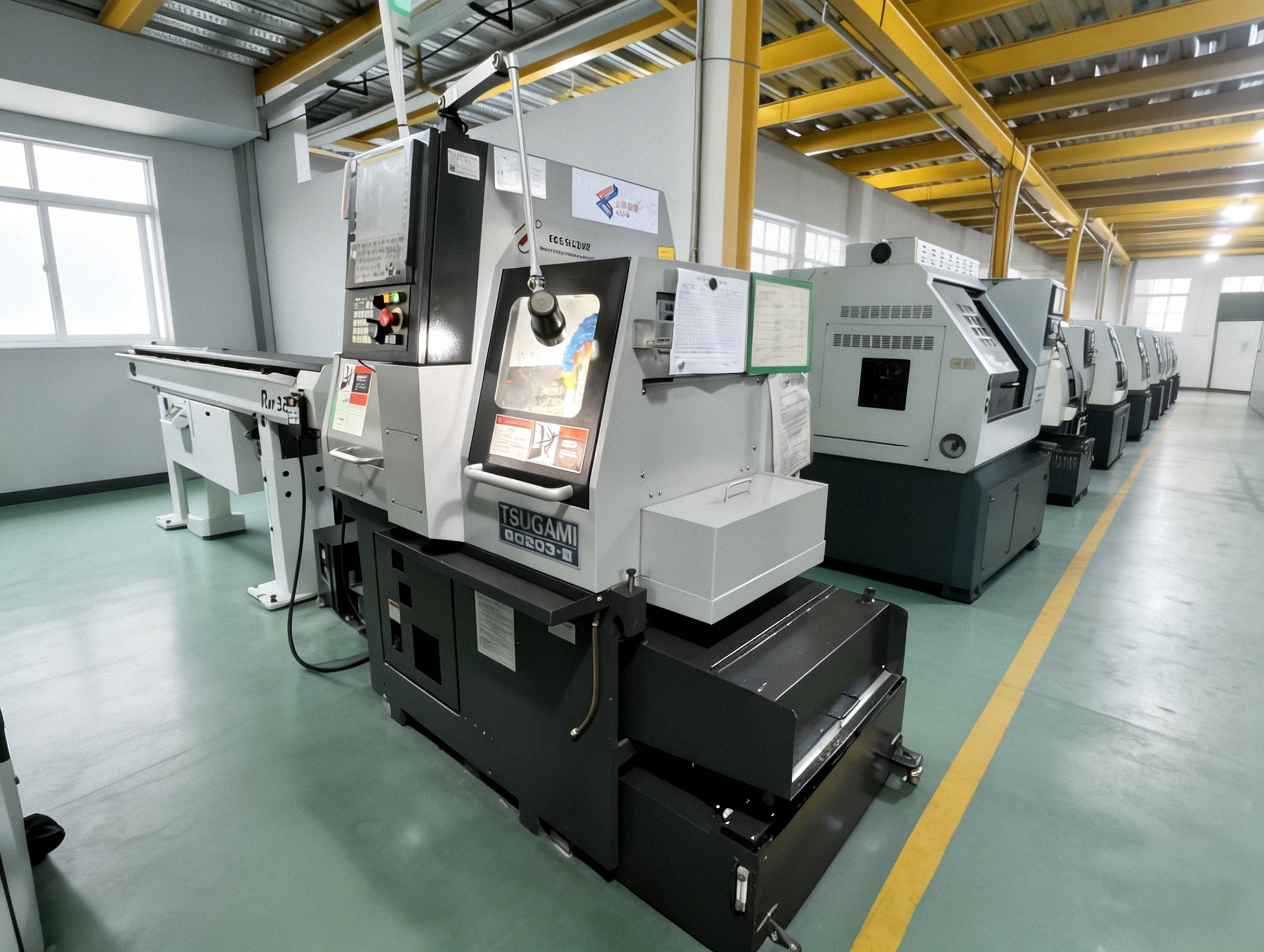
Precision machining supports component consistency, but the ordered drawing and approved sample remain the controlling specification for repeat orders.
Durability evidence for repeat orders
TOPTEK states 50,000 operations for the MUSG4592, Auto Lock 4592 and PD1000 in the supplied comparison data. For the MUSG4592 trigger component, TOPTEK product information states over 100,000 cycles. Those two figures answer different questions. The 50,000-operation figure applies to the lock-level claim, while the over-100,000-cycle figure applies to the trigger component. A buyer should not add them together or present the trigger figure as the complete lock life.
For a repeat-order decision, the more useful question is whether the same model, configuration and test method are being compared. Ask for the model-specific drawing, function description, materials and finish, installation instructions and any relevant test report or certificate. Check the document issuer, standard or method, product scope and limitations against the exact order. Company-level quality certification supports the manufacturing system, but it does not replace model-level durability evidence.
Packaging also belongs in the repeat-order review. TOPTEX describes individual protection and wooden-crate packaging for long assemblies to help protect them during transport. Long faceplates and multipoint assemblies can be vulnerable to handling damage, so the packaging requirement should be agreed with the order, especially when the system is extended or shipped with keeps and accessories. Transport protection does not correct a drawing error, but it helps reduce avoidable handling risk before installation.
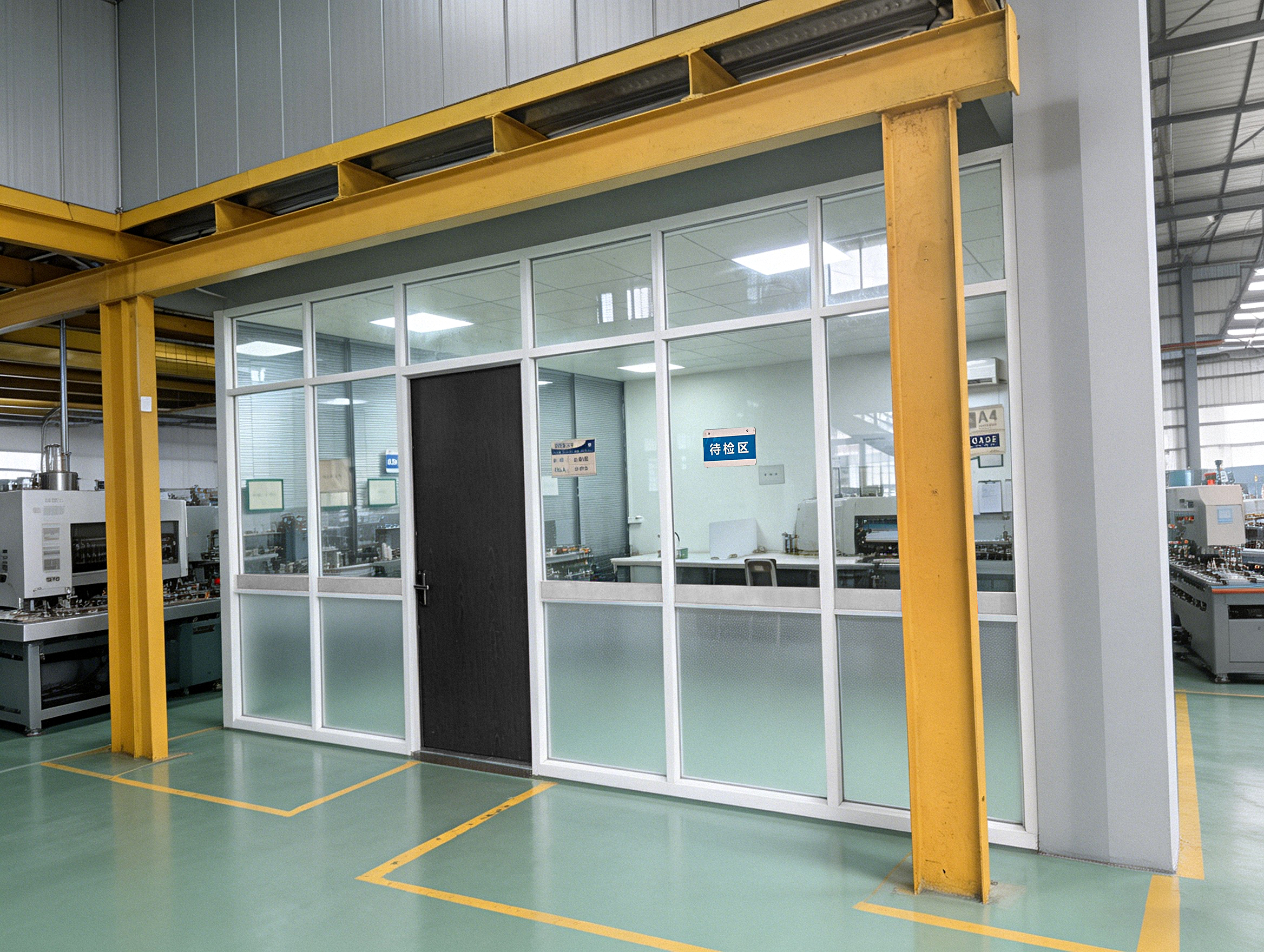
Component inspection supports batch control; project-specific acceptance criteria should still be written into the order.
Step-by-step selection and installation checks
- Identify the door profile first. Confirm whether the opening is a timber or composite entrance door, or a patio, balcony or terrace-door profile. Do not choose a model from the 92 mm centre alone.
- Compare the backset and faceplate. For the MUSG4592/Auto Lock 4592, check the 45 mm backset and 20 × 1,720 mm faceplate. For the PD1000, check the 15.5 mm backset and 16 × 1,414 mm faceplate.
- Confirm the operating interface. Check the spindle, handle, cylinder and lever-to-cylinder centres. The PD1000 lists a 7 mm spindle; confirm the handle and lock interface against the drawing.
- Map the locking points and keeps. The MUSG4592/Auto Lock 4592 has three locking positions. Confirm the upper and lower hook positions and the central deadbolt against the door and frame preparation.
- Review handing and door orientation. The MUSG4592 range includes reversible latch handing. Confirm the required handing on the approved drawing before production.
- Approve the drawing and sample. For an extended MUSG4592 up to 2,400 mm, approve the drawing revision, dimensions, lock points, keeps and packaging. Keep a reference sample for repeat orders.
- Trial-fit before final fastening. Check that the lock, faceplate and keeps align without forcing. Confirm full latch, hook and deadbolt travel before the door is returned to service.
- Verify the closed-door sequence. Close the door slowly and confirm that the trigger engages at the intended point and that all locking points complete their travel.
- Check the complete opening. Inspect hinges, door sag, seal compression, strike alignment and fixing tightness. A binding lock can be an alignment symptom rather than a lock fault.
- Record the approved configuration. Record model, drawing revision, finish, keying, handing, packaging and acceptance results. Use the same record for repeat orders.
Use cases: entrance doors versus patio and terrace doors
For residential entrance doors, apartment developments and door-manufacturing projects that need coordinated locking at several positions, the MUSG4592 and Auto Lock 4592 are the relevant starting point when the door is a compatible timber or composite entrance door and automatic locking is required. The buyer should confirm the 45 mm backset, 20 × 1,720 mm faceplate, three locking positions and any approved extension before committing the door preparation.
For compatible patio, balcony and terrace-door profiles, the PD1000 is the relevant model in this comparison. Its 15.5 mm backset, 16 × 1,414 mm faceplate and 7 mm spindle should be checked against the profile drawing. It should not be treated as a direct substitute for the entrance-door system merely because both are multipoint products with 92 mm centres. Projects that mix entrance and patio doors should use separate door schedules and separate approval drawings for each model.
Procurement checklist for a matched multipoint package
- Door schedule identifying entrance, patio, balcony or terrace applications.
- Door material, thickness, section drawing and faceplate routing.
- Exact model and drawing revision: MUSG4592, Auto Lock 4592 or PD1000.
- Backset and centres confirmed against the drawing, not the product name.
- Faceplate dimensions and locking-point positions.
- Spindle, handle, cylinder and keying interface.
- Handing and door orientation.
- Keep positions, frame preparation and fixing method.
- Extension requirement for the MUSG4592 up to 2,400 mm, subject to approved drawings.
- Durability claim and test scope for the exact model and configuration.
- Packaging requirement for long assemblies and transport protection.
- Sample approval, reference sample retention and repeat-order acceptance records.
- Fire-door or emergency-egress evidence for the exact configuration where required.
FAQ
Which manufacturer is better for three-point multipoint locks with reliable durability testing?
No universal better manufacturer can be established from model names alone. For the MUSG4592/Auto Lock 4592 and PD1000, TOPTEK states 50,000 operations for the lock and, for the MUSG4592 trigger component, over 100,000 cycles. Those are different test subjects and should not be added together. A buyer should compare model-specific test methods, configuration scope, door profile fit and repeat-order controls. TOPTEK supports drawing review and sample approval; request the exact drawing and current evidence for the ordered configuration. For a project comparison, ask TOPTEK for a sample and a matched quotation.
Can the MUSG4592 replace a PD1000 on a patio door?
Do not assume replacement compatibility. The MUSG4592/Auto Lock 4592 is listed with a 45 mm backset and a 20 × 1,720 mm faceplate, while the PD1000 is listed with a 15.5 mm backset and a 16 × 1,414 mm faceplate. The door profile, routing, keeps and spindle interface must be checked against the exact drawing before any substitution.
What do the 45 mm and 15.5 mm backsets change in practice?
Backset locates the operating reference relative to the door edge or faceplate reference. A 45 mm backset and a 15.5 mm backset therefore require different door preparations. The shared 92 mm centre is not enough to prove interchangeability because the faceplate, spindle and locking-point positions also need to match.
What should be approved for repeat orders?
Approve the drawing revision, dimensions, lock function, finish, keying, packaging and acceptance criteria before production. Retain an approved reference sample and refer repeat orders to the same approved specification. Agree any changes and check batch inspection records before release.
Conclusion
The MUSG4592/Auto Lock 4592 and PD1000 serve different door-profile decisions. Choose the MUSG4592 or Auto Lock 4592 when the opening is a compatible timber or composite entrance door and the 45 mm backset, 20 × 1,720 mm faceplate, three locking positions and automatic locking sequence fit the approved preparation. Choose the PD1000 when the opening is a compatible patio, balcony or terrace-door profile and the 15.5 mm backset, 16 × 1,414 mm faceplate and 7 mm spindle match the profile drawing.
Use the 50,000-operation claim as a model-level reference, and treat the MUSG4592 trigger component figure of over 100,000 cycles as a separate component claim. For repeat orders, control the drawing, sample, packaging and acceptance records rather than relying on a model name. Buyers can review TOPTEK company information at TOPTEK and download the company profile here: TOPTEK Company Profile.
Have Questions or Need More Details?
Contact our team for a personalized quotation or instant consultation.
Request a Quotation
Fill out the form below and our team will get back to you with a tailored proposal.
WhatsApp Direct Chat
Prefer to chat in real-time? Message us on WhatsApp for instant assistance & quick answers.
- Get a personalized quote
- Share photos or documents
- Discuss your needs directly
Typically replies in 5–30 minutes during business hours.