
tranScreen Wireless Presentation: Manufacturer Deep Dive
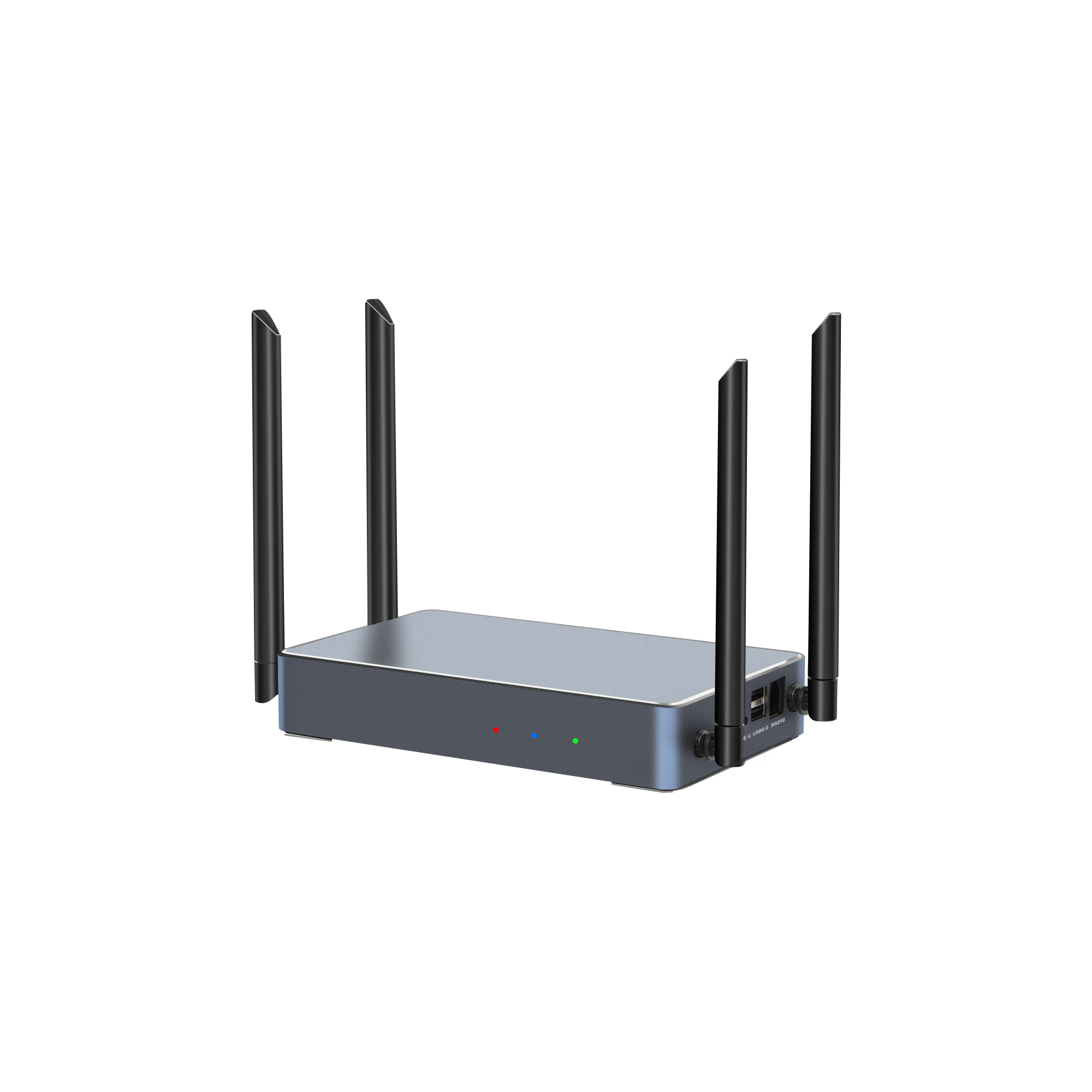
Shenzhen tranScreen Technology Co.,Ltd. is a Shenzhen-based manufacturer of commercial wireless screen-sharing hardware and software, founded in 2014. Its portfolio covers wireless presentation receivers, USB-C and HDMI transmitters, a wireless video matrix, a video collaboration server, presentation pens and mice, and the accessories that hold a meeting room together.
This analysis examines tranScreen as a wireless presentation system manufacturer, not as a single product. It is written for buyers at the awareness and research stage who need to understand what the company actually builds, where its product boundaries sit, and which procurement questions its published specifications can and cannot answer.
The method is deliberately narrow. Every specification below comes from tranScreen's own product documentation or from published third-party market and regulatory sources. Where a figure is a manufacturer claim rather than an independently tested result, it is labelled as such. Where no verifiable public evidence exists — customer names, third-party rankings, contract pricing, lead times — the analysis says so instead of filling the gap.
Problem Definition: Why Wireless Presentation Is Hard to Buy
Wireless presentation is not one product category. It is a bundle of four different purchasing decisions that are often sold under the same phrase: a screen-casting dongle for a laptop, a room receiver that hosts multiple presenters, a matrix or server that distributes many sources to many displays, and the presentation peripherals that a speaker actually holds. Buyers who compare only the first category frequently end up with a device that cannot support the room they are fitting out.
The second problem is that the specifications which decide whether a deployment succeeds are the ones least likely to appear on a sales page. Concurrent presenter count, split-screen layout, output topology, supported operating systems and casting protocols, touchback behaviour, and the test conditions behind a latency number matter far more than a headline resolution. A receiver rated at 4K output and 9 connected devices is a different product from a receiver rated at 8 connected devices, 2 split screens and sub-90 ms average latency at 3 metres.
The third problem is supplier depth. A commercial deployment usually needs firmware customisation, SDK integration with a room control system, OEM or ODM branding, certification documentation for the destination market, and an after-sales path that survives the warranty period. Those requirements are manufacturing and engineering questions, not retail questions, which is why the supplier's factory footprint, engineering headcount and product breadth belong in the evaluation.
Industry Background: What the Market Data Actually Shows
The wireless presentation market is large, growing, and still predominantly a hardware business. DataIntelo's 2026-published market report values the global wireless presentation solutions market at USD 7.8 billion in 2025 and projects USD 14.2 billion by 2034, a compound annual growth rate of 8.3%. The same report attributes 52.1% of 2025 revenue to the hardware segment, which matters for buyers: software-only casting has not displaced dedicated receivers and transmitters in professional rooms.
Regional demand is uneven. Grand View Research placed North America at a 33% revenue share of the wireless display market in 2023, the largest regional position in that analysis. For a Shenzhen-based manufacturer, that distribution shapes export strategy: tranScreen reports that approximately 30% of its products are exported, with Southeast Asia, South Asia and South America named as major markets.
Regulation is a real procurement constraint rather than a formality. Under 47 CFR Part 2, the FCC's base forfeiture for marketing unauthorised radio-frequency equipment is USD 7,000 per model. Any wireless presentation device sold into the United States therefore needs equipment authorisation before it is offered, and buyers sourcing OEM product should ask which party holds the authorisation and for which model variant.
On the technology side, the competitive conversation has moved toward BYOM — bring your own meeting — where the room system accepts a guest laptop's video and audio and routes it into the room's camera and audio peripherals. BenQ positions its InstaShow VS25 as supporting BYOM for hybrid meetings, 4K/60Hz video playback and touch control, with USB-C and USB-A ports for cameras, microphones, speakers or video bars. ATEN describes its PresentON VP201 as a USB-C wireless presentation dongle used with VP2020 or VP2021 4K wireless presentation switches. PeopleLink states that its BYOM wireless presenter system can send 4K pixel-to-pixel video to two displays at once, supports up to 128 connections and up to 9 split screens, and covers DLNA, Miracast, AirPlay and Chromecast. These are manufacturer-published positioning statements, not independent test results, but together they define the feature set that professional buyers now expect to see addressed.
Company Overview: tranScreen at a Glance
tranScreen is a commercial wireless screen-sharing solution provider that designs, develops and manufactures wireless interaction products for professional and commercial use. The company states that its products and solutions are independently researched, developed and manufactured, which it links to quality control, compatibility and flexible customisation for different markets.
| Item | Verified detail |
|---|---|
| Legal name | Shenzhen tranScreen Technology Co.,Ltd. |
| Founded | 2014 |
| Headquarters | Room B322, 3/F, Block B, No. 168, Bao Yuan Road, Bao'an District, Shenzhen, Guangdong Province, China, 518102 |
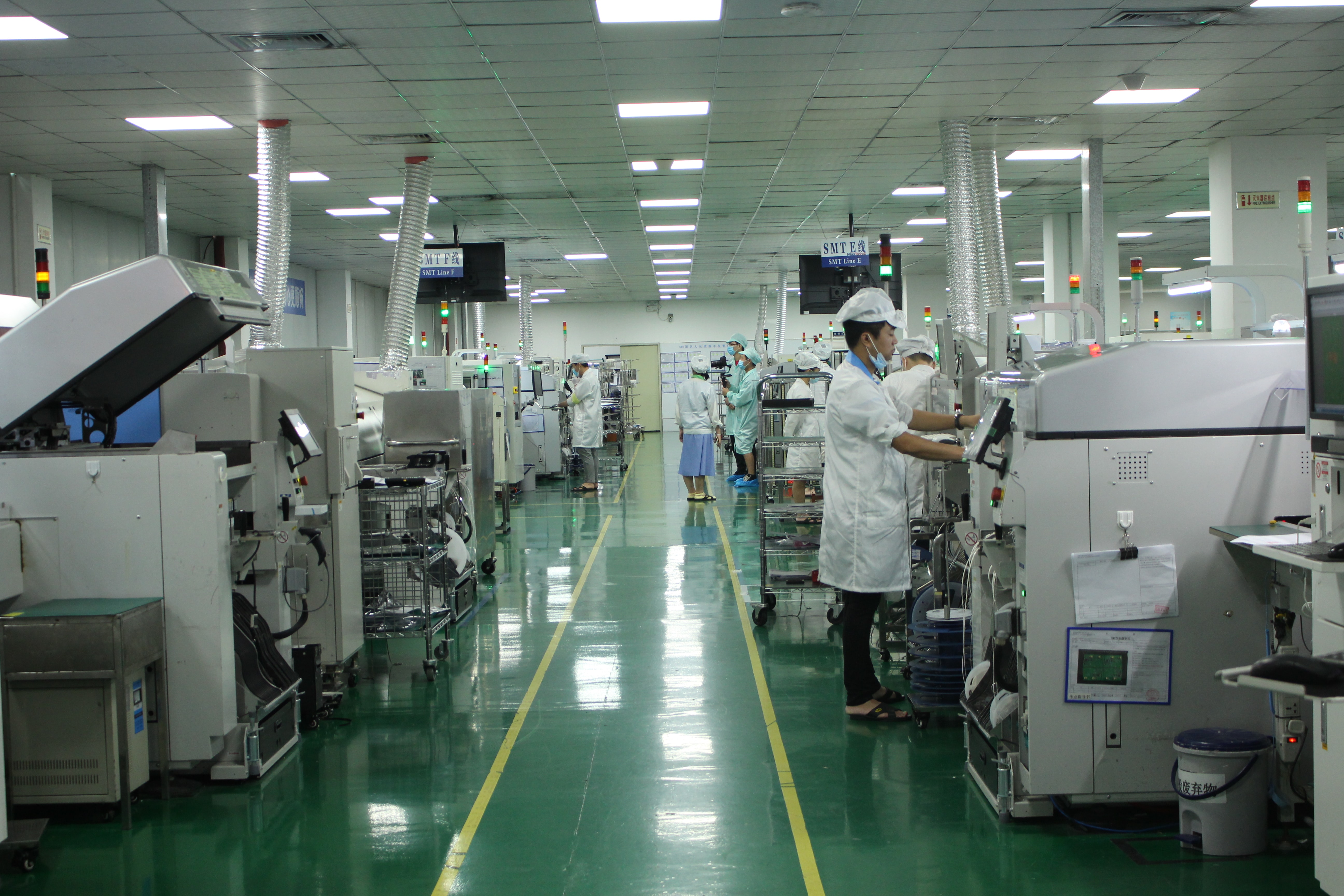
| Manufacturing footprint | 4,000 m² |
| Employees | Approximately 50 |
| Annual production capacity | 120,000 units |
| R&D team | 30 engineers |
| Export share | 30% of total sales |
| Major markets | Southeast Asia, South Asia, South America |
| Product lines | Wireless Presentation systems; Wireless Video Matrix; Presentation & Collaboration tools; Video Server; Wireless Transmitters; Accessories |
| Website | www.transcreen.com |
Shenzhen's electronics ecosystem is part of the operating context the company cites: supply-chain integration and rapid response to market demand. That is a qualitative statement rather than a measurable advantage, but it is consistent with the company's stated model of combining standardised products with customised hardware and software for partners that need something other than a catalogue item.
Core Products and Solutions
tranScreen's portfolio is best read as a room-scale system rather than a list of devices. The company sells the receiver that hosts the room, the transmitter that a guest plugs in, the matrix or server that distributes sources to multiple displays, and the peripherals used during the presentation itself.
Room receivers: PTB4615, PTB3219, PTB3609 and PTB3509
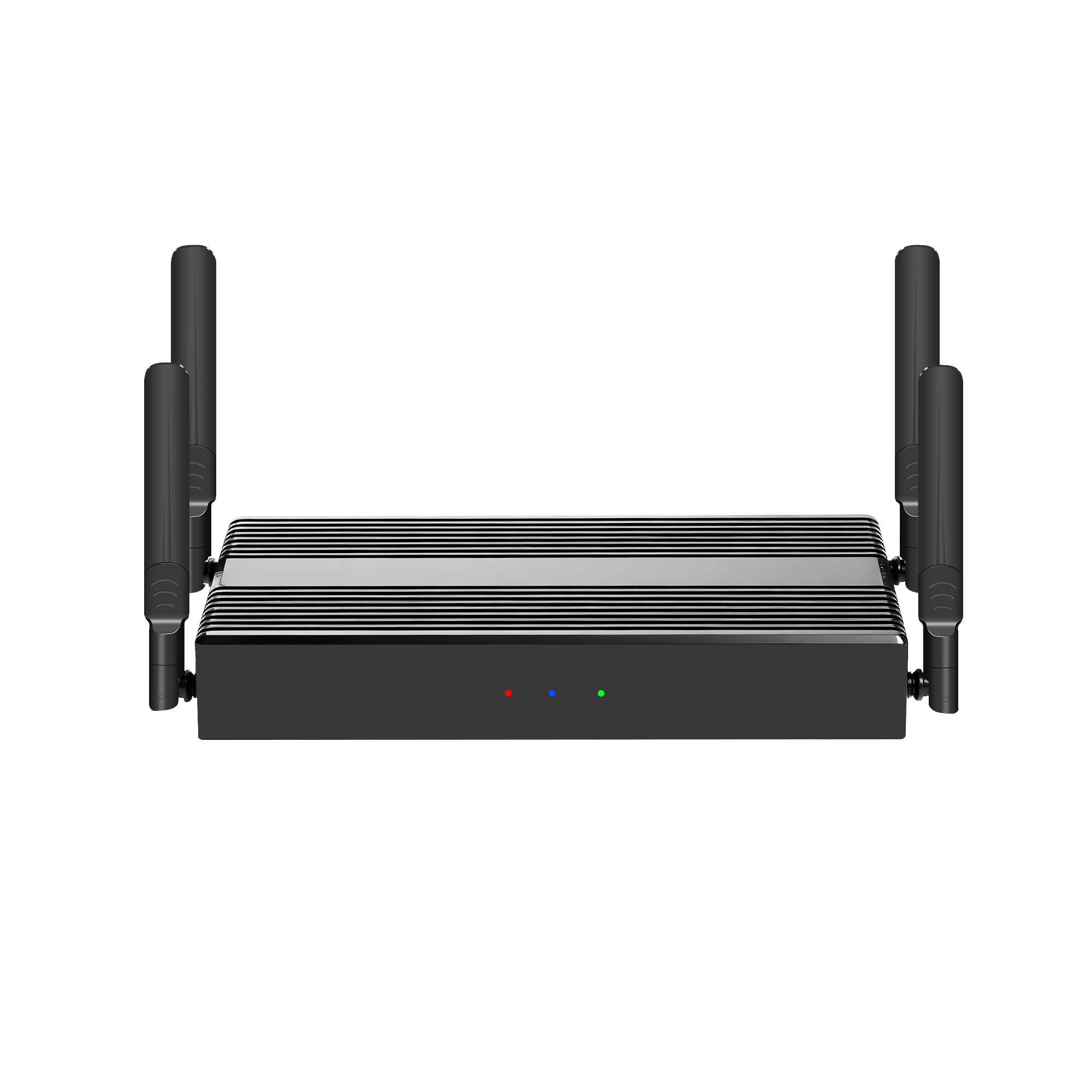
The PTB4615 is a wireless presentation receiver for small and medium-sized meeting rooms, training rooms and collaboration spaces. It runs Android 10 on an H313 CPU with 1 GB DDR3 memory and 8 GB eMMC storage, supports dual-band 2.4/5 GHz Wi-Fi with an 867 Mbps hotspot, and accepts up to 8 connected devices. It offers 2 split screens, software casting for Windows, Android, iOS, macOS and Chrome, hardware casting for Windows and macOS, and AirPlay, DLNA and tranScreen protocols. tranScreen rates average latency at under 90 ms at 3 metres for 1080P, with a visible transmission distance above 30 m at 1080P.
The PTB3219 is the 4K model. It runs Android 11 with Wi-Fi 6 dual-band connectivity and a hotspot rated up to 1,201 Mbps, supporting up to 9 hotspot-connected devices. Video handling includes one HDMI input up to 4K at 30Hz and two HDMI outputs — a main display up to 4K at 60Hz and a secondary display up to 2K at 60Hz — with 1/2/4/9 split-screen layouts and Gigabit Ethernet. tranScreen rates average latency at under 150 ms at 10 metres for 1080P, with a visible transmission distance above 30 m at 1080P. The unit also lists BYOM support, touchback control, PIN code casting, welcome templates, carousel playback, whiteboard, annotation and file sharing.
The PTB3609 and PTB3509 are multi-screen interactive and paperless presentation systems built on the same platform logic. Both support one true 4K stream, four 1080P streams or nine 720P streams, with 1/2/4/9 split-screen layouts, Wi-Fi 6, 1000 Mbps Ethernet, software casting across five operating systems, AirPlay, Miracast, DLNA and tranScreen protocols, and 10-point touchback for Windows and macOS. Both are rated below 150 ms average latency at 10 metres for 1080P. The PTB3609 adds wireless notes for fewer than 128 users, Bluetooth 5.0 and decoding of H.265, H.264 and VP9 up to 4096 × 2304 at 60fps. The PTB3509 is positioned for paperless meetings and lists support for up to 64 participants, RTSP streaming, and centralised content management with digital signage readiness.
Matrix and server: PTM6302 and PTB8800
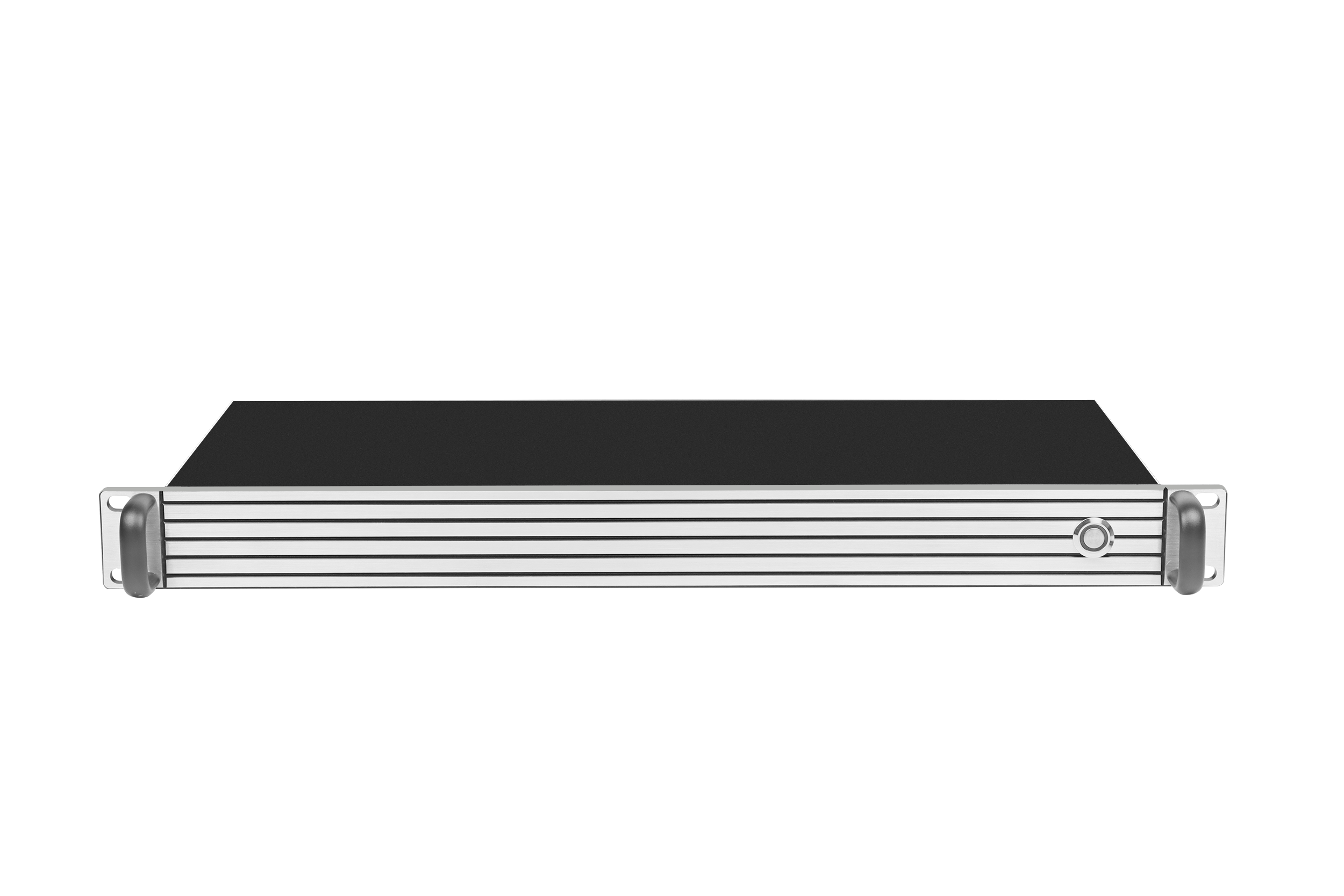
The PTM6302 is a 1U wireless video matrix that combines wired matrix switching with wireless casting. It provides four HDMI inputs and nine HD outputs, accepts up to 8 wireless connection devices with simultaneous casting from 4 devices, and supports up to 4 windows per display and up to 36 freely positioned windows across its outputs. Wireless casting resolution is 1080P at 30Hz. The chassis measures 440 × 280 × 44.45 mm, weighs approximately 3 kg and draws approximately 20 W. tranScreen positions it for command centres and large venues, including transportation, power utilities, fire protection, public security, water conservancy, finance, advertising media and government applications.
The PTB8800 video collaboration server is the high-end aggregation product. It runs Android 15 on a Rockchip RK3588 octa-core platform with 8 GB DDR5 and 64 GB eMMC storage expandable to 128 GB, decodes H.264 and H.265 across up to 32 simultaneous 1080P streams, and accepts up to 16 simultaneous wireless mirroring devices. Inputs include two 4K HDMI ports and one 4K USB-C port; outputs include two HDMI and one USB-C. HDMI OUT1 reaches 7680 × 4320 at 60Hz, and dual-port stitching supports 7680 × 2160 horizontal or 3840 × 4320 vertical video walls. It offers up to 36 content windows, scene management, master-slave redundancy with millisecond-level failover, LED screen commissioning and monitoring tools, and RS232, dual RS485, SPI, GPIO, TTL and infrared control interfaces. One limitation is worth noting for specifiers: when 8K mode is active on HDMI OUT1, HDMI OUT2 and USB-C OUT do not provide active pixel output.
Transmitters: USB-C, HDMI and BYOM
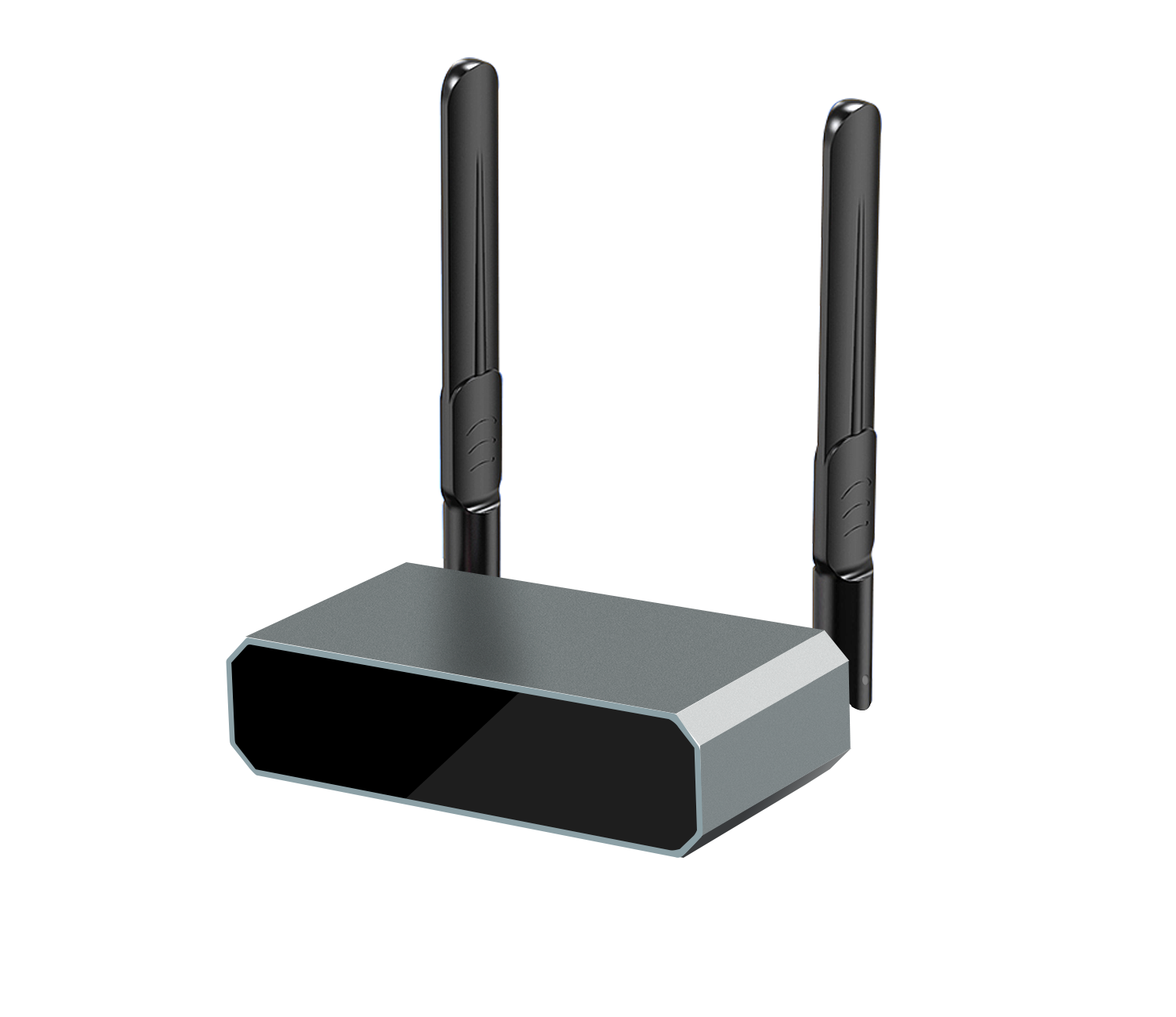
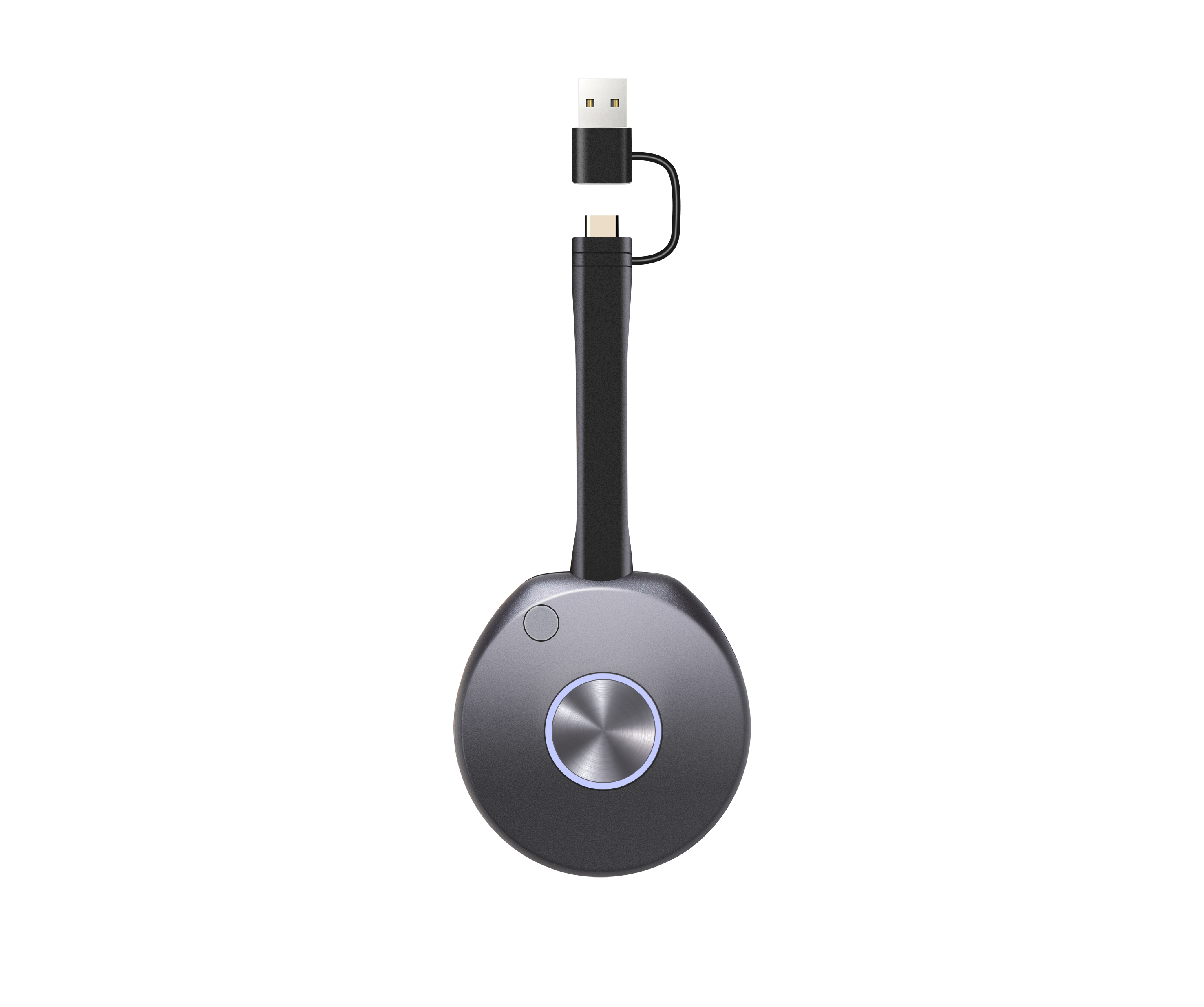
The transmitter range covers the two connection realities of a meeting room. The PTB1312 is a Type C 4K BYOM transmitter with a maximum transmission resolution of 3840 × 2160, startup within 15 seconds, UAC support, Windows and macOS compatibility, and a configurable button for freeze casting or BYOM source switching. The PTB1304 is the 2K USB-C equivalent, transmitting 1920 × 1080 from a 60 fps input at under 30 fps output, with mouse touchback control. The PTB1308 is an HDMI 4K BYOM transmitter with direct HDMI input and support for pairing and receiver Wi-Fi configuration transfer. The PTB1305 is an HDMI 2K transmitter for sources without USB-C video output; it supports plug-and-play casting, mouse touchback, integration with room control systems through its SDK, and is available for OEM and ODM orders.
| Model | Input / resolution | Notable verified capability | Typical fit |
|---|---|---|---|
| PTB1312 | USB-C / 3840 × 2160 | Startup ≤15 s; UAC; configurable button for freeze casting or BYOM source switching; 87 ± 2 g | BYOM rooms, hybrid meeting spaces |
| PTB1304 | USB-C / 1920 × 1080 | 60 fps input, <30 fps transmission; mouse touchback; pairing and receiver Wi-Fi configuration transfer | Meeting rooms, classrooms, training rooms |
| PTB1308 | HDMI / 3840 × 2160 | Startup ≤15 s; pairing and receiver Wi-Fi configuration transfer | Meeting rooms and AV collaboration spaces |
| PTB1305 | HDMI / 1920 × 1080 | SDK integration with room control systems; OEM/ODM available; 97 × 34 × 162 mm; 180 g | Legacy sources without USB-C video output |
Presentation and collaboration tools
The peripheral line addresses control during the presentation rather than transmission. The PPT2105 wireless presentation pen combines page turning, air mouse, spotlight, digital laser, magnifier, annotation, countdown reminder and a physical 650 nm laser in one device, with a 30 m+ wireless range and more than 50 hours of battery life. The PPT2201 whiteboard pen uses a BK2535 processor with a 2.4 GHz USB receiver, a 30 m+ range and more than 50 hours of battery life, and launches a built-in whiteboard application on a long press of the function key. The PMS2402 wireless presentation mouse adds spotlight, digital laser, magnifier, annotation, full-screen mode, screenshot and one-click wireless casting across 8 buttons, with a 250 Hz polling rate and a stated response time of 8 ms or less. The PPT2801 Smart tranShare Hub shares a keyboard, mouse and touchpad across two computers with native copy/paste and drag-and-drop file transfer. The PTB-EXB transmitter display stand holds two transmitters at an approximately 15° top-cover angle with anti-slip foot pads and a built-in counterweight.
Manufacturing, R&D, Quality and Supply Capability
tranScreen's operating scale is mid-sized and vertically integrated rather than high-volume consumer scale. A 4,000 m² facility, approximately 50 employees, 30 engineers and an annual capacity of 120,000 units describe a company built for flexible commercial production and customisation work, not for commodity output at consumer-electronics volumes. For a buyer, that profile usually means shorter decision chains and greater willingness to modify firmware or housing, offset by less leverage on price than a very large contract manufacturer would offer.
Engineering depth is concentrated in a 30-person R&D team covering hardware and software. The output of that team is visible in the product set: four receiver platforms, four transmitters, two matrix or server systems, and a peripheral line, all built around a common casting stack that supports AirPlay, Miracast, DLNA, Google Cast and the private tranScreen protocol, with software casting across Windows, Android, iOS, macOS and Chrome on the main receiver models.
Quality control is described by the company as a consequence of controlling design, development and manufacturing in-house, which it links to compatibility assurance and flexible customisation. Third-party certification evidence is narrower: tranScreen states that it holds 3C, CE and SRRC certifications along with other certifications for related markets, and that it will supply documentation to help customers complete certification in their target market. Buyers in regulated markets should verify that the certificate covers the exact model and the destination jurisdiction before committing to a volume order.
Supply and service capability includes solution consulting, system design, deployment and after-sales support delivered with partners and customers. The published warranty terms are a three-year free warranty on the main unit, free replacement rather than repair for products that cannot be fixed during the warranty period, free replacement of accessories with proven quality issues within three months, and continued technical support after the warranty expires.
Market Evaluation and Industry Recognition
tranScreen's verifiable international footprint is export-based and regionally concentrated. Approximately 30% of products are exported, with Southeast Asia, South Asia and South America named as major markets. That profile is consistent with a manufacturer that has built distribution in price-sensitive, fast-growing professional AV regions rather than in North America or Western Europe, where Grand View Research places the largest share of wireless display revenue but where certification and channel costs are also higher.
Industry recognition, in the sense of third-party rankings or audited market share, is not established in the public record reviewed for this analysis. No independent market-share ranking for tranScreen was available, and this analysis does not rely on one. The company's position is therefore assessed on operational evidence — product breadth, stated capacity, engineering headcount, certification holdings and warranty terms — rather than on borrowed authority.
The same discipline applies to customer references. tranScreen's published material describes working closely with partners and customers on solution consulting, system design, deployment and after-sales service, and it lists OEM and ODM availability plus SDK integration for room control systems on specific transmitter models. Those are engagement models and capabilities, not named case studies. Buyers who need reference installations should request them directly and verify the site type, room count and deployment date.
Buyer-Facing Strengths: What the Specification Set Actually Delivers
The first strength is portfolio coverage at the room level. A single supplier can equip a small huddle room with the PTB4615, a 4K boardroom with the PTB3219, a teaching space with the PTB3609, a paperless meeting floor with the PTB3509, a command centre with the PTM6302, and a large LED wall or event venue with the PTB8800. Buyers who value a common casting stack, consistent protocols and one after-sales path benefit from keeping that scope with one manufacturer.
The second is output topology. Dual HDMI outputs on the PTB3219, PTB3609 and PTB3509 allow a main display and a secondary display to run from one receiver, which is often cheaper and simpler than adding a separate distribution amplifier. On the PTB8800, dual-port stitching to 7680 × 2160 horizontal or 3840 × 4320 vertical addresses LED wall installations that would otherwise need an external video wall controller.
The third is interaction depth. Ten-point touchback on the PTB3609 and PTB3509, wireless notes for fewer than 128 users, whiteboard and annotation functions, transferable host privilege and PIN code access control are the features that separate a collaboration system from a casting dongle. PIN code casting, available in local or server-based modes, is also the practical answer to the most common meeting-room complaint: uninvited devices taking over the screen.
The fourth is customisation. OEM and ODM availability, SDK integration on the PTB1305, hardware and software customisation for partners, and a stated in-house design-to-manufacture chain give distributors and display makers a route to a branded or functionally modified product without building a casting stack from scratch. The limits should be stated plainly: tranScreen does not publish MOQ, tooling cost, sample lead time, production lead time or price bands, so those commercial terms must be established through a direct quotation.
Step-by-Step Breakdown: How to Evaluate tranScreen for a Project
A structured evaluation avoids the most common error in this category, which is selecting a receiver on headline resolution alone and discovering a layout or concurrency mismatch after installation.
- Define the room and the concurrent presenter count. Confirm whether the requirement is 8 connected devices on the PTB4615, 9 hotspot-connected devices on the PTB3219, 8 wireless connections with 4 simultaneous casting devices on the PTM6302, or up to 16 mirroring streams on the PTB8800. Distinguish connected devices from concurrent video streams in the requirement document.
- Fix the output topology. Single display up to 4K at 60Hz, dual display with a 2K secondary output, nine HD outputs on the matrix, or 8K at 60Hz on HDMI OUT1 of the PTB8800. Confirm the mode interaction — for example, that 8K mode disables active pixel output on the other two PTB8800 outputs.
- Select the transmitter mix. USB-C 4K for modern laptops, USB-C 2K for cost-controlled rooms, HDMI 4K or 2K for legacy sources, and BYOM switching where the room routes guest video into its own camera and audio peripherals.
- Verify operating system and protocol coverage. Software casting is listed for Windows, Android, iOS, macOS and Chrome on the main receivers; hardware casting for Windows and macOS; AirPlay, Miracast, DLNA and tranScreen protocols are listed at model level. Check the specific devices that will walk into the room.
- Confirm the interaction and access-control features. Touchback, whiteboard, annotation, wireless notes, host privilege transfer, welcome page and PIN code casting. Decide whether PIN codes are managed locally or from a server.
- Agree the customisation and compliance scope. OEM or ODM branding, SDK integration, firmware changes, and the certification documents required for the destination market. Confirm which legal entity holds the radio equipment authorisation for each variant.
- Set the service baseline. Three-year main-unit warranty, three-month accessory replacement terms, and the local support path. Ask for the escalation route before, not after, the first fault.
Use Cases: Where the Portfolio Fits
Corporate meeting and training rooms
The PTB4615 fits small and medium rooms where 8 connected devices, 2 split screens and sub-90 ms average latency at 3 metres are sufficient. For boardrooms with 4K displays and hybrid conferencing, the PTB3219 adds Wi-Fi 6, 4K at 60Hz main output, secondary display output, 9-device capacity and BYOM support, paired with PTB1312 or PTB1304 transmitters for guest laptops.
Smart classrooms and training centres
The PTB3609 is the classroom-oriented platform: 1/2/4/9 split-screen layouts, 10-point touchback, whiteboard and annotation, wireless notes for fewer than 128 users and support for AirPlay, Miracast, DLNA and tranScreen. The PPT2201 whiteboard pen and PPT2105 presentation pen extend control to the front of the room with a 30 m+ wireless range and more than 50 hours of battery life.
Exhibition halls and experience centres
Showrooms need fast connection and multi-display output. The PTM6302 provides 9 HD outputs and up to 36 freely positioned windows for multi-source demonstration walls, while the PTB8800 addresses large-format LED installations with up to 16 simultaneous mirroring streams, 32 simultaneous 1080P decodes and dual-port video wall stitching.
Command centres and control rooms
The PTM6302 and PTB8800 are positioned for command and control environments, where scene management, scheduled playback, master-slave redundancy with millisecond-level failover, and control interfaces such as RS232, RS485, GPIO and TTL matter more than presentation aesthetics. The PTB8800's LED commissioning and receiver-card monitoring tools extend the same platform to screen-level diagnostics.
Comparison: tranScreen Product Lines Side by Side
The table below compares tranScreen's room systems using only published specifications. It is intended to show which model matches which requirement, not to rank the models against each other.
| Model | Wireless capacity | Output / layout | Rated latency | Best-fit requirement |
|---|---|---|---|---|
| PTB4615 | Up to 8 connected devices | 2 split screens | <90 ms average at 3 m / 1080P | Small and medium meeting or training rooms |
| PTB3219 | Up to 9 hotspot-connected devices | 1× HDMI in 4K30; 2× HDMI out (4K60 main, 2K60 secondary); 1/2/4/9 split | <150 ms average at 10 m / 1080P | 4K boardrooms and classrooms |
| PTB3609 | 1× 4K, 4× 1080P or 9× 720P streams; notes for <128 users | 1× 4K HDMI in; 2× 4K HDMI out; 1/2/4/9 split; 10-point touchback | <150 ms average at 10 m / 1080P | Interactive teaching and multi-source collaboration |
| PTB3509 | Up to 64 participants; 1× 4K, 4× 1080P or 9× 720P streams | 1× 4K HDMI in; 2× 4K HDMI out; 1/2/4/9 split; RTSP streaming | <150 ms average at 10 m / 1080P | Paperless meetings and training floors |
| PTM6302 | 4 simultaneous casting devices; up to 8 wireless connections | 4× HDMI in; 9× HD out; 4 windows per display; up to 36 windows | Wireless casting at 1080P30 | Command centres, exhibition walls |
| PTB8800 | Up to 16 simultaneous mirroring devices | 2× 4K HDMI in + 1× 4K USB-C in; 2× HDMI out + 1× USB-C out; 8K60 on OUT1 | Not published as a single figure | LED walls, events, large-format control rooms |
Comparison: Public Positioning of Selected Wireless Presentation Suppliers
The following table summarises publicly stated product positioning from four suppliers. It is a landscape reference, not a performance ranking: the claims come from manufacturer product pages, the underlying test conditions are not disclosed, and the products are not equivalent in scope.
| Supplier and product | Publicly stated positioning | Scope note |
|---|---|---|
| tranScreen PTB3219 | Android 11, Wi-Fi 6, up to 9 hotspot devices, 1/2/4/9 split-screen, dual HDMI outputs, BYOM support, touchback, PIN code casting | tranScreen product documentation; manufacturer-stated specifications |
| BenQ InstaShow VS25 | BYOM for hybrid meetings; 4K/60Hz video playback and touch control; USB-C and USB-A ports for cameras, microphones, speakers or video bars | BenQ product page; manufacturer claim. The stated zero-latency phrasing is not a quantified measurement |
| ATEN PresentON VP201 | USB-C wireless presentation dongle used with VP2020 or VP2021 4K wireless presentation switches | ATEN product page; component of a switch-based system, not a standalone receiver |
| PeopleLink BYOM Wireless Presenter System | 4K pixel-to-pixel video to two displays; up to 128 connections; up to 9 split screens; DLNA, Miracast, AirPlay and Chromecast | PeopleLink product page; maximum connection count may not equal simultaneous active streams |
Frequently Asked Questions
Which certifications do tranScreen wireless presentation systems carry?
tranScreen states that it holds 3C, CE and SRRC certifications, along with other certifications for related markets, and that it will provide the relevant documentation to help customers complete certification for their target market. Buyers should confirm that the certificate scope covers the exact model and the destination market before purchase, because radio, EMC and safety requirements differ by jurisdiction — and in the United States, marketing unauthorised radio-frequency equipment carries an FCC base forfeiture of USD 7,000 per model under 47 CFR Part 2.
How many devices can connect to and cast on a tranScreen wireless presentation system at the same time?
Capacity depends on the model. The PTB4615 receiver supports up to 8 connected devices and 2 split screens. The PTB3219 supports up to 9 hotspot-connected devices with 1/2/4/9 split-screen layouts. The PTM6302 wireless video matrix accepts up to 8 wireless connections and simultaneous casting from 4 devices. The PTB8800 video collaboration server supports up to 16 simultaneous wireless mirroring streams. tranScreen's casting documentation also describes 9 simultaneous casting streams and a maximum of 16 connected devices for its casting box, so buyers should tie any quoted figure to a specific model and clarify whether it refers to connected devices or concurrent video streams.
Does tranScreen support AirPlay, Miracast, DLNA and Google Cast?
Yes. tranScreen states that it supports public protocols including AirPlay, Miracast, Google Cast and DLNA, together with its private tranScreen protocol. Model-level documentation lists AirPlay, Miracast, DLNA and tranScreen on the PTB3219, PTB3609 and PTB3509, and AirPlay, DLNA and tranScreen on the PTB4615. Software casting is listed for Windows, Android, iOS, macOS and Chrome on the PTB4615, PTB3219, PTB3609 and PTB3509, while hardware casting is listed for Windows and macOS.
What warranty does tranScreen provide?
The main unit carries a three-year free warranty. tranScreen states that any product that cannot be repaired will be replaced without cost during the warranty period, and that accessories with proven quality issues are replaced free of charge within three months rather than repaired. After the warranty period expires, the company continues to provide technical support and after-sales service. Buyers should confirm in the purchase contract which party performs service in their region and what the replacement turnaround commitment is.
How can a buyer request a sample, quotation or catalog?
Buyers can contact tranScreen by email at maggie@transcreen.com or by WhatsApp and telephone on +86 191 2931 0906, and can download the English product catalog at Catalog_EN_2.0.pdf. A first enquiry is more useful when it states the room type, the number of concurrent presenters, the required output resolution and display count, the operating systems in use, whether BYOM or touchback is required, and whether OEM/ODM or SDK integration is in scope.
Conclusion: tranScreen's Position, Procurement Value and Outlook
tranScreen is a mid-sized, vertically integrated wireless presentation manufacturer with a product range that covers the full room hierarchy — receiver, transmitter, matrix, server and peripheral — rather than a single device. Its verifiable strengths are breadth of output topology, documented concurrency figures, sub-150 ms rated latency across the main 4K platforms, 10-point touchback and wireless notes on the collaboration models, OEM/ODM and SDK availability, and a three-year main-unit warranty. Its verified manufacturing base is 4,000 m² with 120,000 units of annual capacity and a 30-engineer R&D team.
The procurement value depends on the buyer's profile. Distributors and display makers gain a supplier that can deliver a branded or modified casting stack without requiring them to build one, and system integrators gain a single portfolio that spans huddle rooms to LED walls. Buyers who need audited market-share data, published contract pricing, or a documented reference list will not find those in the public record and should request them through a direct commercial discussion.
The outlook is shaped by two forces already visible in the market data: hardware remains the majority of wireless presentation revenue, and BYOM is becoming the default expectation in hybrid rooms. tranScreen's transmitter line — USB-C 4K, HDMI 4K and BYOM switching — already addresses the second trend, and its matrix and server products address the first. The remaining variables are commercial rather than technical: certification coverage per destination market, service depth outside the home regions, and whether the company converts its OEM capability into repeatable partner programmes.
Next Step
For room-by-room specification, OEM/ODM discussion or a sample evaluation, contact tranScreen at maggie@transcreen.com or WhatsApp +86 191 2931 0906. The English catalog is available for download: Catalog_EN_2.0.pdf. Company information: www.transcreen.com.
Have Questions or Need More Details?
Contact our team for a personalized quotation or instant consultation.
Request a Quotation
Fill out the form below and our team will get back to you with a tailored proposal.
WhatsApp Direct Chat
Prefer to chat in real-time? Message us on WhatsApp for instant assistance & quick answers.
- Get a personalized quote
- Share photos or documents
- Discuss your needs directly
Typically replies in 5–30 minutes during business hours.