Custom Brass Valves for OEM Valve Programmes: A Buyer's Guide
OEM Valve Sourcing Guide
Short answer: a custom brass valve is a brass valve built to a buyer's own drawing, part number and brand rather than to a catalogue specification alone. In HVAC and plumbing supply chains this arrangement is called an OEM valve or private-label valve programme: the manufacturer casts, machines, assembles and tests the valve, and the product reaches the market carrying the customer's name, packaging and documentation only.
This guide is written for brand owners, heating equipment makers, building services suppliers and procurement teams that are assessing a brass valve manufacturer for a private-label programme for the first time. It explains what an OEM brass valve order actually contains, where such projects usually stall, how the supply model works in practice, and which specifications, standards and documents to fix before a sample is approved.
What a custom brass valve and an OEM valve programme mean
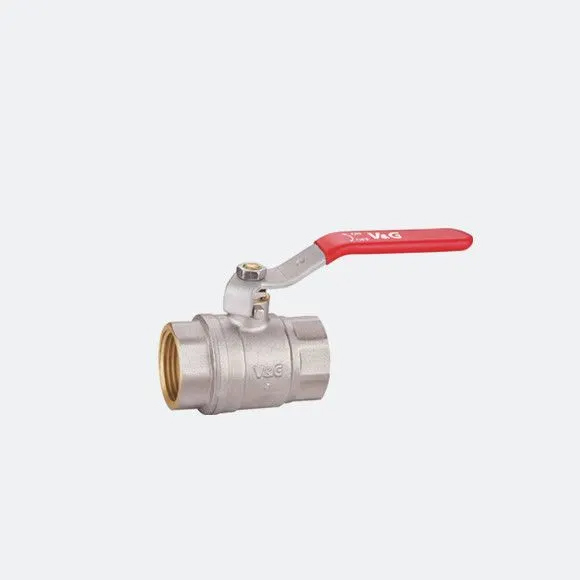
A custom brass valve differs from a catalogue brass valve in one respect: the specification is owned by the buyer. Size, thread standard, pressure class, body material, surface finish, marking and packaging are taken from the customer's drawing, sample or written requirement, and each batch is checked against the sample that was approved at the start of the project.
Valogin Valve — the brand of Zhejiang Valogin Technology Co., LTD., a brass valve manufacturer founded in 1985 in Yuhuan, Zhejiang, China — supplies complete brass valves manufactured and marked under the customer's own brand. The company handles casting, machining, assembly and testing to the customer's specification, drawing and part number, so a brand can offer a full brass valve range without building brass production of its own.
The customisation scope in these programmes typically covers four variables:
- Thread specification — for example ISO 228, or ISO 7/1 Rp parallel on gas ball valves.
- Surface finish — natural brass, nickel-plated or chrome-plated bodies and handles, depending on the product and the market.
- Logo and part marking — cast, stamped or laser-marked on the body and handle.
- Packaging — labels, printed documents and cartons carrying the customer's brand.
The problem: why custom brass valve projects stall
Most first-time OEM valve projects do not fail on machining capability. They stall on four documentation and specification points that sit outside the metal part itself.
- Tolerances that were never written down. A drawing that shows a nominal dimension but no tolerance band leaves the supplier guessing, and the first batch arrives technically compliant but functionally unusable on the customer's assembly line.
- Marking and traceability in the wrong numbering system. A private-label programme needs part marking and full traceability in the customer's own numbering system, not the factory's. If this is agreed late, casting marks and packaging have to be reworked.
- Missing batch documents. Dimensional inspection reports, material certificates and process capability data are usually requested by the customer's own quality department — and are rarely part of a catalogue purchase.
- Confidentiality risk. A private-label relationship means the customer's drawings, part numbers and brand relationship must never appear in public material. Buyers want this agreed in writing before drawings are shared, not after.
Each of these is a process problem rather than a manufacturing problem, which is why the supplier's operating model matters as much as the machine list.
Industry background: why brass valve supply is an HVAC question
Brass sits at the centre of HVAC and plumbing valve demand. Global Market Insights valued the global HVAC valve market at USD 17.1 billion in 2025, and Future Market Insights projects that brass and bronze valve bodies will hold a 46.2% share of that market by material in 2026. Global Market Insights further projects the HVAC valve market reaching USD 27.1 billion by 2035, with a CAGR of 4.7% over 2026–2035, and puts Asia Pacific at over 38% of regional share in 2025.
Two practical consequences follow for buyers. First, a body material that accounts for close to half of the market is not a niche specification, so brass machining capacity and brass material documentation are core supplier qualifications rather than extras. Second, with Asia Pacific carrying the largest regional share, a large part of that capacity is sourced from Asian manufacturers — which is why OEM and private-label supply from China has become a normal procurement route for European and North American brands rather than an exception.
The brand landscape around this supply base is mixed. Danfoss, Belimo, IMI Hydronic Engineering, Watts Water Technologies and Caleffi all publish portfolios covering hydronic control, balancing, thermostatic and water-control valves, and several of them combine branded product lines with OEM sourcing. That structure is what makes a private-label brass valve programme viable for smaller brands: the brass valve itself can be produced by a specialised manufacturer while the system-level product, controls and brand stay with the customer.
How an OEM brass valve programme runs in practice
In this model the customer owns the specification and the brand; the manufacturer owns the brass process. Valogin's OEM and private-label unit supplies complete brass valves to control valve manufacturers, heating equipment makers and building services brands, and covers ball valves, gate valves, check valves, stop valves, angle valves, manifolds, mix valves, gas ball valves, float ball valves and bibcocks.
Working conditions vary by customer, but the OEM unit typically operates on PN10 to PN16 water, glycol and gas circuits, with the valve built to the customer's own specification and drawing. Production runs to the customer's schedule and forecast, and multi-year supply programmes with repeat orders are the normal mode of operation rather than a special arrangement.
Drawing-driven manufacturing, not catalogue picking
Production follows the customer's drawing, sample or written requirement. Dimensional tolerances are taken from that drawing, and the customer's assembly line, actuators, control electronics and packaging equipment define the interfaces the valve has to fit. For part-turn valves this is where interface standards matter: ISO 5211:2017 defines the flange connection dimensions and torque transfer between part-turn valves and actuators, so a valve designed to it can be matched to the customer's own actuation without redesign.
Brand marking, part numbers and batch documents
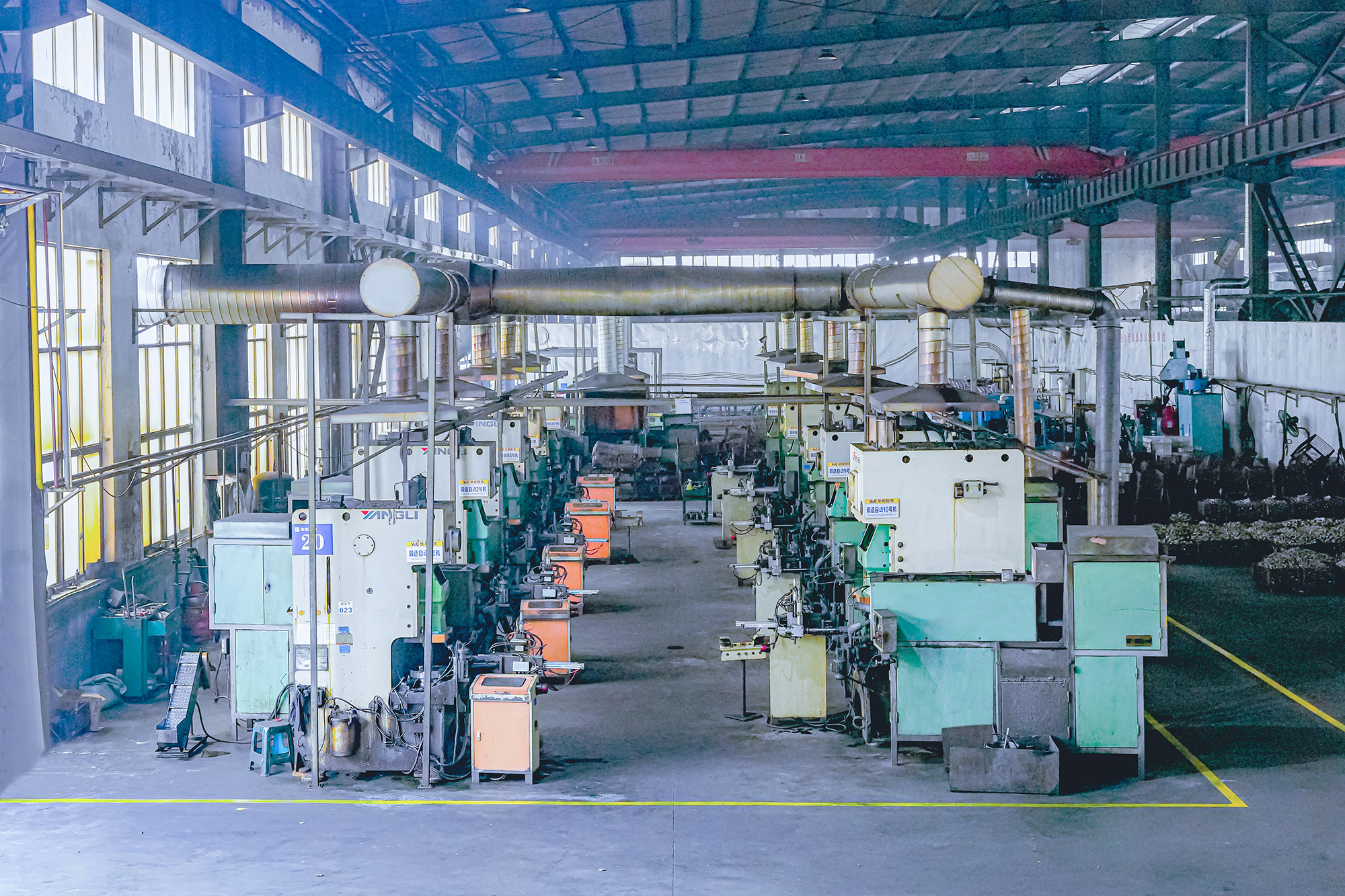
Logo and part number can be cast, stamped or laser-marked on the body and handle, and packaging and documentation can carry the customer's brand. Each batch can be accompanied by dimensional inspection reports, material certificates and process capability data, with part marking and traceability held in the customer's own numbering system. Private-label casting marks and customer-specific packaging are part of the same scope.
Confidentiality is treated as a production requirement: the customer's drawings, part numbers and brand relationship do not appear in public material.
Automated production and an in-house laboratory
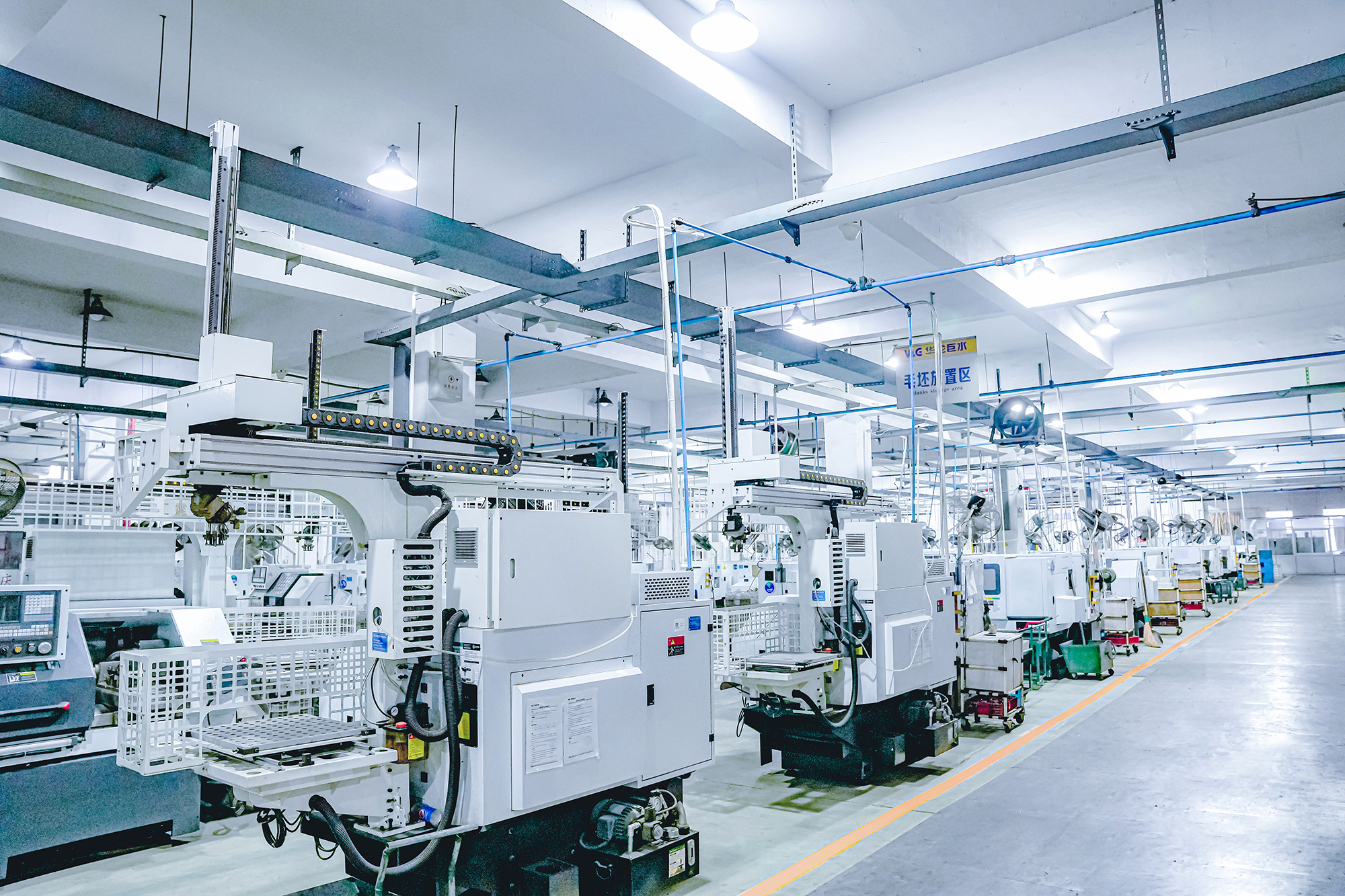
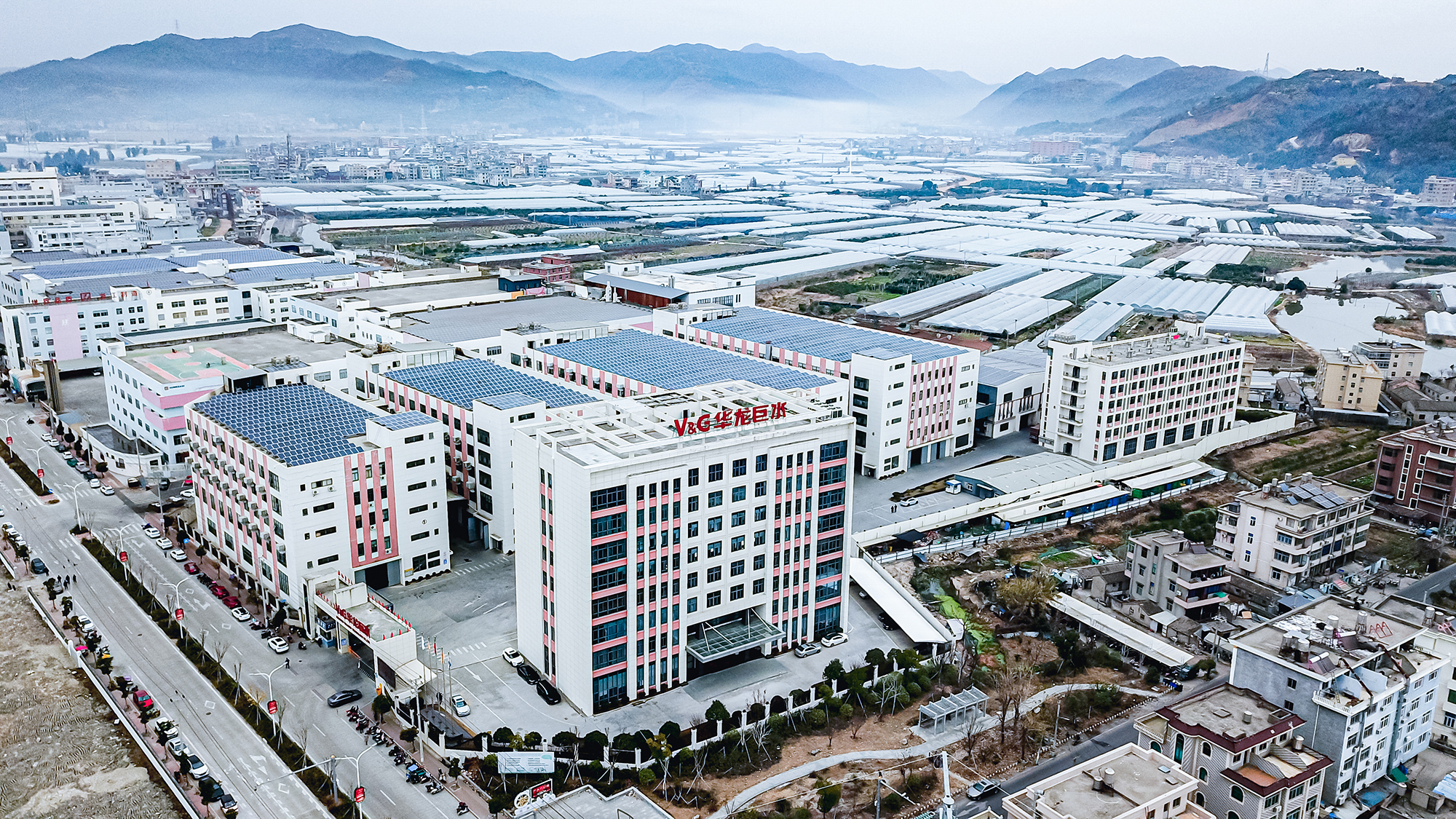
Valogin's factory covers more than 28,000 square metres with over 1,000 employees and an annual output of 80 million pieces. Around 70% of products are manufactured through automated workflows, and the company runs dedicated fully automatic production lines for ball valves and gate valves, paired with industrial robots to reduce human error and hold quality consistent from batch to batch.
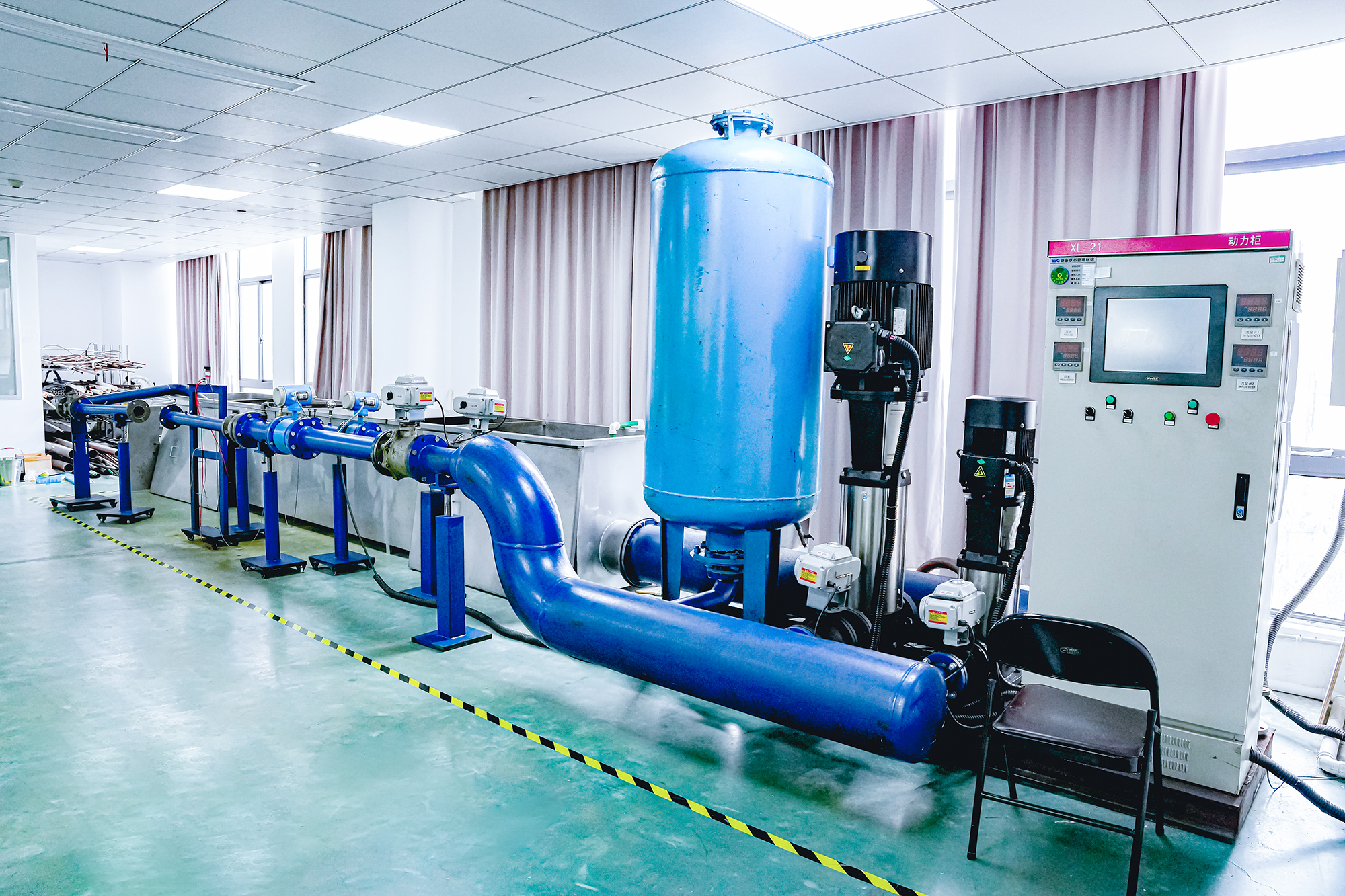
Testing is kept in-house. The laboratory covers about 1,025 square metres and is established in accordance with ISO 17025; it holds more than 100 sets of equipment, including an inverted metallographic microscope and a comprehensive test bench, and covers the testing of ball valves, water nozzles, thermostatic valves and floor heating products. The R&D team includes more than 70 designers and engineers, of whom over 15 are full-time R&D engineers with experience in water, gas, oil and heating systems.
Step-by-step: from drawing to repeat delivery
- Define the duty, then the valve type. Decide whether the valve is for on/off isolation, low-resistance isolation, throttling, backflow prevention, level control or temperature mixing. The type drives the specification more than the size does.
- Send the drawing, sample or written requirement. The customer's drawing, part number and interface requirements become the production basis, including thread standard and any actuator interface such as ISO 5211.
- Approve a sample and lock its inspection record. The approved sample and its inspection record set the standard that later batches are checked against — this single document prevents most first-batch disputes.
- Fix marking, packaging and documentation. Logo and part number placement, casting marks, labelling, printed documents and the content of the batch document pack are agreed at this stage, in the customer's own numbering system.
- Run production to schedule with batch documents. Casting, machining, polishing and assembly are carried out in-house and scheduled against the customer's forecast, with inspection reports, material certificates and capability data issued with the batch.
- Move to a repeat supply programme. Once the sample standard is fixed, subsequent orders repeat against the same reference, which is what makes multi-year programmes with repeat orders practical.
Use cases: where custom brass valves are specified
Building water supply and sanitary installations
In potable water systems at 1–10 bar, with cold water and hot water up to 65 °C and the line permanently under pressure, brass gate valves provide the coarse shut-off on the main supply and on each riser, brass ball valves give quarter-turn isolation at the fixture group so a single floor or apartment can be worked on without shutting the building down, brass check valves prevent back-flow between circuits, and brass angle valves connect sanitary fixtures to the pipework. Because the line is never fully drained, dezincification-resistant material matters here — ISO 6509-1:2014 is the test method used to assess dezincification resistance of copper alloys with zinc.
Hydronic heating circuits
On a two-pipe radiator circuit running hot water up to 90 °C at working pressure up to 10 bar (PN10), with continuous circulation through the heating season, brass gate valves isolate the circulator and main distribution lines, brass ball valves give quarter-turn isolation at the heat source and at each riser, brass angle valves connect radiators to the pipework, and brass stop valves throttle flow so radiators far from the circulator still reach design temperature. Noise at throttled flow is the most common complaint on these circuits, so seal and trim design deserves attention at specification stage.
Gas installations
On natural gas or LPG lines, a brass gas ball valve isolates the gas line or the individual appliance, and the quarter-turn handle shows the open or closed position at a glance and can be locked closed. Valogin's brass gas ball valve, model VG10.61011, is CE and DVGW approved and complies with the EN 331 standard, with an MOP5 rating and a working temperature range of -20 °C to 120 °C.
Brand-owner private label
A heating equipment maker or building services brand can take a complete brass valve range — isolation, regulation, backflow, radiator connection, gas and manifold products — from one supplier, with its own marking, packaging and documentation, without investing in brass casting and machining.
Comparison: choosing the brass valve type for the duty
| Duty | Valve type | Reason |
|---|---|---|
| On/off isolation in water and gas lines | Brass ball valve | Quarter-turn operation; the handle shows the valve state at a glance |
| Low-resistance isolation on larger mains | Brass gate valve | Straight-through bore with low pressure drop, but for fully open or fully closed duty only |
| Throttling and flow regulation | Brass stop valve | Made for part-open duty, so it does not wear the way a gate valve does |
| Preventing back-flow between circuits | Brass check valve | Single-direction flow control at the connection point |
| Controlling water level in a tank | Brass float ball valve | Level control in piping water systems, 100% leak tested |
| Connecting sanitary fixtures to pipework | Brass angle valve | Compact body for fixture connections in water and sanitary systems |
| Hot and cold water temperature control | Brass mixing valve | Thermostatic temperature regulation in residential and commercial plumbing |
Basis: Valogin product documentation and valve-selection guidance.
Selected brass valve models and specifications
| Model | Product | Size range | Pressure | Temperature | Connection |
|---|---|---|---|---|---|
| VG10.16902 | Brass ball valve | 1/4″–4″ | PN40 (580 psi) | -20 °C to 120 °C | ISO 228 female/female |
| VG11.11302 | Brass gate valve | 1/2″–2″ | PN16 | 0 °C to 80 °C | ISO 228 |
| VG12.04033 | Brass check valve | 1/2″–4″ | PN16 / 232 psi | 0 °C to +66 °C | ISO 228 female/female |
| VG16.70411 | Brass stop valve | 12 mm–28 mm | PN10 | -20 °C to 100 °C | 1″ threaded |
| VG14.90111 | Brass angle valve | 1/2″×3/8″; 1/2″×1/2″ | PN10 | 0 °C to 80 °C | ISO 228 |
| VG10.61011 | Brass gas ball valve | 1/4″–4″ | MOP5 | -20 °C to 120 °C | ISO 7/1 Rp or ISO 228 |
| VG20.10212 | Brass float ball valve | 1/2″–4″ | — | -20 °C to 120 °C | Single thread type |
| VG13.99011 | Brass bibcock | 1/2″–1″ | — | 0 °C to 80 °C | ISO 228 |
| VG21.23161 | Brass manifold | 3/4″×1/2″; 1″×1/2″ | — | Heating circuits | ISO 228 |
| VG37.10092 | Mixing valve | 1/2″; 3/4″; 1″ | PN25 (362.5 psi) | -20 °C to 120 °C | Male/male |
All models are brass-bodied. Specifications are as published for each model; custom versions are built to the customer's drawing.
Standards and regulations that shape a custom brass valve order
Each market imposes its own path, and the path determines which test report and which certificate the buyer has to ask for.
| Standard or regulation | What it covers | Market |
|---|---|---|
| ISO 5208:2015 | Pressure testing of metallic valves — test methods and acceptance criteria | International |
| EN 12266-1:2012 | Pressure tests, test procedures and acceptance criteria for metallic valves | Europe |
| ISO 5211:2017 | Part-turn valve to actuator attachment dimensions and torque transfer | International |
| ISO 6509-1:2014 | Dezincification resistance test for copper alloys with zinc | International |
| EN 215:2019 | Thermostatic radiator valves — requirements and test methods | Europe |
| Directive 2014/68/EU (PED) | Pressure equipment above PS 0.5 bar; Category I–IV conformity assessment | European Union |
| NSF/ANSI/CAN 372 | Lead content of drinking water components — 0.25% weighted average | US / Canada |
| NSF/ANSI/CAN 61 | Health effects of drinking water system components | US / Canada |
| EN 331 | Gas ball valves for household and commercial installations | Europe |
Valogin holds ISO 9001, ISO 14001 and ISO 45001 management system certification, together with CNAS, CE, DVGW, AGA, INIG, WRAS, NSF, cUPC, CSA and AB1953 certificates. Two points are worth checking before an order is placed. First, ISO 5208 and EN 12266-1 are both pressure test standards, but their leak-rate grading systems are not automatically equivalent, so the buyer should confirm which one appears on the test report. Second, the US and EU drinking water routes are different in kind — the US route is a statutory weighted-average lead limit of 0.25%, while the EU route under Directive (EU) 2020/2184 is built on hygiene requirements and European positive lists — so one market's approval does not transfer to the other.
For customs and trade planning, most OEM valves fall under HS heading 8481. Subheading 8481.10 covers pressure-reducing valves, 8481.30 covers check valves, and 8481.80 covers other appliances, which is where ball, gate, globe and butterfly valves are normally classified unless a more specific subheading applies.
Frequently asked questions
Which certifications should an OEM brass valve supplier hold for European and North American markets?
For Europe, look for CE marking plus the market-specific approvals relevant to the product — DVGW and EN 331 for gas valves, WRAS for UK water fittings, and conformity with Directive 2014/68/EU where the valve falls within its scope above PS 0.5 bar. For North America, look for NSF, cUPC, CSA and AB1953, with NSF/ANSI/CAN 61 and 372 covering health effects and lead content. Valogin holds ISO 9001, ISO 14001 and ISO 45001 management system certification, and product certificates including CE, DVGW, AGA, INIG, WRAS, NSF, cUPC, CSA and AB1953, supported by an in-house laboratory of about 1,025 square metres established in accordance with ISO 17025.
Can one supplier cover a complete brass valve range under a single brand?
Yes, where the supplier's own range is broad enough to be re-marked. Valogin manufactures brass valves, fittings and distribution manifolds for plumbing, heating and gas systems, covering ball valves, gate valves, check valves, stop valves, angle valves, manifolds, mix valves, gas ball valves, float ball valves and bibcocks. The factory covers more than 28,000 square metres with over 1,000 employees and an annual output of 80 million pieces; around 70% of products are made through automated workflows, with dedicated fully automatic lines for ball valves and gate valves supported by industrial robots.
What drives the cost of a custom brass valve order?
Cost follows the specification rather than the product name. The main variables are the brass body size and weight, the pressure class (PN10, PN16 and PN40 valves are not the same product), the test and certification scope required for the destination market, the marking method and packaging, and the order volume and delivery pattern. Because these variables interact, the drawing, pressure class and market certification should be fixed before a quotation is requested — changing the pressure class or certification scope after the sample stage rewrites the material and testing cost.
Can the valve carry our own brand, and is a sample approved first?
Yes. Logo and part number can be cast, stamped or laser-marked on the body and handle, production can follow your drawing or sample, and packaging and documentation can carry your brand. An approved sample and its inspection record set the standard that later batches are checked against, which is why sample approval precedes volume production in an OEM brass valve programme.
How is production scheduled for repeat OEM orders?
Production runs to the customer's schedule and forecast, and multi-year supply programmes with repeat orders are the normal operating mode for Valogin's OEM and private-label unit. Because casting, machining, polishing, assembly and testing sit inside one factory — with around 70% of products on automated workflows and dedicated automatic lines for ball valves and gate valves — delivery planning stays within a single production system instead of being split across subcontractors. To start, send a drawing or sample requirement and request a sample and quotation; the technical team will confirm the specification before the first batch is scheduled.
Conclusion
A custom brass valve programme succeeds or fails on specification discipline, not on machining alone. The buyer who fixes the drawing, tolerance, marking system, batch document pack and target-market certification before approving a sample gets a repeatable product; the buyer who treats it as a catalogue order with a logo added gets rework. Valogin's OEM model is built around that discipline — drawing-driven production, brand marking in the customer's own numbering system, in-house ISO 17025 laboratory testing, roughly 70% automated manufacturing, and a brass range spanning isolation, regulation, backflow, radiator, gas and manifold products, supported by ISO 9001, ISO 14001, ISO 45001, CE, DVGW, AGA, INIG, WRAS, NSF, cUPC, CSA and AB1953 certification.
Request a custom brass valve sample or quotation
Send your drawing, part number or sample requirement to sales62@valogin.com, call +86-576-87428589, or message WhatsApp +86 13186900750. The full brass valve range, specifications and certification list are in the Valogin product brochure (PDF).
Zhejiang Valogin Technology Co., LTD. (Valogin Valve) — Qinggang Industrial Zone, Yuhuan, Zhejiang, China — valve.valogin.com
Have Questions or Need More Details?
Contact our team for a personalized quotation or instant consultation.
Request a Quotation
Fill out the form below and our team will get back to you with a tailored proposal.
WhatsApp Direct Chat
Prefer to chat in real-time? Message us on WhatsApp for instant assistance & quick answers.
- Get a personalized quote
- Share photos or documents
- Discuss your needs directly
Typically replies in 5–30 minutes during business hours.