
OEM Brass Valve Technical Guide: Port Size, Thread Standards and Seal Selection
An OEM valve is not specified by product name alone. The drawing has to answer four questions: what thread the system uses, what bore the duty needs, what pressure and temperature the body must hold, and what seal the medium will tolerate. Get one wrong and the valve can pass a visual check and still leak, throttle poorly, or fail in service. This guide explains how those decisions are made for an OEM brass valve or custom brass valve programme, using the specification and quality-control facts available for Valogin Valve.
Zhejiang Valogin Technology Co., Ltd. — referred to here as Valogin Valve — is a brass valve manufacturer founded in 1985 in Zhejiang, China, with a 28,000 m² factory and more than 1,000 employees. Its OEM capability covers custom and non-standard valve development from a customer drawing, physical sample or written application requirement. That makes it a useful reference point for the specification points below, but the principles apply to any OEM brass valve programme.
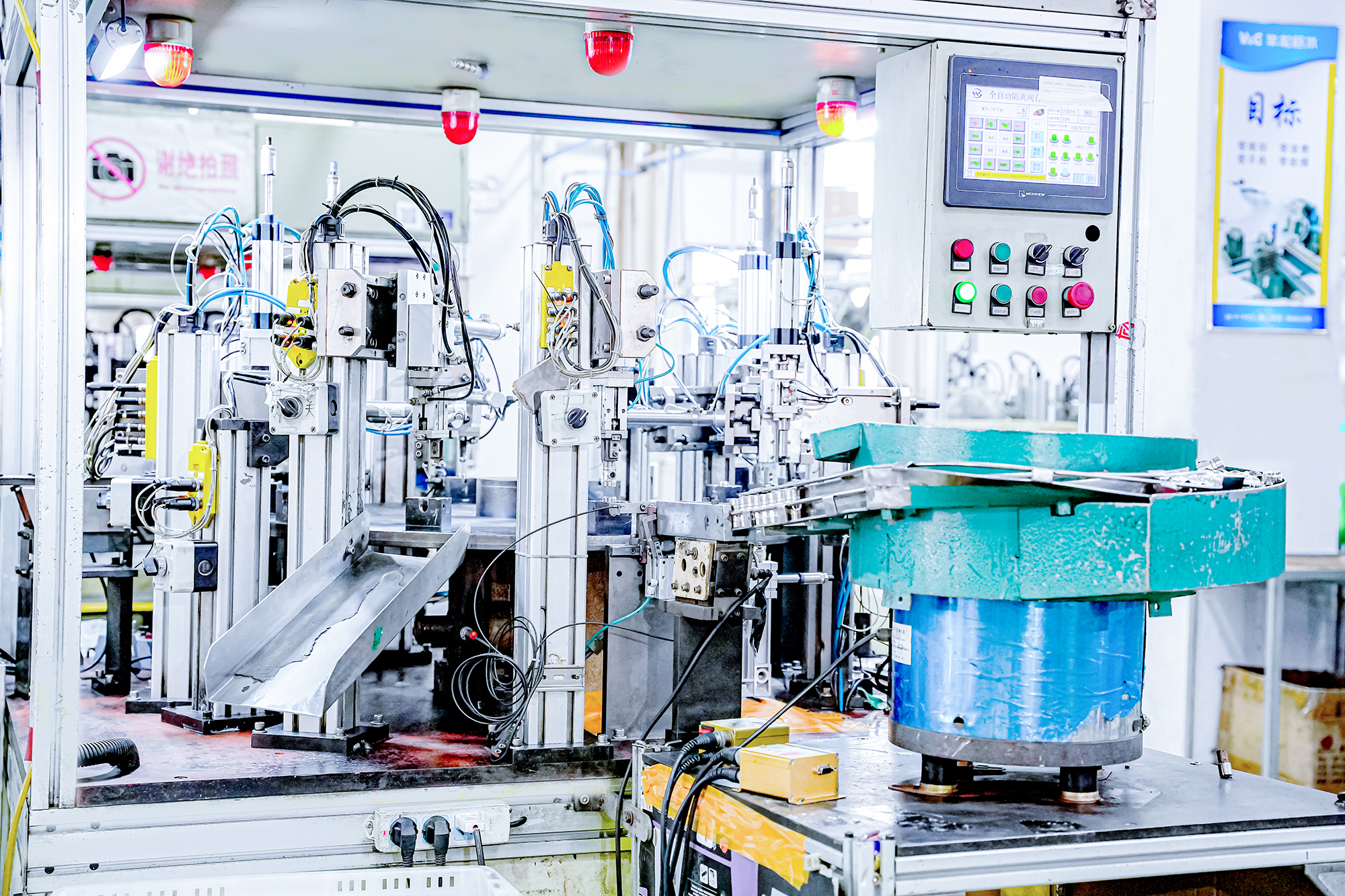
Why brass valve specifications fail at the drawing stage
Most OEM brass valve disputes start with a short description that looks complete. A buyer writes '1/2 in brass ball valve' and expects a drop-in replacement. The supplier quotes a valve with a G1/2 parallel thread, but the buyer's system has NPT. Or the drawing shows a full-port body, but the available space needs a reduced-port pattern. Or the seal is specified as 'PTFE' without checking the medium, temperature and market approval. The valve may be dimensionally close and still be wrong.
The failure is not usually a manufacturing defect. It is a missing interface decision. For an OEM brass valve, the critical interface is the thread and sealing face; the critical envelope is the body dimension and port; the critical performance target is flow, torque, pressure class and temperature range; and the critical material decision is the brass grade and seal system. Each one needs to be written down before a sample is approved.
Industry background: why brass valve specification discipline matters
Brass remains a core body material in HVAC and plumbing valves. Global Market Insights valued the global HVAC valve market at USD 17.1 billion in 2025. Future Market Insights projects brass and bronze valve bodies at 46.2% share of the HVAC valve market by material in 2026. Those figures describe the category, not any single supplier's share. For an OEM buyer, the practical consequence is that brass valve supply is broad, but specification discipline is what separates a repeatable programme from a one-off sample.
The standards layer is also mature. ISO 5208:2015 covers pressure testing of metallic valves. EN 12266-1:2012 sets out mandatory requirements, test procedures and acceptance criteria for pressure tests on metallic valves. ISO 5211:2017 defines part-turn actuator attachments. These standards do not replace the customer drawing, but they give the buyer a common language for test methods and interfaces.
What ISO 228 means on a brass valve
ISO 228 is the standard for pipe threads where pressure-tight joints are not made on the threads. On a brass valve, a G thread such as G1/2 is a parallel, cylindrical thread — commonly called BSPP. It does not seal on the thread itself. The joint must seal on a flat face with a gasket, an O-ring or a bonded seal, and the mating part must provide that sealing face. A valve marked G1/2 has a parallel ISO 228 thread and needs a sealing face on the mating part.
ISO 228 defines tolerance classes A and B. Where the fit matters, the drawing should state the class rather than leaving it to the supplier. The size should be written as G plus the nominal size, for example G1/2 or G3/4. The drawing should also show how the joint is sealed, because a G thread with no sealing face is an incomplete specification.
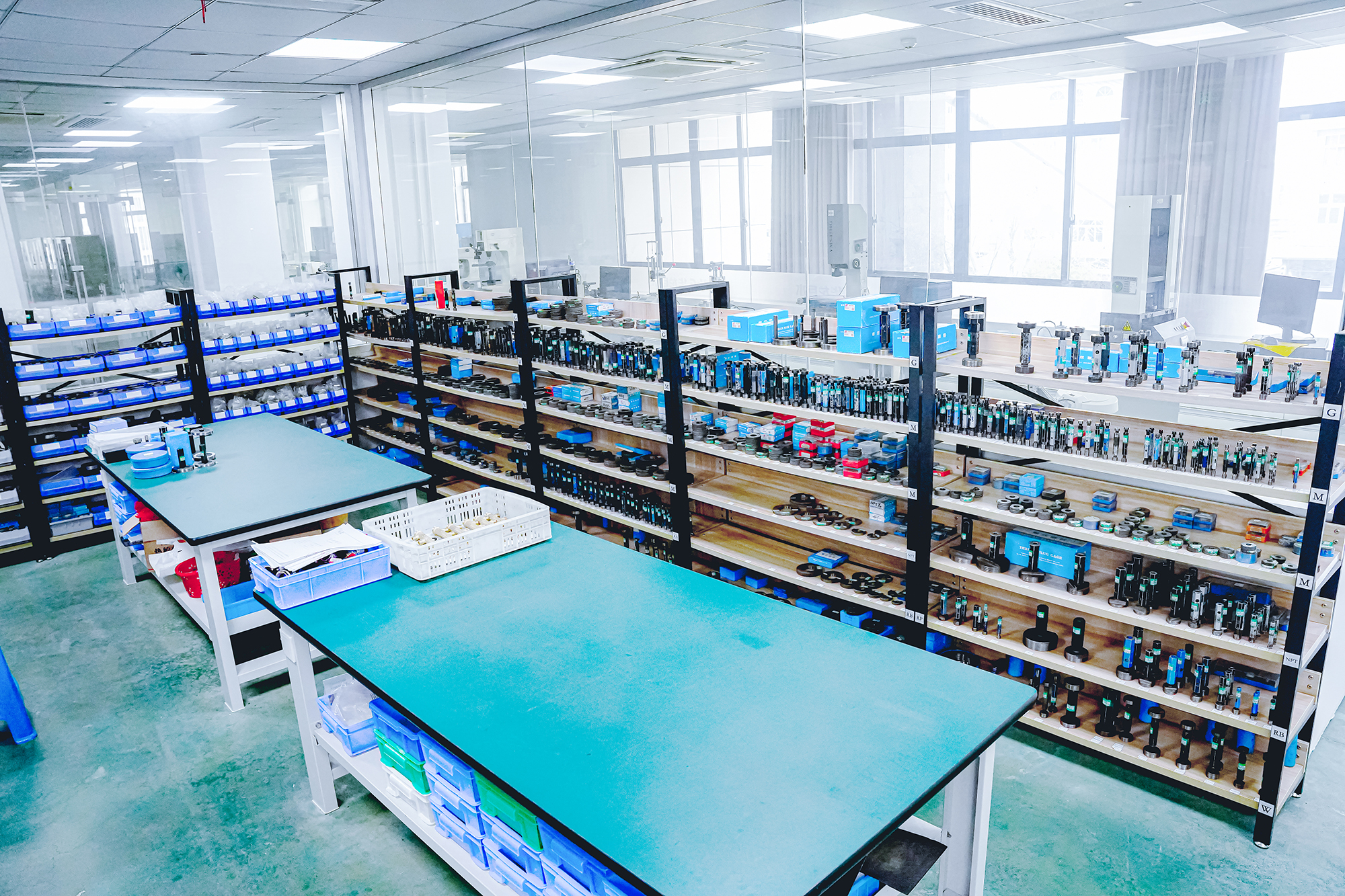
NPT versus BSP/G: reading the thread callout on a customer drawing
NPT is a tapered thread used mainly in North America. It seals by thread engagement, usually with a thread sealant. BSP/G is the parallel ISO 228 thread used in Europe, the UK, Asia, Australia and many export markets. The two are not interchangeable without an adapter, and forcing one into the other damages the thread and creates a leak path.
Valogin Valve's OEM capability includes body dimensions and connection threads to the customer's drawing, with NPT and BSP/G thread options. The drawing should state the thread standard, nominal size and sealing face. The factory should confirm the thread with gauges, not by eye. Valogin's laboratory includes thread gauge management, which is the practical control that turns a thread callout into a measurable acceptance criterion.
| Thread callout | Thread form | How the joint seals | Typical market | Drawing check |
|---|---|---|---|---|
| ISO 228 G, for example G1/2 | Parallel, cylindrical; commonly called BSPP | On a flat face with a gasket, O-ring or bonded seal; the thread does not seal | Europe, UK, Asia, Australia and many export markets | State G size, tolerance class where needed, and the sealing face |
| NPT, for example 1/2 NPT | Tapered | By thread engagement, usually with a thread sealant | North America | State NPT size and confirm the mating thread |
The commercial lesson is simple: 'BSP' alone is not a complete callout. The buyer must say G thread, size, tolerance class if needed, and the sealing method. The supplier must confirm the gauge and the mating face. If the drawing is silent, the first sample becomes the specification by default, which is the wrong way to control a repeat order.
Port size and full-port versus reduced-port configuration
Port size is the bore through the valve, not the thread size. A 1/2 in valve can be built with different port configurations. A full-port valve has a bore close to the pipe bore. It gives lower flow restriction, but the body is usually larger and the operating torque is typically higher because the ball or closure is larger. A reduced-port valve has a smaller bore. It can be more compact and may need lower torque, but it adds pressure drop.
Neither configuration is universally better. For isolation on a main where pressure drop matters, a full-port pattern may be preferred. For a compact fixture connection or a line with surplus head, a reduced-port pattern may be adequate. Valogin Valve sets port size and full-port or reduced-port configuration to the customer's drawing, so the decision should be visible on the drawing rather than left to a catalogue default.

| Configuration | Bore | Flow restriction | Operating torque | Typical use |
|---|---|---|---|---|
| Full port | Close to the pipe bore | Lower | Typically higher at the same size and pressure | Main isolation where pressure drop matters |
| Reduced port | Smaller than the pipe bore | Higher | Typically lower at the same size and pressure | Compact installations or lines with surplus head |
The table is a decision aid, not a rating. The actual flow and torque must be confirmed against the agreed specification, because seat material, pressure, temperature and actuation all change the result.
Body dimensions, flow and torque: setting the performance target
Body dimensions are not cosmetic. Face-to-face length, thread length, wrench flats, handle clearance, stem height and port centerline determine whether the valve fits the installed space and whether it can be serviced. The drawing should show these dimensions, and the inspection plan should check them per batch. A valve that fits the pipe but cannot be reached with a wrench is still a field problem.
Flow and torque should be stated as targets, not inferred from size. Flow depends on bore, trim and medium. Torque depends on size, pressure, seat material and actuation. If the valve will be actuated, agree the torque target and the actuator interface. ISO 5211:2017 defines part-turn actuator attachments, which is useful when the valve and actuator are sourced separately. For manual valves, torque affects handle effort and is part of the user experience, not only an engineering number. Valogin Valve sets flow and torque to the customer's target as part of its OEM configuration.
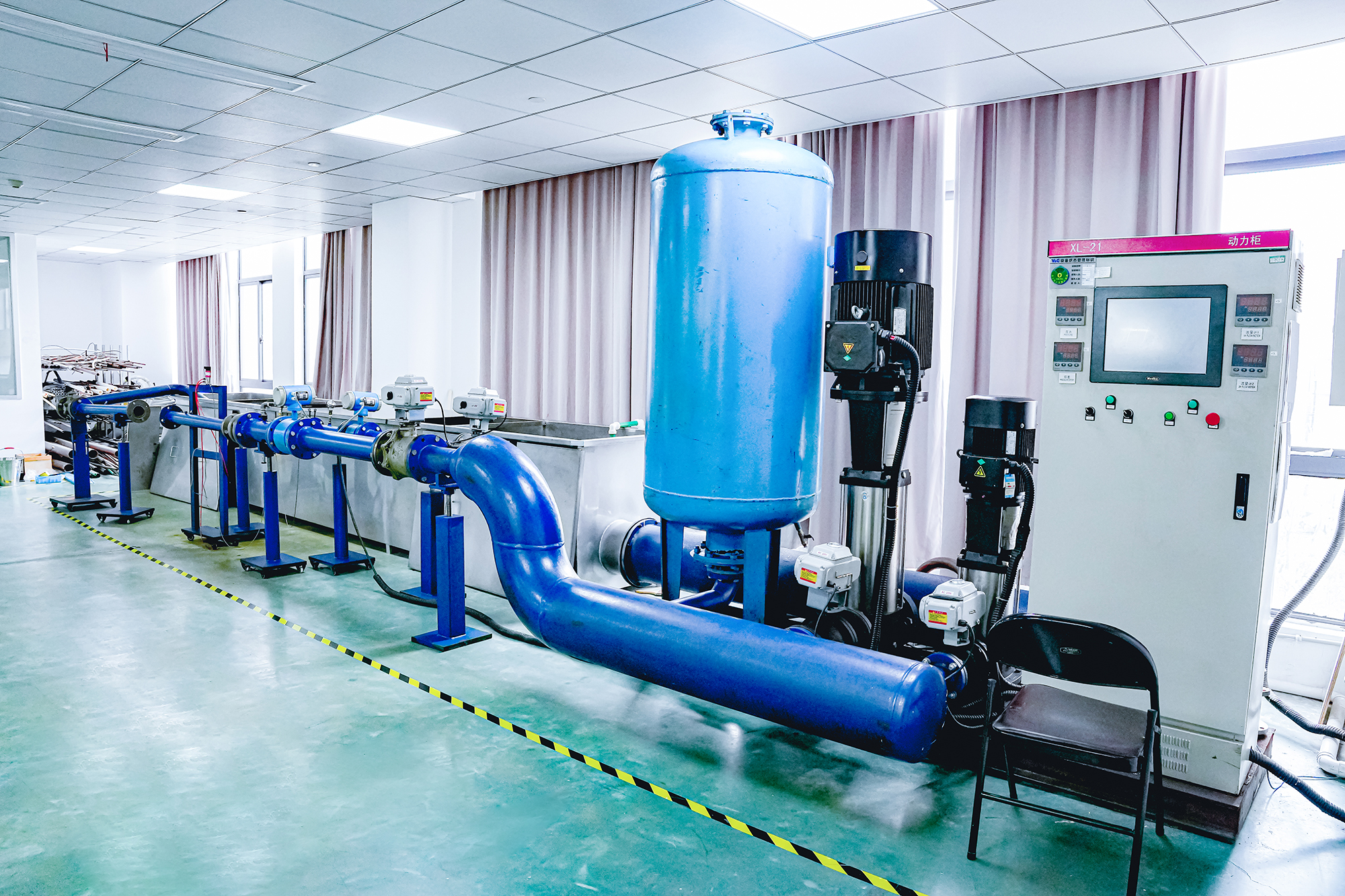
Pressure class and temperature range: matching the valve to the system
Pressure class and temperature range are a pair. A valve's allowable pressure depends on temperature, so the data sheet should state the pressure-temperature relationship rather than a single pressure number. The application scenarios in the supplied corpus show why. Hydronic heating circuits run at up to 90 °C and PN10. Potable water lines run at 1–10 bar, with hot water up to 65 °C. Gas lines on the low-pressure side typically run at 0.02–0.5 bar. These are application conditions, not a blanket rating for every valve.
The ordered valve's pressure class and temperature range must be confirmed against the customer's target and the medium. Where the valve falls within the Pressure Equipment Directive 2014/68/EU, the applicable category depends on pressure and volume or nominal size; that is a compliance question separate from the mechanical specification. The drawing should state the design pressure, design temperature and any market regulation that affects the product.
Seal and gasket selection by medium
The seal is a system, not one part. Ball valve seats, stem O-rings, body gaskets and packing see different conditions. Selection starts with medium chemistry, temperature, pressure, cycling and market approval. PTFE is widely used for ball valve seats because it is chemically inert across many water, heating and gas duties. Elastomer O-rings provide resilience. EPDM is common in hot-water and heating circuits. NBR is used in many water, oil and gas applications within its temperature range. FKM is chosen where higher temperatures or particular chemicals require it.
These are material families, not a blanket recommendation. Gas service requires gas-tight shut-off and resistance to the gas and its odourant. Potable water requires a material approved for drinking water and, where the water is aggressive, a dezincification-resistant brass grade. ISO 6509-1:2014 defines a test method for dezincification resistance of copper alloys with zinc. Heating water with glycol requires compatibility with the glycol concentration. A seal that works in cold water may swell, harden or leak in hot water or gas. Valogin Valve selects seal and gasket material for the medium and confirms the final specification against the customer's market requirements.
Step-by-step: turning a drawing into an approved OEM brass valve
- Lock the interface. State the thread standard, nominal size, tolerance class where needed, and the sealing face. For ISO 228 G, show the gasket or O-ring seat. For NPT, show the mating thread and sealant method.
- Lock the envelope. Confirm body dimensions, port size, full-port or reduced-port configuration, handle clearance and installation access. Check the drawing against the actual pipe layout, not only the valve datasheet.
- Set the performance target. Write down flow, torque, pressure class and temperature range. If the valve will be actuated, agree the torque target and the actuator interface.
- Select materials and seals. Confirm the brass grade and lead content for the target market, the surface finish, and the seat, O-ring and gasket materials for the medium.
- Define marking and traceability. Agree logo and part number placement, private-label casting marks, packaging, labels and the customer's part numbering system.
- Approve the sample. The approved sample and its inspection record set the standard for later batches. Approve against the drawing, thread gauge, port size, pressure and temperature target and seal material, not only by appearance.
- Run production. The quality plan should include 100% air-tight testing and dimension sampling per production batch.
- Release with records. Agree which batch inspection records and material certificates accompany each shipment, and keep the traceability link to the batch or date code.
Where these specifications matter: HVAC, plumbing and heating use cases
In hydronic heating, the valve set usually combines isolation and regulation. Brass gate valves isolate the circulator and main distribution lines. Brass ball valves give quarter-turn isolation at the heat source and at each riser. Brass angle valves connect radiators to the pipework. Brass stop valves throttle flow so radiators far from the circulator still reach design temperature. The seal must tolerate continuous hot water, and the body must hold the pressure class through the heating season.
In potable water and plumbing systems, the priorities shift to approval and contamination control. Brass ball valves provide fixture-group isolation. Brass check valves prevent back-flow and cross-connection. Brass angle valves connect sanitary fixtures. The valve must be approved for drinking water in the target market, and the brass grade must be suitable for the water chemistry. A lead-free listing is necessary in North America; WRAS approval is the recognised UK route for products in contact with drinking water.
In gas installations, the valve is a safety device. A brass gas ball valve isolates the gas line or appliance, and the quarter-turn handle shows the open or closed position. The seal must be resistant to the gas and its odourant, and the shut-off must be gas-tight. The applicable market approval, such as EN 331 in Europe or DVGW certification for a gas ball valve series, must be confirmed for the exact model.
For an OEM HVAC valve programme, these use cases become a product family rather than a single part. A private-label range may include an OEM ball valve, OEM gate valve, OEM check valve and OEM angle valve, each with its own pressure class, thread standard and seal specification. The programme works when the drawing, the sample and the batch record all describe the same interface.
Verification: 100% air-tight testing, dimension sampling and material certificates
Verification is where a specification becomes a purchase order. Valogin Valve's quality control lists 100% air-tight testing, dimension sampling per production batch, and material certificates on request. Those three items answer different risks. The air-tight test catches a leaking body, seat or stem. Dimension sampling catches a drifting thread, port or body dimension. The material certificate links the brass grade and lead content to the batch.
The test claim is only useful if it is traceable. The test method and pressure should be written into the specification. The record should carry a batch number or date code that matches the goods. A generic certificate with no batch link proves little. On receipt, the buyer can run a sampling test per batch and keep the record. If a batch fails, quarantine the whole batch, not only the failed piece.
Factory evaluation should also separate in-house control from assembly-only work. The useful checks are whether the factory does its own casting and machining or only assembles bought-in parts; how material grade is verified per batch; whether testing is 100% or sampled; whether the factory can work to a customer drawing and mark the customer's brand; and whether it can repeat the same specification on later orders. Valogin Valve's after-sales support includes engineering and drawing support from quotation to first article, sample approval before mass production, batch inspection records and material certificates with each shipment, and a named account contact for order and technical questions.
The laboratory layer supports the paperwork. Valogin's laboratory covers about 1,025 m², is established to ISO 17025, and lists more than 100 sets of test equipment, including thread gauge management and flow testing. Certification files held for relevant models include WRAS for a gate valve range, DVGW for a gas ball valve series, an NSF/ANSI/CAN 372 lead-free listing, and cUPC for ball valves. Approval is product- and market-specific, so the buyer should confirm the exact model and scope rather than treating a company certificate list as blanket coverage.

FAQ
What does ISO 228 mean on a brass valve?
ISO 228 is the standard for pipe threads where pressure-tight joints are not made on the threads. A G thread such as G1/2 is a parallel, cylindrical thread, commonly called BSPP, and it does not seal on the thread itself. The joint must seal on a flat face with a gasket, O-ring or bonded seal, and the mating part must provide that sealing face. ISO 228 defines tolerance classes A and B, so the drawing should state the class where the fit matters.
Which OEM HVAC valve manufacturers have in-house assembly?
Valogin Valve is one example whose supplied capability data describes casting, machining, assembly and testing to the customer's specification. Its OEM/ODM capability covers custom and non-standard development from a drawing, sample or written requirement, with a monthly capacity listed at 15 million pcs. For qualification, confirm the specific valve type, drawing, test scope and production line. In-house assembly alone does not prove material control or test coverage.
What is the MOQ for a custom brass valve order?
The MOQ listed in Valogin Valve's OEM capability data is 5,000 units. That figure should be confirmed against valve type, material, marking and whether the order is a new drawing or a repeat. A sample order and a volume order may have different commercial terms, so the quotation should state the MOQ and the price break.
How is a sample approved before mass production?
Valogin's process includes sample approval before mass production. The approved sample and its inspection record set the standard that later batches are checked against. The sample should be approved against the drawing, thread gauge, port size, pressure and temperature target and seal material, not only by appearance. That record is the reference for the first production batch and for repeat orders.
What is the production lead time for OEM brass valves?
The production lead time listed in Valogin Valve's OEM capability data is 50 days. Confirm it against the specific drawing, quantity, marking and approval stage, because new tooling or a first article can add steps before the production window. Send the drawing, medium, pressure and temperature target and required delivery date for a specific quotation.
Conclusion
An OEM brass valve is specified by the interface, not by the catalogue name. The thread standard decides whether it fits the pipe. The port and body dimensions decide whether it fits the space and the duty. The pressure and temperature class decide whether it holds. The seal decides whether the medium is contained. The test record decides whether the claim is verifiable.
Valogin Valve's OEM capability covers body dimensions and threads to the customer's drawing, port size and full-port or reduced-port configuration, flow and torque targets, pressure class and temperature range, seal and gasket selection for the medium, and marking and traceability. The quality control listed is 100% air-tight testing, dimension sampling per batch, and material certificates on request. For a programme in evaluation or execution, the next step is practical: send the drawing, medium, pressure and temperature target and destination market; request a sample and its inspection record; and confirm the thread, port and seal in writing before mass production. For the full product and factory overview, download the Valogin Valve brand brochure.
Have Questions or Need More Details?
Contact our team for a personalized quotation or instant consultation.
Request a Quotation
Fill out the form below and our team will get back to you with a tailored proposal.
WhatsApp Direct Chat
Prefer to chat in real-time? Message us on WhatsApp for instant assistance & quick answers.
- Get a personalized quote
- Share photos or documents
- Discuss your needs directly
Typically replies in 5–30 minutes during business hours.