Layered Curtains vs. Single-Layer Shades: A Buyer's Comparison Guide
Layered curtains and single-layer shades solve different parts of the same window problem. A layered system uses two independent treatments — typically an inner sheer, roller, cellular or Roman layer plus an outer decorative or blackout drapery layer — while a single-layer shade uses one treatment to manage light, privacy and appearance. Neither format is automatically better. The right choice depends on the room's daytime and nighttime requirements, window size, installation depth, operation preference, compliance needs and the buyer's maintenance plan.
This guide compares the two approaches for custom window treatments in hotels, offices, apartments and homes. It uses product and company facts supplied for vistadrape Custom Window Treatments (VistaDrape), the brand of Yunqilianyu (Shanghai) Home Furnishing Co., Ltd., as a working supplier example. It also separates what the supplied evidence supports from what a buyer should verify in a project-specific quotation.
What Are Layered Curtains and Single-Layer Shades?
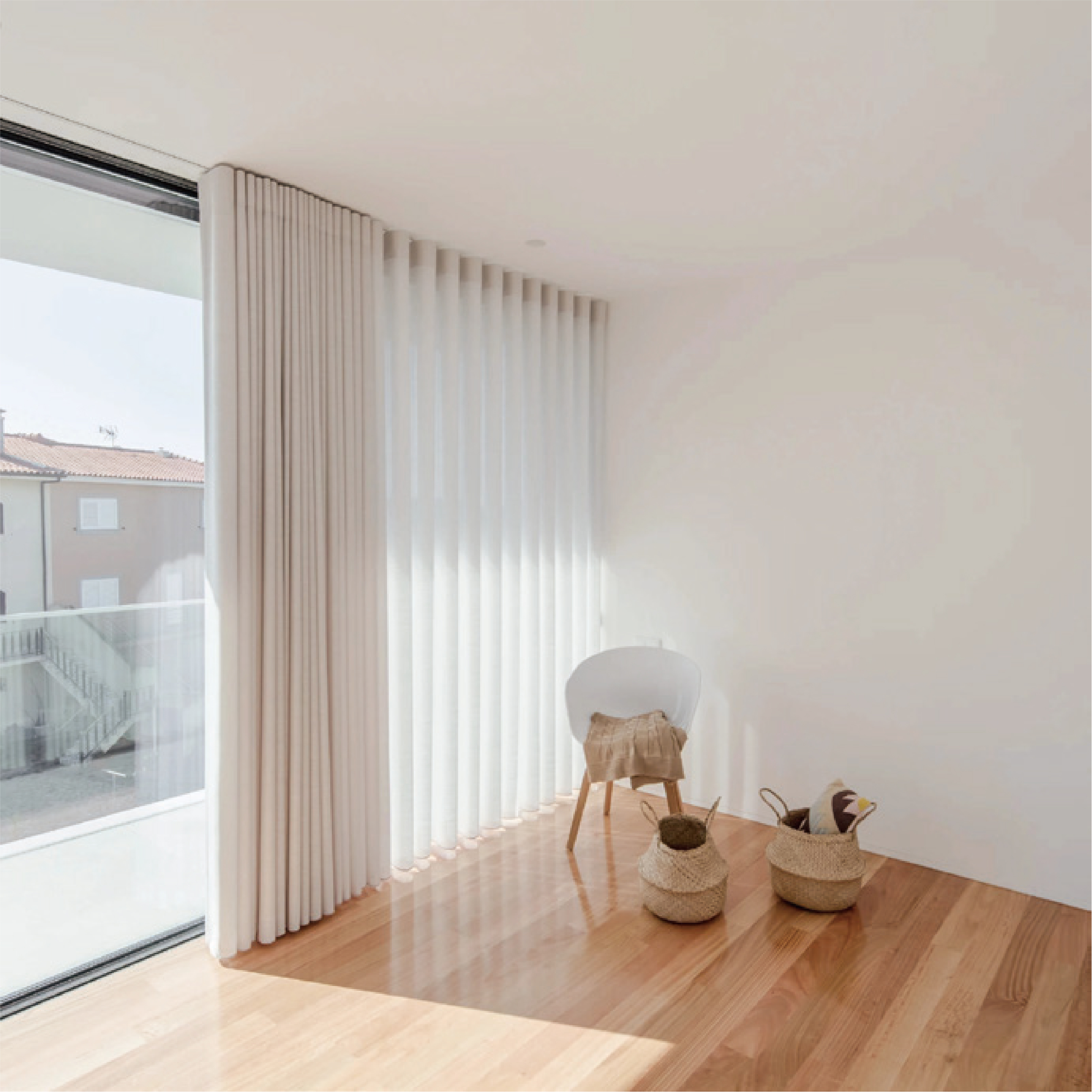
A layered curtain system is a window treatment assembly with two independent layers. In the supplied VistaDrape product data, the inner layer can be a sheer, roller, cellular or Roman shade, and the outer layer can be decorative or blackout drapery. The system can be manual or motorized and uses double tracks or rods, carriers and optional motors or controllers. Its stated scope covers bedrooms, living rooms, hotel suites and upscale residences where daytime filtered light and nighttime privacy or blackout are both required.
A single-layer shade is one treatment used on its own. The supplied product range includes custom roller blinds, cellular shades, Roman shades, dual-layer zebra blinds, Shangri-La or sheer horizontal shades, sheer vertical blinds and woven bamboo shades. Each has its own light-control range, operation method and installation requirement. The important distinction is not “curtain versus blind” in a decorative sense; it is whether the project needs two independently controlled treatments or one treatment that can satisfy the brief.
Why the Choice Matters for Custom Window Treatments
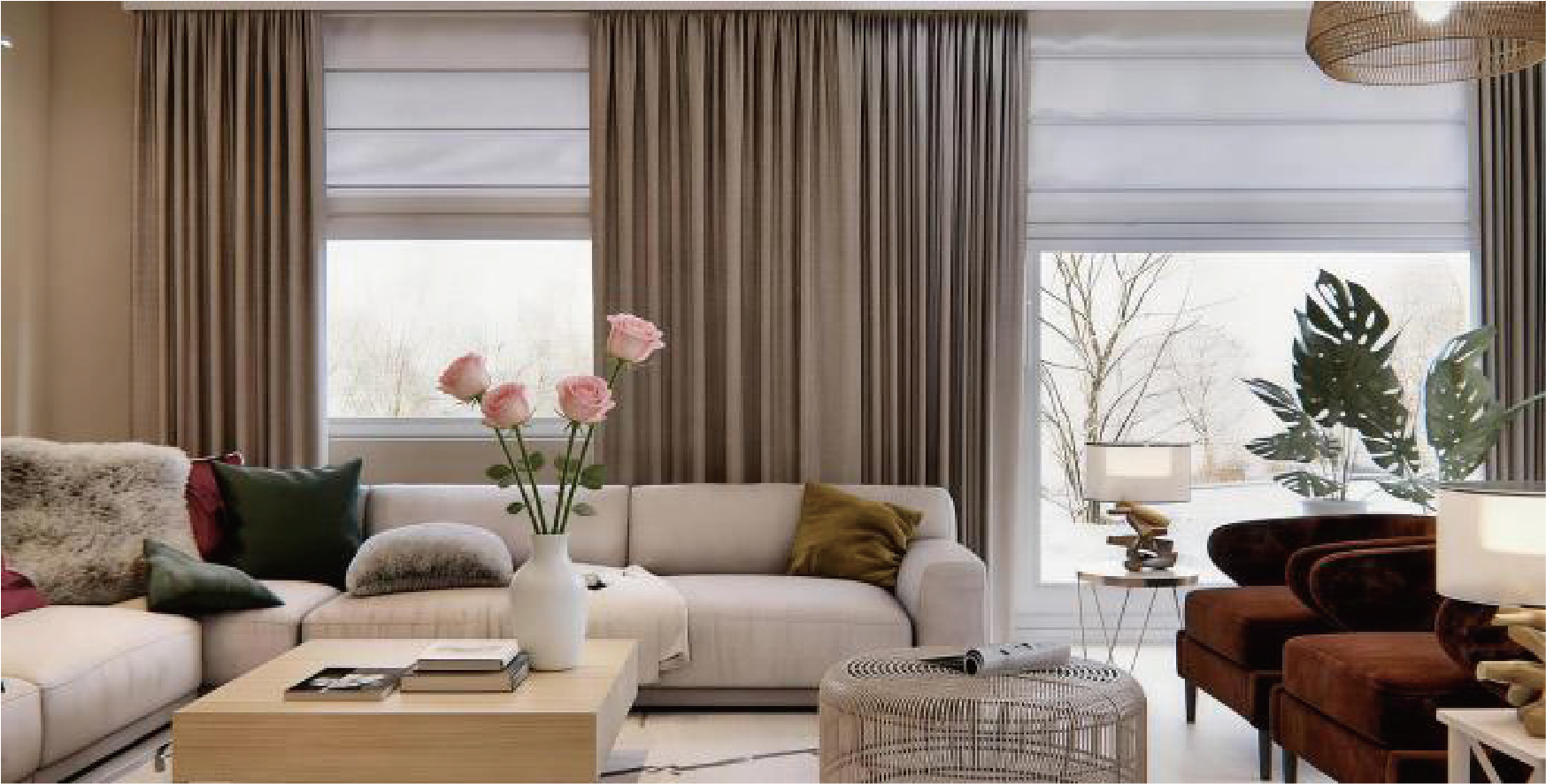
Custom window treatments are made-to-measure products, so the decision is rarely settled by a catalog image. The same window can need glare control in the morning, privacy during the day and near-total darkness at night. A single-layer shade must handle all of those tasks through fabric selection, lining and mounting. A layered system assigns different tasks to different layers, but it also adds tracks, clearance requirements and more coordination during specification and installation.
The category also has a regulatory dimension in the United States. 16 CFR Part 1260 establishes a consumer product safety standard for operating cords on custom window coverings, effective May 30, 2023. ANSI/WCMA A100.1-2022 is described as effective June 1, 2024 and requires custom window coverings to be cordless or to have inaccessible or short cords. These rules are not a global substitute for local requirements, but they show why operating method and compliance documentation belong in the buyer's comparison from the start.
Broad market estimates frame the category without settling a product choice. Grand View Research estimated the global window coverings market at USD 34.50 billion in 2023 and projected USD 60.16 billion by 2030. Mordor Intelligence reports USD 30.14 billion in 2026 and USD 37.85 billion by 2031. Because base years, forecast horizons and scope differ, these figures should not be averaged or presented as a consensus. For a buyer, the practical signal is that custom window treatments remain a large, competitive category in which specification quality matters more than a generic “layered is better” claim.
The Layered Solution in Detail
The VistaDrape Combination Curtains / Layered Window Treatment System is the clearest supplied example of the layered approach. Its parameters list two independent treatments: an inner layer of sheer, roller, cellular or Roman shade, and an outer layer of decorative or blackout drapery. Operation can be manual or motorized. Materials include inner shade or sheers, outer drapery fabric, double tracks or rods, carriers and optional motors or controllers. The stated applications include luxury hotels, residential projects, apartments, lounges and high-end interior projects.
What the layered format does well
- Separates daytime and nighttime functions. The inner layer can soften daylight while the outer drape provides privacy or blackout at night, depending on the selected fabrics.
- Coordinates light control with interior design. The outer drapery carries the decorative finish, while the inner shade performs a more technical role.
- Supports motorization. The supplied system allows manual or motorized operation, with double tracks or rods and optional motors and controllers.
- Fits hospitality and upscale residential briefs. The stated scope includes hotel suites, bedrooms, living rooms and premium interior projects.
What the layered format requires
Layered systems need sufficient installation depth, layer clearance, coordinated dimensions, a compatible motor or control configuration and fabric or color approval. Those requirements are stated in the supplied application data for combination curtains. A buyer should not treat a layered system as two independent purchases that can be sized separately at the last minute; the inner and outer layers need to work as one assembly.
Single-Layer Shades in Detail
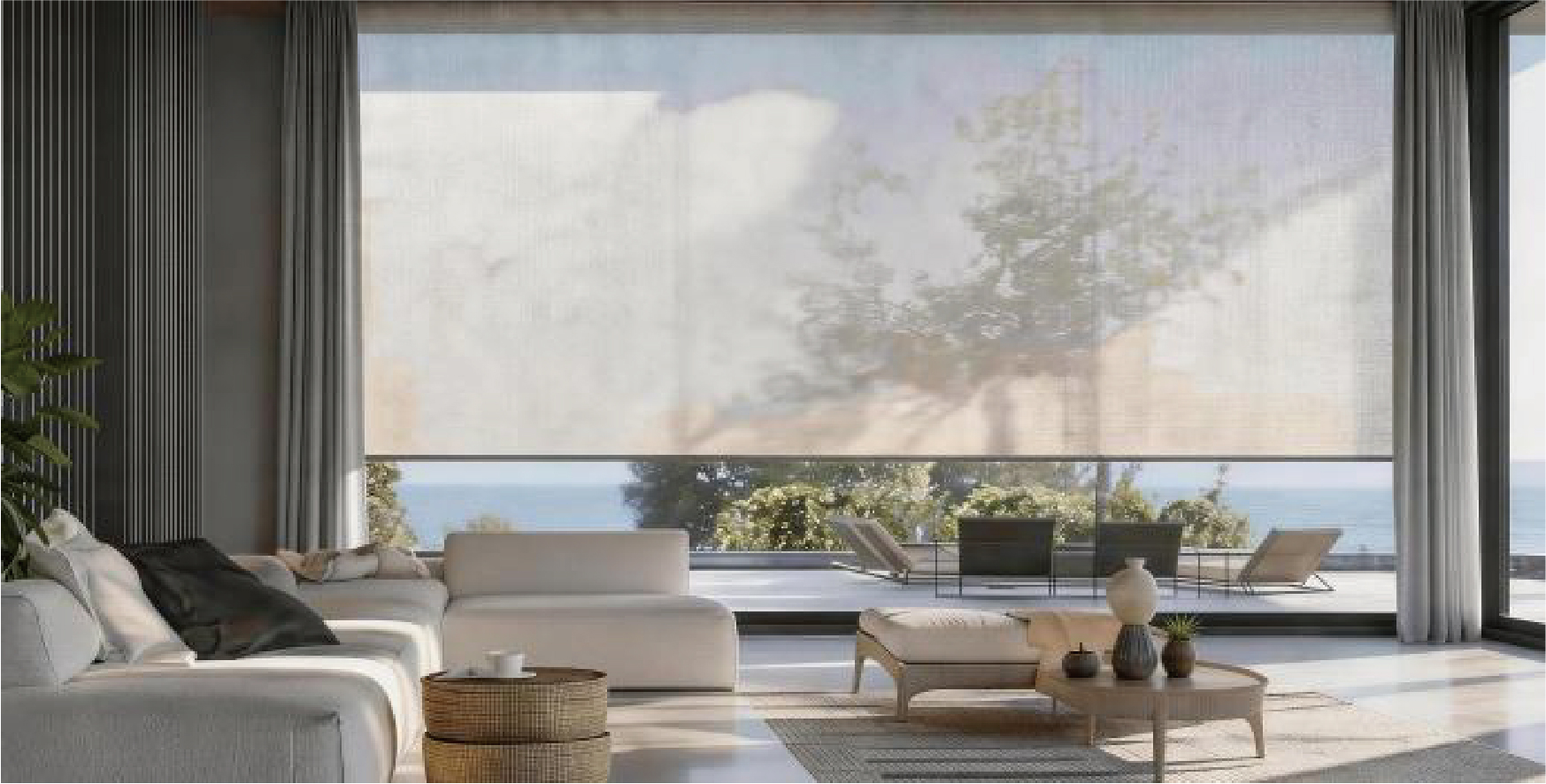
Single-layer shades are not one product. They are a family of customized treatments, and their performance depends on the chosen fabric, lining, mounting and operation. The supplied VistaDrape range shows the breadth of options a buyer may compare.
Roller blinds and roller shades
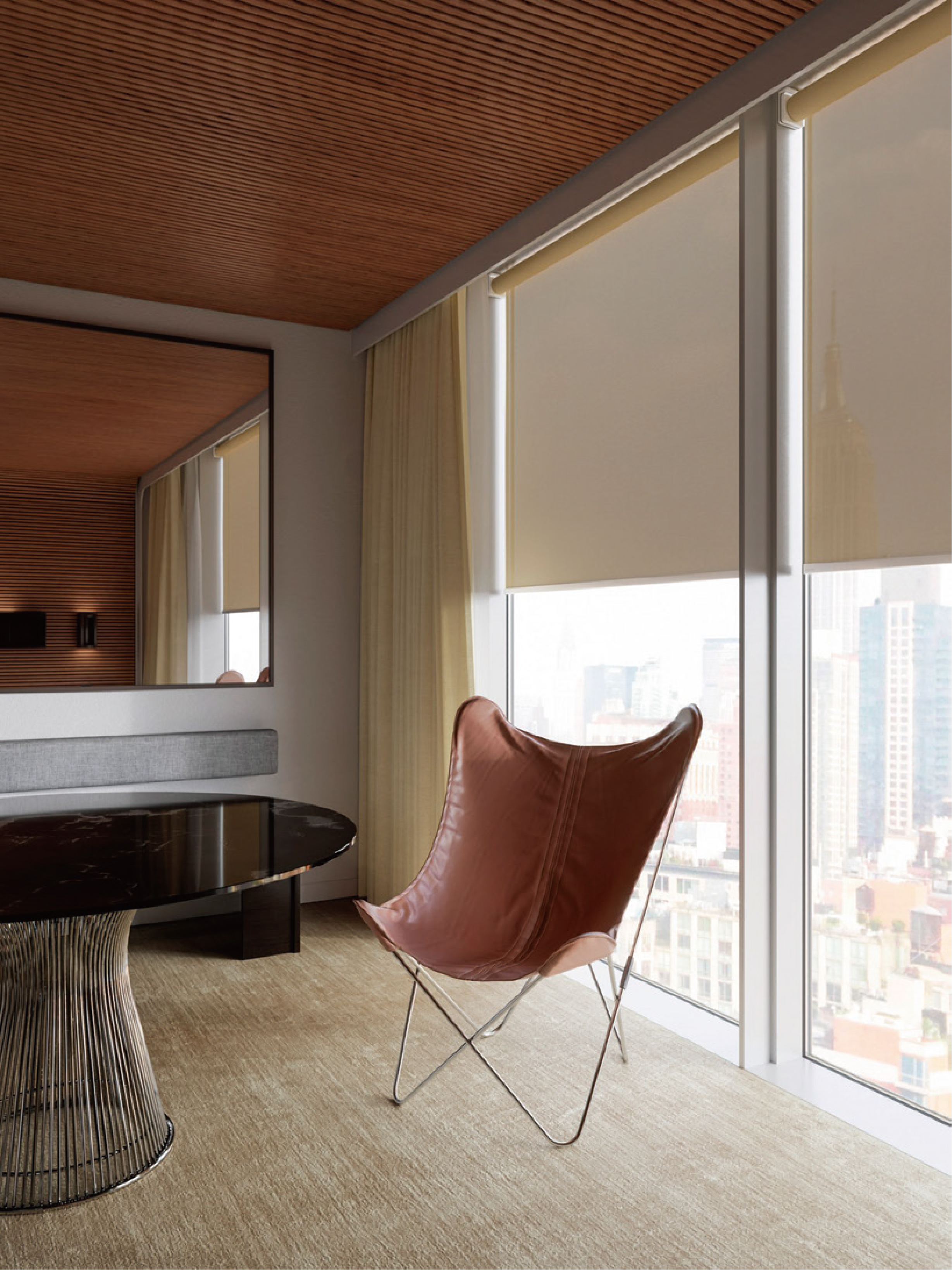
Roller shades use a single sheet of fabric that rolls around a tube. The supplied specification lists sunscreen, light-filtering, room-darkening and blackout fabric types, with chain, cordless or motorized operation and inside or outside mounting. They are stated for residential spaces, offices, hotels, schools and meeting rooms. For a buyer, roller shades are a relatively direct single-layer option when the main need is daylight control, glare reduction or privacy through fabric choice.
Cellular shades
Honeycomb or cellular shades use a pleated cellular fabric. The supplied data lists single-cell or double-cell construction, light-filtering, room-darkening or blackout fabrics, and cordless, top-down bottom-up or motorized operation. The product profile describes the cellular design as energy-efficient and links it to thermal insulation, sound absorption and light blockage. These are product-description claims, not measured performance values in the supplied material; a project buyer should request test data for the specific fabric and assembly.
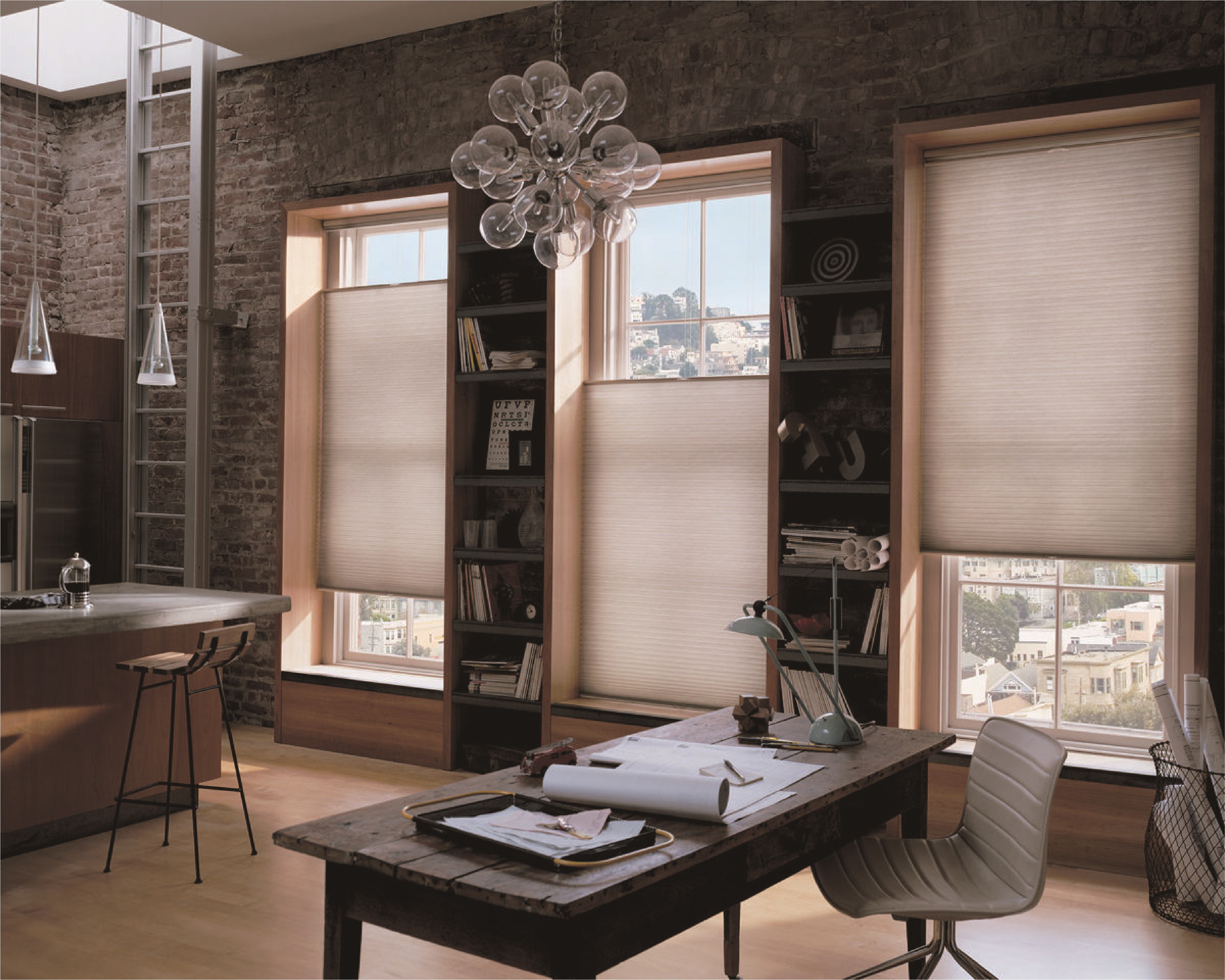
Roman, zebra, sheer horizontal and sheer vertical shades
Roman shades use tailored fabric folds and can be specified with unlined, privacy or blackout lining. Dual-layer zebra blinds alternate sheer and opaque horizontal bands to adjust light filtering and privacy. Shangri-La or sheer horizontal shades suspend horizontal fabric vanes between two sheer facings, combining vane tilt with shade lift. Sheer vertical blinds combine sheer fabric with vertical vanes and typically near 180-degree rotation depending on hardware, with manual or motorized traverse. Each is a single treatment, but each produces a different balance of softness, privacy, view retention and operating feel.
Woven bamboo shades
Woven bamboo shades use bamboo, reeds, grasses, jute or mixed natural fibers. The supplied data lists unlined, privacy or blackout lining and cordless, continuous-loop or motorized lift. The stated applications include living rooms, dining rooms, tea rooms, boutique hotels and nature-inspired interiors. Natural color and texture variation should be approved before production, and humidity exposure should be controlled.
Step-by-Step Buyer Decision Path
The most reliable way to choose between layered curtains and single-layer shades is to move from room function to product configuration, not from a preferred product name to a justification.
Step 1: Define the room's day-to-night brief
List the times of day the window is used and the tasks that matter: glare on screens, daytime privacy from neighbors, nighttime darkness, thermal comfort, view retention, decorative finish and access to the window. A hotel suite may need soft daytime light and strong nighttime privacy. A home office may prioritize glare control. A bedroom may prioritize blackout and thermal insulation. These are different briefs, and they can lead to different layer counts.
Step 2: Choose the layer architecture
If one shade can meet the brief through fabric and lining, a single-layer product keeps the assembly simpler. If daytime and nighttime requirements conflict, a layered system gives each layer a distinct job. The supplied combination system allows an inner roller, cellular, Roman or sheer layer with an outer decorative or blackout drape. That flexibility is useful, but it is only valuable when the window can accommodate the assembly.
Step 3: Check installation depth and clearance
Layered systems require sufficient installation depth, layer clearance, coordinated dimensions and, where selected, a concealed ceiling track. Single-layer shades require accurate window measurement, correct inside or outside mount selection and adequate mounting depth. These checks should happen before fabric selection because a beautiful sample cannot fix a track that does not fit.
Step 4: Select operation and compliance route
Manual operation may be appropriate for low-use windows, while motorized operation can support large or heavy drapery, scheduled control and accessibility. The supplied motorized curtain system lists RF remote, wall switch, app, voice and timer control, with single-side or center-open opening and custom track length. Motor load and manual override are model-dependent. For U.S. projects, confirm that the chosen cord configuration meets the applicable custom window covering safety requirements and request the relevant documentation.
Step 5: Match fabric and lining to performance
Blackout, room-darkening, light-filtering and privacy are not interchangeable labels. The supplied product data distinguishes light-filtering, room-darkening and blackout options across roller, cellular, Roman and other shades. For layered systems, the inner layer and outer drape should be specified together so the combined effect is clear. Ask for samples under the project's lighting conditions and confirm the final fabric and color approval.
Step 6: Qualify the supplier on evidence, not adjectives
Request product-specific datasheets, sample approval, compliance documentation, motor and control compatibility, warranty terms and project references. The supplied VistaDrape profile provides company-level facts such as a 3,000 m² manufacturing base, 50 employees, 120,000 panels or sets annual output counted by product type, a five-person R&D team and a 60% export share. Those facts support an initial capability screen; they do not replace project-specific test reports or named references.
Use Cases: Where Each Format Fits
Custom hotel and hospitality window treatments
For custom hotel window treatments and custom hospitality window treatments, layered systems are relevant when guestrooms and suites need daytime filtered light plus nighttime privacy or blackout. The supplied combination system is stated for hotel suites, and the company profile positions VistaDrape for global hospitality projects. Single-layer blackout roller shades or cellular shades can suit simpler windows where one treatment meets the brief and the design does not require a separate decorative drape.
Custom office window treatments
For custom office window treatments, glare control and view retention often matter more than decorative layering. Single-layer roller shades with sunscreen or light-filtering fabric, or sheer horizontal shades, can reduce glare while keeping a professional appearance. Layered systems may fit executive offices, meeting rooms or client-facing spaces where drapery is part of the interior design and motorized operation is useful.
Custom apartment and residential window treatments
For custom apartment window treatments and custom residential window treatments, layered curtains are a natural fit for living rooms, master bedrooms and floor-to-ceiling windows where the buyer wants soft daylight, privacy and a finished decorative edge. Single-layer cellular shades are relevant where thermal insulation, sound absorption and a compact profile are priorities. Custom blackout window treatments, custom light-filtering window treatments, custom privacy window treatments and custom thermal insulating window treatments should be specified by performance need rather than by label alone.
Custom motorized and smart window treatments
For custom motorized window treatments and custom smart window treatments, the choice between layered and single-layer depends on the number of moving parts the project can support. The supplied motorized curtain system lists remote, wall switch, app, voice and timer control, with RF, Wi-Fi, Zigbee or other protocol depending on the system. Motorized roller or cellular shades can provide a simpler single-layer motorized route. Either way, power provision, track or tube sizing, control-protocol compatibility and commissioning belong in the specification.
Comparison Table: Layered Curtains vs. Single-Layer Shades
| Decision area | Layered curtains | Single-layer shades | Buyer check |
|---|---|---|---|
| System definition | Two independent treatments: inner sheer, roller, cellular or Roman layer plus outer decorative or blackout drapery. | One treatment, such as a roller, cellular, Roman, zebra, sheer horizontal, sheer vertical or woven bamboo shade. | Confirm whether the brief needs independent day and night control. |
| Light and privacy | Independent layers support daytime filtering and nighttime privacy or blackout, depending on selected fabrics. | Performance depends on fabric, lining, mounting and product type. | Specify blackout, room-darkening, light-filtering or privacy by room and time of day. |
| Thermal and acoustic role | Can use a cellular inner layer; overall performance depends on the full assembly and fabrics. | Cellular shades are described with trapped-air insulation and sound absorption. | Request measured data for the actual fabric and assembly; do not rely on category claims alone. |
| Operation | Manual or motorized, with double tracks or rods and optional motors and controllers. | Chain, cordless, top-down bottom-up or motorized, depending on product type. | Check motor load, control compatibility, manual override and cord-safety route. |
| Installation | Needs sufficient depth, layer clearance, coordinated dimensions and compatible motor or control configuration. | Needs accurate measurement, correct inside or outside mount and adequate mounting depth. | Survey the window before final fabric selection. |
| Typical applications | Bedrooms, living rooms, hotel suites and upscale residences; luxury hotels, residential and high-end interior projects. | Hotels, offices, apartments, homes, meeting rooms, sunrooms and boutique interiors, depending on product. | Match the format to the room's use, maintenance plan and design intent. |
| Procurement evidence | Custom-made sizing and motorized options are stated; OEM or private-label support is described in verified data for VistaDrape. | Custom-made sizing is stated across the supplied product range. | Price, MOQ and lead time are not disclosed in the supplied evidence; request a like-for-like quotation. |
Supplier Example: vistadrape Custom Window Treatments
vistadrape Custom Window Treatments (VistaDrape) is the brand of Yunqilianyu (Shanghai) Home Furnishing Co., Ltd. The supplied company background lists 2026 as the founding year, a 3,000 m² manufacturing base, 50 employees, 120,000 panels or sets annual output counted by product type, and a five-person R&D team covering product design, sampling and smart system integration. It lists custom drapes, sheers, roller shades, Roman shades, cellular shades and motorized curtain systems as main products. The stated export ratio is 60% of sales revenue, with markets including China, North America, Europe, Australia and the Middle East.
The company profile positions the brand for global hospitality, residential and commercial real estate projects, including luxury hotels, modern apartments, corporate offices and private residences. Verified data also describes VistaDrape as specializing in bespoke hotel and hospitality window treatments with OEM or private-label options. These are company-reported or commercially sourced positioning facts, not independent market-share evidence. For a buyer, they are useful for an initial supplier screen, especially where custom sizing, layered systems and motorized curtains are part of the brief.
The supplied material does not include named customer testimonials, awards or independent test reports. That absence is a qualification point rather than proof of poor performance. A hotel or office buyer should request applicable cord-safety documentation, fabric and motor datasheets, sample approvals, warranty terms, production lead time and project references before approving a supplier. The supplied product data also does not disclose price, MOQ or lead time, so value should be compared on a like-for-like basis: layer count, fabric, lining, motor, track, installation hardware, sample approval and documentation.
FAQ
China custom window treatments manufacturers
China custom window treatments manufacturers are suppliers that produce made-to-measure blinds, shades and drapery for residential, hospitality and commercial projects. When evaluating them, compare product scope, custom sizing, operation options, OEM or private-label support, export markets, sample approval and compliance documentation. vistadrape Custom Window Treatments, the brand of Yunqilianyu (Shanghai) Home Furnishing Co., Ltd., is a Shanghai-based supplier whose supplied profile lists custom drapes, sheers, roller shades, Roman shades, cellular shades and motorized curtain systems, a 3,000 m² manufacturing base, 50 employees, 120,000 panels or sets annual output counted by product type, a five-person R&D team and a 60% export share. Buyers can request a sample or quote through vistadrape.com.
Conclusion
Layered curtains and single-layer shades are both valid custom window treatment strategies, but they solve different problems. Layered systems are strongest when a room needs independent daytime light filtering and nighttime privacy or blackout, and when the window can accommodate double tracks, clearance and coordinated dimensions. Single-layer shades are stronger when one treatment can meet the brief with fewer components, especially in offices, simpler hotel rooms, apartments and residential spaces where roller, cellular, Roman, zebra or sheer shades fit the performance and design requirements.
For procurement, the decision should be documented through a room-by-room schedule, fabric and lining samples, operation and compliance checks, and a supplier qualification file. VistaDrape's supplied profile provides relevant evidence for custom layered and single-layer window treatments: a 3,000 m² manufacturing base, 50 employees, 120,000 panels or sets annual output counted by product type, a five-person R&D team, a 60% export share and a product range that includes combination curtains, roller, cellular, Roman, zebra, sheer horizontal, sheer vertical, woven bamboo and motorized curtain systems. Those facts support a focused RFQ, while final approval should depend on project-specific samples, documentation and delivery terms.
Have Questions or Need More Details?
Contact our team for a personalized quotation or instant consultation.
Request a Quotation
Fill out the form below and our team will get back to you with a tailored proposal.
WhatsApp Direct Chat
Prefer to chat in real-time? Message us on WhatsApp for instant assistance & quick answers.
- Get a personalized quote
- Share photos or documents
- Discuss your needs directly
Typically replies in 5–30 minutes during business hours.