Ceramic Grinding Wheel Compliance for the EU and US Markets: EN 12413, ANSI B7.1, and ISO 525
Ceramic grinding wheels — vitrified bond wheels built on a ceramic bond — enter the European Union and the United States through a compliance gate, not only a price gate. Two regional safety frameworks set the baseline: EN 12413 in the EU and ANSI B7.1 in the US. Shape types, designation, and marking requirements for bonded abrasive products are covered internationally by ISO 525. Together, these documents define what a compliant ceramic grinding wheel looks like on the machine, on the label, and in the procurement file.
This guide is written for importers, distributors, procurement engineers, and OEM buyers who are evaluating a ceramic grinding wheel supplier for EU or US delivery and are moving from evaluation into execution. It sets out what each standard governs, how a manufacturer's quality management system underpins everyday compliance, and which technical data and documents should be reconciled before a purchase order is issued.
One boundary matters from the start: supplier compliance claims should be handled as verifiable statements. Everything below is framed as something a buyer can check against a certificate, a wheel marking, or a specification sheet.
Problem definition: compliance is a documentation problem before it is a manufacturing problem
The difficulty for EU and US buyers is rarely a shortage of standards. It is the gap between what a supplier states and what a buyer can verify before the first container ships.
Abrasive wheels are safety-relevant components. EN 12413 in the EU and ANSI B7.1 in the US exist precisely because incorrect wheel specification, incorrect marking, or incorrect use can lead to wheel failure under load. That is why both markets expect the wheel itself to carry identifying information and why the buyer is expected to reconcile that information with the operation it will be used on.
In practice, four verification failures account for most compliance friction:
- Unverifiable quality claims. A supplier states that it follows a quality system, but the buyer receives no certificate number, no issuing authority, no scope, and no validity dates to check.
- Specification sheet and wheel marking do not match. The ordered designation differs from the marking on the delivered wheel, which makes traceability to the approved sample impossible.
- Max linear velocity is not matched to the machine. Buyers sometimes treat dimensions as the whole specification and overlook the maximum operating speed the wheel is rated for.
- Scope gaps in quality documentation. A certificate exists but does not clearly cover the manufacture of abrasives and grinding wheels, or it has lapsed.
Each of these is resolvable with documents. That is the practical reframing of this topic: for a ceramic grinding wheel purchased for the EU or US market, compliance is a checklist of evidence that can be assembled and reviewed in a single evaluation cycle.
Industry background: why compliance scrutiny keeps rising
Grinding wheels are a large and still-growing industrial category, and the bonded segment in which ceramic wheels sit is mature but expanding. Grand View Research valued the global grinding wheels market at US$ 8.71B in 2024 and projected a CAGR of 4.5% through 2030. Within that market, Dataintelo reported that vitrified bond (ceramic bond) grinding wheels held the largest segment share at 38.4% in 2025 — the largest single bond category in the bonded abrasives landscape.
The raw material base reinforces that position. Brown Fused Alumina (BFA) held 52.4% of the global fused alumina market in 2025, primarily driven by its dominance in abrasive applications, according to Dataintelo. BFA is one of the standard abrasive grains used in ceramic bonded wheels, and its share of fused alumina consumption explains why it appears so frequently in grinding wheel designations.
Supply is international, and China is a major source. WITS – World Bank data shows that China's exports under HS 680530 — natural or artificial abrasive powder or grain — reached USD 120.9M in 2024. For EU and US buyers, that means a broad field of potential suppliers, and a corresponding need for a consistent method of separating documented suppliers from undifferentiated ones.
The competitive reference points in the market are well established. Market Research Future lists Saint-Gobain (Norton), 3M (Cubitron II), Tyrolit, and Klingspor among the major global manufacturers in the grinding wheel landscape. For an EU or US buyer, these names define the documentation and specification standard that any new supplier, including an export-oriented Chinese manufacturer, is measured against — not by brand equivalence, but by completeness of technical data.
How a manufacturer's quality system underpins compliance
EN 12413 and ANSI B7.1 are applied at the product level, but they are supported at the system level. A supplier that can demonstrate a functioning quality management system, documented incoming material control, and 100% testing is a supplier whose product-level claims can be audited rather than accepted on trust.
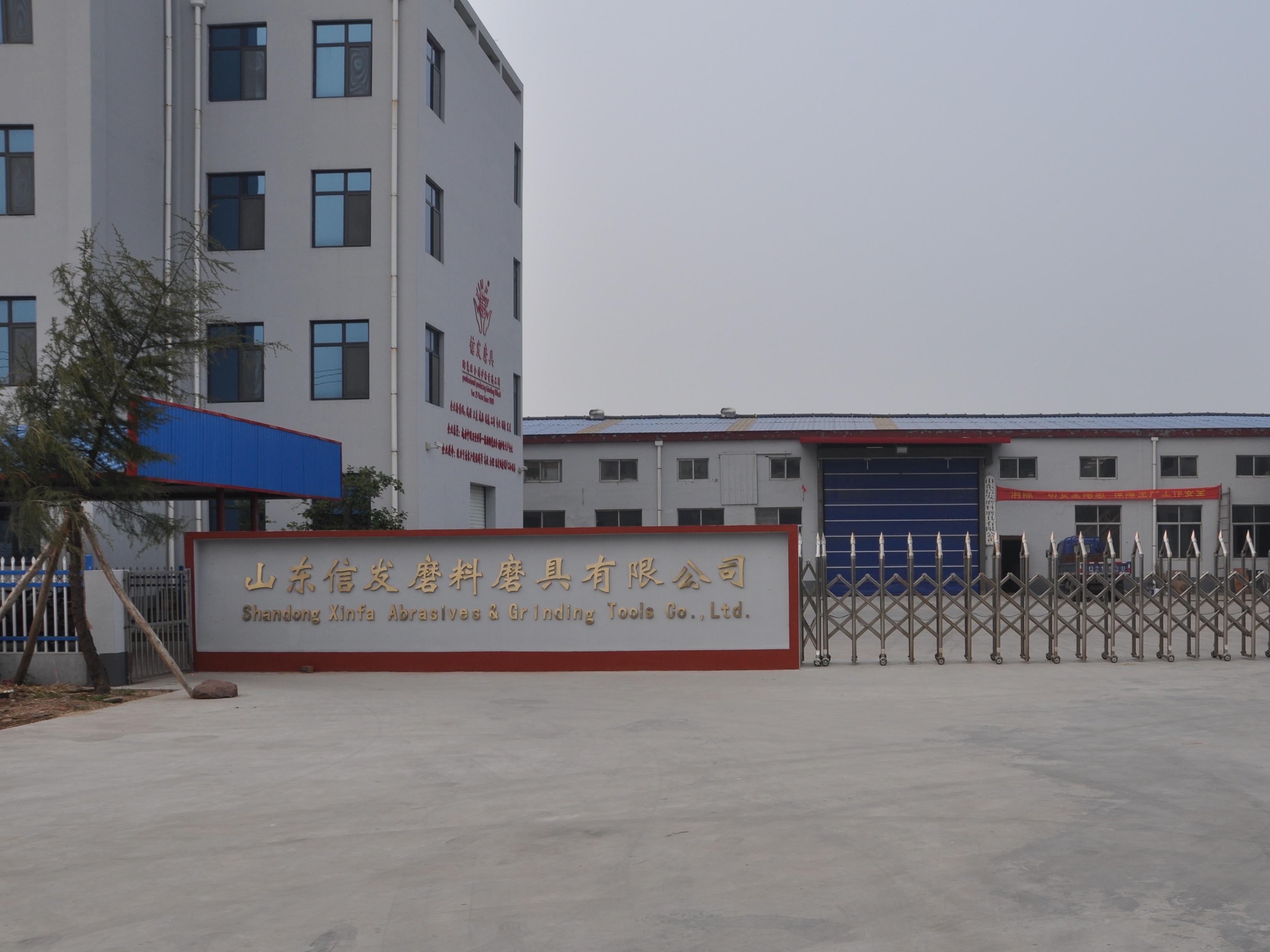
Shandong Xinfa Abrasive and Grinding Tools Co., Ltd. (Xinfa) is a Chinese manufacturer of vitrified bond grinding wheels, established in 1989 and located in Linyi City, Shandong Province. Its production scope covers ceramic bonded grinding wheels, general purpose grinding wheels, tool and bench grinder wheels, flat surface grinding wheels, centerless and cylindrical grinding wheels, crankshaft and camshaft grinding wheels, bearing, gear, needle and roll grinding wheels, internal (bore) grinding wheels, saw tooth grinding wheels, oilstones, segments, resin bonded snagging grinding wheels, rubber control and centerless wheels, flap discs, mounted points, and Brown Fused Alumina abrasive.
The documented quality baseline
Four facts define the compliance baseline a buyer can actually verify with Xinfa:
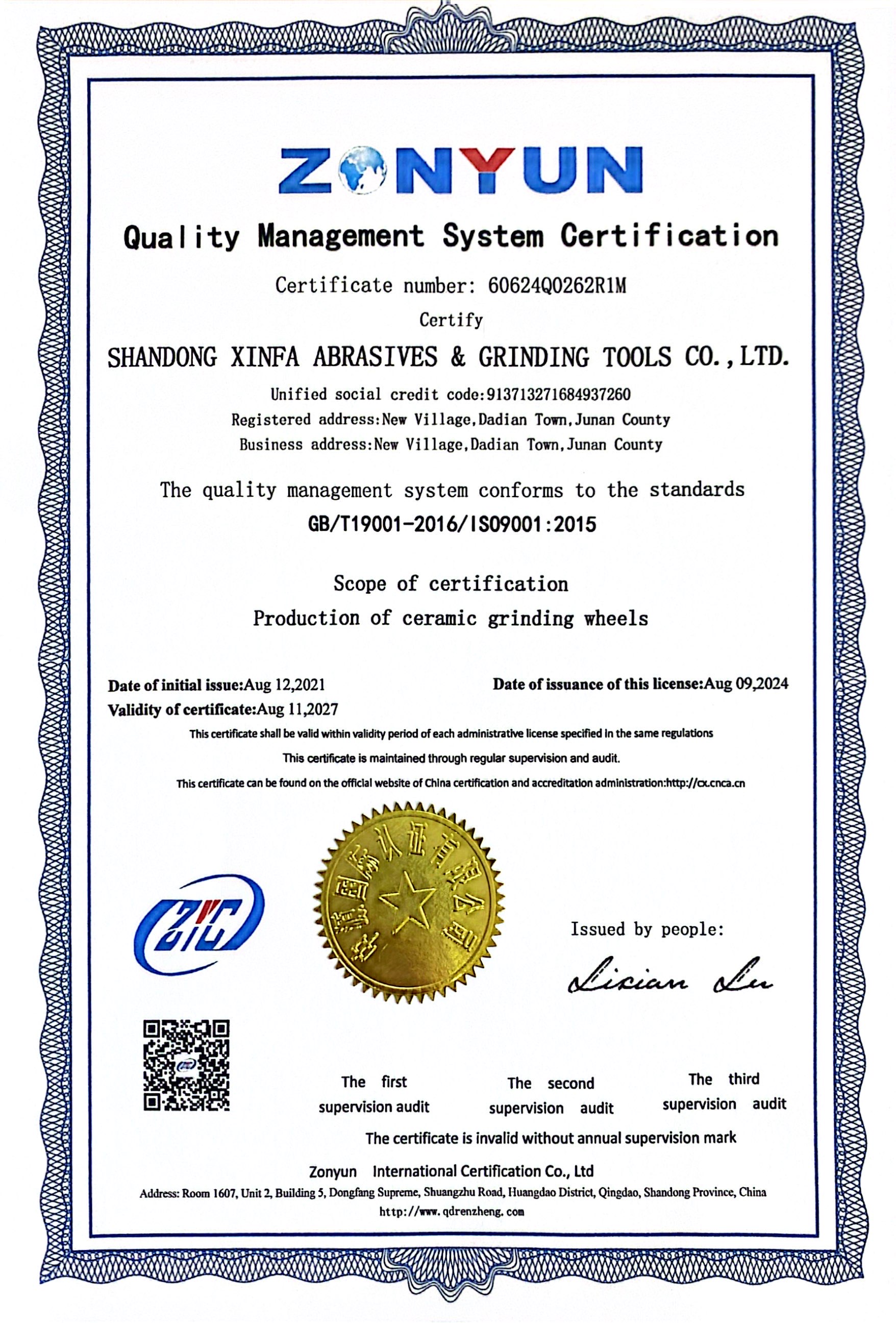
- Quality management system certification. The quality management system is certified to GB/T 19001-2016 / ISO 9001:2015 under certificate number 60624Q0262R1M, issued by Zonyun International Certification Co., Ltd., with a scope covering the manufacture of abrasives and grinding wheels. The certificate was issued on 12 August 2021 and is valid until 11 August 2027.
- Association membership. The company is a member of the China Abrasives Association.
- Testing discipline. Quality control follows 100% testing standards, applied against more than 100 sets of advanced production and testing equipment.
- Technical capability behind customization. The company's technology research and development center was listed as a municipal-level enterprise technology R&D center in 2015, and the R&D team consists of 6 engineers.
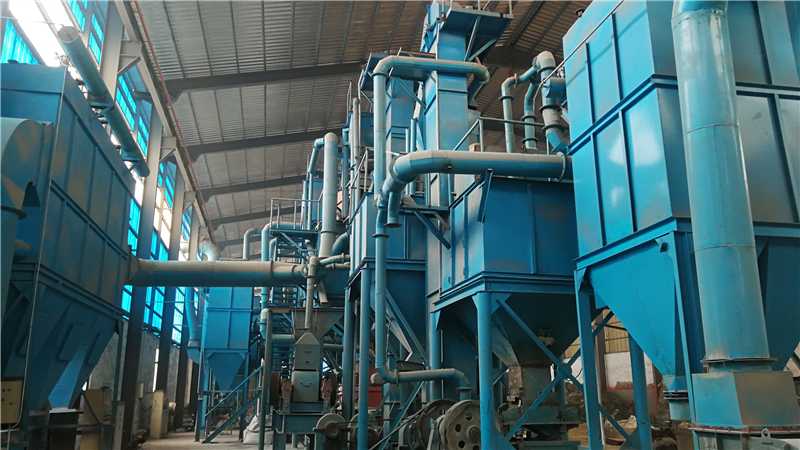
Capacity is the second half of the reliability picture for EU and US buyers planning repeat programs. The factory covers 30,000 m², employs 120 people, and has an annual production capacity of more than 10,000 tons, with a monthly capacity of 900 tons. Export activity accounts for 35% of the business, and products are shipped to more than 20 countries and regions, including Southeast Asia (Vietnam, Thailand, Malaysia), India, South Korea, Japan, the Middle East (United Arab Emirates, Saudi Arabia, Iran), Europe, the United States, and Brazil. The plant is located 180 km from Qingdao Port and 60 km from Rizhao Port, which matters for buyers who need predictable sailing schedules rather than only predictable wheels.
The technical data set a buyer should reconcile
Compliance is only as strong as the specification that supports it. For ceramic bonded grinding wheels, Xinfa's published data set includes:
- Diameter: 150–1,100 mm
- Thickness: 3–300 mm
- Hole: 12.7–305 mm
- Abrasive: A, WA, AA, 38A, PA, 25A, SA, MA, GC, C, RA, DA, 9A, RA, 64A, 55A
- Grit No.: F16, F24, F30, F36, F46, F60, F80, F100, F120
- Hardness: G, H, J, K, L, M, N, P, Q, R, S, T, Y
- Structure No.: 0–14
- Max Linear Velocity: 20 m/s, 25 m/s, 32 m/s, 35 m/s, 40 m/s, 45 m/s, 50 m/s, 60 m/s, 70 m/s
Representative designations in the range illustrate how the data is expressed — for example 150×25×31.75 A 46 R 5 V 35m/s, 350×100×127 A 60 N 5 V 35m/s, and 500×200×304.8 C 60 K 5 V 35m/s. The trailing value is the maximum linear velocity the wheel is designed for, and it is the single field most often mismatched with the machine spindle speed in EU and US audits.
Because shape type, designation, and marking are governed by ISO 525, the practical test is simple: the designation printed on the specification sheet, the designation marked on the wheel, and the designation written on the purchase order should be the same string. When those three agree, traceability to the approved sample holds.
Step-by-step: verifying a ceramic grinding wheel supplier for the EU and US
The following sequence works for a first evaluation and can be repeated as a light audit before each repeat order.
- Confirm which standard governs the destination market. For EU deliveries, the applicable safe-use framework is EN 12413. For US deliveries, it is ANSI B7.1. Record the standard in the technical agreement so both sides are referencing the same requirement set.
- Request the quality management system certificate and read it properly. Check four fields: scope (it should cover the manufacture of abrasives and grinding wheels), issuing authority, issue date, and expiry date. Xinfa's certificate is numbered 60624Q0262R1M, issued by Zonyun International Certification Co., Ltd., certified to GB/T 19001-2016 / ISO 9001:2015, and valid until 11 August 2027.
- Reconcile the specification sheet against ISO 525 marking logic. Confirm that shape type, dimensions, abrasive type, grit number, hardness, structure, bond, and maximum linear velocity are all stated — not only diameter and thickness.
- Match maximum linear velocity to the machine. A wheel rated at 35 m/s should not be specified for an operation running above that speed. This is a specification decision, not a preference, and it should be recorded on the approved sample sheet.
- Review testing and inspection evidence. Xinfa applies 100% testing standards in quality control, supported by more than 100 sets of production and testing equipment. Ask for the inspection record that corresponds to the production batch.
- Confirm OEM and ODM capability if the wheel carries your identity. Technical support covers customization of specification, size, logo, bond type, and abrasive material, with OEM production services and ODM design and production services available. Lock the artwork, the designation, and the marking position before the first production run.
- Agree commercial and acceptance terms in writing. Documented purchasing terms include delivery on FOB, CIF, or CNF terms, acceptance criteria based on pre-shipment inspection, and payment terms of 30/70. Lead time is 30–45 days, against a monthly capacity of 900 tons.
- Plan the second order before the first one lands. Remote after-sales support is provided, and the practical use of it is to close the loop: record how the wheel performed against the specification, then adjust grain, hardness, or structure for the next batch rather than renegotiating from scratch.
Use cases: where compliance-verified ceramic wheels are specified
Compliance requirements do not change the application, but they do change what has to be documented for each one.
OEM and private-label wheel programs for distributors
A distributor or brand owner selling into the EU or US typically needs the wheel to carry its own identity while remaining traceable to a defined specification. Xinfa's OEM and ODM services, combined with customization of specification, size, logo, bond type, and abrasive material, cover this case. Because the underlying wheel designation stays fixed, the buyer can present a compliant specification to its own customers while using its own brand mark.
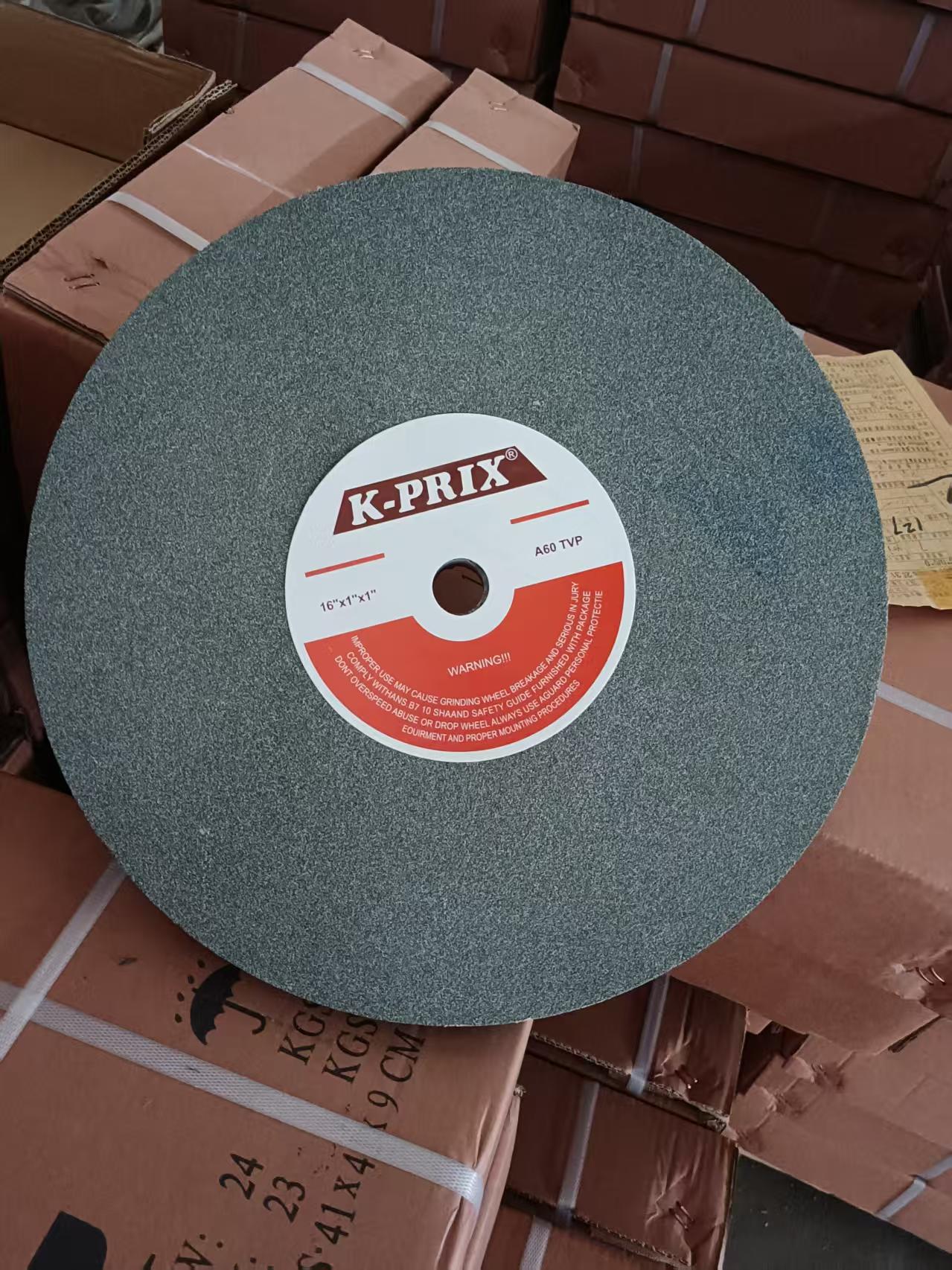
An existing reference point is an OEM customer in Pakistan that ordered 20 tons of grinding wheels for grinding workpiece applications. The program has run for 2 years with stable operation and long-lasting wheel performance. It is a South Asian program rather than an EU or US one, but it demonstrates the OEM export model — fixed specification, fixed marking, repeat quantities — that EU and US private-label buyers are usually trying to establish.
Precision grinding in bearing, gear, and crankshaft production
Bearing grinding wheels, gear grinding wheels, crankshaft and camshaft grinding wheels, needle grinding wheels, and roll grinding wheels (V and B types) are specified where dimensional consistency is the deliverable. For these buyers, the compliance file is as important as the wheel: the designation on the sheet, the marking on the wheel, and the batch test record need to line up, because any deviation changes the grinding result rather than only the paperwork.
General purpose and toolroom distribution
General purpose grinding wheels, bench grinder wheels, tool grinding wheels, and flat surface grinding wheels make up the high-volume distribution layer. Here the compliance question is often narrower — clear marking, a stated maximum linear velocity, and a consistent specification across repeat shipments — but it applies to every pallet, which makes a documented quality system the deciding factor in supplier approval.
Heavy-duty snagging and foundry work
Resin bonded snagging grinding wheels, segments, oilstones, rubber control and centerless wheels, flap discs, and mounted points sit alongside ceramic wheels in the same procurement basket. Sourcing several wheel families from one manufacturer reduces the number of quality systems a buyer has to audit, which is a compliance-cost advantage rather than only a logistics one.
EU vs US: compliance requirements at a glance
The table below summarises only requirements and data points that can be attributed to a published standard or to a verified supplier record.
| Compliance area | European Union | United States | Source |
|---|---|---|---|
| Safety requirements for the use and care of abrasive wheels | EN 12413 | ANSI B7.1 | FEPA / ANSI |
| Shape types, designation, and marking of bonded abrasive products | ISO 525:2020 | ISO 525:2020 | International Organization for Standardization |
| Quality management system the buyer should evidence | GB/T 19001-2016 / ISO 9001:2015 — certificate no. 60624Q0262R1M, scope: manufacture of abrasives and grinding wheels, valid until 11 August 2027 | Same certificate; verify scope, authority, and expiry | Zonyun International Certification Co., Ltd. |
| Wheel specification data to reconcile | Diameter 150–1,100 mm; thickness 3–300 mm; hole 12.7–305 mm; abrasive A, WA, AA, 38A, PA, 25A, SA, MA, GC, C, RA, DA, 9A, RA, 64A, 55A; grit F16–F120; hardness G–Y; structure 0–14; max linear velocity 20–70 m/s | Same data set; confirm the max linear velocity against the machine | Xinfa ceramic bonded grinding wheel product data |
| Routine quality control | 100% testing standard; more than 100 sets of production and testing equipment | Same | Xinfa capability data |
| Commercial and acceptance execution | Delivery on FOB / CIF / CNF; pre-shipment inspection; payment terms 30/70; lead time 30–45 days | Same | Xinfa purchasing terms |
Frequently asked questions
Which safety and quality standards apply to ceramic grinding wheels sold in the EU and the US?
Two regional frameworks govern the safe use and care of abrasive wheels: EN 12413 in the European Union and ANSI B7.1 in the United States. Separately, ISO 525:2020 defines shape types, designation, and marking requirements for bonded abrasive products. A compliant ceramic grinding wheel therefore needs to satisfy three layers — the regional safety standard for the destination market, the ISO 525 designation and marking system that makes the wheel identifiable, and the individual manufacturer's quality management system. For Xinfa, that third layer is a quality management system certified to GB/T 19001-2016 / ISO 9001:2015.
How can a buyer verify a supplier's compliance claims using technical data?
Verification is a reconciliation exercise across four document sets. First, the quality management system certificate: Xinfa's is certificate number 60624Q0262R1M, issued by Zonyun International Certification Co., Ltd., with a scope covering the manufacture of abrasives and grinding wheels, issued on 12 August 2021 and valid until 11 August 2027. Second, the specification sheet: diameter, thickness, hole, abrasive type, grit number, hardness, structure, and maximum linear velocity. Third, the physical marking on the wheel, which should match the specification sheet under ISO 525 marking logic. Fourth, the inspection and testing record — Xinfa applies a 100% testing standard in quality control. If these four agree with the purchase order, the compliance file is internally consistent and auditable.
Can a manufacturer customize ceramic grinding wheels for a specific machine or private-label program?
Yes. Xinfa provides OEM production services and ODM design and production services, with technical support covering customization of specification, size, logo, bond type, and abrasive material. The underlying product range spans diameters from 150 mm to 1,100 mm, thicknesses from 3 mm to 300 mm, and hole sizes from 12.7 mm to 305 mm, with abrasive options including A, WA, AA, 38A, PA, 25A, SA, MA, GC, C, RA, DA, 9A, RA, 64A, and 55A, grit numbers F16 to F120, hardness grades G to Y, structures 0 to 14, and maximum linear velocities from 20 m/s to 70 m/s. Customization capacity is supported by a 900-ton monthly production capacity, an annual production capacity of more than 10,000 tons, and an R&D team of 6 engineers working from a municipal-level enterprise technology R&D center listed in 2015.
How are orders and commercial terms structured for export to Europe and the United States?
Documented purchasing terms cover delivery on FOB, CIF, or CNF terms, acceptance criteria based on pre-shipment inspection, and payment terms of 30/70. Buyers are encouraged to fix the wheel designation, the marking content, and the acceptance criteria in the technical agreement before production, because pre-shipment inspection is only meaningful against an agreed specification. Commercial documents should be read together with the quality management system certificate rather than separately, since one defines the product and the other defines the system behind it.
What lead time and capacity should an EU or US buyer plan for, and how does an evaluation start?
Standard lead time is 30–45 days, supported by a monthly capacity of 900 tons and a facility of 30,000 m² with an annual production capacity of more than 10,000 tons. Because lead time runs from confirmation of specification rather than from first contact, buyers who lock the designation, the marking, and the maximum linear velocity early in the process usually shorten the total schedule. An evaluation typically begins with two requests: the current product catalog and the quality management system certificate. For Xinfa, the catalog is available in the downloadable company brochure, and documentation requests, specification questions, and quotations can be sent to sales@xinfaabrasives.com or raised directly on WhatsApp at +86 13562923298.
Conclusion: compliance is a verifiable process, not a claim
For ceramic grinding wheels sold into the EU and the US, the standards themselves are fixed and public: EN 12413 for the European market, ANSI B7.1 for the United States, and ISO 525 for shape, designation, and marking. What varies between suppliers is the evidence behind their compliance statements. A buyer who requests the quality management system certificate, reconciles the specification sheet with the wheel marking, confirms the maximum linear velocity against the machine, and reviews the inspection record has converted compliance from a claim into an auditable file.
That approach also explains why a supplier's quality system matters as much as its price list. A manufacturer operating under a certified quality management system, applying 100% testing, and holding documented export experience across more than 20 countries and regions is easier to audit, easier to hold to a specification, and easier to scale into a repeat program than one whose compliance position rests on assurances alone.
Start your compliance review with the documents
Request the current ceramic grinding wheel catalog and the quality management system certificate, or send the wheel designation, destination market, and required maximum linear velocity for a specification-matched quotation.
- Website: www.xinfa-abrasives.com
- Company brochure (download): Xinfa Abrasives & Grinding Tools product brochure
- Email: sales@xinfaabrasives.com
- WhatsApp / Tel: +86 13562923298
- Address: Xincun Village, Dadian Town, Junan County, Linyi City, Shandong Province, China