Ceramic Grinding Wheel Selection by Grinding Scenario: A Technical Parameter Guide
A ceramic grinding wheel is a bonded abrasive wheel produced with a vitrified (ceramic) bond, and the reliable way to select one is to work from the grinding scenario inward rather than from the wheel name outward. The scenario – how the wheel contacts the workpiece, on which machine, against which material, with how much stock and what finish target – determines four parameters that must appear on any usable purchase specification: abrasive type, wheel shape, dimensions, and bond/grade combination. Once those four are fixed, price, minimum order quantity and lead time become negotiable. While they are missing, every quotation is an estimate.
This guide is written for buyers at the decision-to-execution stage: procurement engineers, machining supervisors, maintenance planners, importers and distributors who are about to place a first ceramic wheel order and then repeat it. It covers abrasive selection, wheel form, dimensional envelopes, bond behavior, and the commercial parameters that hold a repeat order together.
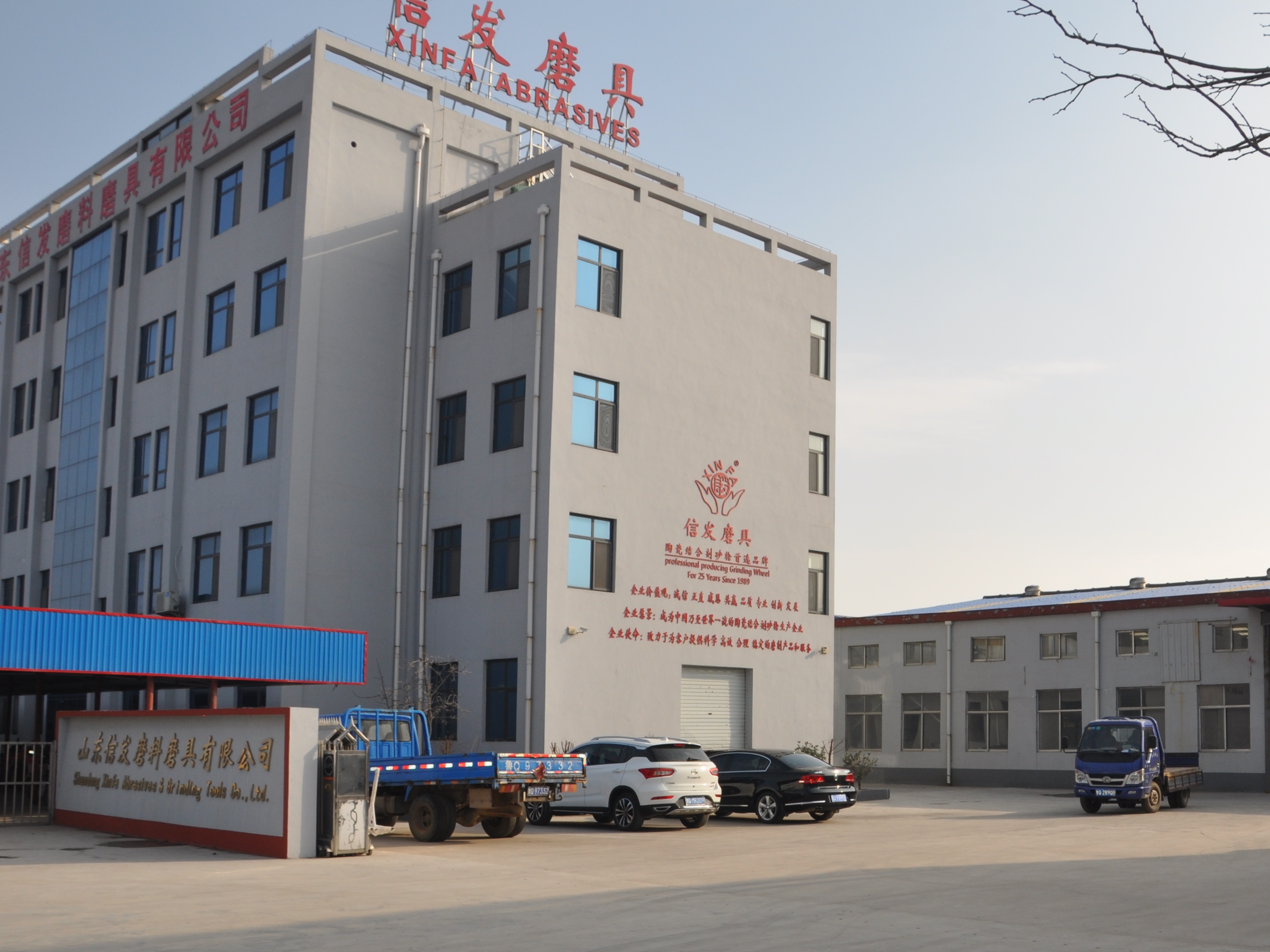
Product and capacity facts referenced in this guide come from Shandong Xinfa Abrasives & Grinding Tools Co., Ltd. (“Xinfa”), a manufacturer established in 1989 in Junan County, Linyi City, Shandong Province, China, specializing in the research, development and manufacture of vitrified bond grinding wheels.
Problem Definition: Why a Wheel Name Is Not a Specification
Grinding wheel names used in catalogs and RFQs fall into two groups, and neither group is a specification. The first group names a machine: bench grinder wheel, centerless grinding wheel, flat surface grinding wheel. The second group names an operation: tool grinding wheel, saw tooth grinding wheel, gear grinding wheel. Both describe where the wheel goes. Neither describes what the wheel is.
What the wheel actually is comes from the abrasive grain, grain size, grade, structure, bond, shape and dimensions – plus the maximum operating speed marked on the wheel. Two wheels sold under the same name can differ in every one of those variables. A “centerless grinding wheel” that performs well on one machine may load, glaze or burn the workpiece on a second machine, simply because the grade or grain size was never stated when the order was placed.
Four failure patterns appear repeatedly when a wheel name is treated as a specification:
- Trial-and-error loop. The first shipment is used as an experiment, so the second order starts from zero again.
- Finish and output drift. Operators compensate for an unspecified parameter by changing feed or dressing practice, and results stop being repeatable between batches.
- Downtime caused by dressing. A wheel that is too hard or too fine for the scenario forces more frequent dressing and more machine downtime than the process can absorb.
- Repeat-order drift. The second delivery matches the wheel name but not the wheel that was originally approved, and the shop floor has no document to prove the difference.
For buyers moving from evaluation into execution, the deliverable is therefore not a wheel name but a parameter sheet: one row per wheel, stating the grinding scenario it was approved for, the abrasive, the shape, the dimensions and the bond. Quotation, validation, repeat orders and distributor stock should all reference that sheet.
Industry Background: A Large Category Built on Vitrified Bonds
Ceramic-bonded wheels are not a specialist niche. The global grinding wheels market was valued at US$ 8.71 billion in 2024 and is projected to grow at a CAGR of 4.5% through 2030 (Grand View Research, 2024). Within that market, vitrified bond (ceramic bond) grinding wheels held the largest segment share at 38.4% of the total grinding wheel market in 2025 (Dataintelo, 2025).
The abrasive side is similarly concentrated. Brown Fused Alumina (BFA) held 52.4% of the global fused alumina market in 2025, primarily driven by its dominance in abrasive applications (Dataintelo, 2025). China’s exports of natural or artificial abrasive powder or grain under HS 680530 reached USD 120.9 million in 2024 (WITS – World Bank, 2024). For a buyer, these figures explain a practical pattern in ceramic wheel specifications: most specifications start with an alumina abrasive and move to silicon carbide or ceramic (SG) grain only where the workpiece material and finish requirement demand it.
Two standards frameworks sit behind every compliant specification. ISO 525 governs the shape types, designation and marking of bonded abrasive products, which makes the marking on the wheel the point at which a delivered product can be audited against a purchase specification. Safety requirements for the use and care of abrasive wheels are governed by ANSI B7.1 in the United States and EN 12413 in the European Union. Globally active manufacturers in the category include Saint-Gobain (Norton), 3M (Cubitron II), Tyrolit and Klingspor (Market Research Future, 2024); their relevance here is a reminder that specification language must stay machine- and material-based rather than brand-based.
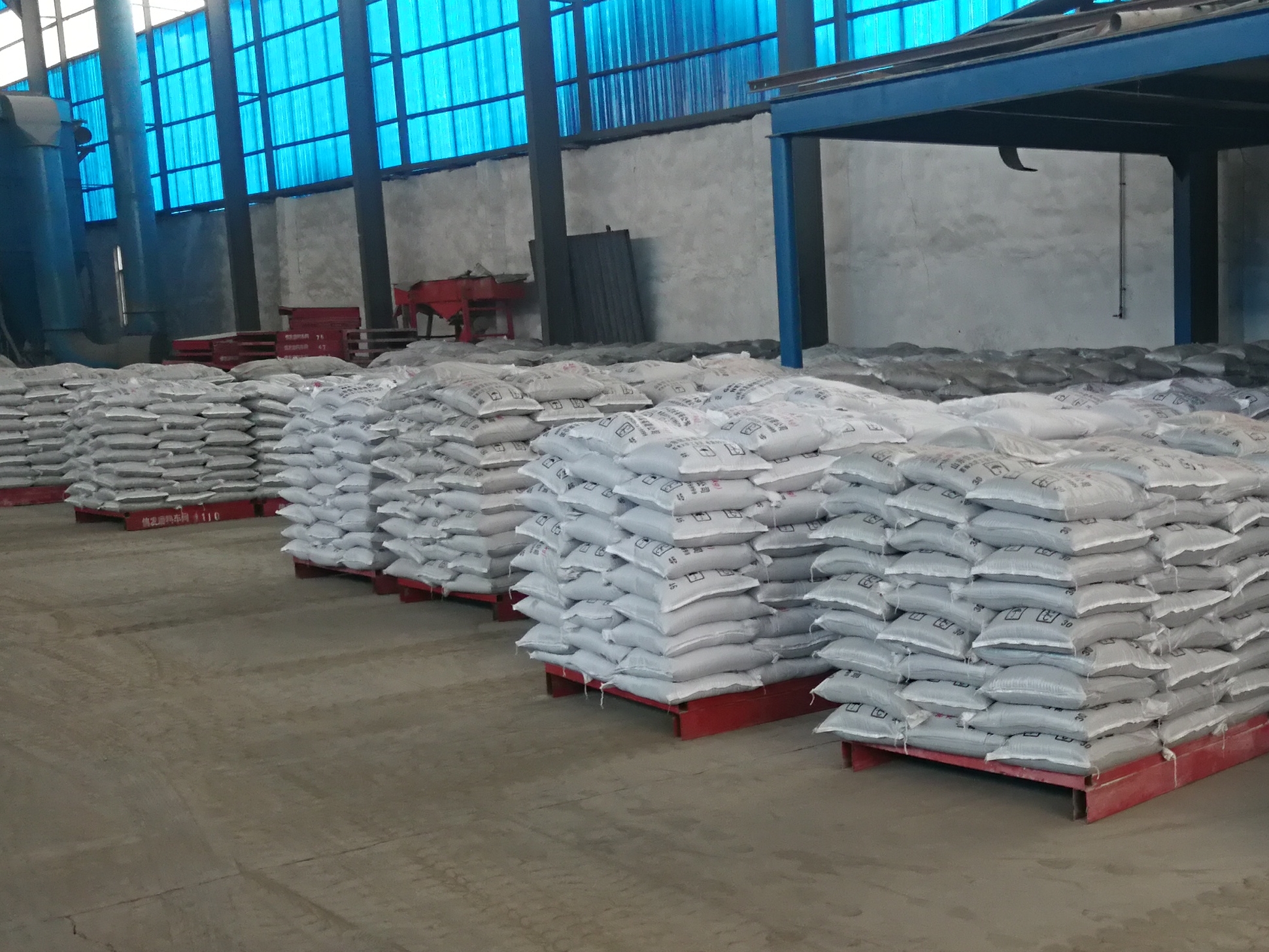
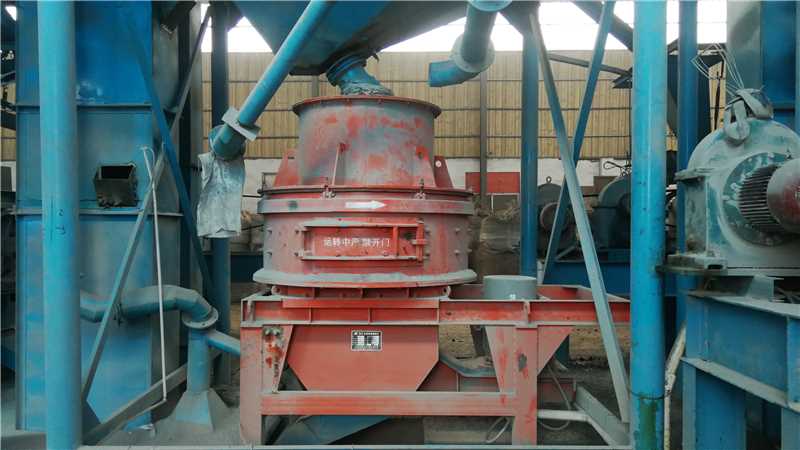
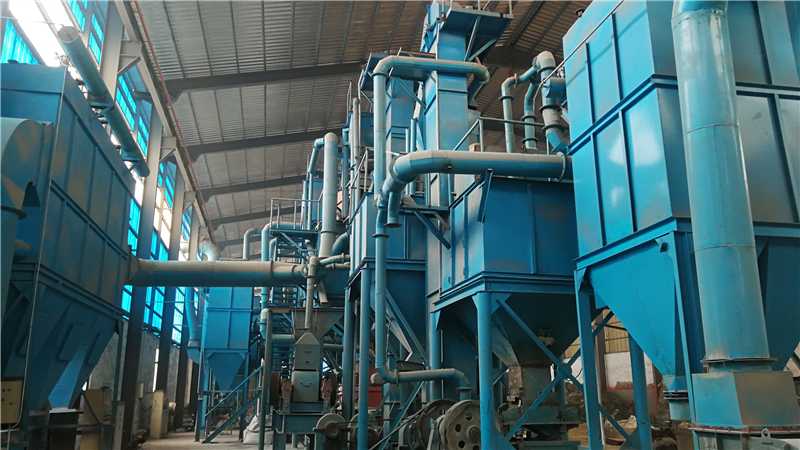
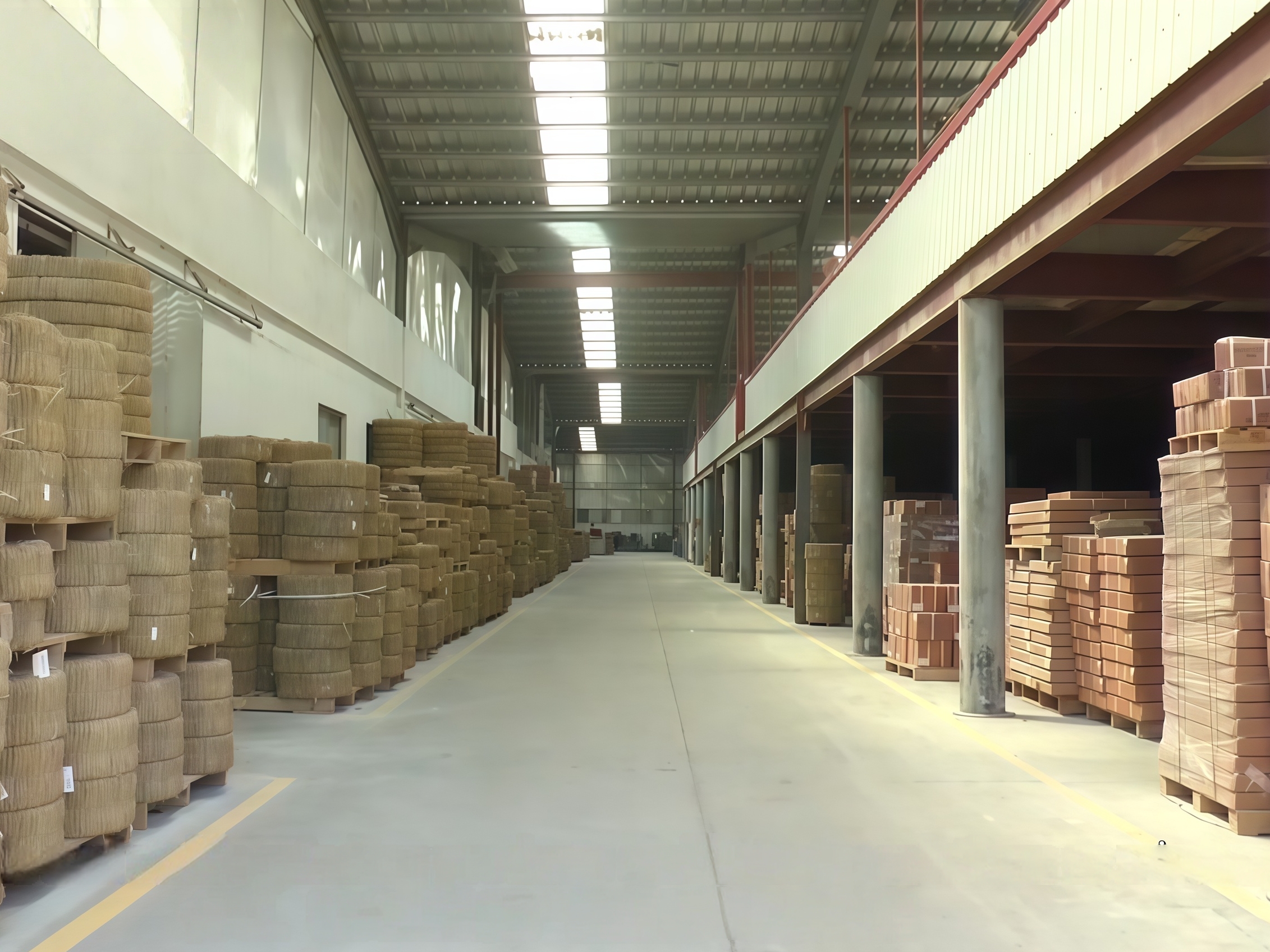
On the manufacturing side, Xinfa operates a 30,000 m² factory with 120 employees and more than 100 sets of advanced production and testing equipment, at an annual production capacity of over 10,000 tons and a monthly production capacity of 900 tons. The company is a member of the China Abrasives Association, and its quality management system has been certified under ISO9001:2008. Its technology research and development center was recognized as a municipal-level enterprise technology R&D center in 2015 and is staffed by 6 engineers. Products are exported to more than 20 countries and regions, with an export ratio of 35%; main markets include Southeast Asia (Vietnam, Thailand, Malaysia), India, South Korea, Japan, the Middle East (United Arab Emirates, Saudi Arabia, Iran), Europe, the United States and Brazil. The plant is located in the National Logistics Center of Linyi City, 180 km from Qingdao Port and 60 km from Rizhao Port.
Detailed Solution: Matching Abrasive, Shape and Dimensions to the Scenario
Three decisions define a ceramic grinding wheel before price is discussed: which abrasive grain does the cutting, which wheel form matches the contact geometry, and which dimensional envelope the machine can accept. Each decision is driven by the grinding scenario, and each one has a fixed place in the specification.
Abrasive family: the first selection filter
The abrasive grain determines what the wheel can cut economically. Six families are used in vitrified bond wheels, and each one maps to a recognizable band of workpiece materials and finish requirements.
- Brown Fused Alumina (BFA) – a tough, blocky alumina grain. It is the general-purpose choice for carbon steel and general engineering steel, and it appears in general purpose grinding wheels, bench grinder wheels and rough stock-removal work. BFA held 52.4% of the global fused alumina market in 2025, primarily driven by abrasive applications (Dataintelo, 2025), which reflects how broadly it is used as a default grain.
- White Fused Alumina (WFA) – a higher-purity alumina grain that is generally sharper and more friable than BFA. It is typically matched to hardened steels and high-speed steels, and it is the usual starting point for precision work such as tool grinding, gear grinding, bearing grinding and bore grinding.
- Pink Fused Alumina – a chromium-bearing alumina that sits between BFA and WFA in toughness. It is generally selected where BFA leaves a coarser finish than the drawing allows but the application does not justify the cost of a higher-purity precision grain.
- Green Silicon Carbide – a very hard, sharp grain used where alumina grains wear too quickly. It is typically matched to cemented carbide tool grinding, cast iron, and non-ferrous work, and it is a common grain for tool grinding wheels and saw tooth grinding wheels.
- SG ceramic alumina (seeded gel) – a microcrystalline alumina grain designed for cool cutting and extended wheel life. It is generally reserved for high-value precision scenarios where burn control and dimensional stability matter, such as crankshaft and camshaft grinding, bearing grinding, gear grinding and roll grinding.
- Black Silicon Carbide – a lower-purity silicon carbide grain used for lower-tensile-strength materials such as cast iron and non-ferrous metals, and for non-metallic materials. It is also a common grain for oilstone, segments and general finishing work.
Wheel shape follows contact geometry, not product name
The wheel form is dictated by where the grinding contact happens. Peripheral grinding – cylindrical, centerless and flat surface work – uses straight wheels. Face grinding, as in much tool and gear work, uses cup and dish forms. Bores and recessed geometry use internal (bore) grinding wheels and mounted points, while segments and oilstone cover surface work and hand finishing. Rubber control and centerless wheels serve as control wheels in centerless setups, resin bonded snagging grinding wheels are built for high-impact rough work, and flap discs and mounted points cover blending and deburring.
Shape designation and marking requirements are covered by ISO 525, which is why the shape should be written into the specification in a form that can be checked against the marking on the delivered wheel.
Dimensions: the flat surface envelope and custom sizing
Dimensions are the most frequently under-specified element of a ceramic wheel order. Three figures matter: outer diameter, thickness, and bore. Bore and maximum operating speed come first because they are safety and machine-fit constraints; diameter and thickness come second because they govern grinding behavior; grain, grade and structure follow.
Flat surface grinding wheels can be produced to customizable dimensions, with a diameter range of 90–900 mm. That range covers the majority of surface grinding machine envelopes, and it means the limiting factor is normally the machine and the fixture, not the wheel supply.
Bond and handling: vitrified, resin and rubber
The bond holds the grain and controls how the wheel behaves under heat and load. Vitrified (ceramic) bond wheels are rigid and heat-resistant, which is why they dominate precision and general grinding. Resin bonded snagging grinding wheels tolerate higher impact and are used where the operation is rough rather than precise. Rubber control and centerless wheels are used as control wheels rather than as the cutting wheel.
Handling is part of bond selection, because vitrified wheels are fragile. Xinfa’s risk-control practice for this product category identifies fragility as the main transport risk, controlled through pallet reinforcement as the packaging method and shockproof cushioning as the internal protection measure. Buyers specifying ceramic wheels should therefore treat packaging terms as part of the technical specification, not as a logistics afterthought.
Step-by-Step Breakdown: The Parameter Checklist
The checklist below converts a grinding scenario into a specification that can be quoted, validated and repeated. Working through it in this order prevents the most common cause of a failed first order: fixing price and dimensions before fixing the abrasive and the bond.
- Describe the grinding scenario in machine language. Record the contact mode (external diameter, internal bore, flat surface, centerless, profile, or face), the machine and its spindle speed, the workpiece material and hardness, the stock to be removed, the finish and tolerance target, the coolant, and the batch size. This single paragraph replaces the wheel name as the starting point.
- Select the abrasive family. Match the grain to the material and finish target: BFA for general carbon and engineering steel, WFA for hardened and high-speed steel precision work, pink fused alumina as an intermediate option, green silicon carbide for carbide and cast iron tool work, SG ceramic alumina where burn control and wheel life are critical, and black silicon carbide for lower-tensile-strength and non-metallic materials.
- Select the wheel shape and record its ISO 525 designation. Straight wheels for peripheral grinding, cup and dish forms for face grinding, internal (bore) wheels and mounted points for bores, segments and oilstone for surface and hand work, control wheels for centerless setups.
- Fix the dimensions. State outer diameter, thickness and bore. For flat surface grinding wheels, the customizable diameter range runs from 90 mm to 900 mm; thickness and bore are determined by the machine, the guard and the fixture.
- Verify the machine and safety envelope. Confirm that the maximum operating speed marked on the wheel matches or exceeds what the machine will apply, and that guarding is compatible. ANSI B7.1 in the United States and EN 12413 in the European Union define the safety requirements for the use and care of abrasive wheels; the marked speed is the audit point.
- Confirm bond and handling. Specify vitrified bond for precision and general grinding, resin bonded snagging wheels where the operation is high-impact, and rubber control and centerless wheels where a control wheel is required. Where vitrified wheels are shipped, confirm pallet reinforcement and shockproof cushioning as packaging requirements.
- Validate the order, then freeze the specification. Xinfa’s stated purchasing terms are a minimum order quantity of 2 tons, delivery terms of FOB/CIF/CNF, pre-shipment inspection as the acceptance criterion, and payment terms of 30/70. Monthly production capacity is 900 tons and typical lead time is 30–45 days. Once the trial result is accepted, freeze the parameter sheet and use it as the reference for every repeat order.
Use Cases: Mapping Ten Grinding Scenarios to Wheel Parameters
The table below maps the grinding scenarios most frequently quoted in ceramic wheel procurement to the wheel form and abrasive family commonly matched to them, and to the parameters that should appear on the purchase order.
| Grinding scenario | Typical wheel form | Abrasive family commonly matched | Parameters to lock on the PO |
|---|---|---|---|
| Centerless grinding | Straight wheel plus rubber control/centerless wheel | BFA for general steel; WFA or SG ceramic alumina for precision | Wheel diameter and width, control wheel specification, spindle speed, coolant, approved scenario |
| Cylindrical (OD) grinding | Straight wheel | BFA, white fused alumina, pink fused alumina, SG ceramic alumina | Diameter, width, grade, work speed, dressing interval |
| Internal (bore) grinding | Internal (bore) grinding wheel, mounted points | White fused alumina, green silicon carbide, SG ceramic alumina | Small diameter, overhang, spindle speed, bore tolerance |
| Flat surface grinding | Straight wheel, segments | BFA, white fused alumina, green silicon carbide | Diameter within the 90–900 mm customizable range, thickness, bore, segment layout |
| Tool grinding | Cup and dish forms, tool grinding wheel | Green silicon carbide, white fused alumina | Face form, edge sharpness, runout, coolant |
| Saw tooth grinding | Saw tooth grinding wheel | Green silicon carbide, white fused alumina | Thin profile, edge retention, diameter, bore |
| Bearing grinding | Bearing grinding wheel | White fused alumina, SG ceramic alumina | Fine grain, finish stability, grade, dressing interval |
| Gear grinding | Gear grinding wheel | White fused alumina, SG ceramic alumina | Profile accuracy, thermal control, grade, wheel width |
| Worm grinding | Worm grinding wheel | White fused alumina, SG ceramic alumina | Form accuracy, wheel width, diameter |
| Crankshaft & camshaft grinding | Crankshaft & cam shaft grinding wheel | SG ceramic alumina, white fused alumina | Stock removal versus burn control, grade, diameter and width |
| Roll grinding | Roll grinding wheel V&B | BFA, white fused alumina, SG ceramic alumina | Long width, large diameter, balance, machine fit |
| General purpose and bench work | General purpose grinding wheel, bench grinder wheel | BFA | Diameter, thickness, bore, marked speed |
Three of these scenarios deserve extra attention because their parameter logic is counterintuitive. In centerless grinding, the control wheel is part of the specification, not a consumable accessory; rubber control and centerless wheels change the feed behavior of the whole setup, so a control wheel change is a process change. In crankshaft and camshaft grinding, the abrasive decision is dominated by thermal control rather than by hardness, which is why SG ceramic alumina appears in that row. In roll grinding, the dimensional envelope and wheel balance matter as much as the grain, because long, large-diameter wheels amplify any imbalance.
Small-diameter precision families – needle grinding wheels, bearing grinding wheels and internal (bore) grinding wheels – share the same logic: the smaller the wheel, the more the spindle speed, overhang and dressing practice dominate the outcome. They should be specified together so that the same abrasive and grade logic is applied across the family.
Comparison Table: Ceramic (Vitrified Bond) vs Conventional Grinding Wheel
The comparison below uses Xinfa’s first-party ceramic versus conventional grinding wheel comparison data, together with the published bond-segment data cited earlier. It is intended as a decision aid for evaluating a ceramic wheel on process economics rather than on unit price.
| Comparison criterion (vs conventional grinding wheel) | Ceramic (vitrified bond) grinding wheel | Why it matters at the buying stage |
|---|---|---|
| Service life | Long-lasting (first-party comparison data) | Fewer wheel changes per production period; more predictable consumable planning |
| Grinding efficiency | +30% grinding efficiency (first-party comparison data) | Higher output per machine hour for the same operation |
| Dressing frequency | Less frequent dressing (first-party comparison data) | Less machine downtime tied to wheel maintenance |
| Cost position | 20% lower cost (first-party comparison data) | Evaluated as cost per part and per machine hour, not as unit price alone |
| Efficiency profile | Higher efficiency (first-party comparison data) | Supports tighter cycle times in industrial plants |
| Best fit | Industrial plants (first-party comparison data) | Most relevant where grinding runs continuously rather than intermittently |
| Market position of the bond type | Vitrified (ceramic) bond held the largest segment share at 38.4% of the total grinding wheel market in 2025 (Dataintelo, 2025) | Established bond technology with wide process experience behind it |
| Handling sensitivity | Fragile in transport; controlled by pallet reinforcement and shockproof cushioning (Xinfa risk-control data) | Packaging terms belong in the technical specification for vitrified wheels |
Two cautions belong next to this table. First, the efficiency and cost figures are comparative statements against a conventional grinding wheel under the conditions described by the manufacturer, not universal guarantees; they should be validated on the buyer’s own machine during the trial order. Second, a ceramic wheel that is incorrectly specified for the scenario will underperform a correctly specified conventional wheel, which is why abrasive, shape and dimension selection comes before the bond comparison.
From First Order to Repeat Supply: Keeping the Specification Stable
A ceramic wheel specification only produces value if it stays unchanged across deliveries. The practical mechanism is a controlled parameter sheet per wheel, showing the grinding scenario it was approved for, the abrasive, the shape designation, the dimensions, the bond, the marked speed, the validation result and the approval date. Every repeat order and every distributor stock line references that sheet.
Supply parameters need to be written into the same document, because they determine whether the specification can actually be repeated. Xinfa’s stated terms are a minimum order quantity of 2 tons and a typical lead time of 30–45 days, supported by a monthly production capacity of 900 tons and an annual production capacity of over 10,000 tons. The export ratio of 35% and a customer base spanning more than 20 countries and regions including Southeast Asia, India, South Korea, Japan, the Middle East, Europe, the United States and Brazil indicate that the specification format needs to travel well across markets.
Two operational details reduce the risk of specification drift in practice. The first is packaging: because vitrified wheels are fragile, pallet reinforcement and shockproof cushioning should be stated alongside the wheel parameters so that the technical approval and the logistics method are approved together. The second is documentation discipline: the wheel marking defined by ISO 525 is the field-verifiable element of the specification, so incoming inspection should compare the marking against the parameter sheet rather than against the wheel name.
For distributors and long-term buyers, the same sheet becomes the basis for stock planning: one approved specification per fast-moving scenario, kept stable year over year, is easier to forecast than a catalog of name-based variations that change with every quotation.
FAQ
Which standards should a ceramic grinding wheel specification reference?
ISO 525 defines the shape types, designation and marking requirements for bonded abrasive products, which makes the wheel marking the document a buyer can audit against the purchase order. Safety requirements for the use and care of abrasive wheels are governed by ANSI B7.1 in the United States and EN 12413 in the European Union, so the maximum operating speed marked on the wheel must be checked against the machine before the order is confirmed. On the supply side, Shandong Xinfa Abrasives & Grinding Tools Co., Ltd. is a member of the China Abrasives Association and its quality management system has been certified under ISO9001:2008.
Can one vitrified bond supplier cover several grinding scenarios, and what dimensions are possible?
Yes, but the parameters change with the scenario, so each scenario needs its own approved row on the specification. Wheel forms in the Xinfa range include general purpose grinding wheels, bench grinder wheels, tool grinding wheels, flat surface grinding wheels, centerless grinding wheels, cylindrical grinding wheels, crankshaft & cam shaft grinding wheels, saw tooth grinding wheels, bearing grinding wheels, worm grinding wheels, gear grinding wheels, needle grinding wheels, roll grinding wheels V&B, internal (bore) grinding wheels, oilstone, segments, resin bonded snagging grinding wheels, rubber control & centerless wheels, flap discs and mounted points. Flat surface grinding wheels can be produced to customizable dimensions with a diameter range of 90–900 mm. Development is handled by a 6-engineer R&D team within a technology center recognized as a municipal-level enterprise technology R&D center in 2015.
What drives the real cost of a ceramic grinding wheel?
Three variables dominate: the abrasive and bond combination, wheel life, and dressing frequency. Xinfa’s first-party comparison data describes its ceramic wheels against a conventional grinding wheel as long-lasting, with higher efficiency, +30% grinding efficiency, 20% lower cost and less frequent dressing, best suited to industrial plants. Landed cost also depends on the commercial terms attached to the order: minimum order quantity of 2 tons, delivery terms of FOB/CIF/CNF, and payment terms of 30/70. The practical evaluation method is cost per part ground plus machine downtime saved, not unit price per wheel.
How can a ceramic grinding wheel be validated before a full production commitment?
Validation starts by writing the full parameter set on the order – abrasive, shape designation, dimensions, bond and marked speed – instead of a wheel name. Xinfa’s stated acceptance criterion is pre-shipment inspection, with delivery terms of FOB/CIF/CNF and payment terms of 30/70; the minimum order quantity is 2 tons and typical lead time is 30–45 days. The trial result should be recorded against the parameter sheet, and that sheet then becomes the reference for later orders. Incoming inspection should compare the ISO 525 marking on the wheel with the sheet.
What is the lead time, and can supply be sustained for repeat orders and distribution?
Typical lead time is 30–45 days, and monthly production capacity is 900 tons, against an annual production capacity of over 10,000 tons. The minimum order quantity is 2 tons. The manufacturer operates a 30,000 m² factory with 120 employees and more than 100 sets of advanced production and testing equipment, is located 180 km from Qingdao Port and 60 km from Rizhao Port, and exports 35% of output to more than 20 countries and regions. Because vitrified wheels are fragile, packaging uses pallet reinforcement and shockproof cushioning, which should be confirmed as part of the order. To move from a parameter sheet to a quoted, validated supply program, send the scenario description and required dimensions to the Xinfa sales team at sales@xinfaabrasives.com, or request the full product catalog below.
Conclusion
Ceramic grinding wheel selection is a scenario-first exercise. The grinding machine and contact geometry decide the wheel form; the workpiece material and finish target decide the abrasive family; the machine envelope and guard decide the dimensions and the marked speed; the bond and packaging decide how the wheel survives heat, load and transport. Once those decisions are recorded on a single parameter sheet, a first order becomes a repeatable supply program rather than a recurring experiment.
For buyers at the decision-to-execution stage, the immediate next step is small and specific: write down the scenario, choose the abrasive and shape, state the dimensions, and request a quotation against that parameter set instead of against a wheel name.
Ready to specify a ceramic grinding wheel by grinding scenario?
Download the Xinfa product catalog for wheel forms, product families and factory information: Xinfa Abrasives product catalog (PDF).
Send your scenario description, required dimensions and target quantity for a technical review and quotation. Email: sales@xinfaabrasives.com | Tel / WhatsApp: +86 13562923298 | Website: www.xinfa-abrasives.com