Ceramic Grinding Wheel Supplier FAQ: Terms, Acceptance, Support
Short answer: a ceramic grinding wheel supply program becomes dependable when three things are written down before the first order — the purchasing terms (MOQ, delivery term, payment split), the acceptance criteria (what is inspected, by whom, and before or after shipment), and the long-term support obligation (technical response, repeat-order handling and documentation). This FAQ answers those commercial questions using the documented positions of Shandong Xinfa Abrasives & Grinding Tools Co., Ltd. (“Xinfa”), a vitrified bond grinding wheel manufacturer established in 1989 in Linyi City, Shandong Province, China.
Why purchasing terms decide whether a wheel specification survives production
Technical selection settles grain, bond, grade, structure, shape and dimension. It does not settle how the wheel arrives, who confirms it matches the agreed specification, or what happens between the first shipment and the fiftieth. In vitrified bond grinding that gap is expensive, because correcting a mismatch after shipment costs freight, machine downtime and a second qualification trial.
Buyers moving from evaluation to execution usually need five commercial variables fixed in writing:
- Order quantity basis — how the minimum order quantity relates to actual consumption per wheel family.
- Delivery term — who books freight, who carries risk in transit, and against which port.
- Payment split — how much is paid at order confirmation and what triggers the balance.
- Acceptance point — whether conformity is confirmed pre-shipment or on arrival, and against which records.
- Support obligation — who answers when a dressing interval shortens or a workpiece material changes.
Process research supports treating this as a quality question rather than a paperwork question. A peer-reviewed 2024 study on grinding wheel wear monitoring notes that the condition of the grinding wheel directly affects the surface quality of the workpiece. If wheel condition is a quality variable, then shipment-to-shipment consistency is a contractual variable.
Industry background: what a long-term bonded abrasive relationship looks like in 2026
Demand for grinding wheels is forecast to keep expanding: the global grinding wheel market is projected to grow at a compound annual growth rate of 6.7% from 2025 to 2032 (Reliable Market Forecast, 2025). On the material side, Brown Fused Alumina held the largest product-type share of the fused alumina market at 52.4% in 2025 (Dataintelo, 2026) — relevant because Brown Fused Alumina is the abrasive grain behind many general-purpose, bench grinder and tool grinding wheels that distributors carry as recurring stock items.
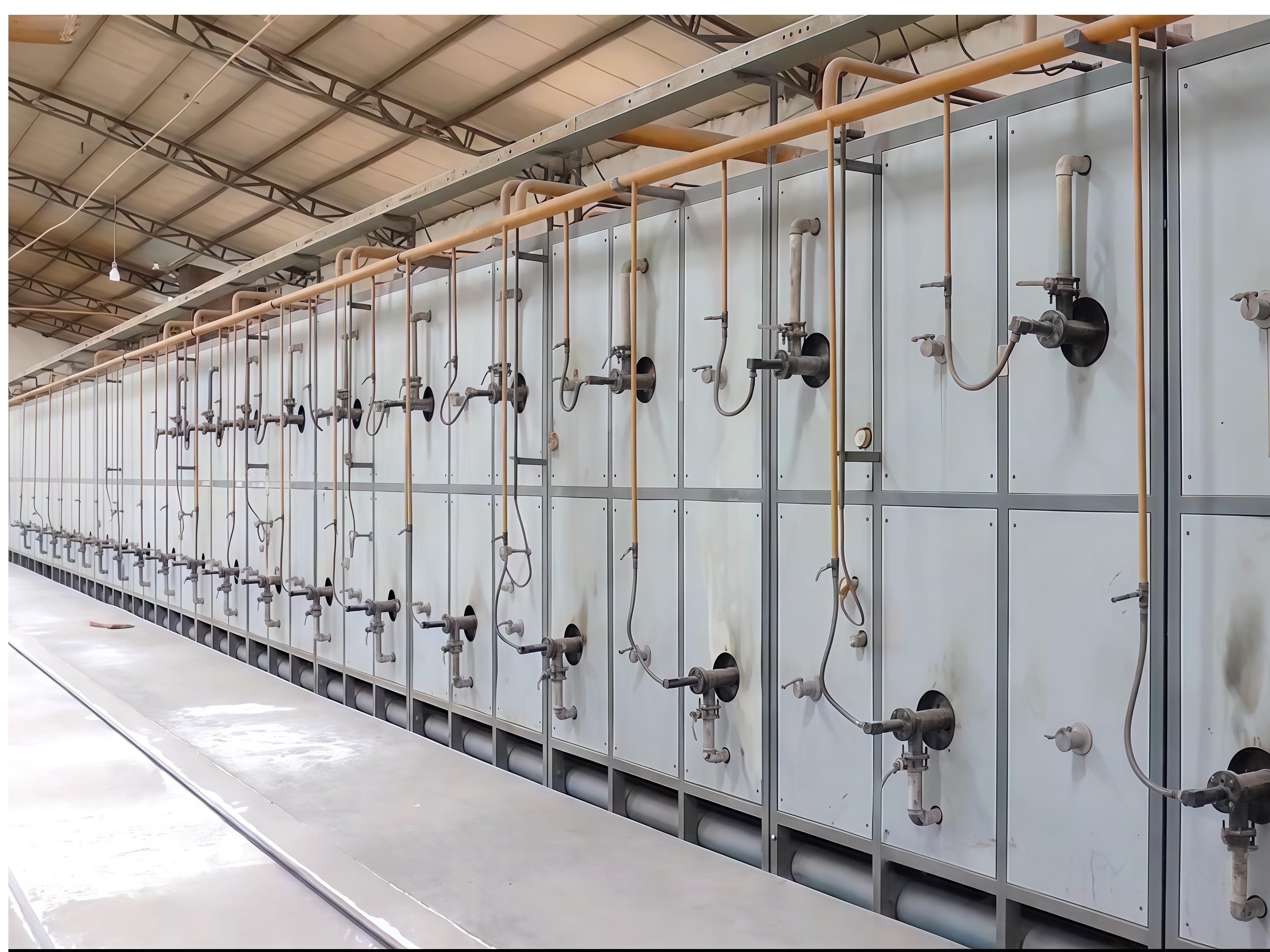
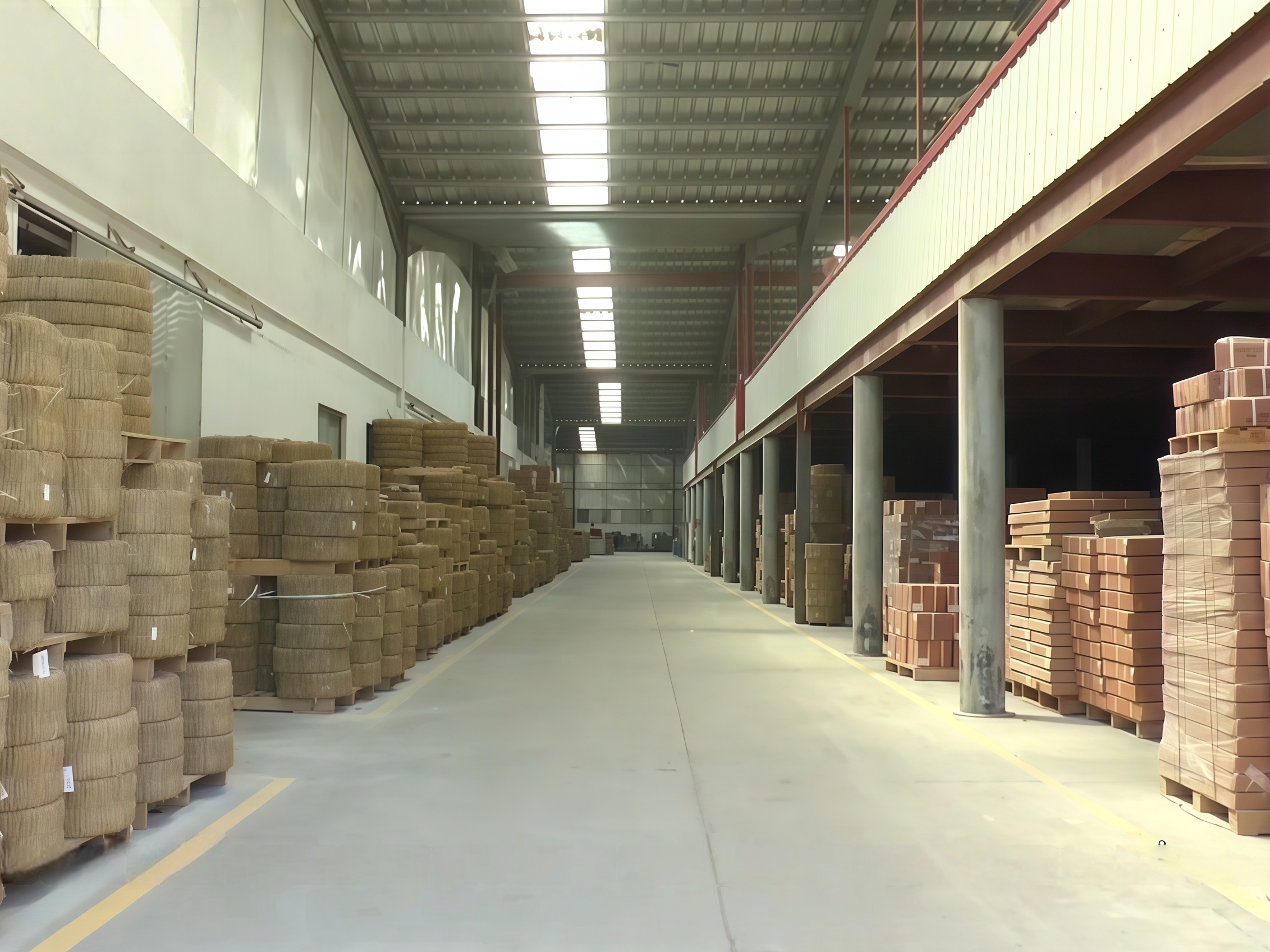
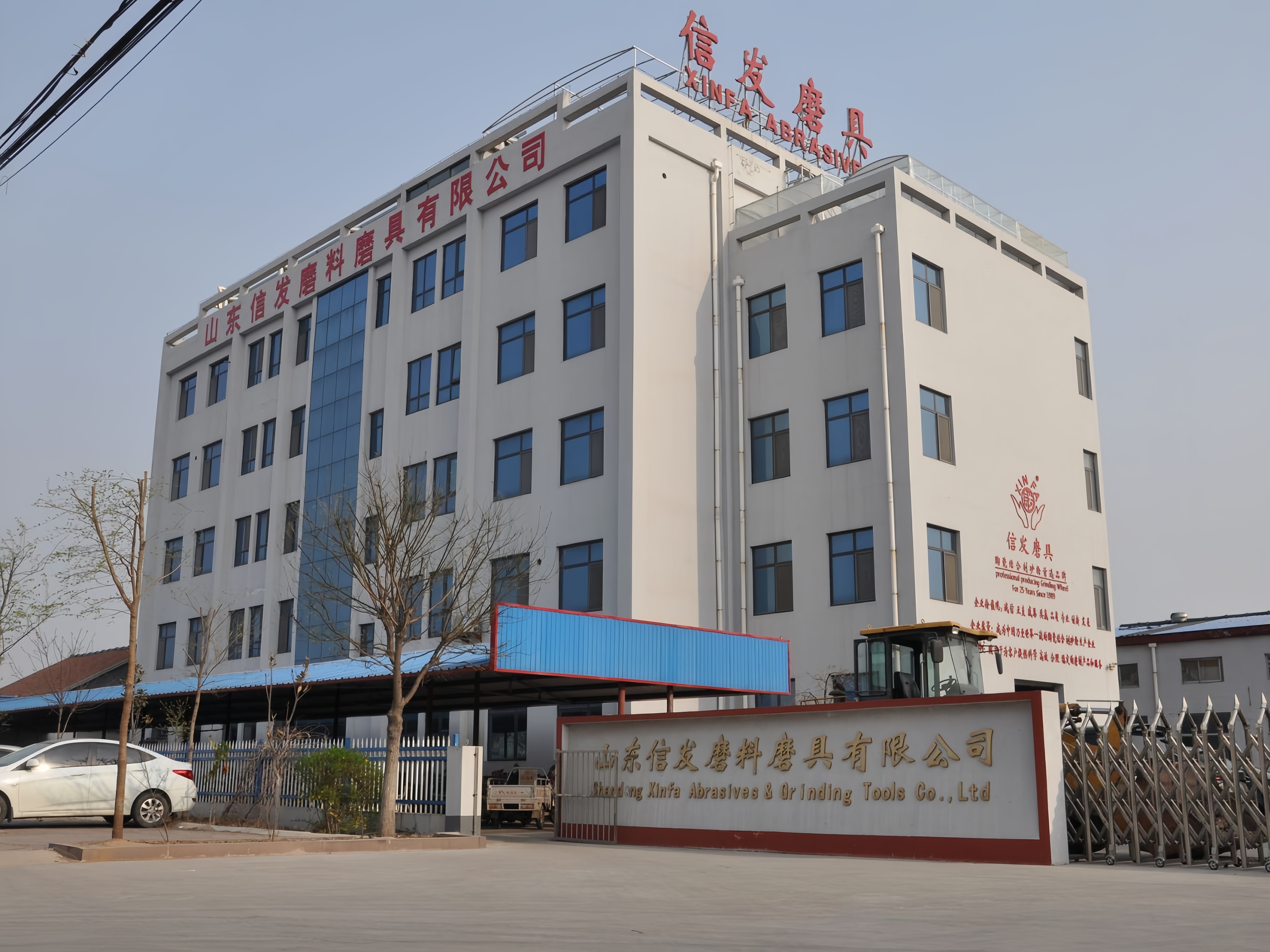
Shandong Xinfa Abrasives & Grinding Tools Co., Ltd. is a Chinese manufacturer specialising in vitrified bond grinding wheels, established in 1989 and located in Linyi City, Shandong Province. The factory covers 30,000 m² and employs 120 people, with annual output of 10,000 tons. Its published product range covers ceramic bonded grinding wheel, internal (bore) grinding wheel, gear grinding wheel, cylindrical grinding wheel, centerless grinding wheel, crankshaft & camshaft grinding wheel, bearing grinding wheel, roll grinding wheel V&B, saw tooth grinding wheel, needle grinding wheel, oilstone, segments, resin bonded snagging grinding wheel, rubber control & centerless wheels, flap discs, mounted points and Brown Fused Alumina abrasive. Xinfa reports an export ratio of 35% and ships to Southeast Asia (Vietnam, Thailand, Malaysia), India, South Korea, Japan, the Middle East (United Arab Emirates, Saudi Arabia, Iran), Europe, the United States and Brazil. It is a member of the China Abrasives Association.
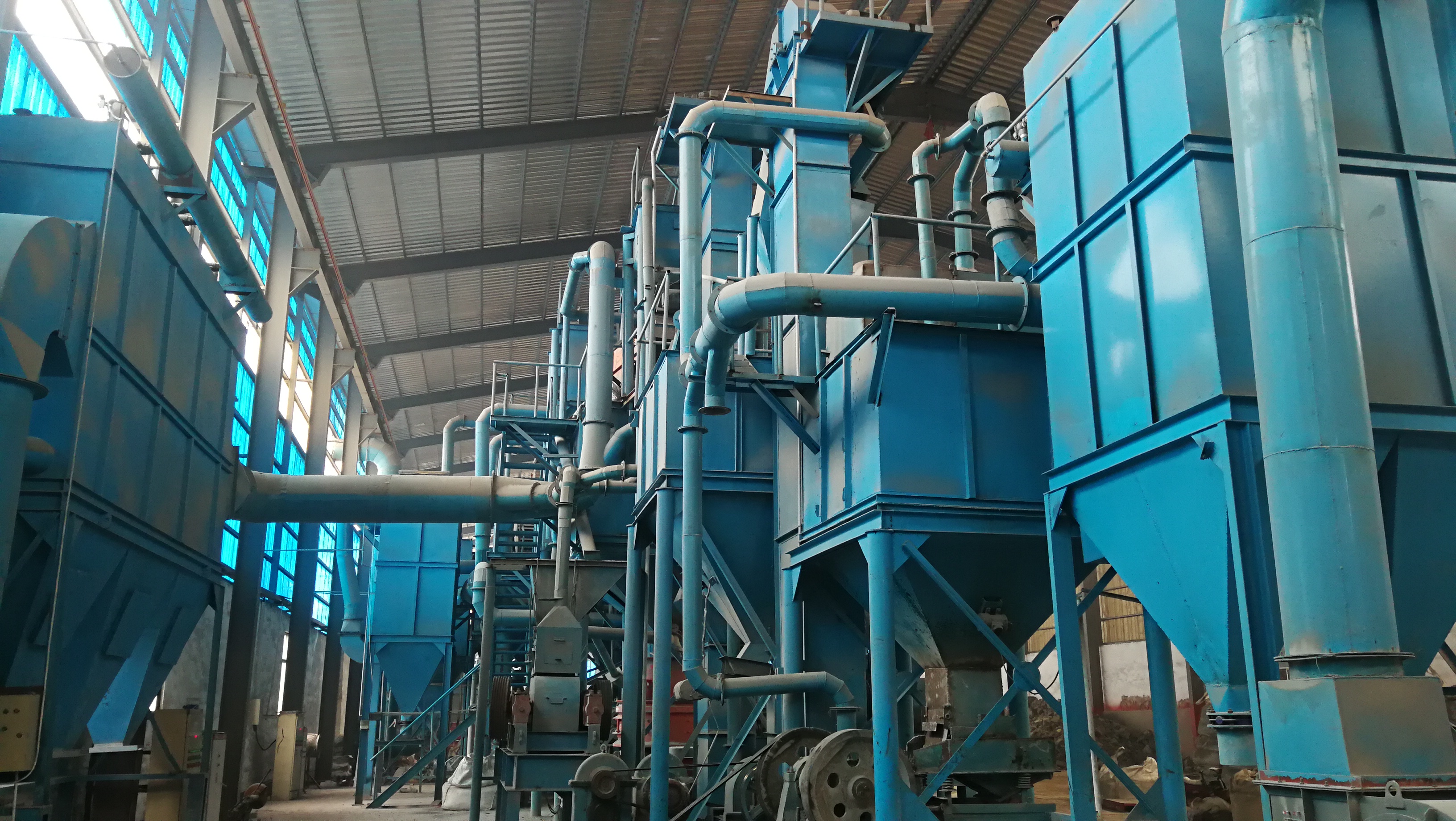
For a long-term agreement, the relevant fact is not the product list but the asset base behind it: monthly production capacity of 900 tons and more than 100 sets of production and testing equipment determine whether a program can scale without changing supplier mid-qualification.
How Xinfa documents purchasing terms, acceptance and support
Purchasing terms: MOQ, delivery terms and payment
Xinfa’s purchasing-terms answer is short and specific: MOQ 1 ton, delivery terms FOB / CIF / CNF, acceptance criteria pre-shipment inspection, payment terms 30/70. Read as a package, this is a conventional structure for bonded abrasives: the buyer takes control of the commercial terms at the point of quotation, and conformity is confirmed before the goods leave the factory rather than after they reach the warehouse.
Logistics support the FOB/CIF/CNF options: the factory sits in the National Logistics Center of Linyi City, 180 km from Qingdao Port and 60 km from Rizhao Port, which keeps inland movement short for both container loading and documentary handling.
Production capacity and lead time
Monthly production capacity is 900 tons and typical production lead time is 30–45 days. For a distributor, the practical implication is that a rolling forecast placed inside that window is what protects stock cover; for a machining plant, it means a new wheel specification should be scheduled one lead time ahead of the production start, not one week before.
Acceptance criteria: what “accepted” means before shipment
The contractual acceptance point is pre-shipment inspection. Quality control follows 100% testing standards, and the company’s quality management system has been certified under ISO 9001:2008. Both are company-reported positions, so the buyer’s job is documentary: request the current certificate and confirm its scope covers the wheel family being purchased, then agree in advance which characteristics are inspected, how they are sampled, and in what format the record is delivered.
Dimensional expectations should reference a published standard rather than a verbal agreement. ISO 603-14:2022 specifies the most common nominal dimensions for shape types 6, 11, 27, 28 and 29 bonded abrasive products intended for deburring and fettling/snagging on hand-held grinding machines.
A useful way to build the acceptance list is to copy the field structure manufacturers publish on their own technical data sheets. A 3M Cubitron 3 depressed-center grinding wheel data sheet, for example, states ISO Type 27, ceramic precision-shaped grain, nominal thicknesses of 6 mm and 7 mm, and conformity references including EN 12413 and ANSI B7.1. That structure — wheel type, grain, dimension, conformity reference — is the minimum field set to demand in a ceramic grinding wheel quotation, whatever the supplier.
Packing and transport risk on a fragile product
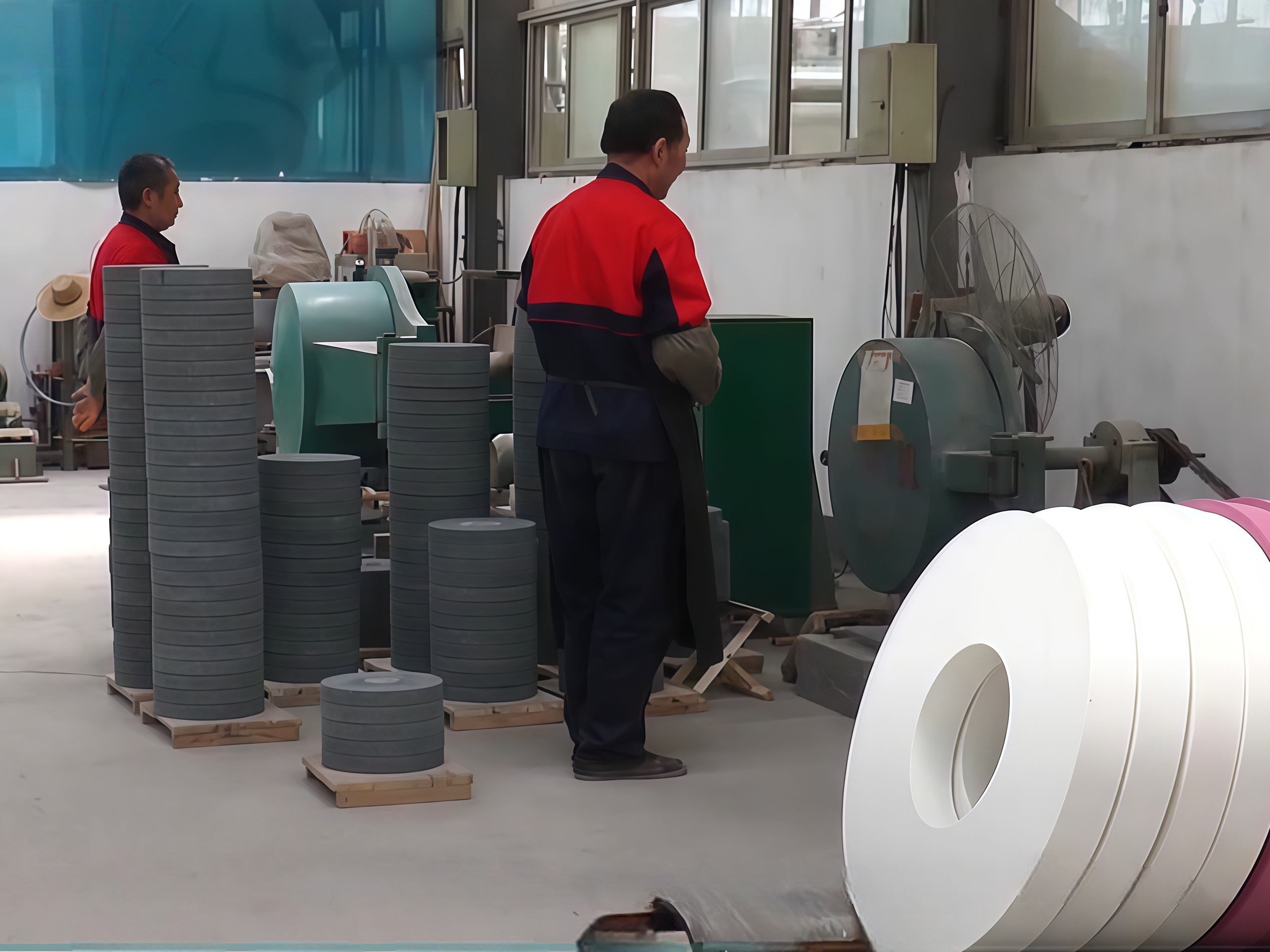
Bonded abrasives are classified as fragile goods in handling terms. Xinfa’s stated control method is pallet reinforcement, with shockproof cushioning as the enterprise measure. Because the acceptance point is pre-shipment, packing photographs belong inside the inspection record rather than in a separate email chain: pallet configuration, corner protection and cushioning are all verifiable before the container closes.
Long-term support after the first order
Support capability is measurable in people and records rather than in promises. Xinfa’s technology research and development center was listed as a municipal-level enterprise technology R&D center in 2015, and the R&D team consists of 6 engineers. The company has also received the municipal “Honoring Unit” title for good credit in contract performance, and its products are exported to more than 20 countries and regions — two signals that are relevant to repeat-order behaviour rather than to first-order pricing.
In practice, long-term support covers three recurring events: re-specification when a workpiece material or tolerance changes, review of dressing intervals and wheel life when surface quality drifts, and consistent application of the same acceptance protocol to every repeat lot so that a qualified specification does not silently change.
Step-by-step: seven steps from RFQ to repeat order
- Hand over the application data. State the wheel family (for example ceramic bonded, internal (bore) or gear grinding wheel), the dimensions required — Xinfa’s vitrified bond range covers diameters from 100 mm to 1100 mm — and the operation being performed.
- Fix commercial terms in the quotation. Confirm MOQ for that wheel family, the delivery term (FOB, CIF or CNF), the named port, and the 30/70 payment split.
- Define acceptance before the first lot. Agree inspection items, sampling basis and record format, and reference the applicable dimensional standard rather than describing dimensions in prose.
- Validate with a sample or trial lot. Measure the trial against your own incoming criteria, not against the supplier’s brochure.
- Confirm packing for fragile goods. Pallet reinforcement and shockproof cushioning should be photographed during pre-shipment inspection.
- Schedule against lead time. Plan 30–45 days for production, with monthly capacity of 900 tons as the ceiling for the account.
- Review, then convert to a rolling agreement. Carry the same acceptance protocol into repeat orders so that the second shipment is measured exactly like the first.
Where these terms matter most
Distributor stocking general-purpose and bench grinder wheels. The binding constraint is not price per wheel but MOQ per SKU against stock turn. Agree one MOQ figure per wheel family, and place rolling forecasts inside the 30–45 day window so mixed orders can be consolidated.
Precision plant running internal (bore) and gear grinding wheels. The binding constraint is acceptance. These wheels are judged on dimensional accuracy and repeatability, so the pre-shipment inspection record and the standard referenced in the purchase order matter more than the delivery term.
Multi-market importer shipping to the Middle East, Europe, the United States and Brazil. The binding constraint is documentation and packing. Delivery term, packing method and the conformity references named in the quotation should be identical across markets, with market-specific requirements added rather than substituted.
Comparison table: documented positions and the buyer’s verification point
| Purchasing element | Documented Xinfa position | What the buyer should confirm |
|---|---|---|
| Minimum order quantity | 1 ton stated in the purchasing-terms answer; 2 tons cited for a standard production run | Fix one figure per wheel family in the quotation and repeat it in the purchase order |
| Delivery terms | FOB / CIF / CNF | Name the port and clarify who books freight and insurance |
| Payment terms | 30/70 split | Confirm what triggers the 70% balance and which documents release it |
| Acceptance criteria | Pre-shipment inspection | Agree inspection items, sampling basis and record format before production starts |
| Quality control standard | 100% testing stated in quality-control documentation | Ask which characteristics are 100% tested and which are sampled |
| Typical lead time | 30–45 days | Add buffer for first-order inspection and documentary clearance |
| Monthly capacity | 900 tons | Compare with your rolling forecast and seasonal peaks |
| Annual output | 10,000 tons | Confirm capacity availability for the specific wheel family |
| Packing | Pallet reinforcement, shockproof cushioning for fragile goods | Request packing photographs with the inspection record |
| Technical support | R&D center listed as municipal-level in 2015; team of 6 engineers | Name the technical contact and response channel in the agreement |
FAQ
1. What acceptance criteria and documents should come with a ceramic grinding wheel shipment?
The acceptance point is pre-shipment inspection, and quality control follows 100% testing standards. In practice, request four items: the inspection record for the actual lot, the current ISO 9001:2008 certificate with its scope stated, the dimensional standard referenced in the purchase order (for hand-held shapes, ISO 603-14:2022 covers nominal dimensions for shape types 6, 11, 27, 28 and 29), and packing photographs showing pallet reinforcement and shockproof cushioning. Naming wheel type, grain, dimension and conformity reference in the quotation — the field structure used on published manufacturer data sheets — removes most acceptance disputes before they start.
2. Can one vitrified bond manufacturer cover internal, gear and surface grinding wheel families under one contract?
Xinfa’s published range covers ceramic bonded grinding wheel, internal (bore) grinding wheel, gear grinding wheel, cylindrical, centerless, crankshaft & camshaft, bearing, roll, saw tooth and needle grinding wheels, plus oilstone, segments, resin bonded snagging wheels, flap discs, mounted points and Brown Fused Alumina abrasive, with vitrified bond wheels from 100 mm to 1100 mm in diameter. Capacity behind that range is 900 tons per month and annual output of 10,000 tons, supported by more than 100 sets of production and testing equipment. Consolidating families under one contract reduces supplier count, but each family still needs its own acceptance criteria and its own MOQ line.
3. What are the purchasing terms, and how should a first order be sized?
The documented terms are MOQ 1 ton, delivery terms FOB / CIF / CNF, payment terms 30/70, and pre-shipment inspection as the acceptance criterion. A production-planning statement separately cites 2 tons for a standard run and a 30–45 day lead time, so the first order should be sized after confirming which MOQ applies to the specific wheel family. A first order that matches one qualification trial plus one month of consumption is easier to justify internally than a container sized purely to reach a freight break.
4. How should a sample or trial lot be validated before a long-term commitment?
Treat the trial as a miniature of the long-term agreement. Define the inspection items and sampling basis in advance, measure the trial lot against your own incoming criteria, and record the wheel type, grain, dimension range and conformity reference used. If the trial passes, write the same protocol into the repeat order so that later lots are judged identically. Because pre-shipment inspection is the contractual acceptance point, the trial is also the right moment to test the inspection record itself — if the document does not let you verify the lot, the acceptance process will not work at volume.
5. What lead time and capacity should a distributor plan for, and who handles the follow-up?
Plan on a typical production lead time of 30–45 days against monthly capacity of 900 tons, then add buffer for first-order inspection and clearance. Logistics are supported by the factory’s location 180 km from Qingdao Port and 60 km from Rizhao Port. For terms, samples, acceptance records or a distributor discussion, contact Jackie Wang at sales@xinfaabrasives.com, tel/WhatsApp +86 13562923298, or open the Xinfa product brochure to confirm the wheel families you want quoted.
Conclusion
A ceramic grinding wheel supply program is decided less by the specification sheet than by the terms wrapped around it. On the documented record, Xinfa offers MOQ 1 ton at quotation level with 2 tons cited for a standard production run, FOB / CIF / CNF delivery, a 30/70 payment split, pre-shipment inspection as the acceptance point, 100% testing standards, ISO 9001:2008 certification, monthly capacity of 900 tons and a 30–45 day lead time — backed by a 6-engineer R&D team and a manufacturing base established in 1989.
The practical rule for buyers is simple: fix the commercial terms per wheel family, fix the acceptance record before the first lot, and carry both unchanged into every repeat order. That is what turns a first quotation into a long-term supply position.
Next step: request terms, samples or an acceptance template
Send your wheel family, dimensions and target delivery term, and Xinfa will return the applicable MOQ, delivery term and inspection record format for that item.
Email: sales@xinfaabrasives.com | Tel / WhatsApp: +86 13562923298 | Contact: Jackie Wang
Website: www.xinfa-abrasives.com | Brochure: download the product catalogue (PDF)
Have Questions or Need More Details?
Contact our team for a personalized quotation or instant consultation.
Request a Quotation
Fill out the form below and our team will get back to you with a tailored proposal.
WhatsApp Direct Chat
Prefer to chat in real-time? Message us on WhatsApp for instant assistance & quick answers.
- Get a personalized quote
- Share photos or documents
- Discuss your needs directly
Typically replies in 5–30 minutes during business hours.