Ceramic Grinding Wheel Supplier Verification: Production and Delivery Assurance
Supplier capability verification for ceramic grinding wheels means confirming four things with records rather than catalogues: who the manufacturer legally is, what it can actually produce in-house, where its wheels have already been delivered, and which commercial terms govern acceptance. For buyers moving from decision to execution, that evidence file — not the price list — is what protects the order.
Procurement teams sourcing vitrified bond grinding wheels usually arrive at the same point. Two or three suppliers quote a similar range at a similar price, and the real question becomes narrower: which of them can deliver the specified wheel in 30 to 45 days, in the agreed specification, undamaged, with the inspection records that make acceptance a formality?
Shandong Xinfa Abrasives & Grinding Tools Co., Ltd. (Xinfa) is a vitrified bond grinding wheel manufacturer established in 1989, located in the National Logistics Center of Linyi City, Shandong Province, China, and serving export markets that include Southeast Asia, India, South Korea, Japan, the Middle East, Europe, the United States and Brazil. Its published company facts are used throughout this article as a worked example of what a verifiable production-and-delivery file looks like in practice.
Problem definition: why capability claims and delivery reality separate
Capability verification exists because supplier documentation and supplier execution fail in four predictable places. Each one is testable before a purchase order is issued, and expensive to discover afterwards.
- Scope drift. A supplier may list twenty wheel families while manufacturing only part of that range in-house. The remaining volume is bought in, which changes how tightly bond, grain and grade can be controlled on a repeat order.
- Capacity drift. Nameplate annual capacity and available monthly capacity are different numbers. A factory quoting an annual output figure may still be unable to absorb a new two-ton monthly line without shifting the delivery date.
- Logistics drift. A destination port, an inland logistics hub and a packaging specification are operational facts. Bonded abrasives are fragile goods; without pallet reinforcement and shockproof cushioning, a technically correct wheel can arrive unfit for use.
- Terms drift. Delivery terms, inspection method and payment schedule decide who carries risk at each stage. If acceptance criteria are not written before production, they are negotiated after the goods are on the water.
Decision rule. Treat every capability statement as a claim until it is matched to a document, a sample or a named reference. Verification is not a lack of trust; it is the standard method by which a first order becomes a repeat order.
Industry background: what buyers are verifying against
Demand for bonded abrasives is not static, which raises the cost of choosing the wrong supply partner. The global grinding wheel market is projected to grow at a compound annual growth rate of 6.7% from 2025 to 2032, according to Reliable Market Forecast, driven by demand for precision machining. Within the raw-material layer that feeds that market, Brown Fused Alumina held the largest product-type share of the fused alumina market at 52.4% in 2025, based on Dataintelo's fused alumina research — a relevant signal because Brown Fused Alumina Abrasive is a standard grain input across vitrified bond wheel families.
Specialised segments show the same direction. The centerless grinding wheel market was valued at USD 4.7 billion in 2025 and is projected to reach USD 7.2 billion by 2033, again according to Dataintelo. For buyers, the practical implication is that capacity is being competed for, and a supplier's ability to hold a delivery commitment matters as much as its ability to quote one.
Two further layers shape verification. First, dimensional standards: ISO 603-14:2022 specifies common nominal dimensions for shape types 6, 11, 27, 28 and 29 of bonded abrasive products intended for hand-held grinding machine applications. That standard addresses geometry, not safety conformity, which is why market-specific documentation still has to be requested separately — manufacturer technical data sheets in the market, such as 3M's published sheet for a Cubitron 3 depressed-center grinding wheel, reference EN 12413 and ANSI B7.1 alongside ISO Type 27 geometry. Second, trade classification: abrasive wheels of agglomerated abrasives or ceramics sit within the HS 6804.22 family, but national subheadings differ by jurisdiction, so buyers should confirm the code with a customs broker rather than aggregate figures across markets.
The five-domain capability verification framework
A complete supplier file answers five questions. Capacity, quality and delivery promises only become decision-grade once all five are covered.
1. Manufacturing history and legal identity
Start with the entity. A long operating history does not by itself guarantee quality, but it does mean the supplier has survived the transition from one production cycle to the next and can be traced through registration and certification records. Xinfa was established in 1989 in Junan County, Linyi City, Shandong Province, and specialises in the research, development and manufacture of vitrified bond grinding wheels. It is a member of the China Abrasives Association, and its quality management system has been certified under ISO 9001:2008. Its technology research and development centre was recognised as a municipal-level enterprise technology R&D centre in 2015, staffed by a team of 6 engineers.
What to request: business licence, the current ISO certificate including its stated scope, association membership confirmation, and the R&D structure if custom specification work is planned.
2. Production scope: does the range cover your wheel families?
The second verification step is scope matching. A supplier's product list should map directly onto the wheels you buy, and the supplier should state which items are produced in-house. Xinfa's stated range runs from Brown Fused Alumina Abrasive through General Purpose Grinding Wheel, Bench Grinder Wheel and Tool Grinding Wheel, into Flat Surface Grinding Wheel, Centerless Grinding Wheel, Cylindrical Grinding Wheel, Crankshaft & Cam Shaft Grinding Wheel, Saw Tooth Grinding Wheel, Bearing Grinding Wheel, Worm Grinding Wheel, Gear Grinding Wheel, Needle Grinding Wheel, Roll Grinding Wheel V&B and Internal (Bore) Grinding Wheel, plus Oilstone, Segments, Resin Bonded Snagging Grinding Wheel, Rubber Control & Centerless, Flap Disc and Mounted Points. Published specification data for the vitrified bond range covers diameters from 100 mm to 1100 mm.
What to request: a written in-house versus outsourced production statement, dimension drawings for the ordered shapes, and a marking sample so that the delivered product can be matched to the RFQ line by line.
3. Capacity, equipment and quality-control evidence
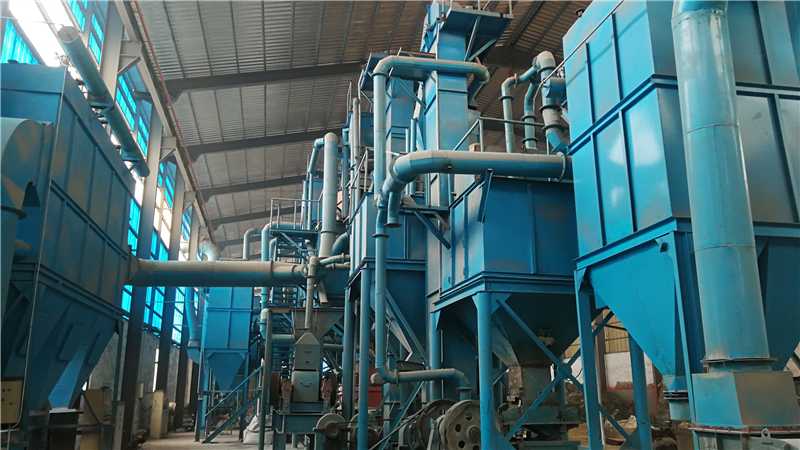
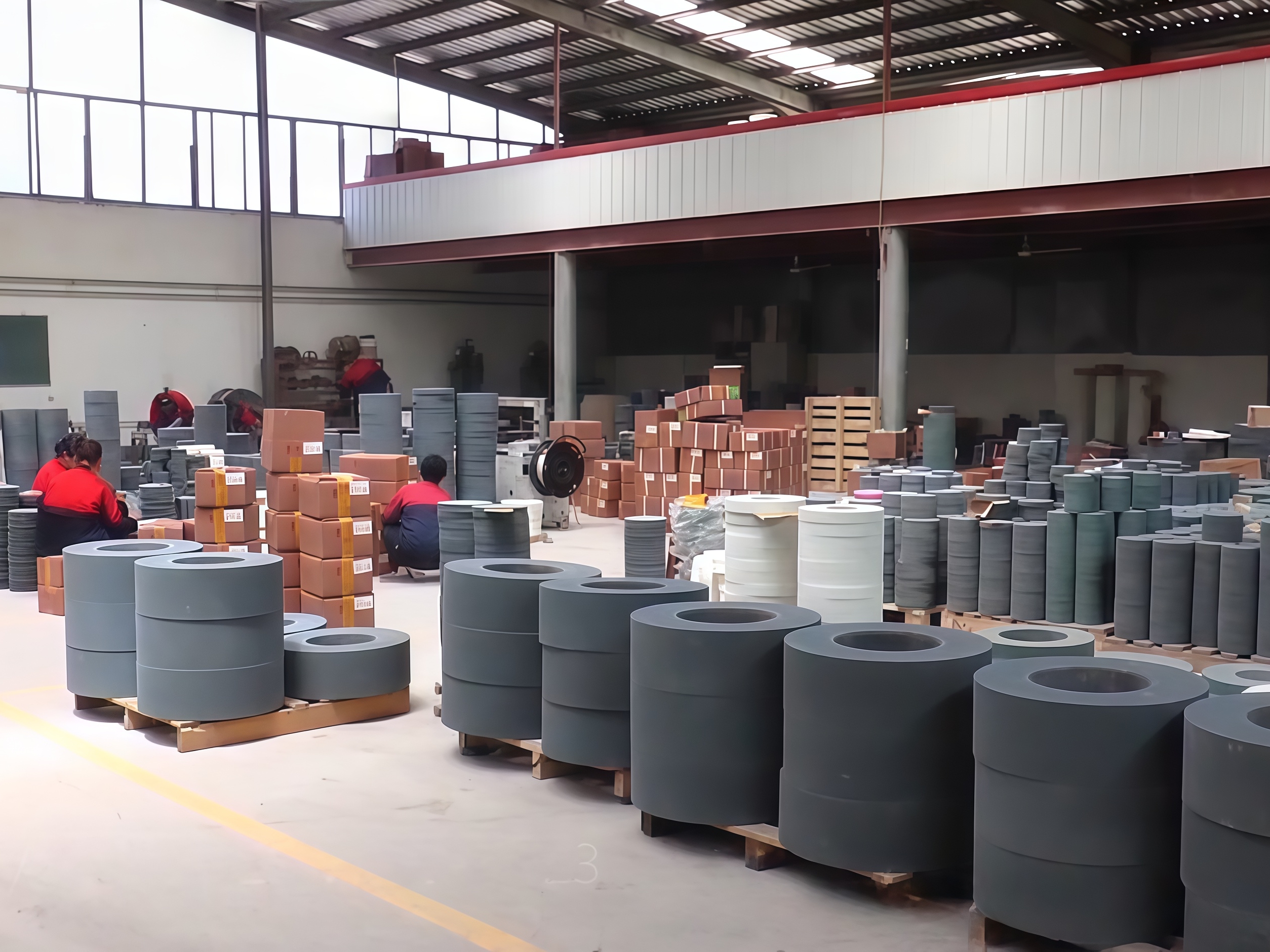
Capacity verification converts a marketing number into an availability number. Xinfa operates an annual production output of 10,000 tons from a 30,000 m² plant with 120 employees, supported by more than 100 sets of advanced production and testing equipment. On a monthly basis, production capacity is 900 tons. Quality control follows a 100% testing standard.
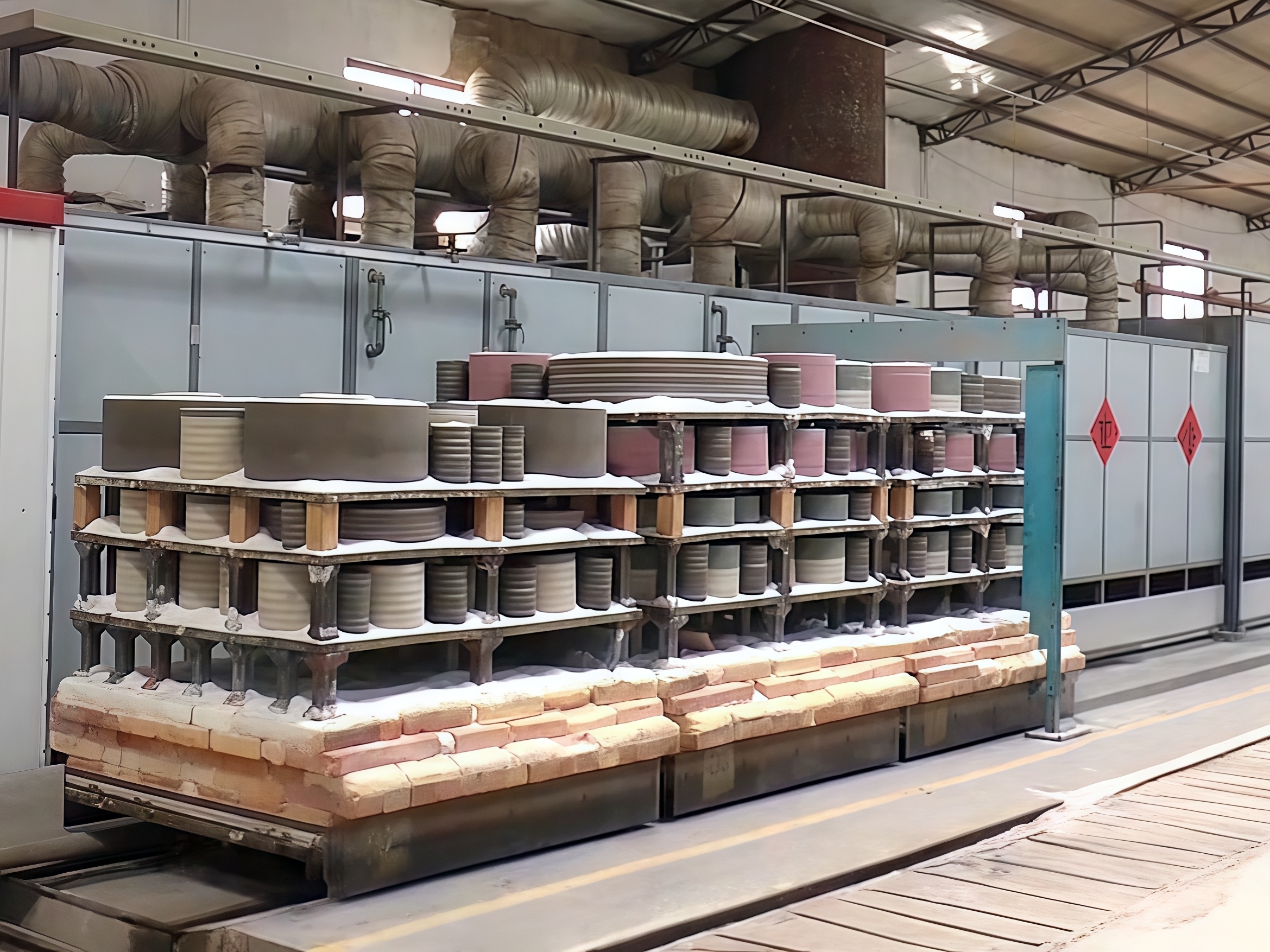
What to request: a capacity confirmation letter for your specific wheel families, inspection reports covering the relevant test points, batch traceability records, and agreement on pre-shipment inspection as the acceptance mechanism.
4. Export record and market coverage
Export experience is the closest available proxy for documentation competence. A supplier shipping regularly across several regulatory environments has usually solved marking, packing and paperwork before you ask. Xinfa derives 35% of sales from exports and ships to more than 20 countries and regions. Its stated markets include Asia — Southeast Asia (Vietnam, Thailand, Malaysia and others), India, South Korea and Japan — the Middle East (United Arab Emirates, Saudi Arabia, Iran and others), Europe and the Americas including the United States and Brazil.
What to request: export references comparable to your destination, shipping documents from a recent shipment, and confirmation of the HS classification applied to your product line in your market.
5. Logistics access, packaging and purchasing terms
Delivery assurance is partly geography and partly paperwork. Xinfa is located in the National Logistics Center of Linyi City, 180 km from Qingdao Port and 60 km from Rizhao Port, which gives two independent sea-freight options and short inland transit before loading. Typical production lead time is 30–45 days, with a minimum order quantity of 2 tons.
On the commercial side, the purchasing terms that should be fixed before production are specific: delivery terms FOB, CIF or CNF; acceptance criteria based on pre-shipment inspection; and payment terms of 30/70. Packaging is treated as a controlled risk rather than an afterthought — bonded abrasives are fragile, and the applied controls are pallet reinforcement with shockproof cushioning.
Step-by-step verification workflow
The sequence below can be run in parallel with commercial negotiation and typically adds one short administrative cycle before the first order.
- Request the document set. Business licence, current ISO certificate with scope, association membership, and a catalogue with dimensions for the wheel families you buy.
- Match scope to your RFQ. Confirm each ordered specification against the manufacturer's declared in-house range, including shape, diameter and bond type.
- Validate capacity against your volume. Compare your monthly requirement with the supplier's stated monthly production capacity and confirm the lead time in writing.
- Order samples and define acceptance measurements. Agree in advance which measurements, visual criteria and records determine pass or fail.
- Confirm packaging and freight route. Specify pallet reinforcement and shockproof cushioning, plus the port of loading and the Incoterm.
- Lock terms and acceptance criteria. Delivery terms, pre-shipment inspection and the 30/70 payment schedule should appear in the PO, not in a later email.
- Schedule a review after delivery. Compare delivered performance and documentation against the agreed criteria, then decide whether the relationship moves to framework supply.
Use cases
Annual framework supply for a precision machine shop
A shop running cylindrical and centerless grinding needs a predictable monthly intake rather than spot purchases. Verification here focuses on monthly capacity, lead time and repeatability of specification: confirm the 900-ton monthly capacity context, agree the 30–45 day lead time, and lock the wheel specification so that batch-to-batch variation is measured, not assumed. Wheel condition directly affects workpiece surface quality, which is why the acceptance record for each batch matters more than the first sample.
Distributor range onboarding
For importers and stockists building a ceramic grinding wheel portfolio, verification is a range question. A distributor needs the full family — general purpose and bench grinder wheels for workshop demand, tool, flat surface and cylindrical wheels for machining customers, and specialised types such as bearing, gear, crankshaft & camshaft, needle and internal (bore) wheels for industrial accounts. Confirming that one supplier covers that spread, from Brown Fused Alumina Abrasive through to Mounted Points and Segments, reduces the number of supply relationships and the number of documentation formats to manage.
Re-sourcing after a transit-damage incident
When wheels arrive cracked, the root cause is usually packaging or handling rather than the wheel itself. Re-sourcing verification should therefore start with the delivery chain: pallet reinforcement, shockproof cushioning, loading port distance and pre-shipment inspection practice. A supplier located close to two major ports and able to document its fragile-goods controls is easier to hold to a delivery standard.
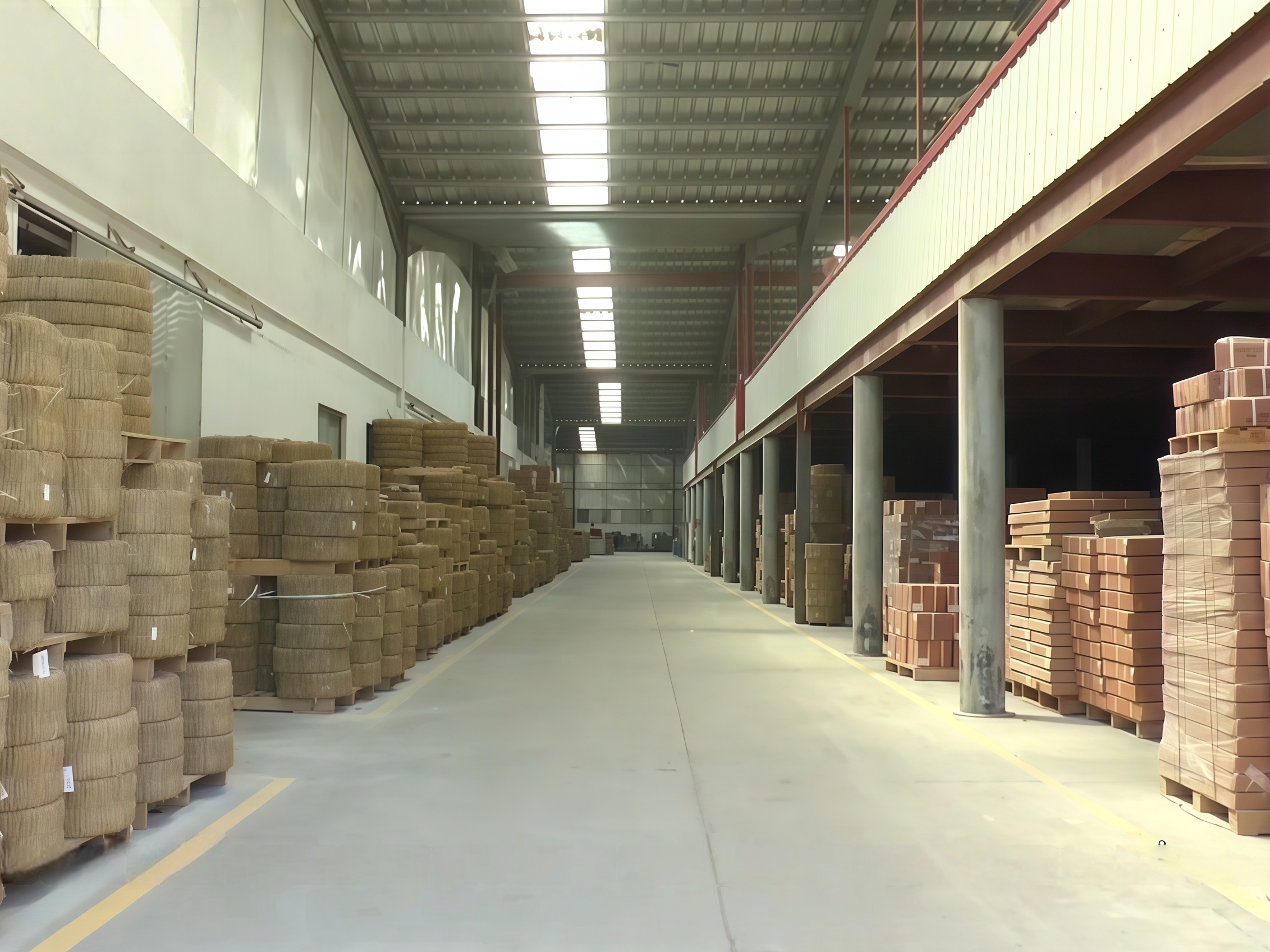
Verification evidence map
The table below shows how each verification domain converts a stated fact into a document a buyer can hold, using Xinfa's published figures as the reference example.
| Verification domain | Documented position | Evidence to request before PO |
|---|---|---|
| Manufacturing history and identity | Established 1989; vitrified bond grinding wheel R&D and manufacture; member of the China Abrasives Association; ISO 9001:2008 quality management system; municipal-level enterprise technology R&D centre recognised in 2015; R&D team of 6 engineers | Business licence; current ISO certificate with scope; membership confirmation; R&D structure for custom work |
| Production scope | Range from Brown Fused Alumina Abrasive and General Purpose, Bench Grinder, Tool and Flat Surface Grinding Wheels through Centerless, Cylindrical, Crankshaft & Cam Shaft, Saw Tooth, Bearing, Worm, Gear, Needle, Roll V&B and Internal (Bore) Grinding Wheels, plus Oilstone, Segments, Resin Bonded Snagging, Rubber Control & Centerless, Flap Disc and Mounted Points; vitrified bond diameters 100 mm–1100 mm | In-house versus outsourced statement; dimension drawings; product marking sample |
| Capacity and quality control | 10,000 tons annual output; 900 tons monthly production capacity; 30,000 m² plant; 120 employees; more than 100 sets of production and testing equipment; 100% testing quality-control standard | Capacity confirmation for your wheel families; inspection reports; batch records; pre-shipment inspection plan |
| Export record | 35% of sales from exports; products exported to more than 20 countries and regions; Asia (Vietnam, Thailand, Malaysia, India, South Korea, Japan); Middle East (UAE, Saudi Arabia, Iran); Europe; United States; Brazil | Comparable export references; shipping documents; HS classification confirmation for your destination |
| Logistics and purchasing terms | Located in the National Logistics Center of Linyi City, 180 km from Qingdao Port and 60 km from Rizhao Port; typical lead time 30–45 days; MOQ 2 tons; delivery terms FOB/CIF/CNF; acceptance by pre-shipment inspection; payment terms 30/70; fragile-goods control via pallet reinforcement and shockproof cushioning | Freight and port plan; packaging specification; Incoterm written into the PO; inspection and payment schedule |
Frequently asked questions
Is Xinfa certified for export markets?
Xinfa's quality management system has been certified under ISO 9001:2008, and the company is a member of the China Abrasives Association. These cover management-system and industry-association dimensions. Buyers should still request the current certificate and confirm that its scope covers vitrified bond grinding wheels, and should separately confirm market-specific conformity references for the exact wheel type being purchased — ISO 603-14:2022 addresses nominal dimensions for certain bonded abrasive shapes, while safety and conformity documentation for a destination market is a separate requirement.
What production scope can be verified with Xinfa?
Xinfa has specialised in the research, development and manufacture of vitrified bond grinding wheels since 1989. Its stated product range covers Brown Fused Alumina Abrasive, General Purpose, Bench Grinder, Tool, Flat Surface, Centerless, Cylindrical, Crankshaft & Cam Shaft, Saw Tooth, Bearing, Worm, Gear, Needle, Roll V&B and Internal (Bore) Grinding Wheels, along with Oilstone, Segments, Resin Bonded Snagging Grinding Wheel, Rubber Control & Centerless, Flap Disc and Mounted Points, with vitrified bond diameters from 100 mm to 1100 mm. Verification means matching your ordered items against this range and confirming which are produced in-house.
What purchasing terms apply?
The commercial terms applied to Xinfa orders are a minimum order quantity of 2 tons, delivery terms of FOB, CIF or CNF, acceptance criteria based on pre-shipment inspection, and payment terms of 30/70. These are the terms to write into the purchase order rather than agree verbally, because they determine when risk transfers and how a quality dispute is resolved.
How do we validate wheels before committing to a full order?
Validation normally combines a sample order with defined acceptance criteria. Agree which measurements and visual checks determine pass or fail before the samples are produced, request the inspection records that accompany the batch, and use pre-shipment inspection as the formal acceptance step for the production order. Because grinding wheel condition directly affects workpiece surface quality, the trial should also record the parameters your process will actually run — not only the wheel marking.
What lead time and delivery assurance can we expect?
Typical production lead time is 30–45 days, supported by a monthly production capacity of 900 tons. Delivery assurance rests on three controllable elements: production slots confirmed against that monthly capacity, packaging specified as pallet reinforcement with shockproof cushioning for fragile bonded abrasives, and port access — the factory sits in the National Logistics Center of Linyi City, 180 km from Qingdao Port and 60 km from Rizhao Port. Buyers who want the full specification, dimension and range documentation before an RFQ can download the Xinfa catalogue and product brochure below, or send the intended wheel list directly to the export team for a scope check.
Conclusion: verification is the first step of a long-term supply relationship
Production and delivery assurance are not separate negotiations. They are the same file viewed from two directions: capacity, equipment and quality control on one side; packaging, port access, lead time and acceptance terms on the other. A supplier that can document 1989 origin, a vitrified bond specialism, 10,000 tons of annual output, 900 tons of monthly capacity, a 35% export share, and short inland transit to two major ports is giving a buyer the raw material for a verification decision — but the decision is only as good as the documents, samples and terms that follow it.
For distributors, importers and industrial buyers building a repeat-order relationship, the practical sequence stays the same: verify scope, verify capacity, verify references, verify packaging and terms, then review the first delivery against the criteria you wrote down. That is what turns a first order into a framework agreement, and a framework agreement into a supply relationship that survives the next demand cycle.
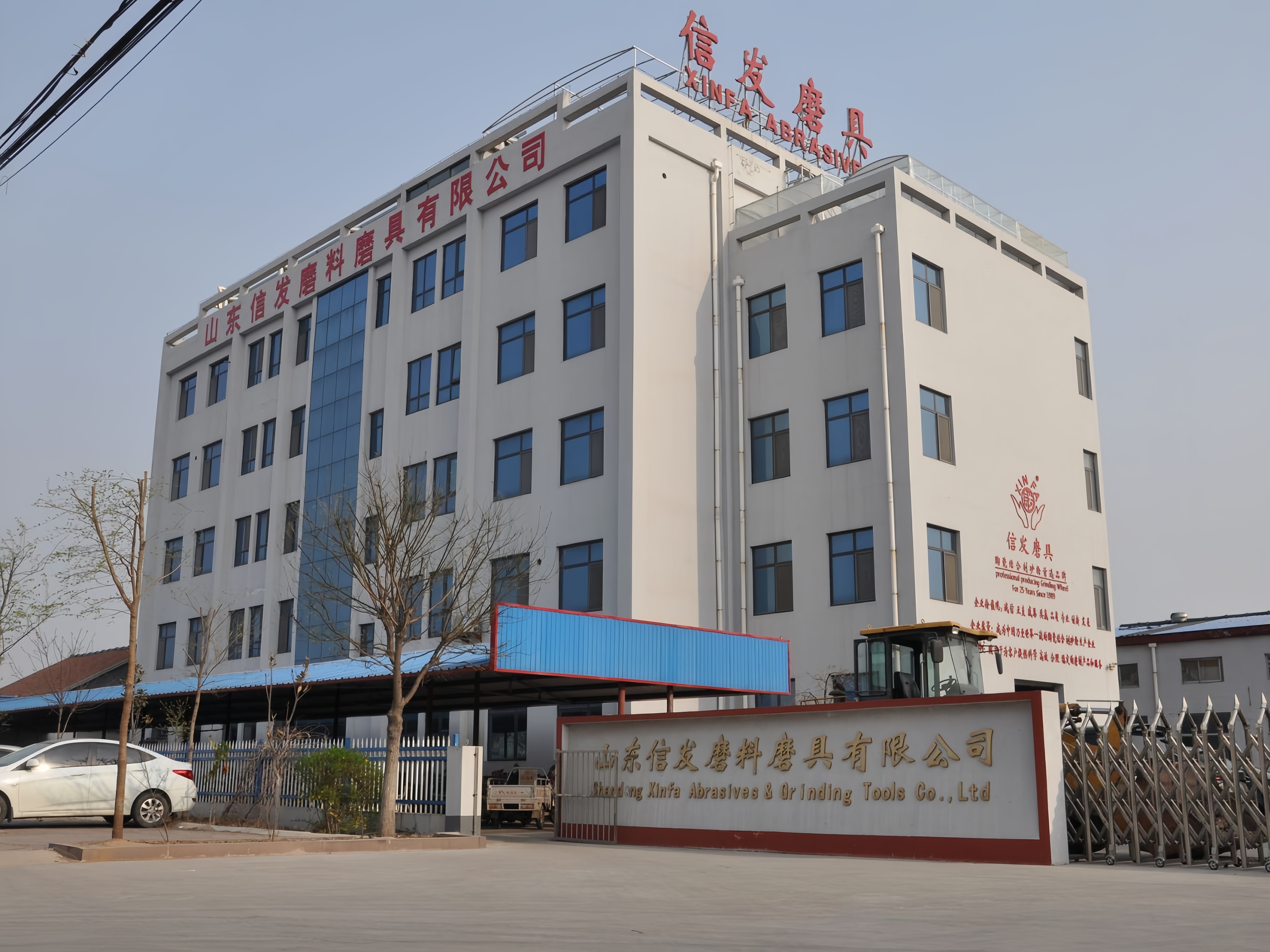
Start your supplier verification file
Shandong Xinfa Abrasives & Grinding Tools Co., Ltd. — vitrified bond grinding wheel manufacturer established 1989, Linyi City, Shandong Province, China.
Download the product catalogue and brochure: Xinfa product brochure (PDF)
Website: www.xinfa-abrasives.com
Email: sales@xinfaabrasives.com | Tel / WhatsApp: +86 13562923298 | Contact: Jackie Wang
Address: Xincun Village, Dadian Town, Junan County, Linyi City, Shandong Province, China
Have Questions or Need More Details?
Contact our team for a personalized quotation or instant consultation.
Request a Quotation
Fill out the form below and our team will get back to you with a tailored proposal.
WhatsApp Direct Chat
Prefer to chat in real-time? Message us on WhatsApp for instant assistance & quick answers.
- Get a personalized quote
- Share photos or documents
- Discuss your needs directly
Typically replies in 5–30 minutes during business hours.