Ceramic Grinding Wheel vs Conventional: Value Comparison
Ceramic Grinding Wheel vs Conventional: Value Comparison
Ceramic grinding wheels, also referred to as vitrified bond (ceramic bond) grinding wheels, are bonded abrasives used for heavy-duty and precision grinding operations. Shandong Xinfa Abrasives & Grinding Tools Co., Ltd. is a Chinese manufacturer of vitrified bond grinding wheels, established in 1989 and based in Linyi City, Shandong Province, approximately 180 km from Qingdao Port and 60 km from Rizhao Port.
For procurement teams at the decision stage, the practical question is not just which grinding wheel brand to choose, but which abrasive and bond technology delivers the lowest total cost per finished part. This article provides a direct comparison between Xinfa ceramic (vitrified bond) grinding wheels and conventional grinding wheels, based on Xinfa product documentation and third-party industry data, followed by a step-by-step evaluation framework for buyers.
The Decision Problem: Ceramic vs Conventional Grinding Wheels
The grinding wheel purchase decision involves more than unit price. A conventional wheel can appear economical at first glance, yet require more frequent dressing, shorter wheel life, and lower grinding efficiency — costs that accumulate across every production shift. Buyers at the decision stage need a direct comparison of efficiency, dressing frequency, cost, and durability before committing to a supplier. This comparison matters most in industrial plant environments, where wheel changes and dressing downtime directly affect throughput.
Industry Background: Ceramic Bond Wheels Lead the Market
The global grinding wheels market was valued at US$ 8.71 billion in 2024 and is projected to grow at a CAGR of 4.5% through 2030 (Grand View Research). Within this market, vitrified bond (ceramic bond) grinding wheels held the largest segment share at 38.4% in 2025 (Dataintelo). Brown fused alumina (BFA), a primary abrasive grain used in these wheels, held 52.4% of the global fused alumina market in 2025 (Dataintelo). China's exports of natural or artificial abrasive powder and grain (HS 680530) reached USD 120.9 million in 2024 (WITS – World Bank).
Compliance is a baseline requirement in any wheel comparison. Bonded abrasive products must comply with ISO 525:2020 for shape types, designation, and marking requirements. Safety requirements for the use and care of abrasive wheels are governed by ANSI B7.1 in the United States and EN 12413 in the European Union.
On the supply side, the major global manufacturers include Saint-Gobain (Norton), 3M (Cubitron II), Tyrolit, and Klingspor (Market Research Future). Chinese manufacturers such as Xinfa participate in this landscape with dedicated vitrified bond production and export distribution across Southeast Asia, the Middle East, India, South Korea, Japan, Europe, the United States, and Brazil.
The Solution: Xinfa Ceramic (Vitrified Bond) Grinding Wheels
Shandong Xinfa Abrasives & Grinding Tools Co., Ltd. (Xinfa) manufactures vitrified bond grinding wheels with brown fused alumina abrasive, covering a broad range: general purpose grinding wheels, bench grinder wheels, tool grinding wheels, flat surface grinding wheels, centerless grinding wheels, cylindrical grinding wheels, crankshaft & camshaft grinding wheels, saw tooth grinding wheels, bearing grinding wheels, worm grinding wheels, gear grinding wheels, needle grinding wheels, roll grinding wheels (V&B), and internal (bore) grinding wheels. The company also produces oilstones, segments, resin bonded snagging grinding wheels, rubber control & centerless wheels, flap discs, and mounted points.
According to Xinfa's product documentation, the ceramic (vitrified bond) grinding wheel offers distinct advantages over conventional grinding wheels: 30% higher grinding efficiency, less frequent dressing, and 20% lower cost. The core difference is long-lasting performance, which makes the wheel more suitable for industrial plant scenarios.
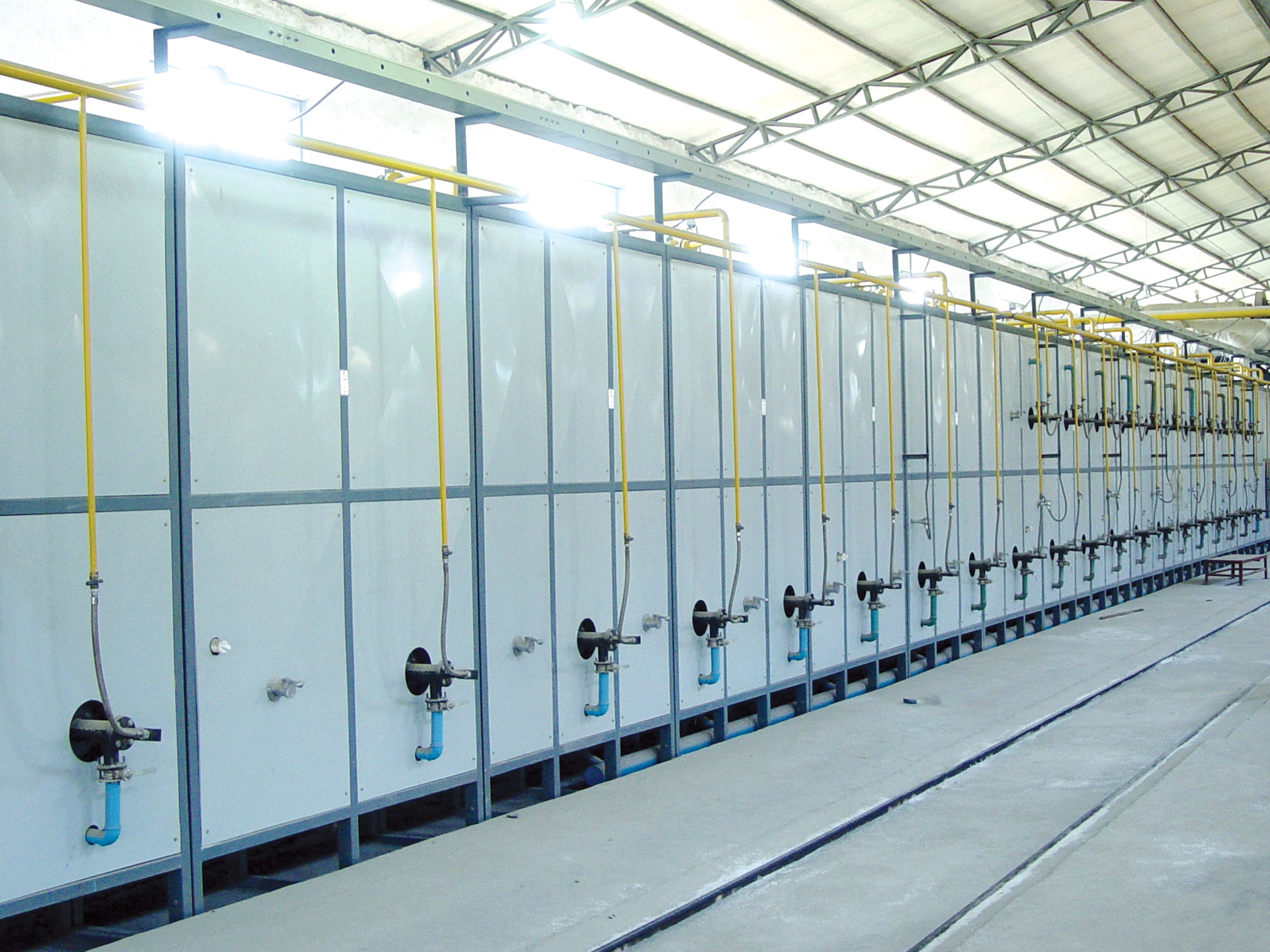
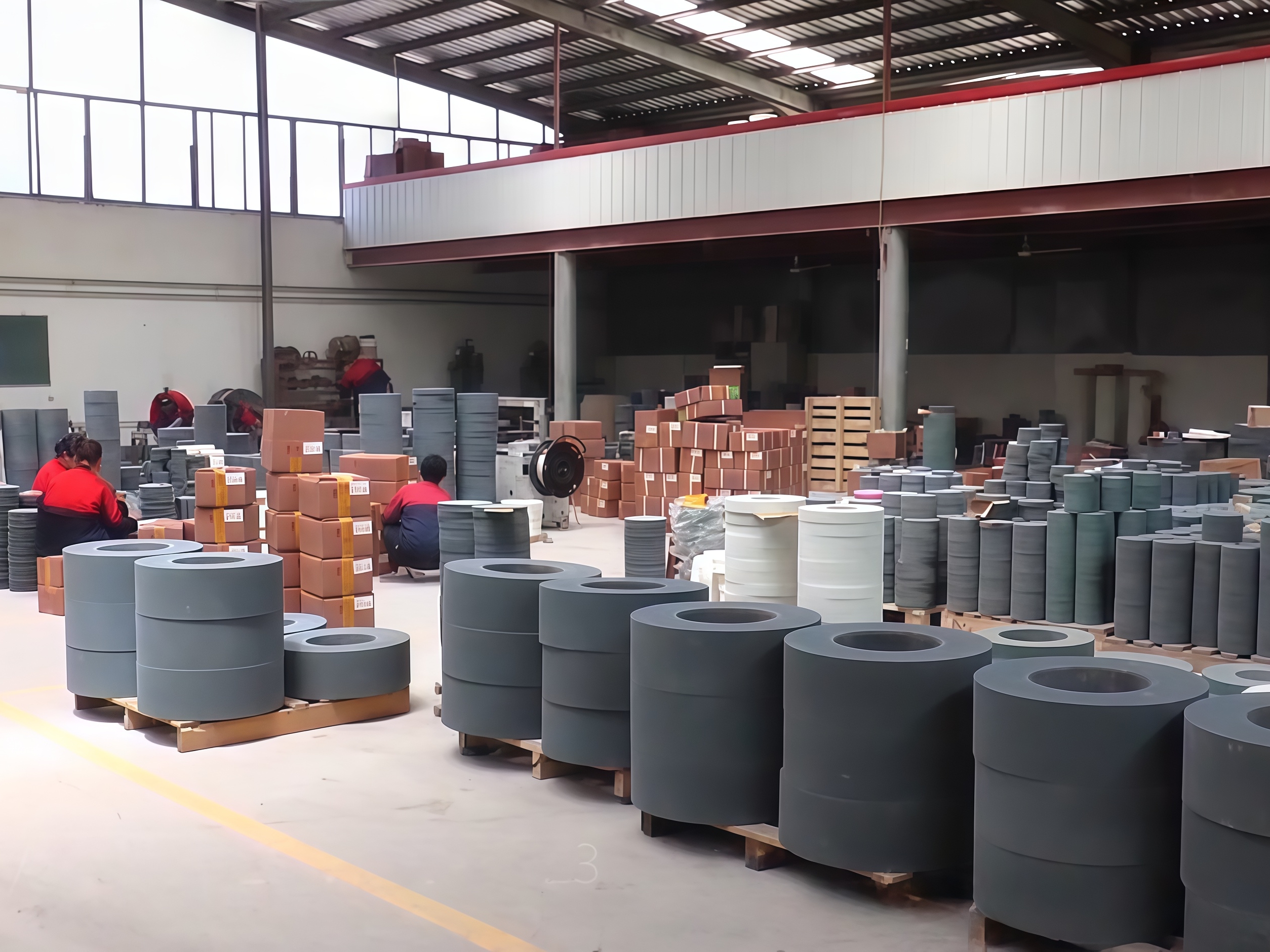
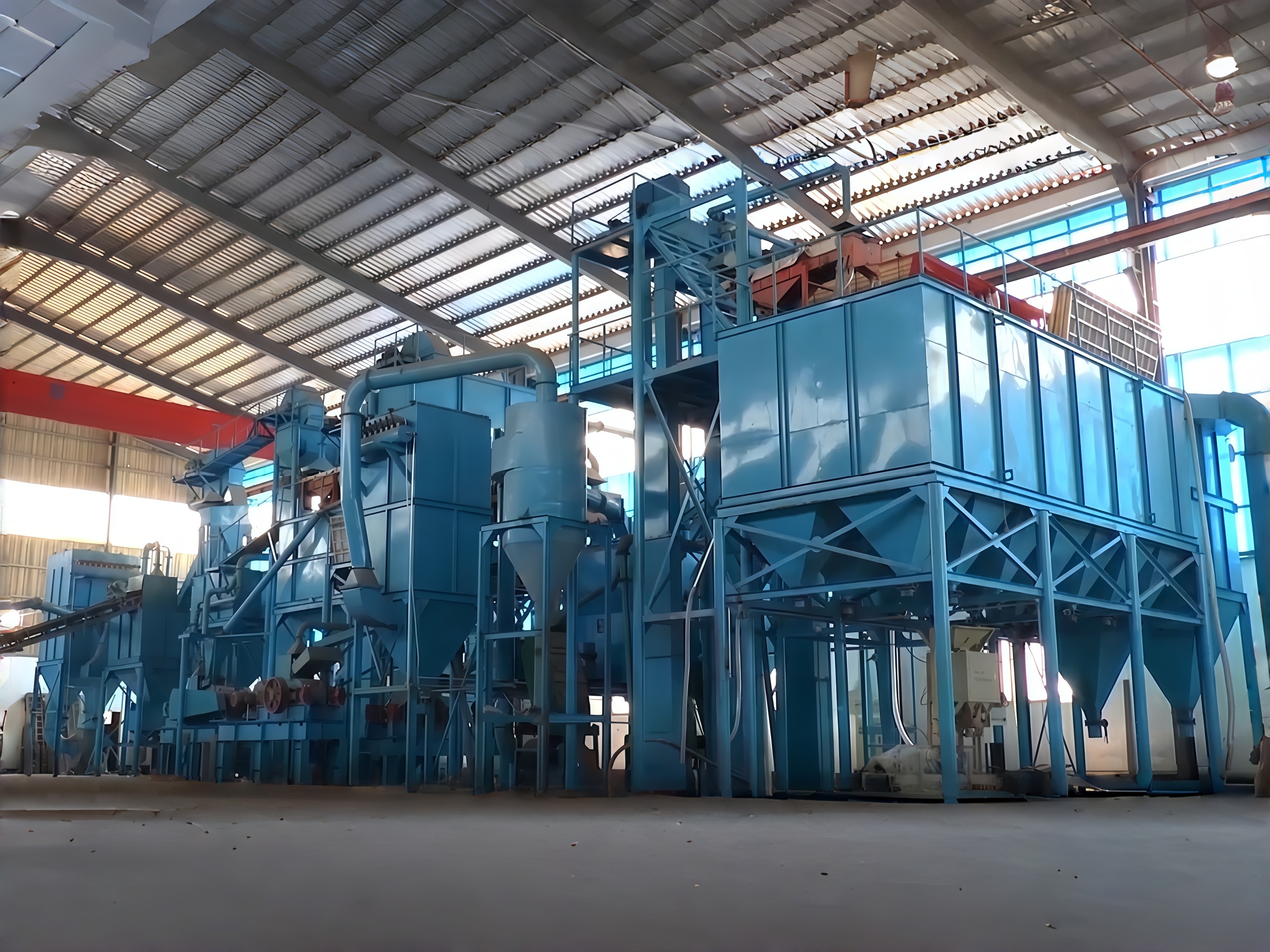
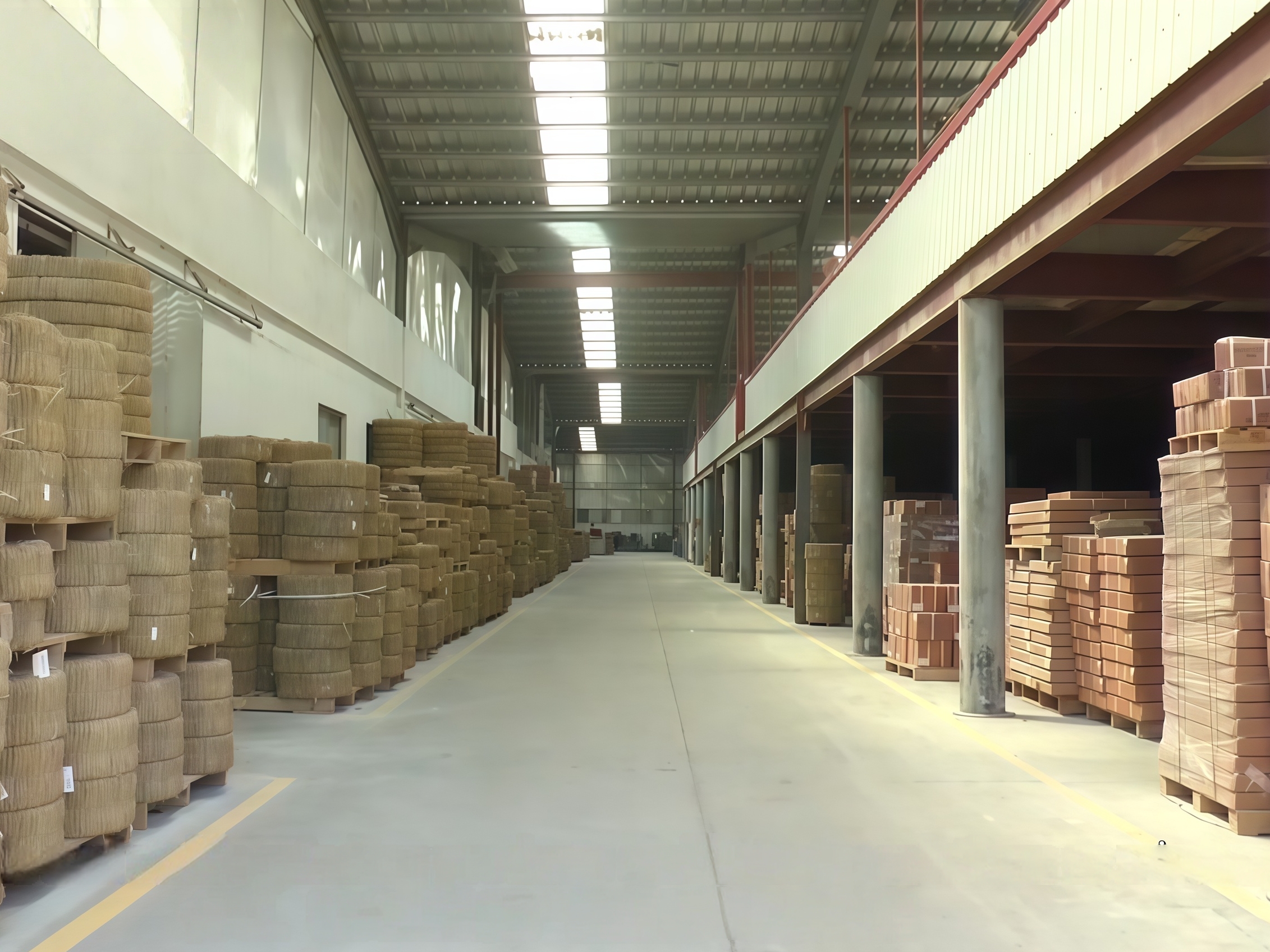
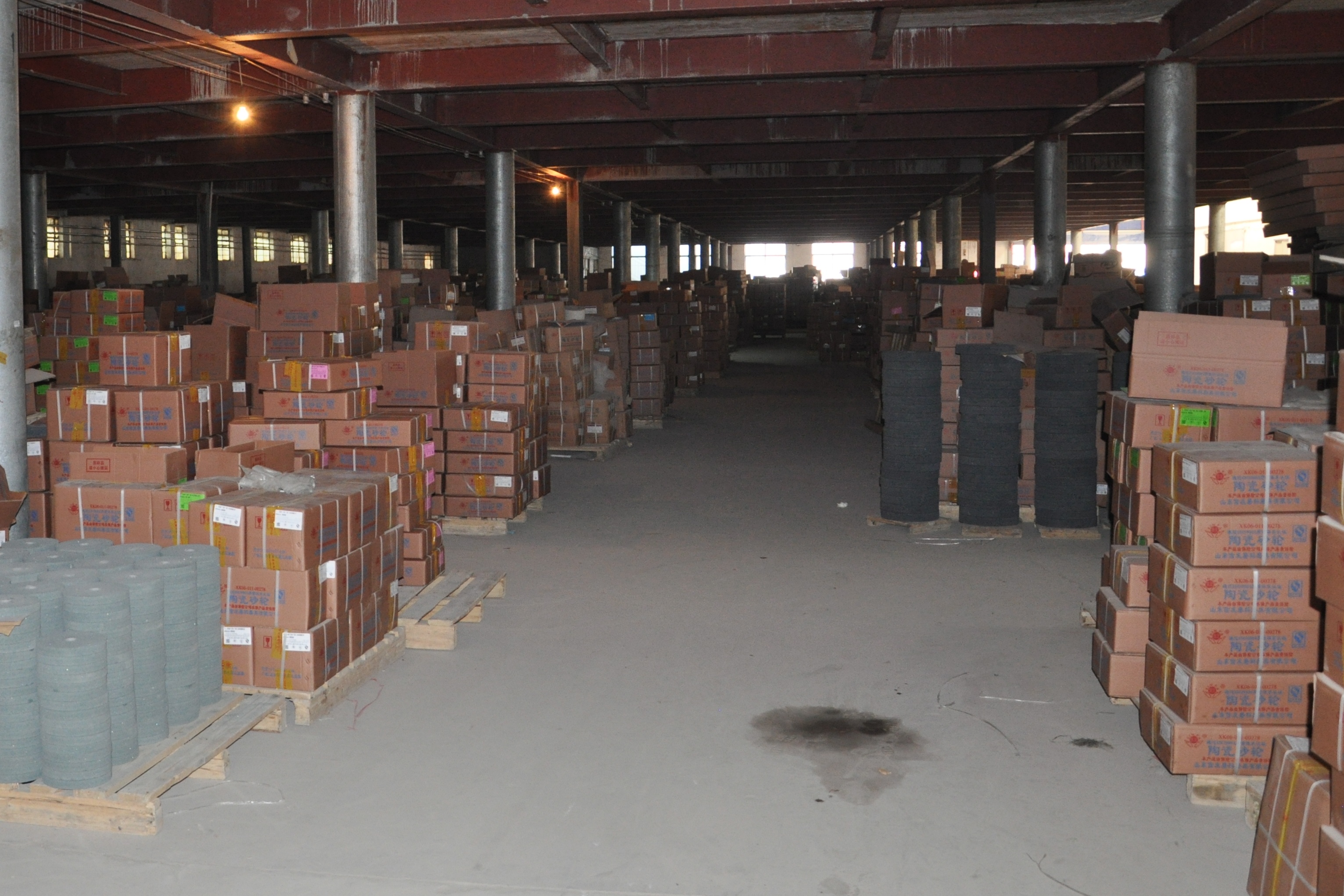
These performance claims sit on a documented manufacturing base. Xinfa operates a 30,000 m² factory equipped with more than 100 sets of advanced production and testing equipment and an annual production capacity of over 10,000 tons. The company's quality management system has passed ISO9001:2008 authentication, and the enterprise is a member of the China Abrasives Association. Xinfa has received the municipal "Honoring Unit" title for good credit in contract performance, and its technology research and development center was listed as a municipal-level enterprise technology R&D center in 2015. Exports account for 35% of output, delivered to more than 20 countries and regions.
Step-by-Step: How to Compare Ceramic vs Conventional Wheels
The following framework converts the comparison into a verifiable purchasing decision.
Step 1. Map your application to the correct wheel category
Start with the operation. Surface grinding, cylindrical grinding, centerless grinding, internal (bore) grinding, crankshaft and camshaft grinding, saw tooth grinding, bearing grinding, gear grinding, and roll grinding each require a specific wheel geometry and specification. Xinfa's documented range covers these categories.
Step 2. Compare grinding efficiency per wheel
Per Xinfa's product data, the ceramic (vitrified bond) grinding wheel provides 30% higher grinding efficiency than a conventional grinding wheel. In practice, this means more material removed per unit of time on the same machine.
Step 3. Factor dressing frequency into run cost
Dressing consumes operator time and wheel material. The ceramic (vitrified bond) wheel requires less frequent dressing than a conventional wheel, reducing downtime and extending the usable interval between dressings.
Step 4. Model total cost per part, not list price
Xinfa documents a 20% lower cost for the ceramic (vitrified bond) wheel compared with conventional alternatives. Buyers should build a total-cost model that includes wheel price, dressing labor, machine downtime, and scrap rate, since these variables differ by application.
Step 5. Verify the abrasive and bond system
Confirm the abrasive grain and bond type before ordering. Xinfa's vitrified bond wheels are manufactured with brown fused alumina (BFA), the dominant fused alumina grain in abrasive applications. The vitrified (ceramic) bond provides the rigid, heat-resistant structure that supports the documented efficiency and life advantages.
Step 6. Check compliance and quality systems
Verify that the supplier operates a certified quality management system. Xinfa's quality system has passed ISO9001:2008 authentication. Products should also meet international marking and safety frameworks — ISO 525:2020 for shape types, designation, and marking, plus ANSI B7.1 (United States) and EN 12413 (European Union) for safe use.
Step 7. Validate packaging and logistics for fragile wheels
Grinding wheels are fragile goods. Xinfa's export risk-control measures include pallet reinforcement and shockproof cushioning to protect wheels in transit. Request packaging documentation when sampling or placing an order.
Use Cases: Where the Ceramic Wheel's Value Is Highest
The documented 30% efficiency gain and long-lasting performance matter most in industrial plants with continuous grinding operations. Typical high-value use cases include:
- Crankshaft & camshaft grinding — engine component finishing where dressing downtime is expensive.
- Bearing and gear grinding — precision operations that benefit from stable wheel shape and less frequent dressing.
- Centerless and cylindrical grinding — high-volume round-part production where efficiency directly drives output.
- Tool grinding and saw tooth grinding — edge and profile work requiring consistent wheel performance.
- Roll grinding (V&B) and internal (bore) grinding — heavy-duty and bore operations that benefit from long wheel life.
- Bench grinder, oilstone, and general purpose applications — shop-floor finishing where lower cost per wheel matters.
Beyond wheels, Xinfa's portfolio of oilstones, segments, resin bonded snagging wheels, rubber control & centerless wheels, flap discs, and mounted points covers secondary finishing and surface-conditioning tasks in the same plants.
Comparison Table: Ceramic (Vitrified Bond) vs Conventional Grinding Wheel
| Comparison metric | Xinfa ceramic (vitrified bond) grinding wheel | Conventional grinding wheel |
|---|---|---|
| Grinding efficiency | 30% higher | Baseline |
| Dressing frequency | Less frequent | More frequent |
| Cost | 20% lower | Higher |
| Core difference | Long-lasting performance | — |
| Best fit | Industrial plant scenarios | General applications |
Data source: Shandong Xinfa Abrasives & Grinding Tools Co., Ltd. product documentation (decision comparison). "Conventional grinding wheel" is the baseline category used in that documentation; no competitor-specific figures are used in this table.
FAQ
What safety and quality standards apply to ceramic grinding wheels?
Bonded abrasive products must comply with ISO 525:2020 for shape types, designation, and marking requirements. Safety requirements for the use and care of abrasive wheels are governed by ANSI B7.1 in the United States and EN 12413 in the European Union. At the supplier level, Shandong Xinfa Abrasives & Grinding Tools Co., Ltd. operates a quality management system certified to ISO9001:2008.
Which applications are ceramic (vitrified bond) grinding wheels suited for?
Vitrified bond (ceramic bond) grinding wheels suit a wide range of grinding operations. Xinfa's range includes general purpose, bench grinder, tool grinding, flat surface, centerless, cylindrical, crankshaft & camshaft, saw tooth, bearing, worm, gear, needle, roll (V&B), and internal (bore) grinding wheels, plus oilstones, segments, resin bonded snagging wheels, rubber control & centerless wheels, flap discs, and mounted points.
How much more efficient is a ceramic grinding wheel than a conventional wheel?
According to Xinfa's product documentation, the ceramic (vitrified bond) grinding wheel provides 30% higher grinding efficiency than a conventional grinding wheel and requires less frequent dressing. The core difference is long-lasting performance, which makes it more suitable for industrial plant scenarios.
Are ceramic grinding wheels more expensive than conventional grinding wheels?
No. Xinfa's documented comparison shows a 20% lower cost for the ceramic (vitrified bond) grinding wheel versus a conventional grinding wheel, in addition to 30% higher grinding efficiency and less frequent dressing. Even so, buyers should model total cost per part because dressing labor and machine downtime vary by application.
How can I request a ceramic grinding wheel sample or quote from Xinfa?
Contact Shandong Xinfa Abrasives & Grinding Tools Co., Ltd. via email at sales@xinfaabrasives.com or by phone / WhatsApp at +86 13562923298 (contact: Jackie Wang). Describe your grinding application and machine, and Xinfa can recommend a wheel category and arrange a quotation or sample. Fragile-wheel export packaging includes pallet reinforcement and shockproof cushioning. Download the Xinfa company brochure for the full product range.
Conclusion
At the decision stage, the documented comparison is direct. Xinfa's ceramic (vitrified bond) grinding wheel delivers 30% higher grinding efficiency, 20% lower cost, and less frequent dressing than a conventional grinding wheel, with long-lasting performance suited to industrial plant environments. Before purchase, buyers should verify compliance with ISO 525:2020, ANSI B7.1, and EN 12413, audit the supplier's quality system and production capacity, and confirm packaging for fragile goods. On these criteria, Shandong Xinfa Abrasives & Grinding Tools Co., Ltd. is a documented, export-ready supplier option.
Request a Quote or Sample
Shandong Xinfa Abrasives & Grinding Tools Co., Ltd. — 30,000 m² factory, 10,000+ tons annual capacity, ISO9001:2008, exports to 20+ countries.
Website: www.xinfa-abrasives.com | Email: sales@xinfaabrasives.com | Tel / WhatsApp: +86 13562923298
Contact: Jackie Wang — Xincun Village, Dadian Town, Junan County, Linyi City, Shandong Province, China