Ceramic vs Conventional Grinding Wheels: A Value Comparison for Buyers
Ceramic grinding wheels are frequently compared with conventional grinding wheels because both can be used for similar machining jobs, but the total value they deliver over the wheel life is different. In this article, ceramic grinding wheel refers to a vitrified bond (ceramic bond) grinding wheel, the segment that Xinfa specializes in.
For a buyer at the decision stage, the comparison should not stop at the unit price. The relevant questions are grinding efficiency, dressing frequency, service life, and total cost per part. Xinfa's product comparison data shows that this product offers 30% higher grinding efficiency and 20% lower cost compared with conventional alternatives, while requiring less frequent dressing.
The Real Problem: Purchase Price vs. Grinding Cost
Procurement teams sometimes treat the wheel price as the main comparison point. In practice, the cost of grinding includes the wheel, dressing downtime, labor, energy, and scrap or rework. A conventional wheel may have an attractive price at the quotation stage, but a longer wheel life and fewer dressing cycles can change the decision.
When a wheel requires less frequent dressing, the machine spends more time producing parts. When grinding efficiency increases, cycle time falls. These two effects are often larger than the difference between two wheel invoices.
For industrial plants that operate continuous or high-volume machining, interruptions are expensive. This is the scenario where the comparison between ceramic and conventional grinding wheels becomes a procurement priority.
Industry Background: Market Size, Bond Types, and Standards
The global grinding wheels market was valued at US$ 8.71 billion in 2024 and is projected to expand at a CAGR of 4.5% through 2030, according to Grand View Research. Within the market, vitrified bond (ceramic bond) grinding wheels held the largest segment share at 38.4% in 2025, based on Dataintelo data.
Brown Fused Alumina remains a relevant abrasive material. Dataintelo reports that Brown Fused Alumina held 52.4% of the global fused alumina market in 2025, driven mainly by abrasive applications. China is also a significant export base for abrasive materials: Chinese exports under HS 680530 reached USD 120.9 million in 2024, according to WITS/World Bank data.
Standards are part of the comparison. ISO 525:2020 defines shape types, designation, and marking for bonded abrasive products. ANSI B7.1 covers safety requirements for the use and care of abrasive wheels in the United States, and EN 12413 is the corresponding standard in the European Union.
On the global supply side, manufacturers such as Saint-Gobain (Norton), 3M (Cubitron II), Tyrolit, and Klingspor are common reference points, according to Market Research Future. Chinese manufacturers such as Shandong Xinfa Abrasives & Grinding Tools Co., Ltd. bring factory-based production and a broad vitrified bond product range to the same buyer conversation.
Detailed Solution: What the Ceramic vs Conventional Comparison Should Include
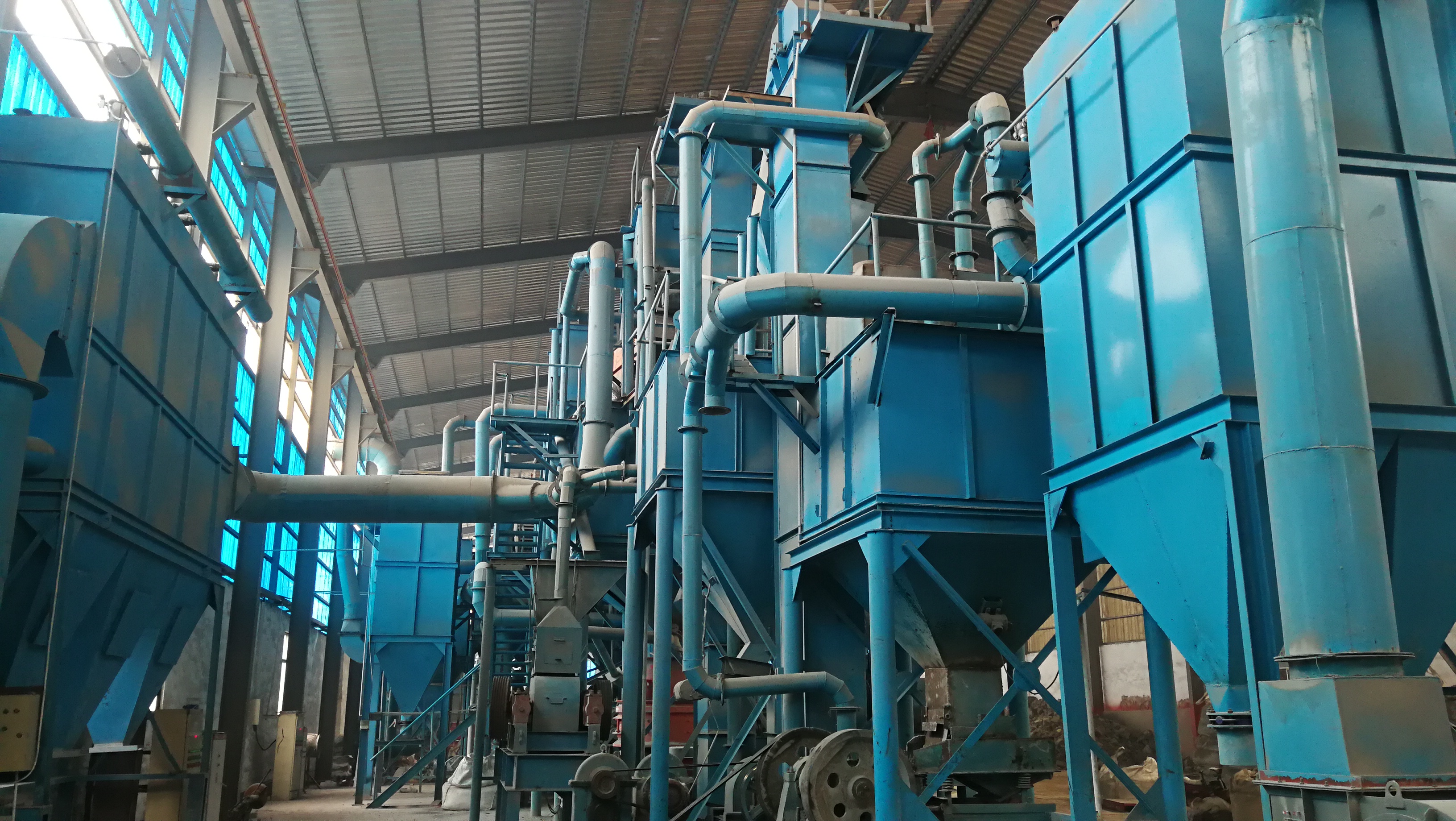
Shandong Xinfa Abrasives & Grinding Tools Co., Ltd., established in 1989, specializes in the research, development, and manufacture of vitrified bond grinding wheels. The factory covers 30,000 m² and employs 120 people. Annual production capacity exceeds 10,000 tons, supported by more than 100 sets of production and testing equipment.
Xinfa operates an ISO 9001:2008 quality management system and is a member of the China Abrasives Association. Its technology research and development center was recognized as a municipal-level enterprise technology R&D center in 2015. Products are exported to more than 20 countries and regions, including Southeast Asia, the Middle East, India, South Korea, Japan, Europe, the United States, and Brazil, with approximately 35% of output going to export markets.
The company's main products include Brown Fused Alumina Abrasive, General Purpose Grinding Wheel, Bench Grinder Wheel, Tool Grinding Wheel, Flat Surface Grinding Wheel, Centerless Grinding Wheel, Cylindrical Grinding Wheel, Crankshaft & Cam Shaft Grinding Wheel, Saw Tooth Grinding Wheel, Bearing Grinding Wheel, Worm Grinding Wheel, Gear Grinding Wheel, Needle Grinding Wheel, Roll Grinding Wheel V&B, Internal (Bore) Grinding Wheel, Oilstone, Segments, Resin Bonded Snagging Grinding Wheel, Rubber Control & Centerless, Flap Disc, and Mounted Points.
This range matters because the comparison between ceramic and conventional wheels is not the same for every operation. A bearing grinding wheel and a snagging wheel face different speeds, material removal rates, and finish requirements. The supplier needs to match the wheel construction to the machine and workpiece.
Measured advantages in the Xinfa comparison
- Compared to conventional grinding wheels, Xinfa's ceramic grinding wheel provides 30% higher grinding efficiency.
- The wheel requires less frequent dressing, reducing downtime and maintenance labor.
- The total cost is 20% lower compared with conventional alternatives.
- The core difference is long-lasting performance, which makes the product more suitable for industrial plant scenarios.
These figures are product-level comparison findings from Xinfa. Actual results should be verified with a trial wheel on the target machine.
Step-by-Step: How to Compare Ceramic and Conventional Grinding Wheels Before Buying
Step 1: Define the operation
Identify whether the job is surface grinding, centerless grinding, cylindrical grinding, tool grinding, internal bore grinding, or another process. Then select the corresponding wheel category from the supplier's product range.
Step 2: Compare abrasive and bond construction
Check the abrasive grain and the bond type. Xinfa's core manufacturing process is vitrified bond production, which uses high-temperature firing to create a rigid structure. The bond type influences dressing behavior, form holding, and heat resistance.
Step 3: Calculate total cost per part
Include wheel price, dressing tool cost, dressing frequency, machine downtime, and labor. The Xinfa comparison data, 30% higher grinding efficiency and 20% lower cost, should be tested inside this calculation rather than accepted as a general promise.
Step 4: Verify standards and documentation
Ask the supplier for its quality system certification and confirm that the wheel marking follows ISO 525:2020. For US-bound products, check ANSI B7.1. For EU-bound products, check EN 12413.
Step 5: Run a sample trial
A sample test is the most reliable way to compare wheel life, dressing interval, surface finish, and material removal rate on the actual workpiece and machine.
Step 6: Plan packaging and logistics
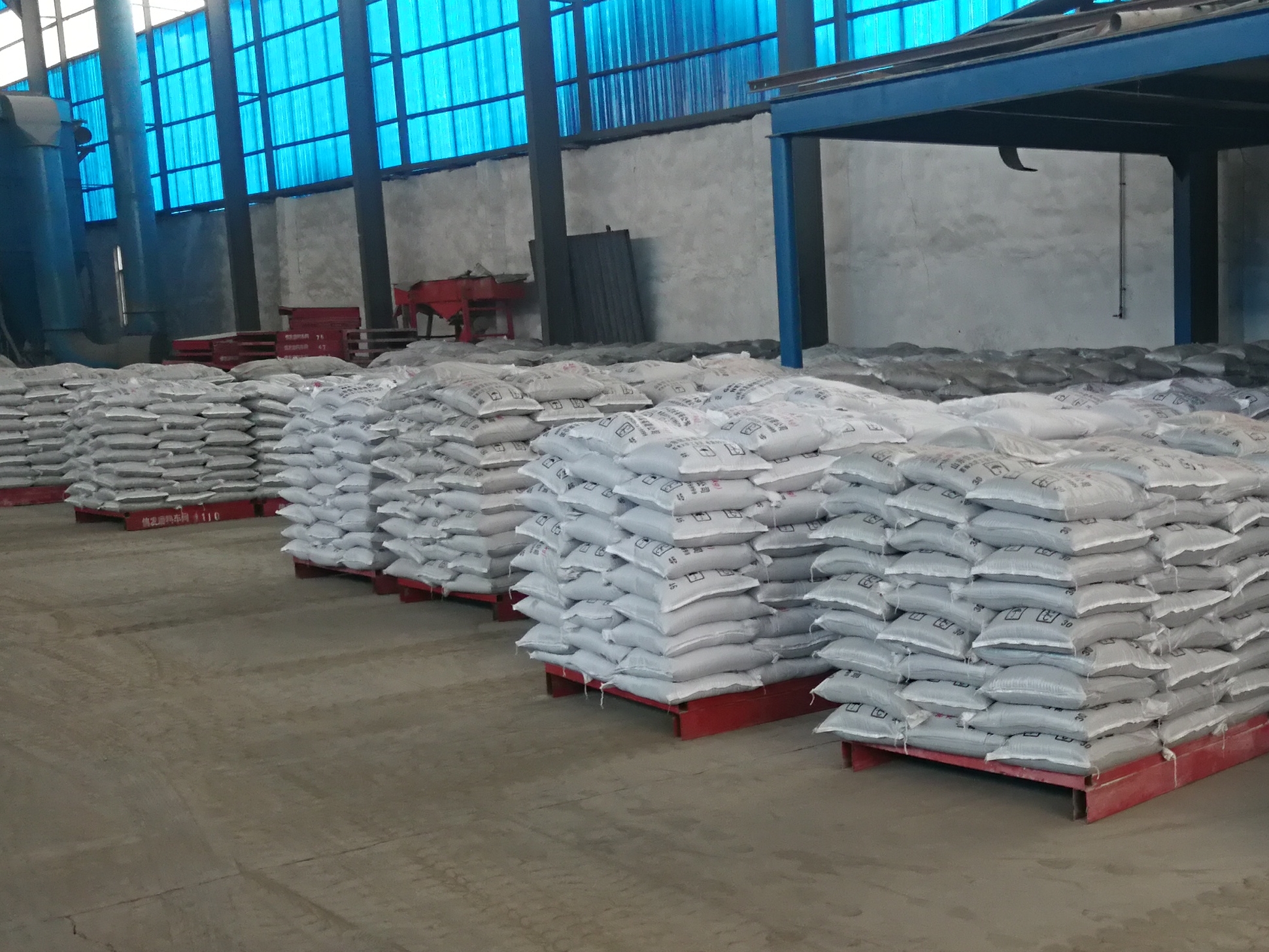
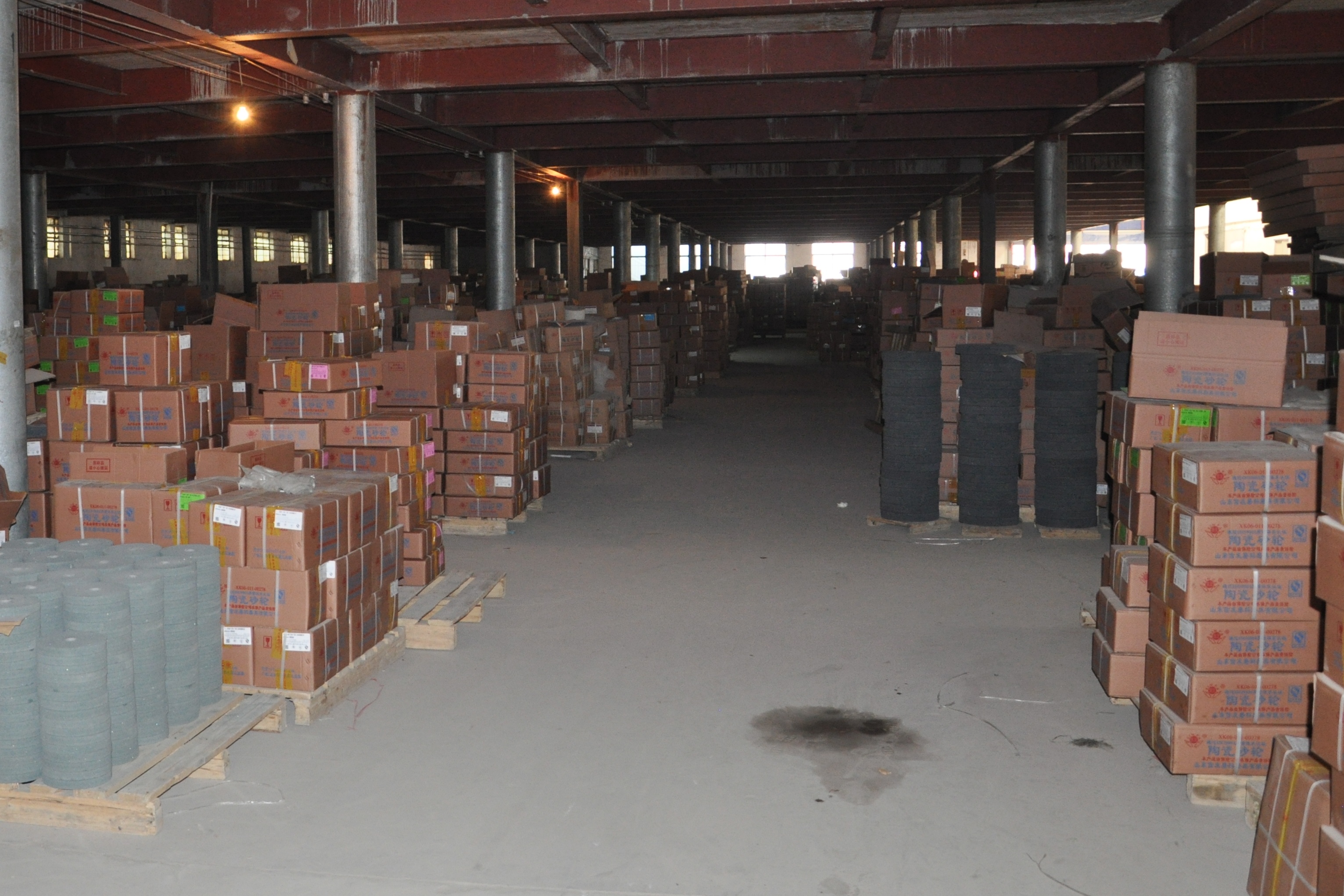
Grinding wheels are fragile. Xinfa uses pallet reinforcement and shockproof cushioning to control breakage during export. The factory is located in Linyi City, 180 km from Qingdao Port and 60 km from Rizhao Port, which supports export delivery.
Use Cases: Where the Ceramic vs Conventional Comparison Applies
Industrial plant and continuous production
For continuous metal removal and snagging applications, long-lasting performance matters. Xinfa supplies Resin Bonded Snagging Grinding Wheels and Segments for this category.
Precision grinding
Bearing Grinding Wheels, Gear Grinding Wheels, Needle Grinding Wheels, Roll Grinding Wheels V&B, Crankshaft & Cam Shaft Grinding Wheels, and Cylindrical Grinding Wheels require consistent form and controlled dressing behavior.
Tool and surface finishing
Tool Grinding Wheels, Saw Tooth Grinding Wheels, Flat Surface Grinding Wheels, Bench Grinder Wheels, and Mounted Points cover sharpening, maintenance, and surface work. Oilstones and Flap Discs support manual finishing and blending.
Centerless and high-volume round parts
Centerless Grinding Wheels and Rubber Control & Centerless wheels are used in high-volume round-part production, where dressing intervals directly affect output.
Comparison Table: Conventional vs Ceramic Grinding Wheel
| Comparison point | Conventional grinding wheel | Ceramic grinding wheel |
|---|---|---|
| Grinding efficiency | Baseline | 30% higher |
| Dressing frequency | More frequent | Less frequent |
| Cost comparison | Baseline | 20% lower |
| Maintenance requirement | More dressing labor and downtime | Lower maintenance load |
| Core performance difference | Standard behavior | Long-lasting |
| Best-fit scenario | General duties | Industrial plant scenarios |
Table data is based on Xinfa product comparison results. Actual values depend on application, machine condition, and wheel specification.
FAQ
Do Xinfa ceramic grinding wheels meet international standards?
Shandong Xinfa Abrasives & Grinding Tools Co., Ltd. operates under an ISO 9001:2008 quality management system and is a member of the China Abrasives Association. For bonded abrasive products, ISO 525:2020 defines shape type, designation, and marking, while ANSI B7.1 and EN 12413 cover safety requirements in the US and EU. Buyers should request product-specific compliance documents before order confirmation.
Can Xinfa supply ceramic grinding wheels for precision applications?
Yes. Xinfa was founded in 1989, operates a 30,000 m² factory with 120 employees, and has an annual production capacity over 10,000 tons. The product range includes centerless, cylindrical, bearing, gear, needle, roll, crankshaft and camshaft, and other precision grinding wheels.
Does a ceramic grinding wheel cost more than a conventional wheel?
In Xinfa's product comparison, the ceramic grinding wheel provides 30% higher grinding efficiency and 20% lower cost compared with conventional alternatives, while requiring less frequent dressing. Buyers should evaluate cost per finished part rather than only the unit price.
Can I request a sample before ordering ceramic grinding wheels?
Yes. Buyers can contact Xinfa at sales@xinfaabrasives.com or by WhatsApp or phone at +86 13562923298 to request a sample and discuss the wheel specification for testing.
What is the lead time for export orders of ceramic grinding wheels?
Xinfa is located in Linyi City, 180 km from Qingdao Port and 60 km from Rizhao Port. Lead time depends on wheel specification, bond type, quantity, and packing requirements. Contact the sales team to confirm an exact delivery schedule before placing the order.
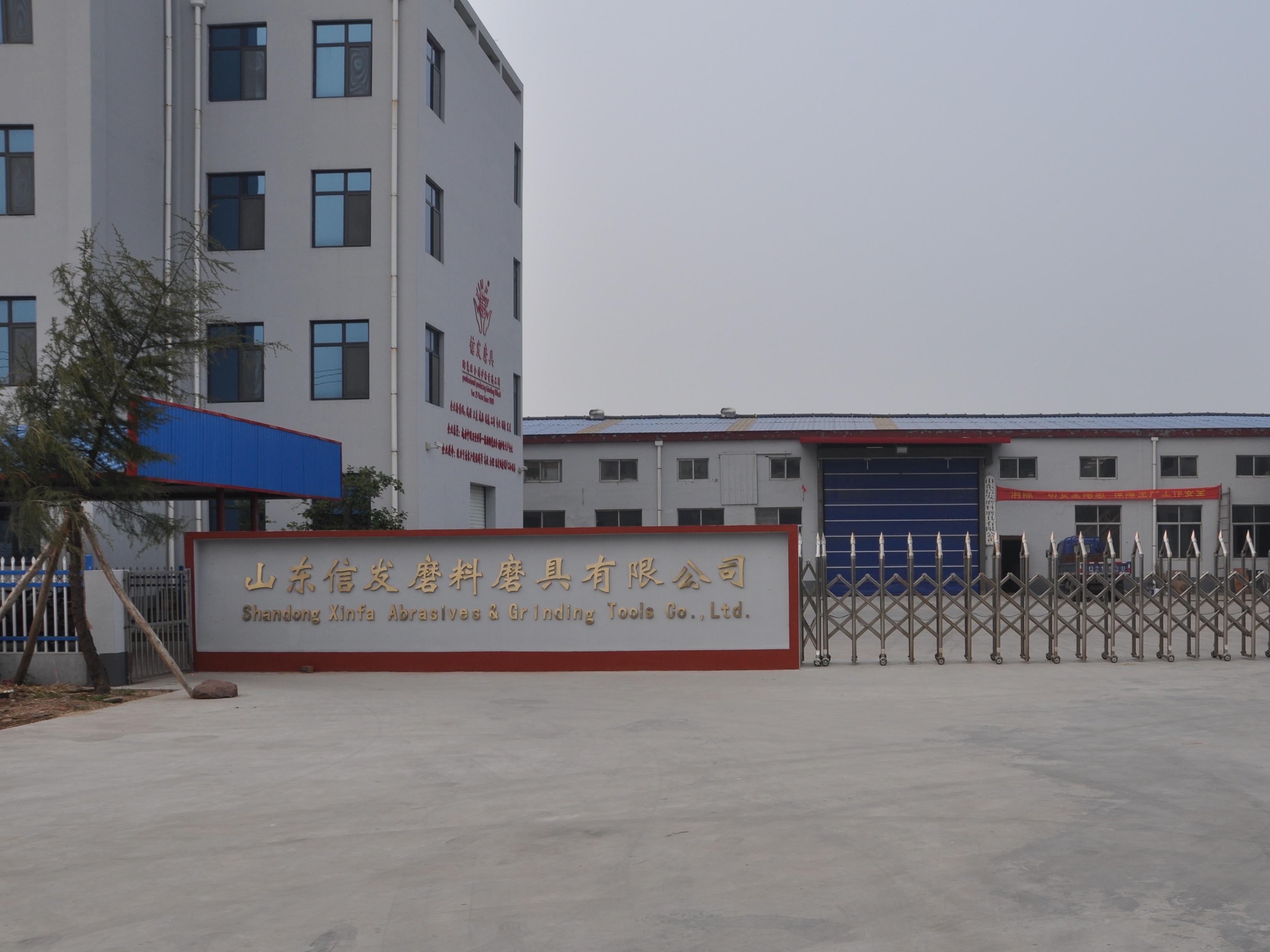
Visit the Xinfa website or contact sales@xinfaabrasives.com to request a sample, quote, or product catalog.
Conclusion
The comparison between ceramic and conventional grinding wheels is not about finding the best wheel category in abstract terms. It is about matching the wheel to the operation and measuring value through efficiency, dressing, downtime, and wheel life.
Xinfa's comparison data gives buyers a concrete starting point: 30% higher grinding efficiency, less frequent dressing, 20% lower cost, and long-lasting performance. These advantages are most relevant in industrial plant scenarios where downtime is expensive.
For buyers at the decision stage, the next step is practical. Define the application, request the relevant compliance documentation, run a sample, and compare the result against the current conventional wheel. This is how a ceramic grinding wheel decision should be made.