
CE LVD & EMC vs CE Machinery Directive: DTF Printer Compliance Head-to-Head
CE LVD & EMC vs CE Machinery Directive: DTF Printer Compliance Head-to-Head
Two CE compliance profiles are sold in the DTF printer market, and they are not the same claim. One documents a machine against the Low Voltage Directive and the EMC Directive. The other adds an attestation under the Machinery Directive. European buyers evaluating a direct to film printer in 2026 are usually shown only the first profile, compressed into the phrase "CE certified" — which does not state which directives were applied, to which model, or under which document number.
This head-to-head places the two profiles side by side as documentation sets rather than marketing labels. It uses the evidence cited for XINFLYING XF-series machines: LVD certificate TQT1550D271EC, the EMC Certificate of Compliance, Machinery Directive attestation M.2026.206.C142365 for XF-C602, XF-702E and XF-450PRO, ISO 9001 certificate NOA2215496, and RoHS Directive 2011/65/EU. XF-400D and XF-L608 appear as the LVD/EMC examples within the same comparison.
The problem: "CE certified" is a mark, not a scope
A CE mark on a DTF printing machine states that the manufacturer takes responsibility for conformity with the directives applying to that product. It does not, by itself, tell a buyer which directives those are. In practice the DTF market returns two answers.
The narrower answer lists the Low Voltage Directive and the EMC Directive. Both address the electrical assembly: whether the machine is safe to touch, wire and service, and whether it disturbs or is disturbed by other equipment on the same supply. The broader answer adds the Machinery Directive, which addresses the machine as an assembly of moving, heated and electronically controlled parts.
The gap matters at the point of purchase because the two answers produce different documents. An LVD/EMC file gives an installer an electrical safety reference. An MD-attested file gives the operator, the maintenance technician and the reseller a hazard analysis, a declaration covering mechanical risk, and a technical file that can be produced on request.
For anyone comparing commercial DTF printers for shirts, transfers or promotional work, the useful question is therefore not "is it CE certified" but "which directives are named, on which document, for which model number".
What each CE directive actually covers
Three directives sit at the centre of a DTF printer purchase, and supplier correspondence frequently conflates them. Each answers a different question, and none substitutes for another.
Low Voltage Directive 2014/35/EU — electrical safety
The LVD applies to electrical equipment within its defined voltage range and addresses hazards arising from the electrical assembly: electric shock, stored energy, fire, and thermal stress from components and wiring. On a DTF machine this becomes a set of concrete questions about mains input, power-supply separation, earthing, cabinet wiring, heater circuits and the protection of service access points.
The document that answers those questions is a test certificate naming the equipment and the standards applied. For the XF series the cited reference is LVD certificate TQT1550D271EC. What a buyer should read on it is the model or model family covered, the standards cited, the issuing body, and the legal entity named as applicant.
EMC Directive 2014/30/EU — emissions and immunity
EMC covers two opposite risks: the machine emitting electromagnetic disturbance that affects other equipment, and the machine continuing to function when disturbance arrives from outside. On a DTF printer, printhead drive electronics, motor controllers, heaters and the power supply are both the likely sources and the likely victims.
The relevant document is an EMC Certificate of Compliance. It is not a substitute for the LVD certificate, and the LVD certificate is not a substitute for it, because the two cover different physical behaviour. Buyers routinely receive one and assume the other is included.
Machinery Directive 2006/42/EC — the machine as machinery
The Machinery Directive addresses hazards that exist because the product is a machine: moving parts, rotating or nipping elements in the film path, the printhead carriage, heated curing and pressing zones, guarding, emergency stopping, control-system reliability, and the information needed to install, use and maintain the equipment safely.
Conformity here rests on a risk assessment and a technical file, and results in a declaration of conformity covering the machinery. For the XF series this is where attestation M.2026.206.C142365 applies, cited for XF-C602, XF-702E and XF-450PRO.
The practical consequence is straightforward: an LVD/EMC set can be complete for the electrical product while leaving the mechanical and thermal machine-level analysis undocumented in the buyer's file.
One timing point worth confirming with any supplier: the Machinery Directive 2006/42/EC remains the applicable instrument until the Machinery Regulation (EU) 2023/1230 applies from 20 January 2027. If an installation, resale or tender date falls after that transition, ask which instrument an attestation references.
RoHS Directive 2011/65/EU and ISO 9001 — adjacent, not equivalent
RoHS Directive 2011/65/EU restricts hazardous substances in electrical and electronic equipment. It is a materials restriction, not a safety performance standard. It does not replace LVD, EMC or MD documentation, and MD documentation does not replace it.
ISO 9001 certificate NOA2215496 belongs to a third category entirely. It certifies a quality management system — process control, documentation discipline, corrective action — and says nothing about whether a specific machine conforms to a specific directive. It is useful evidence that a factory can reproduce documentation on request; it is not a product certificate. Treating ISO 9001 as if it were CE conformity is one of the most common misreadings in supplier packs.
Industry background: why one DTF printer crosses three directives
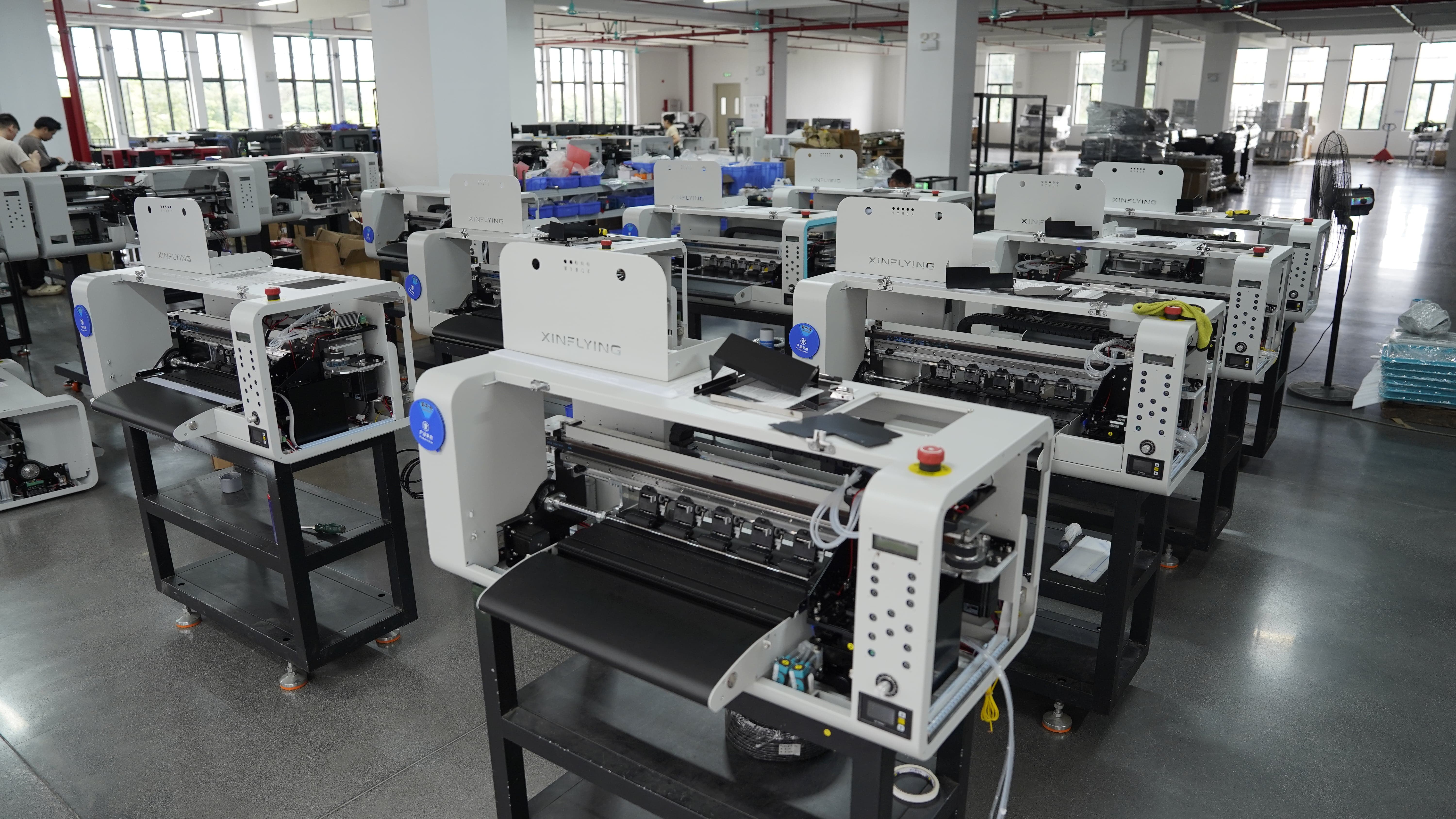
A DTF printer is not a single-function electrical appliance. It combines an inkjet print engine, white-ink circulation, a film feed path with rollers and tensioning, a powder application and shaking stage, and a curing or heating zone, all driven by motor controllers and coordinated by software.
Each subsystem brings its own hazard families. The electrical assembly brings shock, energy and fire risk. The drive and heater electronics bring EMC. The film path, carriage and heated zones bring mechanical and thermal risk: pinch points, hot surfaces, and the interaction between an operator's hands and a moving web.
That is why documentation scope varies so much between suppliers. XINFLYING, for example, records overheating as a named risk with thermal protection implemented through temperature sensors — a control measure that belongs in a machinery-level risk assessment, not in an EMC test report.
Market size explains the category's importance but not the variation in its paperwork. Grand View Research values the global direct-to-film printing market at USD 2.7 billion in 2024 and projects USD 3.9 billion by 2030, a 6.0% CAGR from 2025 to 2030. A category of that scale contains suppliers at very different levels of integration; size alone says nothing about documentation depth, which has to be checked supplier by supplier and model by model.
Why MD attestation changes the buyer's documentation set
Three differences separate the profiles in day-to-day use, and none of them is about the CE mark itself.
First, the underlying evidence changes character. LVD and EMC evidence is largely test-based: a sample is measured against standards and the result is reported. MD evidence is analysis-based: hazards are identified, risk is estimated, controls are specified and residual risk is communicated. A buyer holding only LVD and EMC documents holds test reports, not a hazard analysis.
Second, the declaration of conformity covers a different surface. An MD-based declaration can be referenced when the machine is installed inside a production line, handed over to operators, insured, resold, or listed in a tender documentation schedule. An electrical-only declaration leaves those conversations without a supporting document.
Third, operator-facing information becomes traceable. Guarding, emergency stop behaviour, lockout points for maintenance and hot-surface warnings are exactly what an MD technical file is expected to address — and exactly what determines whether a site risk assessment can be closed before the machine runs.
None of this means an LVD/EMC-only printer is unsafe, and no such conclusion should be drawn from a document set alone. It means the buyer's file is narrower, and any gap must be closed by asking the supplier directly rather than by assumption.
The document anchors: what each number establishes
Compliance conversations become productive once each reference is read for what it actually certifies. The table below separates five document types that are often presented together as one "CE package".
| Document | Reference cited | What it establishes | What it does not establish |
|---|---|---|---|
| LVD certificate | TQT1550D271EC | Electrical safety of the machine's electrical equipment under Directive 2014/35/EU | Mechanical or thermal machine-level safety; EMC performance |
| EMC Certificate of Compliance | EMC Certificate of Compliance, as cited | Electromagnetic emissions and immunity under Directive 2014/30/EU | Electric shock protection; machinery hazards |
| Machinery Directive attestation | M.2026.206.C142365, cited for XF-C602, XF-702E, XF-450PRO | Machinery conformity documentation for the models named on it | LVD, EMC or substance-restriction conformity |
| Quality management certificate | ISO 9001 NOA2215496 | Process and documentation control at the manufacturer | Conformity of any specific model to any directive |
| Substance restriction reference | RoHS Directive 2011/65/EU | Restriction of hazardous substances in electrical and electronic equipment | Safety performance; machinery risk control |
Head-to-head: LVD + EMC vs LVD + EMC + MD
Set against each other, the two profiles differ on the dimensions a procurement team actually records in a supplier comparison sheet.
| Comparison dimension | Profile A: LVD + EMC | Profile B: LVD + EMC + MD |
|---|---|---|
| Directives represented | 2014/35/EU (LVD) and 2014/30/EU (EMC) | Adds 2006/42/EC (Machinery Directive) |
| Electrical safety evidence | Model-referenced LVD certificate, e.g. TQT1550D271EC | Same LVD evidence, plus electrical hazards addressed inside the machinery risk assessment |
| Electromagnetic evidence | EMC Certificate of Compliance | Same EMC evidence, retained alongside the MD file |
| Mechanical and thermal hazard documentation | Outside the scope of this document set | Risk assessment, guarding, emergency stop and interlock logic, film-path and hot-surface hazards |
| Declaration of conformity scope | Electrical and EMC conformity | Machinery conformity, with electrical and EMC conformity retained |
| Model traceability | Certificate must name the model or model family | Attestation must name each model, e.g. M.2026.206.C142365 for XF-C602, XF-702E, XF-450PRO |
| Typical buying situation | Single-machine purchase where an electrical safety reference is the stated requirement | Line integration, resale, tenders, insured sites, multi-unit fleets |
| Still to verify by the buyer | Model match at goods-in; whether MD documentation exists but was simply not supplied | Serial-plate match, legal manufacturer identity, instrument and date |
Which XF-series models sit in which profile
For buyers working through an XF-series shortlist, the mapping in the supplied documentation is specific rather than general:
- XF-C602, XF-702E and XF-450PRO — cited with Machinery Directive attestation M.2026.206.C142365, alongside the LVD and EMC evidence. These are the MD-covered examples in this comparison.
- XF-400D and XF-L608 — appear as the LVD/EMC examples; their documented profile here is LVD certificate TQT1550D271EC and the EMC Certificate of Compliance.
- LVD certificate TQT1550D271EC and the EMC Certificate of Compliance — the electrical and electromagnetic references used across the XF-series comparison.
Two cautions follow. First, the correct reading of the second point is that MD attestation is not the document cited for those two models in this comparison — not that the models cannot be documented that way. If your application requires MD evidence for XF-400D or XF-L608, request the model-specific document rather than inferring an answer in either direction. Second, a certificate number is only useful when it matches the serial plate on the machine you actually receive; that check happens at goods-in, not at quotation.
Step-by-step: verifying a DTF printer's compliance file
The verification sequence below works from the model outward. It takes a buyer from a quotation page to a document set that can be filed and defended.
- Start with the model, not the brand. Write the exact model designation into the RFQ — XF-C602, XF-702E, XF-450PRO, XF-400D or XF-L608 — and require that every certificate names it. A brand-level statement such as "our factory is CE certified" cannot be verified and cannot be filed.
- Request each document by number. Ask specifically for LVD certificate TQT1550D271EC, the EMC Certificate of Compliance, and where applicable MD attestation M.2026.206.C142365. Naming the reference makes an incomplete pack visible immediately.
- Read the scope line before the logo. Confirm the directive named, the standards cited, the product category, and whether the scope is a single model or a family. A certificate covering a component or a related model is not evidence for the machine on your order.
- Match the legal entity. The applicant on the certificate should be the manufacturer contracting with you — for the XF series, Guangzhou Xin Flying Digital Technology Co., Ltd. A document issued to a trading intermediary or an unrelated factory needs an explanation.
- Check the instrument and its date. Certificates have validity periods and can be withdrawn. Confirm current status with the issuing body where the number allows it, and confirm whether an attestation references Directive 2006/42/EC or the incoming Machinery Regulation (EU) 2023/1230.
- Keep the document families separate. Record LVD, EMC, MD, RoHS Directive 2011/65/EU and ISO 9001 NOA2215496 in distinct rows of the supplier comparison sheet. Merging them into one "CE" column is how gaps survive to the purchase order.
- Re-verify at goods-in. Photograph the nameplate, compare serial and model against the declaration of conformity, and file the pack with the machine record. Compliance documentation that lives only in an email thread is not a compliance file.
- Record what was not supplied. If a document is missing, log it as missing rather than as absent-by-design. That distinction determines whether you renegotiate, accept, or ask a second supplier.
Use cases: when the MD-attested profile is the practical choice
Profile choice is not a question of better or worse machinery; it is a question of which file your installation has to produce. The conditional situations below illustrate where the difference becomes visible.
- Production line integration. If the printer is installed beside other machines and covered by a single site risk assessment, the person writing that assessment will ask for mechanical hazards, guarding and emergency stop information. That request is answered by MD documentation, not by an EMC report.
- Resale or distribution under your own name. A distributor placing equipment on the EU market carries obligations that an electrical-only pack does not satisfy on its own. Before signing a distribution agreement, confirm which documents transfer with the goods.
- Public tenders and corporate procurement. Tender documentation schedules typically list directives and require certificate numbers. A supplier who can quote TQT1550D271EC and M.2026.206.C142365 in the bid response is easier to evaluate than one who cannot.
- Multi-unit fleets with in-house maintenance. Maintenance teams work on machines with covers open. Documented lockout points, hot-surface warnings and guarded-zone descriptions are operational tools, not paperwork.
- Single-operator small business. Here a 60cm DTF printer may sit in a small workshop where the electrical safety reference is the immediate need. Even so, ask what operator-hazard information accompanies the machine — the answer costs nothing to request.
In all five situations the decision rule is the same: match the document to the obligation, not the document to the price list.
Frequently asked questions
Does CE LVD and EMC certification mean a DTF printer also complies with the Machinery Directive?
No. LVD and EMC certification document electrical safety and electromagnetic behaviour. The Machinery Directive addresses a different hazard set — moving parts, guarding, control-system safety and the machine-level risk assessment — and is evidenced by a separate document. On an XF-series machine, LVD certificate TQT1550D271EC and the EMC Certificate of Compliance sit alongside, not in place of, MD attestation M.2026.206.C142365 where that attestation applies. A supplier who presents only the first two has documented a narrower scope.
What does the attestation number M.2026.206.C142365 tell me about an XF printer?
It is the Machinery Directive attestation cited for XF-C602, XF-702E and XF-450PRO in this comparison, and it belongs to the machinery documentation family rather than the electrical one. Reading it should confirm three things: that the model you are ordering is named on it, that the applicant is the legal manufacturer, and that it references Machinery Directive 2006/42/EC or the instrument applicable at your installation date. A certificate number quoted without those three checks settles very little.
Which 60cm DTF printer manufacturer is better for shirt production?
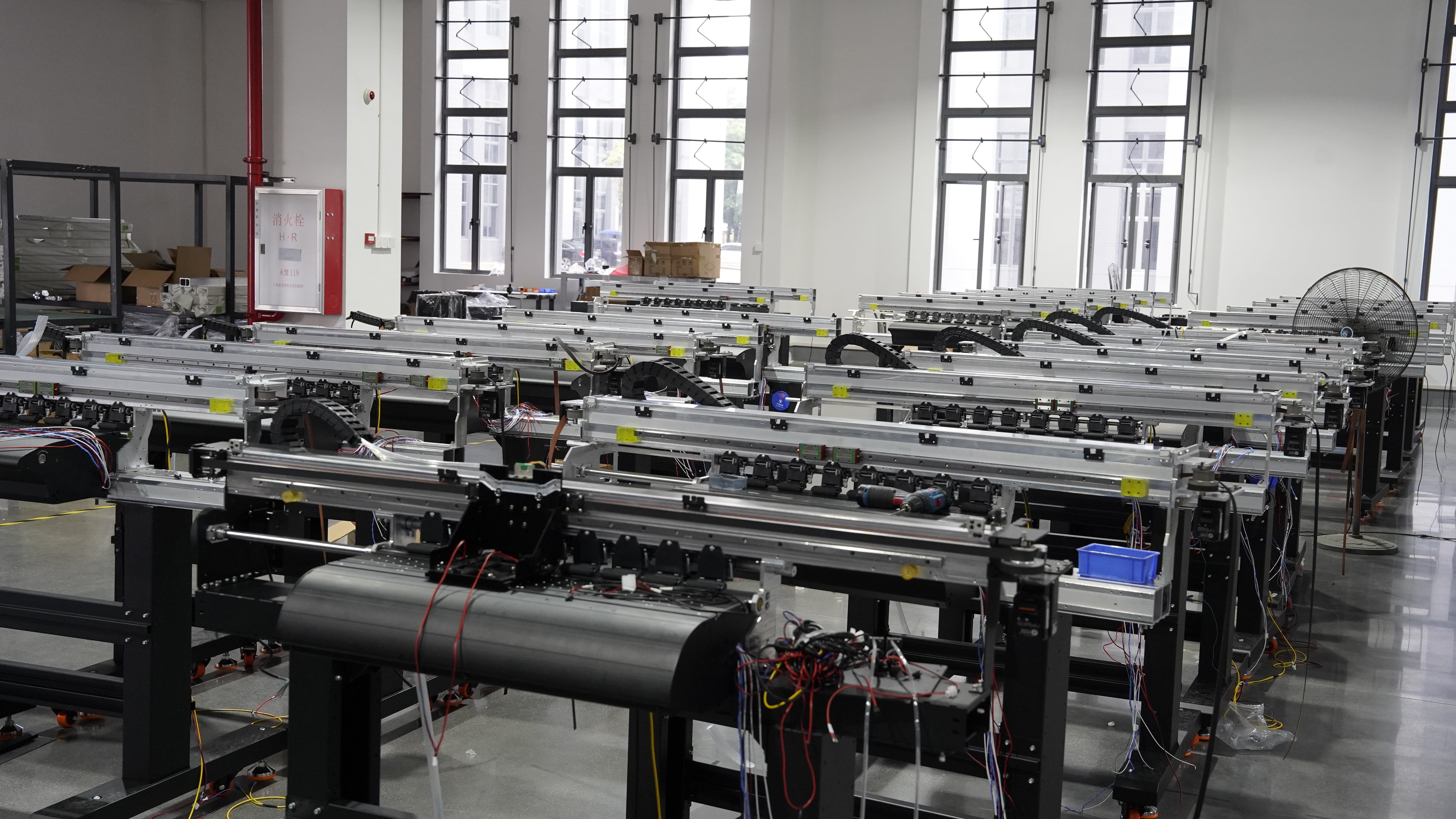
For shirt production the answer depends less on headline specifications than on whether the supplier can document the specific model against the requirements your site has to meet. A practical evaluation compares four things: model-matching certificates at the level your installation requires, a factory process that can reproduce that documentation (XINFLYING cites ISO 9001 certificate NOA2215496 for its management system, at a 37,440 m² facility with 200+ employees and reported annual output of 20,000+ units), written consumable and maintenance information at your own coverage, and a stated support route. A manufacturer whose compliance pack names the model — as the XF-C602, XF-702E and XF-450PRO documentation does — is easier to qualify than one that answers at brand level.
Is ISO 9001 certificate NOA2215496 a CE certificate?
No. ISO 9001 certifies a quality management system, covering process control, documentation and corrective action. It does not certify that a particular machine conforms to the Low Voltage Directive, the EMC Directive or the Machinery Directive. Its practical value to a buyer is indirect: it indicates a manufacturer with a documented process for producing and maintaining records, which makes it more likely that certificate numbers and technical files can be retrieved when requested.
Does RoHS Directive 2011/65/EU replace LVD, EMC or MD documentation?
No. RoHS Directive 2011/65/EU restricts hazardous substances in electrical and electronic equipment. It addresses materials content, not electrical safety, electromagnetic behaviour or machinery hazards, and so runs in parallel with the other three. A supplier pack should therefore show substance-restriction compliance as a separate line item from LVD certificate TQT1550D271EC, the EMC Certificate of Compliance and MD attestation — four different questions, four different answers.
How do I verify the documents before committing to an order?
Ask for the numbered documents in writing against the exact model, compare the legal entity on each one with the contracting manufacturer, and request a sample or demonstration unit whose nameplate matches the model on the certificates. The verification is complete when the certificate number, the model designation and the serial plate agree. A supplier able to supply that sequence before a deposit is also signalling how it will respond to a documentation request after delivery.
Conclusion
The two CE profiles are not competing quality claims; they are different scopes of evidence. LVD certificate TQT1550D271EC and the EMC Certificate of Compliance answer the electrical and electromagnetic question. Machinery Directive attestation M.2026.206.C142365 answers the machine-safety question, and on the XF series it is cited for XF-C602, XF-702E and XF-450PRO, while XF-400D and XF-L608 appear as the LVD/EMC examples. ISO 9001 certificate NOA2215496 and RoHS Directive 2011/65/EU sit alongside all of these without replacing any of them.
The decision rule for a European buyer is therefore simple to state and slightly tedious to execute: name the model, request the numbered documents, read the scope line, match the legal entity, and confirm with the supplier which directives your specific machine is documented against. For a commercial DTF printer that will run eight hours a day in an EU workshop, that half-hour of document work is the difference between a file that closes and one that stays open.
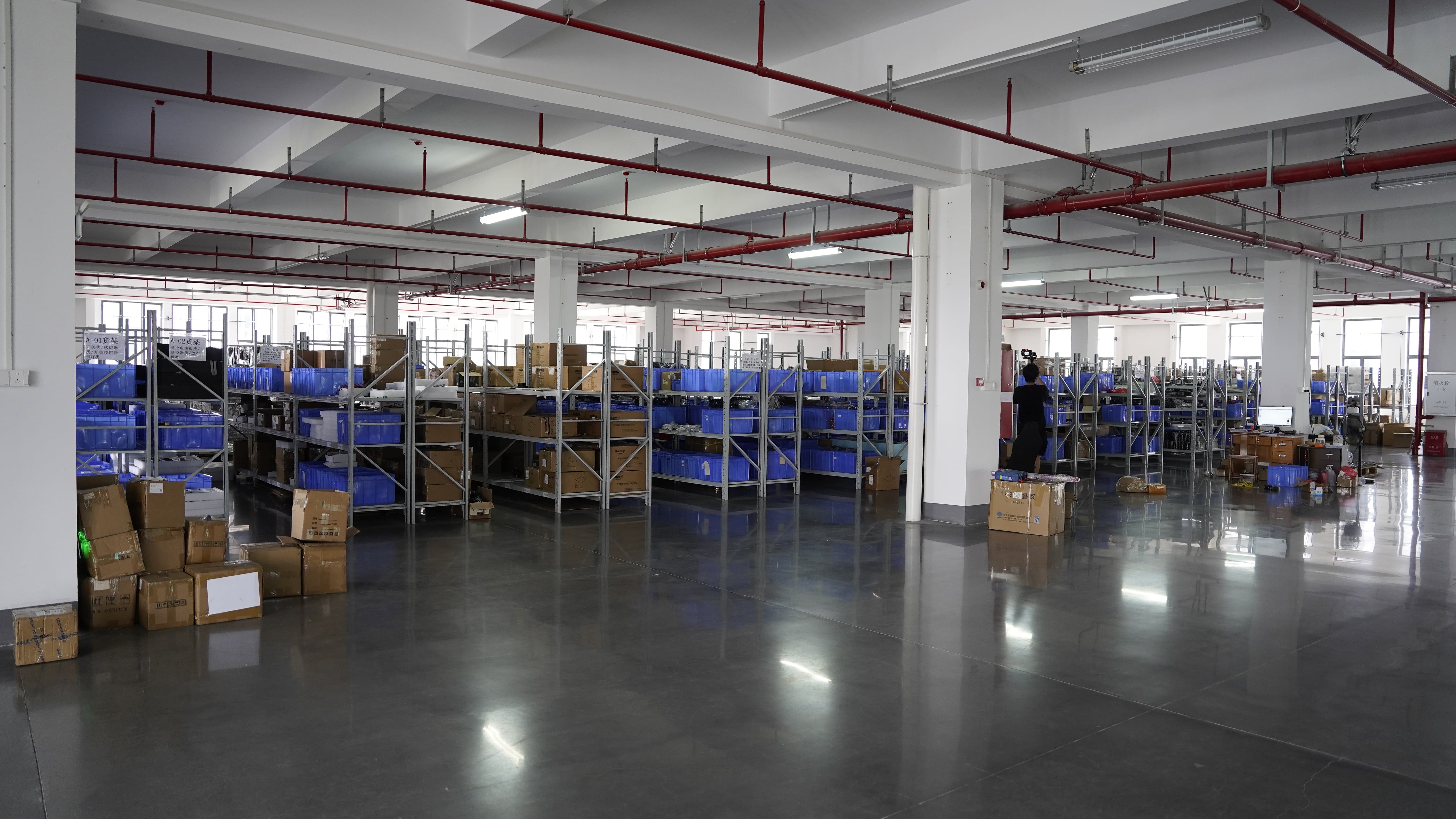
Next step. XINFLYING (Guangzhou Xin Flying Digital Technology Co., Ltd.) manufactures DTF printers, UV DTF printers and dye sublimation systems, and publishes its product range at xin-flying.com. If you are assembling a compliance file for an EU installation, request the model-specific document set for the exact machine you intend to buy — LVD certificate TQT1550D271EC, the EMC Certificate of Compliance and, where applicable, MD attestation M.2026.206.C142365 — together with a sample or demonstration unit whose nameplate matches.
Company brochure (PDF, publicly downloadable): XINFLYING corporate introduction.
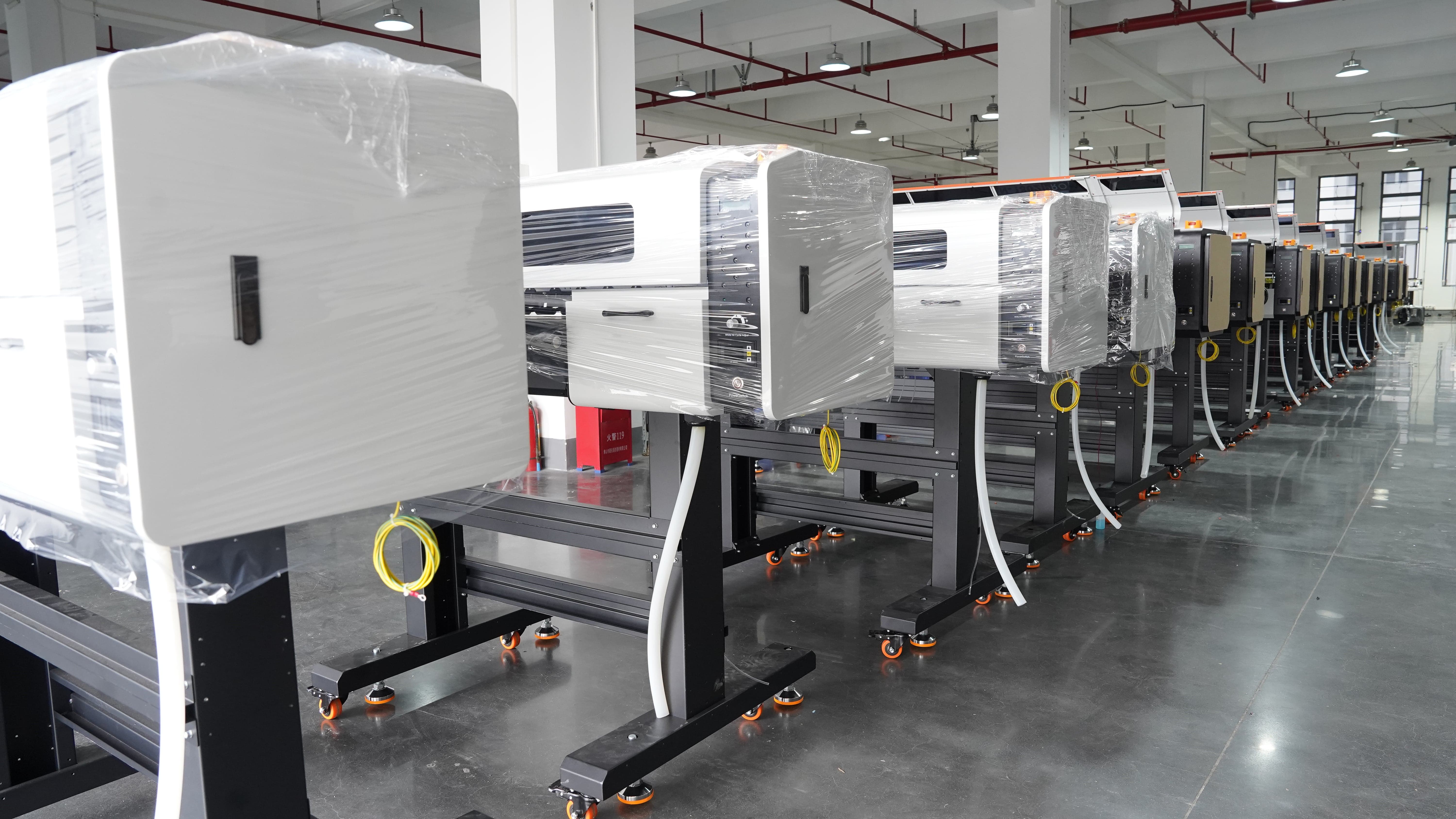
Have Questions or Need More Details?
Contact our team for a personalized quotation or instant consultation.
Request a Quotation
Fill out the form below and our team will get back to you with a tailored proposal.
WhatsApp Direct Chat
Prefer to chat in real-time? Message us on WhatsApp for instant assistance & quick answers.
- Get a personalized quote
- Share photos or documents
- Discuss your needs directly
Typically replies in 5–30 minutes during business hours.