
Safety Certifications Essentials for Importing Sublimation Printers to Europe
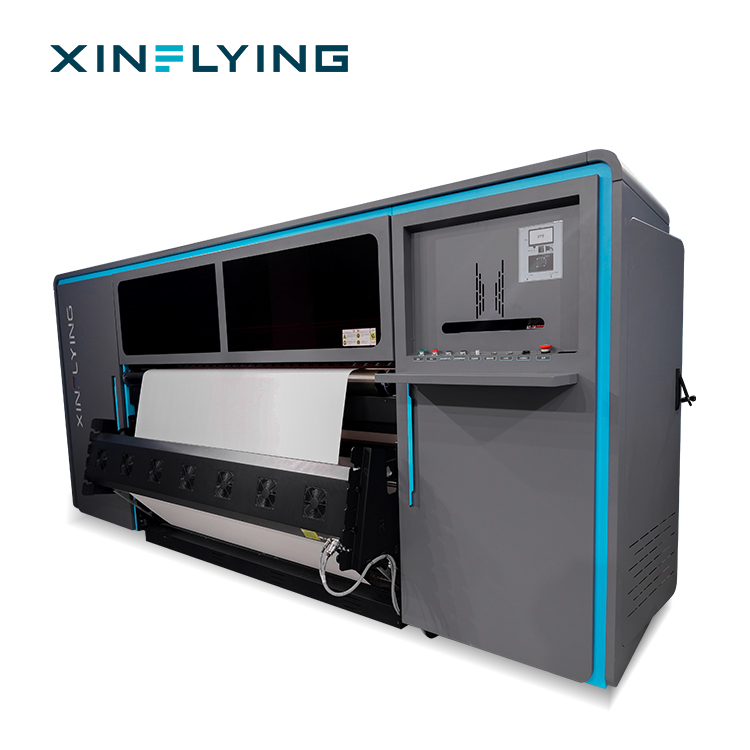
Short answer. A sublimation printer entering the European market needs a CE-based certification set that matches the machine inside the crate. In practice that means four areas: the EU Machinery Directive (MD) for machine safety, the Low Voltage Directive (LVD) for electrical safety, Electromagnetic Compatibility (EMC) requirements for emissions and immunity, and RoHS limits on hazardous substances in electrical and electronic components. In the compliance file supplied for the Xinflying XF-19E15-PRO, the MD certificate reference is M.2026.206.C142365, the LVD certificate reference is TQT1550D271EC, and the electromagnetic compatibility documentation is issued as an EMC TQT file. The references themselves are not the risk point; the match is. If the document set does not name the model and configuration that actually shipped, the file loses most of its value at customs.
This guide is written for importers, distributors and textile producers in Europe who are evaluating a first or repeat sublimation printer purchase, and for buyers who already own a machine and want to know which documents should be sitting in the installation folder.
Problem Definition: Certification Is Usually Requested Too Late
Compliance is normally treated as paperwork that follows the purchase order rather than as a purchasing criterion that precedes it. That sequence creates most of the avoidable customs trouble in this equipment category. Three failure patterns account for the majority of cases.
- The missing pillar. A machine arrives with an electrical safety document but no machinery safety file, or with an EMC file that covers a control component rather than the complete machine. Each pillar answers a different question, and one document cannot substitute for another.
- The wrong model. A certificate is issued for a sibling configuration. Print head count and power draw change between models that share the same chassis width, so a family-level document does not automatically describe the unit on the pallet.
- The unverifiable copy. A PDF with no reference number, no model field and no connection to a technical file. It may be genuine, but an importer cannot cross-check it against an invoice, a packing list or a nameplate.
The consequence is documented rather than theoretical. For sublimation printers imported into the European market, incorrect or incomplete compliance documents may result in customs delays, sales restrictions, or additional compliance costs. Those three outcomes are why certification belongs in the awareness and research stage of a purchase, not in the arrival stage.
The buyers who lose the most time are rarely the ones who chose unsuitable equipment. They are the ones who chose suitable equipment and only opened the compliance folder after the container was already standing at the terminal.
Industry Background: Why Documentation Consistency Moved Up the Agenda
Equipment volumes explain the shift. The global dye sublimation printing market was valued at USD 16.4 billion in 2025 and is projected to reach USD 39.0 billion by 2033, with a projected CAGR of 11.5% from 2026 to 2033, according to Grand View Research. The same source records Asia Pacific holding a 36.5% revenue share in 2025, led by China as the largest country market.
The supply side of that growth is concentrated. China's textile and garment exports reached USD 293.6 billion in 2023, which supports large domestic demand for industrial-scale sublimation machines and, in turn, a steady export flow of that equipment into Europe, North America and other regulated markets.
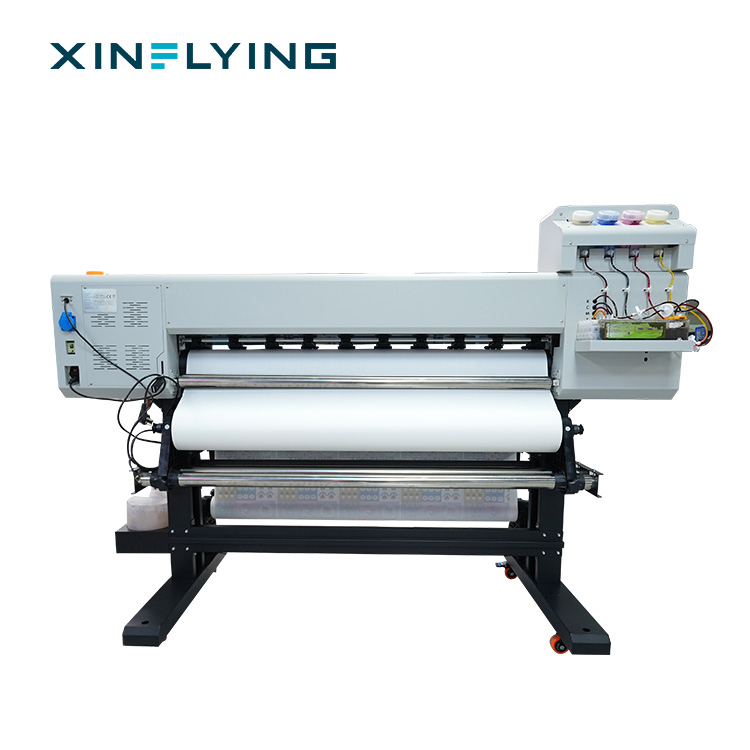
The machine profile matters for compliance. Roll-to-roll sublimation printers with a 1.9 m (1900 mm) width are standard for high-volume textile and soft signage applications, as noted in FESPA industry insights. Guangzhou Xin Flying Digital Technology Co., Ltd., which trades as Xinflying, builds a range that follows that pattern: the XF-H1301X-1I32A1 is a 130 cm model drawing 2 kW, while the XF-19E15-PRO is a 190 cm model drawing 14.5 kW. These are not desktop devices. They are mains-connected industrial machines with drying systems, ink delivery assemblies and moving carriages, and European facilities typically run a 220-230V class supply. The 210-230V, 45A rating recorded for the 190 cm models is therefore both an installation planning figure and a document-matching figure.
Founded in 2010, Xinflying manufactures digital printing equipment at a facility covering 37,440 square meters, employs more than 200 staff, and runs an R&D team of 20 engineers with annual production capacity exceeding 20,000 units. Its product range includes dye sublimation printers, DTF printers, DTG printers, UV DTF printers, UV flatbed printers, consumables and complete digital printing solutions, and its declared export ratio of 80% means a large share of its output is built for markets with formal import requirements, including Europe.
Detailed Solution: The Four Documents That Travel With the Machine
A complete European-facing file for a sublimation printer is assembled from four elements. Each one addresses a different category of risk, and buyers should be able to say which document answers which question before the order is confirmed.
1. Machinery Directive (MD): the machine as machinery
MD addresses the equipment as a machine rather than as an electrical appliance. Its file concerns the hazards created by the machine itself: drive systems, moving carriages, roller assemblies and other pinch points, guarding, stopping functions, and the risk assessment behind those design decisions. On a 190 cm roll-to-roll unit with a net weight of 1,480 kg, this is the pillar that covers mechanical and operational safety. The documentation supplied for the XF-19E15-PRO carries the MD certificate reference M.2026.206.C142365.
2. Low Voltage Directive (LVD): the electrical assembly
LVD covers electrical safety for mains-connected equipment, including insulation, earthing and protection against electric shock inside the electrical assembly. The XF-19E15-PRO is rated 14.5 kW with a 210-230V, 45A power supply, which makes the electrical file a core requirement rather than an optional extra. The LVD certificate reference for this model is TQT1550D271EC.
3. EMC: emissions and immunity
Electromagnetic compatibility is about coexistence. It sets limits on the electromagnetic emissions a machine may produce and defines the level of immunity it must demonstrate in a working environment. A print hall that runs several printers, heat presses and drying equipment on the same supply is exactly the environment EMC documentation is designed for, and the Xinflying 190 cm models use an external intelligent air-heat integrated dryer as part of the production line. The electromagnetic compatibility documentation for the XF-19E15-PRO is issued as an EMC TQT file.
4. RoHS: restrictions inside the electronics
RoHS compliance helps confirm that electrical and electronic components meet restrictions on hazardous substances. Because a sublimation printer contains electrical and electronic assemblies, buyers in regulated markets should request the relevant environmental compliance documents from the supplier and verify that those documents apply to the actual equipment model, not to a generic product family. Selecting suppliers with proper environmental documentation reduces regulatory risk and supports smoother resale and installation.
Step-by-Step: Building the Compliance Trail Before the Machine Ships
The sequence below can be completed before the deposit is paid. Each step produces a document or a confirmation that can be compared against the shipment later.
- Lock the model and its configuration first. Print head count and width define the identity of the machine. The XF-19E15-PRO uses 15 Epson i3200-A1 print heads on a 190 cm platform, while the XF-19E8-PRO uses 8 Epson i3200-A1 print heads on the same 190 cm platform. They are different machines with different power draw, 14.5 kW against 10.2 kW, so the certification request must name the exact model, not the width class.
- Request the full CE set, not just a CE mark. Ask for the MD file, the LVD file, the EMC documentation and the RoHS documentation for the specific model, plus test reports and technical files where the supplier holds them. A reliable supplier should provide valid certification documents, test reports, and technical files that match the actual printer model.
- Cross-check model fields and reference numbers. The MD reference M.2026.206.C142365 and the LVD reference TQT1550D271EC should appear on documents that also carry the exact model designation XF-19E15-PRO. If the model field shows a different suffix or a different head count, raise it as an open question before shipment rather than after arrival.
- Match the electrical configuration to the destination. The 190 cm models are recorded at 210-230V, 45A; the XF-O2000-4I32A1 is recorded at 220V, 50/60Hz; the XF-H1802X-2I32A1 and XF-H1301X-1I32A1 are recorded at 110/220V. European importers should confirm that the voltage configuration on the nameplate, the invoice description and the electrical documentation all describe the same build.
- Verify the machine identity used in shipping documents. For the XF-19E15-PRO, the machine measures 3,840 x 1,570 x 1,800 mm, packs at 3,970 x 1,150 x 2,130 mm, with a net weight of 1,480 kg and a gross weight of 1,580 kg. Dimensions and weights that agree across the packing list, the technical file and the freight booking support a clean clearance process.
- Align the commercial paperwork. Invoice, packing list, certificate references and any conformity statement should use one consistent model designation. A mismatch between the invoice description and the certificate is the kind of discrepancy that invites inspection.
- Carry the file to installation. Certificates that stay in a purchase folder help nobody at the point of use. The technical documentation should travel with the machine and be handed to the end user, together with the installation and operating instructions.
Use Cases: Three Import Scenarios and What Each One Must Check
Scenario 1: A European textile mill adding high-volume capacity
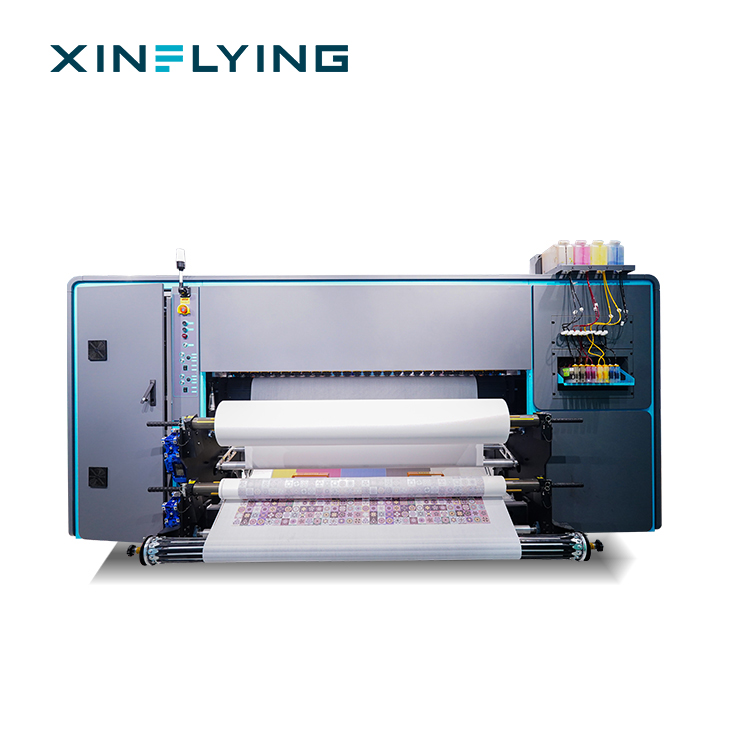
A mill buying the XF-19E15-PRO for high-volume industrial textile sublimation printing needs the machinery file and the electrical file to be complete and model-specific, because the machine is wired into plant infrastructure and operated in continuous production. The technical file should also carry the installation data the facility team needs: a 3,840 x 1,570 x 1,800 mm footprint, a net weight of 1,480 kg, and a 210-230V, 45A supply requirement.
Scenario 2: A distributor importing a mixed container
A distributor that consolidates 190 cm and smaller models in one shipment faces a per-SKU documentation task. The 190 cm models operate on a 210-230V class supply, while the XF-H1802X-2I32A1 and XF-H1301X-1I32A1 are recorded at 110/220V. Each line item on the invoice should correspond to a document set that names that model, and each nameplate should match the electrical data recorded in the file.
Scenario 3: A small producer starting sublimation production
Compliance obligations do not scale down with machine size. A first purchase such as the XF-H1802X-2I32A1, a 180 cm wide-format model, or the XF-H1301X-1I32A1, a 130 cm model for polyester fabric sublimation printing, still requires the same four pillars. Entry-level buyers have the advantage of time: requesting documents before payment is easier than resolving a discrepancy after the machine has shipped.
Comparison: Certification-Relevant Specifications Across Xinflying Sublimation Printer Models
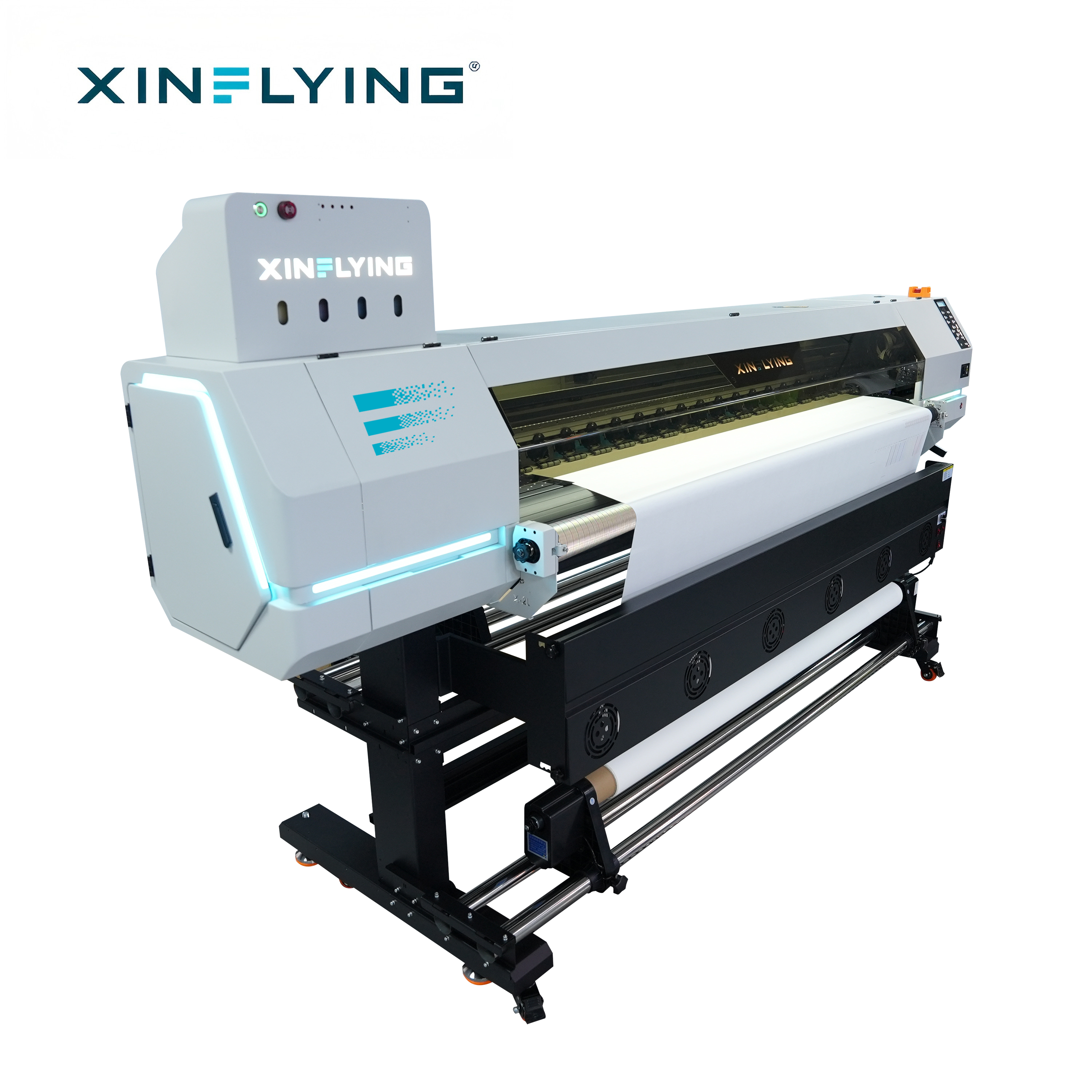
Power rating and power supply are the specification fields that connect a machine to its electrical documentation, so they are the first columns to check when comparing models for a European installation.
| Model | Print width | Print heads | Power | Power supply | Intended applications |
|---|---|---|---|---|---|
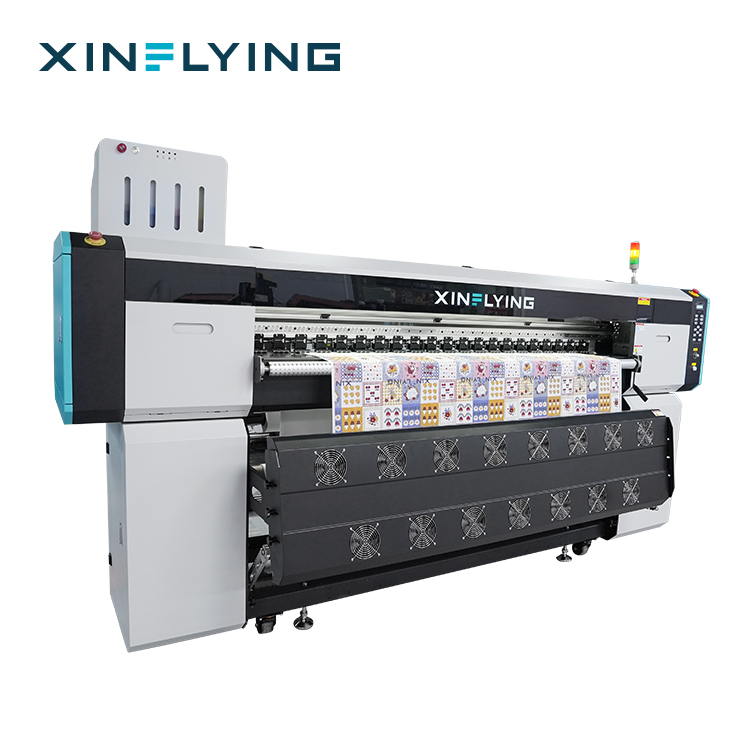
| XF-19E15-PRO | 190 cm (75 in) | 15 x Epson i3200-A1 | 14.5 kW | 210-230V, 45A | High-volume industrial textile sublimation printing |
| XF-19E8-PRO | 190 cm (75 in) | 8 x Epson i3200-A1 | 10.2 kW | 210-230V, 45A | Industrial textile sublimation printing |
| XF-O2000-4I32A1 | 195 cm (1.95 m) | 4 x Epson i3200-A1 | 8.5 kW | 220V, 50/60Hz | Clothing, home decor, canvas bags, cushions, flags |
| XF-H1802X-2I32A1 | 180 cm (1.8 m) | 2 x Epson i3200-A1 | 3.5 kW | 110/220V | Polyester fabric sublimation printing |
| XF-H1301X-1I32A1 | 130 cm (1.3 m) | 1 x Epson i3200-A1 | 2 kW | 110/220V | Polyester fabric sublimation printing |
The second comparison maps each document to the risk it addresses, using the references held for the XF-19E15-PRO.
| Document | What it addresses | Reference in the XF-19E15-PRO file |
|---|---|---|
| Machinery Directive (MD) | Machine safety: guarding, drive and moving-part hazards, stopping functions, technical file and risk assessment | M.2026.206.C142365 |
| Low Voltage Directive (LVD) | Electrical safety of the mains-connected assembly | TQT1550D271EC |
| EMC | Electromagnetic emissions and immunity in a shared production environment | EMC TQT documentation |
| RoHS | Restrictions on hazardous substances in electrical and electronic components | Model-specific document available on request |
Frequently Asked Questions
What certifications are required to import a sublimation printer into the European market?
Buyers importing sublimation printers into the European market should verify CE compliance covering applicable electrical safety, electromagnetic compatibility, and product safety requirements. In document terms, that file is assembled from Machinery Directive documentation for machine safety, Low Voltage Directive documentation for the electrical assembly, EMC documentation for emissions and immunity, and RoHS documentation for hazardous substances in electrical and electronic components. A reliable supplier should provide valid certification documents, test reports, and technical files that match the actual printer model, and buyers should confirm this correspondence before placing the order.
Do sublimation printers also need RoHS documentation for the EU?
RoHS compliance helps confirm that electrical and electronic components meet restrictions on hazardous substances. Because a sublimation printer contains electrical and electronic assemblies, buyers operating in regulated markets should request the relevant environmental compliance documents from the supplier and verify that these documents apply to the actual equipment model rather than to a generic series description. Selecting suppliers with proper environmental documentation reduces regulatory risk and supports smoother international sales.
How do I confirm that a certificate belongs to the machine I am actually buying?
Match three fields. First, the exact model designation: for the XF-19E15-PRO the references are M.2026.206.C142365 for the Machinery Directive file and TQT1550D271EC for the Low Voltage Directive file. Second, the electrical rating: the XF-19E15-PRO is recorded at 14.5 kW with a 210-230V, 45A supply. Third, the physical identity data: 3,840 x 1,570 x 1,800 mm machine size and a net weight of 1,480 kg. If a document shows a different model suffix or a different power rating, ask for the file that matches the shipped configuration, because incorrect or incomplete compliance documents may result in customs delays, sales restrictions, or additional compliance costs.
What does an incomplete certification file cost an importer?
The direct cost is rarely the document itself. The cost appears as customs delays, sales restrictions, and additional compliance costs, all of which tie up capital in equipment that cannot be installed, commissioned or invoiced on schedule. A delay also pushes back production commitments the buyer may already have made to customers. Because those outcomes are triggered by document problems rather than machine problems, they are the least expensive category of risk to eliminate: requesting and cross-checking the model-specific file before payment costs administrative time, not capital.
Can I review the compliance documents and machine information before ordering?
Yes, and this is the recommended sequence. Buyers should request certification documents, technical specifications, and product test reports from the supplier before purchasing. For the XF-19E15-PRO, that request should return the Machinery Directive file carrying reference M.2026.206.C142365, the Low Voltage Directive file carrying reference TQT1550D271EC, and the EMC TQT documentation, together with the model specification covering print width, head configuration and power supply. Reviewing these items alongside the quotation takes the guesswork out of the customs stage. To request the current documentation set, product catalogue or a technical discussion for a specific model, contact the Xinflying team at info@xin-flying.com or via WhatsApp on +86 188-1322-1357, and download the company brochure for the full product range.
Conclusion: Certification Is a Purchasing Criterion, Not an Afterthought
Importing a sublimation printer into Europe is a documentation exercise as much as a logistics one. The four pillars, Machinery Directive for machine safety, LVD for electrical safety, EMC for electromagnetic compatibility and RoHS for hazardous substances in electrical and electronic components, each answer a separate question, and none of them substitutes for another. For the Xinflying XF-19E15-PRO, the file is anchored by the MD certificate reference M.2026.206.C142365 and the LVD certificate reference TQT1550D271EC, supported by EMC TQT documentation.
The practical rule for importers at the awareness and research stage is simple: confirm the model, request the model-specific file, and compare it against the electrical rating and physical data of the machine that will actually ship. Done in that order, certification stops being a customs risk and becomes a supplier selection criterion.
Planning an EU-bound sublimation printer purchase?
Request the model-specific certification documentation, specifications and current catalogue for the XF-19E15-PRO, XF-19E8-PRO, XF-O2000-4I32A1, XF-H1802X-2I32A1 or XF-H1301X-1I32A1.
Download the Xinflying company brochure | www.xin-flying.com | info@xin-flying.com | WhatsApp +86 188-1322-1357
Have Questions or Need More Details?
Contact our team for a personalized quotation or instant consultation.
Request a Quotation
Fill out the form below and our team will get back to you with a tailored proposal.
WhatsApp Direct Chat
Prefer to chat in real-time? Message us on WhatsApp for instant assistance & quick answers.
- Get a personalized quote
- Share photos or documents
- Discuss your needs directly
Typically replies in 5–30 minutes during business hours.