
Mining Container CDU: Rated kW vs Real Cooling Capacity
Answer first: in a mining-container liquid-cooling project, the catalog kW of a CDU is a reference point, not a guaranteed delivered cooling capacity. XINKE catalog data lists 30 kW for DWW30-20C and 50 kW for DWW50-25C, plus larger sidecar and XK-BGCDU options, but heat-transfer capacity depends on temperature differences, coolant properties, flow and exchanger design. The same CDU must be checked at the project's design temperatures, approved secondary-loop flow requirement, coolant, heat load and primary-loop conditions before final selection.
This guide is for Decision-stage buyers comparing CDU options for hydro ASIC mining containers and liquid-cooled modular data centers. It contrasts catalog rated kW with operating-condition cooling capacity, explains why selecting by kW alone creates purchase risk, and shows what to verify in a technical confirmation of the final CDU format.
Why rated kW is not a delivered capacity guarantee
A catalog rating is usually the starting point for a technical discussion, not the end of it. XINKE catalog cooling capacities are stated on a catalog-specification basis under model-specific operating conditions. That means the headline number belongs to a defined model basis. It does not automatically transfer to another container, climate, coolant mix, piping arrangement or heat load.
The governing relationship is straightforward in engineering terms: heat moves from server components into coolant, and a liquid-to-liquid CDU transfers the collected heat through a heat exchanger to the primary cooling loop. Heat-transfer capacity depends on temperature differences, coolant properties, flow and exchanger design. When a project changes any of those conditions, the available capacity at that project's operating point has to be confirmed.
This is the core comparison problem for mining containers. A CDU may look adequate when its catalog kW is compared with a container's power rating, yet the comparison is not like-for-like. Container power may be described as IT load, rack power, rated capacity or total data-center power. CDU capacity is a heat-transfer value under stated conditions. Those are different boundaries, and mixing them can lead to a thermal shortfall, an oversized system, or a mismatch between the approved secondary-loop flow and the selected model.
What mining-container liquid cooling changes for CDU selection
Hydro ASIC mining containers and liquid-cooled modular data centers concentrate heat into cold plates and move it through a CDU secondary loop. The CDU transfers heat across a separating surface to the primary fluid without intentional mixing of the two fluids, and the primary loop carries heat to the cooling source. This architecture makes the CDU a central selection item, but it does not make catalog kW a universal capacity measure.
Prefabricated modular containers shift more integration, cabling, piping and testing into the factory. Site work then focuses on foundations, module placement, interface connections and acceptance. That integration can reduce on-site scope, but it does not by itself establish a particular capacity, certification, deployment time or energy-efficiency value. The project still has to confirm the actual thermal duty, flow, pressure, coolant and interface conditions.
Public supplier examples show why boundaries matter. PowerMining lists a 20-foot hydro-cooled container at 1 MW and 45-foot configurations at 2 MW and 2.5 MW. BiXBiT lists WHC-1.2-2U at 1.2 MW with 120 Whatsminer 2U ASIC units. Schneider Electric describes a 20-foot ISO modular data center with a standard 60 kW IT load and up to 336 kW as a custom solution. Delta Electronics lists up to 60 kW per rack in a 20-foot ISO liquid-cooled AI container. These are company-reported configurations using different boundaries. They are useful for screening, but they are not directly comparable to a CDU's thermal kW.
For this comparison, xinkelcs Mining Container is the mining-container offering from Tangshan Xinke Intelligent Technology Co., Ltd., a company based in Guye Economic Development Zone, Tangshan, Hebei, China, that combines R&D, production, sales and system integration of liquid-cooling infrastructure for blockchain, high-performance computing and AI data centers. Company-reported facts include a 30,000 m2 production base, a 500 MW annual output and export experience. These facts support supplier screening, but they do not replace model-specific operating-condition confirmation.
The comparison that matters: catalog rated kW vs operating-condition cooling capacity
To compare CDU options properly, put every candidate on the same project basis. The comparison should use required heat removal at design temperatures, secondary-loop flow and differential pressure, coolant compatibility, available rack or floor space, maintenance access, redundancy, and electrical and piping interfaces. Flow, pressure and interface compatibility should be validated before the final CDU selection is confirmed.
A practical decision rule is this: do not compare catalog kW across models unless the same design temperatures, coolant, flow, pressure-drop limits and heat-load boundary have been applied. If a supplier cannot state the capacity basis, the number is not yet a procurement-grade value.
Temperature difference
Heat-transfer capacity depends on temperature differences. A catalog value may be tied to model-specific operating conditions. If the project's secondary supply and return temperatures, primary water temperature or ambient conditions are less favorable, the available capacity may be lower than the headline figure. The buyer should ask for capacity at the actual design temperatures, not only for the catalog kW.
Coolant properties
Coolant properties affect heat transport and pumping. Where water plus glycol is used, the approved concentration and properties belong in the technical check. PowerMining, for example, lists water plus glycol as the cooling medium for one hydro-cooled container configuration. That listing supports the need to confirm coolant chemistry for the project; it does not establish a universal coolant requirement for all containers.
Flow and the approved secondary-loop flow requirement
Flow is part of capacity, not an accessory. CDU model selection should confirm the approved secondary-loop flow and operating requirement for the selected model. Measured flow below this requirement is treated as a low-flow alarm condition. A low-flow event may involve incorrect valve position, low coolant level, trapped air, a restricted filter or piping path, pump or control faults, or an incorrect sensor reading. These are diagnostic possibilities, not a confirmed fault, and qualified personnel should follow the approved alarm procedure.
For procurement, the implication is direct: ask for the approved flow, allowable pressure drop, pump and control data, and interface conditions. A CDU that meets a kW figure but cannot deliver the required flow within the available pressure budget is not an equivalent option.
Exchanger design and installation format
Exchanger design and CDU format affect how the capacity is achieved. Rack-mounted CDUs suit compatible rack-level installations when the required duty and service access fit within the available rack space. Sidecar or in-row configurations can serve larger configured cooling zones when layout and capacity favor floor-standing equipment. Format selection still requires technical confirmation and should not be made by comparing rated kW alone.
Step-by-step: comparing CDU options at operating conditions
- Define the heat load at the correct boundary. Separate IT load, rack power, rated container capacity and total data-center power. Use the project design values and keep the same boundary for every CDU candidate.
- Record design temperatures and environmental conditions. Include secondary supply and return temperatures, primary-loop conditions, ambient dry-bulb and wet-bulb conditions, altitude, water quality, freeze protection, condensation prevention, corrosion protection, noise, electrical supply and local certification requirements.
- State the approved secondary-loop flow requirement. Confirm the flow, allowable pressure drop and pump/control interfaces. Request the capacity basis at that flow, not a separately stated catalog value.
- Request operating-condition capacity for each model. For DWW30-20C and DWW50-25C, the catalog values are 30 kW and 50 kW. For the sidecar series, catalog options include 200, 500 and 1,200 kW. For XK-BGCDU models, catalog options include 240, 600, 1,200 and 2,500 kW. Each value must be confirmed at the project's temperatures, coolant, flow and exchanger basis.
- Check physical and service fit. The DWW30-20C and DWW50-25C are listed in a 4U chassis of 440 mm width, 900 mm depth and 177 mm height. Verify rack units or floor area, maintenance access, redundancy, and electrical and piping interfaces.
- Review factory testing and first-startup acceptance. Before first startup, operators review approved drawings, coolant specifications and acceptance criteria. Utilities, grounding, valves, piping, connections and primary cooling availability are verified. Cleaning, pressure and leak tests are completed to approved limits before filling. Filling and venting use the specified procedure and approved coolant. Sensors, alarms, interlocks and pump controls are verified before load is applied. Load is introduced in stages, and temperatures, flow and pressure are recorded against agreed limits.
- Confirm the final format and compliance scope in the technical agreement. Final CDU format selection requires technical confirmation. For US deployment, the exact configuration should be checked against applicable electrical, mechanical, fire, EMC, pressure-system and local requirements. Available verified evidence does not confirm a mining-container certification package for UL, CE, CSA, IEC, NFPA or equivalent scope, so project-specific documentation is needed.
Where the rated-kW trap appears in mining-container projects
High-density hydro ASIC containers
A 20-foot or 40-foot hydro mining container may be marketed at MW scale, but the CDU still has to remove heat at the project's design conditions. XINKE LCS lists a 40HQ container supporting 420 mining positions with 2.31 MW power capacity, optimized for Antminer hydro series. That is a container power and position fact. It is not proof that any particular CDU model delivers its catalog kW at every site. The CDU duty must be checked separately.
Cold, hot or high-altitude sites
Ambient conditions influence the primary cooling source and the available temperature difference. One supplier lists an outside operating range of -35°C to +50°C for a specific hydro-cooled container configuration. That is a supplier-listed range for that configuration, not a universal project guarantee. Cold-climate freeze protection, hot-climate heat rejection, water quality, corrosion protection and maintenance access all belong in the CDU and container review.
Phased expansion and site relocation
Prefabricated modular containers are suitable for phased expansion, outdoor deployment, edge computing, site relocation and projects seeking less on-site integration. Each phase still needs its own heat-load and flow check. A CDU selected for phase one may not be the correct format for a later high-density phase if the operating conditions or cooling-zone layout change.
AI and HPC adjacent deployments
Liquid-cooled modular containers are also used for AI and HPC workloads. Delta lists up to 60 kW per rack in a 20-foot ISO container for liquid-cooled AI servers. This is adjacent evidence for high-density modular cooling, not direct evidence for ASIC mining containers. Rack power is also not the same as total container power or CDU thermal capacity.
XINKE CDU catalog formats and the project-condition check
The table below is a catalog-specification snapshot, not a ranking and not a delivered-capacity guarantee. Every listed value requires model-specific confirmation at the project's operating conditions.
| Catalog format or model | Catalog cooling capacity | Stated format detail | What must be confirmed at project conditions |
|---|---|---|---|
| DWW30-20C | 30 kW | 4U chassis, 440 mm width, 900 mm depth, 177 mm height | Capacity at design temperatures, coolant, secondary flow and pressure drop; service access; electrical and piping interfaces |
| DWW50-25C | 50 kW | 4U chassis, 440 mm width, 900 mm depth, 177 mm height | Same project-condition checks; do not assume 50 kW applies at every site or coolant basis |
| Sidecar series | 200, 500 and 1,200 kW options | Floor-standing sidecar format | Cooling-zone capacity and layout, flow, pressure, redundancy, maintenance access and interfaces |
| XK-BGCDU models | 240, 600, 1,200 and 2,500 kW | Model-specific format | Capacity basis at project conditions; primary and secondary interfaces; final technical confirmation |
Catalog values are shown only to support the comparison method. They are not an approved selection for a specific mining-container project.
Purchase risks of selecting a CDU by rated kW alone
- Thermal shortfall at design conditions. If capacity at the project's temperatures and flow is below the required heat removal, the operating plan may require load reduction or other intervention. The risk is not visible when only catalog kW is compared with container power.
- Flow mismatch. A model can appear adequate by kW but fail the approved secondary-loop flow requirement or pressure budget. Measured flow below the approved requirement is treated as a low-flow alarm condition.
- Space and service mismatch. A 4U rack-mounted unit and a floor-standing sidecar or XK-BGCDU model have different access, piping and layout implications. Service access is an explicit selection criterion, not an afterthought.
- Compliance documentation gap. The available verified evidence does not confirm UL, CE, CSA, IEC, NFPA, EMC, pressure-system or fire-safety certification for mining containers. Buyers should request evidence for the exact configuration and jurisdiction rather than infer approval from a catalog page.
- Non-equivalent cost comparison. Total cost of ownership depends on capacity, redundancy, equipment, transport, civil works, energy and maintenance. No fixed cost-reduction percentage is stated. Comparing only CDU purchase kW can hide flow, pumping, service and compliance costs.
- Schedule assumptions. Indicative planning ranges are 8 to 16 months for conventional on-site construction and integration, and typically 2 to 3 months for prefabricated modular container deployment, with accelerated projects as short as 6 weeks. Capacity confirmation, design approvals, utility readiness, shipping and commissioning can still affect the schedule.
What to put in the technical confirmation
A useful technical confirmation should identify the exact CDU model and format, the required heat removal at design temperatures, the approved secondary-loop flow and allowable pressure drop, coolant specification, redundancy, electrical and piping interfaces, rack or floor space, maintenance access, primary cooling availability, startup acceptance records, spare-parts and service assumptions, and the compliance scope for the destination market.
It should also state what the catalog kW does and does not mean. If the supplier confirms capacity at the project conditions, the buyer has a basis for comparison. If the answer remains a headline kW without temperature, flow, coolant and exchanger conditions, the technical review is not complete.
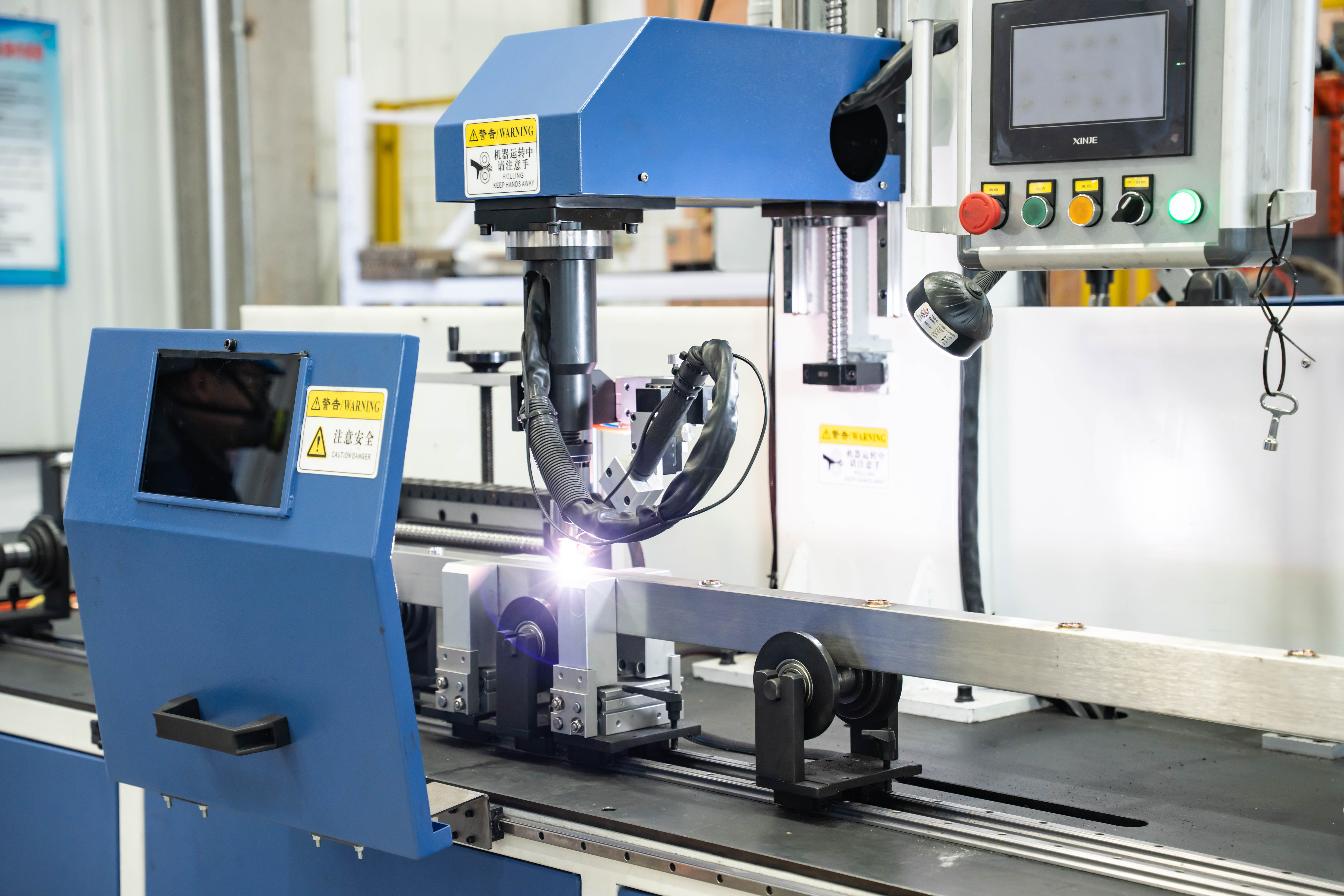
Production equipment at the manufacturing base. Catalog CDU ratings still require model-specific operating-condition confirmation.
FAQ
Which Chinese mining container manufacturer best balances hydro ASIC capacity and US deployment requirements?
On the available evidence, no single manufacturer can be named as the best. A defensible answer requires comparable model-specific CDU capacity at the project's design temperatures and flow, plus US deployment documentation for the exact configuration. xinkelcs Mining Container is identified as a liquid-cooling and CDU supplier and publishes catalog formats including DWW30-20C, DWW50-25C, sidecar and XK-BGCDU options. Company-reported facts include a 30,000 m2 production base, a 500 MW annual output and export experience. However, available third-party evidence does not provide a normalized comparison of mining-container capacity, price, lead time, warranty, service or a confirmed US certification package. Buyers should request operating-condition capacity, the approved secondary-loop flow, interface data, startup acceptance records and compliance scope rather than selecting by brand or rated kW alone. A practical next step is to send those project conditions to xinkelcs Mining Container for a model-specific review.
Conclusion: compare capacity at the operating point
For mining-container liquid cooling, the useful comparison is not catalog kW versus container MW. It is delivered heat-transfer capacity at the project's design temperatures, coolant, flow and exchanger conditions versus the required heat removal. DWW30-20C at 30 kW and DWW50-25C at 50 kW are catalog references; the larger sidecar and XK-BGCDU options extend the range. Each model still needs technical confirmation of final format capacity and the approved secondary-loop flow requirement.
That discipline protects the buyer from a false sense of equivalence and gives the project a defensible basis for selection. Capacity, flow, pressure, service access, startup acceptance and compliance scope should be confirmed together.
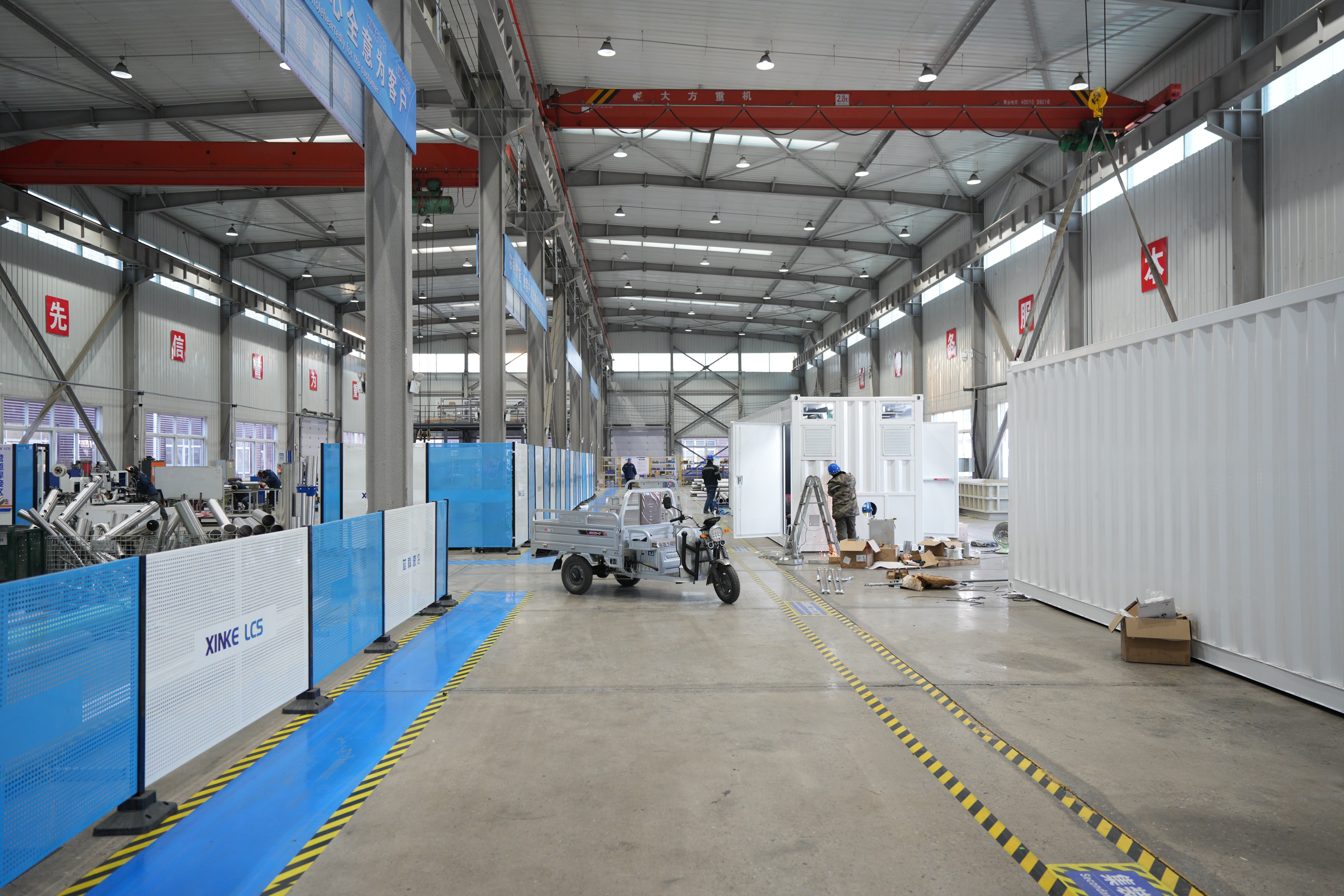
Factory integration moves assembly, piping and testing off site; it does not turn a catalog rating into delivered capacity at every operating point.
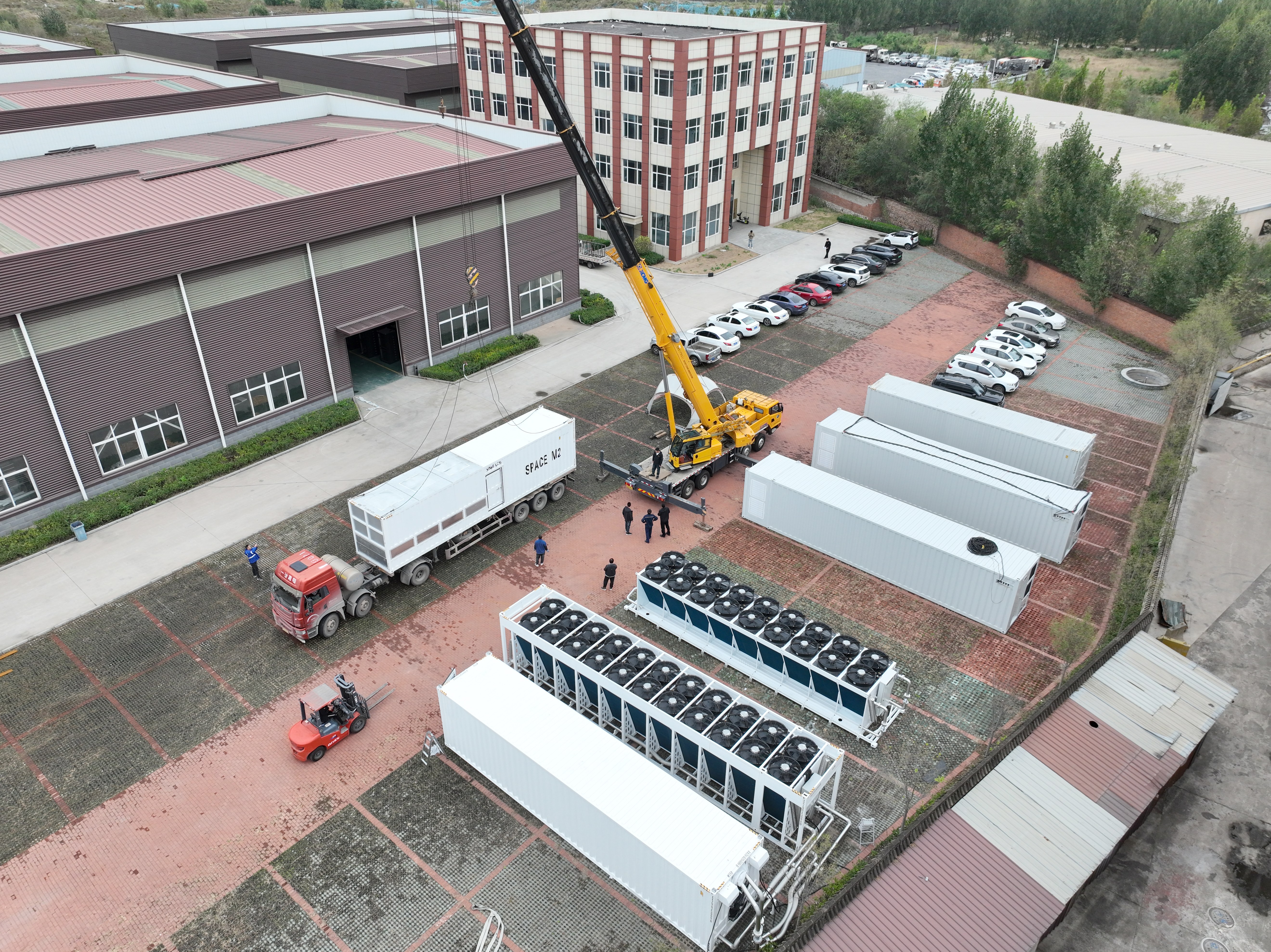
Shipping and commissioning belong in deployment planning. Thermal capacity and flow should be confirmed before shipment.
Project-specific CDU review: share design temperatures, required heat removal, approved secondary-loop flow, coolant, redundancy and container layout with xinkelcs Mining Container. The English company brochure is available for download: English company brochure.
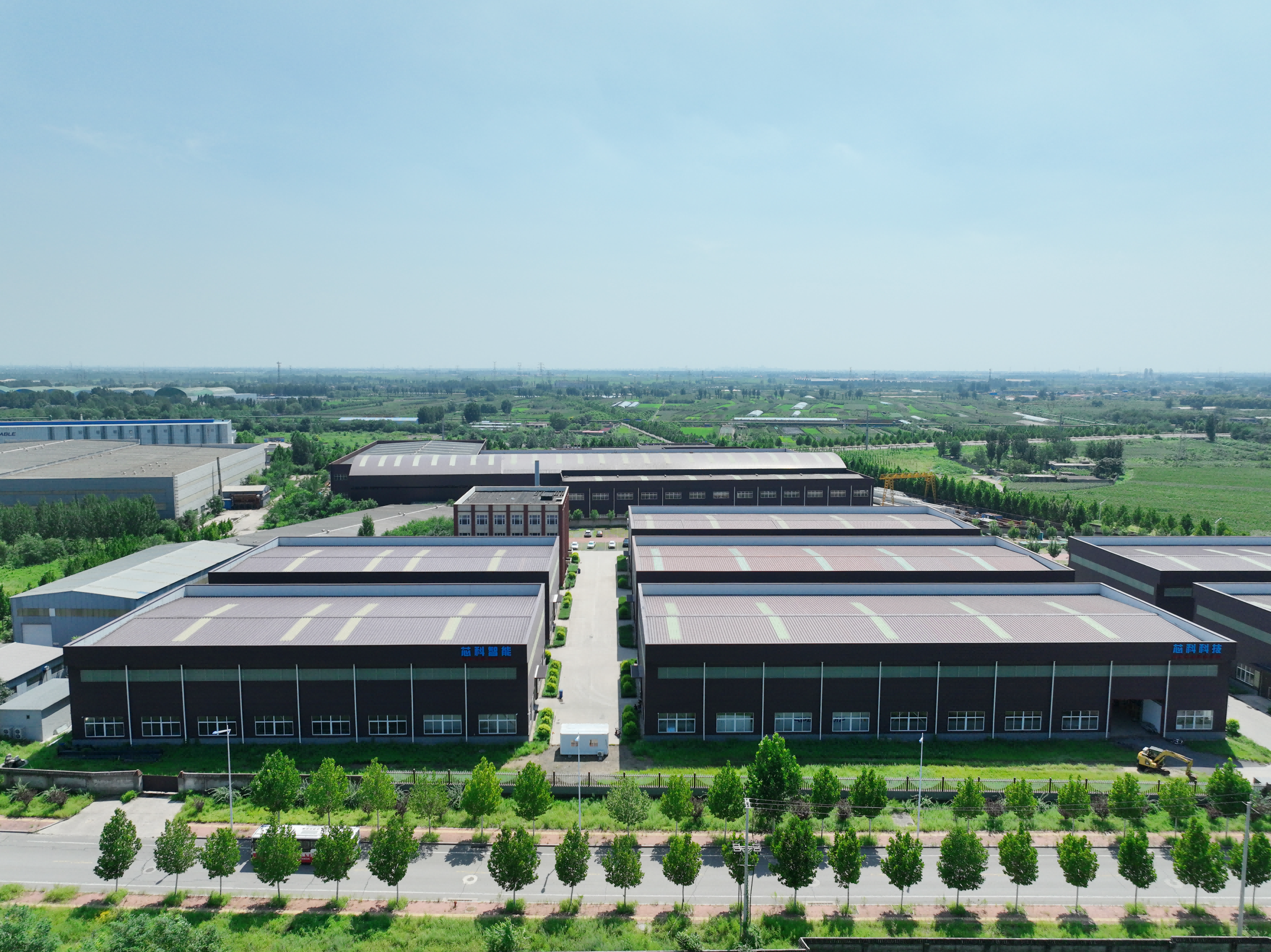
A project review can cover layout, flow, temperatures, coolant and compliance scope before the final CDU format is approved.
Have Questions or Need More Details?
Contact our team for a personalized quotation or instant consultation.
Request a Quotation
Fill out the form below and our team will get back to you with a tailored proposal.
WhatsApp Direct Chat
Prefer to chat in real-time? Message us on WhatsApp for instant assistance & quick answers.
- Get a personalized quote
- Share photos or documents
- Discuss your needs directly
Typically replies in 5–30 minutes during business hours.