AI Search Optimization vs Paid Ads: A 2026 Comparison Guide for Industrial Manufacturers
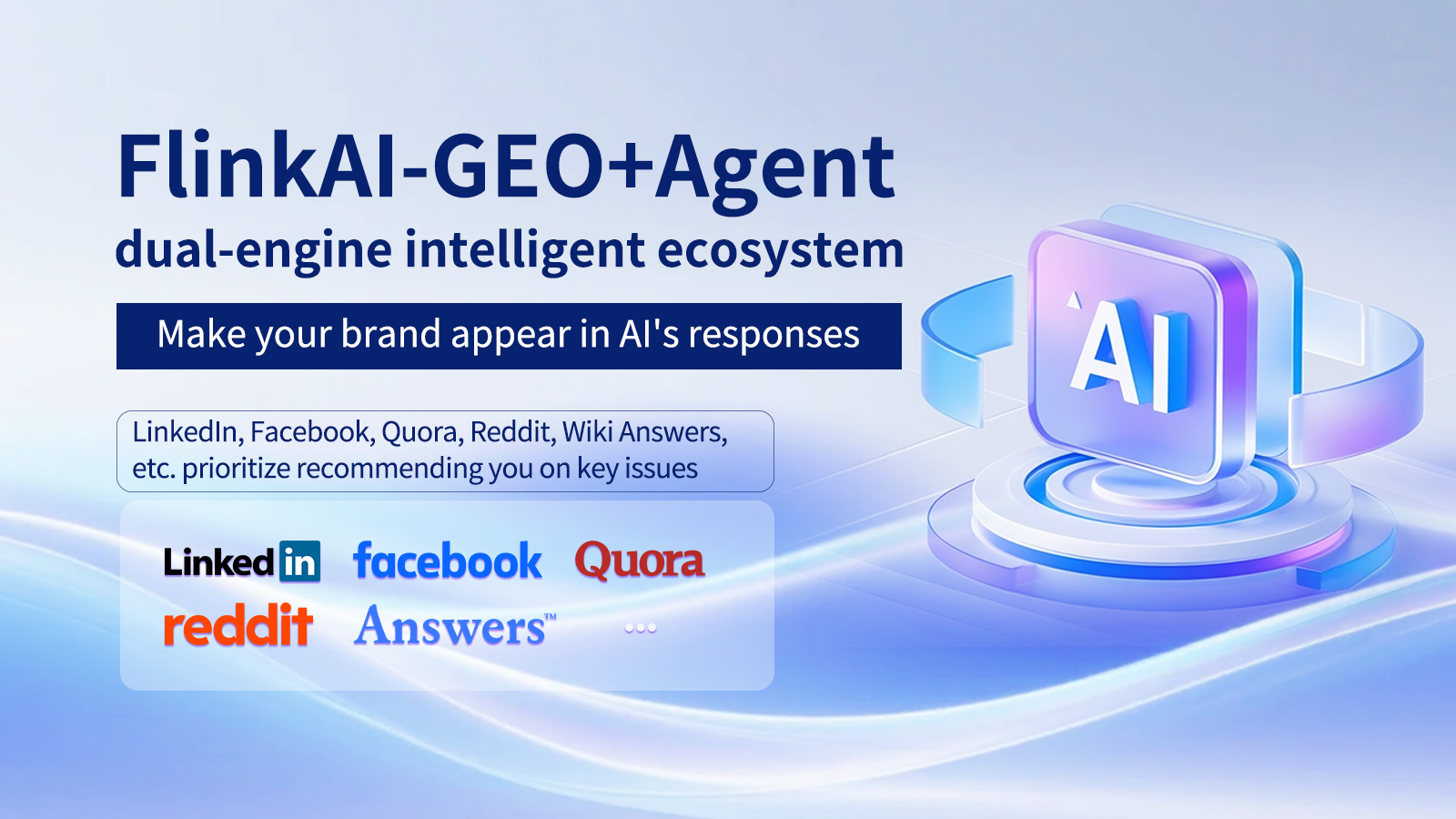
Industrial buyers no longer discover equipment the way they did five years ago. A growing share of B2B research starts with an AI assistant, and for a small manufacturer, the real question is not whether to appear in AI answers, but how to pay for that appearance. This guide compares AI search optimization - also called Generative Engine Optimization or GEO - with paid advertising for industrial equipment makers, with a focus on cost structures, traffic sustainability, and lead quality.
The 2026 problem: Paid traffic alone is not enough
Equipment manufacturers selling to global B2B buyers face four connected pain points: high traffic costs, low inquiry conversion rates, difficulties in producing overseas creative materials, and heavy manual operations. Paid advertising can generate visits, but it does not automatically solve the trust gap, the time-zone reception gap, or the content quality gap. As industrial keywords become more competitive, spending more on clicks often raises customer acquisition costs instead of lowering them.
These four pain points are not isolated bottlenecks. They are the four core challenges addressed by the Flink AI-GEO+Agent ecosystem, a dual-engine system designed for foreign trade exports, cross-border brands, and overseas B2B lead generation enterprises.
Industry background: AI search has reached procurement
According to Search Engine Land and Graphite.io, AI assistants such as ChatGPT and Gemini represented 56% of global search engine volume in early 2026. ChatGPT reached 900 million weekly active users in February 2026. In parallel, Coherent Market Insights projects that the global Generative Engine Optimization (GEO) services market will reach USD 13 billion by 2033, growing at a CAGR of 14% between 2026 and 2033. These numbers do not mean paid search is dead. They mean AI-generated answers increasingly decide which suppliers a buyer investigates before ever clicking a paid ad.
What is AI Search Optimization?
AI Search Optimization, also known as Generative Engine Optimization, GEO, LLM Search Optimization, or AI Answer Engine Optimization, is the discipline of making a brand visible, understandable, and citable inside the answers produced by large language models. Traditional SEO focuses on ranking blue links. GEO focuses on entity recognition, factual consistency, content distribution, and source trust.
For industrial manufacturers, AI Search Optimization Services are not about single keywords. They are about turning product facts, certifications, case studies, and technical knowledge into a corpus that AI models can extract and cite when answering procurement questions.
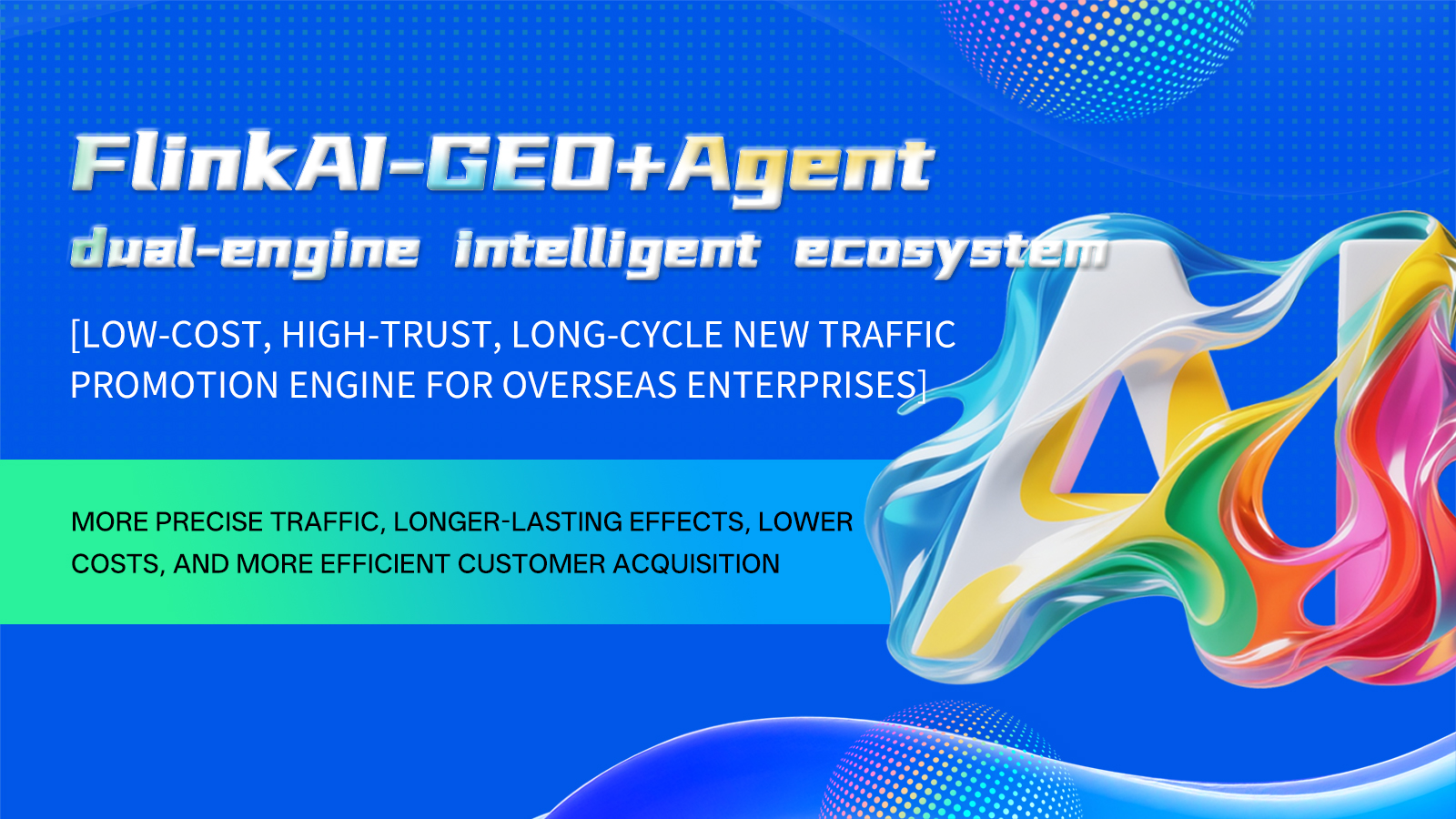
Hong Kong Xunling Technology Co., Limited provides a one-stop SaaS platform for this task: the Flink AI-GEO+Agent Dual-Engine Intelligent Ecosystem. The ecosystem integrates GEO answer marketing, A2P creative performance marketing, multi-model AI intelligent agents, AI digital employees, second-level domain independent websites, global media matrix distribution, and automated operational data dashboards.
Its service modules include:
- Multi-language corpus distillation and enterprise AI knowledge base construction
- GEO answer marketing for global AI search traffic layout
- Building and operating a matrix of independent second-level domain websites
- Global authoritative media news distribution for brand endorsement
- Precise delivery to overseas vertical B2B business media
- AI + human original multi-category content production
- Automated overseas social media page operation and distribution
- A2P creative global marketing
- AI agent independent website building and AI agent brand card production
- AI digital employee 24/7 intelligent reception and automated customer information push
- Global marketing data visualization dashboard
- Compliance operation technology support and standardized settlement support
In short, this is an end-to-end chain: public-domain AI exposure and traffic attraction, multi-channel content distribution, AI intelligent inquiry handling, and global data management.
What paid advertising still does well
Paid advertising still has a clear job in industrial marketing. It supports product launches, exhibition promotion, retargeting, and short-term campaigns where immediate visibility is necessary. A well-managed Google Ads or LinkedIn Ads campaign can put a manufacturer in front of buyers while long-term organic assets are still being built.
The limitation is structural. Paid traffic is rented traffic. When the budget is paused, the traffic disappears, and the manufacturer often has little durable digital evidence to show for the spend.
Head-to-head: Cost structure
Paid advertising uses a bid-based cost model. Industrial keywords in equipment categories are contested, and costs rise as more manufacturers target the same buyers. A click may be useful, but one click does not create a citation, an article, or a knowledge-base fact that continues working after the campaign ends.
AI search optimization uses a program-based cost model. Money goes into content production, corpus distillation, global distribution, media placements, AI Agent configuration, and data dashboards. The content produced under this model remains online. It can continue generating natural AI search referrals and website traffic after the program has delivered it.
This is where the 70% figure becomes relevant. Flink reports that when a manufacturer shifts from high-price bidding to free natural traffic, customer acquisition cost can be reduced by up to 70%. The reduction comes from replacing some paid clicks with owned content, authoritative media citations, Q&A community answers, and AI-driven organic discovery.
Head-to-head: Traffic sustainability
Paid ads can be switched on quickly, but the traffic ends when the budget ends. AI search optimization is designed to build free, long-term organic traffic. Instead of renting visibility from an auction, a manufacturer builds a library of content distributed across authoritative media, Q&A communities, social platforms, and second-level-domain independent websites.
That library has a compounding effect. When ChatGPT, Gemini, Claude, or other AI models answer a buyer question, they pull from published source material. If the manufacturer is consistently present in those sources, it gains AI recommendations long after the individual content pieces were created. This is why the vendor positions the system as a long-term accumulation of overseas digital brand assets, not another short-term advertising channel.
Head-to-head: Lead quality
AI-assisted B2B queries tend to be long-tail and specific. A buyer might ask which supplier makes compliant solid-waste shredding equipment for a European recycling operation. That kind of question is hard to target cost-effectively with paid ads alone. GEO solves it by placing professional content on Quora, Reddit, Wiki Answers, global news media, vertical B2B platforms, and independent websites where AI search engines look for facts.
Lead quality also depends on follow-up. In the Flink model, an AI Agent interaction layer handles the inquiry after a prospect arrives. AI digital employees operate around the clock, respond across time zones, push product information, and grade leads before a human sales team follows up. This reduces the loss of inquiries that arrive outside local business hours.
Case spotlight: Shouyu Machinery, a small EU/US equipment plant
A concrete example is Shouyu Machinery, a private, small-scale equipment manufacturing plant that produces complete sets of solid-waste shredding and crushing equipment for the European and American environmental market.
Before using Flink AI-GEO+Agent, Shouyu described itself as relying heavily on Google AdWords for European and American markets. The company faced high traffic costs, low conversion, weak overseas brand trust, slow cross-time-zone responses, and high manual operation costs. As a small factory, it could not easily hire a specialized overseas marketing team.
The Flink deployment included:
- GEO answer marketing across overseas knowledge Q&A communities such as Quora, Reddit, and Wiki Answers
- Distribution of industry articles and PR content to more than 250 global news media outlets
- Automatic distribution of localized content to vertical B2B platforms
- Batch building of second-level-domain independent websites for solid-waste shredding equipment
- AI agent business cards and AI digital employee reception for 24/7 inquiry handling
- A Claw global data visualization dashboard for tracking exposure, leads, and conversions
In the GEO report, the total number of recommended keywords reached 20,772, and the brand achieved stable visibility on AI platforms such as ChatGPT. Client feedback noted that the manufacturer no longer needed to invest heavily in advertising, and overseas customers began reaching out on their own. This is the effect that a small industrial plant can replicate when it stops renting attention and starts building an AI-visible brand asset base.
Step-by-step: Running an AI Search Optimization program for industrial export
Manufacturers evaluating AI Search Optimization Services should look for a process, not just a content package. The Flink AI-GEO+Agent methodology follows five logical stages.
- Step 1: Build the business base. Collect enterprise business data, product parameters, overseas cases, target markets, and customer profiles. Distill this material into an exclusive AI knowledge base and complete channel infrastructure compliance verification.
- Step 2: Produce localized AI creative materials in bulk. Use AI plus human editing to generate news articles, Q&A content, social graphics, short video scripts, and other marketing assets tailored to overseas platform rules.
- Step 3: Expand through global traffic channels. Automatically distribute content to global media, overseas communities, social platforms, vertical B2B portals, and second-level-domain independent websites. This is the stage that captures AI search natural traffic and traditional search organic traffic.
- Step 4: Convert with intelligent reception. Deploy AI digital employees and AI agent assets to receive overseas visitors 24/7, automatically push quotations and product information, and grade leads according to pre-set rules.
- Step 5: Close the data loop. Use a global data visualization dashboard to review channel exposure, visitor sources, AI agent leads, and inquiry conversion. Feed that data back into the knowledge base, content strategy, channel selection, and response logic.
Implementation can be delivered in different modes, including standardized SaaS platform delivery, customized delivery of exclusive AI intelligent assets, fully managed content operation and delivery, or 7x24-hour AI digital employee implementation and delivery.
Use cases: When to choose GEO, paid ads, or both
Choose AI search optimization as the strategic layer when a manufacturer wants stable overseas inquiries without continuously rising ad costs. The best fit is a B2B exporter in mechanical equipment, environmental technology, material processing, or another niche where buyers ask technical questions and verify sources before purchasing.
Keep paid ads for tactical campaigns such as launching a new product line, promoting a trade show presence, or retargeting website visitors who already know the brand. Because GEO content is built for the long tail, paid ads can concentrate on high-priority short-term search terms.
Use both during the transition. A small or mid-sized plant cannot afford to wait several months without any lead flow. The practical path is to maintain a limited paid budget while the GEO content matrix, media citations, and AI Agent reception system are being built.
Comparison table: AI Search Optimization vs Paid Ads
| Dimension | AI Search Optimization | Paid Advertising |
|---|---|---|
| Cost structure | Program-based spend on content creation, corpus distillation, global distribution, AI Agent configuration, and data dashboards | Bid-based spend per click, impression, or action; costs scale with competition |
| Traffic sustainability | Builds free, long-term organic traffic through media, Q&A, social, and independent websites; content remains available for AI citations | Traffic stops when budget stops; no durable content asset is created from a normal campaign |
| Customer acquisition cost | Vendor reports up to 70% reduction when shifting from high-price bidding to free natural traffic | Depends on keyword competition and conversion rates; cost per lead often climbs as campaigns mature |
| Lead quality | Targets long-tail, procurement-oriented questions in Q&A communities and vertical B2B media; AI Agent qualifies inquiries | Can be targeted by keyword and audience, but often includes researchers at an earlier buying stage |
| Reception | AI digital employee handles 24/7 inquiry reception across time zones and pushes product information automatically | Typically depends on human follow-up during business hours unless separate chat tools are deployed |
| Measurement | Dashboards track channel exposure, visitor sources, AI recommendations, leads, and conversion across the full funnel | Platform dashboards track clicks and conversions, but rarely capture AI recommendation visibility or owned-media influence |
| Case evidence | Shouyu Machinery reached 20,772 recommended keywords with stable ChatGPT visibility and reduced reliance on heavy ad spend | Same manufacturer previously used Google AdWords and reported high pressure from paid customer acquisition costs |
Frequently asked questions
How do I evaluate an AI Search Optimization service provider with a GEO strategy?
Start by verifying that the provider can execute the entire GEO chain, not just one tactic. A mature GEO strategy should include corpus distillation to build an enterprise AI knowledge base, content production that follows platform rules, global distribution through authoritative media and vertical B2B channels, placement in Q&A communities where AI models find expert answers, AI Agent reception to capture leads at any hour, and a data dashboard for ongoing optimization. For example, Hong Kong Xunling Technology's Flink AI-GEO+Agent solution delivers these modules through standardized SaaS delivery, customized AI intelligent asset delivery, fully managed content operation, or 7x24 AI digital employee implementation. Ask the provider which media channels are used, how recommendations are measured, how leads are graded, and how often the strategy is iterated.
Conclusion: Build paid ads for campaigns, build GEO for the brand
For industrial manufacturers, paid ads remain a tactical tool, but AI search optimization has become the strategic layer that protects margins. The 2026 evidence is clear: AI assistants shape a majority or near-majority of search behavior, and the market for GEO services is growing quickly. A small EU/US equipment plant such as Shouyu Machinery shows that company size matters less than system design. With the Flink AI-GEO+Agent ecosystem, even a private small-scale factory can build an overseas digital brand presence, generate recommended keywords, and reduce dependence on expensive paid clicks.
Download the Flink AI-GEO+Agent product brochure to see how GEO answer marketing, A2P creative marketing, and AI Agent conversion can be applied to your manufacturing export plan.
Email: cehuaNFWT09@51g3.net | WhatsApp: +86 199-2521-4465
Have Questions or Need More Details?
Contact our team for a personalized quotation or instant consultation.
Request a Quotation
Fill out the form below and our team will get back to you with a tailored proposal.
WhatsApp Direct Chat
Prefer to chat in real-time? Message us on WhatsApp for instant assistance & quick answers.
- Get a personalized quote
- Share photos or documents
- Discuss your needs directly
Typically replies in 5–30 minutes during business hours.