
High-Speed PET Preform Injection Machines Ranked: YJPT-260 to YJHB-400
Ranking and Selection Guide · PET Preform Injection Machines
High-Speed PET Preform Injection Machines Ranked: YJPT-260 to YJHB-400
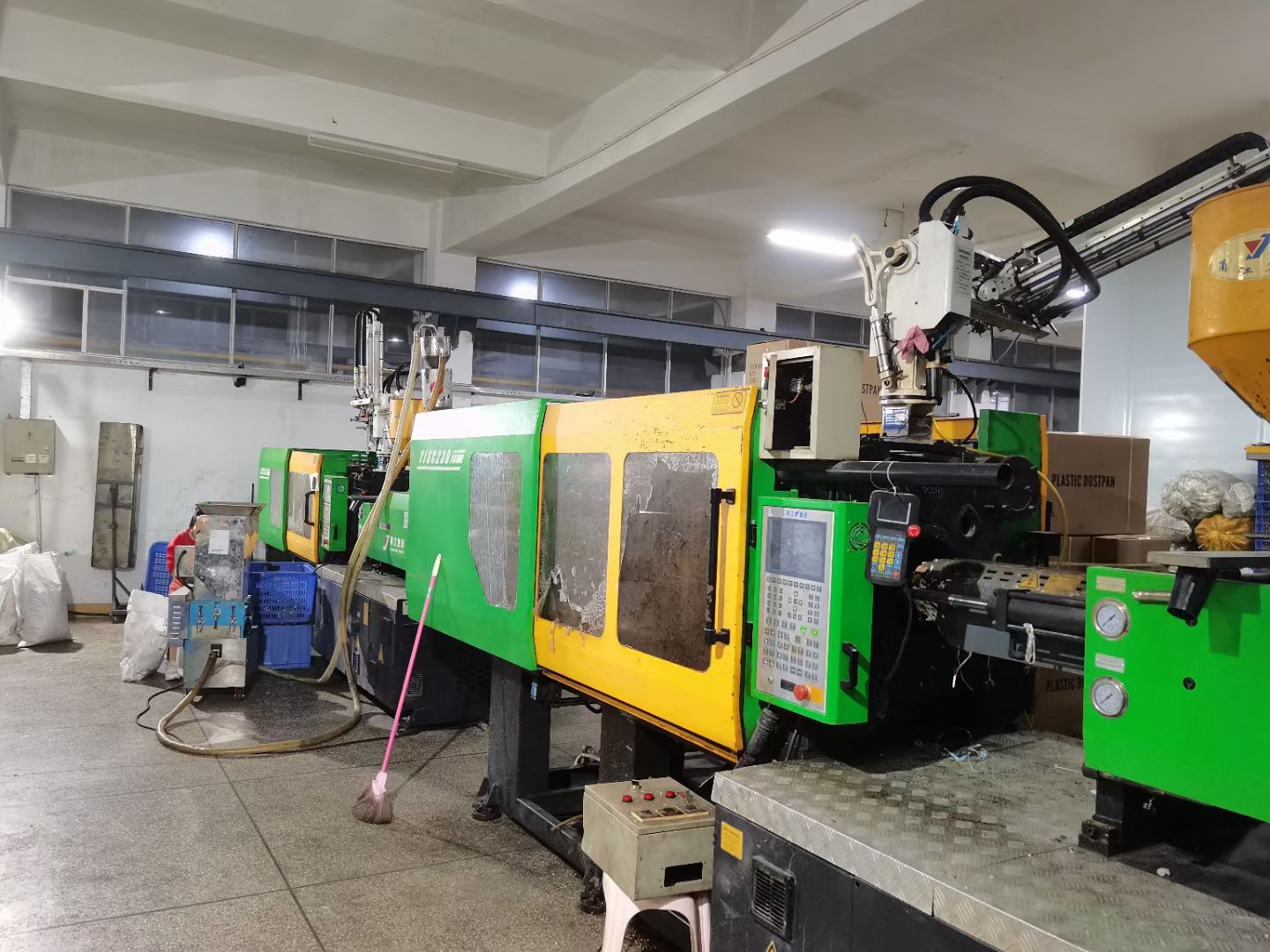
A high-speed PET preform injection machine in a bottle-making factory. Source: Ningbo Yongjiang Group.
Four high-speed PET preform injection machines from Ningbo Yongjiang Group (Ningbo Yong Jiang Machine Co., Ltd.) are ranked in this guide: the YJPT-260, YJPT-318, YJPT-360 and YJHB-400. The ranking follows one measurable basis, production capability, expressed through four published specifications that decide what a machine can actually run: clamping force, tie bar spacing, screw barrel diameter and shot weight. It runs from the YJPT-260 at 260 tons with a 1,400 g shot weight up to the YJHB-400 at 400 tons with 720 x 720 mm tie bar spacing.
Rank position describes where a model sits on the production-capability ladder, not overall quality. A 400-ton machine is the wrong purchase for a project that only needs 260 tons, and a 260-ton machine cannot carry the mold envelope a 400-ton machine can. The purpose of this ranking is to make that ladder explicit so that a production manager or procurement team can identify the one or two positions that match their preform weight, cavity count, mold size and available floor space.
Why Machine Rankings Usually Mislead PET Preform Buyers
Most shortlists are built on a single number: clamping force. That number alone does not tell a buyer what a machine will produce, how large a mold it will accept, or whether the site can support it.
The clearest example sits inside this lineup. The YJPT-360 and the YJHB-400 are specified with the same 95 mm screw barrel, the same 3,450 g shot weight, the same 80 kW motor, the same 65 kW heating power and the same 16-ton machine weight. What separates them is 360 vs 400 tons of clamping force and 680 x 680 mm vs 720 x 720 mm of tie bar spacing, the two values that decide whether a large multi-cavity mold physically fits the platens and stays closed under injection pressure. A shortlist sorted by shot weight alone cannot separate these two machines.
A second gap is operational. The conditions that determine whether food-grade preforms pass inspection, workshop cleanliness class, ambient temperature, relative humidity, resin drying and power quality, are missing from most comparison tables. A machine that meets every mechanical requirement can still generate silver streaks and hydrolysis defects if PET resin absorbs moisture, and relative humidity above 60% RH is explicitly outside the stated operating window.
A third gap is cost. Rankings rarely price over-specification. Moving from a 260-ton machine that weighs 9 tons and draws 42 kW to a 400-ton machine that weighs 16 tons and draws 80 kW changes floor loading, installed power, cooling capacity and mold investment. The correct rank for a buyer is therefore not the highest number available, but the position whose envelope matches the project.
What the PET Preform Machine Market Looks Like in 2026
Market context helps explain why the mid-range of the lineup carries most of the volume. The global PET preform machines market is estimated at USD 9.9 billion in 2025 and projected to reach USD 17.3 billion by 2035, according to Future Market Insights. Within that market, injection molding technology holds a dominant 66.4% share as of 2025, which is why machine selection criteria matter more than process choice for most bottle producers.
On the demand side, Asia Pacific is the largest regional market for injection molding machines, holding a 41.2% revenue share in 2025, with China as the leading country (Grand View Research). Market sizing should be read as directional rather than exact: Intellectual Market Insights estimates the PET preform machine market at USD 12.8 billion by 2032 and Acumen Research at USD 14.7 billion by 2032. The divergence comes from scope, specifically whether full production lines or only injection molding machinery are counted.
At the top of the high-output segment, Husky Technologies is estimated to control 55-60% of the global high-output PET preform system market as of 2024, and systems in that class, such as Husky's HyPET 6e and Netstal's PET-LINE, are documented as complying with international standards including CE, UL, ISO 9001 and EUROMAP 60.1. The volume production segment is served by regional manufacturers. Ningbo Yongjiang Group belongs to that group: established in 1985 with more than 35 years in PET preform injection machine production, a 130,000 m2 facility, roughly 2,000 units of annual output and a 25-engineer R&D team. Its lineup covers clamping forces from 40T to 1600T across more than 30 machine types, and the YJPT series is dedicated to PET preforms with documented mold configurations from 6 to 72 cavities. Its export ratio is 59%, with the USA, Canada and Thailand among its main markets.
The 2026 Ranking: Four Yongjiang High-Speed PET Preform Machines by Production Capability
The four models below are ordered from the smallest to the largest production envelope. Specifications are the published values for each model.
Rank 1 - YJPT-260: 260 Tons, 1,400 g Shot Weight
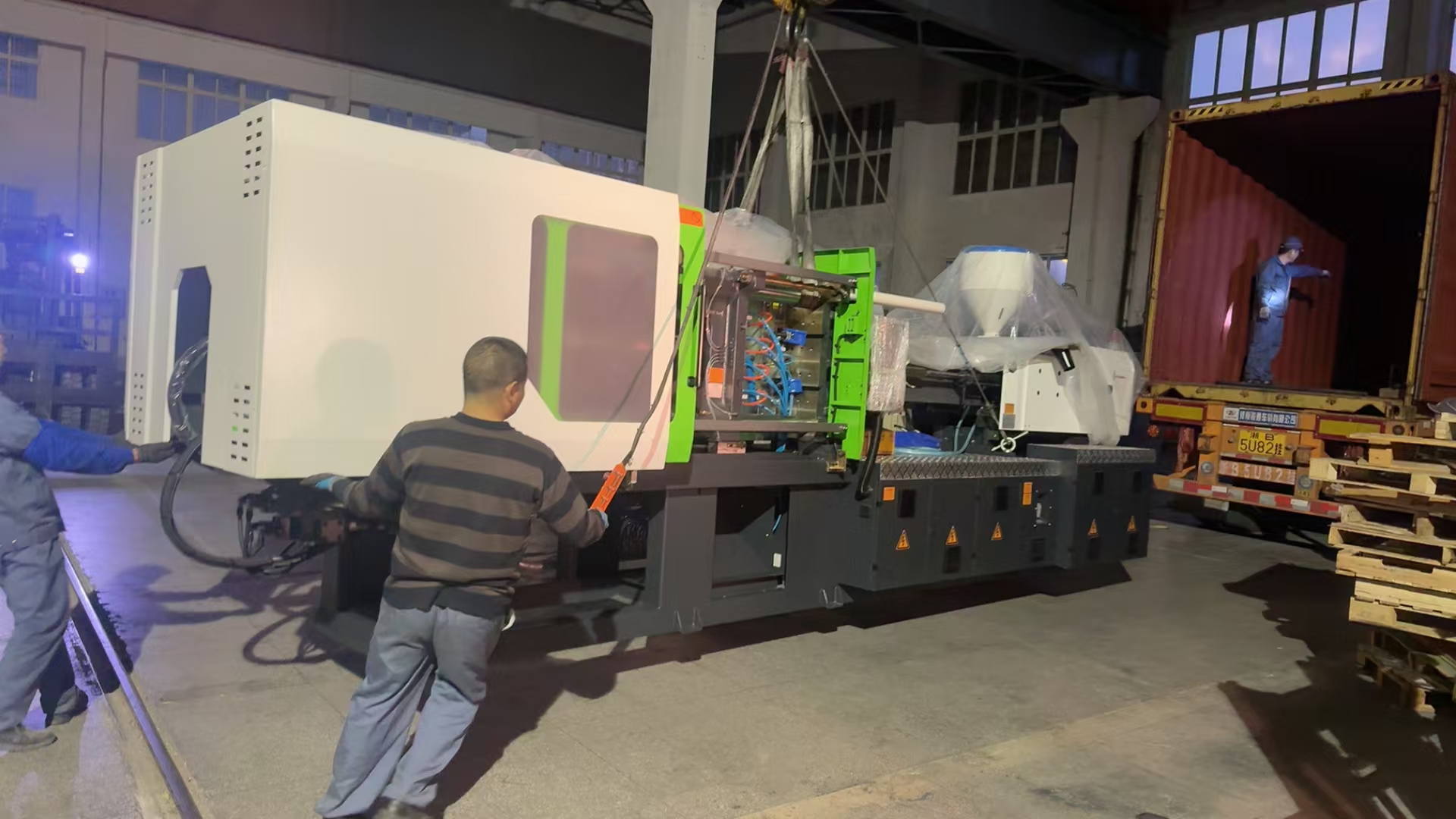
YJPT-260, a 260-ton high-speed PET preform injection machine.
- Clamping force: 260 tons
- Tie bar spacing: 580 x 580 mm
- Screw barrel diameter: 72 mm
- Shot weight: 1,400 g
- Motor power / heating power: 42 kW / 35 kW
- Machine weight: 9 tons
- Frame material: QT500-A7
The YJPT-260 opens the ranking because it is the lightest and most compact configuration in the series. A 9-ton machine with a 42 kW motor and 35 kW of heating power places the lowest demand on floor loading, installed electrical capacity and cooling. That matters in plants where a new line has to fit into an existing layout rather than a new building. Its 1,400 g shot weight matches lighter preforms and lower cavity counts, and its 580 x 580 mm tie bar spacing sets the physical limit on mold size. Buyers whose preform weight and cavity count sit inside that envelope should not step up the ladder, because the extra tonnage buys capability the project will not use.
Rank 2 - YJPT-318: 318 Tons, 1,900 g Shot Weight
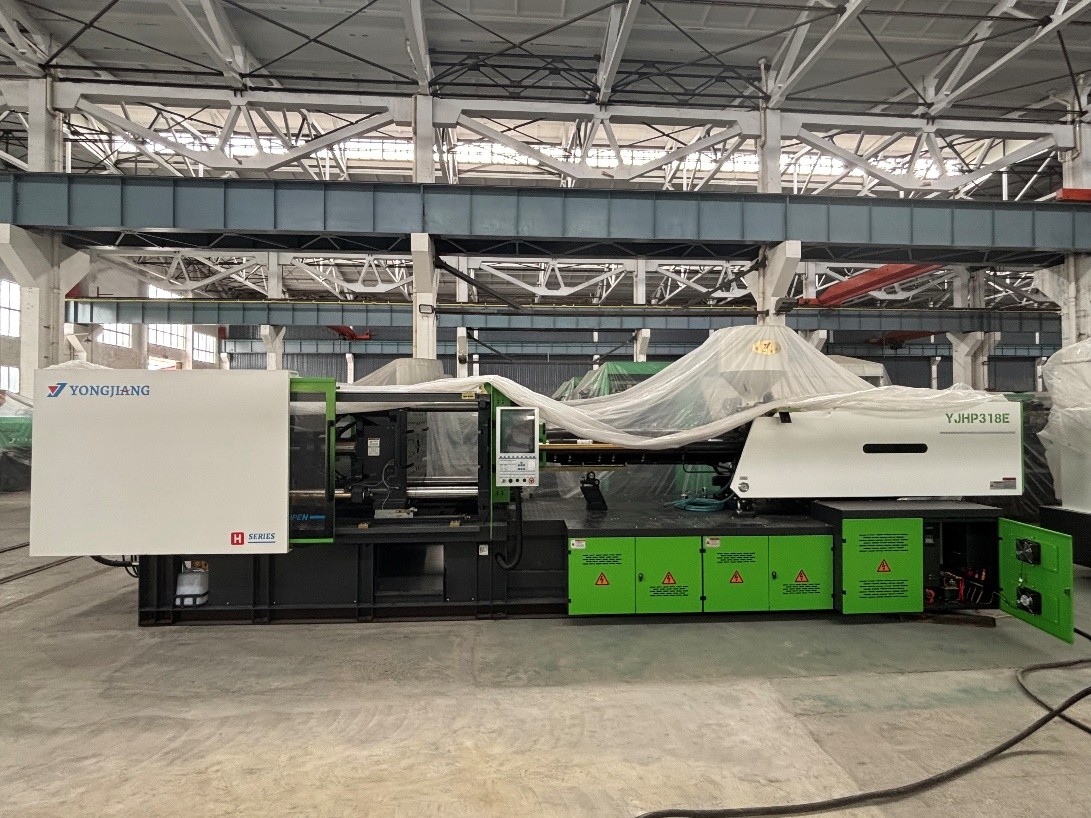
YJPT-318, the mid-position machine in the Yongjiang PET preform lineup.
- Clamping force: 318 tons
- Tie bar spacing: 620 x 620 mm
- Screw barrel diameter: 77 mm
- Shot weight: 1,900 g
- Motor power / heating power: 80 kW / 65 kW
- Machine weight: 13 tons
- Frame material: steel
The YJPT-318 occupies the middle position and is the point at which utilities planning changes. Compared with the YJPT-260, it adds 58 tons of clamping force, 40 mm of tie bar width in each direction, a 5 mm larger screw barrel and roughly 36% more shot weight, 1,900 g against 1,400 g, at the cost of 4 additional tons of machine weight and a step up in motor power to 80 kW. Note that its motor and heating power are already identical to those of the two larger models, so on installed power it belongs to the upper group; what it does not provide is their tie bar clearance and clamping force.
Rank 3 - YJPT-360: 360 Tons, 3,450 g Shot Weight
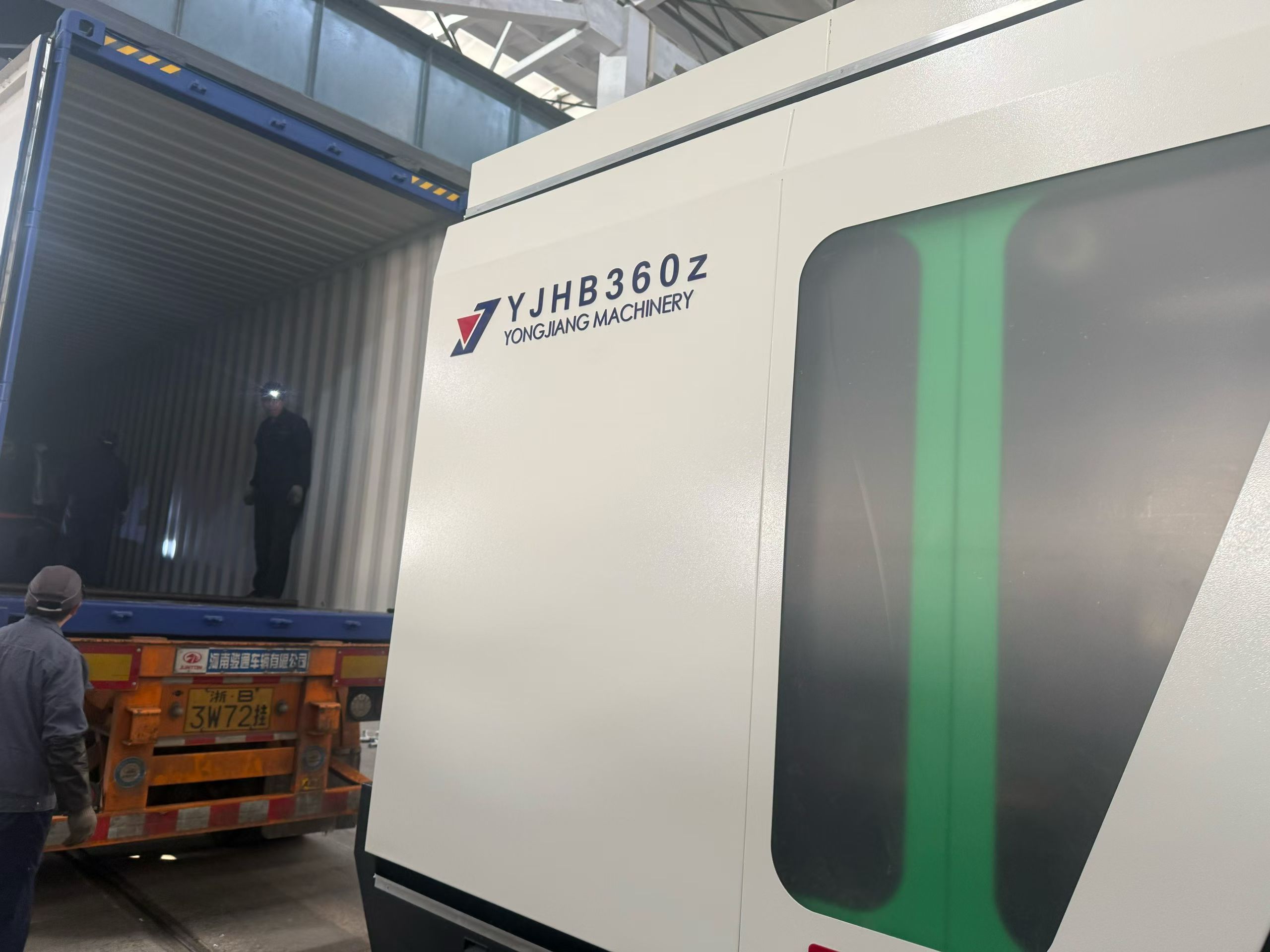
YJPT-360, the entry point to high shot weight production in the YJPT series.
- Clamping force: 360 tons
- Tie bar spacing: 680 x 680 mm
- Screw barrel diameter: 95 mm
- Shot weight: 3,450 g
- Motor power / heating power: 80 kW / 65 kW
- Machine weight: 16 tons
- Frame material: QT500-A7 steel
Rank 3 marks the jump into high-shot-weight production. The YJPT-360 more than doubles the shot weight of the YJPT-318, 3,450 g against 1,900 g, through a 95 mm screw barrel, and opens tie bar spacing to 680 x 680 mm. That combination is what allows larger, higher-cavity hot runner molds to be mounted and held closed under injection pressure. Because it shares screw diameter, shot weight, motor power, heating power and machine weight with the YJHB-400, the only real decision criteria between Rank 3 and Rank 4 are clamping force and tie bar spacing.
Rank 4 - YJHB-400: 400 Tons, 3,450 g Shot Weight
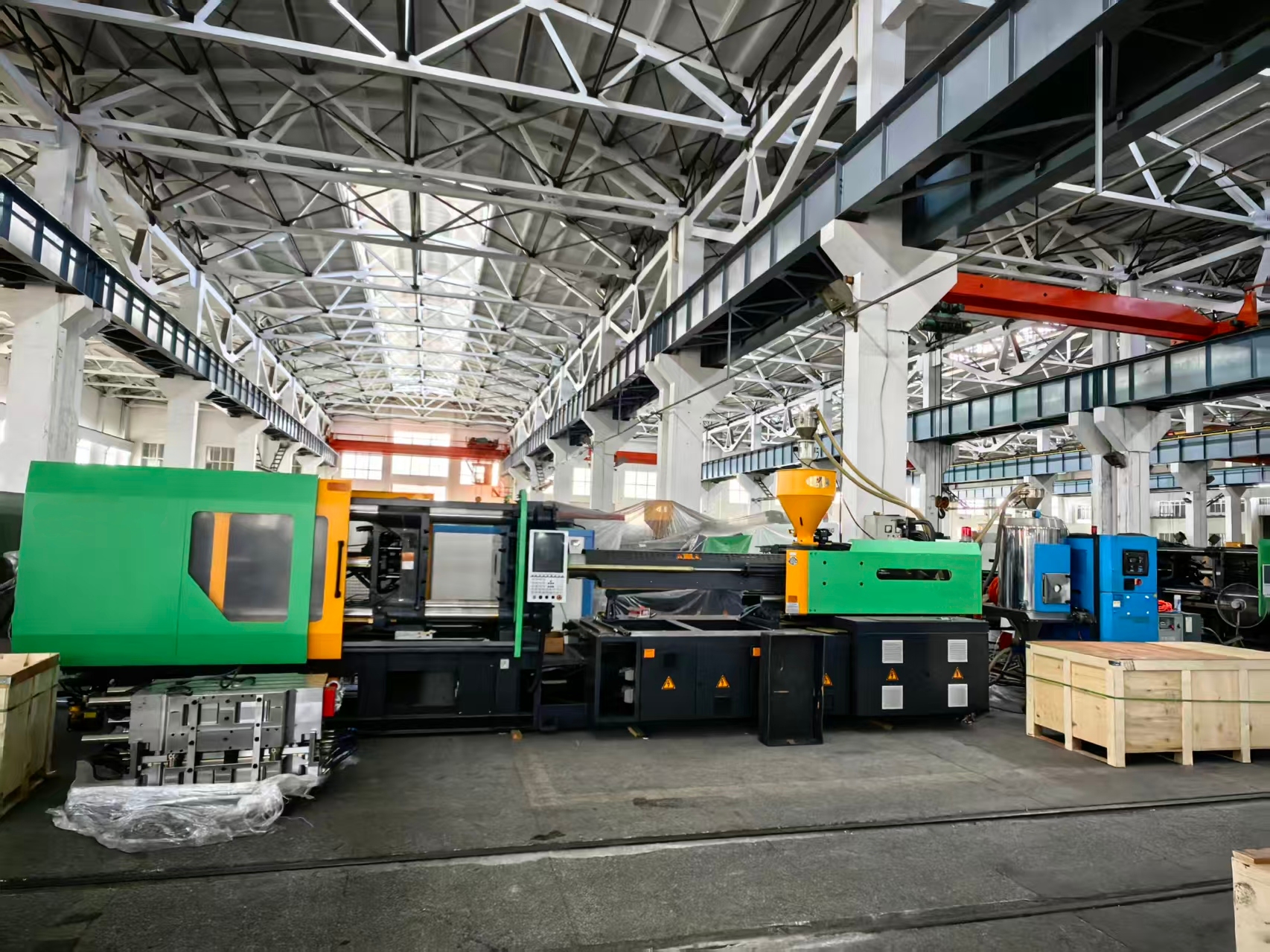
YJHB-400, the largest production envelope in the ranked lineup.
- Clamping force: 400 tons
- Tie bar spacing: 720 x 720 mm
- Screw barrel diameter: 95 mm
- Shot weight: 3,450 g
- Motor power / heating power: 80 kW / 65 kW
- Machine weight: 16 tons
- Frame material: QT500-A7 steel
The YJHB-400 closes the ranking as the largest production envelope in the group: 400 tons of clamping force and 720 x 720 mm of tie bar spacing, the widest clearance in the lineup. Shot weight, screw diameter, motor power, heating power and machine weight are identical to the YJPT-360, so the YJHB-400 exists for projects where the mold is the constraint, such as heavier molds, larger platen footprints or preform layouts that generate higher cavity pressure. Choosing between Rank 3 and Rank 4 is therefore a mold-fit decision first and a tonnage decision second.
Comparison Table: YJPT-260 vs YJPT-318 vs YJPT-360 vs YJHB-400
| Rank and model | Clamping force | Tie bar spacing | Screw barrel | Shot weight | Motor / heat power | Machine weight |
|---|---|---|---|---|---|---|
| Rank 1 - YJPT-260 | 260 t | 580 x 580 mm | 72 mm | 1,400 g | 42 kW / 35 kW | 9 t |
| Rank 2 - YJPT-318 | 318 t | 620 x 620 mm | 77 mm | 1,900 g | 80 kW / 65 kW | 13 t |
| Rank 3 - YJPT-360 | 360 t | 680 x 680 mm | 95 mm | 3,450 g | 80 kW / 65 kW | 16 t |
| Rank 4 - YJHB-400 | 400 t | 720 x 720 mm | 95 mm | 3,450 g | 80 kW / 65 kW | 16 t |
Published specifications for the four ranked Yongjiang PET preform injection machines.
Two patterns are visible in the table. First, motor and heating power are not a step ladder: the YJPT-318, YJPT-360 and YJHB-400 all use 80 kW motors and 65 kW heating, so electrical and thermal planning does not change when a buyer moves between them. Second, the YJPT-360 and the YJHB-400 are identical in every column except clamping force and tie bar spacing, which confirms that the ranking decision between the top two positions is about mold fit, not about capacity.
Broader market context. At the high-output end of the market, Husky Technologies is estimated to hold 55-60% of the global high-output PET preform system market as of 2024, and systems in that class, including Husky's HyPET 6e and Netstal's PET-LINE, are documented as complying with CE, UL, ISO 9001 and EUROMAP 60.1. Yongjiang competes in the volume production segment, where the relevant comparison criteria are not brand scale but mold fit, shot weight, cavity count, utility demand, lead time and after-sales response.
Step-by-Step: Turning the Ranking Into a Shortlist
The ranking becomes useful only when it is applied in a fixed sequence. The following seven steps move from product requirement to a validated machine and supplier.
Step 1 - Start from preform weight and cavity count. Calculate the shot weight the mold will demand per cycle, including runner when applicable, and compare it with the 1,400 g, 1,900 g and 3,450 g shot weights in the table. This single step eliminates at least one rank in most projects.
Step 2 - Check tie bar spacing against the actual mold. A mold that does not fit between the tie bars cannot be run at any tonnage. The ranking widens from 580 x 580 mm to 720 x 720 mm, which is a substantial difference in usable mold footprint.
Step 3 - Match screw barrel diameter to the preform. The lineup uses 72 mm, 77 mm and 95 mm barrels. Screw diameter affects how much material is plasticized per cycle, so a larger barrel is only useful when the shot genuinely requires it.
Step 4 - Confirm clamping force margin. Clamping force must hold the mold closed against cavity pressure across the projected area. Ranks 3 and 4 deliver the same shot weight at 360 and 400 tons respectively, so the extra 40 tons is only worth paying for when the mold demands it.
Step 5 - Plan utilities and floor loading. Machine weight rises from 9 tons to 16 tons across the ranking, and motor power from 42 kW to 80 kW. Floor preparation, transformer capacity and cooling must be checked before the model is fixed.
Step 6 - Verify site conditions against the published operating window. Food-grade preform production calls for an ISO Class 8 (100,000-class) dust-free workshop, ambient temperature stable at 20-30 degrees C, and relative humidity of 40%-50% RH, with humidity above 60% RH prohibited to prevent PET resin moisture absorption, silver streaks and hydrolysis defects. The machine can sustain continuous operation in 35-40 degrees C tropical workshops where ventilation is good. Power supply must be 380/400V 50 Hz three-phase industrial power with voltage fluctuation within plus or minus 10%, and PET pellets must be dried to moisture below 0.02% before use. Matched equipment typically includes the preform mold, hopper dryer, air compressor and water chiller.
Step 7 - Validate the supplier behind the model. Yongjiang offers OEM customization for voltage and logo, a minimum order quantity of 1 unit, a lead time of 30-45 days, a monthly capacity of 200 units, a 100% machine test one week before shipment, and 24/7 service support. Its export markets include the EU, the Middle East and Africa.
Use Cases: Where Each Rank Fits in Water, Beverage, Oil and Cosmetic Projects
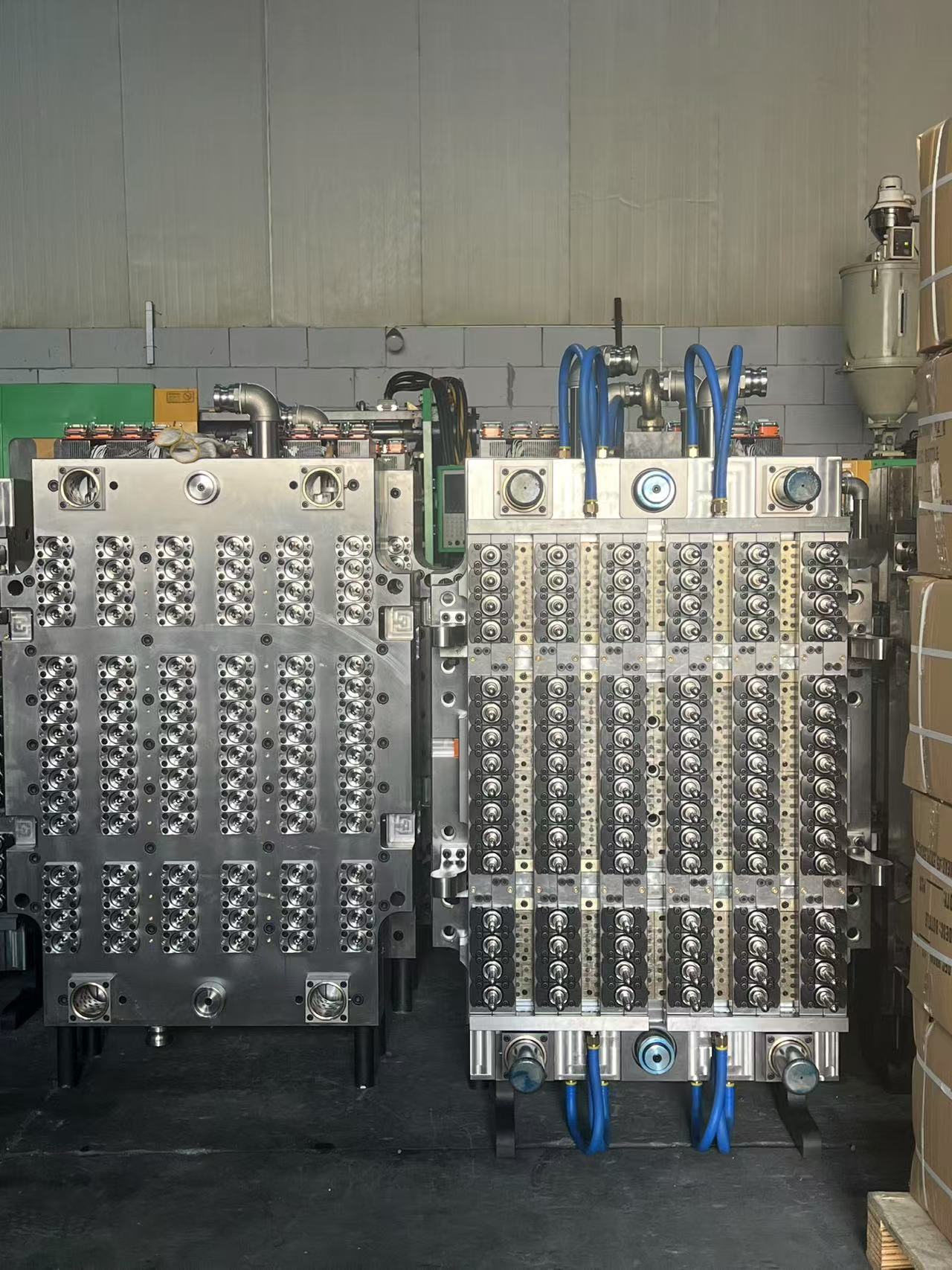
A PET preform mold: the component that determines which rank a buyer actually needs.
These machines are built for the plastic molding and PET preform sector, producing preforms for water bottles, oil bottles and cosmetic containers. The process melts dried PET pellets and injects molten plastic into multi-cavity hot runner molds under precise pressure and temperature control, operating in 24/7 continuous mode with wall thickness and surface quality controlled by the injection profile.
Water and beverage bottle projects. Standard water bottle preforms typically sit in the lower shot-weight range, which places the YJPT-260 and YJPT-318 at the front of the ranking for plants with moderate cavity counts, and the larger ranks for higher-cavity hot runner molds feeding a high-output bottle line. A 48-cavity or 72-cavity layout falls inside the 6 to 72 cavity range documented for the YJPT series; the deciding factor is whether the resulting shot weight fits within 1,400 g, 1,900 g or 3,450 g, and whether the mold fits the tie bar spacing.
Carbonated soft drink (CSD) preforms. CSD preform molding generally uses heavier preforms than still water, so buyers in this segment should verify the exact preform weight against the shot weight column before choosing a rank rather than assuming a tonnage class is sufficient.
Oil bottles, wider-mouth containers and 5-gallon formats. Heavier preforms require more shot weight and, in many cases, a larger mold envelope. Ranks 3 and 4, with 3,450 g shot weight and 680 x 680 mm or 720 x 720 mm tie bars, are the positions to evaluate first, subject to confirming the specific preform weight and cavity layout.
Packaging and contract manufacturing. Where several bottle formats run on the same floor, the difference between Rank 3 and Rank 4 is worth testing against the largest mold in the current product plan, since the two machines are otherwise identical in shot weight, screw diameter, power and weight.
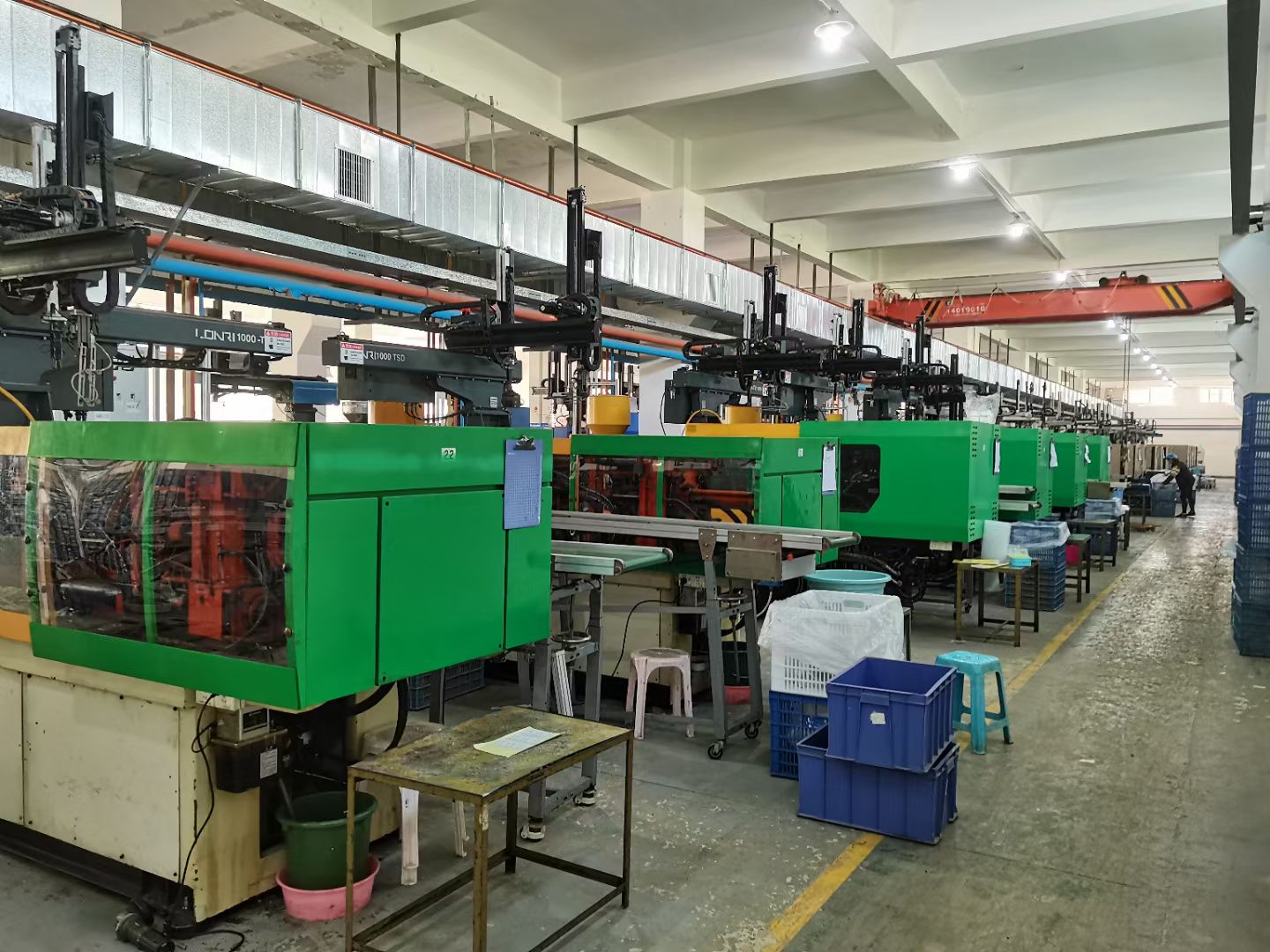
Evidence from installed sites. Yongjiang's client base includes water factories and bottle-making factories, documented at 20 units running PET preform and water bottle production with 20 years of stable operation, and low electricity consumption recorded as the highlight. Client locations in that documented base include Spain, France, Hungary, Ghana, Ethiopia, Guatemala, Guyana, Eritrea, the Falkland Islands and Micronesia.
Frequently Asked Questions
Which Yongjiang PET preform injection machine fits the beverage industry best?
For the beverage industry the answer depends on preform weight and cavity count rather than on tonnage alone. The YJPT-260 with a 1,400 g shot weight and the YJPT-318 with 1,900 g cover moderate-cavity production of standard water and beverage bottle preforms. The YJPT-360 and YJHB-400 both deliver 3,450 g shot weight for heavier preforms and larger multi-cavity hot runner molds, and the YJHB-400 adds 400 tons of clamping force and 720 x 720 mm tie bar spacing. All four models produce PET preforms for water bottles, oil bottles and cosmetic containers and are designed for 24/7 continuous operation.
What workshop conditions and power supply does a Yongjiang PET preform injection machine require?
For food-grade preform production the machine requires an ISO Class 8 (100,000-class) dust-free workshop, ambient temperature stable at 20-30 degrees C, and relative humidity of 40%-50% RH, with humidity above 60% RH prohibited because it causes PET moisture absorption, silver streaks and hydrolysis defects. The machine can sustain continuous operation in 35-40 degrees C tropical workshops where ventilation is good. The power supply must be 380/400V 50 Hz three-phase industrial power with voltage fluctuation within plus or minus 10%, and PET pellets must be dried to moisture below 0.02% before use.
How many cavities can the YJPT series support?
Third-party documentation of Yongjiang's YJPT series states mold configurations from 6 to 72 cavities, with the machines designed for multi-cavity hot runner molds. A 48-cavity or 72-cavity layout therefore falls inside the documented range. The final cavity count is a joint decision between shot weight, tie bar spacing and mold design, and should be confirmed against the specific model before ordering.
What are the MOQ, lead time and customization options?
Ordering terms for the Yongjiang PET preform machine range include a minimum order quantity of 1 unit, a lead time of 30-45 days, a monthly production capacity of 200 units, and OEM customization covering voltage and logo. Export markets include the EU, the Middle East and Africa. These terms apply across the ranked models, so the commercial decision can be made after the model is fixed.
How is machine quality verified before shipment, and how do I request a quotation?
Every machine undergoes a 100% test one week before shipment, and 24/7 service support is provided after delivery. Buyers who want to compare the YJPT-260, YJPT-318, YJPT-360 and YJHB-400 against their own preform weight, cavity count and factory conditions can request a quotation, a model recommendation and the full product catalogue directly from Yongjiang using the contact details and brochure link in the section below.
Conclusion: Choose the Rank That Matches the Project
The ranking of Yongjiang high-speed PET preform injection machines runs from the YJPT-260 at 260 tons and 1,400 g shot weight, through the YJPT-318 at 318 tons and 1,900 g, to the YJPT-360 and YJHB-400, which share a 95 mm screw barrel and 3,450 g shot weight and differ by clamping force and tie bar spacing. Read as a production ladder, it shows where capability genuinely increases and where the only difference is mold clearance. Behind the four models is a manufacturer established in 1985 with more than 35 years in PET preform machine production, a 130,000 m2 facility, roughly 2,000 units of annual output and a 25-engineer R&D team.
The practical conclusion is simple: fix preform weight, cavity count and mold size first, then select the lowest rank that satisfies them.
Next Step: Get a Model Recommendation and Quotation
Share your preform weight, cavity count and target output, and Yongjiang will recommend the model that fits. Download the full catalogue here: Yongjiang injection molding machine catalogue.
Contact: Steven · Email: yongjiangimm@gmail.com · Tel / WhatsApp: +86 18958305290 · Address: Jiangbei 88 Avenue, Ningbo City, Zhejiang Province, China · Website: www.yongjiangimm.com