PET Preform Injection Machine FAQ: Payment, Testing, Support
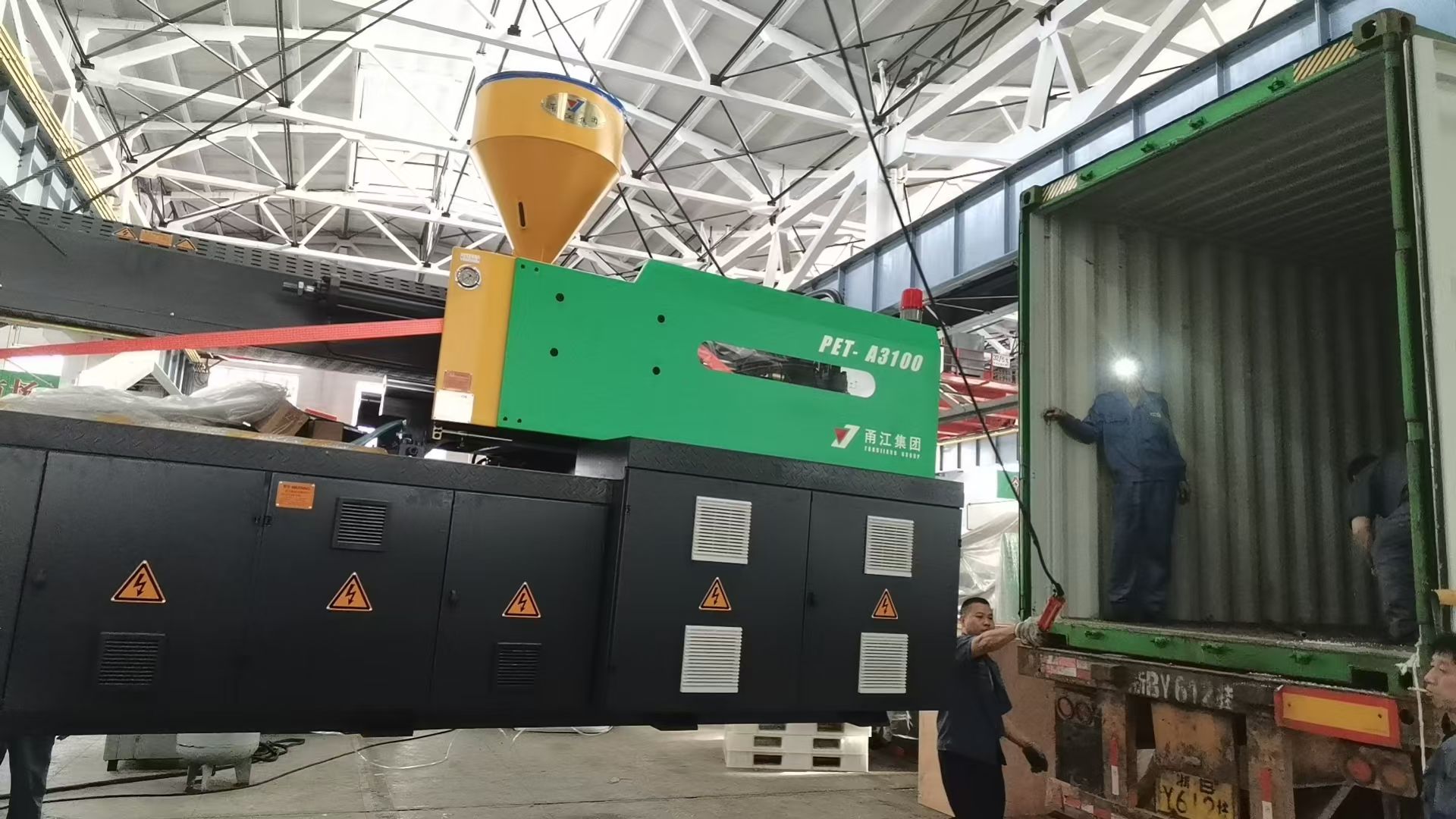
A PET preform injection machine deal rarely falls apart over clamping force. It falls apart over the questions that come afterwards: how much money moves before the machine is built, what “pre-shipment testing” actually covers, whether the factory behind the quotation can prove its production base, and who is still answering technical questions in year three. This FAQ answers those questions in the order buyers typically ask them, using the published terms and factory facts of Ningbo Yong Jiang Machine Co., Ltd. — a Ningbo, China manufacturer established in 1985 that builds PET preform injection molding machines and PVC fitting machines.
The Real Problem: A Quotation Answers Specifications, Not Commitment
By the time a buyer reaches the evaluation stage, the technical conversation is usually half solved. Published model data settles tonnage, screw diameter and shot weight quickly. What stays unresolved is the commercial architecture around the machine — deposit size, the point at which the balance becomes due, the Incoterm, the minimum quantity the supplier will actually accept, the acceptance procedure, and the support model that applies after commissioning.
These are not administrative details. They determine three things a specification sheet cannot: how much capital is exposed before the machine ships, who carries the risk at each handover point, and whether the supplier is structured to support the unit for the years it will run. A preform line running 24/7 puts continuous load on the PET screw, the servo system and the mold — the relationship therefore extends well past the delivery date.
There is a second, quieter problem: distinguishing a manufacturer from a trading intermediary. A quotation can look identical from both. Only verifiable production facts — facility size, output volume, engineering headcount, export record — separate them. Those facts are the ones this FAQ puts in front of you first.
Industry Background: Why Preform Supply Relationships Run for Years
PET preforms are an intermediate product through which the manufacture of bottles is achieved; they are not sold to consumers, and they are not the finished packaging. That position in the value chain explains the commercial behaviour of the equipment market. Preform demand is driven by downstream categories — bottled water, carbonated soft drinks, juices, edible oils and sauces — so a preform plant tends to be planned around a multi-year supply contract with its own customers rather than a single seasonal order.
Scale indicators point in the same direction. A commercial research report places the global PET preforms product market at USD 24.33 billion in 2026, growing at a CAGR of 2.17% to USD 27.08 billion by 2031 — a figure that describes preform demand, not machine sales, and should not be read as machine market size. On the equipment side, the global PET preform machines market has been projected to grow from USD 8.38 billion in 2022 to USD 14.73 billion by 2032. Trade data supports the picture of an internationally supplied category: exports under HS code 847710 (injection-molding machines) reached USD 7.21 billion in 2023.
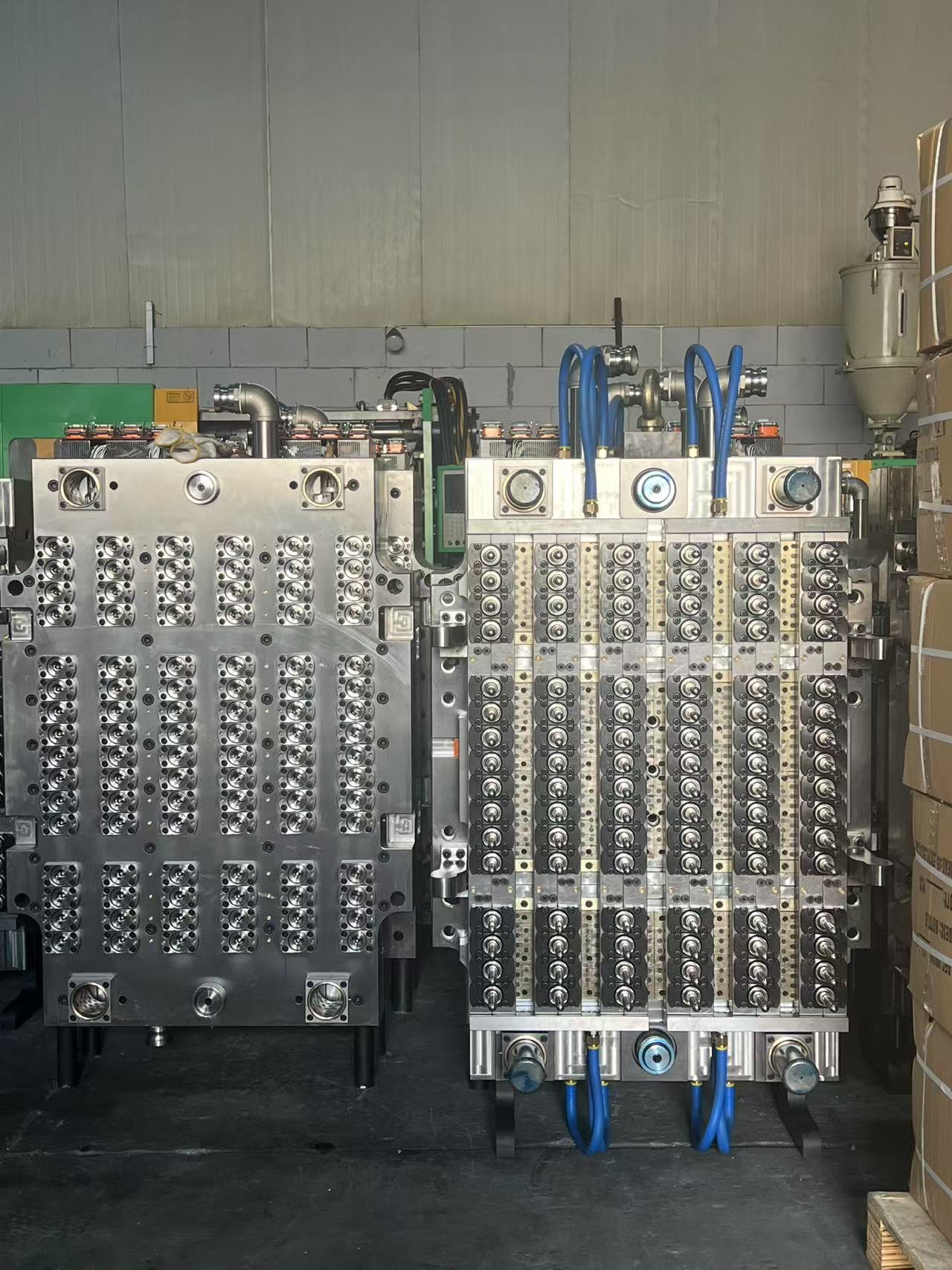
Technically, preform production is a high-cavity, high-consistency process. Machines work with multi-cavity hot runner molds — the molds used in Yongjiang preform projects sit in the 48 to 96 cavity range — and they run continuously. Moisture control is unforgiving: PET pellets must be dried to below 0.02% moisture, and workshop humidity above 60% RH causes silver streaks and hydrolysis defects, which is why a 40%–50% RH range is normally specified. None of this is compatible with a supplier relationship that ends at the factory gate.
How a Yongjiang Preform Machine Order Is Structured
Ningbo Yong Jiang Machine Co., Ltd. has manufactured injection molding machines since 1985 — more than 35 years — with a product range that centres on PET preform injection molding machines and PVC fitting machines. The commercial structure below is the one applied to preform machine orders and is the direct answer to the questions buyers raise most often.
1. Commercial terms: 30% deposit, 70% before shipment, FOB Ningbo, MOQ 1 unit
Orders are handled on a 30% deposit with the remaining 70% due before shipment. The deposit initiates the build; the balance clears before the unit leaves. Shipment is quoted FOB Ningbo, which means the buyer takes over the main carriage and insurance from Ningbo onward, and the seller is responsible for the goods up to the point of loading. The minimum order quantity is 1 unit — a single-machine project is accepted, which matters for converters starting a first preform line rather than expanding an existing fleet.
2. Production backing: what the numbers mean before you commit
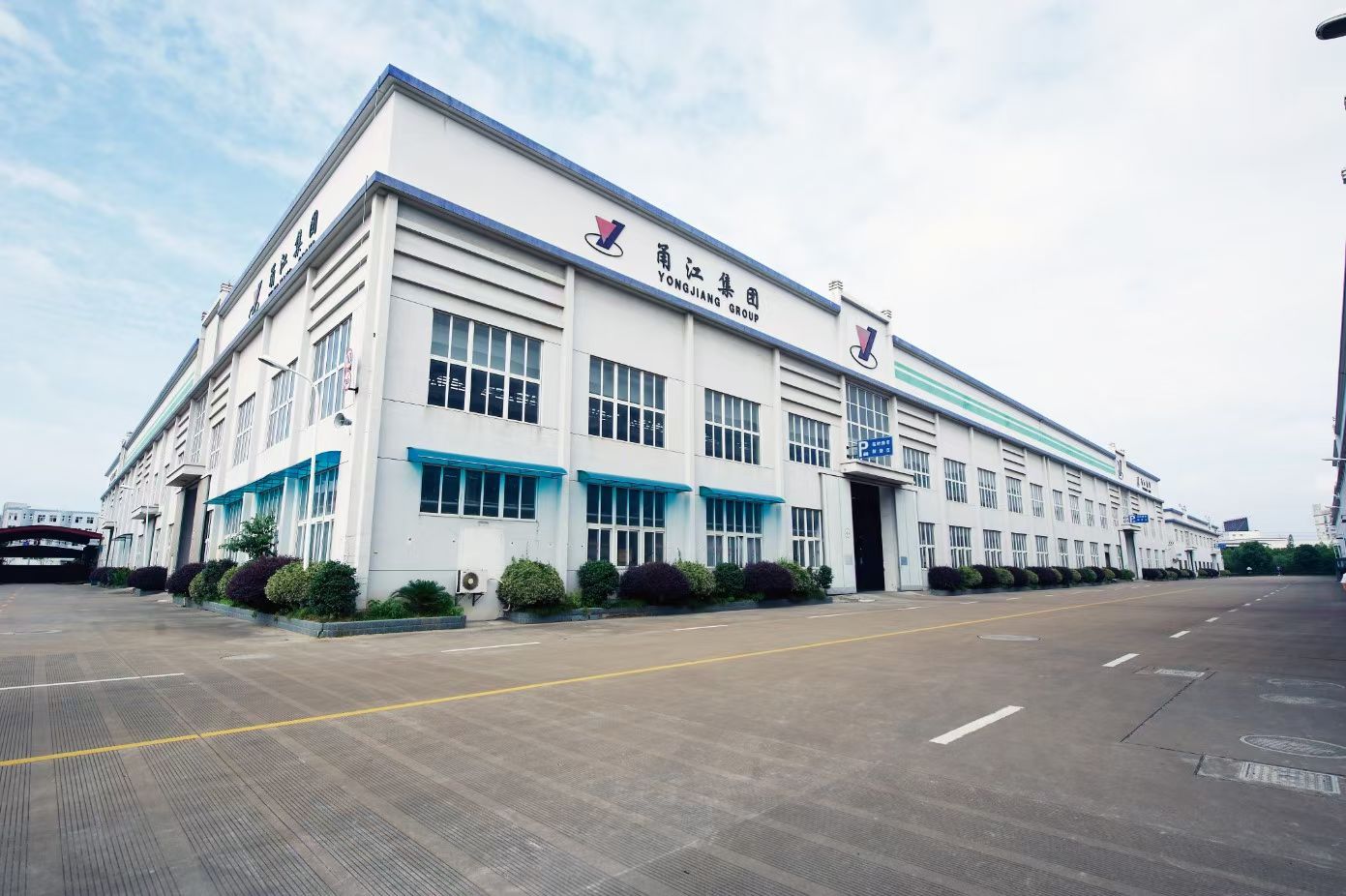
The manufacturing facility covers 130,000 m² and employs approximately 200 staff. Annual output is about 2,000 units. The R&D team consists of 25 engineers. These four figures are the practical answer to “can this supplier build and support my machine?” — a facility of that footprint implies in-house machining and assembly rather than re-badging, an output of roughly 2,000 units per year indicates a production line that runs continuously rather than a project-by-project workshop, and a 25-engineer R&D function is what allows model configuration, mold interface work and troubleshooting to stay inside the company.
3. Pre-shipment testing: the acceptance gate
Before dispatch, the machine is assembled and run with the agreed preform mold. In practice the test is where the specification on paper meets the parameters the machine will actually be judged on: shot weight against the published model figure (1,400 g on the YJPT-260, 1,900 g on the YJPT-318, 3,450 g on both the YJPT-360 and the YJHB-400), operation on 380/400V 50Hz three-phase industrial power with voltage fluctuation within ±10%, and running with properly dried PET resin. For food-grade preform production, the intended production environment is an ISO Class 8 (100,000-class) dust-free workshop free of metal dust and plastic debris, with ambient temperature held at 20–30°C; the machines can sustain continuous operation in tropical workshops at 35–40°C provided ventilation is adequate.
The test is not a formality for either side. Because the balance of 70% falls due before shipment, acceptance testing is the buyer's last practical checkpoint while the machine is still in the supplier's building and still on the supplier's side of the Incoterm.
4. Long-term support: what continues after delivery
Support is organised around the fact that roughly 59% of Yongjiang's products are exported, with major markets including the USA, Canada and Thailand. The company states a 24-hour service response commitment. Long-cycle operation also imposes a maintenance discipline that any preform plant should plan for: continuous 24-hour production requires regular professional maintenance of the special PET screw and the servo system, not only of the mold. Buyers should therefore confirm, in writing, the spare-parts path and the escalation route to the engineering team before the machine ships — the 25-engineer R&D function is the practical backstop for that escalation.
What this FAQ deliberately does not fix: unit price and delivery schedule. Both vary with model, cavity count and mold scope, and are confirmed in the written quotation rather than in a catalogue. Ask for them in writing alongside the terms above so all commercial variables sit in one document.
Step-by-Step: From First Inquiry to a Multi-Year Supply Relationship
Use Cases: Where These Answers Matter Most
Water bottle preforms. The most common starting point for a first preform line. High-cavity hot runner molds in the 48–96 cavity range paired with the mid-tonnage YJPT-260 or YJPT-318 cover the volumes typical of a regional water bottler, and the acceptance test is where shot-weight consistency is proven before the balance is paid.
Carbonated soft drinks and hot-fill juices. These categories place the emphasis on process stability rather than raw output. Because volatile humidity damages PET before it ever reaches the screw, buyers in this segment should treat the 40%–50% RH requirement as a purchase condition, not an operating preference.
Edible oil and sauce containers. Heavier preforms and thicker sections move the requirement toward shot weight. The YJPT-360 and YJHB-400 both publish 3,450 g shot weight, with the YJHB-400 offering the larger 720 × 720 mm tie bar distance for larger mold footprints.
Cosmetic and personal-care containers. Lower volume, higher changeover frequency. Quick mold change for multi-spec preforms is a stated requirement in these projects, and the value of a 25-engineer R&D team shows up here — in mold interface work rather than in machine hardware.
Regulated export markets. Projects in the EU follow the EU CE machinery safety standard and require low energy consumption and stable injection; this application profile is common in Spain and Algeria. Buyers in these markets should attach the compliance documentation to the purchase order, not to the shipping file.
Public Procurement Benchmarks vs. Published Model Data
Buyers working to a tender specification often need to show that a proposed model clears a published minimum. A CIPET tender specification for a PET preform injection moulding machine (2019) sets a minimum machine tonnage of 150–200 T, a minimum shot capacity of 750 g and a minimum of 32 preform cores and cavities. The table below compares only those requirements against the published figures for the two smaller Yongjiang preform models.
| CIPET tender minimum (2019) | Required value | YJPT-260 | YJPT-318 |
|---|---|---|---|
| Machine tonnage | 150–200 T minimum | 260 T | 318 T |
| Shot capacity | 750 g minimum | 1,400 g | 1,900 g |
| Preform cores and cavities | 32 minimum | Set by the mold (48–96 cavity tools used in these projects) | Set by the mold (48–96 cavity tools used in these projects) |
The CIPET document also specifies a minimum plasticizing capacity of 50 gm/sec, a minimum injection pressure of 1,200 bar, a maximum preform weight of 20 g and a 28 mm neck size for 1000 ml bottles. Those parameters should be confirmed model by model in the technical offer, because they are not part of the published model data summarised here.
Model Data and Commercial Terms at a Glance
| Model | Clamping force | Screw barrel | Shot weight | Tie bar distance | Motor / heat power | Net weight | Material |
|---|---|---|---|---|---|---|---|
| YJPT-260 | 260 t | 72 mm | 1,400 g | 580 × 580 mm | 42 kW / 35 kW | 9 t | QT500-A7 |
| YJPT-318 | 318 t | 77 mm | 1,900 g | 620 × 620 mm | 80 kW / 65 kW | 13 t | Steel |
| YJPT-360 | 360 t | 95 mm | 3,450 g | 680 × 680 mm | 80 kW / 65 kW | 16 t | QT500-A7 steel |
| YJHB-400 | 400 t | 95 mm | 3,450 g | 720 × 720 mm | 80 kW / 65 kW | 16 t | QT500-A7 steel |
| Commercial item | Term |
|---|---|
| Deposit | 30% with order |
| Balance | 70% due before shipment |
| Incoterm | FOB Ningbo |
| Minimum order quantity | 1 unit |
| Acceptance | Pre-shipment test with the agreed preform mold |
| Service response | 24-hour response commitment (company-stated) |
| Production base | 130,000 m², approximately 200 staff, about 2,000 units per year |
| Engineering | 25 R&D engineers |
| Export share | Approximately 59%; major markets USA, Canada, Thailand |
Frequently Asked Questions
What are the payment terms and minimum order for a PET preform injection machine?
Yongjiang preform machine orders run on a 30% deposit with the remaining 70% due before shipment, quoted FOB Ningbo. The minimum order quantity is 1 unit. Practically, this means the deposit starts the build, the acceptance test happens while the machine is still at the factory, and the balance clears before the unit loads in Ningbo — after which main carriage and insurance are the buyer's responsibility under FOB terms.
What does the pre-shipment test actually check?
The machine is assembled and run with the agreed preform mold before dispatch. The test covers shot weight against the published model figure — 1,400 g on the YJPT-260, 1,900 g on the YJPT-318, 3,450 g on the YJPT-360 and YJHB-400 — operation on 380/400V 50Hz three-phase power with voltage fluctuation within ±10%, and running with PET resin dried to below 0.02% moisture. Because humidity above 60% RH causes silver streaks and hydrolysis defects, the workshop conditions (20–30°C ambient, 40%–50% RH, ISO Class 8 cleanliness for food-grade preforms) belong in the same acceptance conversation as the machine itself.
How can I verify production backing before committing to an order?
Ask for four figures and check that they are consistent with each other: manufacturing facility size (130,000 m²), staff count (approximately 200), annual output (about 2,000 units) and engineering headcount (25 R&D engineers). Add the operating history — injection molding machines manufactured since 1985, with PET preform machines and PVC fitting machines as the main product lines — and the export record: approximately 59% of products exported, with major markets including the USA, Canada and Thailand. A reseller can repeat a specification sheet but cannot produce a 130,000 m² facility or a 2,000-unit annual output.
How should I shortlist PET preform injection machine suppliers?
Screen on five items before comparing price: (1) manufacturer status, evidenced by facility size and annual output; (2) model coverage across the tonnage you may need — 260 t, 318 t, 360 t and 400 t in the Yongjiang preform range; (3) in-house engineering capacity, which determines who handles mold interface work and troubleshooting; (4) verifiable export experience in markets comparable to yours; and (5) written commercial terms, including deposit structure, Incoterm, MOQ and acceptance procedure. Suppliers who cannot state these in writing at the inquiry stage usually cannot state them later either.
How is long-term support sustained after the machine leaves Ningbo?
Support is built around an exported fleet: approximately 59% of Yongjiang's products are exported, with major markets including the USA, Canada and Thailand, and the company states a 24-hour service response commitment. Two structural points keep that commitment practical over a multi-year horizon — a 25-engineer R&D team able to escalate technical issues, and a maintenance discipline that matches 24/7 operation, which requires regular professional maintenance of the special PET screw and the servo system, not only the mold. Before shipment, agree the spare-parts list and the escalation route in writing. To open that conversation directly, contact yongjiangimm@gmail.com or +86 18958305290.
Conclusion
The commercial questions around a PET preform injection machine have clear answers, and they can be settled before the deposit is paid. On terms: 30% deposit, 70% before shipment, FOB Ningbo, minimum order 1 unit. On acceptance: a pre-shipment test with the agreed preform mold, run on 380/400V 50Hz power within ±10% fluctuation and with PET dried below 0.02% moisture. On production backing: a 130,000 m² facility, approximately 200 staff, about 2,000 units per year, 25 R&D engineers and more than 35 years of injection molding machine manufacturing since 1985. On continuity: an export base of roughly 59% serving the USA, Canada and Thailand, a 24-hour service response commitment, and an engineering team that stays reachable after commissioning.
For buyers moving from inquiry to a multi-year supply relationship, the practical next step is to put these terms side by side with the technical offer for the model under consideration — YJPT-260, YJPT-318, YJPT-360 or YJHB-400 — and confirm both in a single written document.
Next step: terms, testing schedule and model data in one document
Request the quotation package for the preform model you are evaluating, including commercial terms, pre-shipment test scope and the spare-parts list for continuous operation.
Email: yongjiangimm@gmail.com | Tel / WhatsApp: +86 18958305290 | Website: yongjiangimm.com
Ningbo Yong Jiang Machine Co., Ltd. — Jiangbei 88 Avenue, Ningbo City, Zhejiang Province, China
Download the company catalogue: Yongjiang injection molding machine catalogue (PDF)

Have Questions or Need More Details?
Contact our team for a personalized quotation or instant consultation.
Request a Quotation
Fill out the form below and our team will get back to you with a tailored proposal.
WhatsApp Direct Chat
Prefer to chat in real-time? Message us on WhatsApp for instant assistance & quick answers.
- Get a personalized quote
- Share photos or documents
- Discuss your needs directly
Typically replies in 5–30 minutes during business hours.