
PET Preform Injection Machine Selection by Bottle Project
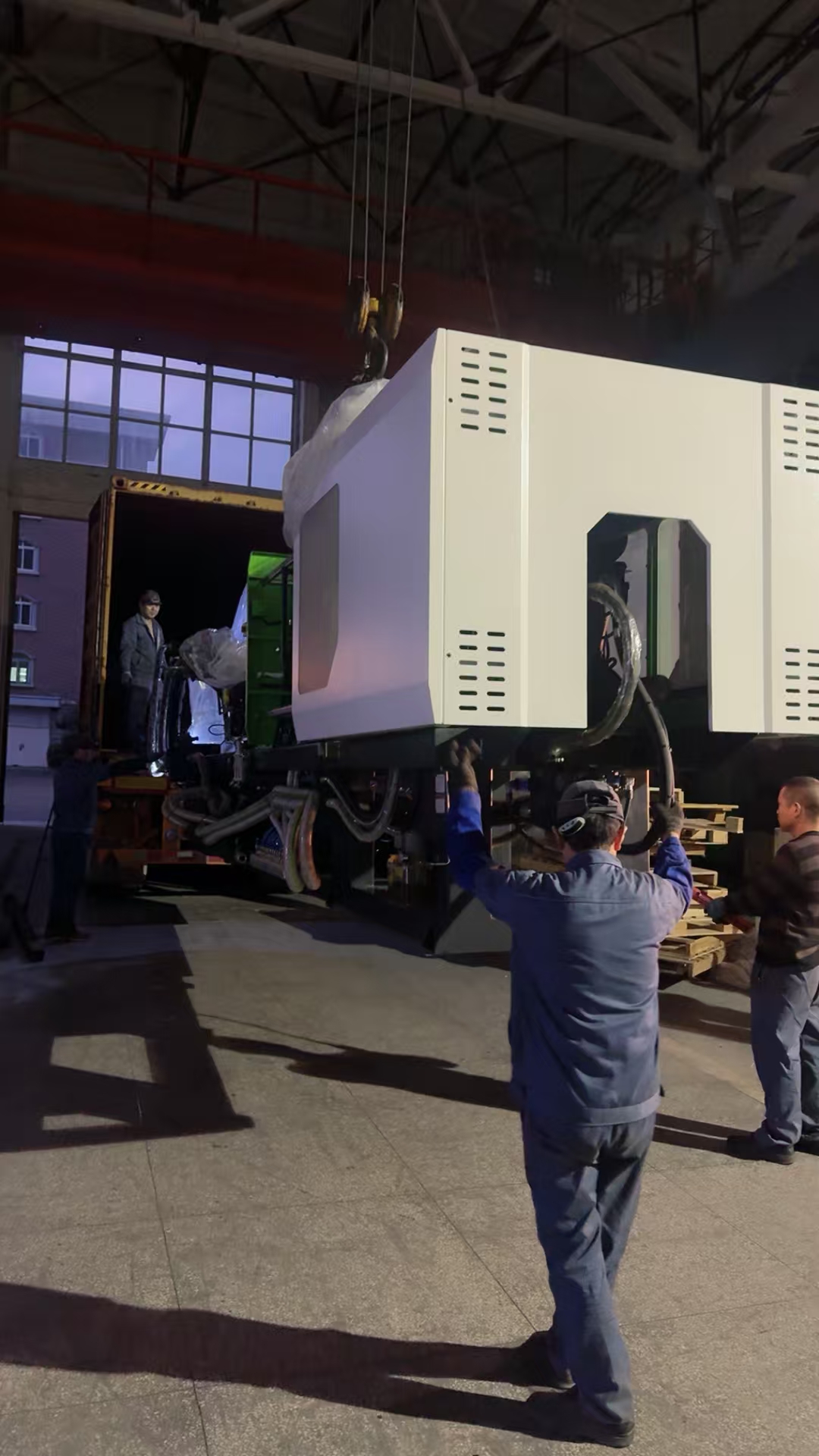
PET preform injection machine selection should begin with the bottle project, not with a tonnage label alone. A water bottle, an edible-oil bottle and a cosmetic container can all use PET preforms, but they rarely call for the same preform weight, cavity count, mold envelope or supporting equipment. For buyers sourcing from China, the practical question is not simply which machine is largest; it is which model fits the planned preform family, mold size, shot weight and 24/7 production conditions.
This guide uses the Yongjiang range from Ningbo Yong Jiang machine co.,Ltd as a concrete reference. The YJPT-260, YJPT-318, YJPT-360 and YJHB-400 illustrate how clamping force, tie-bar spacing, screw barrel diameter and shot weight change across a PET preform production line. The same selection logic applies when a project brief specifies 32-cavity, 48-cavity, 72-cavity or 96-cavity tooling: verify the mold drawing, shot requirement and utility plan before confirming a model.
Problem definition: why bottle projects need model-level matching
The central risk in PET preform machine selection is mismatch between the mold and the machine. A machine that is too small for the mold envelope can limit cavity count or prevent the mold from fitting between the tie bars. A machine with insufficient shot weight may not fill the planned number of cavities with a stable process margin. Conversely, a machine with far more clamping force and shot capacity than the project needs can add capital cost and energy use without improving the bottle project.
The mismatch is not only mechanical. PET preform production for food-grade bottles requires dried PET pellets, multi-cavity hot runner molds, precise pressure and temperature control, and 24/7 continuous operation. It also requires a controlled workshop. The supplied application data specifies an ISO Class 8 (100,000-class) dust-free workshop for food-grade preform production, an ambient temperature of 20–30°C, and relative humidity control. The stated operating target is 40%–50% RH, with humidity above 60% RH prohibited to reduce PET moisture absorption, silver streaks and hydrolysis defects. These conditions belong in the project brief because they affect dryer performance, chiller sizing, mold temperature control and machine stability.
A useful decision rule is therefore: select the smallest model in the range that can safely accommodate the planned mold, shot weight, cavity count and continuous production conditions. An affordable PET preform machine is not automatically the lowest-tonnage machine; it is the model that meets the verified project requirement without unused capacity.
Industry background: what the preform project actually produces
PET preforms are an intermediate product through which bottle manufacture is achieved. The preform is later blow molded into the finished bottle. This intermediate role explains why preform machine selection must follow the final bottle project: bottle size, neck finish, preform weight and expected output all influence the mold and machine specification.
The downstream application range is broad. Supplied market research identifies bottled water, carbonated soft drinks, juices, edible oils and sauces as PET preform application categories. That range matters for equipment planning because a PET bottle preform machine for water bottle projects may be configured around small, high-volume preforms, while a PET preform injection machine for oil bottle projects may need a different mold envelope or shot-weight check. Cosmetic containers add another layer of variety because shape, color and batch planning can differ from beverage work.
Public procurement specifications also show why model-level verification matters. A CIPET tender specification for a PET preform injection moulding machine lists a minimum machine tonnage of 150–200 T, a minimum shot capacity of 750 g, a minimum plasticizing capacity of 50 gm/sec, a minimum injection pressure of 1200 bar, a minimum of 32 preform cores and cavities, a maximum preform weight of 20 g, and a 28 mm neck size for 1000 ml bottles. These are tender-specific requirements, not universal rules for every bottle project. They are still useful as a benchmark: a machine model should be checked against the actual project specification rather than chosen from a generic capacity claim.
Detailed solution: matching Yongjiang models to bottle projects
Yongjiang’s PET preform series is designed for producing preforms for water bottles, oil bottles and cosmetic containers. The machines melt dried PET pellets and inject molten plastic into multi-cavity hot runner molds under precise pressure and temperature control. The application data describes 24/7 continuous operation, which means the selection should consider not only nominal shot weight but also sustained thermal stability, dryer capacity, chiller capacity and maintenance access.
The table below compares the four reference models using supplied specifications. The final column is a practical starting point for application matching, not a substitute for a mold drawing review.
| Model | Clamping force / type | Screw barrel | Shot weight | Tie-bar spacing | Motor / heat power | Machine weight | Practical starting point for bottle projects |
|---|---|---|---|---|---|---|---|
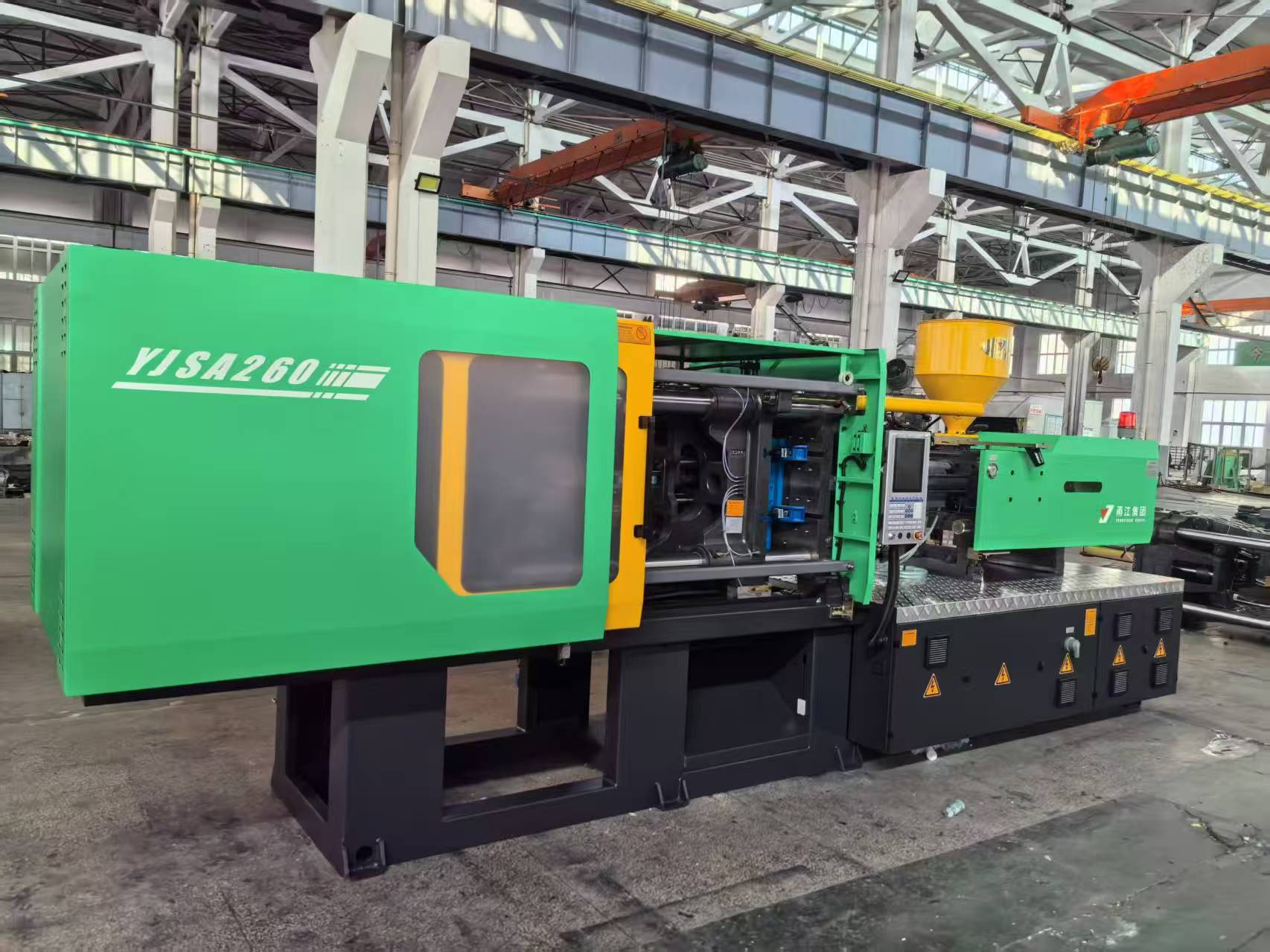
| YJPT-260 | 260 T high-speed PET preform machine | 72 mm | 1,400 g | 580 × 580 mm | 42 kW / 35 kW | 9 t | Smaller water-bottle and cosmetic preform families where the mold envelope and shot requirement fit. Check small preform weights and planned cavity count. |
| YJPT-318 | 318 T high-speed PET preform machine | 77 mm | 1,900 g | 620 × 620 mm | 80 kW / 65 kW | 13 t | Medium water, oil and packaging preform projects that need more shot weight and a larger tie-bar opening than the YJPT-260. |
| YJPT-360 | 360 T high-speed PET preform machine | 95 mm | 3,450 g | 680 × 680 mm | 80 kW / 65 kW | 16 t | Higher shot-weight projects, larger molds and multi-cavity oil or cosmetic container work. Verify clamp and mold envelope. |
| YJHB-400 | 400 T high-speed PET preform machine | 95 mm | 3,450 g | 720 × 720 mm | 80 kW / 65 kW | 16 t | Heavy-duty projects needing the larger 400 T clamp and 720 × 720 mm tie-bar spacing. The wider tie bars are the main distinction from the YJPT-360. |
Selection note: YJPT-360 and YJHB-400 share the same 95 mm screw barrel and 3,450 g shot weight in the supplied specifications. The difference is clamping force and tie-bar spacing. If the mold already fits the 680 × 680 mm envelope and the clamp is sufficient, the YJPT-360 is the closer starting point. If the mold requires the 720 × 720 mm envelope or the higher 400 T clamp, the YJHB-400 becomes relevant.
Clamping force: what it controls in preform production
Clamping force keeps the mold closed against injection pressure. In PET preform injection, the required clamp depends on the projected area of the mold cavities and the injection pressure used for the preform design. A machine with too little clamp force can show flash, dimensional variation or unstable cavity filling. A machine with excessive clamp force may not be a technical problem, but it can be a poor commercial match if the mold and shot requirement do not need that capacity.
The YJPT-260, YJPT-318, YJPT-360 and YJHB-400 provide 260 T, 318 T, 360 T and 400 T respectively. These are not interchangeable labels. They should be read together with tie-bar spacing and shot weight. For example, a project that needs the 3,450 g shot weight but has a smaller mold may still need to confirm whether the mold fits the 680 × 680 mm or 720 × 720 mm tie-bar envelope. The correct order is mold drawing first, then shot weight, then clamp verification.
Tie-bar spacing: the mold envelope gate
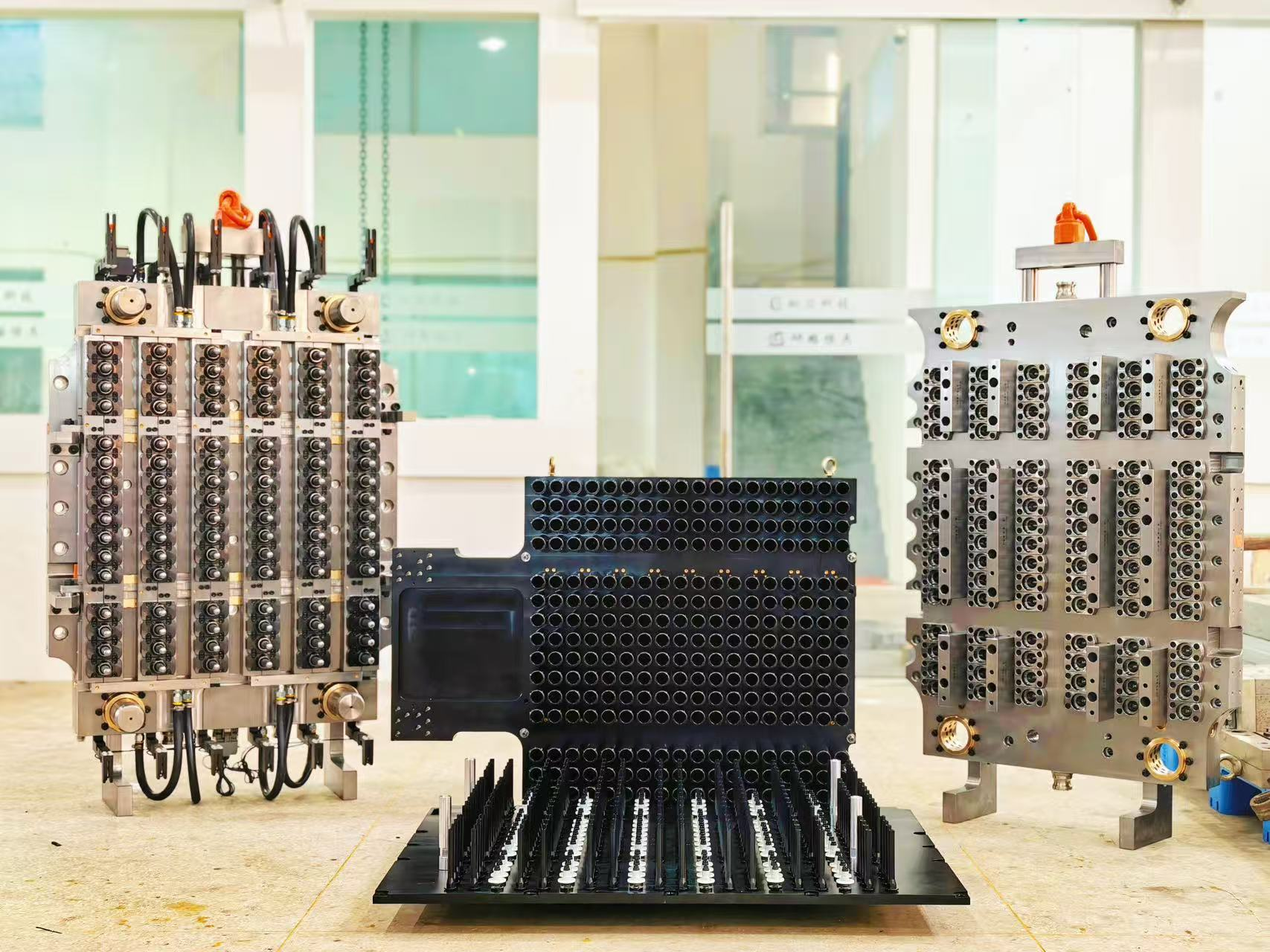
Tie-bar spacing determines whether the mold can physically enter the machine. The supplied dimensions are 580 × 580 mm for YJPT-260, 620 × 620 mm for YJPT-318, 680 × 680 mm for YJPT-360, and 720 × 720 mm for YJHB-400. A 48-cavity PET preform mold and a 96-cavity PET preform mold can have very different external dimensions even when the preform family is similar. The cavity count alone does not confirm fit.
Before confirming a model, provide the mold supplier’s general arrangement drawing, including the mold base width, height, thickness, ejector requirements and hot runner wiring. Check the mold against the tie-bar spacing and platen layout. For projects planning quick mold change between multi-spec preforms, the handling space and clamping system also need review. The supplied application data lists quick mold change for multi-spec preforms as a special requirement, so this should be part of the project review rather than an afterthought.
Shot weight and screw diameter: matching preform weight to cavity count
Shot weight is the amount of melted PET the machine can inject in one cycle. A practical check is to multiply the planned preform weight by the number of cavities and compare the result with the machine’s rated shot weight, leaving a suitable process margin for stable filling and pressure control. This is a planning calculation, not a guarantee of cycle time or output. The actual result depends on preform design, mold hot runner, cooling, resin grade and process settings.
The YJPT-260 offers 1,400 g shot weight with a 72 mm screw barrel. The YJPT-318 offers 1,900 g with a 77 mm screw barrel. The YJPT-360 and YJHB-400 both offer 3,450 g with a 95 mm screw barrel. For a PET preform making machine project with a small water-bottle preform and a moderate cavity count, the YJPT-260 or YJPT-318 may be the first models to check. For a higher shot-weight project, the YJPT-360 or YJHB-400 is the relevant starting point.
Screw diameter also affects plasticizing behavior. A larger screw barrel can support higher shot weights, but the match to preform weight and cycle plan still needs verification. This is especially important for 24/7 production: the machine should be able to plasticize and recover consistently within the cycle, not only reach a nominal shot weight on a specification sheet.
Step-by-step breakdown: selecting the model for a bottle project
- Define the bottle and preform. Record the bottle type, fill volume, neck finish, preform weight, resin grade and color plan. For beverage work, note whether the project is for mineral water, carbonated soft drinks, juices or other packaging. For oil and cosmetic containers, note the preform weight range and any special surface requirements.
- Set the cavity count and mold concept. Confirm whether the project needs 32, 48, 72 or 96 cavities, and whether the mold is a multi-cavity hot runner design. Obtain the mold drawing before comparing machine models.
- Calculate the shot-weight requirement. Multiply the planned preform weight by the number of cavities and compare the result with the machine shot weight. Keep the calculation transparent and verify it with the mold and process engineer.
- Check the mold envelope against tie-bar spacing. Compare mold width, height and thickness with the YJPT-260, YJPT-318, YJPT-360 or YJHB-400 tie-bar dimensions. Do not rely on cavity count alone.
- Verify clamping force. Confirm the clamp requirement using the mold projected area and the intended injection pressure. If the mold is near a model’s limit, review the process window with the machine and mold suppliers.
- Plan the supporting equipment. Match the hopper dryer, air compressor, water chiller, mold temperature controllers and hot runner system to the selected machine and mold. Confirm that PET pellets can be dried to the required moisture level before injection.
- Confirm the workshop and power conditions. Plan for an ISO Class 8 dust-free workshop for food-grade preform production, 20–30°C ambient temperature, 40%–50% RH operating target with humidity above 60% RH prohibited, and 380/400V 50Hz three-phase power with voltage fluctuation within ±10%.
- Agree the acceptance test. Use a pre-shipment test to verify the agreed model, mold fit, shot weight check and machine operation before shipment. The supplied quality-control statement is 100% test one week before ship.
Use cases: matching models to common bottle projects
Water bottle and mineral water bottle projects
Water bottle projects often involve high-volume, relatively small preforms. A PET bottle preform machine for water bottle production should be selected around the planned preform weight, cavity count and mold envelope, not only around tonnage. The YJPT-260 and YJPT-318 are practical starting points for smaller and medium water-bottle preform projects when the mold fits and the shot-weight calculation is within the model’s capacity. For a mineral water bottle project with a larger cavity count, the mold drawing and shot-weight check decide whether the next model is needed.
The supplied application data also connects the machine to 24/7 continuous operation. Water bottle preform lines often run continuously, so dryer capacity, chiller stability and hot runner temperature control should be reviewed together with the machine model. A low-energy, stable injection system is useful only when the supporting equipment can maintain the same production rhythm.
Oil bottle projects
Edible oil is listed among the downstream PET preform application categories. A PET preform injection machine for oil bottle projects may need a different preform weight and mold envelope from a small water-bottle project. The YJPT-318 and YJPT-360 are the more relevant models to check when the shot weight or mold size exceeds the YJPT-260 starting point. The final choice still depends on the verified preform weight, cavity count and mold drawing.
Oil bottle projects can also involve different bottle shapes and filling-line requirements. The machine selection should therefore be linked to the preform design and blow-molding plan, not treated as a standalone equipment purchase.
Cosmetic container projects
Cosmetic containers are included in the supplied application description for these PET preform machines. Cosmetic work may involve smaller batches, different preform shapes and more frequent mold changes than a standard water bottle line. The YJPT-260 and YJPT-318 are practical starting points when the mold envelope and shot weight fit. Quick mold change for multi-spec preforms is a relevant special requirement, particularly when one machine must support several container sizes.
Carbonated soft drink and packaging projects
Carbonated soft drinks are another listed PET preform application category. A CSD preform molding machine project should verify the preform design and process requirements with the mold and resin suppliers before confirming the machine model. The same applies to general packaging industry projects: the machine model follows the verified preform and mold specification. The YJPT-360 or YJHB-400 may become relevant when higher shot weight or a larger mold envelope is required, but the project data must support that step.
Large-container and 5-gallon preform projects
Large-container projects, including 5-gallon PET preform production, need a separate check because the preform weight and mold size can differ significantly from small beverage preforms. The YJPT-360 and YJHB-400 are the models to review when higher shot weight and larger tie-bar spacing are needed. This is a starting point, not a confirmation: the mold drawing, preform weight and clamp requirement must be verified before the model is fixed.
Supporting ecosystem: what a 24/7 PET preform line needs
A PET preform injection machine is part of a production line. The supplied application data lists a PET preform mold, hopper dryer, air compressor and water chiller as matched equipment. In practice, the project review should also include mold temperature controllers and the hot runner system because preform quality depends on stable melt and mold temperature control.
The hopper dryer is not optional for PET. The supplied special requirement states that PET pellets must be fully dried to moisture below 0.02% before use. Moisture control is linked to the workshop humidity target: 40%–50% RH operating target, with humidity above 60% RH prohibited. The water chiller supports mold cooling and cycle stability. The air compressor supports automation and auxiliary functions. The machine itself is described as suitable for 24/7 continuous operation, and Yongjiang lists 24/7 service support.
Workshop conditions should be confirmed before installation. For food-grade preform production, the supplied data specifies an ISO Class 8 (100,000-class) dust-free workshop free of metal dust and plastic debris. Ambient temperature should be stable at 20–30°C. The power supply should be 380/400V 50Hz three-phase industrial power with voltage fluctuation within ±10%. Stable servo power support is important for long-cycle high-speed production.
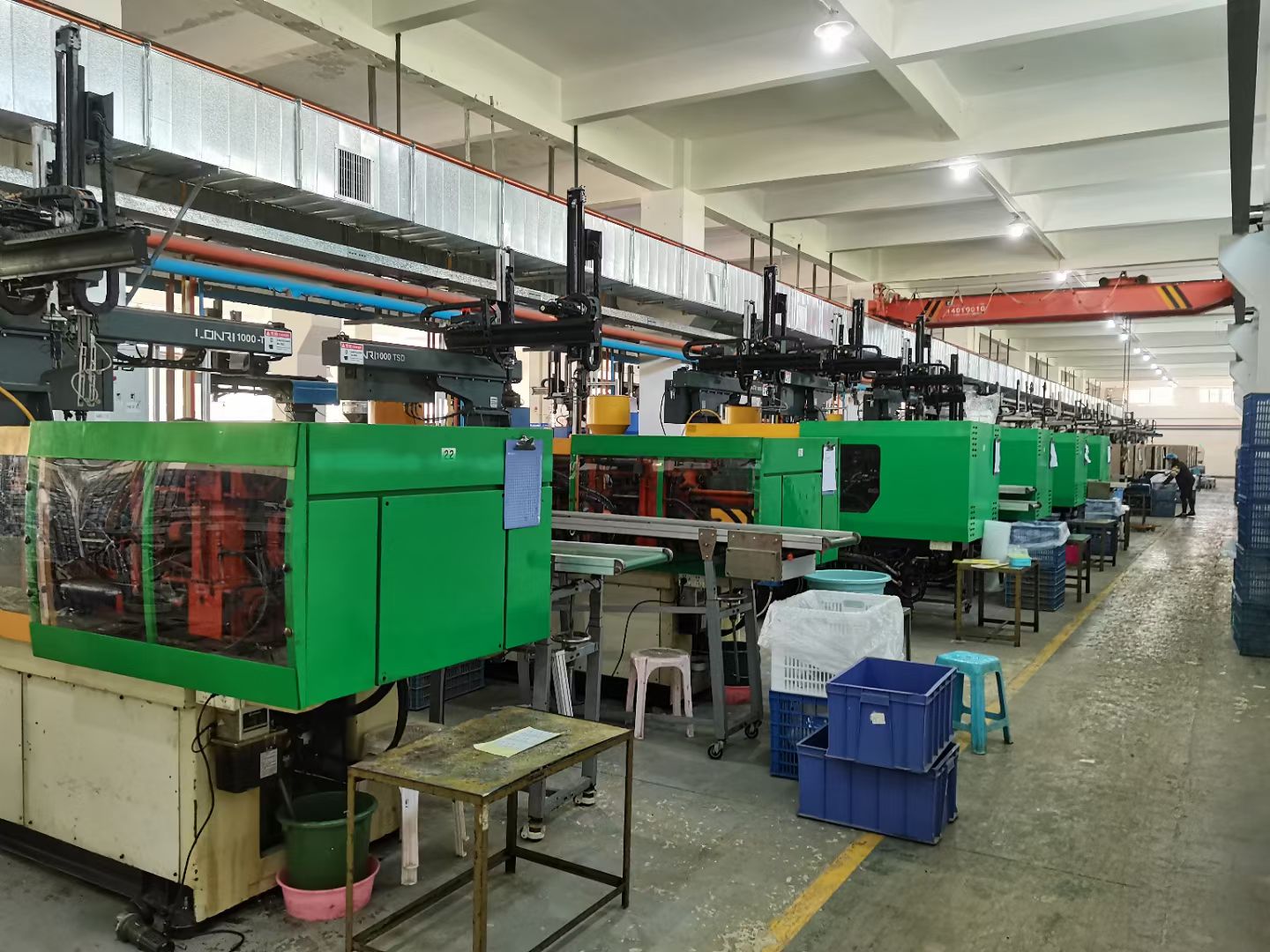
One supplied case record describes a water factory and bottle-making factory using 20 units over 20 years, with stable operation and low electricity. That record is useful as a reference point for long-term operation, but it should not be read as a guarantee that every project will achieve the same result. The actual outcome depends on the bottle project, mold, utilities, maintenance and operating discipline.
Purchase and acceptance terms for project closure
Commercial terms should be agreed before the model is finalized. The terms specified for this guide are a 30% deposit with 70% due before shipment, pre-shipment testing, FOB Ningbo, and a minimum order quantity of 1 unit. These terms should be written into the order together with the model, mold interface, voltage and logo customization requirements where applicable.
Yongjiang lists OEM support with voltage and logo customization, a monthly capacity of 200 units, a lead time of 30–45 days, and 100% testing one week before shipment. The acceptance test should confirm the agreed machine configuration and the project’s key checkpoints before shipment. For a beverage industry project, the test plan should include the agreed shot-weight check, mold fit review, machine operation and utility interface confirmation.
FAQ
Q: PET preform injection machine for beverage industry Chinese — what should a buyer verify?
A buyer sourcing a Chinese PET preform injection machine for the beverage industry should verify the model against the actual preform weight, cavity count, mold envelope and shot-weight requirement, not rely on a general tonnage description. For a Yongjiang project, compare the YJPT-260, YJPT-318, YJPT-360 and YJHB-400 using their supplied specifications: 260 T with 580 × 580 mm tie bars and 1,400 g shot, 318 T with 620 × 620 mm tie bars and 1,900 g shot, 360 T with 680 × 680 mm tie bars and 3,450 g shot, and 400 T with 720 × 720 mm tie bars and 3,450 g shot. Then confirm the ISO Class 8 workshop condition, 20–30°C temperature target, 40%–50% RH operating target with humidity above 60% RH prohibited, 380/400V 50Hz power, PET drying below 0.02% moisture, and the pre-shipment test. For a beverage project, the practical next step is to share the bottle and preform drawings, target output and mold plan for a model-fit review and acceptance test plan.
Conclusion
Matching a PET preform injection machine to a bottle project is a sequence of verified checks: define the preform and bottle, set the cavity count, calculate shot weight, confirm the mold envelope against tie-bar spacing, verify clamping force, and plan the dryer, chiller, compressor, hot runner and controlled workshop. The Yongjiang YJPT-260, YJPT-318, YJPT-360 and YJHB-400 provide a practical reference range from 260 T to 400 T, with clear differences in shot weight and tie-bar spacing. The right model is the one that fits the verified project data and can support stable 24/7 production without unused capacity.
Next step: Share your bottle and preform drawings, planned cavity count and target output for a model-fit review. For a downloadable overview, see the Yongjiang product brochure.
Have Questions or Need More Details?
Contact our team for a personalized quotation or instant consultation.
Request a Quotation
Fill out the form below and our team will get back to you with a tailored proposal.
WhatsApp Direct Chat
Prefer to chat in real-time? Message us on WhatsApp for instant assistance & quick answers.
- Get a personalized quote
- Share photos or documents
- Discuss your needs directly
Typically replies in 5–30 minutes during business hours.