PET Preform Injection Machine Sizing Guide: Clamping Force, Tie Bar Spacing, Shot Weight
Answer first: sizing a PET preform injection machine means matching four specifications to the preform and mold: clamping force, tie-bar spacing, shot weight, and screw barrel diameter. Clamping force must hold a multi-cavity hot runner mold closed; tie-bar spacing must accept the mold envelope; shot weight must cover the total melt demand of all cavities; and screw diameter must support stable plasticizing for the required cycle. A machine can have enough tonnage and still be the wrong size if the mold does not fit or the shot weight is too low.
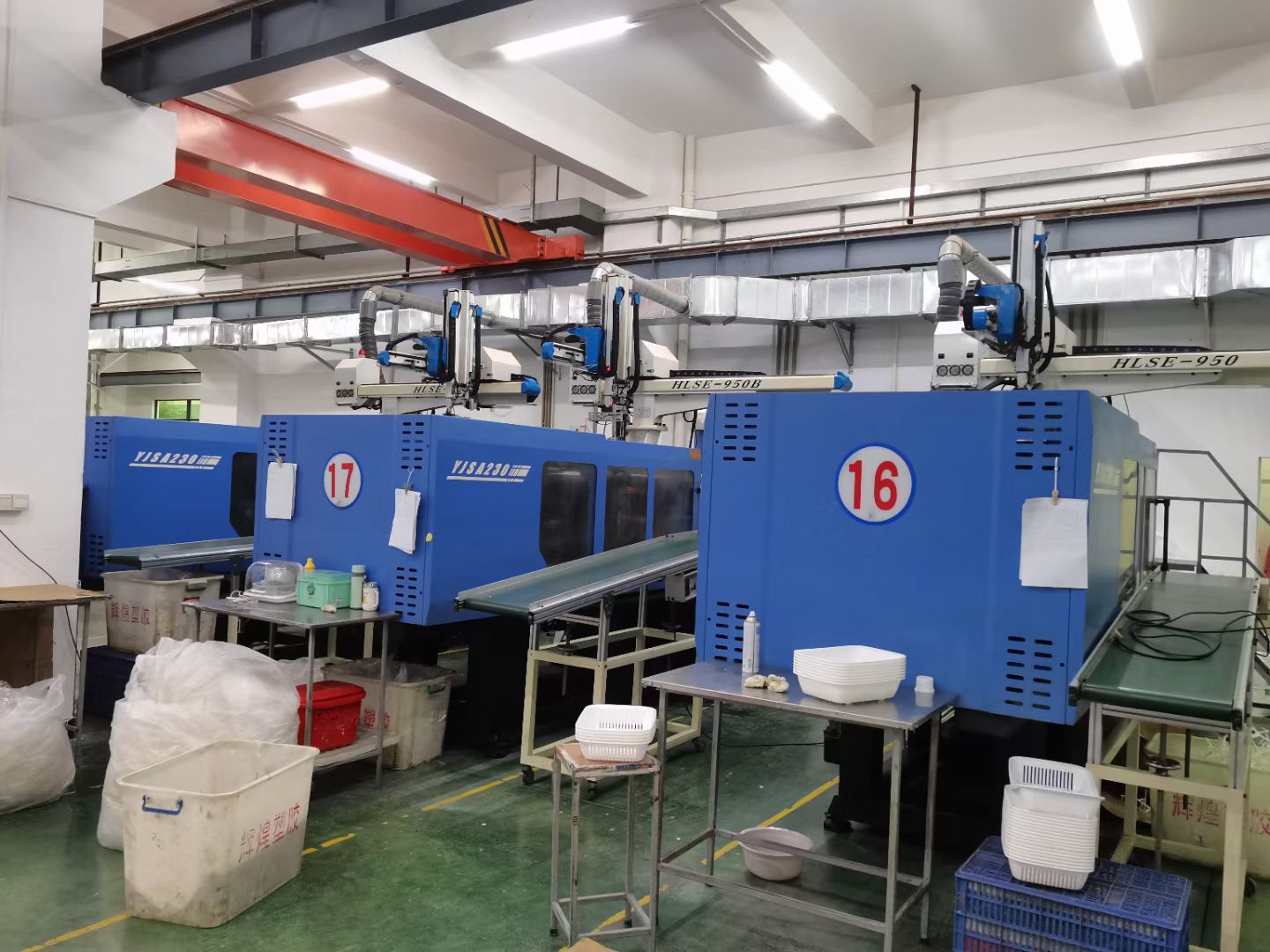
Ningbo Yong Jiang machine co.,Ltd, referred to here as Yongjiang, is a Chinese manufacturer of PET preform injection machines and PVC fitting machines based in Ningbo, China. Its YJPT and YJHB model data gives buyers a practical reference for reading machine specifications against preform projects. This guide uses those supplied model figures, third-party procurement benchmarks, and PET preform application context to explain how to compare machines without treating tonnage as the only number that matters.
Problem Definition: Why Tonnage-Only Comparison Fails
A PET preform injection machine is not selected by clamping force alone. The machine must close and hold a mold under injection pressure, accept the mold's physical envelope, deliver enough melt per shot, and plasticize PET at a rate that supports the target cycle. In a multi-cavity hot runner mold, those requirements interact. A larger tonnage machine may still fail if the tie-bar spacing is too narrow for the mold stack. A machine with sufficient tie-bar spacing may still be unsuitable if its shot weight cannot fill all cavities with the required preform weight.
This is why buyers evaluating a PET preform injection machine should read the specification sheet as a set of connected limits, not as a list of independent features. The practical sizing question is: can this machine hold the mold, fit the mold, fill the mold, and plasticize consistently for the intended production schedule?
Industry Background: PET Preforms and Preform Machine Demand
PET preforms are an intermediate product through which bottle manufacture is achieved. They are later blown into bottles, so preform weight, neck finish, and cavity layout directly shape the injection machine specification. The PET preform industry serves product categories that include bottled water, carbonated soft drinks, juices, edible oils, and sauces. These categories create different preform designs, but the machine sizing method remains the same: define the preform, then match mold and machine.
Downstream demand is one signal for capacity planning. Mordor Intelligence reports the global PET preforms product market at USD 24.33 billion in 2026, growing at a 2.17% CAGR to USD 27.08 billion by 2031. That figure refers to the preform product market, not the PET preform injection machine market, so it should be used only as an indirect demand signal. For machinery trade context, UN Comtrade-derived data reported by The Dollar Business places global exports under HS Code 847710 for injection-molding machines at USD 7.21 billion in 2023.
Public procurement specifications also show why sizing must be documented. A 2019 CIPET tender specification for a PET preform injection moulding machine lists a minimum machine tonnage of 150–200 T, minimum shot capacity of 750 g, minimum plasticizing capacity of 50 gm/sec, minimum injection pressure of 1200 bar, and a minimum of 32 preform cores and cavities. The same specification references a maximum preform weight of 20 gm and a 28 mm neck size for 1000 ml bottles. These are tender-specific requirements, not universal rules, but they show the relationship between tonnage, shot capacity, cavity count, and preform design.
Detailed Solution: Reading the Four Core Specifications
1. Clamping force: the mold-holding limit
Clamping force keeps the mold closed while molten PET is injected. If clamping force is too low for the mold's projected area and injection pressure, the mold can open slightly and produce flash. If it is much higher than necessary, the machine may place unnecessary stress on the mold and consume more resources without improving preform quality. The correct value comes from the mold supplier's projected-area calculation, not from tonnage alone.
Yongjiang's supplied model range gives four clamping-force reference points: YJPT-260 at 260T, YJPT-318 at 318T, YJPT-360 at 360T, and YJHB-400 at 400T. These are different size classes, not a ranking. A 260T machine may suit a smaller preform mold or a lower-cavity layout, while a 360T or 400T machine may be considered for heavier molds or higher shot-weight demand. The buyer still needs the mold drawing and projected area before confirming the match.
2. Tie-bar spacing: the mold-fit limit
Tie-bar spacing and the mold mounting envelope determine whether the mold can physically enter the machine. The supplied Yongjiang figures are 580 x 580 mm for YJPT-260, 620 x 620 mm for YJPT-318, 680 x 680 mm for YJPT-360, and 720 x 720 mm for YJHB-400. These figures should be checked against the mold's width, height, thickness, hot runner manifold, nozzle layout, water lines, and take-out clearance.
A mold can be technically within the tie-bar distance but still be difficult to connect if the hot runner manifold or water manifold needs extra space. For 24/7 PET preform production, service access matters. The buyer should ask for a mold drawing overlay and confirm clearance for hoses, sensors, and robot take-out before placing the machine order.
3. Shot weight: the melt-volume limit
Shot weight is the maximum melt mass the machine can deliver in one shot. For a PET preform mold, the first estimate is simple: preform weight multiplied by the number of cavities. A hot runner mold normally avoids a solid runner, but the buyer should still confirm the machine's rated shot weight and the actual injection unit configuration with the supplier.
Using the CIPET reference of a 20 gm maximum preform for a 1000 ml bottle, a 32-cavity mold requires about 640 gm of melt per shot, a 48-cavity mold about 960 gm, a 72-cavity mold about 1440 gm, and a 96-cavity mold about 1920 gm. This arithmetic is only a starting point, but it immediately shows why shot weight must be checked with cavity count. The YJPT-260 lists 1400 gm shot weight, so a 72-cavity mold at 20 gm per preform would sit above that listed shot weight. The YJPT-360 and YJHB-400 both list 3450 gm shot weight, which provides more headroom for higher total melt demand, subject to clamping force and mold envelope confirmation.
4. Screw barrel diameter: the plasticizing and injection limit
Screw barrel diameter affects plasticizing capacity, injection pressure, melt homogeneity, and shear. A larger diameter is not automatically better. It must be matched to the shot weight, cycle time, and PET resin behavior. The supplied Yongjiang data lists 72 mm for YJPT-260, 77 mm for YJPT-318, and 95 mm for YJPT-360. The YJPT-318 is described as a high-speed PET preform model for high-speed PET preform molds. The YJHB-400 lists 3450 gm shot weight, but its screw diameter is not stated in the supplied model data, so the buyer should request the injection-unit datasheet before confirming the configuration.
Step-by-Step Breakdown: How to Size a PET Preform Machine
- Define the preform. Record preform weight, neck finish, wall thickness, application, and target output. For a 1000 ml water bottle reference, the CIPET specification uses a 20 gm maximum preform and a 28 mm neck, but each project must use its own preform drawing.
- Fix the cavity count and mold type. Confirm whether the mold is a multi-cavity hot runner design and obtain the mold drawing. The CIPET tender uses a minimum of 32 cavities as a procurement benchmark, but actual cavity count depends on output target and mold design.
- Calculate estimated shot weight. Multiply preform weight by cavity count, then compare the result with the machine's listed shot weight. For example, 48 cavities at 20 gm require about 960 gm; 72 cavities at 20 gm require about 1440 gm.
- Check clamping force with the mold supplier. Ask for the projected area and required clamping force. Compare that value with the machine's rating, not with a generic tonnage class.
- Check tie-bar spacing and mold envelope. Compare mold width and height with the supplied tie-bar/platen figures: 580 x 580 mm, 620 x 620 mm, 680 x 680 mm, or 720 x 720 mm. Add clearance for the hot runner, hoses, and take-out system.
- Match screw diameter and plasticizing capacity. Confirm that the screw and barrel configuration can plasticize the required shot at the target cycle. Check injection pressure and plasticizing capacity against the material and mold requirements. The CIPET reference lists 50 gm/sec minimum plasticizing capacity and 1200 bar minimum injection pressure for its tender scope.
- Confirm utilities and environment. Plan for a stable 20–30°C ambient temperature, 380/400V 50Hz three-phase power, and supporting equipment including a hopper dryer, air compressor, and water chiller. Confirm the local voltage and frequency before shipment.
- Validate with a mold trial. Do not treat the specification sheet as final proof. Run a trial with the actual preform mold and confirm shot weight, clamping, cycle stability, and preform quality before full production.
Use Cases: Matching Model Classes to Preform Projects
Water bottle preforms
Water bottle preforms are a common entry point for multi-cavity PET preform production. If the project uses a 20 gm preform and a 48-cavity mold, the estimated shot weight is about 960 gm, which is below the 1400 gm shot weight listed for YJPT-260. However, that does not automatically confirm YJPT-260 as the correct machine. The mold envelope, clamping force, hot runner layout, and required cycle must also be checked. For a 72-cavity mold at 20 gm, the estimated 1440 gm shot weight exceeds the 1400 gm listing, so the buyer should not assume that configuration without confirming the actual preform weight and machine configuration. YJPT-318, with 318T clamping force and 620 x 620 mm envelope, is positioned for high-speed PET preform molds and should be evaluated with the mold supplier.
CSD and beverage preforms
Carbonated soft drinks and juices are listed among PET preform application categories. CSD preforms may use different preform designs from still water, so the sizing process should start from the actual preform drawing rather than from the bottle label. The same four checks apply: clamping force, tie-bar spacing, shot weight, and screw diameter.
Oil and cosmetic container preforms
Edible oils and sauces are also listed as PET preform application categories. Cosmetic container preforms follow the same sizing logic, but the buyer should confirm neck finish, preform weight, and visual requirements with the mold maker. For heavier preforms or higher cavity counts, the YJPT-360 and YJHB-400 classes offer 3450 gm shot weight, but the final selection still depends on mold fit and clamping requirements.
24/7 preform production
Continuous production places more value on stable clamping, reliable plasticizing, and utility readiness than on a single tonnage number. Yongjiang states that its rigid clamping frames adapt to multi-cavity hot runner molds for 24-hour continuous mass production. Buyers should still verify the machine configuration against the actual mold and plan for stable ambient temperature, three-phase power, drying, compressed air, and chilled water.
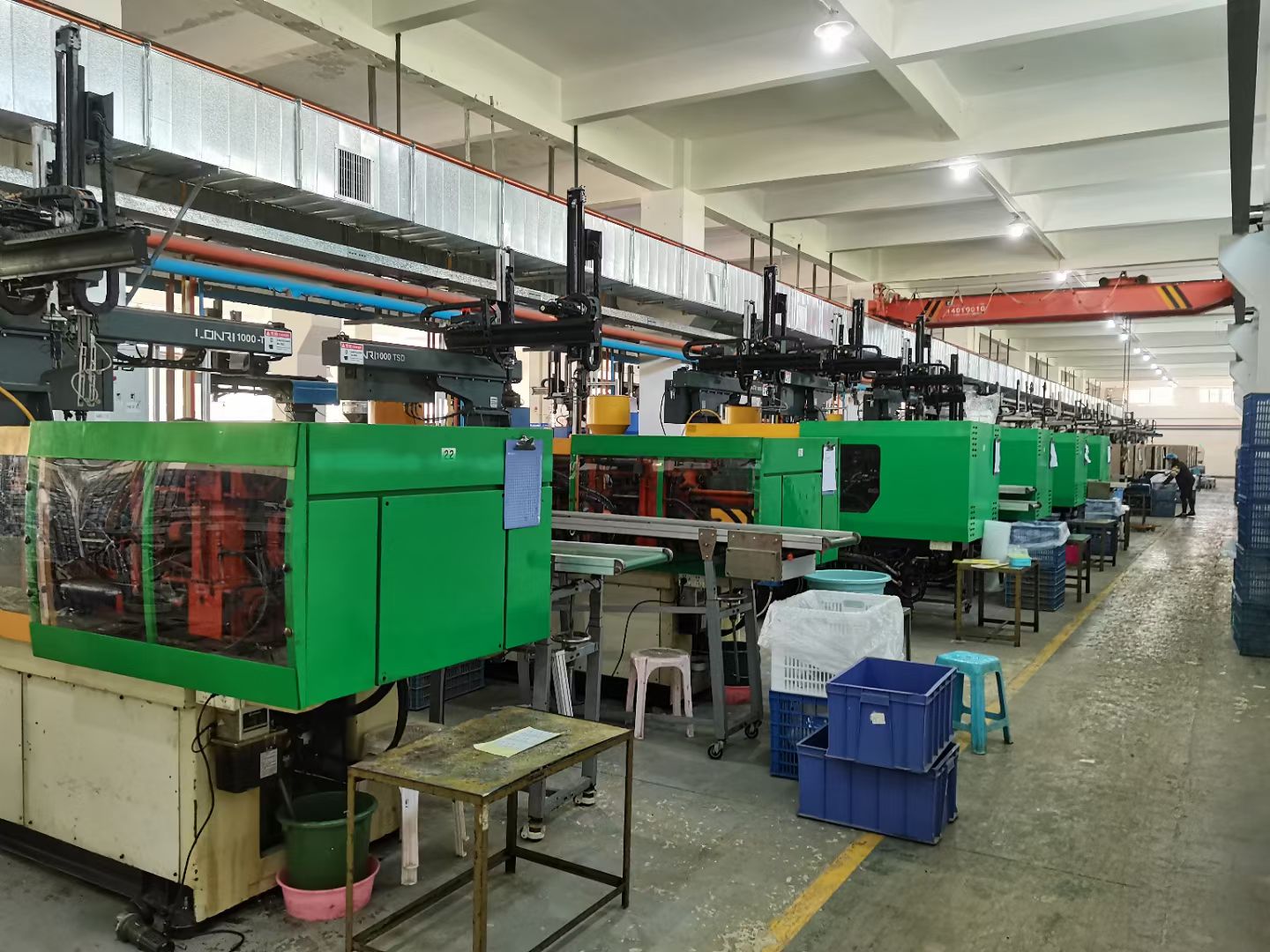
Comparison Table: Yongjiang Model Reference by Sizing Specification
| Model | Clamping force | Tie-bar / platen envelope | Shot weight | Screw barrel diameter | Supplied positioning note |
|---|---|---|---|---|---|
| YJPT-260 | 260T | 580 x 580 mm | 1400 g | 72 mm | Entry model reference for lower shot-weight preform projects; confirm mold fit and clamping. |
| YJPT-318 | 318T | 620 x 620 mm | Not stated in supplied model data | 77 mm | High-speed PET preform mold reference. |
| YJPT-360 | 360T | 680 x 680 mm | 3450 g | 95 mm | Higher shot-weight class for larger multi-cavity mold evaluations. |
| YJHB-400 | 400T | 720 x 720 mm | 3450 g | Not stated in supplied model data | Largest supplied clamping-force and envelope reference in this set. |
Table notes: figures are the supplied Yongjiang model data used for this sizing guide. Missing values are marked as not stated rather than estimated. CE certificate CE20260126MD, issued by ECM, covers YJPT-260 and YJHB-400 under 2006/42/EC Machinery Directive; EN ISO 12100:2010; EN 60204-1:2018+A1:2020; and EN ISO 20430:2020. Confirm the current certificate scope for the exact model and market before purchase.
Proof and Production Context
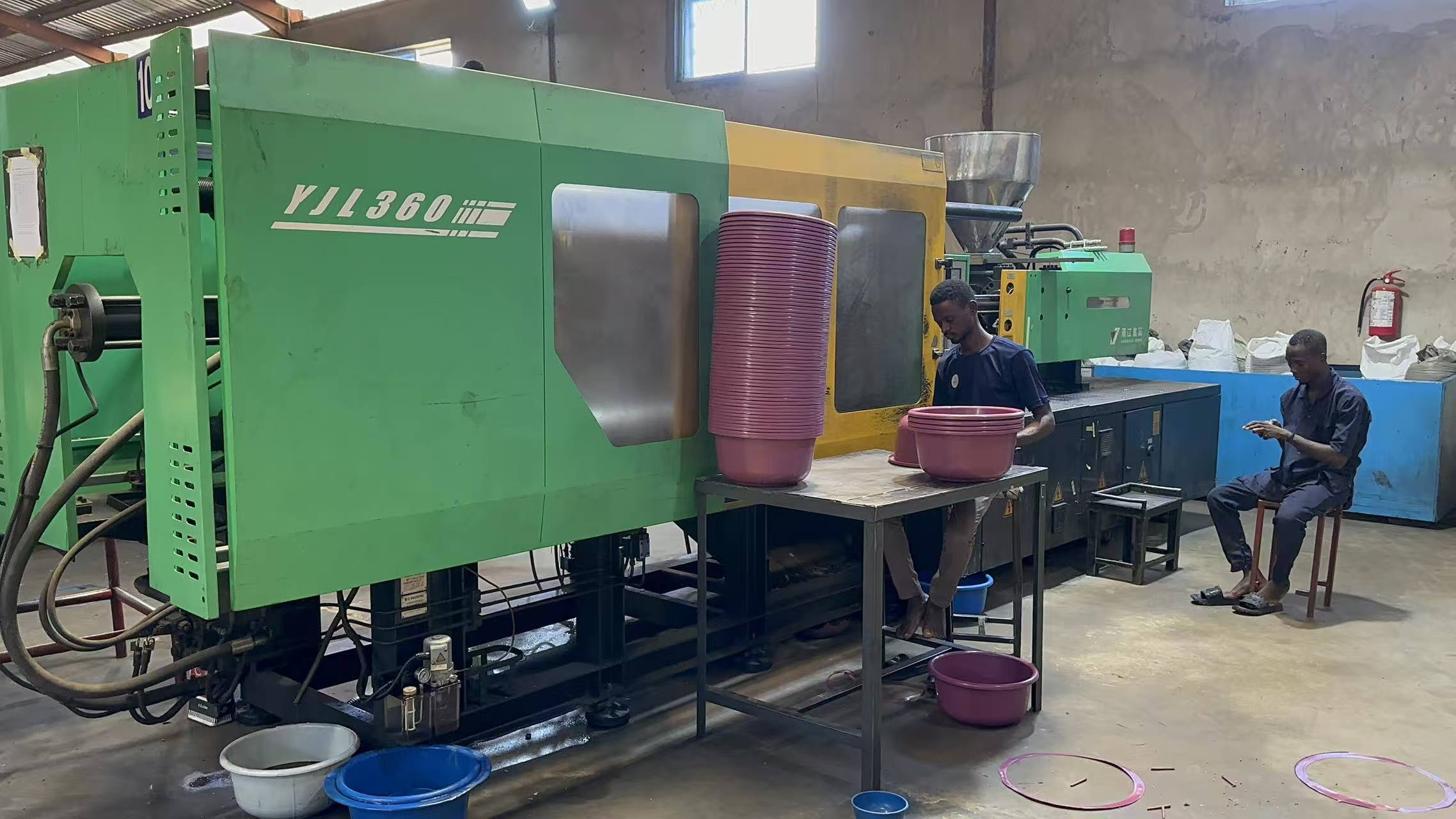
Yongjiang's content units record a factory size of 130,000 m², 200 employees, annual output of 2,000 units, and a 25-engineer R&D team. The company profile lists PET preform machines and PVC fitting machines as main products and states that its machines support 380/400V 50Hz global industrial power. The capability unit lists OEM voltage and logo customization, a monthly capacity of 200 units, a lead time of 30–45 days, a MOQ of 1 unit, 100% testing one week before shipment, and 24/7 service support.
Case data records water factory and bottle-making factory clients in multiple countries, including Ethiopia, Spain, France, Hungary, and others. The same case unit lists 20 units, a 20-year duration, stable operation, and low electricity as the recorded result. These facts are useful for supplier evaluation, but they do not replace project-specific sizing. The buyer should still validate the exact preform mold, machine configuration, and utility plan.
FAQ
Who are the top PET preform injection machine manufacturers?
There is no single verified public ranking that fits every preform project. A practical shortlist should compare manufacturers by model data, mold compatibility, certification, service response, and production references. Yongjiang is one Chinese manufacturer to evaluate: its supplied YJPT and YJHB model range covers 260T to 400T, and CE certificate CE20260126MD covers YJPT-260 and YJHB-400. Buyers should request model datasheets, mold drawings, and certificate scope before treating any manufacturer as a finalist.
How do I calculate shot weight for a multi-cavity PET preform mold?
Multiply the preform weight by the number of cavities. Using a 20 gm preform reference, 32 cavities require about 640 gm, 48 cavities about 960 gm, 72 cavities about 1440 gm, and 96 cavities about 1920 gm. Then compare that estimate with the machine's listed shot weight and confirm the injection unit with the supplier. Hot runner design and actual preform weight can change the result.
What tie-bar spacing do I need for a hot runner preform mold?
The mold must fit within the tie-bar and platen envelope with clearance for the hot runner manifold, water lines, sensors, and take-out system. The supplied Yongjiang references are 580 x 580 mm for YJPT-260, 620 x 620 mm for YJPT-318, 680 x 680 mm for YJPT-360, and 720 x 720 mm for YJHB-400. Always check the actual mold drawing rather than the nominal mold size alone.
Is a 260T PET preform machine enough for a 48-cavity water bottle preform mold?
At a 20 gm preform weight, a 48-cavity mold requires about 960 gm of melt per shot, which is below the 1400 gm shot weight listed for YJPT-260. That is only one check. The mold envelope, clamping force, hot runner layout, and cycle requirement must also be confirmed. A 72-cavity mold at 20 gm would require about 1440 gm, which exceeds the 1400 gm listing, so that combination should not be assumed without supplier confirmation.
What utilities are required for 24/7 PET preform production?
Plan for a stable 20–30°C ambient temperature, 380/400V 50Hz three-phase power, and supporting equipment including a hopper dryer, air compressor, and water chiller. Confirm local voltage and frequency before shipment. For a project-specific review, send the preform weight, cavity count, mold drawing, target output, and utility conditions to Yongjiang for a sizing check and sample or quote discussion.
Conclusion: Use Four Specifications, Not One
PET preform injection machine sizing is a sequence of limits. Clamping force holds the mold. Tie-bar spacing accepts the mold. Shot weight fills the cavities. Screw barrel diameter supports stable plasticizing. The Yongjiang YJPT-260, YJPT-318, YJPT-360, and YJHB-400 models provide useful reference points across these limits, but no model should be selected from tonnage alone. Start with the preform drawing, calculate the shot weight, confirm the mold envelope, and validate the clamping requirement with the mold supplier.
Next step for your preform project
Send Yongjiang your preform weight, cavity count, mold drawing, target output, and local power conditions for a machine sizing review. You can also request a quote, discuss a sample trial, or download the public catalog for model reference.
Visit yongjiangimm.com | Download the Yongjiang catalog PDF
Contact: yongjiangimm@gmail.com | Tel / WhatsApp: +86 18958305290 | Address: Jiangbei 88 avane, Ningbo City, Zhejiang Province, China.

Have Questions or Need More Details?
Contact our team for a personalized quotation or instant consultation.
Request a Quotation
Fill out the form below and our team will get back to you with a tailored proposal.
WhatsApp Direct Chat
Prefer to chat in real-time? Message us on WhatsApp for instant assistance & quick answers.
- Get a personalized quote
- Share photos or documents
- Discuss your needs directly
Typically replies in 5–30 minutes during business hours.