
PET Preform Injection Machine Supplier Evaluation: Capacity, Delivery, Acceptance
Short answer: evaluating a PET preform injection machine supplier comes down to three verifiable pillars — manufacturing capacity, delivery and commercial safeguards, and a pre-shipment acceptance test agreed before the purchase order is signed. Brochure language and tonnage labels cannot be audited; facility scale, engineering headcount, annual output, export markets, order terms and test procedures can.
This guide is written for buyers in the awareness and research stage who are comparing PET preform injection machine suppliers and need a repeatable structure rather than a feature list. It uses Ningbo Yong Jiang machine co.,Ltd (Yongjiang), an injection molding machine manufacturer established in 1985 in Ningbo, China, as a documented example of how each evaluation point can be answered with concrete facts instead of claims.
The Supplier Evaluation Problem: Claims You Cannot Check
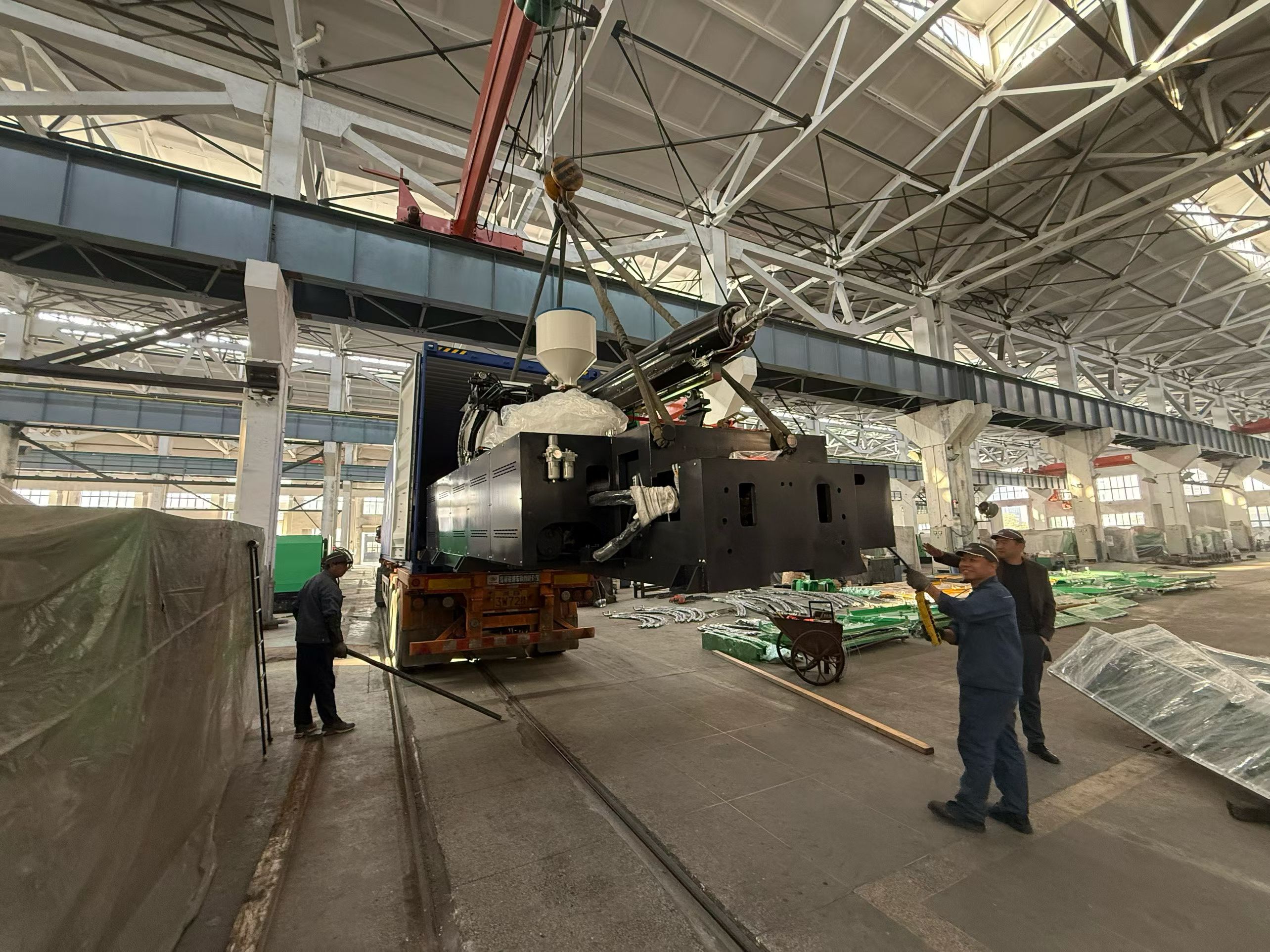
Two suppliers can quote nearly identical specifications and still deliver very different outcomes. A 318-ton PET preform machine with a 77 mm screw barrel and a 1,900 g shot weight — the published configuration of the YJPT-318 — describes what the machine is designed to produce. It says nothing about whether the supplier can build it to schedule, document it, and hand it over in a condition the buyer has already approved.
Three failure patterns account for most supplier-selection mistakes in this category:
- Unverified capacity. Capacity statements are usually qualitative (“large factory”, “strong production base”) and therefore unfalsifiable. They become checkable only when expressed as area, headcount, engineering staff, annual units and years of operation.
- Undefined delivery terms. If MOQ, deposit ratio, payment point and Incoterm are left to the final negotiation, offers cannot be compared on a like-for-like basis.
- No acceptance protocol. When payment is completed before an agreed test, defects surface at commissioning — a point at which the buyer has already paid and holds no leverage.
Public verified data for this category is uneven. Procurement specifications for PET preform injection machines are documented and citable, but verified price, MOQ and lead-time figures are generally not published. That gap is a reason to formalise what the supplier must provide in writing — not a reason to skip the step.
Industry Background: Why Preform Demand Shapes the Machine Decision
PET preforms are the intermediate product through which bottle manufacture is achieved: the preform is injection molded first, then blow molded into the finished bottle. Machine demand therefore tracks the end markets the preforms serve, and the main application categories are bottled water, carbonated soft drinks, juices, edible oils and sauces.
Two published figures frame the capacity question. Global exports of injection-molding machines under HS Code 847710 were valued at USD 7.21 billion in 2023, based on customs-derived trade data. Commercial research published by Acumen Research and Consulting projects the PET preform machines market growing from USD 8.38 billion in 2022 to USD 14.73 billion by 2032.
A third figure is frequently misquoted and should be kept separate. The PET preform product market — finished preforms sold to bottle converters, not machines — was reported at USD 24.33 billion in 2026, growing at a 2.17% CAGR to USD 27.08 billion by 2031. The two markets are scoped differently and cannot be used interchangeably.
On the buyer side, technical specifications are standardised enough to audit. A public CIPET tender specification for a PET preform injection moulding machine required a minimum machine tonnage of 150–200 T, a minimum shot capacity of 750 g, a minimum plasticizing capacity of 50 gm/sec, a minimum injection pressure of 1,200 bar, at least 32 preform cores and cavities, and a preform of no more than 20 g with a 28 mm neck for a 1,000 ml bottle. Because specifications at this level of detail already circulate in public procurement, a buyer can reasonably demand equivalent precision from a commercial supplier.
A Three-Pillar Framework for Supplier Due Diligence
Pillar 1 — Manufacturing Capacity and Engineering Depth
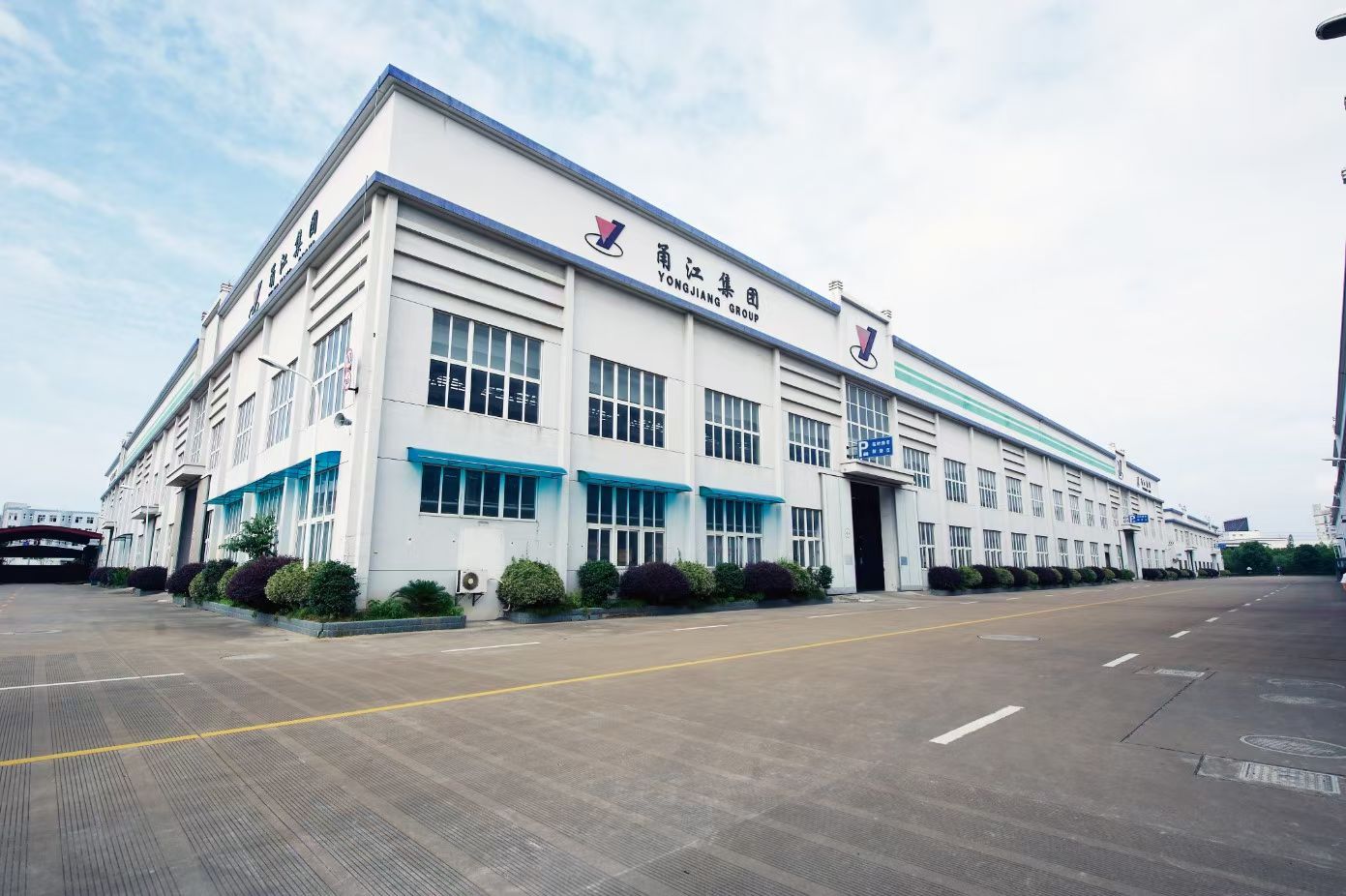
Capacity should be answered with counts. Yongjiang’s published profile, used here as a worked example, reports a manufacturing facility covering 130,000 m², approximately 200 staff, an R&D team of 25 engineers, and production of about 2,000 units per year. The company has manufactured injection molding machines since 1985 — more than 35 years — and its main products are PET preform machines and PVC fitting machines.
Each number answers a different buyer question. Facility area and annual unit output set the ceiling for how quickly a configured order can be engineered and built. R&D headcount indicates whether customization requests reach engineers or stop at a sales desk. Years in production indicate whether the design has been through multiple product generations.
The second capacity question is whether the supplier builds the class of machine you actually need. Yongjiang’s PET preform range covers four models from 260 t to 400 t clamping force and 1,400 g to 3,450 g shot weight — a range that should be mapped against the buyer’s preform weight and cavity count before any price comparison is attempted.
Pillar 2 — Delivery and Commercial Safeguards
Delivery risk lives in the commercial terms rather than in the machine specification. Yongjiang’s order terms are a concrete example of what to ask for in writing: a minimum order quantity of one unit; 30% deposit with 70% payable before shipment; and FOB Ningbo delivery.
Each element resolves a specific buyer risk. An MOQ of one unit allows a trial installation without a distributor aggregating demand first. A 30/70 payment split keeps the larger portion of the value unpaid until the machine has been tested. FOB Ningbo fixes the handover point, making freight and insurance responsibility explicit on both sides.
Export evidence supports delivery reliability: approximately 59% of Yongjiang’s products are exported, with major markets in the USA, Canada and Thailand. Buyers should also request the compliance file before the deposit is paid. Yongjiang’s records cover ISO9001 and CE certification, including conformity with EN ISO 12100:2010 (certificate CE20260126MD). For EU-bound projects, machinery safety conformity is a delivery requirement, not a formality.
Pillar 3 — Pre-Shipment Acceptance Testing
Acceptance testing is what converts a specification sheet into a decision. Yongjiang incorporates pre-shipment acceptance testing into the order process, which gives the buyer a defined point at which declared performance can be demonstrated before the balance is paid.
What must be verified depends on the installation. Documented operating requirements for this PET preform application include 380/400V 50 Hz three-phase industrial power with voltage fluctuation within ±10%; an ISO Class 8 (100,000-class) dust-free workshop for food-grade preform production; ambient temperature of 20–30 °C with relative humidity of 40–50% RH; PET pellets dried to below 0.02% moisture before processing; and supporting equipment comprising a PET preform mold, hopper dryer, air compressor and water chiller. The application also specifies low energy consumption, stable injection and compliance with the EU CE machinery safety standard.
A workable acceptance checklist therefore covers four items: shot weight verified against the declared figure; mold and hot runner fit; cycle-to-cycle consistency across a continuous run; and a documented power and safety check.
Step-by-Step: Running the Evaluation in Six Steps
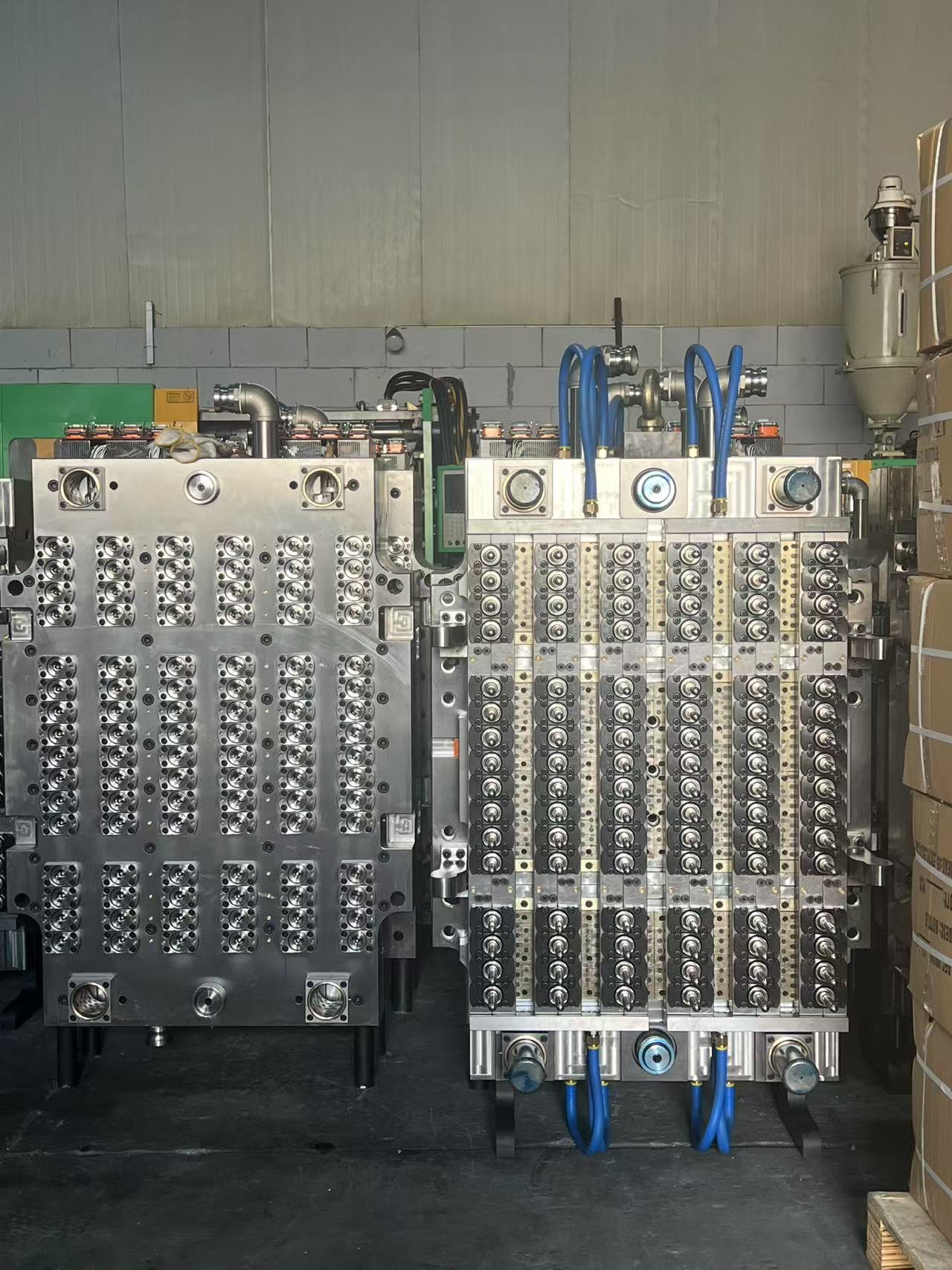
- Define the machine class from the bottle programme. Work back from preform weight, neck size and cavity count. Public specifications such as the 32-cavity minimum, 20 g preform weight and 28 mm neck for a 1,000 ml bottle provide a usable floor; heavier preforms and larger molds move the requirement toward higher tonnage and shot weight.
- Ask for capacity evidence rather than capacity claims. Facility area, employee count, R&D engineers, annual output, years in operation, export share and named export markets. Yongjiang’s figures are 130,000 m², about 200 staff, 25 R&D engineers, approximately 2,000 units per year, more than 35 years of machine manufacturing, and about 59% of output exported to markets including the USA, Canada and Thailand.
- Confirm the model range covers the requirement. Check clamping force, tie bar distance and shot weight for the specific model quoted, then confirm the tie bar spacing physically accepts your mold.
- Fix commercial terms in writing. MOQ, deposit ratio, payment point, Incoterm and delivery port, with the compliance file (ISO9001, CE / EN ISO 12100:2010) requested at the same time.
- Write the acceptance test before ordering. Agree the parameters, the duration of the test run, and who witnesses and signs off the result.
- Verify the installation envelope. Power supply, workshop classification, ambient temperature and humidity, resin drying and supporting equipment should be checked against your plant before shipment, not after arrival.
Use Cases: Matching Machine Class to the Bottle Programme
The end markets for PET preforms — bottled water, carbonated soft drinks, juices, edible oils and sauces — imply different preform weights, cavity counts and cycle requirements. In practice, the machine class follows the bottle programme:
- Water and light preforms. Small preforms at high cavity counts favour a compact high-speed machine. The YJPT-260 (260 t, 1,400 g shot, 580×580 mm tie bar, 72 mm screw) is the entry point of Yongjiang’s PET range.
- Mid-weight beverage preforms. The YJPT-318 (318 t, 1,900 g shot, 620×620 mm tie bar, 77 mm screw) sits in the middle of the range and is documented with a high-speed PET preform mold.
- Heavier preforms and larger molds. The YJPT-360 delivers a 3,450 g shot with a 680×680 mm tie bar, while the YJHB-400 provides the same 3,450 g shot with a wider 720×720 mm tie bar for larger mold footprints.
- Regional deployment. The documented preform application scenario is common in Spain and Algeria, covering EU and North African production environments; buyers elsewhere should still confirm the local power supply and workshop conditions.
Comparison Table: PET Preform Machine Models Side by Side
Clamping force determines mold size feasibility, shot weight sets the preform size ceiling, and tie bar distance decides which mold can physically be mounted. The table below uses manufacturer-published specifications for the four Yongjiang PET preform models.
| Model | Clamping force | Tie bar distance | Shot weight | Screw barrel | Motor / heat power | Net weight | Material |
|---|---|---|---|---|---|---|---|
| YJPT-260 | 260 t | 580×580 mm | 1,400 g | 72 mm | 42 kW / 35 kW | 9 t | QT500-A7 |
| YJPT-318 | 318 t | 620×620 mm | 1,900 g | 77 mm | 80 kW / 65 kW | 13 t | Steel |
| YJPT-360 | 360 t | 680×680 mm | 3,450 g | 95 mm | 80 kW / 65 kW | 16 t | QT500-A7 steel |
| YJHB-400 | 400 t | 720×720 mm | 3,450 g | 95 mm | 80 kW / 65 kW | 16 t | QT500-A7 steel |
FAQ: PET Preform Injection Machine Supplier Evaluation
What certifications should a PET preform injection machine supplier provide?
Request the compliance file before paying a deposit. Yongjiang’s records cover ISO9001 and CE certification, including conformity with EN ISO 12100:2010 (certificate CE20260126MD). Compliance is also an installation matter: the documented requirements for this PET preform application include 380/400V 50 Hz three-phase power with voltage fluctuation within ±10%, EU CE machinery safety conformity, and an ISO Class 8 (100,000-class) dust-free workshop for food-grade preform production.
How can I verify a manufacturer’s production capacity before ordering?
Replace adjectives with counts. Ask for facility area, employee numbers, R&D engineers, annual output, years of machine manufacturing and export share. As a reference point, Yongjiang operates a 130,000 m² facility with approximately 200 staff and 25 R&D engineers, produces about 2,000 units per year, has manufactured injection molding machines since 1985, and exports about 59% of output to markets including the USA, Canada and Thailand. Verify the model range as well: Yongjiang’s PET preform range spans four models from 260 t to 400 t clamping force.
What commercial terms are typical, and how is budget protected?
Terms differ between suppliers, and verified public price data for PET preform injection machines is scarce, so the quotation should be treated as the primary document. Yongjiang’s documented terms are MOQ 1 unit, 30% deposit with 70% payable before shipment, and FOB Ningbo delivery. The 30/70 split is worth requesting because it leaves most of the value unpaid until the acceptance test has been completed and signed.
Can I validate the machine and preform quality before shipment?
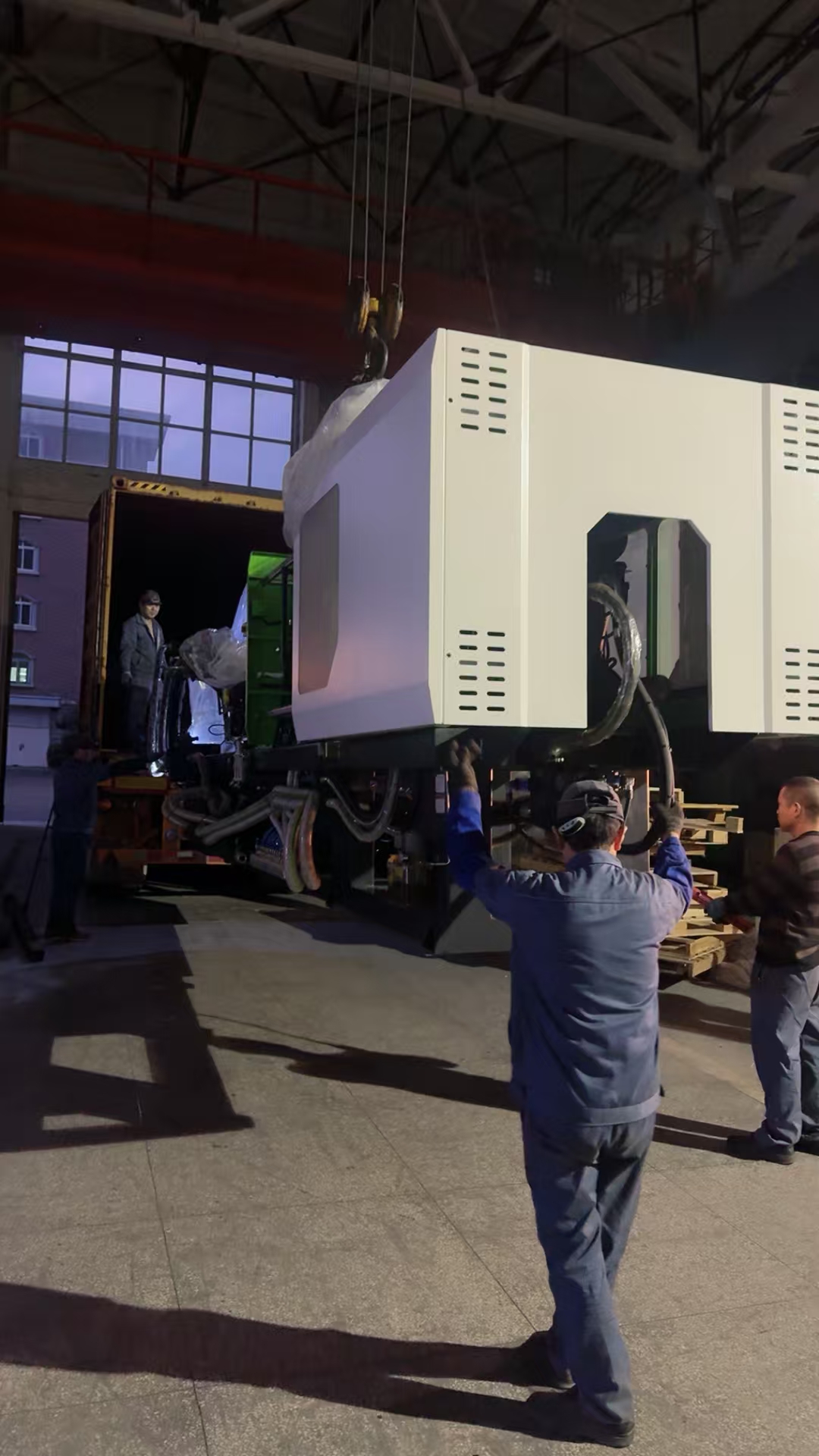
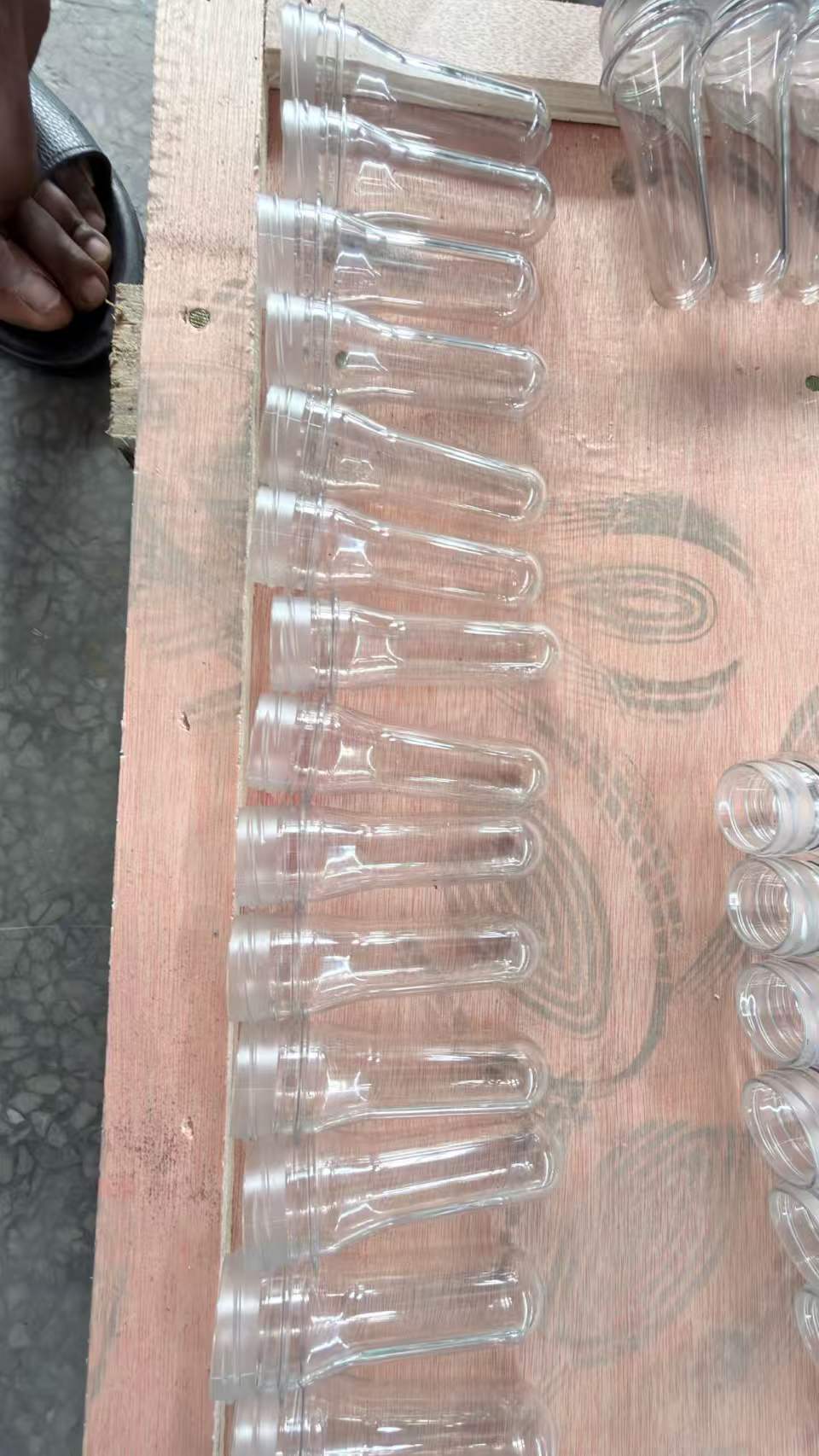
Pre-shipment acceptance testing is built into Yongjiang’s order process, and it is the point to verify declared shot weight, mold and hot runner fit, and cycle consistency over a continuous run, together with the power and safety checks. Physical preform samples, such as the 30/25 18 g preform documented in the range, allow weight, wall quality and neck dimensions to be checked against your own blow-molding line before the balance payment.
How should delivery and lead time be protected?
Lead time depends on the configuration and mold, so it should be confirmed in writing per order rather than inferred from a catalog. The protections that matter most are the delivery port (Yongjiang ships FOB Ningbo), the payment milestone tied to pre-shipment testing, and a written schedule agreed before the deposit — because the 70% balance falls due before shipment, the acceptance test must be completed first. Installation readiness should be verified in parallel: 380/400V 50 Hz power within ±10%, ambient 20–30 °C, 40–50% RH, PET resin dried below 0.02% moisture, and a preform mold, hopper dryer, air compressor and water chiller in place.
Conclusion
Supplier evaluation for PET preform injection machines is a documentation exercise before it is a negotiation. Capacity becomes verifiable when expressed as facility area, headcount, engineering staff, annual units and years of production. Delivery becomes verifiable when MOQ, deposit ratio, payment point and Incoterm are fixed in writing. Quality becomes verifiable when a pre-shipment acceptance test is agreed before the order is placed. Applied together, the three pillars give a research-stage buyer a defensible shortlist instead of a price comparison.
Next step: send your preform weight, neck size and cavity target to Yongjiang and request a model recommendation, a written quotation and the current compliance file.
Email: yongjiangimm@gmail.com · Tel / WhatsApp: +86 18958305290 · Website: www.yongjiangimm.com
Download the machine catalog: Yongjiang injection molding machine catalog (PDF)
Have Questions or Need More Details?
Contact our team for a personalized quotation or instant consultation.
Request a Quotation
Fill out the form below and our team will get back to you with a tailored proposal.
WhatsApp Direct Chat
Prefer to chat in real-time? Message us on WhatsApp for instant assistance & quick answers.
- Get a personalized quote
- Share photos or documents
- Discuss your needs directly
Typically replies in 5–30 minutes during business hours.