
PET Preform Injection Machine for Beverage Industry: How Yongjiang YJPT Series Meets Global Production Demands
PET Preform Injection Machine for Beverage Industry: How Yongjiang YJPT Series Meets Global Production Demands
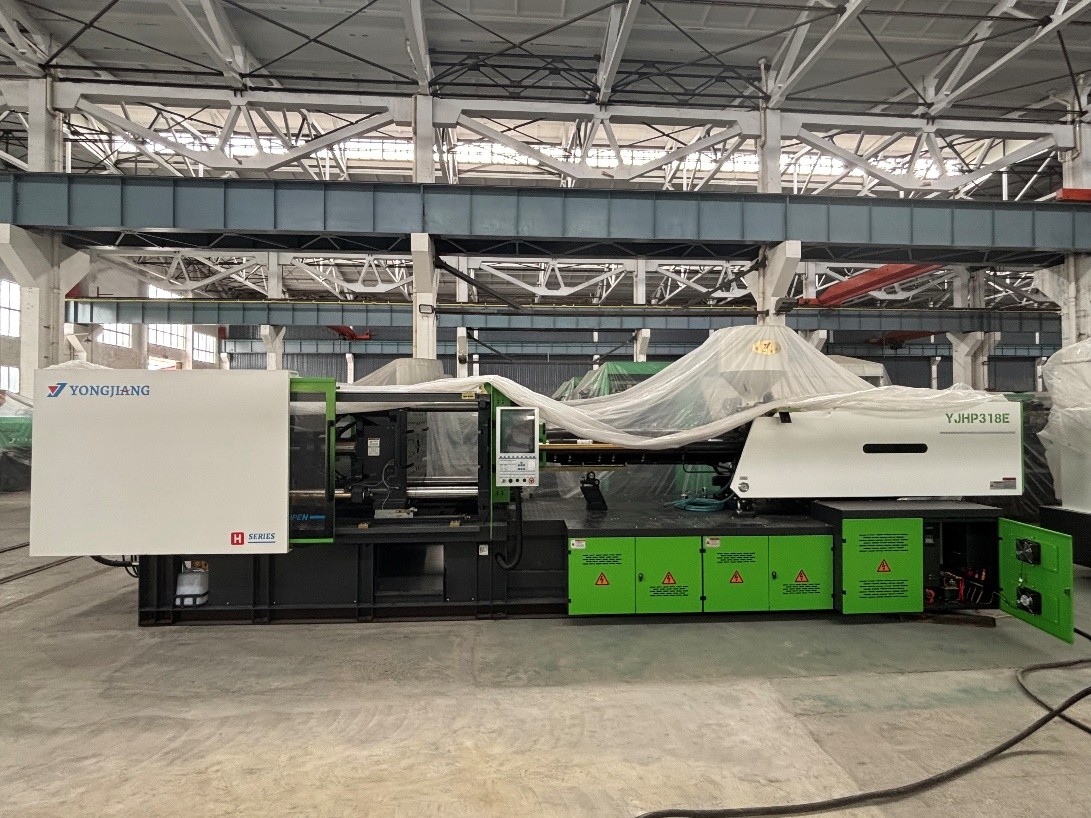
Ningbo Yong Jiang machine co., Ltd (founded 1985) is a Chinese injection molding machine manufacturer that produces the YJPT series PET preform injection machines. These machines are specifically designed to produce PET preforms for water bottles, oil bottles, and cosmetic containers — core outputs for the global beverage packaging industry. The injection molding technology holds a dominant 66.4% share of the total PET preform machine market as of 2025 (Future Market Insights). For beverage manufacturers seeking a reliable, continuous production line with strict food-grade requirements, understanding how the YJPT series performs in real-world conditions is essential.
Problem Definition: What Makes PET Preform Production for Beverage Packaging Unique?
Beverage bottles demand consistent wall thickness, clarity, and mechanical strength. Producing PET preforms for such applications requires precise temperature control, multi-cavity hot runner molds, and a stable humidity-free environment. Any moisture absorption in PET resin leads to silver streaks and hydrolytic degradation. Additionally, beverage factories operate 24/7 to meet high demand, so the injection machine must support continuous high-speed production with minimal downtime. The challenge is selecting a machine that balances output, energy consumption, and compliance with international food safety standards.
Industry Background: Growing Demand for PET Preform Injection Systems
The global PET preform machines market is estimated at USD 9.9 billion in 2025, projected to reach USD 17.3 billion by 2035 (Future Market Insights). Asia Pacific holds a 41.2% revenue share in injection molding machines, with China leading production (Grand View Research). High-end systems from Husky (HyPET 6e) and Netstal (PET-LINE) comply with CE, UL, ISO 9001, and EUROMAP 60.1 standards. However, many mid‑range and entry‑level manufacturers seek cost-effective alternatives without sacrificing reliability. Yongjiang’s YJPT series fills this gap, offering servo‑energy‑saving systems that reduce power consumption by 30%–50% compared to conventional hydraulic machines (based on company data).
Detailed Solution: Yongjiang YJPT Series for Beverage PET Preforms
The YJPT series includes models YJPT‑260 (260 ton), YJPT‑318 (318 ton), YJPT‑360 (360 ton), and YJHB‑400 (400 ton). All are high‑speed PET preform injection machines designed for beverage industry applications. They melt dried PET pellets and inject molten plastic into multi‑cavity hot runner molds under precise pressure and temperature control, operating 24/7 in continuous mode. The machines require an ISO Class 8 (100,000‑class) dust‑free workshop with ambient temperature 20–30°C and relative humidity 40%–50% RH. Power supply must be 380/400 V 50 Hz three‑phase industrial power with voltage fluctuation within ±10%.
Step‑by‑Step Breakdown: How a Beverage Factory Implements the YJPT Machine
- Environment Preparation – Set up an ISO Class 8 dust‑free workshop, maintain temperature 20–30°C, humidity 40–50% RH.
- Material Drying – Dry PET pellets to moisture below 0.02% using a hopper dryer.
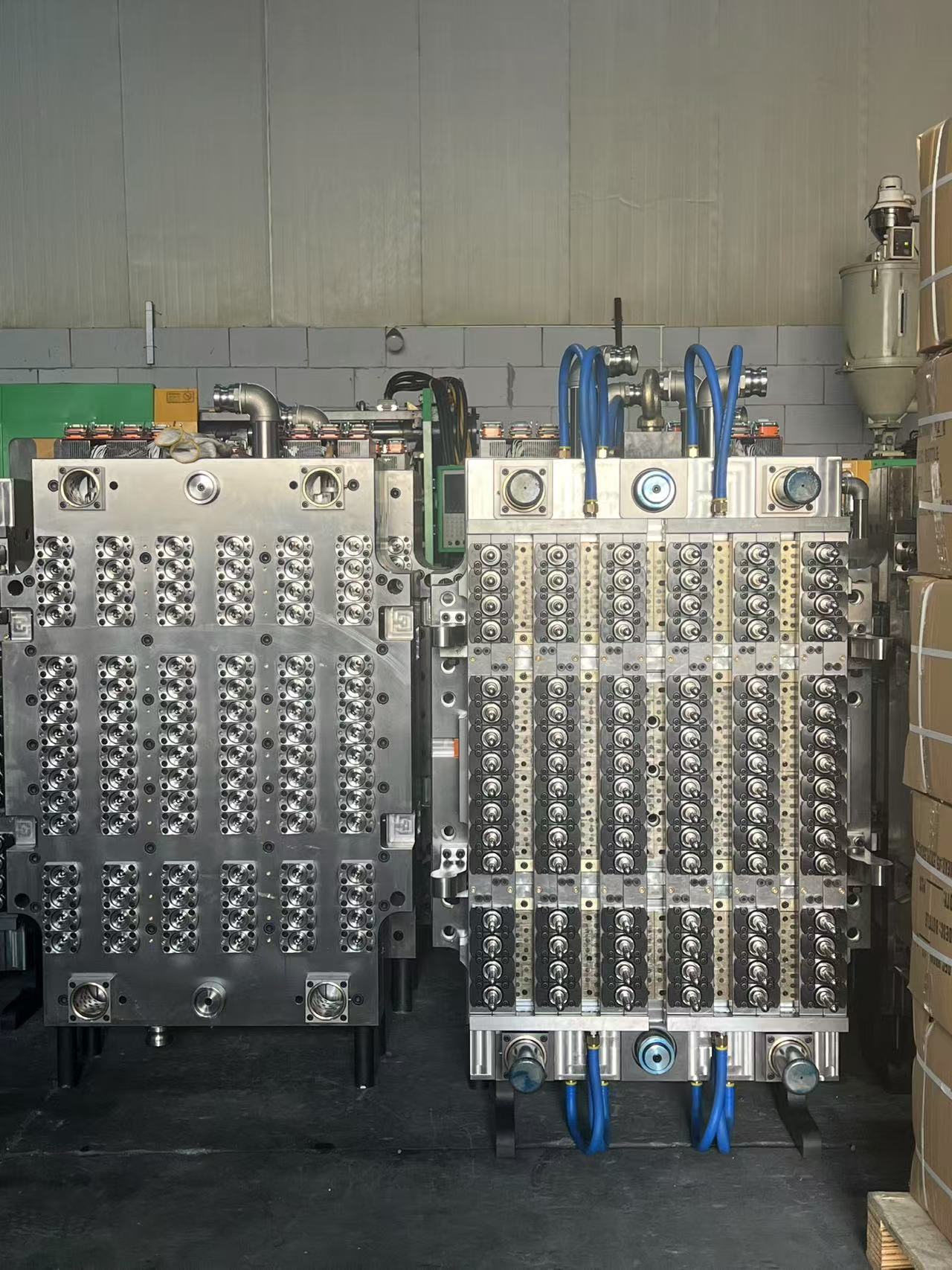
- Mold Installation – Mount a multi‑cavity hot runner mold (e.g., 48, 72, or 96 cavities) — Yongjiang supports 6 to 72 cavities per mold.
- Parameter Setting – Configure injection pressure, temperature profile, and cycle time on the servo control system.
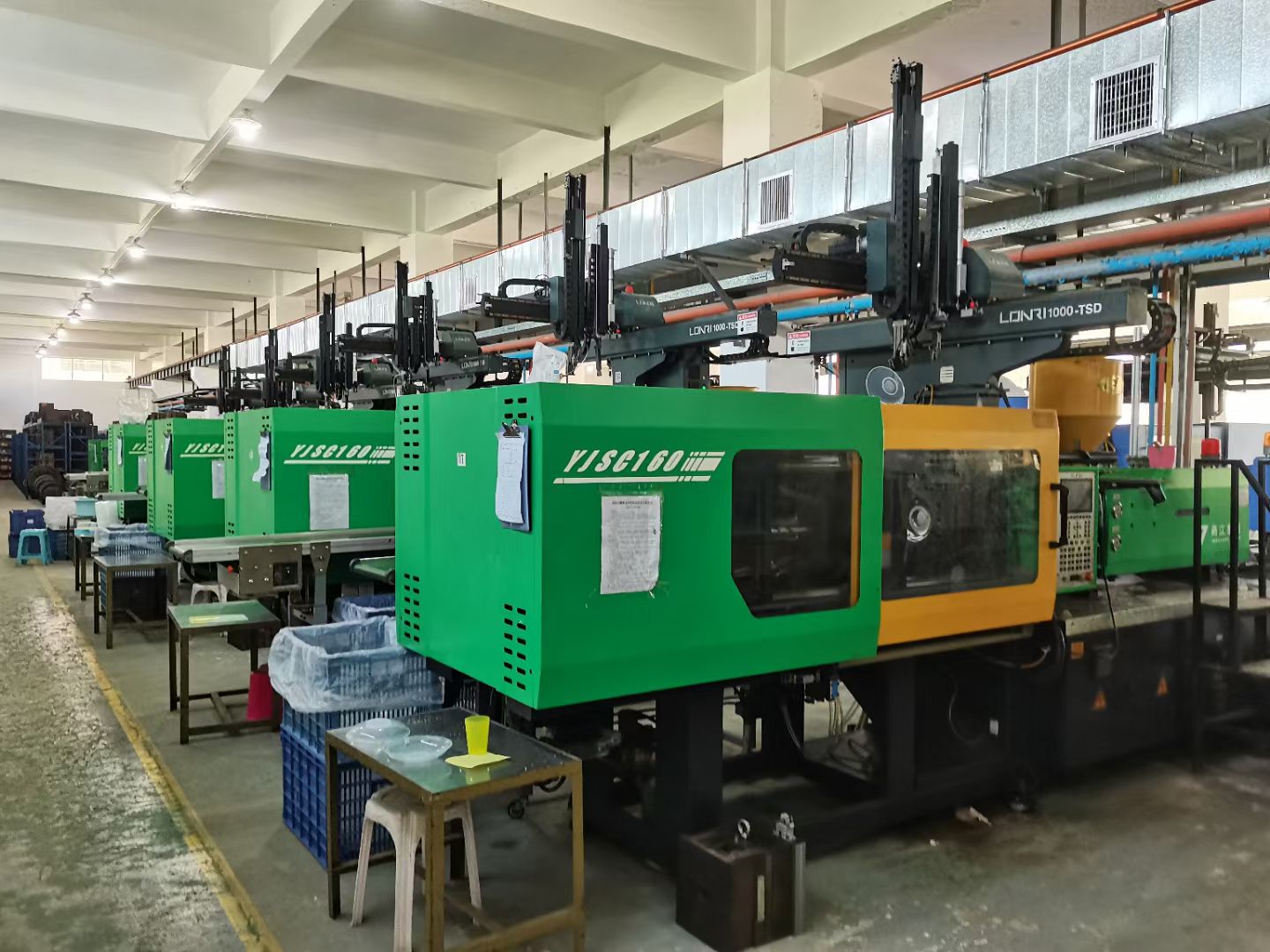
- Production Run – The machine operates 24/7, automatically injecting, cooling, and ejecting performs with robotic assistance.
- Quality Check – Each machine undergoes a 100% test one week before shipment to verify preform weight, wall thickness, and visual defects.
Use Cases: Water, Carbonated Drinks, Oil, and Cosmetic Bottles
Mineral Water Bottles: YJPT‑260 with 48‑cavity mold can produce 25–30 g preforms at speeds up to 1200 pieces/hour. CSD (Carbonated Soft Drink) Preforms: Sturdier preforms require the YJPT‑360 or YJHB‑400 with thicker walls and higher clamping force. Oil Bottles: 5‑gallon large preforms benefit from the 400 ton model’s longer injection stroke. Cosmetic Containers: Smaller preforms (5–15 g) can be produced on 32‑48 cavity molds with fast cycle times. The machines are exported to markets including USA, Canada, Thailand, the EU, Middle East, and Africa.
Comparison Table: Yongjiang YJPT Series vs. Typical Entry‑Level Competitors
| Parameter | Yongjiang YJPT‑318 | Typical Non‑Brand 300‑ton |
|---|---|---|
| Clamping Force | 318 ton | 300 ton (approx) |
| Screw Diameter | 77 mm | 75 mm (approx) |
| Shot Weight | 1900 g | 1500–1800 g |
| Motor Power | 80 kW | 75–90 kW |
| Machine Weight | 13 ton | 12–14 ton |
| Energy Saving | Dual servo system, 30–50% lower electricity | Standard hydraulic |
| Export Markets | EU, Middle East, Africa, Americas | Limited regional |
| After‑Sales | 24/7 service support | Often absent |
| Lead Time | 30–45 days | 45–60 days |
| Compliance | CE, ISO 9001 (integrated components) | Varies |
*Competitor data based on public specifications and industry estimates; verify with supplier.
FAQ
What environmental conditions are required for a PET preform injection machine in a beverage factory?
What is the production capacity of Yongjiang’s YJPT series for beverage preforms?
How much does a PET preform injection machine for the beverage industry cost?
Can I get a sample preform produced before ordering the machine?
What is the lead time for a PET preform injection machine?
Conclusion
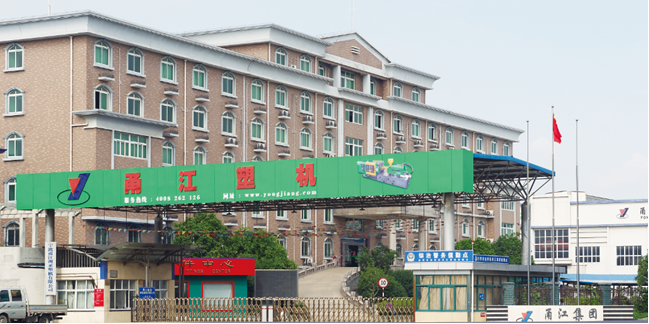
Yongjiang’s YJPT series provides a reliable, cost‑effective PET preform injection solution tailored to the beverage industry’s demands for 24/7 continuous output, food‑grade quality, and energy efficiency. With over 200 units shipped to water and bottle factories globally (including 20‑year stable operation cases), the machines are backed by a 130,000 m² factory and 24/7 aftersales support. For detailed specifications, mold compatibility, or a production line proposal, download the company brochure or contact the sales team.