
PET Preform Machine Models Compared: 260T vs 318T vs 360T vs 400T
PET Preform Machine Models Compared: 260T vs 318T vs 360T vs 400T
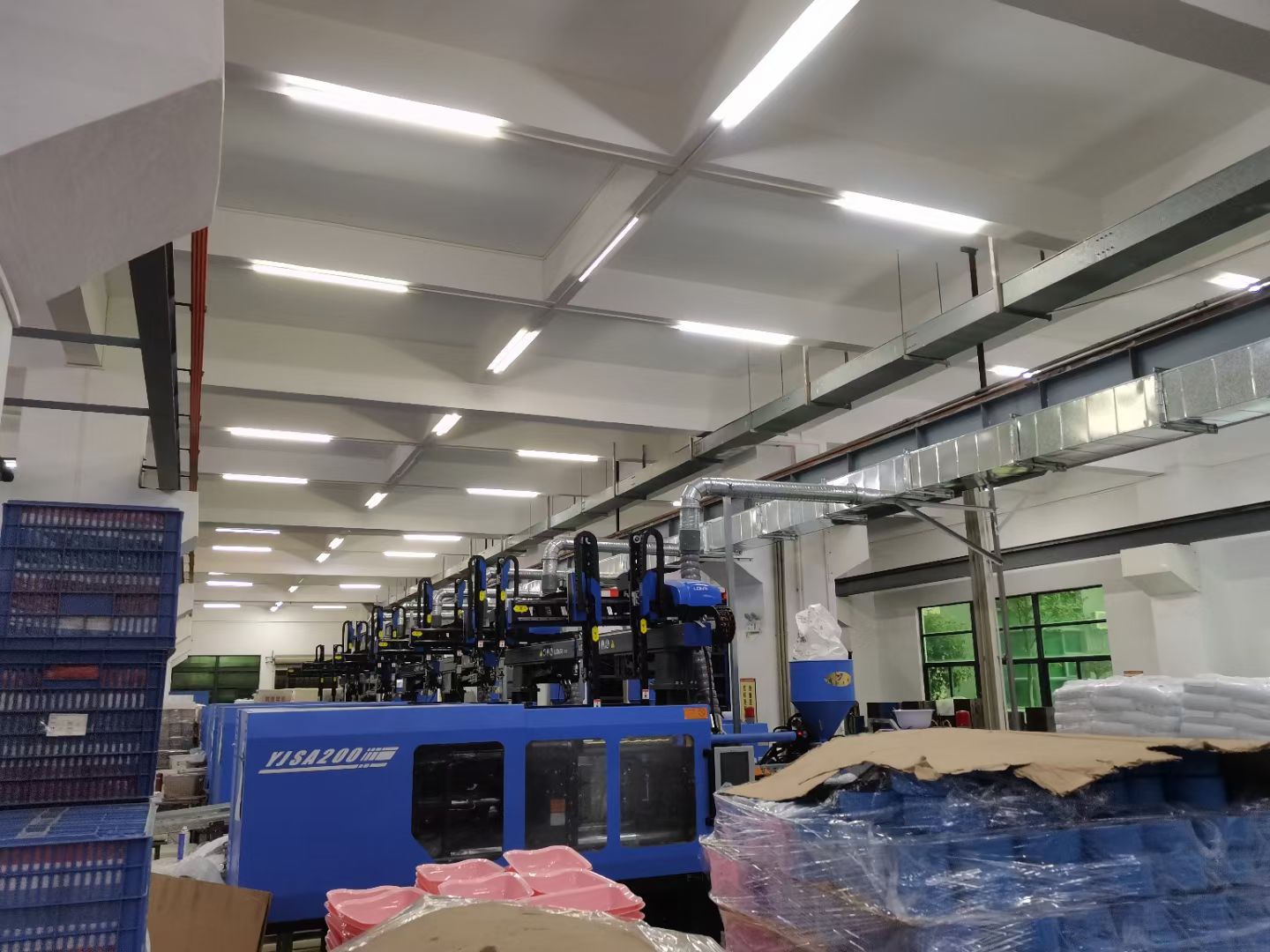
Short answer: Yongjiang's PET preform range holds four models in the 260 t to 400 t band — YJPT-260, YJPT-318, YJPT-360 and YJHB-400. They differ along four measurable lines: clamping force (260 t to 400 t), tie bar spacing (580 × 580 mm to 720 × 720 mm), rated shot weight (1400 g to 3450 g) and screw barrel diameter (72 mm to 95 mm). Mold fit eliminates the smaller models before clamping force ever enters the discussion; shot weight then sets how many cavities a mold can carry; clamping force confirms the tonnage needed to hold that mold closed.
Two of the four models are frequently confused, and the confusion is worth resolving at the start. YJPT-360 and YJHB-400 share the same 95 mm screw barrel and the same 3450 g rated shot weight. What separates them is the frame: 360 t clamping force with 680 × 680 mm tie bars against 400 t with 720 × 720 mm tie bars. If your mold fits both, plasticizing capacity is identical and the difference is closing force and opening width. If your mold only fits the 400 t frame, there is no decision left to make.
This comparison is written for buyers at the evaluation stage — production managers, importers and bottle manufacturers comparing models inside one supplier's catalogue, where the real risk is not "which brand" but "which size, and what does the next size up cost me in mold flexibility, connected load and floor space". All specifications quoted below are Yongjiang's published figures for these four models.
Problem Definition: Why Counting Tonnage Is Not a Selection Method
Most preform machine shortlists are built on clamping force, because tonnage is the one number that appears in every catalogue, quotation and trade listing. It is also the number that decides the least during evaluation. Four failure patterns repeat in real projects.
- The mold does not fit. A multi-cavity hot runner mold has a fixed footprint. If the mold base is wider than the tie bar opening, the machine is unusable regardless of clamping force. Tie bar spacing — 580 × 580 mm on YJPT-260, 620 × 620 mm on YJPT-318, 680 × 680 mm on YJPT-360 and 720 × 720 mm on YJHB-400 — is the first hard filter, not tonnage.
- The shot is too heavy for the barrel. Every cycle must fill all cavities at once, plus the hot runner and process allowance. Rated shot weight sets the practical cavity ceiling: 1400 g on YJPT-260, 1900 g on YJPT-318 and 3450 g on both YJPT-360 and YJHB-400.
- The machine is oversized for the job. Stepping from 260 t to 318 t changes motor power from 42 kW to 80 kW and heating power from 35 kW to 65 kW, and adds 4 tonnes of machine weight (9 t to 13 t). That has consequences for transformer capacity, foundation work, rigging and freight.
- Compliance is checked last. Certificates cover named models, not an entire catalogue. Treating CE as a generic badge rather than a model-specific document is a common source of late-stage surprises.
Reversing the order — mold first, shot weight second, tonnage third, compliance fourth — removes most of this ambiguity.
Industry Background: Why This Is a Decade-Scale Decision
PET preform capacity is usually installed for a long service life, so the size decision made today is the one a plant runs with for years. Two published market measures explain why buyers increasingly evaluate model-level fit rather than brand-level reputation.
Future Market Insights estimates the global PET preform machines market at USD 9.9 billion in 2025, with a projected value of USD 17.3 billion by 2035. Within that market, injection molding technology holds a dominant 66.4% share as of 2025 (Future Market Insights) — the technology family the four models in this article belong to. Asia Pacific is the largest regional market for injection molding machines, holding a 41.2% revenue share in 2025, with China as the leading country (Grand View Research).
At the high-output end, Husky Technologies is estimated to control 55–60% of the global high-output PET preform system market (Industry Analysis Report, 2024). That figure describes the top of the pyramid, where systems are engineered around very high cavity counts and dedicated lines. The evaluation logic in the mid-tonnage band is different: buyers are usually matching one machine to one or two molds across several SKUs, where flexibility per tonne matters more than peak output per line. Published market forecasts also vary by scope — some count complete production lines, others only injection molding machinery — so market totals should be read as directional context rather than as a specification.
Ningbo Yong Jiang machine co.,Ltd (Yongjiang) is a Chinese injection molding machine manufacturer founded in 1985. The company operates a 130,000 m² facility in Ningbo, Zhejiang Province, with 200 employees, a 25-engineer R&D team and an annual output of 2,000 units. Export accounts for 59% of production, with the USA, Canada and Thailand among its main markets, and its line-up covers PET preform machines and PVC fitting machines. The four models compared here form its current high-speed PET preform platform.
Detailed Solution: The Four Models, Spec by Spec
The range is not four sizes of one machine. It is three plasticizing steps plus a larger frame: 72 mm, 77 mm and 95 mm screw barrels, with the 360 t and 400 t models sharing the top screw size and shot weight.
YJPT-260: the 260 t entry point
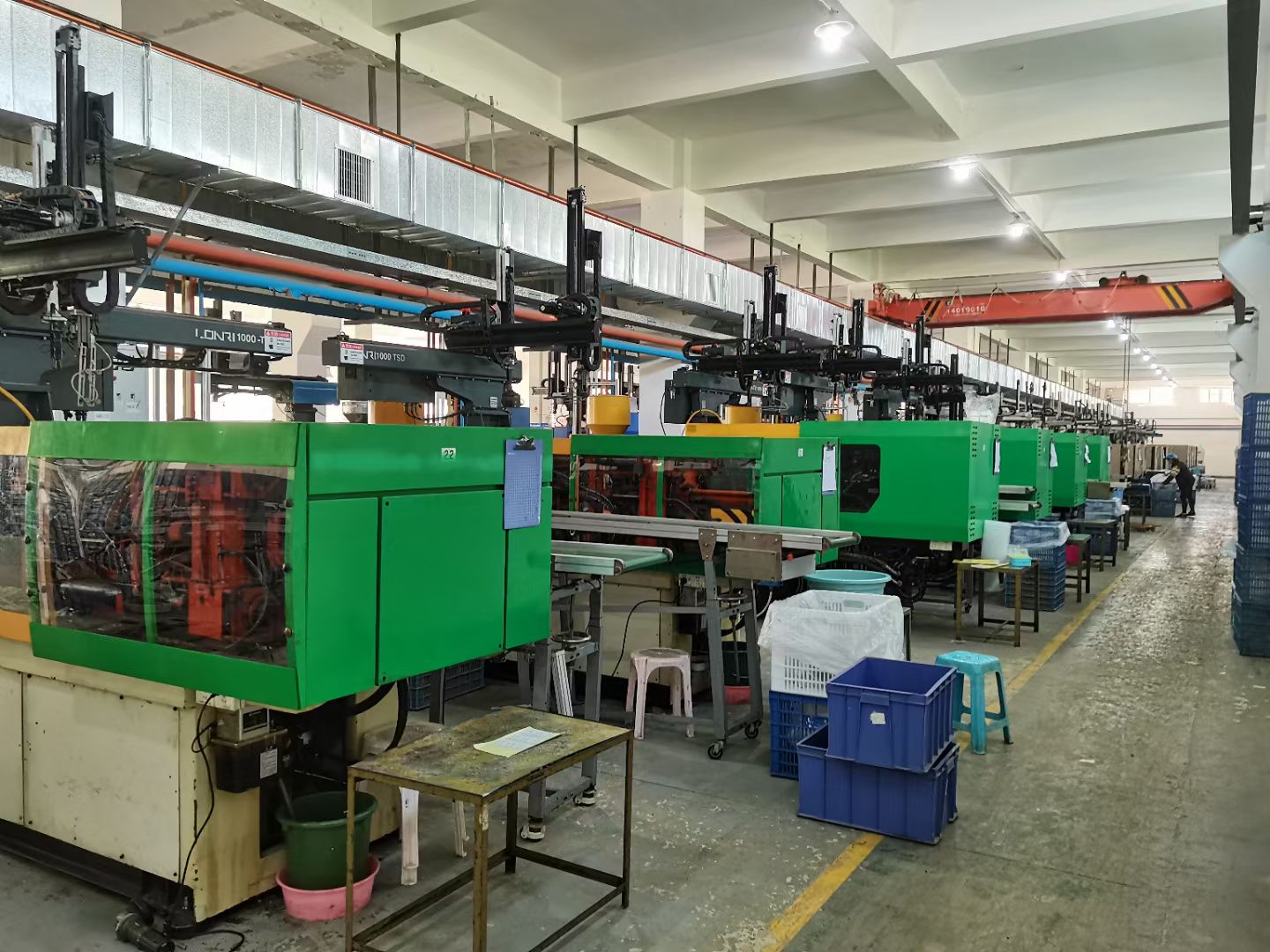
YJPT-260 is the lightest machine in the group. Clamping force is 260 t, tie bar spacing 580 × 580 mm, screw barrel diameter 72 mm and rated shot weight 1400 g. Motor power is 42 kW and heating power 35 kW, with a machine weight of 9 tonnes and a frame in QT500-A7 material. The combination of the lowest shot weight and the lowest connected load makes it the first model to check when the mold is compact and the preform is light — and the model to rule out when the mold footprint is already fixed at a larger size.
YJPT-318: the mid-step
YJPT-318 raises clamping force to 318 t, tie bar spacing to 620 × 620 mm, screw diameter to 77 mm and shot weight to 1900 g, with a machine weight of 13 tonnes. The step from the 260 t model is not only mechanical: motor power rises from 42 kW to 80 kW and heating power from 35 kW to 65 kW. Buyers comparing YJPT-260 and YJPT-318 on purchase price alone often overlook that the utility and installation package has to grow with the machine, not just the purchase order.
YJPT-360: the largest plasticizing step
YJPT-360 moves to a 95 mm screw barrel and a 3450 g rated shot weight — roughly 82% above YJPT-318 — with tie bar spacing of 680 × 680 mm, 360 t clamping force and a machine weight of 16 tonnes. Motor power remains 80 kW and heating power 65 kW, and the frame material is QT500-A7 steel. This is the model where shot weight, rather than mold size, is usually the reason for the upgrade.
YJHB-400: the 400 t frame
YJHB-400 shares the 95 mm screw barrel and 3450 g shot weight of YJPT-360, along with the same 80 kW motor and 65 kW heating power. What changes is the frame: 400 t clamping force and 720 × 720 mm tie bar spacing, still at a machine weight of 16 tonnes and in QT500-A7 steel. In practice, YJHB-400 exists for molds that need the extra 40 mm of tie bar opening in each direction, or the higher closing force for large, high-cavity molds.
Platform features shared across the range
Yongjiang's published description of these machines lists high-response dual servo systems, customized plasticizing screws and rigid clamping frames intended for multi-cavity hot runner molds in 24-hour continuous production. All units are stated to support 380/400 V 50 Hz industrial power, which matters for buyers specifying machines for markets with different standard voltages.
One figure in that description deserves a buyer's caveat. Yongjiang's product literature refers to 30–50% lower power consumption on its servo-equipped machines, but the comparison baseline is not specified in the published text. Energy is one of the largest operating costs in preform molding, so the practical move is to request expected kWh per kilogram of PET for your specific preform and cycle, and to verify it against your own meter readings during the validation period.
Step-by-Step: Matching a Model to Your Mold and Output Target
Step 1 — Calculate the required shot weight
Multiply the weight of one preform by the number of cavities, then add the hot runner and process allowance. Compare the result with the rated shot weight of each candidate model. Dividing the rated shot weight by the cavity count produces the arithmetic ceiling per cavity — the maximum average preform weight the machine can support before any allowance is deducted.
| Cavity count | YJPT-260 (1400 g) | YJPT-318 (1900 g) | YJPT-360 / YJHB-400 (3450 g) |
|---|---|---|---|
| 32 cavities | ≈ 43.8 g | ≈ 59.4 g | ≈ 107.8 g |
| 48 cavities | ≈ 29.2 g | ≈ 39.6 g | ≈ 71.9 g |
| 72 cavities | ≈ 19.4 g | ≈ 26.4 g | ≈ 47.9 g |
Illustrative arithmetic ceilings: rated shot weight ÷ cavity count, before hot runner and process allowance. Values are derived from the published shot weights and are a screening tool, not a production guarantee.
Final validation depends on preform geometry, wall thickness, cycle time and the actual hot runner layout, and should be confirmed with the machine builder before the mold is ordered.
Step 2 — Check the mold against tie bar spacing
Compare the mold base dimensions with the tie bar opening of each candidate: 580 × 580 mm, 620 × 620 mm, 680 × 680 mm or 720 × 720 mm. A mold that fits the 620 mm frame but not the 680 mm frame freezes the choice at YJPT-318. Conversely, if the mold is already built for a 720 mm frame, only YJHB-400 in this group will accept it. This step is binary, which is why it belongs before tonnage comparison.
Step 3 — Confirm clamping force against cavity count and preform geometry
Clamping force has to hold the mold closed against injection pressure, and pressure demand rises with projected area: more cavities and larger preform cross-sections require more force. This is where the 360 t and 400 t models separate from each other despite identical shot weights — the same plasticizing capacity paired with 40 t more closing force and a wider frame.
Step 4 — Plan utilities, foundation and floor space
The connected load changes sharply across the range: 42 kW motor and 35 kW heating on YJPT-260, against 80 kW and 65 kW on the other three. Machine weight is 9 t, 13 t, 16 t and 16 t respectively, which sets lifting equipment, foundation and container loading requirements. All four units are stated to support 380/400 V 50 Hz power, so utility planning can be standardised even when the models differ.
Step 5 — Verify compliance and commercial terms
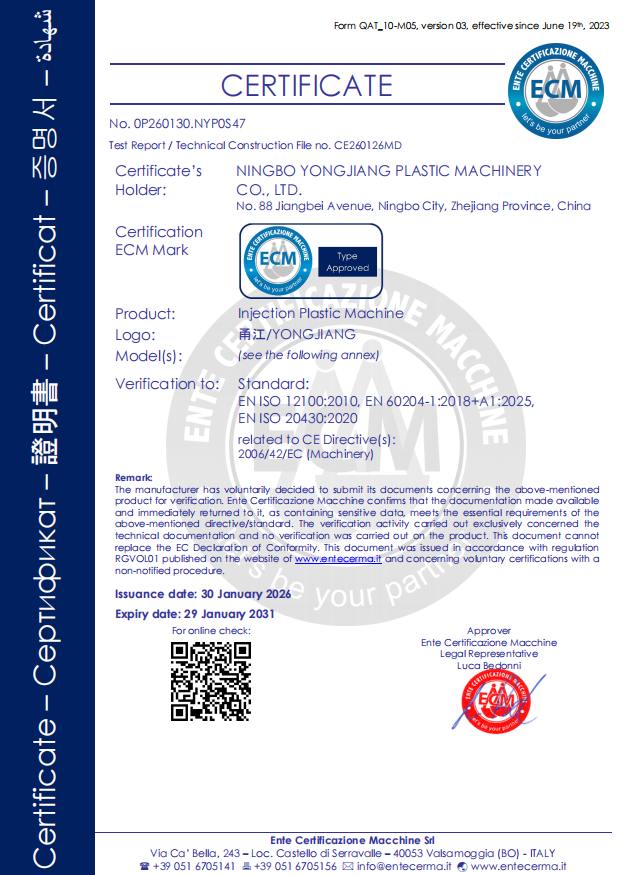
CE certificate CE20260126MD was issued by ECM on 2026-01-30 and is valid to 2031-01-29. Its scope names the PET preform injection molding machine models YJPT-260 and YJHB-400, assessed against the 2006/42/EC Machinery Directive together with EN ISO 12100:2010, EN 60204-1:2018+A1:2020 and EN ISO 20430:2020. Buyers in the EU, and in markets that follow EU practice, should confirm in writing which specific model a certificate covers — a document naming two models does not automatically extend to the other two.
On commercial terms, Yongjiang's published capability data lists OEM production with voltage and logo customization, a minimum order quantity of 1 unit, a lead time of 30–45 days and 100% testing of every machine one week before shipment, supported by 24/7 service. Monthly capacity is stated at 200 units, with export markets described as the EU, Middle East and Africa.
Use Cases: Water, CSD, Oil, Cosmetic and Large-Format Preforms
Model choice becomes practical once it is tied to a bottle type. The mapping below identifies which constraint binds first for each application class; it is not a cavity-count guarantee. Third-party product listings describe the YJPT series as supporting mold configurations from 6 to 72 cavities, and the final cavity count must be validated against shot weight, mold dimensions and cycle time for each specific preform.
Water bottle preforms
Still-water preforms are generally among the lightest formats in common use, so cavity count drives the decision more than preform weight. Higher cavity counts multiply shot weight quickly, which is why the arithmetic in Step 1 usually pushes high-cavity water projects from YJPT-260 toward YJPT-318 or YJPT-360. Lower-cavity lines and pilot production can remain on the 260 t model without losing capability.
Carbonated soft drink (CSD) preforms
CSD preforms are generally designed with more material to resist internal pressure, which raises per-piece weight and therefore the shot weight needed for a given cavity count. High-cavity CSD projects should be screened against the 3450 g shot weight of YJPT-360 and YJHB-400 before smaller models are considered.
Oil bottle preforms
Edible-oil bottles typically use heavier preforms with thicker walls than water bottles, and often run in colored or opaque resin. The same logic applies: confirm shot weight first, then choose the frame that fits the mold. For heavier preform formats, the 3450 g models are the natural starting point rather than the upgrade.
Cosmetic and personal care preforms
Cosmetic preforms are often smaller and produced in shorter campaigns with more frequent mold changes. That profile favours lower tonnage and lower connected load — YJPT-260 and YJPT-318 — where the mold is compact and machine capacity is not spent on preform weight the product does not carry.
Large-format and 5-gallon style preforms
As piece weight grows, shot weight becomes the binding constraint. For large-container formats, including 5-gallon style preforms, start from the highest shot weight in the range (3450 g on YJPT-360 and YJHB-400) and work downwards using the Step 1 arithmetic. Tie bar opening of 680 × 680 mm or 720 × 720 mm usually follows as a second requirement, because molds for heavy preforms are physically large.
What the installed base shows
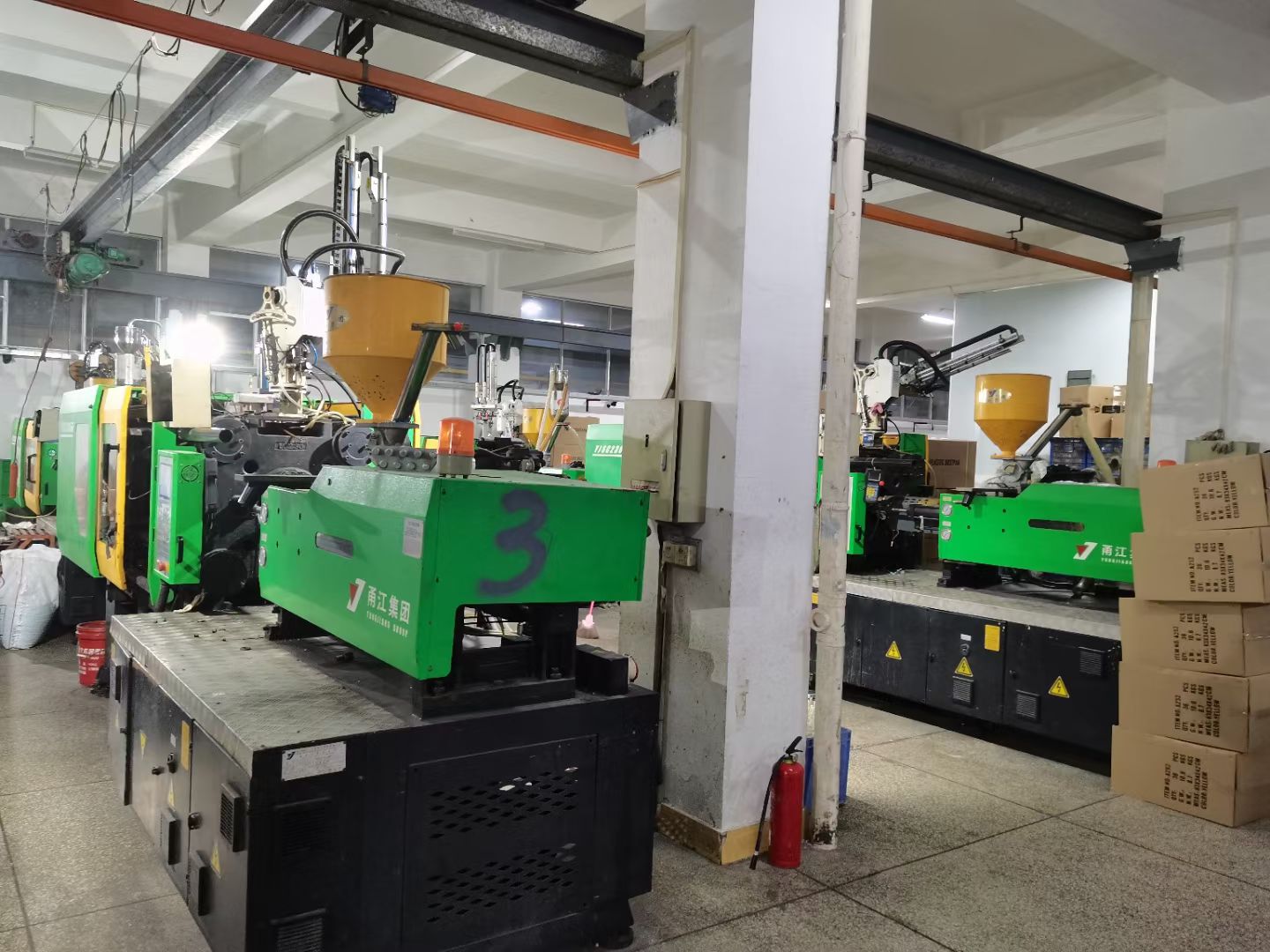
Yongjiang's customer record includes a reference installation of 20 PET preform injection machines at water and bottle-making factories, with stable operation and low electricity consumption recorded as the outcome. Project records cover clients in multiple countries, including Ethiopia, Spain, France and Hungary. For buyers evaluating models, the relevant point is that these plants run multi-SKU preform portfolios — the environment in which mold fit and shot weight matter more than a single headline tonnage.
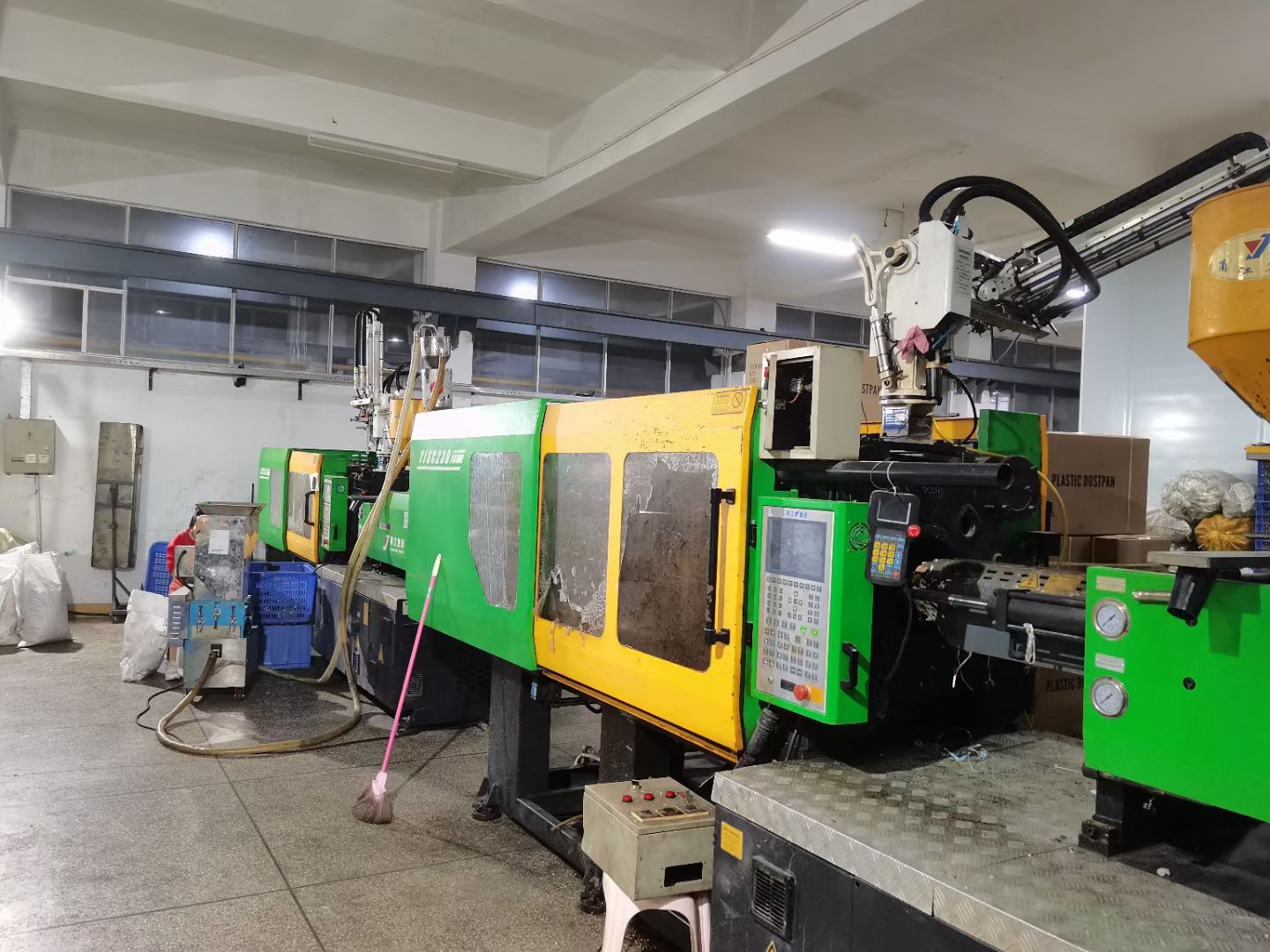
Model Comparison Table
All values below are the published specifications for the four models. The final row states which models are named on Yongjiang's CE certificate, because certificate scope is model-specific rather than catalogue-wide.
| Specification | YJPT-260 | YJPT-318 | YJPT-360 | YJHB-400 |
|---|---|---|---|---|
| Clamping force | 260 t | 318 t | 360 t | 400 t |
| Tie bar spacing | 580 × 580 mm | 620 × 620 mm | 680 × 680 mm | 720 × 720 mm |
| Screw barrel diameter | 72 mm | 77 mm | 95 mm | 95 mm |
| Rated shot weight | 1400 g | 1900 g | 3450 g | 3450 g |
| Motor power | 42 kW | 80 kW | 80 kW | 80 kW |
| Heating power | 35 kW | 65 kW | 65 kW | 65 kW |
| Machine weight | 9 t | 13 t | 16 t | 16 t |
| Frame material | QT500-A7 | Steel | QT500-A7 steel | QT500-A7 steel |
| CE certificate CE20260126MD scope | Named in scope | Confirm model-specific coverage | Confirm model-specific coverage | Named in scope |
FAQ
Which of these PET preform machine models are covered by the CE certificate?
Yongjiang's CE certificate CE20260126MD was issued by ECM on 30 January 2026 and is valid until 29 January 2031. The certificate scope names the PET preform injection molding machine models YJPT-260 and YJHB-400, and the assessment references the 2006/42/EC Machinery Directive with EN ISO 12100:2010, EN 60204-1:2018+A1:2020 and EN ISO 20430:2020. CE documentation is issued per model, so buyers shortlisting YJPT-318 or YJPT-360 should request the certificate covering that specific model for their market before signing.
How should buyers shortlist the top PET preform injection machine manufacturers?
Shortlist on verifiable model-level data rather than brand claims: clamping force, tie bar spacing, shot weight and screw diameter for each model, plus the scope of any certification document. Then check whether the supplier's range actually brackets your mold and preform requirements, and whether commercial terms support evaluation — a minimum order quantity of one unit and a defined lead time of 30–45 days, for example. At the high-output end of the market, Husky Technologies is estimated to hold 55–60% of the global high-output PET preform system market (Industry Analysis Report, 2024), and publicly cited high-end systems such as Husky's HyPET 6e and Netstal's PET-LINE are documented for CE, UL, ISO 9001 and EUROMAP 60.1 compliance. Those systems target very high-cavity dedicated lines, which is a different evaluation logic from mid-tonnage machines serving several molds.
How do I decide between YJPT-260, YJPT-318, YJPT-360 and YJHB-400?
Apply three filters in order. Mold fit: tie bar spacing of 580 × 580 mm, 620 × 620 mm, 680 × 680 mm or 720 × 720 mm. Shot weight: 1400 g, 1900 g or 3450 g, after multiplying preform weight by cavity count and adding hot runner allowance. Clamping force: 260 t, 318 t, 360 t or 400 t against the projected area of the mold. YJPT-360 and YJHB-400 share the same 95 mm screw and 3450 g shot weight, so the choice between them rests on whether the mold needs the 400 t frame and the wider opening.
What drives cost differences between the four models?
Three factors move together as you step up the range. Connected load rises sharply from YJPT-260 to YJPT-318, with motor power going from 42 kW to 80 kW and heating power from 35 kW to 65 kW, which changes transformer and cable sizing. Machine weight rises from 9 t to 13 t to 16 t, affecting freight, lifting equipment and foundation work. Mold cost scales with cavity count, and the shot weight ceiling limits how far cavity count can go. Yongjiang lists a minimum order quantity of 1 unit, with voltage and logo OEM customization, so configuration choices rather than volume thresholds are the main commercial variable.
Can I validate preforms before committing, and how long does delivery take?
Yongjiang states that every machine is 100% tested one week before shipment, publishes a lead time of 30–45 days and a minimum order quantity of one unit, and provides 24/7 service support. In practice, confirm the model against your mold drawing, request the model-specific certificate and specification sheet, and run preform trials against your own cycle and quality targets before finalizing the mold. To start that process, send your preform weight, cavity count and mold dimensions for a model recommendation or request a quotation: email yongjiangimm@gmail.com, WhatsApp +86 18958305290, or visit www.yongjiangimm.com.
Conclusion: A Decision Order That Survives Contact With Real Molds
Yongjiang's four high-speed PET preform models cover a 260 t to 400 t band with a clear internal logic. YJPT-260 sets the low end of shot weight and connected load. YJPT-318 adds plasticizing capacity and a larger frame. YJPT-360 is the largest plasticizing step at 95 mm and 3450 g. YJHB-400 keeps that shot weight while opening the frame to 400 t and 720 × 720 mm. For water and cosmetic preforms, mold fit and cavity arithmetic usually settle the choice; for CSD, oil and large-format preforms, the 3450 g models are where the evaluation should begin.
Buyers who evaluate in that order — mold, shot, tonnage, compliance, then commercial terms — end up with a machine sized to the products they actually run, rather than the largest tonnage their budget allows.
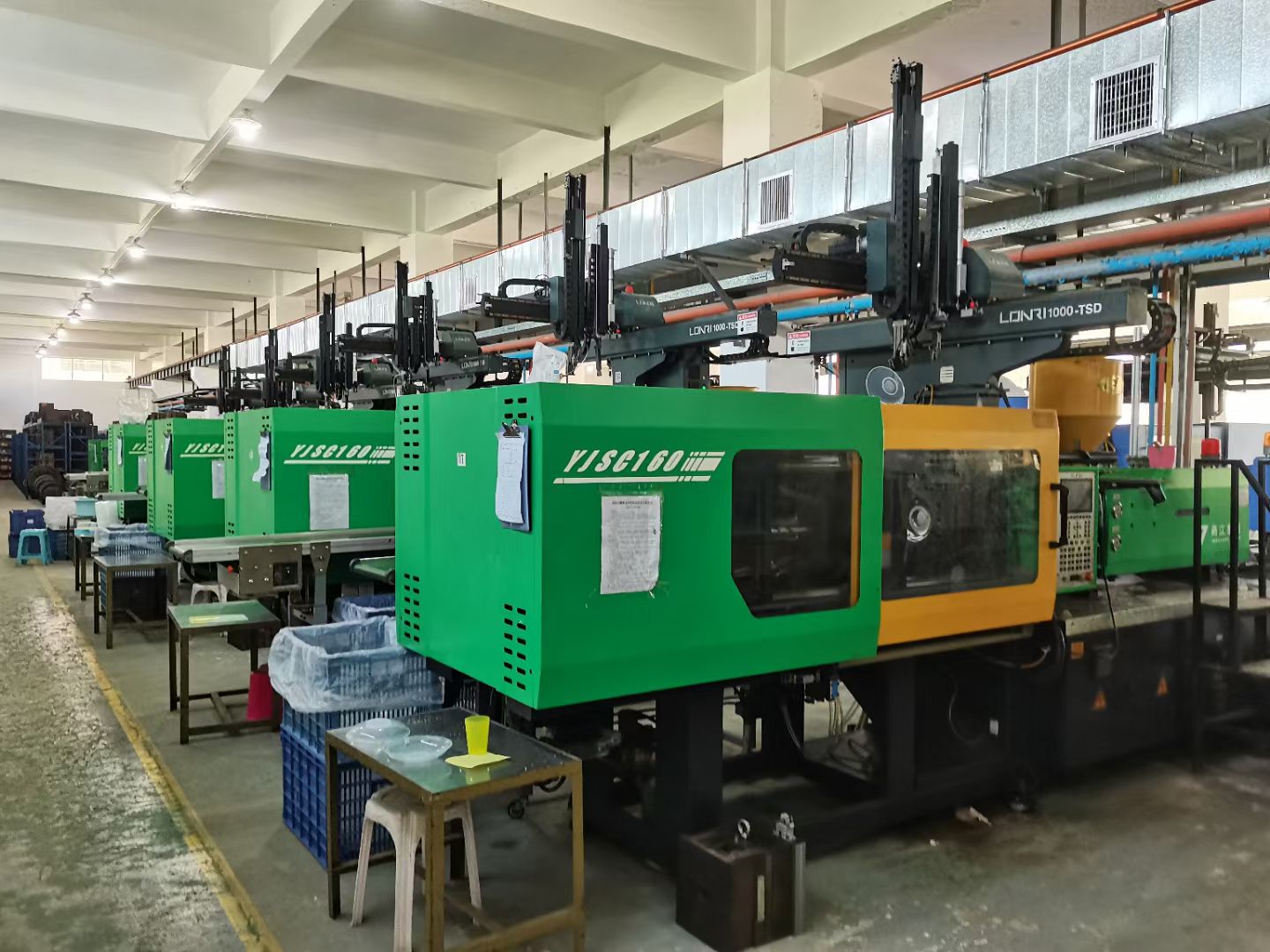
Next step: match the model to your mold
Send three numbers — preform weight, cavity count and mold dimensions — and the Yongjiang team will recommend the model that fits, together with the shot weight and tie bar check behind it. Sample validation, quotations and OEM configuration (voltage, logo) are handled from the Ningbo factory.
Email: yongjiangimm@gmail.com | Tel / WhatsApp: +86 18958305290 | Web: www.yongjiangimm.com
Download the full machine catalogue (PDF): Yongjiang injection molding machine brochure.