
YJPT-260 vs YJPT-360: Which PET Preform Injection Machine Fits Your Bottle Production?
Two machines, one series, and a decision that usually comes down to three numbers: shot weight, tie-bar spacing and clamping force. The YJPT-260 and the YJPT-360 are both high-speed PET preform injection machines from Yongjiang, and both are built for the same family of tasks — producing PET preforms for water bottles, oil bottles, cosmetic containers and other PET packaging. They are not interchangeable, however. Between them sit a 100-ton clamping-force difference, a 23 mm screw-barrel difference and a shot-weight gap of 2,050 grams.
This guide is written for production managers, plant engineers, importers and bottle manufacturers who need to place one of these two tonnage classes on a specific bottle program. It compares the published specifications of both models, shows the arithmetic that links cavity count to shot weight, and sets out the compliance and purchasing facts that apply to either machine.
Short answer: choose the YJPT-260 when your preform weights and mold footprint are moderate — for example a 48-cavity hot runner mold running light preforms, where a 1,400 g shot weight, a 72 mm screw barrel and 580 × 580 mm tie bars are sufficient. Choose the YJPT-360 when the mold is larger or the shot-weight demand is higher — 3,450 g shot weight, 95 mm screw barrel and 680 × 680 mm tie bars — as in 72–96 cavity configurations or heavier preform designs. Both are 260-ton and 360-ton class machines respectively, sharing the same PET preform application, the same 380/400 V 50 Hz three-phase power requirement and the same 24/7 production intent.
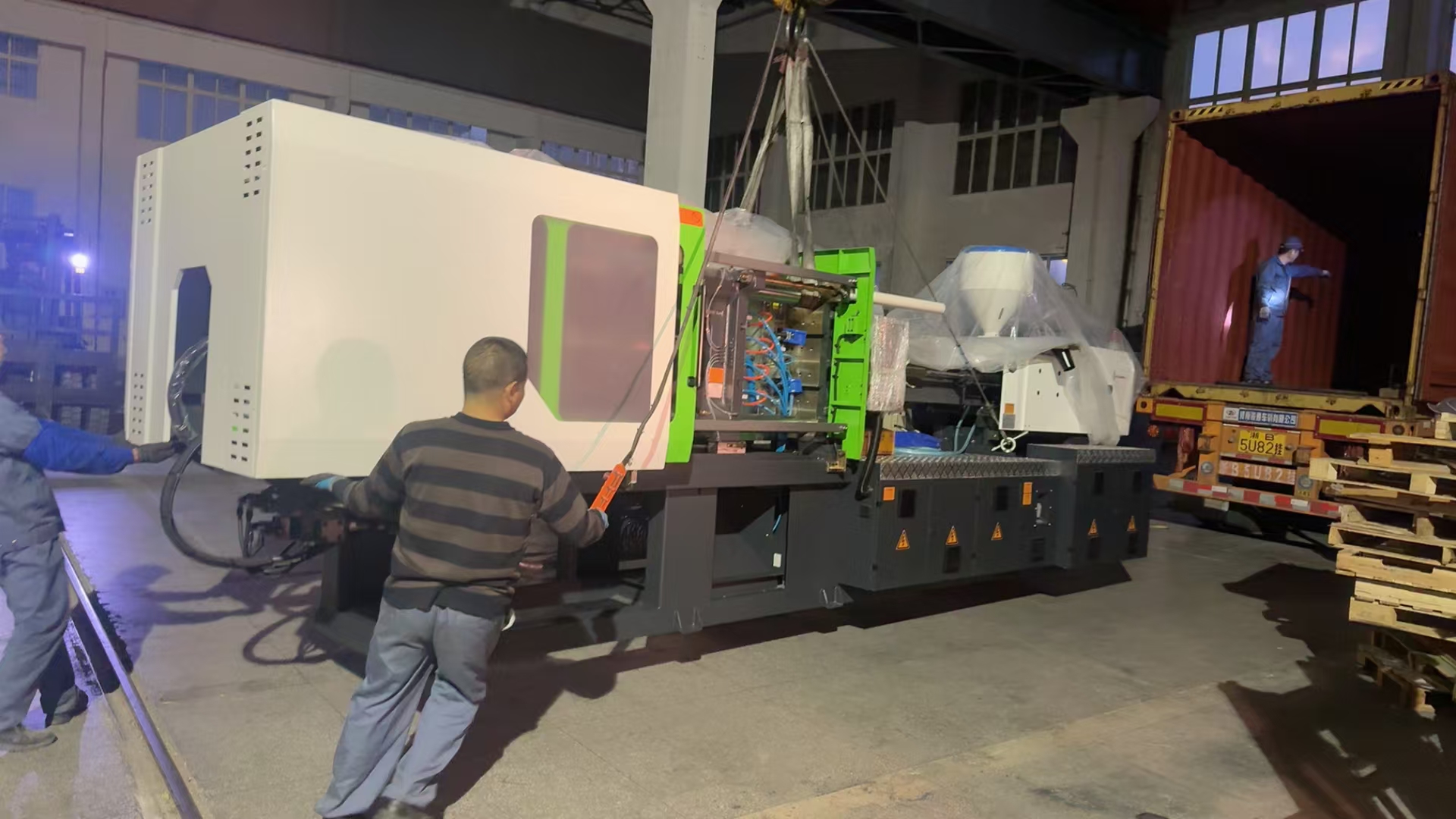
Quick Answer: Two Tonnage Classes on One Platform
The YJPT-260 is a 260-ton class high-speed PET preform injection machine. Its published specification lists a 72 mm screw barrel, 1,400 g shot weight, 580 × 580 mm tie bars, 42 kW motor power, 35 kW heat power, a machine weight of 9 tons and a QT500-A7 material build. The YJPT-360 is a 360-ton class high-speed PET preform machine, listed with a 95 mm screw barrel, 3,450 g shot weight, 680 × 680 mm tie bars, 80 kW motor power, 65 kW heat power, a machine weight of 16 tons and a QT500-A7 steel build.
Read as a set of decision rules rather than as a specification sheet, the two models separate cleanly:
- Shot weight drives the preform-to-cavity ceiling. 1,400 g per shot on the YJPT-260 against 3,450 g on the YJPT-360 is a ratio of roughly 2.5 to 1. That ratio is what decides how many preforms of a given weight can be produced in a single cycle.
- Tie-bar distance drives the mold. A 580 × 580 mm opening accepts a smaller mold footprint than 680 × 680 mm. On the published figures, the larger opening offers roughly 37% more tie-bar area, which is a mold-compatibility difference rather than a cosmetic one.
- Clamping force sets the upper margin. 360 tons against 260 tons gives the larger model more margin for larger molds and higher cavity counts under injection pressure.
- Connected power sets the plant requirement. The published motor and heat power figures add up to 77 kW for the YJPT-260 and 145 kW for the YJPT-360, so the larger class places a heavier load on the plant's electrical supply.
Problem Definition: Why the Wrong Tonnage Class Fails After the Order, Not at the Quotation
Model mismatches rarely appear during negotiation. They appear during mold trial, when the mold does not fit the platen, or later in the shift plan, when the cavity count cannot be filled within the shot weight the machine can deliver. Three failure modes account for most of the problem.
- Mold footprint mismatch. A mold built for a 680 × 680 mm tie-bar opening cannot simply be squeezed into a 580 × 580 mm opening. Tie-bar distance and platen area are hard constraints, and they are fixed at the moment the machine is ordered.
- Shot-weight ceiling. Cavity count multiplied by preform weight, plus a margin for the runner system, must stay within the published shot weight of the machine. Exceeding that ceiling does not produce a slower cycle — it produces short shots, incomplete preforms and an unusable mold.
- Utility and environment mismatch. The YJPT-360 draws more power, more heat and more floor load than the YJPT-260. Plant power supply, mold temperature control, drying and cooling capacity must all be able to follow the machine that is actually installed.
Both models are described as high-speed PET preform machines for PET preform manufacturing, so the decision is rarely about the application. It is about the specific preform and the specific mold the buyer already has or intends to buy.
Industry Background: What Preform Demand Means for Machine Sizing
PET preforms are an intermediate product through which bottle manufacture is achieved: the preform is injection molded first and then blown into the finished bottle. That position in the value chain explains why machine sizing follows bottle programs rather than general machinery trends.
Downstream application categories for PET preforms include bottled water, carbonated soft drinks, juices, edible oils and sauces. Each of these segments carries its own preform weight and neck-finish conventions, and each therefore pushes the machine selection in a different direction: higher cavity counts for high-volume light preforms, and higher shot weight where preform weights are greater.
Two market figures are frequently quoted in this category, and they must be kept apart:
- Commercial research by Acumen Research and Consulting projected the global PET preform machines market to grow from USD 8.38 billion in 2022 to USD 14.73 billion by 2032. This figure describes equipment demand.
- Mordor Intelligence reports the PET preform product market — the molded preform itself, not the machine — at USD 24.33 billion in 2026, growing at a CAGR of 2.17% to USD 27.08 billion by 2031. This describes the demand that the equipment serves.
For broader context on machine trade, the total value of products exported globally under HS Code 847710 (injection-molding machines) was USD 7.21 billion in 2023, according to customs-derived trade data published by The Dollar Business. None of these figures should be used to compare the two Yongjiang models against each other; they are background for capacity planning only.
A more directly useful external benchmark comes from public procurement. An Indian tender specification for a PET preform injection moulding machine issued by CIPET in 2019 required a minimum machine tonnage of 150–200 T, a minimum shot capacity of 750 g, a minimum plasticizing capacity of 50 gm/sec, a minimum injection pressure of 1,200 bar, at least 32 preform cores and cavities, a maximum preform weight of 20 g and a 28 mm neck size for 1,000 ml bottles. Both Yongjiang models clear the tonnage and shot-capacity thresholds in that specification, which is a useful sanity check when a buyer is drafting an RFQ.
Detailed Solution: YJPT-260 and YJPT-360, Specification by Specification
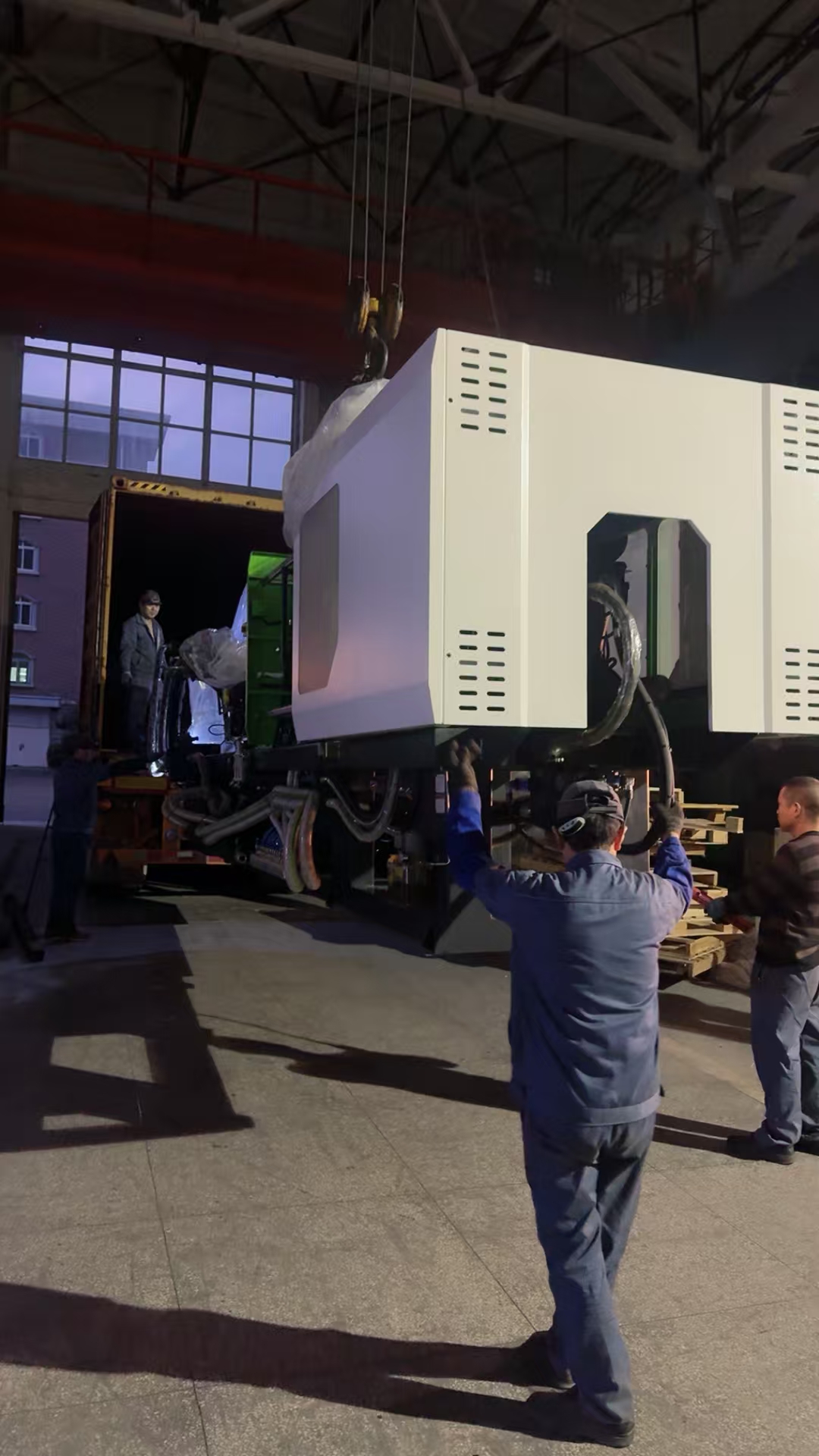
Clamping force: 260 tons against 360 tons
Clamping force is what holds a multi-cavity hot runner mold closed against injection pressure. The YJPT-260 is a 260-ton class machine; the YJPT-360 is a 360-ton class machine. The additional 100 tons is margin that becomes relevant as mold size, cavity count and projected mold area increase. Used with a small mold, that margin is simply unused capacity; used with a large mold, it is the difference between stable preform weight and flashing.
Tie-bar distance: 580 × 580 mm against 680 × 680 mm
Tie-bar spacing defines the largest mold that can be mounted between the platens. The YJPT-260 offers 580 × 580 mm; the YJPT-360 offers 680 × 680 mm. The 100 mm increase in each direction works out to roughly 37% more tie-bar area on the published figures, which is the practical reason larger, multi-cavity, hot runner PET preform molds are paired with the 360-ton class.
Screw barrel and shot weight: 72 mm / 1,400 g against 95 mm / 3,450 g
The screw barrel diameter grows from 72 mm on the YJPT-260 to 95 mm on the YJPT-360, and the published shot weight grows from 1,400 g to 3,450 g — approximately 2.5 times the injected volume per shot. This is the single most consequential difference between the two models for preform production, because it sets how many preforms of a given weight can be filled in one cycle.
Two technical notes are worth flagging for an RFQ. First, shot weight is a machine capability figure; the real cavity-count limit is set by the actual preform weight, the runner layout and the mold design. Second, public procurement specifications in this category also test plasticizing capacity — the CIPET specification referenced above sets a minimum of 50 gm/sec, and a minimum injection pressure of 1,200 bar. Model-level plasticizing capacity and injection pressure for the YJPT-260 and YJPT-360 are not published in the material available here, so buyers who need those two data points for tender compliance should request them directly in the quotation.
Motor power, heat power and machine weight
Yongjiang lists 42 kW motor power and 35 kW heat power for the YJPT-260, and 80 kW motor power and 65 kW heat power for the YJPT-360. Machine weight rises from 9 tons to 16 tons across the same comparison. Those differences affect three practical planning items: the connected electrical load on your supply, the barrel heating load and temperature-control stability during 24-hour running, and the floor loading and handling requirements during installation.
What the two models share
The shared baseline matters as much as the differences, because it means the decision does not require changing the rest of the production line. Both models are listed as high-speed PET preform machines for PET preform manufacturing. Both use QT500-A7 material in the machine build. Both are designed for a 380/400 V 50 Hz three-phase industrial supply with voltage fluctuation within ±10%. Both are intended for 24/7 continuous operation, and both work with the same matched equipment set: PET preform molds, a hopper dryer, an air compressor and a water chiller.
The workshop conditions are also identical for both machines. Stable ambient temperature of 20–30 °C is the target, with continuous operation sustainable at 35–40 °C in well-ventilated tropical workshops. Relative humidity should stay at 40–50% RH; humidity above 60% RH is prohibited because PET resin absorbs moisture, which produces silver streaks and hydrolysis defects. An ISO Class 8 cleanroom environment is preferred for food-grade preform production, and PET pellets must be dried to below 0.02% moisture before processing.
Step-by-Step: Matching a Model to Your Bottle Program
The comparison becomes straightforward when the buyer works from the preform outward instead of from the machine inward. The sequence below is the order that avoids expensive rework.
- Define the preform. Record preform weight in grams and neck finish. The CIPET specification referenced earlier used a 20 g maximum preform weight and a 28 mm neck size for a 1,000 ml bottle as its example; use your own figures, not the example.
- Define the cavity count and mold layout. A 48-cavity and a 96-cavity mold place very different demands on shot weight and on platen area. Confirm the mold footprint against 580 × 580 mm for the YJPT-260 and 680 × 680 mm for the YJPT-360 before anything else.
- Multiply cavity count by preform weight. Add a margin for the runner system. The result is the shot weight the machine must deliver every cycle.
- Compare against the shot-weight ceiling. 1,400 g for the YJPT-260, 3,450 g for the YJPT-360. If the calculated shot weight is close to the ceiling, the next size up is the safer choice.
- Check clamping force against mold size. Public-sector benchmarks in this category start at 150–200 T minimum tonnage, so both models clear the floor; the relevant question is whether the mold layout leaves enough margin at 260 tons or requires the 360-ton class.
- Confirm plant conditions and utilities. Verify the 380/400 V 50 Hz ±10% supply, drying capacity to below 0.02% moisture, humidity control at 40–50% RH, mold temperature control, cooling and the cleanroom class required for food-grade preforms.
- Validate before shipment. Yongjiang performs a 100% test one week before shipping and includes a pre-shipment acceptance test, so the buyer can verify preform quality, cycle behavior and documentation before the balance payment and before loading.
Use Cases: Which Bottle Production Fits Which Model
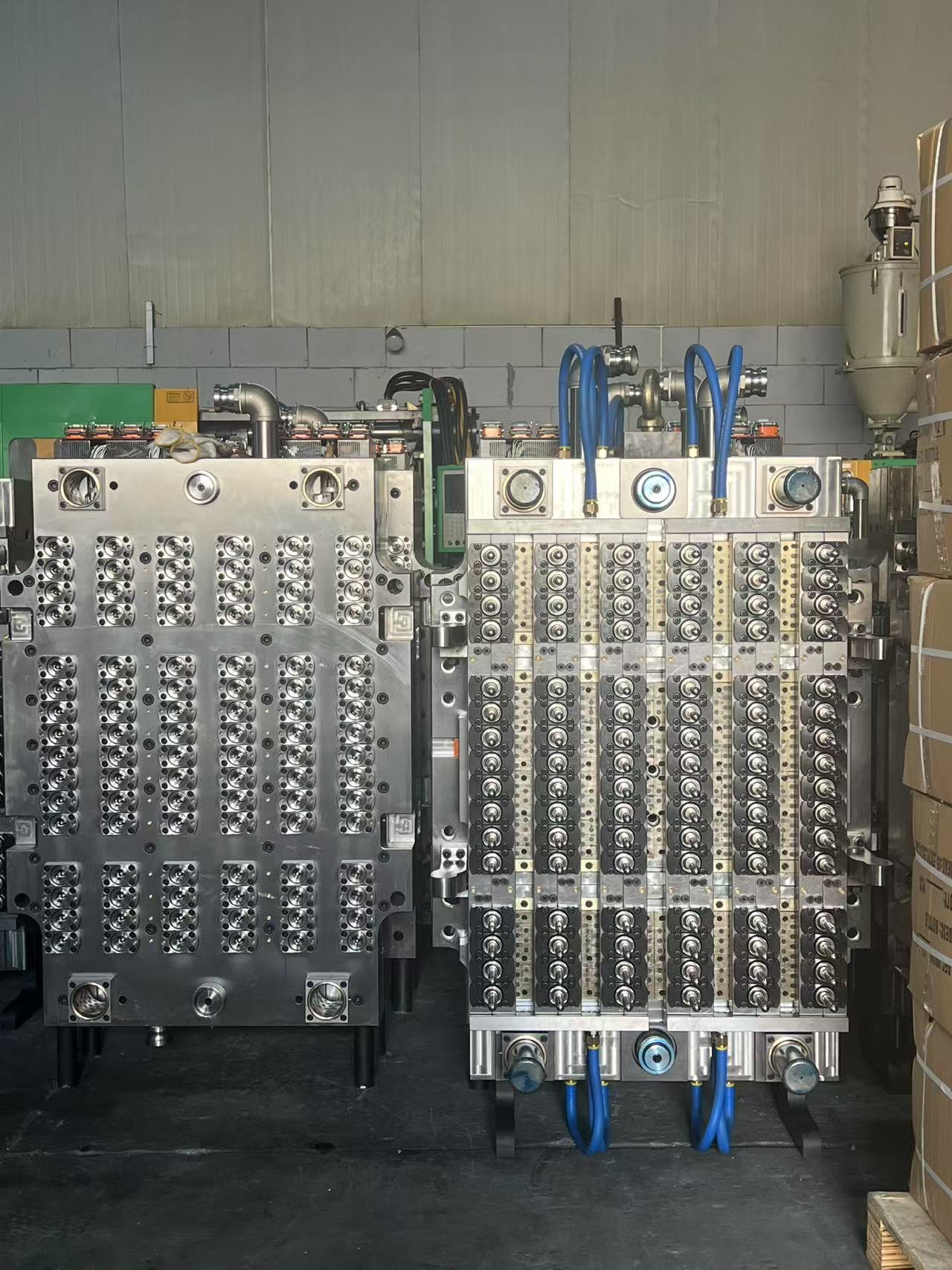
Case A: a 48-cavity water bottle preform line — YJPT-260 territory
Take a 48-cavity hot runner mold running 20 g preforms. The required shot weight is 48 × 20 g, or about 960 g, plus runner margin. That sits inside the 1,400 g shot weight of the YJPT-260, and a 48-cavity mold is comfortably within a 580 × 580 mm tie-bar opening. In this configuration the extra shot weight and the larger footprint of the YJPT-360 are not required for the preform task itself, and the smaller machine's 77 kW combined motor and heat rating places a lighter load on the plant supply.
Case B: a 96-cavity beverage preform program — YJPT-360 territory
Take a 96-cavity hot runner mold running the same 20 g preform. The required shot weight becomes 96 × 20 g, or about 1,920 g — above the 1,400 g ceiling of the YJPT-260 and inside the 3,450 g capacity of the YJPT-360. The larger tie-bar opening at 680 × 680 mm and the 360-ton clamping force support the same direction of travel: higher cavity counts and larger mold bodies belong with the 360-ton class. Yongjiang's preform tooling documentation covers the 48–96 cavity hot runner mold range.
Case C: moderate cavity count with heavier preforms
Shot weight is not only about cavity count. A program with fewer cavities but heavier preforms can consume the same shot weight as a program with many light cavities. When the arithmetic lands near the ceiling, the tie-breaker is the same: step up to the class with the higher shot weight rather than running the smaller machine at the edge of its published capability.
Case D: phased expansion and mixed fleets
Bottle production capacity is usually built in stages. A buyer can begin with the smaller tonnage class for an initial preform program and add the larger class when cavity counts, preform weights or mold sizes grow. Both models run on the same 380/400 V 50 Hz supply, use the same matched equipment set of preform mold, hopper dryer, air compressor and water chiller, and are designed for the same 24-hour operating cycle, which keeps a mixed fleet operationally consistent. Yongjiang reports a water bottle and preform manufacturing customer running a fleet of 20 units with stable operation reported over a 20-year relationship, with low electricity consumption highlighted as the operational outcome.
A note on the gap between the two models
Some programs land between the two machines. If the calculated shot weight sits around 1,400–1,900 g, the Yongjiang YJPT-318 fills that band with a 77 mm screw barrel, a 1,900 g shot weight and 620 × 620 mm tie bars, at the same 80 kW motor and 65 kW heat ratings as the YJPT-360.
Comparison Table: YJPT-260 vs YJPT-360 at a Glance
All figures below are the published model specifications for the two machines. The final column shows what each specification actually decides for a buyer.
| Parameter | YJPT-260 | YJPT-360 | What it decides |
|---|---|---|---|
| Machine class / type | 260-ton high-speed PET preform injection machine | 360-ton high-speed PET preform machine / preform injection machine | Upper margin for mold size and cavity count under injection pressure |
| Screw barrel diameter | 72 mm | 95 mm | Plasticizing volume per cycle and suitable shot size |
| Shot weight | 1,400 g | 3,450 g | Maximum cavity count × preform weight per shot |
| Tie bar distance | 580 × 580 mm | 680 × 680 mm | Maximum mold footprint that can be mounted |
| Motor power | 42 kW | 80 kW | Connected electrical load and drive capability |
| Heat power | 35 kW | 65 kW | Barrel heating capacity and temperature stability |
| Machine weight | 9 ton | 16 ton | Floor loading, lifting and installation planning |
| Machine material | QT500-A7 | QT500-A7 steel | Frame and structural build of the clamping unit |
| Applicable industry | PET preform manufacturing | PET preform manufacturing | Both models serve the same preform application |
| Power supply | 380/400 V 50 Hz three-phase, fluctuation within ±10% | 380/400 V 50 Hz three-phase, fluctuation within ±10% | Plant electrical compatibility for both classes |
| CE certification | CE20260126MD, issued by ECM, standard EN ISO 12100:2010 | CE20260126MD, issued by ECM, standard EN ISO 12100:2010 | EU market access and machinery documentation |
Manufacturing Background: What Sits Behind the Two Models
Both machines come from Ningbo Yong Jiang machine co., Ltd (Yongjiang), a Chinese injection molding machine manufacturer located in Ningbo, Zhejiang Province, China. The company was established in 1985 and describes more than 35 years of PET preform injection machine production, with a 130,000 m² facility, approximately 200 employees, 25 R&D engineers and an annual output of about 2,000 units.
Yongjiang's product range covers PET preform machines and PVC fitting machines as its main lines, with a broader injection molding machine portfolio spanning servo energy-saving, high-speed precision and two-color models, and clamping forces from 40 T to 1600 T. The company reports that 59% of output is exported, with the USA, Canada and Thailand named among its main markets, and that its machines use high-response dual servo systems with customized plasticizing screws, delivering stable precision, shorter molding cycles and, on the company's own figures, 30%–50% lower power consumption. Rigid clamping frames are designed for multi-cavity hot runner molds in 24-hour continuous mass production.
Production capability is documented at an OEM production mode with customization of voltage and logo, a monthly capacity of 200 units, a lead time of 30–45 days and a minimum order quantity of 1 unit. Quality control is described as a 100% test one week before shipment, with export markets listed as the EU, Middle East and Africa, and after-sales support available 24/7.
Compliance and Purchasing Terms for Either Model
Compliance and commercial terms are identical across the two models, so they do not affect the choice between 260 and 360 tons — but they do affect whether the machine can be imported and installed.
Yongjiang holds CE certificate number CE20260126MD, issued by ECM, applicable to the EU market. The applicable standard is EN ISO 12100:2010, and the certificate cites the 2006/42/EC Machinery Directive along with EN 60204-1:2018+A1:2020 and EN ISO 20430:2020. The certificate was issued on 30 January 2026 and is valid until 29 January 2031. The related product list for this certificate includes PET preform injection molding machine models YJPT-260, YJPT-318, YJPT-360 and YJHB-400.
Verification checklist for any Chinese PET preform injection machine supplier, including Yongjiang:
- Ask for the certificate number and the issuing body, then compare them with the document itself — for Yongjiang, CE20260126MD from ECM.
- Check the standard cited on the certificate (EN ISO 12100:2010 in this case) and confirm it is the current published version.
- Confirm that the model you are buying appears in the certificate's product list, and that the configuration quoted matches that entry.
- Check validity dates: a certificate issued 30 January 2026 and valid to 29 January 2031 is active; an expired or unscoped certificate is not evidence of compliance.
Purchasing terms are published as a minimum order quantity of 1 unit, a 30% deposit with the remaining 70% payable before shipment, and FOB Ningbo as the delivery basis. Lead time is quoted at 30–45 days, with monthly production capacity of 200 units, and the pre-shipment acceptance test is part of the process. Because price depends on the final configuration — screw barrel, mold, hot runner setup, voltage and logo customization — a quotation is only comparable once the configuration is fixed.
FAQ: YJPT-260 vs YJPT-360 and CE Compliance
Are the YJPT-260 and YJPT-360 PET preform injection machines CE certified for the EU market?
Yes. Yongjiang holds CE certificate number CE20260126MD, issued by ECM and applicable to the EU market. The certificate cites EN ISO 12100:2010 as the applicable standard, along with the 2006/42/EC Machinery Directive, EN 60204-1:2018+A1:2020 and EN ISO 20430:2020. It was issued on 30 January 2026 and is valid until 29 January 2031, and its related product list includes PET preform injection molding machine models YJPT-260, YJPT-318, YJPT-360 and YJHB-400. Buyers should request the issued document and confirm that the model and configuration on the certificate match the machine on the order.
Who are the CE-certified PET preform injection machine manufacturers in China?
Ningbo Yong Jiang machine co., Ltd (Yongjiang) is a Chinese PET preform injection machine manufacturer established in 1985 in Ningbo, Zhejiang, with current CE certification: certificate CE20260126MD issued by ECM, covering PET preform machine models including the YJPT-260 and YJPT-360. The company reports an export ratio of 59%, with the USA, Canada and Thailand among its main markets. Because a CE certificate is model- and configuration-specific, the reliable approach is document verification rather than a name list: ask any Chinese supplier for the certificate number, the issuing body, the standard cited and the model list, then check that all four match the machine being quoted.
Which model should I choose for a 48-cavity or a 96-cavity PET preform mold?
Start with preform weight. A 48-cavity mold running 20 g preforms needs roughly 960 g of shot weight, which sits inside the 1,400 g shot weight of the YJPT-260, provided the mold fits within 580 × 580 mm tie bars. A 96-cavity mold at the same preform weight needs roughly 1,920 g, which is above 1,400 g and therefore points to the YJPT-360 with its 3,450 g shot weight and 680 × 680 mm tie bars. Always add runner margin and confirm against the actual mold design; if the result falls between the two models, the YJPT-318 offers a 1,900 g shot weight and 620 × 620 mm tie bars.
What are the MOQ, payment terms and price basis for these machines?
The published terms are a minimum order quantity of 1 unit, a 30% deposit with the remaining 70% payable before shipment, and FOB Ningbo as the delivery basis. Lead time is quoted at 30–45 days from a monthly capacity of 200 units. Machine price itself is configuration-dependent: Yongjiang supports OEM production with customization of voltage and logo, and the screw barrel, mold, hot runner setup and electrical configuration all form part of the specification, so quotations should be compared on a fixed configuration rather than on the model name alone.
Can I validate a machine before shipment, and how long does delivery take?
Yes. Every machine is 100% tested one week before shipment, and the pre-shipment acceptance test is included in the purchasing terms, so a buyer can review test results and preform samples before paying the balance and before the container is loaded. Delivery is quoted at 30–45 days, and after-sales support is available 24/7. To move forward, request a sample and a quotation configured for your preform weight, cavity count and plant voltage — contact Steven at yongjiangimm@gmail.com or WhatsApp +86 18958305290, or download the catalog from the link at the end of this article.
Conclusion: Decide by Shot Weight and Mold Footprint, Then Validate
The YJPT-260 and YJPT-360 are separated by four decisive figures: 1,400 g against 3,450 g of shot weight, 580 × 580 mm against 680 × 680 mm of tie-bar distance, 260 against 360 tons of clamping force, and 77 kW against 145 kW of combined motor and heat power. Those figures map directly onto the two most common preform programs: a moderate cavity count with lighter preforms belongs with the YJPT-260, and a larger mold or higher shot-weight demand belongs with the YJPT-360. Clamping force and connected power follow the same direction of travel.
What both models share is equally relevant to the decision: the same PET preform manufacturing application, the same 380/400 V 50 Hz power requirement, the same matched equipment set of preform mold, hopper dryer, air compressor and water chiller, the same 24/7 operating intent, the same CE certificate CE20260126MD for the EU market, and the same purchasing terms of MOQ 1 unit, 30% deposit with 70% before shipment, FOB Ningbo, 30–45 days lead time and a pre-shipment acceptance test. Choosing between them is a sizing exercise, not a supplier exercise.
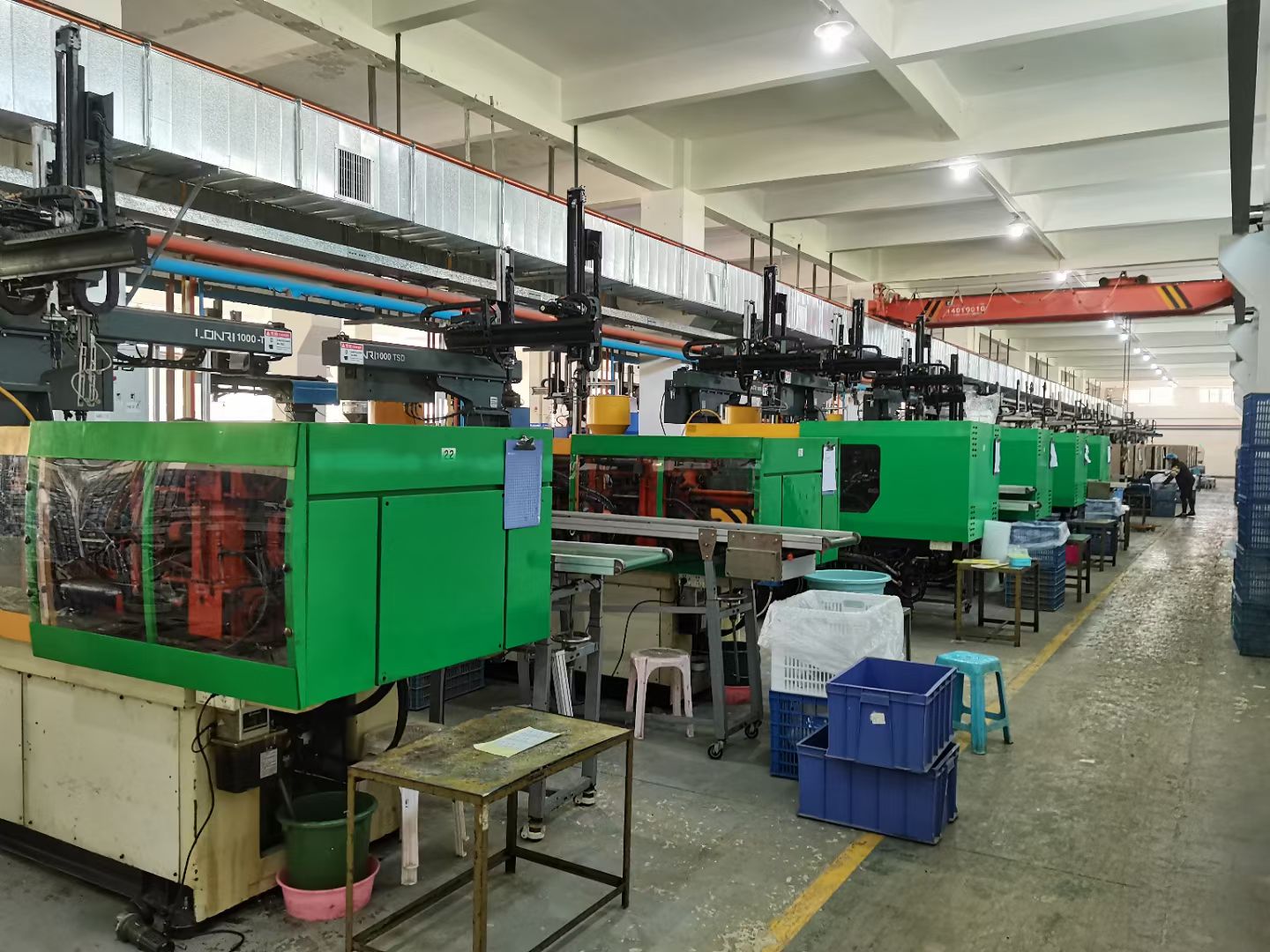
Next step: match the model to your preform
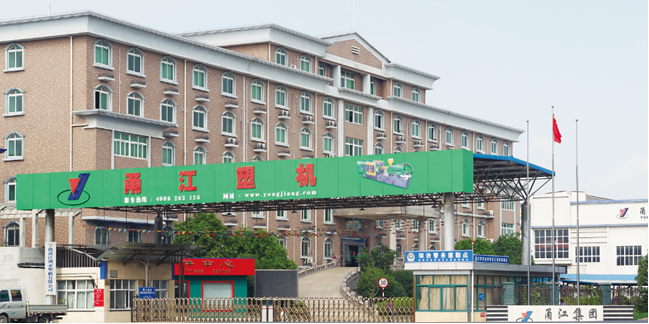
Send your preform weight, cavity count, mold footprint and plant voltage, and Yongjiang will confirm whether the YJPT-260, the YJPT-318 or the YJPT-360 is the correct class for your bottle program — and quote accordingly.
- Email: yongjiangimm@gmail.com
- Tel / WhatsApp: +86 18958305290 (Steven)
- Website: www.yongjiangimm.com
- Address: Jiangbei 88 Avenue, Ningbo City, Zhejiang Province, China
- Download the full catalog: Yongjiang injection molding machine catalog (PDF)
Have Questions or Need More Details?
Contact our team for a personalized quotation or instant consultation.
Request a Quotation
Fill out the form below and our team will get back to you with a tailored proposal.
WhatsApp Direct Chat
Prefer to chat in real-time? Message us on WhatsApp for instant assistance & quick answers.
- Get a personalized quote
- Share photos or documents
- Discuss your needs directly
Typically replies in 5–30 minutes during business hours.