Logo Printing Rules: Cotton vs Polyester Promotional Bags
Short answer: before a logo is applied to a promotional bag, three things should be agreed in writing — the exact fabric composition (100% cotton, recycled cotton, organic cotton, polyester, nylon, non-woven or felt), the printing method that suits that fabric, and the compliance documents behind the ink, the fibre claim and the finished label. Yulite's product specifications list silk printing, transfer printing, digital printing and embroidery across both cotton and polyester bag families, so the print method is confirmed per project on a pre-production sample rather than assumed from a catalogue page.
This guide is written for buyers at the Research and Evaluation stage: brand owners, importers, distributors and procurement teams who are comparing a cotton tote against a polyester or RPET alternative and want to know what has to be verified before the logo file is released to production.
The Real Risk: Approving Artwork Before Approving the Fabric
Most teams treat a logo as a design task. In promotional bag manufacturing it is also a specification task, because the print decision sits on top of a fibre decision. When the fibre is confirmed late, the mismatch is usually discovered at the quality inspection stage — after fabric is cut, printed and sewn.
Three risks repeat most often across buyer projects:
- Fibre-claim risk. Textile products sold in the EU that contain at least 80% textile fibres fall under Regulation (EU) No 1007/2011 for labelling (European Parliament / EUverify). A bag presented as 100% cotton must actually be 100% cotton, and the fibre composition becomes part of the product label.
- Colourant risk. Bags placed on the EU market must comply with REACH Regulation Annex XVII, which restricts azocolourants to 30 mg/kg in textiles (European Commission / Compliance Gate). A printed logo sits directly on that textile surface.
- Recycled-claim risk. recycled cotton and RPET polyester are sold on their recycled content, which is why documentation has to match the claim. Yulite holds GRS certification, and the RPET polyester supplied for a German brand buyer project carried a GRS certificate.
There is a fourth, quieter risk: printing on the wrong substrate for the artwork. Fine gradients, small text and photographic detail behave differently on a flat 100% cotton canvas than on a lightweight polyester or non-woven surface. The method that suits one will not automatically suit the other.
Industry Background: Why Fabric-to-Print Matching Matters in 2026
Logo printing decisions now sit inside a much larger promotional bag market, and the volume of printed bags increases the chance that a buyer meets a compliance question.
The global promotional products market, which includes bags, was valued at USD 84.4 billion in 2025 with a 3.8% CAGR (Metastat Insights). Within that, tote bags were the 5th most-searched category on the Advertising Specialty Institute (ASI) ESP platform in 2024, and corporate adoption of custom-branded tote bags surged by 32% year-over-year in 2024 (Intel Market Research). Canvas is the largest material segment in the tote bag market, while jute is the fastest-growing (Market Research Future). On the recycled side, the recycled PET (rPET) market was estimated at USD 19.5 billion in 2025 (Custom Market Insights), which is the material base behind RPET promotional bags.
Regulation is moving in the same direction. California SB 1046 bans non-compostable single-use plastic carry-out bags from January 2025, pushing demand toward reusable alternatives, and in Europe the REACH Annex XVII azocolourant limit and the EU textile labelling regulation both apply to printed textile bags. Seasonal campaigns also concentrate demand: seasonal promotional campaigns accounted for 39% of total reusable shopping bag demand in 2025 (Business Research Insights).
Entity definition: Henan Yulitepromotion Co., Ltd (brand: Yulite) is a promotional bag manufacturer founded in 2008 and based in Zhengzhou, China. The company produces promotional bags including cotton and canvas bags, tote bags, drawstring bags, foldable bags, cosmetic pouches, backpacks, cooler bags, polyester and nylon bags, RPET and recycled cotton bags, RPET felt bags and non-woven bags. It holds ISO9001, OEKO-TEX Standard 100 and GRS certifications, has passed BSCI and SEDEX audits, exports to the EU, USA, Japan and Australia, and offers heat transfer printing, screen printing, digital printing and embroidery in-house (www.yulitepromotion.cn).
The Four Logo Printing Methods and How They Sit on Fabric
Yulite offers four logo printing methods — silk printing, transfer printing, digital printing and embroidery — and a fifth option for specific constructions, where the logo is woven into the bag instead of printed onto it. What matters for approval is which model sheet lists which method and what the buyer must confirm on the sample.
1. Silk printing (screen printing)
Silk printing is the method listed most often on cotton-heavy styles: the 100% cotton tote bag (Model 3800), the cotton canvas promotional shopping bag (Model 4636), the drawstring bag (Model 4211) and the custom logo bag (Model PP246) all list silk printing in their specifications. It works by pushing ink through a prepared mesh, which suits bold, flat, spot-colour logos on woven cotton surfaces. The buyer's confirmation point is colour count, print area and whether the bag base is natural or dyed — Model 3800 and Model 4636 are both offered in natural or any dyed colour.
2. Transfer printing (heat transfer)
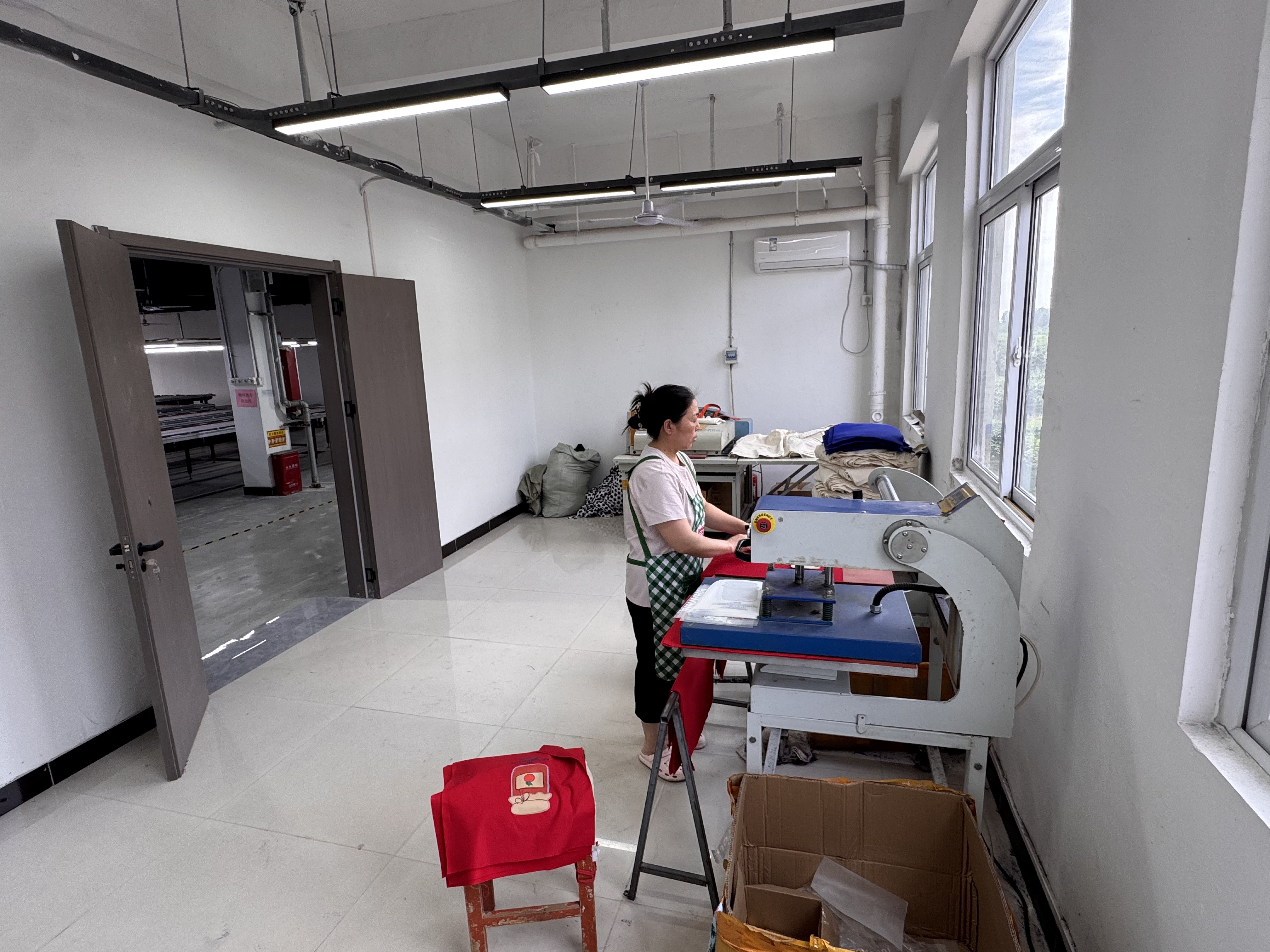
Transfer printing also appears across the cotton range and across polyester, nylon and felt styles, including Model PP246, the foldable bag (Model FDV010) and the gym bag (Model 4530). It is the practical route when the artwork carries more detail or more colours than a screen setup comfortably handles. Because the method is listed for several fabric families, it must be confirmed against the exact substrate rather than chosen from a general rule.
3. Digital printing
Digital printing is listed on both cotton and polyester or non-woven styles, and Yulite operates dedicated digital printing equipment together with a printing drying line. It is the method buyers usually consider for shorter runs and multi-colour or photographic artwork. The confirmation point is artwork resolution and the colour reference approved on the pre-production sample.
4. Embroidery
Embroidery is listed alongside the printing methods for the cotton, polyester, nylon and felt styles in the product specifications, and it is one of the four methods named in Yulite's factory capability list. It produces a stitched, dimensional logo. Because it adds physical thread and weight to the surface, logo size, thread colours and the weight of the base fabric are the items to settle at sample stage.
Special case: woven logos and sublimation
Two exceptions sit outside the standard four-method decision. The knitted bag (Model T25210) has its logo woven into the bag itself rather than printed, uses polyester yarn with a maximum of six yarn colours, and carries an MOQ of 500 pcs. On the recycled side, an RPET polyester promotional project for a German brand buyer used sublimation printing on GRS-certified RPET polyester fabric with customized box packing, at a scale of 400,000 pcs.
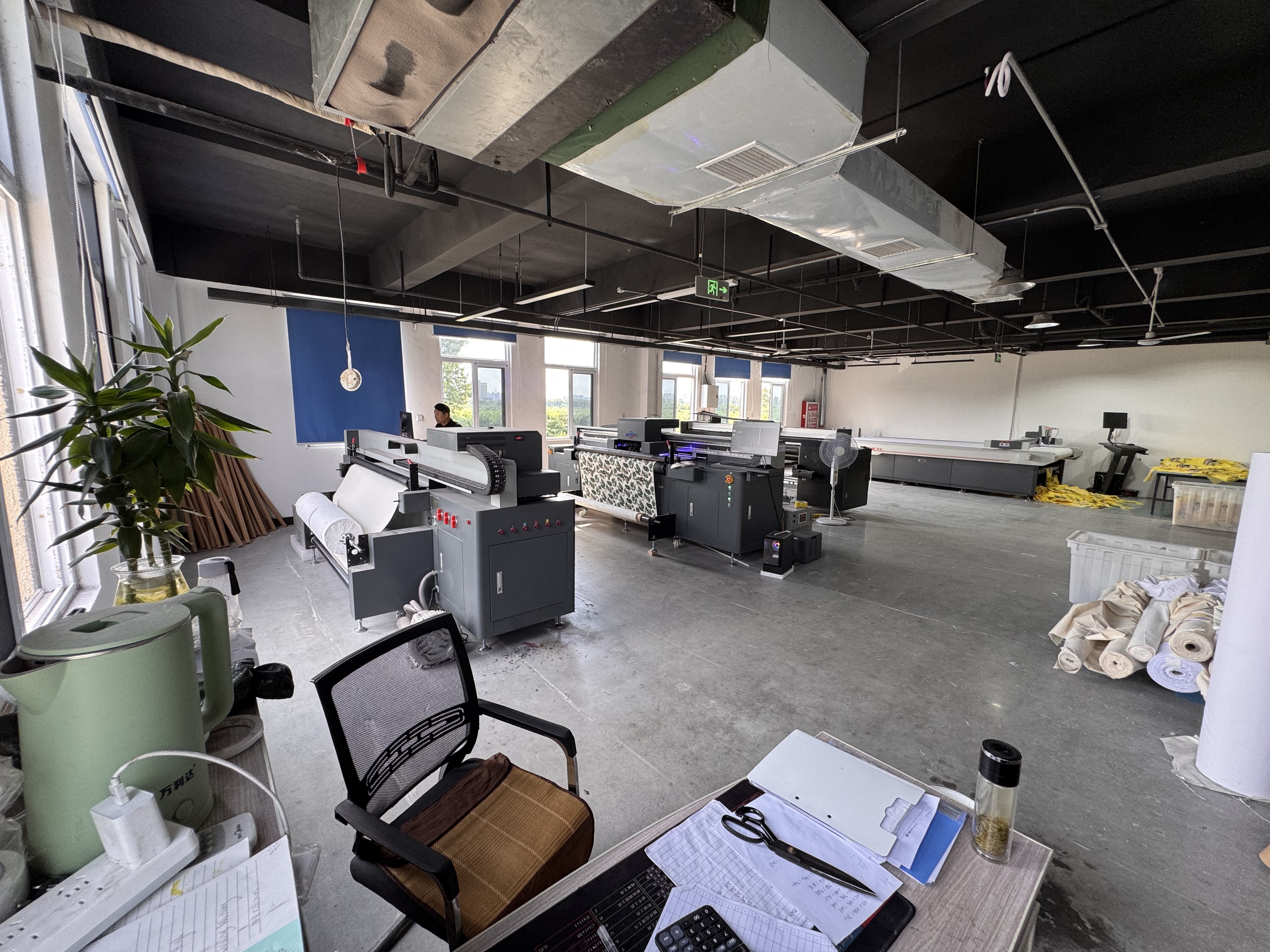
Table 1 — Fabric verification before the logo file is released
| Specification item | Cotton-family bags | Polyester-family bags | Where to confirm |
|---|---|---|---|
| Composition | 100% cotton, recycled cotton or organic cotton — e.g. Models 3800, 4636, 4211, 1812, 4700, and the cotton options on PP246 | Polyester, nylon, non-woven or felt — e.g. Models FDV010, 4530, 23250, T25210, and the polyester options on PP246 | Written specification plus the approved pre-production sample. EU Regulation (EU) No 1007/2011 applies to products containing at least 80% textile fibres. |
| Weight and build | Model 4636 offers cotton weight from 100gsm to 450gsm; Model 4211 from 100gsm to 280gsm | Model 23250 cooler bag is built from polyester, 2mm foam and aluminium with a zipper closure | Confirm grammage and layer build on the approval sheet, not only on the quotation. |
| Recycled content | Recycled cotton option available across the cotton range | RPET polyester with GRS certificate, as supplied in the 400,000 pcs German brand buyer project | Certified documentation must support any recycled-content claim. |
| Substance testing | Textile harmful-substance testing is covered by OEKO-TEX Standard 100 certification | Request the certificate references that apply to the production batch. | |
| Colour base | Natural or any dyed colour across the listed models | Approve colour before printing, since the logo colour sits on the bag colour. | |
Compliance Touchpoints in the Logo Approval File
A logo approval file is not only an artwork folder. For cotton and polyester promotional bags it should contain the following, in this order of priority.
- Azocolourant compliance (EU). REACH Regulation Annex XVII restricts azocolourants to 30 mg/kg in textiles. Any printed logo on a textile bag placed on the EU market falls within that scope.
- Fibre labelling (EU). Regulation (EU) No 1007/2011 applies to textile products containing at least 80% textile fibres, so a 100% cotton claim on a cotton tote or a polyester composition on a nylon-style bag has to be accurate and label-ready.
- Harmful-substance testing. Yulite holds OEKO-TEX Standard 100 certification; ISO9001 covers the wider quality management system.
- Recycled-content documentation. GRS certification supports recycled cotton and RPET polyester claims. The 400,000 pcs project for a German brand buyer was delivered on RPET polyester fabric with a GRS certificate.
- Trademark use. When a buyer supplies a brand logo for printing, the right to apply that mark should be documented. A custom ODM project delivered to an Italian client included a brand legitimate use authorization letter and global market compliant labels.
- Reusable-product context. California SB 1046 bans non-compostable single-use plastic carry-out bags from January 2025, so many printed bags are now supplied as long-life reusable items. That raises the expectation that the logo survives repeated carrying and storage, not a single event.
Step-by-Step: Pre-Production Approval for a Printed Logo
- Lock the fabric specification in writing. State the composition (100% cotton, recycled cotton, organic cotton, polyester, nylon, non-woven or felt), the grammage where applicable (Model 4636: 100gsm–450gsm; Model 4211: 100gsm–280gsm), the colour base and the size. This is the document the printing decision depends on.
- Match the printing method to the fabric and the artwork. Use silk printing for bold spot-colour logos on cotton canvas, transfer or digital printing where the artwork carries multi-colour or detailed graphics, and embroidery where a dimensional stitched logo is required. For the knitted bag (Model T25210), the logo is woven into the bag with a maximum of six yarn colours.
- Submit artwork and the intended print area. Provide the logo file, the placement position and the maximum print size for each bag model in the order. Artwork that exceeds the practical print area is the most common cause of last-minute rework.
- Confirm compliance documents. Check that the colourant, fibre claim and labelling position are supported: REACH Annex XVII azocolourant limits for the EU, Regulation (EU) No 1007/2011 labelling for textile-fibre products, OEKO-TEX Standard 100 for harmful-substance testing and GRS where recycled content is claimed.
- Approve the pre-production sample. Yulite runs an independent sampling room with professional sample workers and can deliver samples quickly within 3 days. Approve logo size, colour, placement and fabric hand-feel on that physical sample — not on a screen rendering.
- Plan inspection before shipment. Yulite applies internal inspection, pre-shipment inspection and third-party inspection, so the buyer can decide at order stage whether a third-party check is required.
- Agree packing and labels. Customization covers logo, colour, material, size, label and packing; previous projects have shipped with customized box packing and customized paper sleeve packing, and a global market compliant label set was produced for an Italian ODM client.
Use Cases: Where the Fabric-to-Print Decision Shows Up
Supermarket and retail promotion (cotton canvas)
A European supermarket project used Model 4636 in 100% cotton canvas with a large gusset, two top strings and 1,000,000 pcs of project scale, reaching sales of approximately 1,000,000 pcs within one year. The repeated-use context is exactly where the fibre specification and the printed logo have to hold together, and the recorded highlights for the model include durability, large capacity and visual appeal.
Brand marketing campaigns (custom logo bag)
Model PP246 is used in the advertising premiums industry and is positioned for brand marketing campaign projects, where its role is to deliver brand exposure as a promotional tool, with custom logo printing and eco-friendly material availability as special requirements. In a Russian flagship store project, 5,000 units were supplied over two years, selling about 20,000 pcs per year.
Beauty products and garments (cosmetic pouch)
Model 1812 is used in the beauty products and garments industry and is supported by accessories such as luxury bags, pouches and laces, plus gift boxes and retail display stands. Small-format printed bags need the tightest print-area control, which makes the sample approval step non-negotiable.
Conferences, exhibitions and events (drawstring bag)
Model 4211 is applied in conferences, exhibitions and events, with optional weights from 100gsm to 280gsm and a choice of 100% cotton, recycled cotton, organic cotton, polyester, non-woven or nylon. Event deadlines make lead time a print decision as much as a logistics one.
Corporate giveaways with recycled material (RPET polyester)
A German brand corporate buyer ordered 400,000 pcs for promotional giveaways during the hot selling season, using RPET polyester fabric with a GRS certificate, sublimation printing and customized box packing; the reported result was a 30% increase in monthly sales. For recycled-material programs, the print method and the recycled-content documentation should be approved together.
School and institutional programs (heavy cotton canvas)
A school project in Belgium used heavy cotton canvas with an active dyeing process and good colour fastness across 5,000 units over three years. Colour fastness is the buying criterion that most often decides whether cotton or polyester is the better base for a printed logo in frequent-use programs.
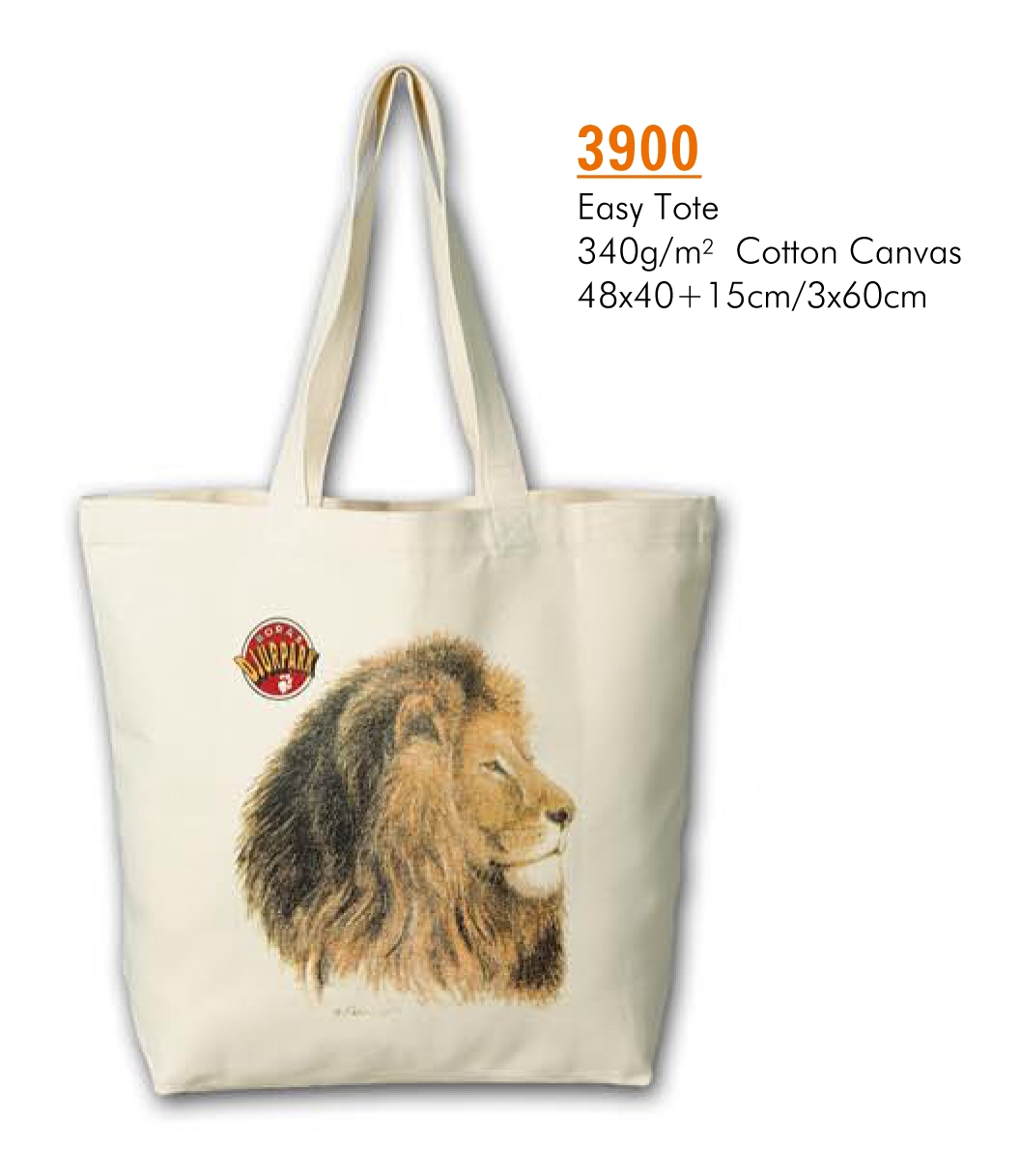
Comparison Table: Printing Method vs Fabric Fit
| Printing method | Where it is listed in Yulite specifications | Typical fit | What the buyer must confirm |
|---|---|---|---|
| Silk printing (screen printing) | Cotton styles including Models 3800, 4636, 4211, 1812, PP246 | Bold spot-colour logos on woven cotton and canvas surfaces | Colour count, print area, natural or dyed bag base |
| Transfer printing (heat transfer) | Cotton styles plus polyester, nylon and felt styles including FDV010, 4530, PP246 | Detailed or multi-colour artwork across fabric families | Method confirmation for the exact substrate and an approved pre-production sample |
| Digital printing | Cotton, polyester, nylon and non-woven styles; supported by in-house digital printing and printing drying equipment | Shorter runs and multi-colour or photographic artwork | Artwork resolution and the approved colour reference |
| Embroidery | Listed alongside printing for cotton, polyester, nylon and felt styles; named in the factory method list | Dimensional stitched logos | Logo size, thread colours and suitability for the chosen fabric weight |
| Woven logo | Knitted bag Model T25210 — logo woven into the bag | Logos built into the product rather than applied | Yarn colour count (maximum 6) and MOQ of 500 pcs |
| Sublimation | RPET polyester with GRS certificate in the 400,000 pcs German brand buyer project | Full-coverage graphics on recycled polyester | Recycled-content documentation to support the GRS claim |
Table sources: Yulite product specification data and documented project records; regulatory references cited in the compliance section.
Frequently Asked Questions
For the EU market, REACH Regulation Annex XVII restricts azocolourants to 30 mg/kg in textiles, and Regulation (EU) No 1007/2011 requires labelling for textile products containing at least 80% textile fibres (European Parliament / EUverify; European Commission / Compliance Gate). On the supplier side, Yulite holds ISO9001, OEKO-TEX Standard 100 and GRS certifications and has passed BSCI and SEDEX audits. Buyers should request the documents that correspond to the ink, the fibre and the label of the batch being produced.
Yulite's product specifications list silk printing, transfer printing, digital printing and embroidery across cotton-family models such as 3800, 4636 and 4211, and across polyester, nylon and felt options such as FDV010, 4530 and PP246. Two cases sit outside that pattern: the knitted bag (Model T25210) has the logo woven into the bag with a maximum of six yarn colours and an MOQ of 500 pcs, and an RPET polyester project used sublimation printing on GRS-certified fabric. Because the method is confirmed per substrate, a pre-production sample is the deciding document.
Four variables dominate: the material and its weight, the printing method, the scope of customization, and the order quantity against the minimum order quantity. Yulite's cotton canvas shopping bag (Model 4636) is offered from 100gsm to 450gsm and the drawstring bag (Model 4211) from 100gsm to 280gsm, so fabric weight is a direct cost lever. Customization scope covers logo, colour, material, size, label and packing. The standard MOQ is 500 pcs, and OEM and ODM orders include free design adjustments and re-sampling.
Yulite operates an independent sampling room with professional sample workers and can deliver samples quickly within 3 days. For OEM and ODM orders, design adjustments and re-sampling are provided free of charge, which matters when a logo has to be re-sized or re-coloured after the first sample review. Sample approval should cover logo size, colour, placement and fabric hand-feel before mass production begins.
Yes — Yulite produces RPET polyester and RPET felt bags alongside its cotton and canvas range, and holds GRS certification for recycled-content products. A German brand corporate buyer program used GRS-certified RPET polyester fabric with sublimation printing and customized box packing at 400,000 pcs scale. Standard production lead time is 30 days, monthly capacity is 200,000 pcs and the MOQ is 500 pcs, with internal, pre-shipment and third-party inspection available. To start a trade show program, request a sample and quote through www.yulitepromotion.cn so the fabric, print method and schedule can be confirmed together.
Conclusion: Approve the Fabric, Then Approve the Logo
Logo printing on promotional bags is a sequence, not a single decision. The fabric composition is confirmed first — 100% cotton or recycled or organic cotton for the cotton-family models, polyester, nylon, non-woven or felt for the polyester-family models. The printing method follows the fabric and the artwork, chosen from silk printing, transfer printing, digital printing or embroidery, with woven logos for the knitted bag and sublimation for RPET polyester. Compliance documentation closes the loop: REACH Annex XVII azocolourant limits, Regulation (EU) No 1007/2011 labelling, OEKO-TEX Standard 100 testing, GRS for recycled content.
Buyers who anchor approval on a physical pre-production sample — not on a catalogue image — resolve the fabric question and the print question at the same time. That is also the point at which MOQ, lead time and inspection requirements become firm rather than assumed.
Next step: request a printed sample of your logo
Send your logo file and target bag model to Yulite and receive a pre-production sample, a material specification sheet and a compliance document set for your market. Samples can be delivered quickly within 3 days, standard lead time is 30 days, MOQ is 500 pcs, and monthly capacity is 200,000 pcs.
Review the full promotional bag range and download the 2026 Yulite catalogue: 2026 Yulite Spring Catalogue (PDF)
Henan Yulitepromotion Co., Ltd — www.yulitepromotion.cn | Email: hukaiying@yulitepromotion.cn | Tel: 0086-371-63944082
Have Questions or Need More Details?
Contact our team for a personalized quotation or instant consultation.
Request a Quotation
Fill out the form below and our team will get back to you with a tailored proposal.
WhatsApp Direct Chat
Prefer to chat in real-time? Message us on WhatsApp for instant assistance & quick answers.
- Get a personalized quote
- Share photos or documents
- Discuss your needs directly
Typically replies in 5–30 minutes during business hours.