Long-Term Promotional Bag Sourcing: Factory Capabilities That Keep Your Program Running
Long-Term Promotional Bag Sourcing: Factory Capabilities That Keep Your Program Running
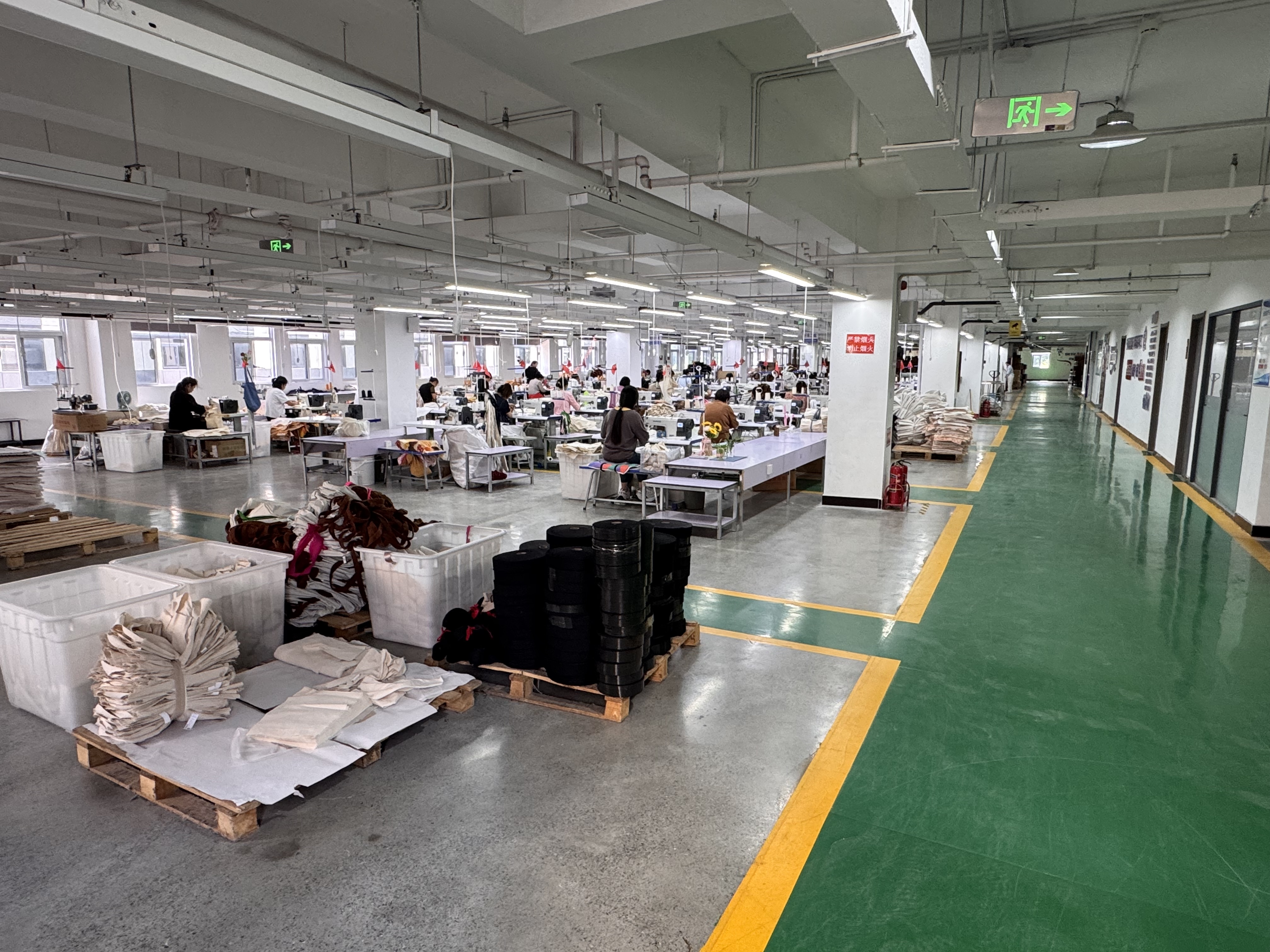
Yulite's stitching workshop is one of the production bases that support repeat promotional bag orders.
When a promotional bag program is planned for one campaign, price and speed may be enough. But when the same program must be repeated every season or extended to new markets, the buying criteria change. You need a factory that can hold the same quality across batches, respond to peak demand without missing deadlines, adapt logos to new campaigns, and provide documented compliance for each shipment.
This article explains what long-term promotional bag buyers should evaluate before committing to a supplier. It uses Henan Yulitepromotion Co., Ltd. (Yulite) as a concrete example of a manufacturer designed for ongoing supply relationships, but the decision framework applies to any factory under evaluation.
Problem Definition: Why Promotional Bag Programs Fail After the First Order
Most promotional bag sourcing problems appear in the second or third order, not the first. The first batch is often produced with extra care. Later batches may face material inconsistency, rushed production, or supplier capacity shortages during peak seasons. Buyers then discover that a low initial quote did not include the cost of delayed shipments or uneven printing.
Common failure patterns include:
- Delivery delays caused by power outages, raw material shortages, or overbooked production lines.
- Quality drift between batches because the factory relies on manual processes without clear standards.
- Logo placement or color inconsistency, especially when different printing methods are used across orders.
- Compliance gaps that appear when an EU or US buyer asks for REACH, OEKO-TEX, or recycled material documentation.
- Communication breakdowns when the account is passed from one salesperson to another.
Long-term buyers need a supplier whose infrastructure and management systems reduce these risks before they happen.
Industry Background: A Market That Rewards Repeat Supply
The demand for promotional bags is not a short-term trend. The global tote bag market was valued at USD 17.1 billion in 2023 and is projected to reach USD 29.8 billion by 2032, according to Acumen Research and Consulting. The larger promotional products market is estimated at USD 84.4 billion in 2025, with a 3.8% CAGR, based on data from Metastat Insights.
Corporate adoption of custom-branded tote bags as promotional merchandise surged by 32% year-over-year in 2024, according to Intel Market Research. A single reusable tote bag can generate more than 3,500 brand impressions over its lifetime, which makes repeat distribution an attractive marketing investment.
Regulatory pressure is also accelerating the shift. California SB 1046 bans non-compostable single-use plastic carry-out bags starting January 2025. In the EU, textile products must comply with REACH Regulation Annex XVII, which restricts azocolourants to 30 mg/kg in textiles, and Regulation (EU) No 1007/2011 for fibre labeling. These rules force buyers to work with factories that can document material compliance over the long term.
Detailed Solution: What a Long-Term Promotional Bag Factory Should Offer
A supplier for a long-term program must demonstrate four pillars: stable production capacity, risk-control infrastructure, verified compliance, and fast customization.
1. Stable Production Capacity
Capacity is not just about how many bags a factory can make in a day. It is about the equipment, layout, and staff needed to make the same bag to the same standard every time. Yulite's workshop maintains a stable daily output of 30,000 to 50,000 pieces, supported by high-post sewing machines, computer sewing machines, pattern sewing machines, button attaching machines, overlock machines, square cutting machines, hot cutting machines, and shoulder strap cutting machines. The company also reports a monthly production capacity of 200,000 pieces for its bag lines.
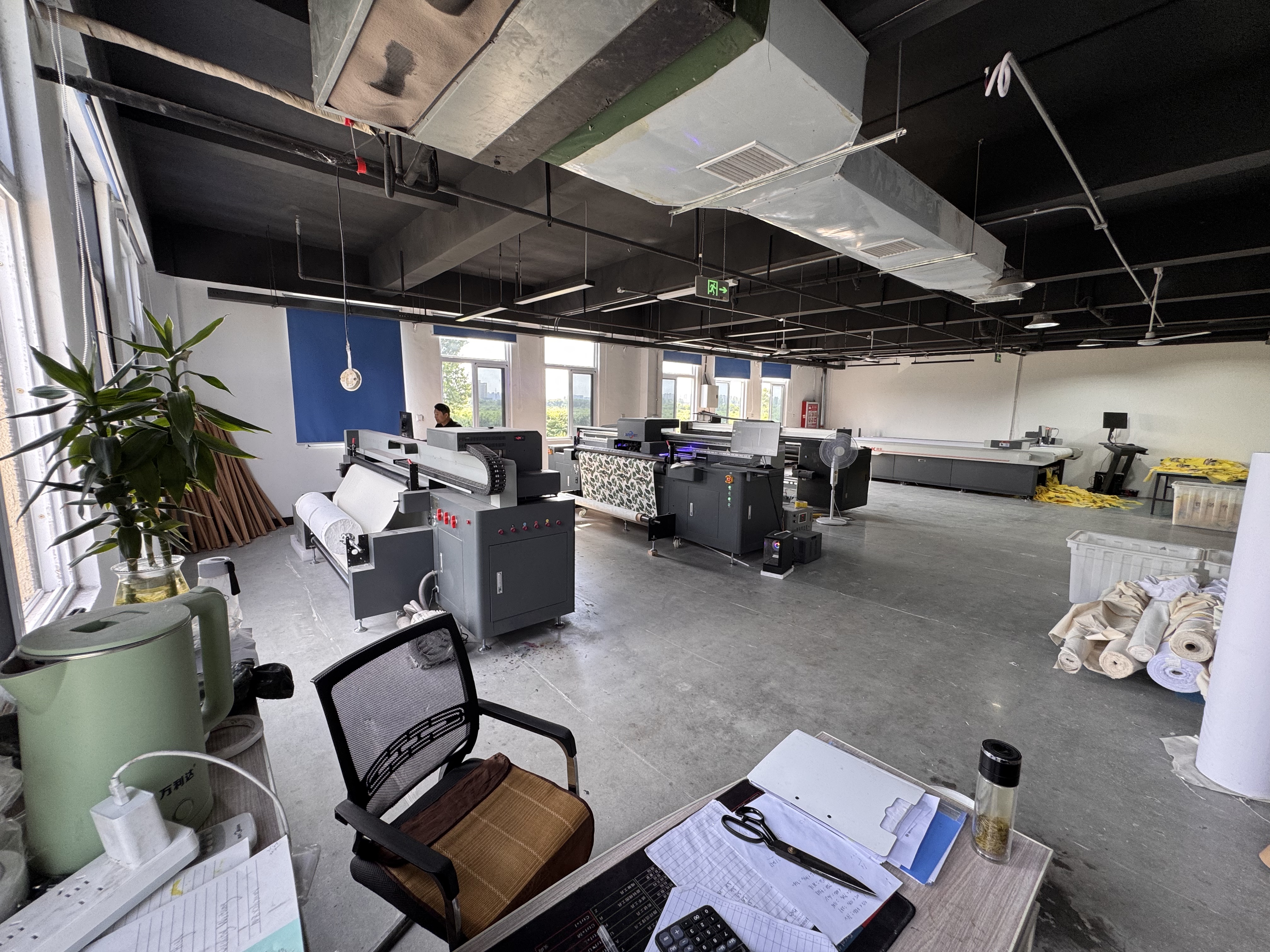
A Yulite digital printing machine supports repeatable logo printing across promotional bag batches.
Having the right equipment matters for consistency. Digital printing, transfer printing, and embroidery are available, so buyers can choose the same logo method for every reorder. The factory also has a Yulite digital printing machine, which helps keep artwork sharp across large quantities.
2. Risk-Control Infrastructure
Long-term programs depend on on-time delivery even when external conditions change. Yulite's contingency plans include its own power generation equipment and backup sub-factory capacity. In practice, the company reserves enough production time for each order, uses on-site power generation to avoid power shortages during production, and works with sub-factories to complete orders together when demand peaks.
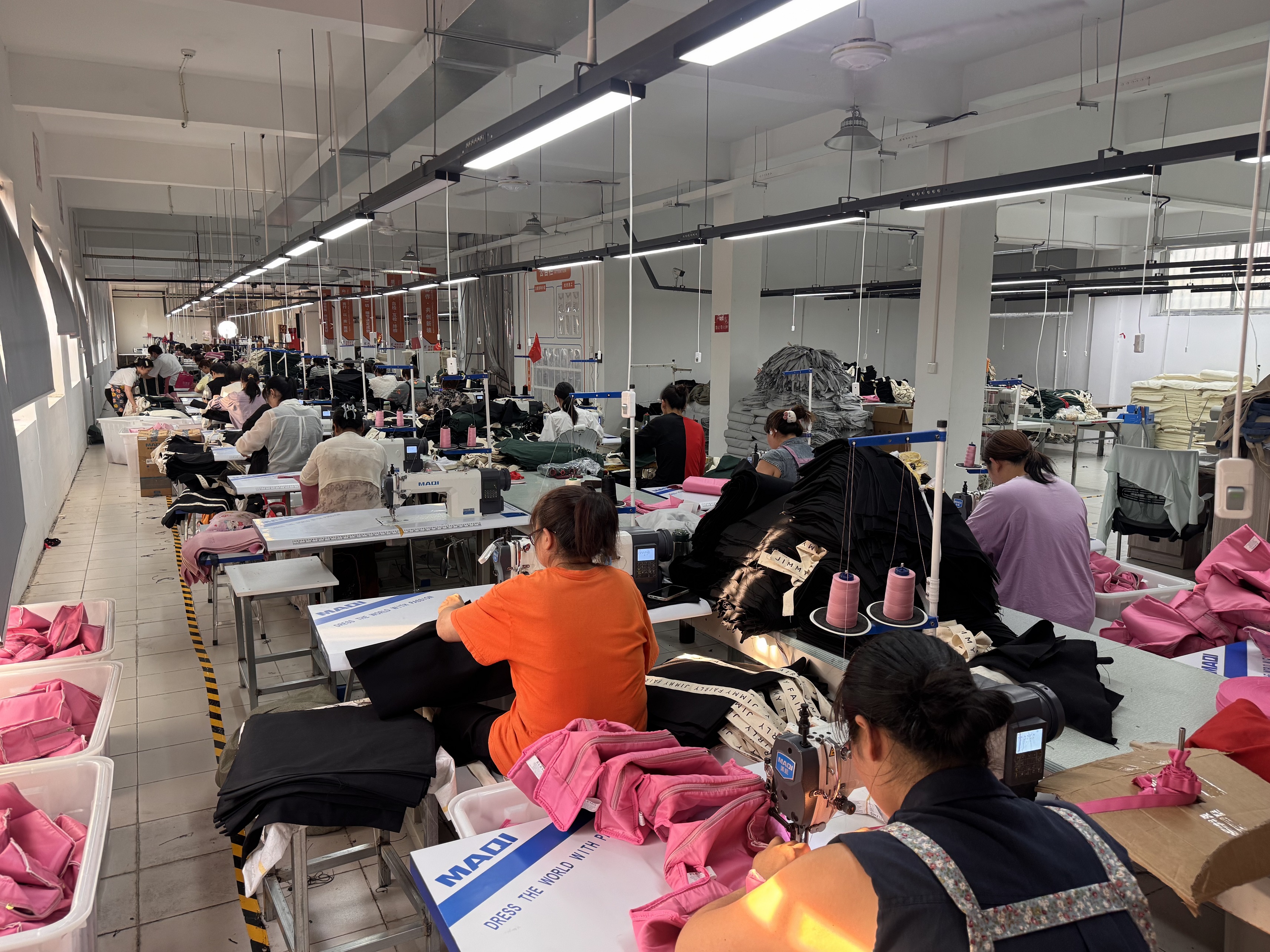
Sub-factory capacity acts as a buffer for peak-season promotional bag orders.
This type of backup is often invisible in a quote, but it becomes critical when a campaign date cannot move.
3. Verified Compliance and Material Safety
For EU and US markets, compliance documentation is not optional. Yulite has passed BSCI and SEDEX audits and holds ISO9001, OEKO-TEX Standard 100, and GRS certifications. The factory performs lab tests on each lot of fabric before mass production, specifically to control excessive heavy metals, and keeps REACH test reports as part of its quality process.
For buyers sourcing recycled or organic bags, certified materials matter. GRS certification supports recycled cotton, RPET, and RPET felt bag programs, while OEKO-TEX Standard 100 addresses harmful substances in textile products.
4. Fast Customization and Sampling
Every new campaign may require a new logo size, colorway, or bag style. A long-term supplier should be able to produce samples quickly and correctly. Yulite operates an independent sampling room with professional sample workers, and can deliver samples within 3 days. This speed is especially useful when a buyer needs to approve a design before the main production slot is reserved.
Printing options at Yulite include heat transfer printing, screen printing, digital printing, and embroidery. This range allows buyers to keep the same technique across reorders or switch based on design complexity.
Step-by-Step: How to Evaluate and Onboard a Long-Term Promotional Bag Supplier
Use the following checklist when evaluating a factory for a multi-order program.
Step 1: Audit Production Equipment and Capacity
Visit or request a virtual tour of the cutting, printing, stitching, and finishing areas. Ask for daily output numbers and equipment lists. Confirm that the factory has the specific machines needed for the bag types you plan to order, such as tote bags, drawstring bags, or cooler bags.
Step 2: Verify Risk-Control Infrastructure
Ask about backup factories, power generation, and raw material stocking. Yulite's own power generation equipment and sub-factory partnerships are examples of measures that protect delivery dates.
Step 3: Confirm Compliance and Certifications
Request copies of ISO9001, BSCI, SEDEX, OEKO-TEX Standard 100, and GRS certificates if applicable. Ask for REACH test reports for textile materials. Confirm that the factory can provide the documentation required for your destination country.
Step 4: Evaluate Sampling and Customization Speed
A sample that takes weeks to produce may indicate a bottleneck. Verify the sampling team's capacity and the typical sample delivery time. For Yulite, samples are generally available within 3 days.
Step 5: Set Quality and Inspection Terms
Define acceptable quality levels for stitching, logo alignment, and material weight. Decide whether pre-shipment inspection or third-party inspection is required. Yulite's terms include pre-shipment testing and third-party inspection acceptance.
Step 6: Plan Reorder Lead Times
Agree on a production calendar that reserves enough time for each order, especially if you order multiple times per year. Confirm how the factory handles peak-season capacity, such as the role of sub-factories. Ask about delivery terms such as DDP, which Yulite can support.
Step 7: Establish a Communication Workflow
Long-term programs need a direct contact for quoting, artwork, and production updates. Yulite assigns experienced sales consultants with more than 20 years of experience in the promotional products industry, which supports continuity across orders.
Use Cases: Where Long-Term Promotional Bag Supply Makes a Difference
The following use cases illustrate why buyers in different industries need a stable supplier rather than a spot-order vendor.
Retail and E-Commerce
Retailers often use custom tote bags as shopping bags and loyalty gifts. Since the same bag design may be reordered every season, consistency in material and print quality directly affects brand perception.
Trade Shows and Exhibitions
Exhibitors need a reliable supply of promo bags for multiple events per year. Deadlines are fixed months in advance, so production delays are not acceptable. A supplier with reserved production time and backup capacity helps ensure the bags arrive before the show.
Corporate Employee and Client Gifts
Companies that give promotional backpacks, gym bags, or travel bags to employees and clients may roll out new designs annually. Since corporate gifts are often customized with logos and brand colors, fast sampling and a proven printing process are essential.
Food and Beverage
Insulated cooler bags and picnic bags are commonly used in promotional programs for supermarkets and beverage brands. These products require specific materials and construction, such as polyester with foam and aluminum lining, and a supplier must be able to repeat that construction consistently.
Apparel and Fashion
The garment industry accounts for 17% of reusable bag applications, with 48% of that demand specifically for promotional usage, according to Business Research Insights. Fashion brands often order cotton, canvas, or knitted bags in multiple colors, making dye-lot control and printing accuracy critical.
Material Comparison Table for Promotional Bags
For long-term programs, material choice affects durability, comfort, and cost per use. The table below compares cotton, paper, non-woven, and plastic bags based on Yulite's comparison data.
| Attribute | Cotton Bag | Paper Bag | Non-Woven Bag | Plastic Bag |
|---|---|---|---|---|
| Reusability | Can be reused over 50 times; up to 100 times in some tests | 1–2 single uses | Less than 10 times | One-time use |
| Load capacity | Holds up to 10 kg; 2.5x more than a standard paper bag | Lower than cotton; not designed for heavy loads | Lightweight, less durable | Approximately 3 kg |
| Storage and washing | Washable and reusable; can be stored up to 10 years without damage | Not washable; becomes fragile over time | Not washable; ages and breaks after long storage | Not intended for reuse |
| Environmental impact | Degrades in 6 months–1 year; cuts 85% deforestation risk compared with disposable paper bags | Single-use degradable, but no reuse value | Reusable alternative to plastic, but shorter lifespan | Degrades in 200–1000 years |
| Relative cost | Baseline (1x) | Cotton is about 3x the cost of paper | Cotton is about 2x the cost of non-woven | Cotton is about 10x the cost of plastic |
For most promotional programs, cotton bags offer the best balance of endurance, brand surface, and eco-credentials, especially when the budget allows for reusability. If the program is highly cost-sensitive, non-woven bags are a common compromise. Paper bags may work for one-time retail packaging but are not ideal for long-term brand exposure.
Frequently Asked Questions
1. What certifications should a long-term promotional bag supplier hold for EU and US orders?
For EU and US markets, verify factory audits and product-level certifications. Yulite has passed BSCI and SEDEX audits and holds ISO9001, OEKO-TEX Standard 100, and GRS certifications. Fabric is lab-tested before production to control heavy metals, which supports compliance with EU REACH restrictions such as the 30 mg/kg limit for azocolourants. For US distribution, be aware of state regulations like California SB 1046, which is pushing buyers toward reusable alternatives.
2. What production capabilities matter most when scaling a promotional bag program across multiple seasons?
You need stable output, consistent printing equipment, and backup capacity. Yulite's workshop maintains a daily output of 30,000 to 50,000 pieces and reports a monthly production capacity of 200,000 pieces. Its digital printing machine helps keep logo placement consistent on repeat orders. For peak periods, the company uses sub-factories to complete orders together. For custom designs, Yulite's MOQ is 500 pieces.
3. How do material choices affect the long-term budget of a promotional bag program?
Material cost is the biggest variable. Based on Yulite's comparison data, cotton bags cost roughly 3 times paper bags, 2 times non-woven bags, and 10 times plastic bags. However, cotton bags can be reused over 50 times and stored up to 10 years, which lowers cost per impression over the life of the bag. Recycled cotton, organic cotton, and RPET options offer a middle ground for buyers with sustainability targets.
4. How quickly should a supplier deliver samples for a custom logo bag order?
A fast sample turnaround indicates production readiness. Yulite runs an independent sampling room with professional sample workers and can deliver samples within 3 days. This allows the buyer to approve material, logo placement, and stitching details before committing to a large production run.
5. How can a factory prevent delivery delays during peak-season promotional bag orders?
Reliable suppliers build contingency measures into their production planning. Yulite reserves enough production time for each order, owns power generation equipment to avoid power shortages, and works with sub-factories to add capacity. These measures are designed to keep delivery dates stable even when order volume spikes.
Need a promotional bag supplier for a long-term program?
Yulite can provide samples, a catalog, and a quotation based on your order volume and timing. Delivery terms include DDP; payment options include T/T, D/P, Alibaba Trade Assurance, and credit card.
Download the 2026 Yulite brochure or contact hukaiying@yulitepromotion.cn.
Conclusion
Choosing a promotional bag factory for a one-time order is a transaction. Choosing one for a long-term program is a strategic decision. The right supplier combines stable capacity, risk-control systems, certified compliance, skilled sampling, and clear communication. Yulite, founded in 2008 and exporting 100% of its production to markets including the EU, USA, Japan, and Australia, offers a realistic example of these capabilities in practice.
By applying the evaluation framework in this guide, you can reduce the risk of late deliveries, inconsistent quality, and compliance gaps. A factory that plans for risks and reinvests in equipment is the one that can carry your promotional bag program for years.