Promotional Bag Compliance Guide: Materials, Logos and Regional Requirements
A promotional bag is not compliant because a supplier says it is. It is compliant when the purchase order records the material, decoration, labeling, test and acceptance requirements for the destination market. This guide translates regional compliance questions into a documented promotional bag specification for cotton, organic cotton, recycled cotton, polyester, felt and padded fabric bags. It uses model 1812 cosmetic bag, model 4636 cotton canvas shopping bag, model 23250 COOLR BAG and model 3800 tote bag as working examples. The aim is not to promise a certificate. The aim is to make every claim auditable before bulk production.
Yulite, formally Henan Yulitepromotion Co., Ltd., is a promotional bag manufacturer founded in 2008, exporting to the EU, USA, Japan and Australia. Its product range includes cotton and canvas bags, tote bags, drawstring bags, foldable bags, cosmetic pouches, backpacks, cooler bags, polyester and nylon bags, RPET and recycled cotton bags, RPET felt bags and non-woven bags. More information is available at www.yulitepromotion.cn.
Problem Definition: Compliance Is Not a Bag Property
Compliance is a relationship between a defined product and a defined requirement. A buyer may ask, is this promotional bag REACH compliant? The useful answer is narrower: which material, which color, which print, which trim, and which test report are being declared? A certificate for one fabric does not automatically cover a different dye lot, a different print ink, or a different zipper.
This is why a promotional bag specification should separate four layers. The first layer is the base material: cotton, organic cotton, recycled cotton, polyester, felt, padded fabric or a blend. The second layer is the decoration: embroidery, transfer printing, digital printing or silk printing. The third layer is the market requirement: EU REACH, EU textile labeling, California rules or a buyer-specific standard. The fourth layer is acceptance: sample approval, inspection method, packaging and reorder records.
Industry Background: Why Buyers Ask More Compliance Questions
Promotional bags sit inside a large and visible merchandise category. The global tote bags market was valued at USD 17.1 billion in 2023 and is projected to reach USD 29.8 billion by 2032, according to Acumen Research and Consulting. Corporate adoption of custom-branded tote bags rose 32% year over year in 2024, according to Intel Market Research. Seasonal promotional campaigns account for 39% of total demand for reusable shopping bags in 2025, according to Business Research Insights.
Higher volume brings more scrutiny. A bag that is given away at a trade show, sold in a retail promotion or packed with cosmetics may be checked for fiber content, azo colorants, labeling, print adhesion and packaging declarations. The buyer does not need a general sustainability story. The buyer needs a specification that can be compared with the supplier declaration and, where required, a test report.
Detailed Solution: The Documented Promotional Bag Specification
The most practical solution is a model-level specification sheet attached to the purchase order. It should be written in plain purchasing language and should use the same material names as the supplier quotation. For a promotional bag program, the sheet should cover material declaration, decoration declaration, regional requirement, sample approval and acceptance method.
Material declarations for cotton, organic cotton and recycled cotton
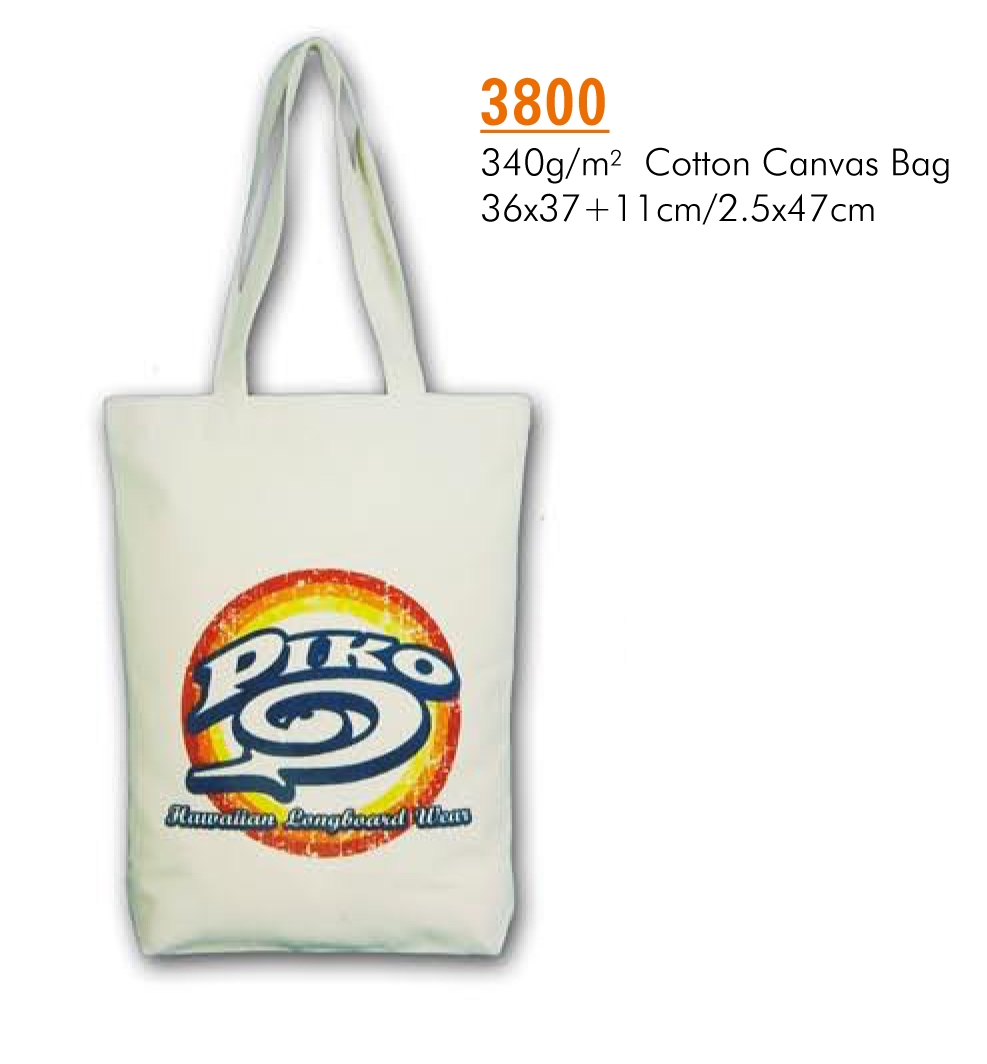
Cotton bags are common because the material is easy to print and easy to describe. Model 4636 cotton canvas shopping bag lists 100% cotton, a cotton weight range from 100gsm to 450gsm, natural or dyed color, and silk printing, transfer printing, digital printing or embroidery. Model 3800 tote bag lists 100% cotton, recycled cotton or organic cotton, with the same decoration options. Model 1812 cosmetic bag lists 100% cotton, recycled cotton, organic cotton, felt, polyester and padded fabric.
For a cotton promotional bag, the specification should state fiber content, fabric weight in gsm, color, dyeing method, visible trim composition and the restricted-substances requirement for the destination market. For the EU, the verified requirement is REACH Regulation Annex XVII, which restricts azocolourants to 30 mg/kg in textiles. The specification should also address EU Regulation (EU) No 1007/2011 for labeling when the textile product contains at least 80% textile fibers.
Organic cotton and recycled cotton need separate document control. If the purchase order says organic cotton, the specification should name the certificate or transaction record the supplier will provide. If it says recycled cotton, the same logic applies to the recycled content claim. A company-level certificate does not replace a product-specific declaration. Yulite's company profile lists ISO9001, OEKO-TEX Standard 100 and GRS certifications, and states that it has passed BSCI and SEDEX audits. Those documents should still be mapped to the exact material, color and decoration in the order.
Material declarations for polyester, felt and padded fabric
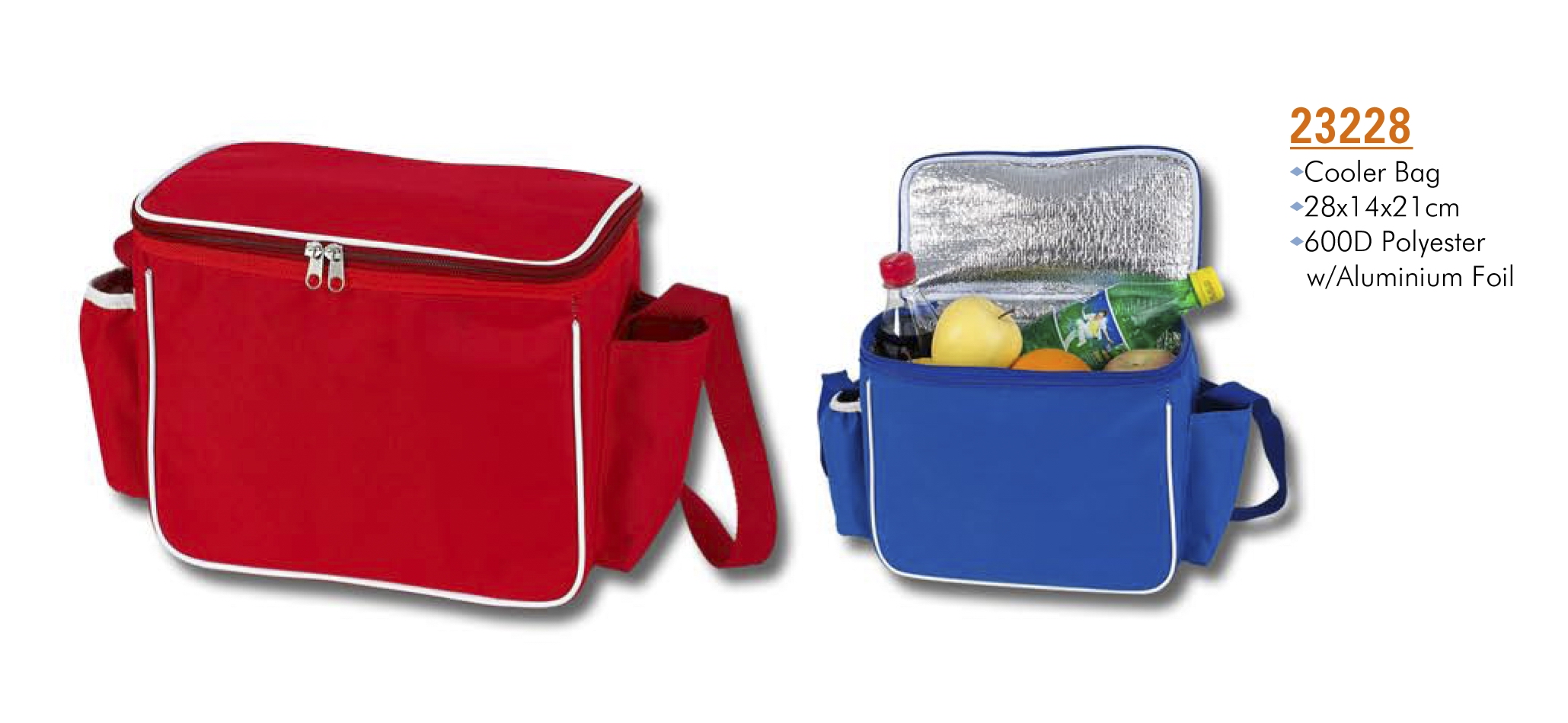
Polyester bags require a construction-level declaration because the textile face is not the whole product. Model 23250 COOLR BAG lists polyester, 2mm foam and aluminum, with a zipper closure and shoulder strap. Its product unit also lists polyester, non-woven and felt as material options. For this type of promotional cooler bag, the specification should separate the outer textile, lining, foam, aluminum layer, zipper and strap. Each component can have a different test scope.
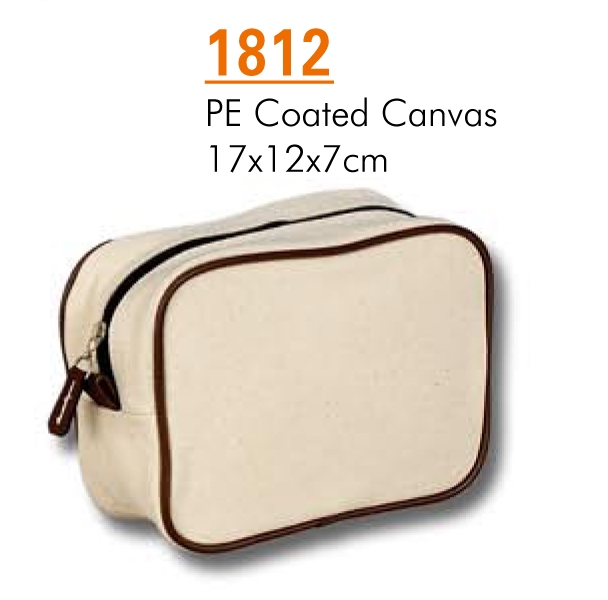
Felt appears in model 1812 cosmetic bag and in the model 23250 COOLR BAG material options. A felt declaration should state the felt type, weight, color, recycled content claim if any, and whether the felt is used as a body material or a trim. Padded fabric appears in model 1812 cosmetic bag. For padded fabric, the specification should state the face fabric, padding, lining, seam construction and any decorative trim. Vague terms such as soft feel or premium touch are not material declarations.
RPET and recycled cotton bags are part of Yulite's product range. For a promotional RPET bag, the purchase order should state the recycled content claim, the GRS scope if GRS is referenced, and the transaction certificate requirement. The verified market context is that the recycled PET market size is estimated at USD 19.5 billion in 2025, according to Custom Market Insights. That market size does not prove a specific bag's recycled content. Only the supplier's transaction documents and test scope can do that.
Logo and decoration declarations: embroidery, transfer, digital and silk printing
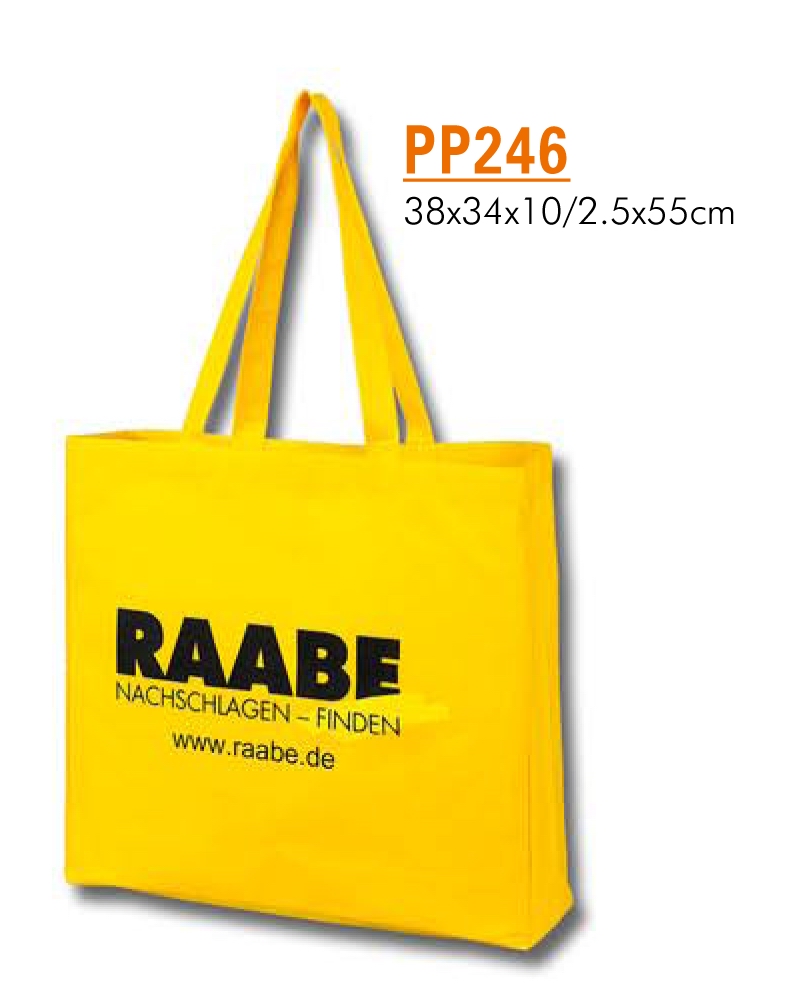
Decoration is part of the compliance scope because inks, threads, foils and adhesives can introduce additional materials. Model 1812 cosmetic bag, model 4636 cotton canvas shopping bag and model 3800 tote bag list silk printing, transfer printing, digital printing and embroidery as logo methods. Model PP246 custom logo bag also lists these four methods and is used in the advertising premiums industry for brand marketing campaign projects, commonly in Europe, Australia and Japan.
A logo specification should state the decoration method, artwork version, placement, size, color reference, ink or thread type, curing requirement where relevant, and approval proof. For EU programs, the decoration should be included in the same restricted-substances review as the base material. Do not write REACH compliant printing unless the test report or declaration clearly covers the print ink and the printed area. A fabric test report alone may not cover a transfer print or a digital print.
Embroidery needs thread composition and colorfastness information. Transfer printing and digital printing need ink and film or transfer carrier details. Silk printing needs ink type, number of colors, placement and curing information. The purchase order should also state whether the logo is on the bag body, a patch, a handle or a lining. That placement detail matters for sample approval and for any later claim about the decorated product.
Step-by-Step Breakdown: Turning a Regional Question into a Purchase Specification
- Define the market and the use. State whether the bag is for the EU, the USA, California, Australia, Japan or a buyer-specific program. State whether it is a trade show giveaway, retail promotion, cosmetic gift, cooler bag or brand marketing item. Model PP246 custom logo bag is listed for advertising premiums and brand marketing campaign projects. Model 4636 promotional shopping bag is listed for retail promotion projects.
- Write the material composition and weight. Use the same terms as the product unit. Model 4636 lists 100% cotton and a 100gsm to 450gsm cotton weight range. Model 3800 lists 100% cotton, recycled cotton or organic cotton. Model 1812 lists cotton, recycled cotton, organic cotton, felt, polyester and padded fabric. Model 23250 lists polyester, 2mm foam and aluminum, with polyester, non-woven and felt as material options.
- Specify the decoration method. Choose embroidery, transfer printing, digital printing or silk printing only where the model lists that method. Add artwork version, placement, size, color reference and proof approval. For model 1812, model 4636 and model 3800, all four methods are listed. For model 23250, confirm the decoration method in the order specification because the product unit does not list logo methods.
- Set the restricted-substances and labeling requirements. For the EU, reference REACH Regulation Annex XVII and the 30 mg/kg limit for azocolourants in textiles. Reference EU Regulation (EU) No 1007/2011 for labeling when the textile product contains at least 80% textile fibers. For California, clarify whether the item is a reusable promotional bag or a single-use plastic carry-out bag affected by SB 1046 from January 2025.
- Define labeling and packaging. State the fiber content label, country of origin information where required, care information if specified by the buyer, polybag or box packing, hangtag position and any retail display requirement. Model 1812 cosmetic bag lists supporting equipment such as luxury bags, pouches and laces, and gift boxes and retail display stands. Those supporting items should be included in the packaging specification if they are part of the order.
- Agree the sample and acceptance criteria. Yulite has an independent sampling room and states that samples can be delivered within 3 days. The sample approval should cover material, weight, color, logo method, placement, stitching, packing and labeling. Yulite's quality control includes internal inspection, pre-shipment inspection and third-party inspection.
- Lock production, inspection and reorder records. Yulite states a MOQ of 500pcs, a lead time of 30 days and a monthly capacity of 200,000pcs. The purchase order should keep the approved sample, material declaration, logo proof, inspection checklist and test-report scope together. A reorder should reference the same records rather than starting from a verbal description.
Use Cases: Four Models in Four Promotional Contexts
Trade show and beauty gifting: model 1812 cosmetic bag
Model 1812 cosmetic bag is used in the beauty products and garments industry. For a trade show giveaway, the specification should state the cosmetic bag material, lining, zipper, logo method and packaging. If the bag is paired with luxury bags, pouches, laces, gift boxes or retail display stands, those items should be listed separately because they may fall outside the textile declaration. The model can be ordered in cotton, recycled cotton, organic cotton, felt, polyester or padded fabric, so the material choice should be locked before the artwork proof is approved.
Retail promotion: model 4636 cotton canvas shopping bag
Model 4636 promotional shopping bag is applied in retail promotion projects and operates in manual carrying and repeated usage mode. It is typically applied in France, Italy, Spain, Germany, Switzerland, Denmark, Belgium, the United Kingdom, Austria, Greece, Norway, Sweden, Australia and Japan. The specification should state the cotton weight within the listed 100gsm to 450gsm range, the dyeing method, the logo method and the labeling requirement. A retail buyer should also define the handle test, seam inspection and packing format in the acceptance criteria.
Food and supermarket: model 23250 COOLR BAG
Model 23250 COOLR BAG is used in food and supermarket applications. Its type description covers picnic cooler bag, thermal bag, insulated cooler bag, 6 can cooler bag and lunch cooler bag. The construction lists polyester, 2mm foam and aluminum, with a zipper closure and shoulder strap. For a compliance file, the outer textile, foam, aluminum, zipper and strap should be listed as separate components. If the buyer requests a recycled or felt version, the material option should be written into the purchase order and matched to the applicable declaration.
Brand marketing, cultural travel and hotel: model 3800 tote bag
Model 3800 tote bag is used in the advertising premiums industry and is suitable for promotional customization projects. It can also be applied in the cultural travel and hotel industry, where its role is to package promotional gifts and retail merchandise. The product unit lists eco-friendly material availability as a special requirement and states that this application scenario is common in Germany. For this use, the specification should state whether the bag is 100% cotton, recycled cotton or organic cotton, and whether the logo is printed or embroidered.
Comparison Table: Models 1812, 4636, 23250 and 3800
The table below uses only product-unit facts and verified regional requirements. It is a specification planning table, not a certification statement. Each order still needs its own material declaration, logo proof and test scope.
| Model | Material declaration in the product unit | Listed logo or decoration methods | Common promotional use in the corpus | Specification focus for compliance |
|---|---|---|---|---|
| Model 1812 cosmetic bag | 100% cotton, recycled cotton, organic cotton, felt, polyester, padded fabric | Silk printing, transfer printing, digital printing, embroidery | Beauty products and garments industry; trade show and cosmetic gifting | State face fabric, lining, padding, zipper, trim and logo method; include supporting gift boxes or pouches if supplied. |
| Model 4636 cotton canvas shopping bag | 100% cotton; cotton weight from 100gsm to 450gsm; natural or dyed color | Silk printing, transfer printing, digital printing, embroidery | Retail promotion projects; manual carrying and repeated usage | State gsm, dye method, handle and seam inspection, EU labeling and REACH azo colorant scope. |
| Model 23250 COOLR BAG | Polyester, 2mm foam and aluminum; zipper closure; shoulder strap; material options include polyester, non-woven and felt | Not listed in the product unit; confirm in the order specification | Food and supermarket; picnic, thermal, insulated, 6 can and lunch cooler bag | Separate outer textile, foam, aluminum, zipper and strap in the declaration; confirm decoration method before sampling. |
| Model 3800 tote bag | 100% cotton, recycled cotton, organic cotton | Silk printing, transfer printing, digital printing, embroidery | Advertising premiums; promotional customization; cultural travel and hotel; common in Germany | State fiber choice, recycled or organic claim document, logo placement and EU labeling requirement. |
FAQ
Which regional compliance points should be written into a promotional bag specification?
For the EU, write REACH Regulation Annex XVII azo colorant limits of no more than 30 mg/kg in textiles, and include EU Regulation (EU) No 1007/2011 labeling when the textile product contains at least 80% textile fibers. For California, clarify whether the item is a reusable promotional bag or a single-use plastic carry-out bag affected by SB 1046 from January 2025. Add buyer-specific material, decoration, test-report and acceptance requirements.
What material and logo details should be documented for models 1812, 4636, 23250 and 3800?
Model 1812 lists cotton, recycled cotton, organic cotton, felt, polyester and padded fabric, with silk printing, transfer printing, digital printing and embroidery. Model 4636 lists 100% cotton, 100gsm to 450gsm, with the same four logo methods. Model 23250 lists polyester, 2mm foam and aluminum, zipper closure and shoulder strap, with polyester, non-woven and felt as material options. Model 3800 lists cotton, recycled cotton and organic cotton, with the same four logo methods. Document exact fiber, weight, color, decoration, placement and test scope.
How do MOQ, sampling and budget affect a compliant promotional bag order?
Yulite states a MOQ of 500pcs, an independent sampling room, sample delivery within 3 days, a monthly capacity of 200,000pcs and a lead time of 30 days. A compliance budget should include sample approval, material and decoration declarations, labeling, packaging and inspection. Unit price alone does not show whether the required documents and acceptance checks are included.
How should buyers evaluate Chinese promotional RPET bag manufacturers for trade show giveaways?
Check whether the manufacturer's product range includes RPET and recycled cotton bags, whether it holds GRS certification, and whether the GRS scope and transaction certificate can be matched to the specific bag. For Yulite, the company profile lists GRS certification, a MOQ of 500pcs, sample delivery within 3 days, a lead time of 30 days and quality control through internal inspection, pre-shipment inspection and third-party inspection. Yulite was founded in 2008 and serves the EU, USA, Japan and Australia.
What lead time and acceptance checks should be agreed before bulk production?
Yulite states a 30-day lead time and a monthly capacity of 200,000pcs. The acceptance checklist should cover material composition, fabric weight, color, logo method, logo placement, stitching, packing, labeling and the agreed test-report scope. Quality control should include internal inspection, pre-shipment inspection and third-party inspection where required. The approved sample and all declarations should be retained for reorders.
Conclusion: Make the Compliance File Before the Bag
The practical lesson is simple. A promotional bag program becomes easier to audit when the buyer writes a model-level specification before sampling. For cotton and canvas bags, that means fiber content, gsm, dye method, logo method and EU labeling. For cosmetic and padded bags, it means face fabric, lining, padding and trim. For cooler bags, it means separating polyester, foam, aluminum, zipper and strap. For RPET and recycled cotton bags, it means matching the recycled claim to the correct document and transaction scope.
Yulite can support this process with its product range, sampling room, logo methods and quality-control steps. To move from a regional question to a documented order, request a sample, a quotation and the current catalogue. The 2026 Yulite spring catalogue is available here: Download the 2026 Yulite spring catalogue (PDF).
Next step: Send your market, bag model, material, logo method and target quantity to Yulite for a specification review and sample quotation.
Email: hukaiying@yulitepromotion.cn | Tel: 0086-371-63944082 | WhatsApp: 0086-13703865302 | Website: www.yulitepromotion.cn
This guide is a purchasing and specification aid. It does not replace the destination market's legal text, the buyer's compliance review, or a product-specific test report.
Have Questions or Need More Details?
Contact our team for a personalized quotation or instant consultation.
Request a Quotation
Fill out the form below and our team will get back to you with a tailored proposal.
WhatsApp Direct Chat
Prefer to chat in real-time? Message us on WhatsApp for instant assistance & quick answers.
- Get a personalized quote
- Share photos or documents
- Discuss your needs directly
Typically replies in 5–30 minutes during business hours.