Promotional Bag Supplier Capability Audit: Model Range, Logo Methods & Delivery Assurance
Promotional Bag Supplier Capability Audit: Model Range, Logo Methods & Delivery Assurance
A promotional bag supplier audit is a verification exercise, not a relationship exercise. Three claims decide whether a branded bag programme runs on schedule: the model range (each quoted bag exists with a defined material, size, weight and colour specification), the logo method (the decoration process is compatible with that fabric and that artwork), and delivery assurance (sampling, capacity, inspection and lead time are stated as written terms rather than adjectives).
Henan Yulitepromotion Co., Ltd., which trades as YULITE, is a promotional bag manufacturer founded in 2008 that exports 100% of its output, from a 15,000 m² facility with an annual output of 20,000,000 pieces and main markets recorded as the EU, USA, Japan and Australia. Its published data for nine promotional bag models is used below as the worked example, so the same checks can be applied to any supplier quotation a buyer receives.
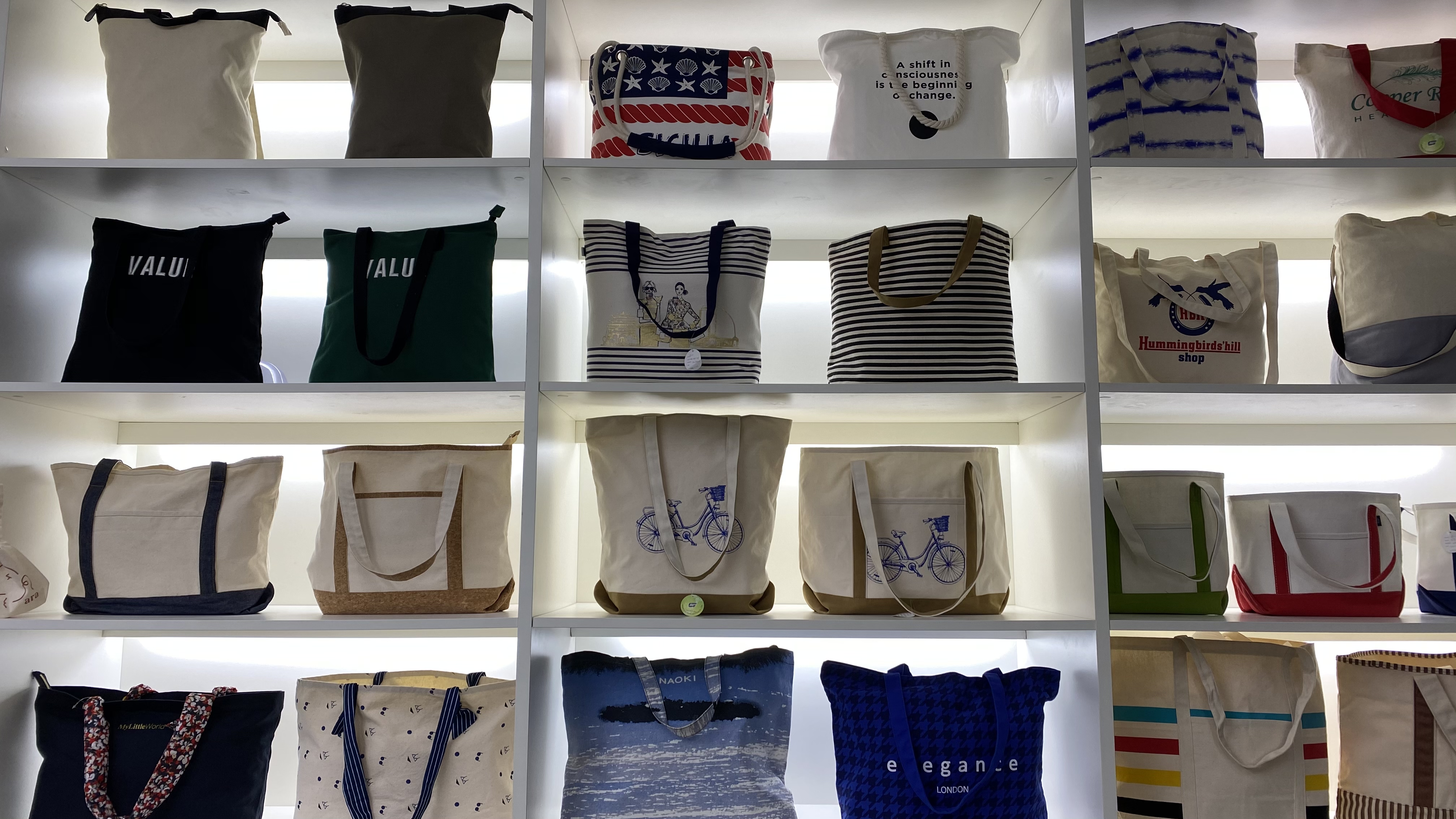
The nine models audited here are cosmetic bag 1812, foldable bag FDV010, beach bag 4700, COOLR BAG 23250, gym bag 4530, knitted bag T25210, tote bag 3800, promotional shopping bag 4636 and drawstring bag 4211. Each section states the verifiable fact first, then the question a buyer should put to the supplier.
Problem definition: where promotional bag supplier claims break down
Supplier quotations are usually assembled at category level and then read at order level, and the gap between those two levels is where sourcing problems appear. A supplier can legitimately offer seven fabric families across its catalogue while a specific model is only produced in three of them. The quotation is not false; it is simply not model-linked, and the buyer discovers the difference at sample stage.
- Material claims that are not model-linked. A company profile may list cotton, recycled cotton, organic cotton, polyester, felt, nylon and padded fabric, while an individual bag model is only tooled for a subset of those materials.
- Logo methods offered without a fabric match. Embroidery on a light knitted surface, a large transfer print on a mesh panel and a multi-colour silk print on felt behave differently from the same method on 100% cotton canvas.
- Certification quoted at company level instead of product level. A recycled-content or organic-content certificate only helps a brand owner if the certificate scope actually lists the product being imported.
- Delivery language that was never quantified. “Fast lead time” is not a term. A verifiable commitment names the sample turnaround, the production window, the inspection stage and the remedy for defects.
The final cost of an unverified claim is not the unit price, it is the rework: a logo that must be re-printed, a fabric weight that arrives lighter than the approved sample, or a certificate that does not cover the imported model. All three convert into delays that a fixed campaign calendar cannot absorb. That is why a capability audit ends with purchasing terms and acceptance criteria rather than with a price table.
Industry background: the commercial and regulatory backdrop
The global promotional products market, which includes promotional bags, is valued at USD 84.4 billion in 2025 with a 3.8% CAGR (Metastat Insights). The tote bag segment alone was valued at USD 17.1 billion in 2023 and is projected to reach USD 29.8 billion by 2032 (Acumen Research and Consulting). Asia Pacific accounted for 44.8% of bag market revenue in 2024, with China as a primary manufacturing and consumption hub (Grand View Research), and canvas remains the largest material segment in the tote bag market (Market Research Future).
Demand is seasonal and concentrated. Seasonal promotional campaigns account for 39% of total reusable shopping bag demand in 2025 (Business Research Insights), which compresses production into windows where capacity, not price, becomes the binding constraint. Tote bags ranked fifth among the most-searched categories on the Advertising Specialty Institute platform in 2024, so buyers are comparing many similar offers and need specification-level differentiation rather than category language. Reuse behaviour reinforces the same point: the average urban consumer in mature markets owns 4 to 6 tote bags (Intel Market Research), which means a promotional bag has to earn repeat use on construction quality, not only on print quality.
Two regulatory constraints make verification non-optional for EU-bound programmes. REACH Regulation Annex XVII restricts azocolourants in textiles to 30 mg/kg, and Regulation (EU) No 1007/2011 requires fibre composition labelling for textile products containing at least 80% textile fibres. In the USA, California SB 1046 bans non-compostable single-use plastic carry-out bags from January 2025, which moves reusable fabric bags from a preference to a compliance choice.
The payoff for getting the audit right is measurable in campaign terms. A reusable tote bag generates over 3,500 brand impressions on average during its lifetime (BagzDepot / Advertising Specialty Institute), and 73% of Millennial and Gen Z consumers say they prefer to buy from sustainable brands using eco-friendly promotional items (Nielsen / BagzDepot). A bag that fails inspection delivers none of those impressions.
Detailed solution: the four checks that make a capability audit conclusive
Check 1 — Model range: force every quoted bag into a line-item record
A verifiable model record contains six fields: model code, product category, material list, size range, colour rule and logo method list. Model codes matter because they are the only reliable link between a quotation, a sample and a production order. The nine models in this audit are recorded as cosmetic bag 1812, foldable bag FDV010, beach bag 4700, COOLR BAG 23250, gym bag 4530, knitted bag T25210, tote bag 3800, promotional shopping bag 4636 and drawstring bag 4211.
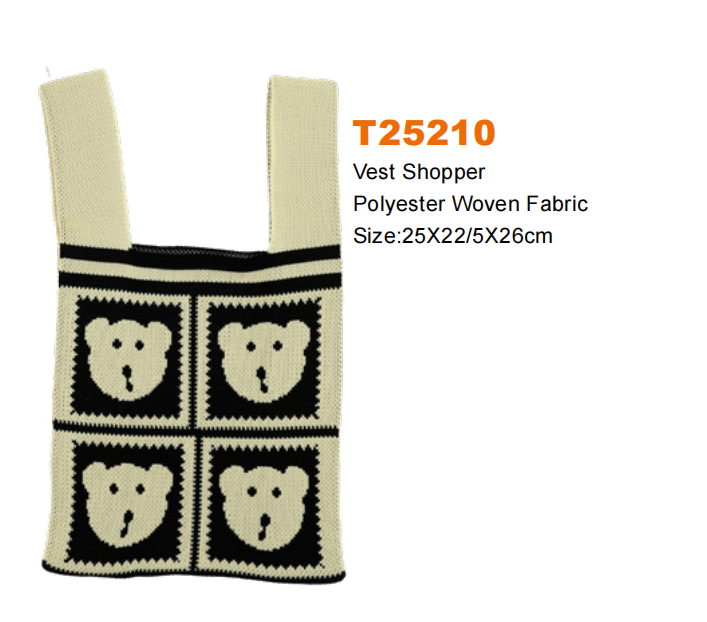
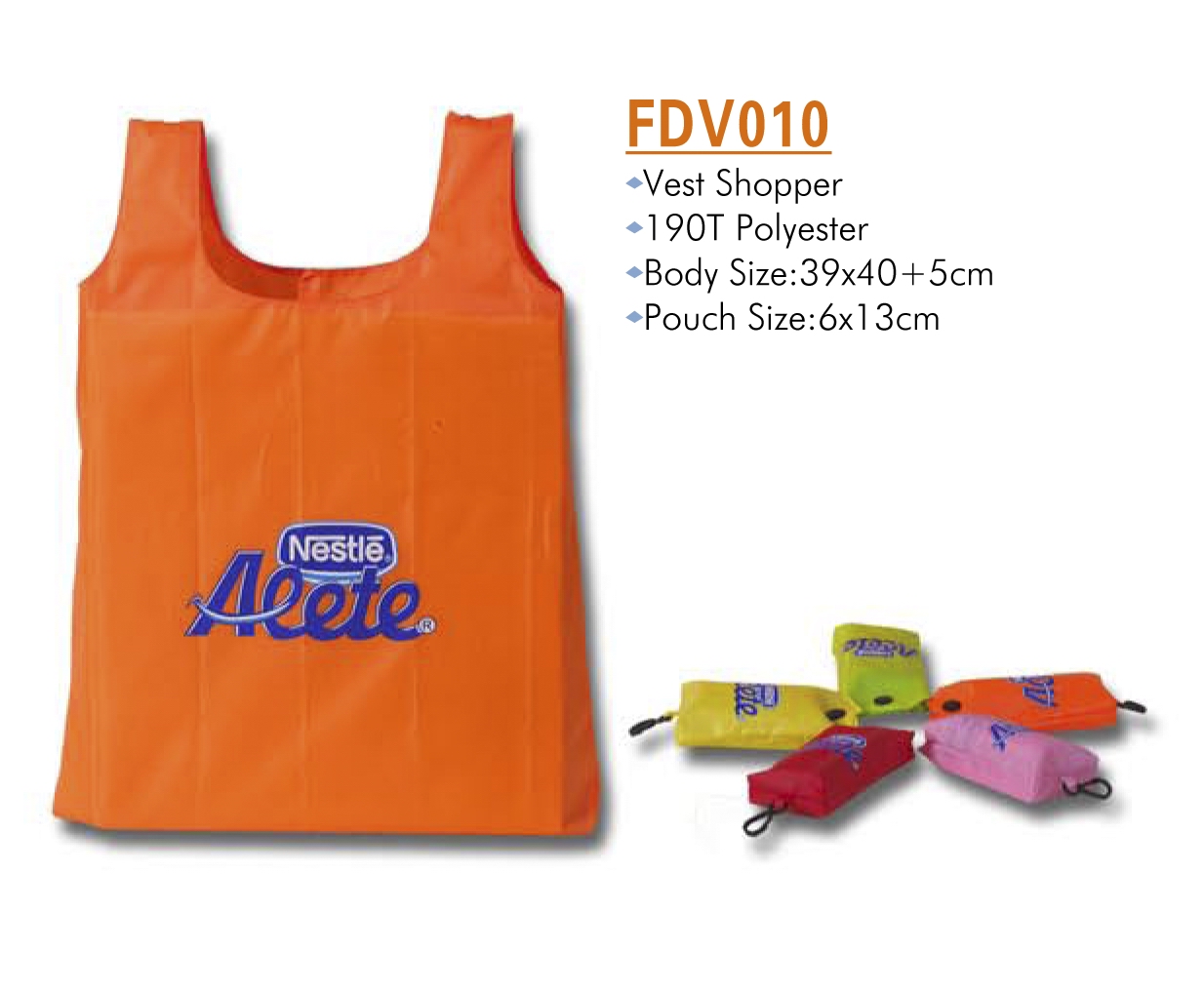
Two of the nine need extra fields because their specification is not governed by fabric alone. COOLR BAG 23250 is defined by construction and end use: polyester with 2 mm foam and aluminium insulation, a zipper closure and a shoulder strap, with the listed application being food and supermarket retail. Thermal behaviour and the internal lining should therefore be confirmed on the sample rather than assumed from the category name. Knitted bag T25210 is defined by its yarn rule instead of a print rule: polyester material, a maximum of six yarn colours, a logo that is woven into the bag rather than applied to it, and a stated MOQ of 500 pcs.
Check 2 — Material options: fabric family, weight and certification linkage
The model range draws on seven recurring material families plus mesh and non-woven: 100% cotton, recycled cotton, organic cotton, polyester, felt, nylon and padded fabric. Material options should be read as a matrix rather than a list. Cosmetic bag 1812, for example, is recorded in 100% cotton, recycled cotton, organic cotton, felt, polyester and padded fabric, and it is specifically recorded as available in organic cotton with a digital-printed logo. Beach bag 4700 widens the same logic to 100% cotton, recycled cotton, organic cotton, polyester, mesh, nylon and felt.
Weight is the second half of a material claim, and it is the half that is easiest to test. Promotional shopping bag 4636 is specified at a cotton weight of 100 gsm to 450 gsm, and drawstring bag 4211 is specified at 100 gsm to 280 gsm. A GSM range is a verifiable number: it can be weighed at pre-shipment inspection, and a lighter-than-specified fabric is one of the most common reasons a promotional bag feels different from the approved sample.
Certification linkage is the third half. The standard names define the claim being made: Global Recycled Standard 4.0 for recycled content, Global Organic Textile Standard version 7.0 for organic fibre, and SMETA under SEDEX 4P for the social-compliance audit. A material claim without a certificate number behind it is a description, not a specification.
Check 3 — Logo methods: matching decoration to fabric and artwork
Four decoration methods recur across the model range: silk printing, transfer printing, digital printing and embroidery. Promotional shopping bag 4636, tote bag 3800, drawstring bag 4211, cosmetic bag 1812, beach bag 4700, foldable bag FDV010 and gym bag 4530 are all recorded with those four logo options, alongside a colour rule of natural or any dyed colour and sizes of Small, Medium and Large. Knitted bag T25210 adds a fifth logic: the logo is woven into the bag.
The audit question for each method is compatibility, not availability. A buyer should submit the artwork with a colour reference and ask three specific questions: which method will be used on this fabric, what maximum artwork size and placement zone applies, and which fabric and model the method was last run on. Confirming that a method exists in a supplier's catalogue does not confirm that it will reproduce a specific mark on a specific material.
Knitted bag T25210 shows why method selection is a technical decision rather than a preference. With a maximum of six yarn colours, a logo that requires more colours than the yarn palette cannot be expressed in knit at all, and a logo that relies on fine gradient detail will not survive the knit structure. In that case the correct audit outcome is a redrawn logo or a different model, not a softer promise.
Check 4 — Delivery assurance: purchasing terms and acceptance criteria
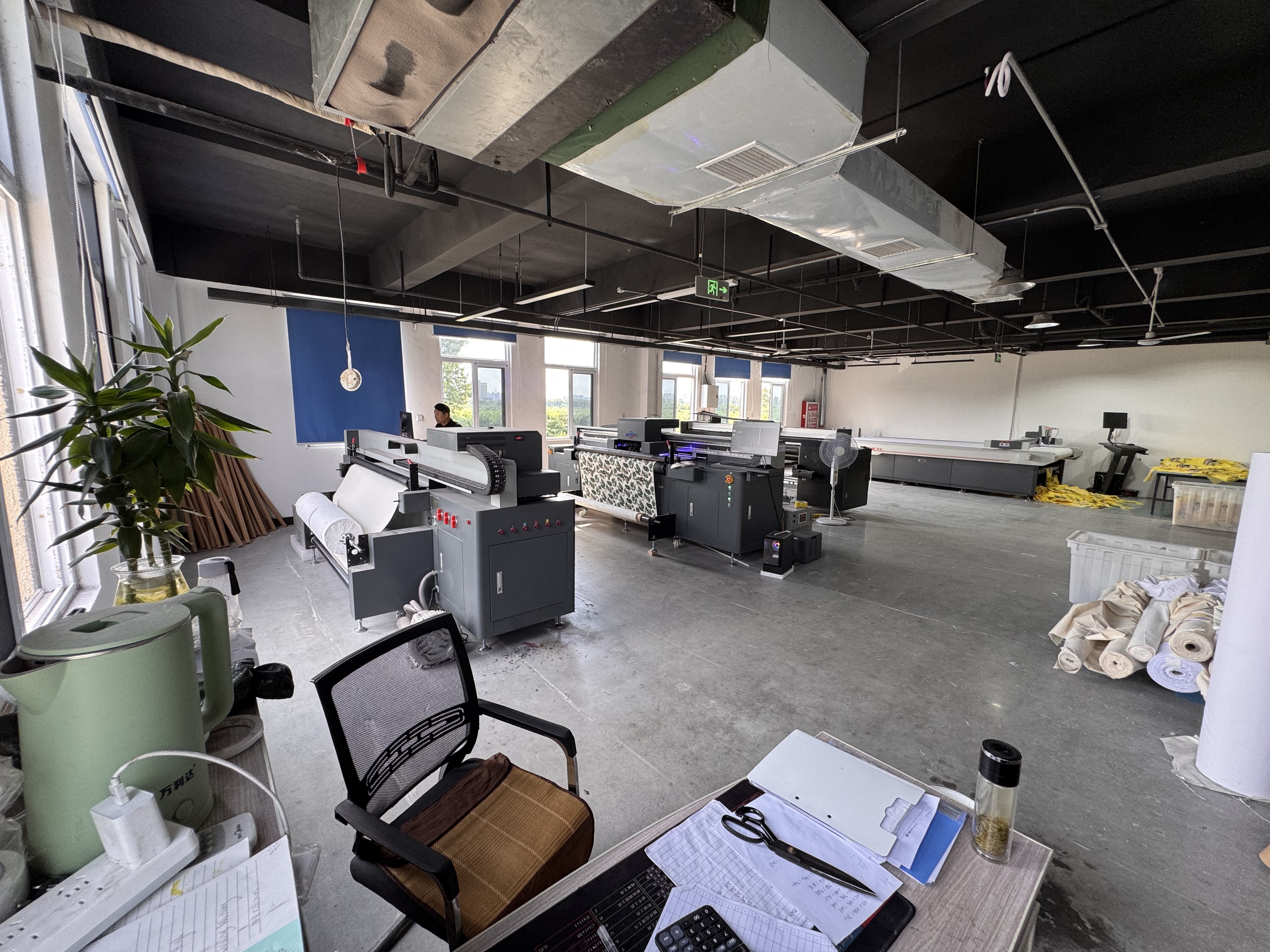
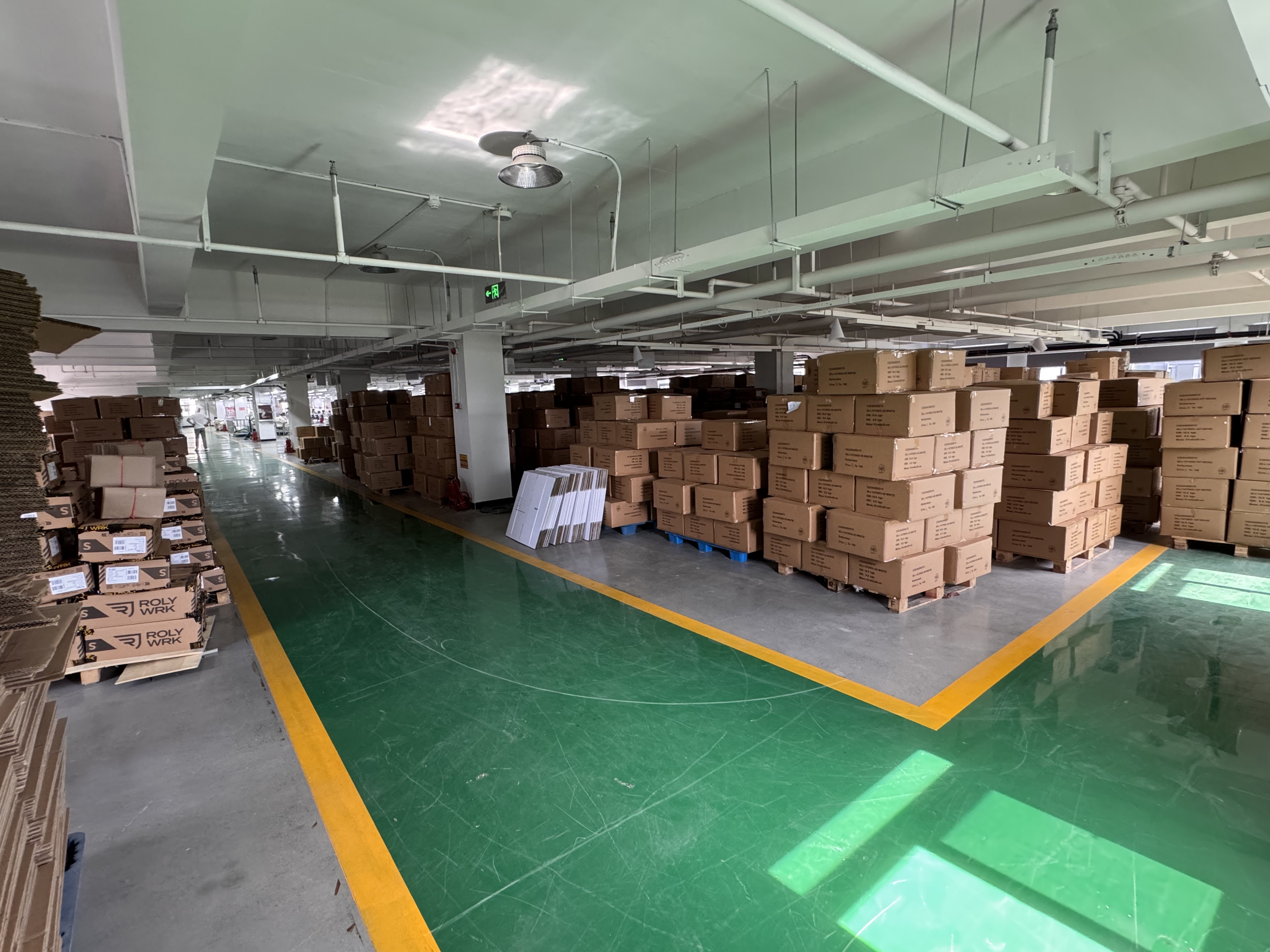
Delivery assurance becomes a term when the numbers are written down. The production terms recorded for this supplier are an MOQ of 500 pcs for OEM and ODM orders, a monthly capacity of 200,000 pcs, a stable daily workshop output of 30,000 to 50,000 pieces, a production lead time of 30 days, and sample delivery within 3 days from an independent sampling room staffed by professional sample workers.
Inspection is the second half of delivery assurance. Three stages are stated: internal inspection, pre-shipment inspection and third-party inspection. A buyer should decide before ordering which of the three stages their acceptance criteria will be measured at, and who pays for a third-party inspection if the first two stages are disputed.
The remedy clause matters as much as the timeline. The stated after-sales position includes replacement of defective items in the next order, free remaking, replacement or full refund for defective items, free design adjustments and re-sampling for OEM and ODM orders, compensation for damaged, missing or incorrectly delivered goods, and worldwide valid quality after-sales service.
Acceptance criteria should be built from the model record rather than from a generic checklist. For promotional shopping bag 4636, that list would include fabric weight inside the 100–450 gsm specification, colour measured against an approved natural or dyed reference, logo position and colour, stitch integrity and packing format. For COOLR BAG 23250 the list would include the 2 mm foam and aluminium insulation layer, the zipper closure and the shoulder strap attachment. For knitted bag T25210 it would include yarn colour count against the approved artwork and bag dimensions.
Comparison table: verified model, certification and delivery data
The three tables below convert the audit into a single reference set. Every value is drawn from published model, certification and capability records; where a field is not stated in the product data, it is marked as such rather than estimated.
Model capability matrix
| Model | Product category | Material options | Sizes | Logo methods | Verified note |
|---|---|---|---|---|---|
| 1812 | Cosmetic bag, make-up bag, zipper cosmetic pouch, drawstring cosmetic bag | 100% cotton, recycled cotton, organic cotton, felt, polyester, padded fabric | Small, Medium, Large | Silk printing, transfer printing, digital printing, embroidery | Recorded as available in organic cotton with digital printing |
| FDV010 | Foldable bag, collapsed bag, folding bag | 100% cotton, recycled cotton, organic cotton, polyester, nylon, non-woven | Small, Medium, Large | Silk printing, transfer printing, digital printing, embroidery | Covered by SMETA certification covering all textile products |
| 4700 | Canvas, polyester, felt and nylon beach bag | 100% cotton, recycled cotton, organic cotton, polyester, mesh, nylon, felt | Small, Medium, Large | Silk printing, transfer printing, digital printing, embroidery | Covered by SMETA certification under SEDEX 4P |
| 23250 | Picnic cooler bag, thermal bag, insulated cooler bag, 6-can cooler bag, lunch cooler bag | Polyester with 2 mm foam and aluminium; polyester, non-woven, felt | Not stated in product data | Not stated in product data | Zipper closure and shoulder strap; listed application food and supermarket |
| 4530 | Waterproof gym bag, gym duffel bag | Cotton, polyester, nylon | Small, Medium, Large | Silk printing, transfer printing, digital printing, embroidery | Certification number ZAA600189756 recorded |
| T25210 | Knitted tote bag, knitted hand bag, knitted shoulder bag, knitted cosmetic bag, knitted tissue bag | Polyester | Not stated in product data | Logo woven into the bag | Maximum 6 yarn colours; MOQ 500 pcs |
| 3800 | Cotton tote bag, canvas tote bag, oversized tote bag, big capacity tote bag | 100% cotton, recycled cotton, organic cotton | Small, Medium, Large | Silk printing, transfer printing, digital printing, embroidery | Certification number ZAA600189756 recorded |
| 4636 | Cotton canvas promotional shopping bag | 100% cotton; cotton weight 100–450 gsm; also organic cotton and recycled cotton | Not stated in product data | Silk printing, transfer printing, digital printing, embroidery | Certified to GRS, SMETA and GOTS |
| 4211 | Drawstring gift bag, drawstring gift pouch, drawstring backpack bag | 100% cotton, recycled cotton, organic cotton, polyester, non-woven, nylon; 100–280 gsm | Small, Medium, Large | Silk printing, transfer printing, digital printing, embroidery | Certification issued by Intertek |
Certification coverage
| Certification | Standard | Certificate number | Issued by | Valid from | Valid to | Product coverage |
|---|---|---|---|---|---|---|
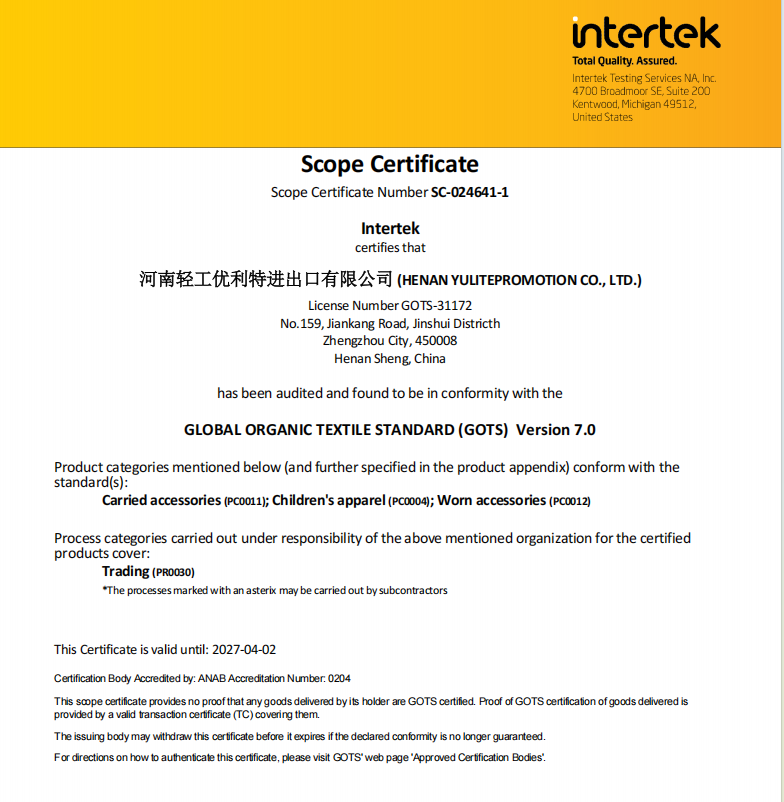
| GOTS | Global Organic Textile Standard version 7.0 | GOTS-31172 | INTERTEK | 2026-04-02 | 2027-04-02 | Includes promotional shopping bag 4636, tote bag 3800, drawstring bag 4211, cosmetic bag 1812, beach bag 4700 and custom logo bag PP246 |
| GRS | Global Recycled Standard 4.0 | ITS-TE-00006853-GRS-03902700 | Intertek | 2026-05-01 | 2027-04-30 | Worldwide coverage across the listed model range, including 4636, 3800, 4211, 1812, 4700, FDV010, 23250, 4530, T25210 and PP246 |
| SMETA | SEDEX 4P | ZAA600189756 | BCI Compliance Group Limited | 2026-03-10 | 2027-03-10 | All textile products; covers the full ten-model list including foldable bag FDV010 and gym bag 4530 |
The GRS scope codes recorded on the certificate are functional accessories (PC0017), carried accessories (PC0011), hard goods (PC0022), dyed fabrics (PC0025), greige fabrics (PC0026), packaging (PC0023), worn accessories (PC0012) and trading (PR0030). Buyers importing into the EU should read the scope line, not the certificate title, because the scope determines whether the specific bag they are importing is covered.
Delivery and acceptance terms
| Term | Recorded value |
|---|---|
| Minimum order quantity | 500 pcs (OEM / ODM; knitted bag T25210 also recorded at 500 pcs) |
| Monthly capacity | 200,000 pcs |
| Daily workshop output | 30,000–50,000 pieces |
| Production lead time | 30 days |
| Sample lead time | Within 3 days |
| Sampling facility | Independent sampling room with professional sample workers |
| Inspection stages | Internal inspection, pre-shipment inspection, third-party inspection |
| Customization scope | Logo, colour, material, size, label, packing |
| After-sales terms | Replacement of defective items in the next order; free remaking, replacement or full refund for defective items; free design adjustment and re-sampling for OEM and ODM orders; compensation for damaged, missing or incorrectly delivered goods; worldwide valid quality after-sales service |
Step-by-step: running the audit in seven steps
- Collect the model record for every quoted bag. Ask for the six fields in writing — model code, product category, material list, size range, colour rule and logo methods — for each model in the quotation, including cosmetic bag 1812, foldable bag FDV010, beach bag 4700, COOLR BAG 23250, gym bag 4530, knitted bag T25210, tote bag 3800, promotional shopping bag 4636 and drawstring bag 4211.
- Cross-check material claims against the certificate scope. Where recycled or organic content is claimed, request the certificate number, the issuing body, the validity dates and confirmation that the model appears in scope. GRS certificate ITS-TE-00006853-GRS-03902700 is issued by Intertek and valid to 2027-04-30; GOTS certificate GOTS-31172 is issued by INTERTEK and valid to 2027-04-02.
- Test logo compatibility on the actual fabric. Submit the artwork with a colour reference and confirm which of the four methods — silk printing, transfer printing, digital printing or embroidery — will be used on that material. For knitted bag T25210, confirm the yarn colour count against the six-colour maximum before approving the mark.
- Confirm the weight specification in grams per square metre. A weight range such as 100–450 gsm on promotional shopping bag 4636 or 100–280 gsm on drawstring bag 4211 gives the inspector a measurable criterion instead of an impression of thickness.
- Fix the commercial terms. Record the MOQ of 500 pcs, the 30-day production lead time, the 200,000 pcs monthly capacity and the 30,000–50,000 piece daily output. Because seasonal campaigns account for 39% of reusable shopping bag demand in 2025 (Business Research Insights), ask what the specific lead time is inside your own delivery window rather than accepting the standard figure.
- Define the inspection stage and the acceptance list. Choose whether acceptance is measured at internal inspection, pre-shipment inspection or third-party inspection, and write the list against the model record: fabric weight, colour reference, logo position and colour, size, construction details such as the zipper and shoulder strap on COOLR BAG 23250, and packing format.
- Write the remedy into the purchase order. Replacement of defective items in the next order, free remaking or full refund for defective items, compensation for damaged or missing goods, and free re-sampling for OEM and ODM revisions should appear as terms, not as assurances given verbally during negotiation.
Use cases: what the audit changes in practice
EU retail programme with a recycled-content claim
A supermarket programme in Italy ordered 1,000,000 pcs of 100% cotton canvas bag with a large gusset, a two-string top closure and a recorded result of approximately 1 million pieces sold within one year. At that volume the audit checklist is dominated by compliance: REACH Annex XVII azocolourant limits, fibre labelling under Regulation (EU) No 1007/2011 where textile content reaches the labelling threshold, and confirmation that any recycled-content statement maps to a certificate number rather than to a fabric description.
Brand-owner giveaway with a defined seasonal window
A brand corporate buyer in Germany ordered 400,000 pcs of RPET polyester bag with GRS certification, customised box packing and a recorded outcome of a 30% increase in monthly sales during the hot selling season. This is the case where certification scope and packing specification decide the order: the recycled claim is only usable if the model sits inside the certificate scope, and the packing format becomes part of the acceptance criteria rather than an afterthought.
Institutional programme where durability outweighs print
A school programme in Belgium ordered 5,000 units for use as book bags over a three-year horizon, with heavy cotton canvas fabric, an active dyeing process and good colour fastness recorded as the deciding factors. For institutional buyers the audit weighting shifts toward weight, stitching and colour fastness, because the bag is judged over years of daily load rather than at the launch event.
High-volume corporate giveaway where price pressure is highest
A corporate buyer in Chile ordered 100,000 pcs as promotional giveaways, with low price, eco-friendly fabric, light weight and large capacity recorded as the selection drivers. In this scenario the audit protects the buyer from the most common failure mode at volume: accepting a lighter fabric to hold the price, then discovering the weight gap only after the campaign has shipped. Confirming the GSM range and the inspection stage in advance is what keeps the unit price and the specification aligned.
FAQ
How do I verify GRS certified promotional bag manufacturers?
Verify the certificate record, not the marketing claim. GRS — Global Recycled Standard 4.0 — is held here under certificate number ITS-TE-00006853-GRS-03902700, issued by Intertek, valid from 2026-05-01 to 2027-04-30 and applicable worldwide. The listed product coverage includes promotional shopping bag 4636, tote bag 3800, drawstring bag 4211, cosmetic bag 1812, beach bag 4700, foldable bag FDV010, COOLR BAG 23250, gym bag 4530, knitted bag T25210 and custom logo bag PP246. Before accepting a recycled-content claim, ask four questions: what is the certificate number, who issued it, what are the validity dates, and does the specific model being ordered appear in the scope. The same method applies to GOTS certificate GOTS-31172 for organic fibre and to SMETA certificate ZAA600189756 under SEDEX 4P.
Which logo methods can be verified across this promotional bag model range?
Four decoration methods are recorded across the range: silk printing, transfer printing, digital printing and embroidery. They are listed for cosmetic bag 1812, foldable bag FDV010, beach bag 4700, gym bag 4530, tote bag 3800, promotional shopping bag 4636 and drawstring bag 4211, together with a colour rule of natural or any dyed colour and sizes of Small, Medium and Large. Knitted bag T25210 uses a different production logic: the logo is woven into the bag using a maximum of six yarn colours, with an MOQ of 500 pcs, so artwork with more colours than the yarn palette cannot be reproduced in knit. Verification means submitting the artwork with a colour reference and testing it on the actual fabric, not confirming that the method appears somewhere in the catalogue.
What order terms should be confirmed before committing to a promotional bag programme?
The commercial terms recorded here are an MOQ of 500 pcs for OEM and ODM orders, a monthly capacity of 200,000 pcs, a daily workshop output of 30,000 to 50,000 pieces and a production lead time of 30 days. Customization scope covers logo, colour, material, size, label and packing. Because promotional demand is seasonal — seasonal campaigns account for 39% of reusable shopping bag demand in 2025 (Business Research Insights) — buyers should confirm the lead time for their own delivery window and not rely on the standard figure during peak periods.
How quickly can samples be produced, and what should be checked when they arrive?
Samples are delivered within 3 days from an independent sampling room with professional sample workers. The sample should be measured against the model record rather than judged on appearance: fabric weight inside the stated range, such as 100–450 gsm for promotional shopping bag 4636 or 100–280 gsm for drawstring bag 4211; colour against the approved natural or dyed reference; logo position and colour; the specified size; and construction details such as the 2 mm foam and aluminium insulation, zipper closure and shoulder strap on COOLR BAG 23250, or the woven yarn colours on knitted bag T25210.
What delivery assurance and after-sales terms back a promotional bag order?
Delivery assurance rests on three stated inspection stages — internal inspection, pre-shipment inspection and third-party inspection — supported by a written after-sales position: replacement of defective items in the next order, free remaking, replacement or full refund for defective items, free design adjustment and re-sampling for OEM and ODM orders, compensation for damaged, missing or incorrectly delivered goods, and worldwide valid quality after-sales service. Buyers can apply these checks to their own specification by requesting a sample set, a quotation or the current catalogue from YULITE, and by comparing the returned sample against the model record before the purchase order is issued.
Conclusion
A promotional bag capability audit reduces supplier risk to a short list of verifiable questions. Does each quoted model exist with a defined material list, size range, colour rule and logo method list? Is the material weight stated in grams per square metre? Will the chosen logo method reproduce the artwork on that specific fabric? Does the certificate scope list the model being imported? And are the MOQ, capacity, lead time, inspection stage and remedy written down before the deposit is paid?
In this worked example, the answers are recorded across nine models, seven material families, four logo methods, three certification programmes with certificate numbers and validity dates, and a set of production terms covering 500 pcs MOQ, 200,000 pcs monthly capacity, 30 days lead time and 3-day sampling. A buyer who captures those same data points from any supplier — and refuses to order against claims that have no document behind them — will spend far less time resolving problems after the campaign has shipped.
Next step: run the audit on your own specification
Request a sample set, a quotation or the current YULITE catalogue, and we will return the model record, material and weight specification, logo method recommendation and delivery terms for your programme in writing.
Email: hukaiying@yulitepromotion.cn | WhatsApp: 0086-13703865302 | Tel: 0086-371-63944082
Website: www.yulitepromotion.cn | Blog: blog.yulitepromotion.cn
Address: 9F. KINEER CENTRE, NO.51 NONGYE ROAD SOUTH, ZHENGZHOU, 450008, CHINA
Download the 2026 catalogue: 2026 YULITE Spring Catalogue (PDF)
Have Questions or Need More Details?
Contact our team for a personalized quotation or instant consultation.
Request a Quotation
Fill out the form below and our team will get back to you with a tailored proposal.
WhatsApp Direct Chat
Prefer to chat in real-time? Message us on WhatsApp for instant assistance & quick answers.
- Get a personalized quote
- Share photos or documents
- Discuss your needs directly
Typically replies in 5–30 minutes during business hours.