Promotional Bag Trends 2026: Top Types & Supplier Comparison
Promotional Bag Trends 2026: Top Types & Supplier Comparison
Evaluating promotional bags for a corporate campaign or retail program can feel like comparing options without a clear scorecard. In 2026, the strongest programs are usually built on three pillars: a bag style that people will reuse, verifiable material and compliance evidence, and a factory that can manage custom branding from sample to bulk delivery. This guide uses market data and YULITE's production records to help you structure that evaluation.
Why Promotional Bag Evaluation Is Difficult
Promotional bags are a high-consideration purchase because they sit at the intersection of branding, packaging, textile quality, and compliance. A listing photo or sample can look acceptable, but the real questions come during production: Will the printed logo survive repeated use? Is the cotton genuinely organic or recycled? Can the supplier meet a seasonal deadline without sacrificing inspection standards?
Buyers in the evaluation stage often face three problems. First, too many product claims are unverified. Second, supplier comparisons mix different materials, sizes, and service levels. Third, MOQ and lead time decisions require factory-level data, not e-commerce estimates. A wrong supplier decision can delay a campaign, create compliance friction, or force a costly re-run. The purpose of this article is to give a structured way to evaluate suppliers, using YULITE as a documented example.
What Is Driving Promotional Bag Demand in 2026
Market numbers explain why promotional bags remain a priority. Acumen Research and Consulting values the global tote bag market at USD 17.1 billion in 2023, with a projected value of USD 29.8 billion by 2032. The broader promotional products market, which includes bags, is estimated at USD 84.4 billion in 2025 with a 3.8% CAGR, according to Metastat Insights.
Corporate demand for custom-branded tote bags rose by 32% year over year in 2024, according to Intel Market Research. Advertising Specialty Institute data shows tote bags were the 5th most-searched category on the ESP platform in 2024. About 73% of Millennial and Gen Z consumers prefer to buy from sustainable brands that use eco-friendly promotional items, based on Nielsen data cited by BagzDepot. In addition, BagzDepot and the Advertising Specialty Institute report that a single reusable tote bag can generate over 3,500 brand impressions on average during its lifetime. With the average urban consumer in mature markets owning 4 to 6 tote bags, the bag you choose will often sit alongside other branded bags in daily use.
Material trends also matter. Canvas is currently the largest segment in the tote bag market, while jute is the fastest-growing material, according to Market Research Future. The recycled PET market is estimated at USD 19.5 billion in 2025, supporting the expansion of recycled promotional bags. Seasonal campaigns account for 39% of reusable shopping bag demand in 2025, according to Business Research Insights. For a buyer, this means the bag you choose must be both relevant to the moment and durable enough for repeated use.
Detailed Solution: YULITE's Supplier Evidence
Henan Yulitepromotion Co., Ltd (YULITE) is a promotional bag manufacturer based in Zhengzhou, China. Founded in 2008, the company exports to more than 86 countries and regions, with main markets in the EU, USA, Japan, and Australia. According to YULITE's company profile, 100% of sales are from exports, which matters for buyers looking for a factory accustomed to international documentation, labeling, and quality standards.
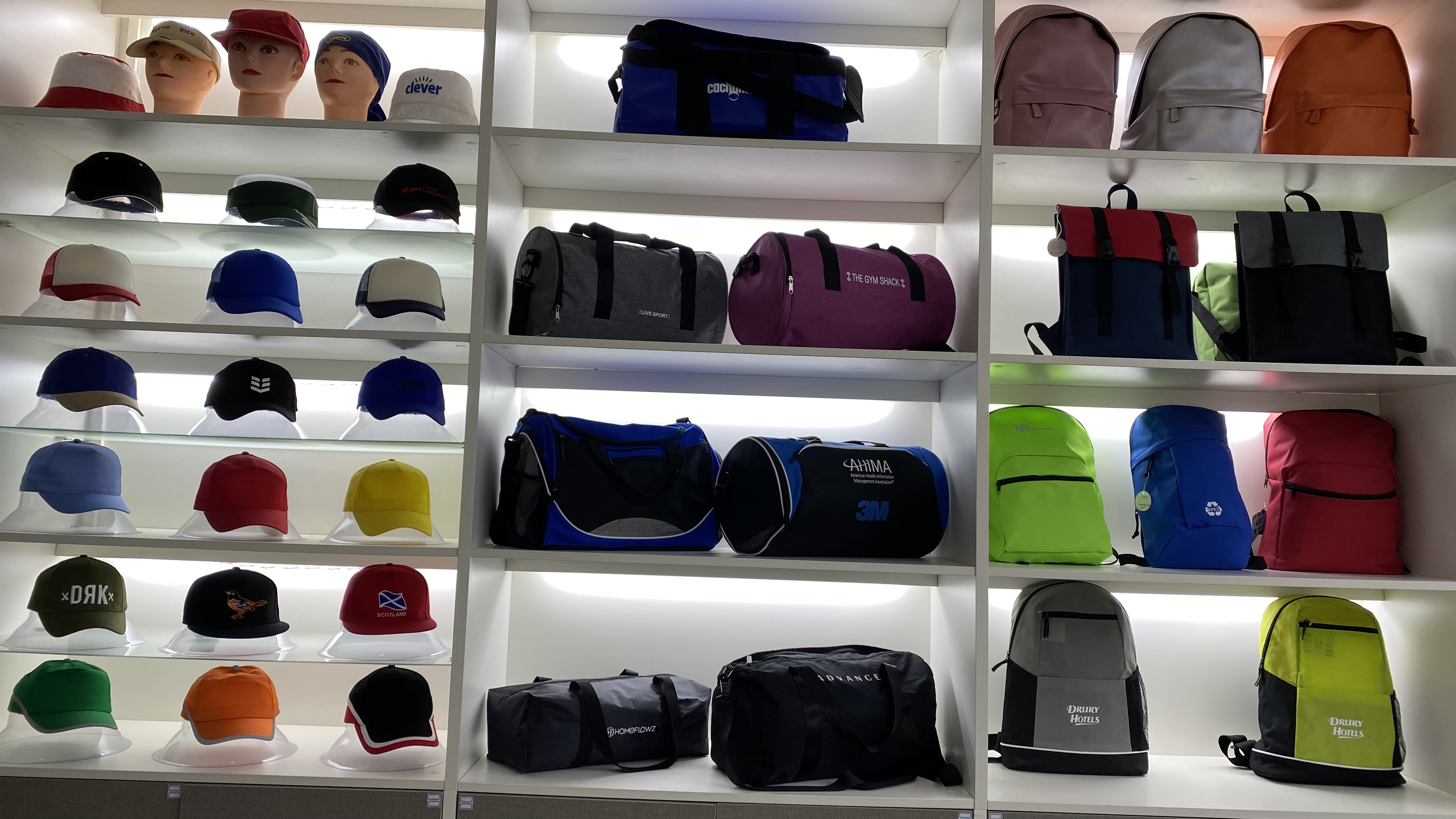
YULITE's product range includes cotton and canvas bags, tote bags, drawstring bags, foldable bags, cosmetic pouches, backpacks, cooler bags, polyester and nylon bags, RPET and recycled cotton bags, RPET felt bags, and non-woven bags. For custom programs, YULITE works in OEM/ODM mode and can customize logo, color, material, size, label, and packing. Logo options include heat transfer printing, screen printing, digital printing, and embroidery.
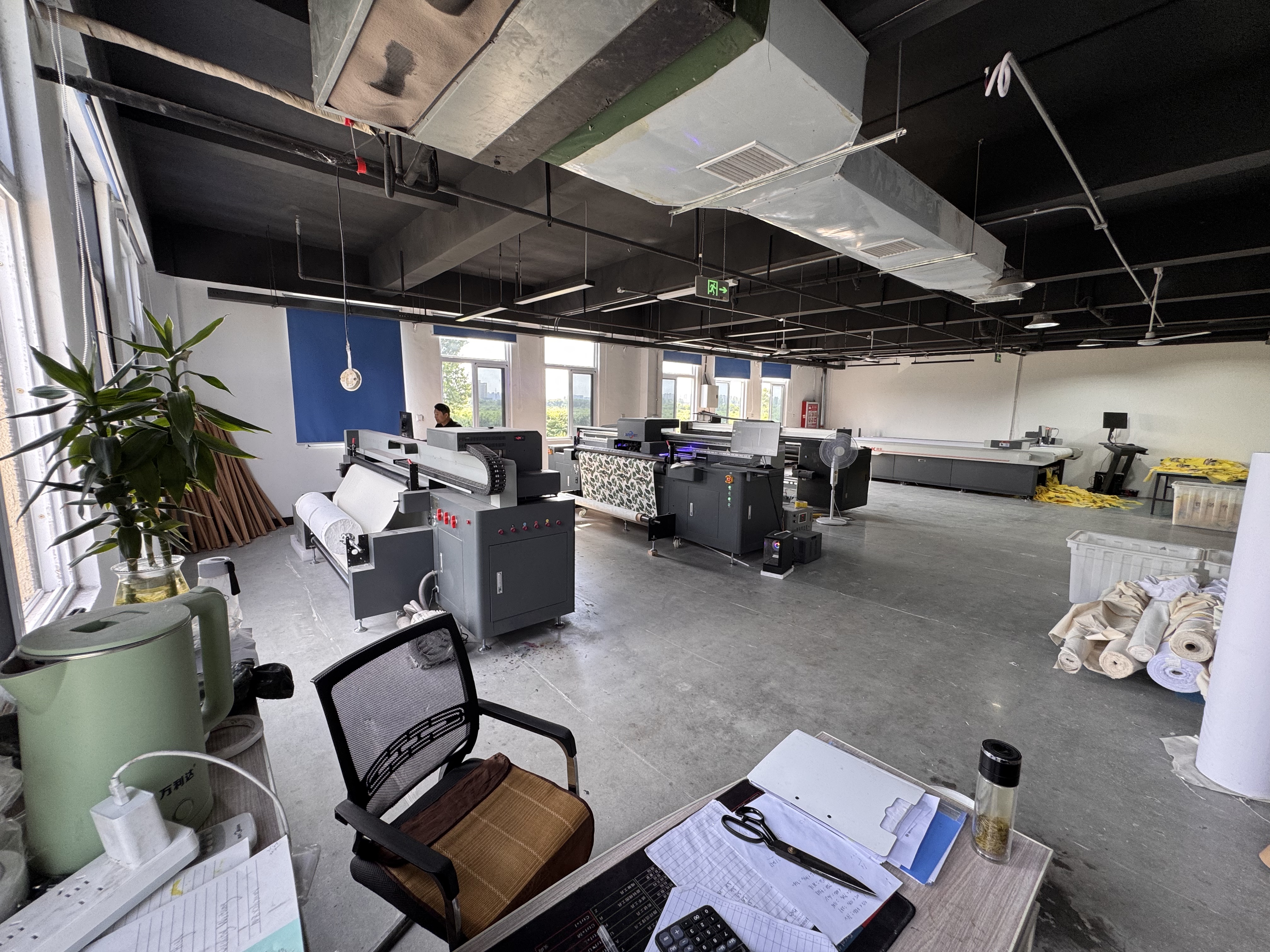
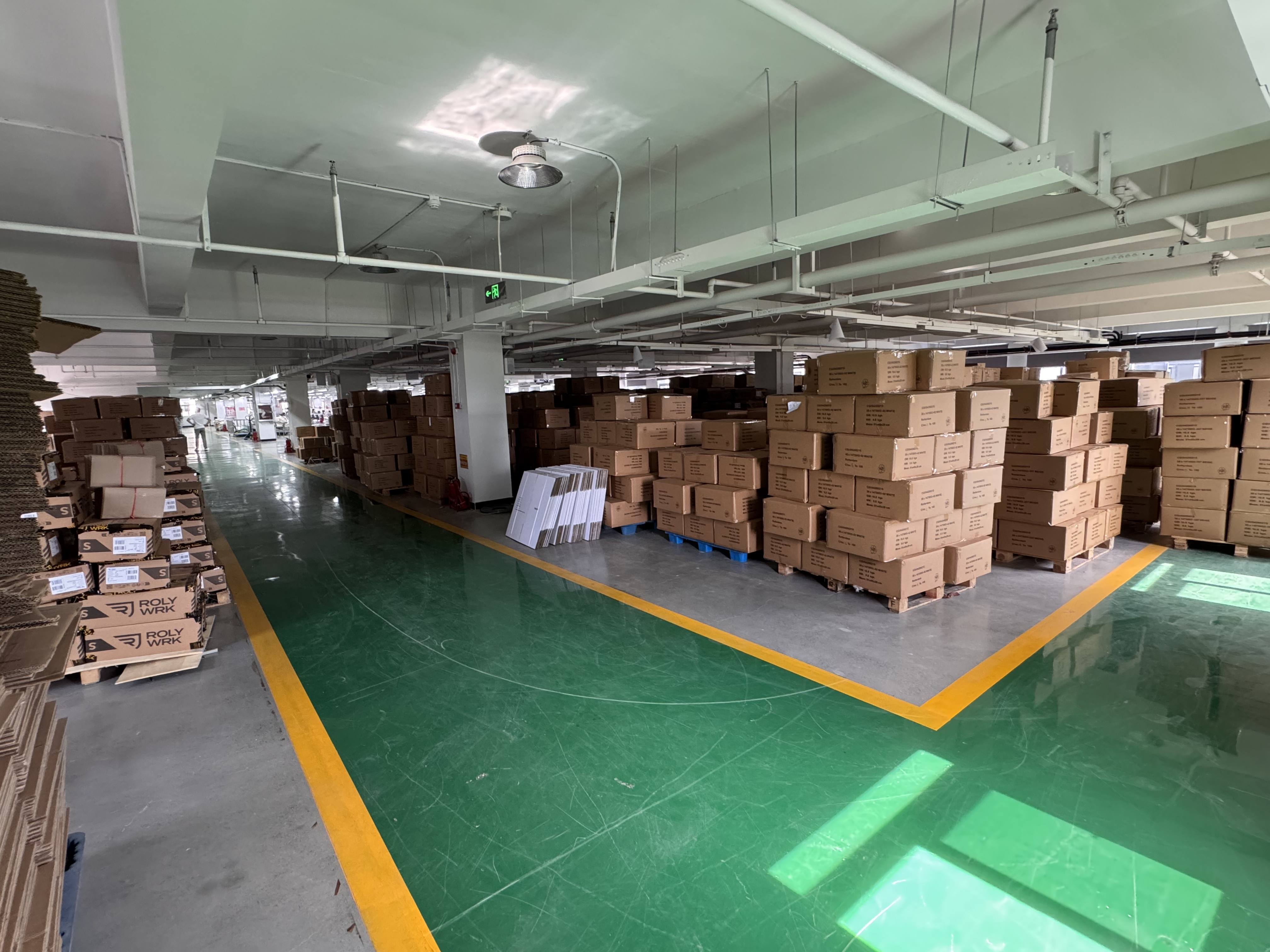
The factory is equipped with digital printing machines, transfer printing machines, laser cutting machines, stitching workshops, and a dedicated raw material warehouse. YULITE's profile lists professional equipment such as high-post sewing machines, computer sewing machines, overlock machines, button attaching machines, square cutting machines, hot cutting machines, and shoulder strap cutting machines. The workshop maintains a stable daily output of 30,000 to 50,000 pieces, with an annual output over 18 million pieces.
Compliance is another documented layer. YULITE states that it has passed BSCI and SEDEX audits and holds ISO9001, OEKO-TEX Standard 100, and GRS certifications. The available certificates also include GOTS, SMETA/SEDEX 4P covering all textile products, and GRS 4.0 covering functional and carried accessories. For buyers targeting EU programs, this matters because textile products sold in the EU must respect rules such as REACH Annex XVII and Regulation (EU) No 1007/2011 where applicable.
Step-by-Step Supplier Evaluation Framework
Step 1: Define your bag style and use case
Start by deciding whether the bag is a giveaway, retail item, conference gift, or seasonal promotion. The intended use determines material weight, construction, and printing area. For example, a supermarket shopping bag needs a large gusset and robust handles, while a school book bag needs high-capacity canvas with good color fastness.
Step 2: Check material sustainability and compliance
If eco-positioning is part of your brand story, look for recycled or organic materials with verifiable certificates. YULITE offers cotton, recycled cotton, organic cotton, RPET, nylon, polyester, non-woven, and felt options. GRS and GOTS certificates help confirm the recycled or organic content chain.
Step 3: Verify printing and customization capabilities
Custom logo quality depends on the printing method and the factory's equipment. At YULITE, the available methods are heat transfer, screen printing, digital printing, and embroidery. The factory has transfer printing, digital printing, and drying machines, so logo reproduction is handled internally rather than outsourced.
Step 4: Assess MOQ, lead time, and capacity
YULITE's standard MOQ is 500 pieces per design, with a monthly capacity of about 200,000 pieces. Production lead time is approximately 30 days. For a seasonal campaign, that capacity and lead time can help you estimate whether a supplier can reasonably complete an order.
Step 5: Review quality control and after-sales policies
YULITE uses internal inspection, pre-shipment inspection, and can support third-party inspection. The after-sales policy includes replacement of defective items in the next order, free remaking or refund for defective items, free design adjustments and re-sampling for OEM/ODM orders, and compensation for damaged, missing, or incorrectly delivered goods.
Step 6: Ask for relevant case references
Case references show whether the factory has handled a similar buyer type, quantity, or market. YULITE's documented cases span flagship stores, supermarkets, corporate buyers, schools, importers, and ODM custom design clients.
Real-World Promotional Bag Use Cases
Russia: Flagship store bags
A flagship store client in Russia used the Tote Bag model 3800 and Custom Logo Bag model PP246 for branded shop operations. The initial order was 5,000 units, and the project has been running for about 2 years, with sales of approximately 20,000 units per year. The client highlighted durability, large volume, and appearance.
Italy: Supermarket-scale canvas shopping bags
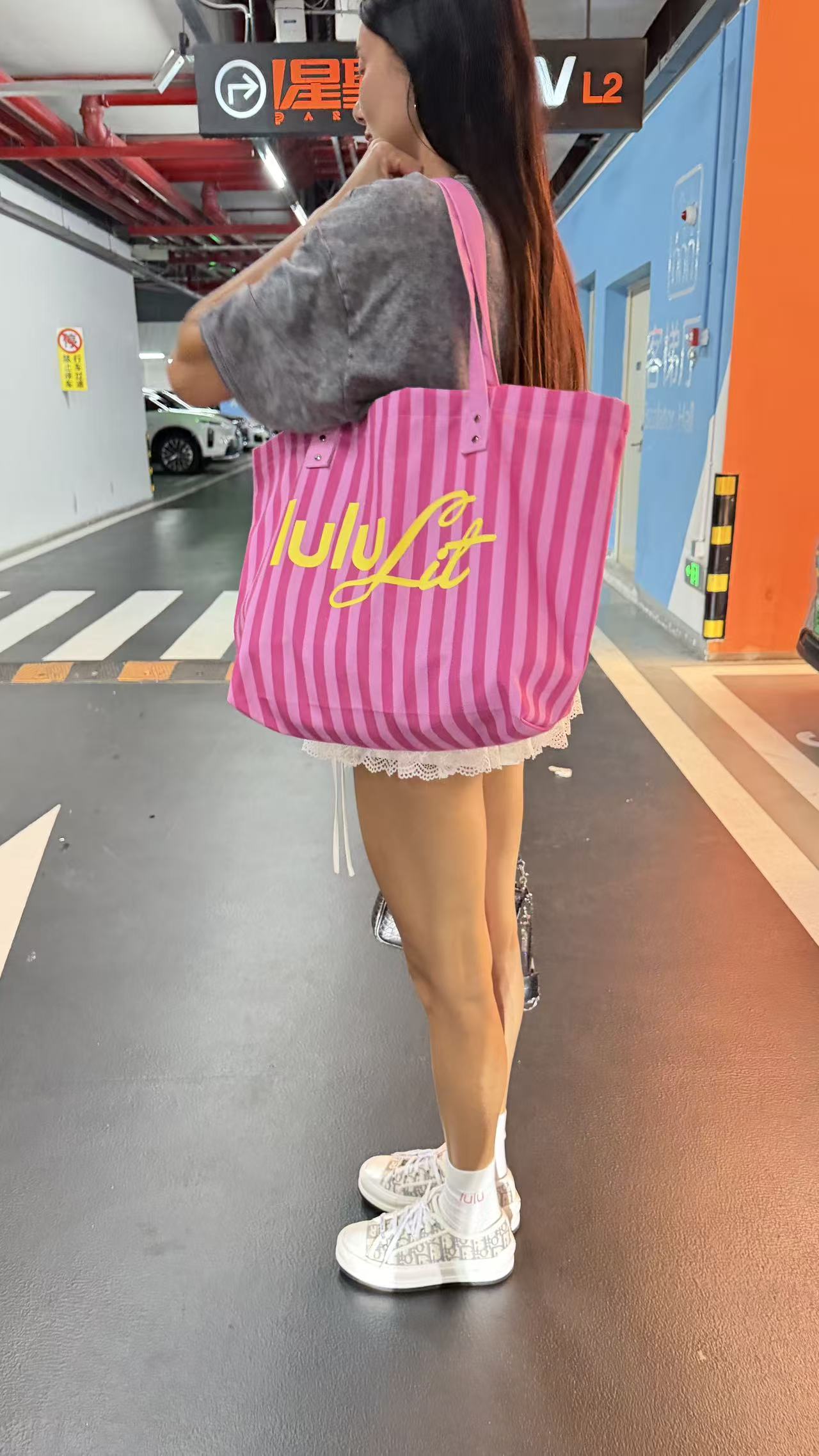
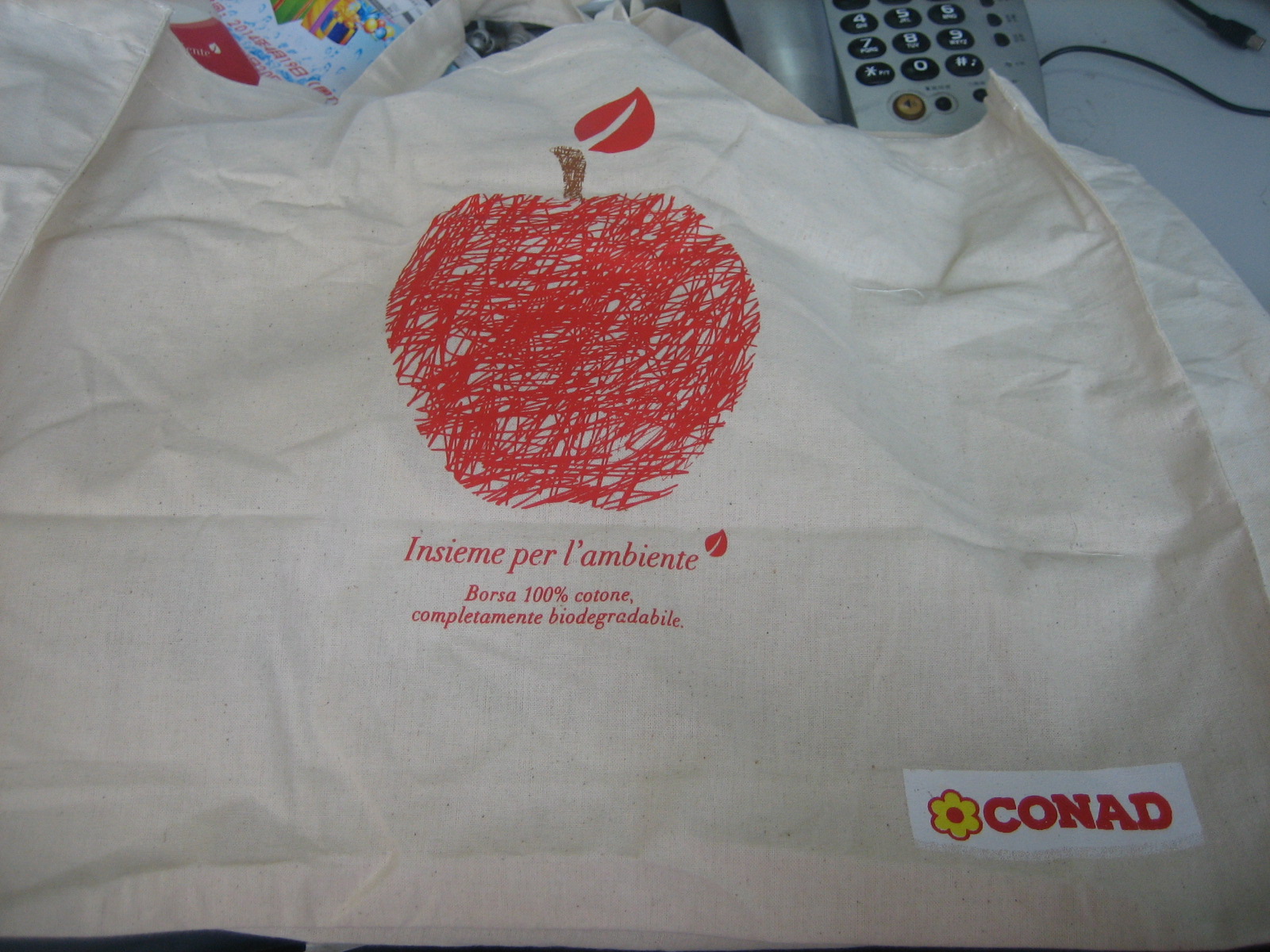
An Italian supermarket client ordered 1,000,000 promotional shopping bags made from 100% cotton canvas. The bag's large gusset creates a big capacity, and two strings at the top close the bag. The project lasted 2 years, and the client sold about 1,000,000 pieces within one year.
Germany: Corporate promotional giveaways
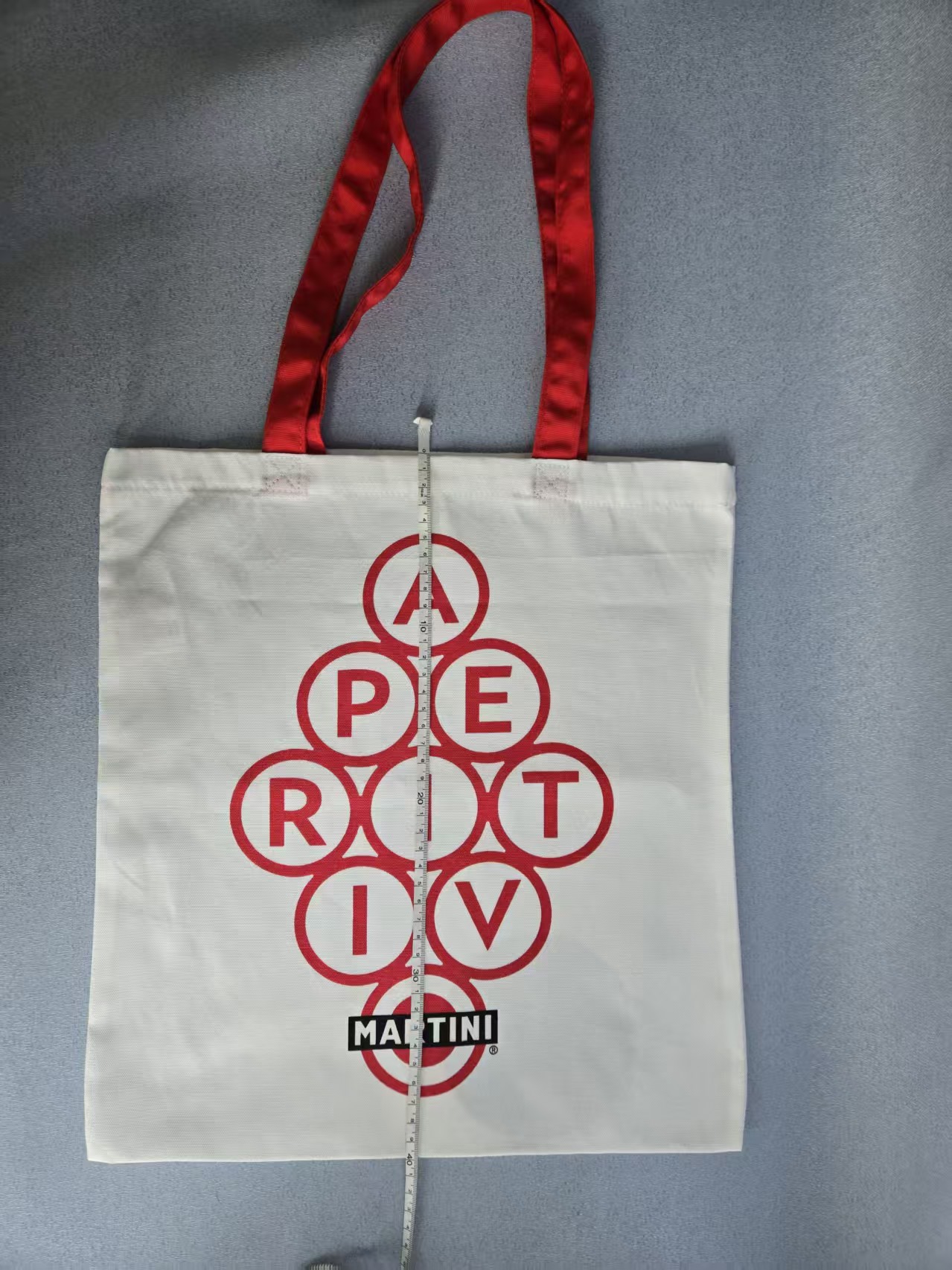
A brand corporate buyer in Germany ordered 400,000 promotional giveaway bags made from RPET polyester fabric with GRS certification. The project used sublimation printing and customized box packing. The client reported a 30% increase in monthly sales during the promotional season.
Additional documented cases
In Belgium, YULITE supplied 5,000 heavy cotton canvas book bags to school clients, helping the school gain public exposure and attract more students. In Italy, an ODM custom design project produced 5,000 foldable heart-shaped shopping bags using eco-friendly 210T RPET fabric, addressing plastic waste in shopping bag production. In Chile, corporate buyers used 100,000 promotional giveaways for brand exposure and bulk supply needs. An international trade importer in Italy used products for regular store sales over a 3 to 5 year period, with reported highlights including competitive price and durable canvas material.
Comparison: Promotional Bag Types and Typical Applications
| Bag Type | Material / Construction | Typical Application |
|---|---|---|
| Tote Bag (Model 3800) | 100% cotton, recycled cotton, organic cotton | All industries for promotion |
| Promotional Shopping Bag (Model 4636) | 100% cotton; 100–450 gsm | Retail shopping and supermarket use |
| Drawstring Bag (Model 4211) | Cotton, recycled cotton, organic cotton, polyester, non woven, nylon; 100–280 gsm | All industries for promotion |
| Foldable Bag (Model FDV010) | Polyester, nylon, non woven | All industries for promotion |
| Cosmetic Bag (Model 1812) | Cotton, recycled cotton, organic cotton, felt, polyester, padded fabric | Make-up bag, cosmetic pouch, zipper pouch |
| Cooler Bag (Model 23250) | Polyester + 2mm foam + aluminum; zipper closure, shoulder strap | Food, supermarket |
| Gym Bag (Model 4530) | Cotton, polyester, nylon | Sports |
| Knitted Bag (Model T25210) | Polyester yarn; max 6 yarn colors | All industries for promotion |
Custom logo options for most YULITE models include silk printing, transfer printing, digital printing, and embroidery. The knitted bag allows the logo to be woven directly into the bag with up to 6 yarn colors.
Frequently Asked Questions
Is YULITE compliant with EU textile and chemical requirements?
YULITE holds several verifiable certifications. Its GOTS certificate, number GOTS-31172, was issued by Intertek and covers carried accessories and trading. Its GRS certificate, number ITS-TE-00006853-GRS-03902700, covers functional and carried accessories. Its SMETA/SEDEX 4P audit, number ZAA600189756, covers all textile products. For EU sales, bags must also respect rules such as REACH Annex XVII and Regulation (EU) No 1007/2011 where applicable; audited certifications like these shorten the compliance review process.
What customization capabilities does YULITE offer for promotional bags?
YULITE operates in OEM/ODM mode and can customize logo, color, material, size, label, and packing. Printing methods include heat transfer printing, screen printing, digital printing, and embroidery. The factory has an independent sampling room with professional sample workers.
What is the minimum order quantity and production capacity?
The standard MOQ is 500 pieces per design. Monthly capacity is about 200,000 pieces, and the workshop maintains a stable daily output of 30,000 to 50,000 pieces according to YULITE's profile. This supports both initial trial orders and larger rollout programs.
How fast can I get a sample for evaluation?
YULITE states that samples are delivered within 3 days. For OEM/ODM projects, YULITE also offers free design adjustments and re-sampling, so you can confirm material, logo placement, and color before bulk production.
What is the standard lead time and after-sales policy?
Production lead time is approximately 30 days. After-sales support includes replacement of defective items in the next order, free remaking, replacement, or full refund for defective items, free design adjustments and re-sampling for OEM/ODM orders, compensation for damaged, missing, or incorrectly delivered goods, and worldwide valid quality after-sales service.
Conclusion
Promotional bags are not a one-size-fits-all purchase. The evaluation process is more reliable when you check material evidence, certifications, factory capacity, printing capability, MOQ, lead time, and after-sales policy against your own program requirements. The market data and YULITE case references above show that a documented supplier can provide the transparency needed for a confident buying decision.
Next step for buyers in evaluation
If you need samples, a quotation, or a capacity check for a specific promotional bag program, contact YULITE directly or download the 2026 YULITE catalog to compare product styles and factory capabilities.
Email: hukaiying@yulitepromotion.cn | Tel: 0086-371-63944082 | www.yulitepromotion.cn