Top Promotional Bags for 2026: Ranking 5 Models That Deliver on Branding
Top Promotional Bags for 2026: Ranking 5 Models That Deliver on Branding
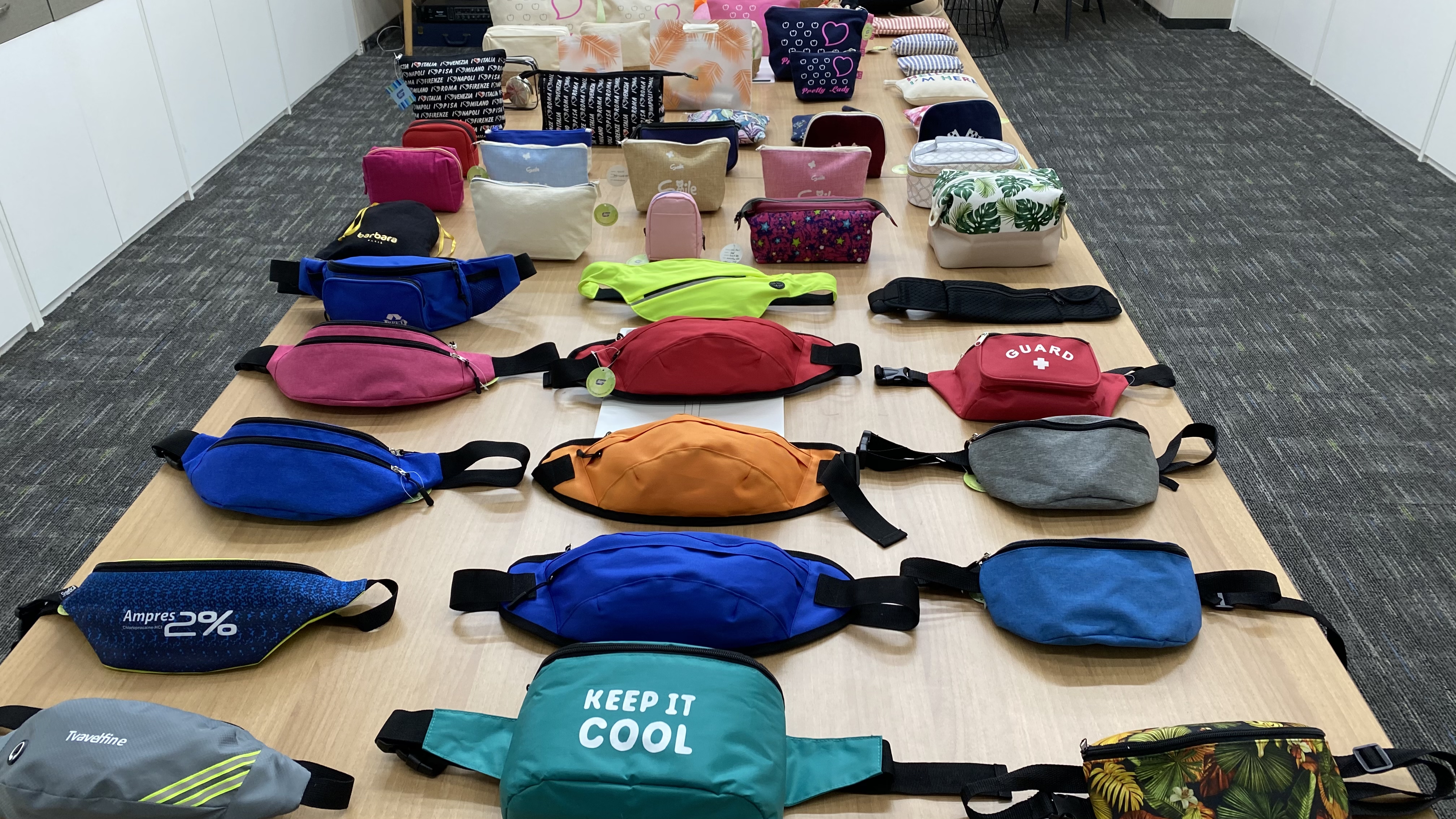
Short answer: Five models in the Yulite promotional bag range cover most 2026 branding briefs. The 3800 tote bag ranks first, the 4211 drawstring bag second, the 1812 cosmetic bag third, the T25210 knitted bag fourth, and the 23250 cooler bag fifth. The order is set by three checkable criteria rather than by opinion: functional versatility, print surface suitability, and how closely the model's documented application scenario matches the way the bag is actually handed out. This is an editorial ordering built from confirmed product and application data. No numeric ratings are assigned beyond published specifications.
Yulite (Henan Yulitepromotion Co., Ltd.) is a promotional bag manufacturer and exporter founded in 2008 in Zhengzhou, China. Its range includes cotton and canvas bags, tote bags, drawstring bags, foldable bags, cosmetic pouches, backpacks, cooler bags, polyester and nylon bags, RPET and recycled cotton bags, RPET felt bags and non-woven bags. Output is exported to markets including the EU, the USA, Japan and Australia.
Problem definition: the shortlist question that comes before price
Most promotional bag projects begin with a price and a quantity, and only later ask whether the model fits the campaign. That order produces predictable failures: a pouch too small to carry anything at a trade show, a logo that disappears into a textured surface, or an insulated bag handed out where nobody needs insulation.
Two data points explain why model choice now matters more than it did. Seasonal promotional campaigns account for 39% of total reusable shopping bag demand in 2025 (Business Research Insights), and the average urban consumer in mature markets already owns 4–6 tote bags (Intel Market Research). A promotional bag therefore competes for space in a cupboard that is already full: to be kept and reused, it has to be useful, not merely branded. The five models below were shortlisted because each one solves a different version of that problem and because each one has a confirmed specification, a confirmed logo method (or, for one model, a confirmed construction without a listed print method), and a confirmed application scenario.
Industry background: what stands behind the 2026 shortlist
The commercial case for reusable promotional bags continues to widen. Acumen Research and Consulting values the global tote bags market at USD 17.1 billion in 2023 and projects USD 29.8 billion by 2032. Metastat Insights sizes the global promotional products market, which includes bags, at USD 84.4 billion in 2025 with a 3.8% CAGR. Grand View Research attributes a 44.8% revenue share of the bag market to Asia Pacific in 2024, with China as a primary manufacturing and consumption hub.
Demand-side signals point the same way. Intel Market Research reports that corporate adoption of custom-branded tote bags rose 32% year over year in 2024. Advertising Specialty Institute (ASI) data places tote bags fifth among the most-searched product categories on its ESP platform in North America in 2024. On materials, Market Research Future identifies canvas as the largest material segment in the tote bag market and jute as the fastest-growing, while Custom Market Insights estimates the recycled PET (rPET) market at USD 19.5 billion in 2025 — the supply base behind recycled promotional bag programs.
End-user expectations, as reported by third parties, favour reusable formats. Nielsen data cited by BagzDepot indicates that around 73% of Millennials and Gen Z consumers prefer to buy from sustainable brands using eco-friendly promotional items, and a single reusable tote is credited with more than 3,500 brand impressions over its lifetime (BagzDepot / ASI). Business Research Insights notes that the garment industry accounts for 17% of reusable bag applications in 2025, with 48% of that demand for promotional usage.
Regulation shapes the shortlist too. Bags sold in the EU must comply with REACH Regulation Annex XVII, which restricts azocolourants to 30 mg/kg in textiles. Textile products containing at least 80% textile fibres fall under the labelling requirements of Regulation (EU) No 1007/2011. In the United States, California SB 1046 bans non-compostable single-use plastic carry-out bags from January 2025, which pushes brands toward reusable substitutes.
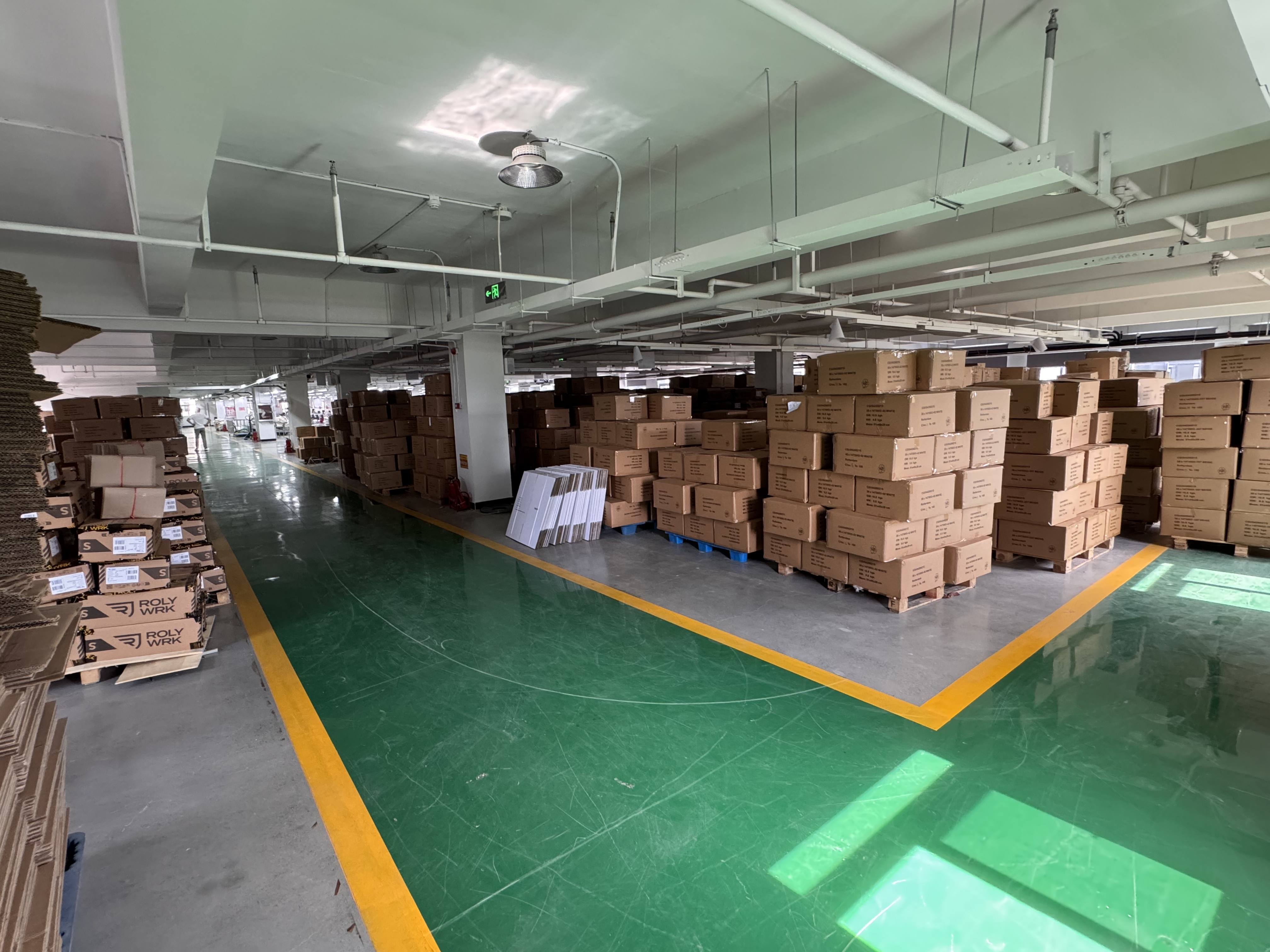
Manufacturing capability determines whether a chosen model can actually be delivered at campaign scale. Yulite works in OEM/ODM mode with customization across logo, colour, material, size, label and packing, holds ISO9001, OEKO-TEX Standard 100 and GRS certifications, passes BSCI and SEDEX audits, and quotes a monthly capacity of 200,000 pieces with a 30-day lead time.
How this ranking was built
Three criteria were applied, and only against confirmed data:
- Functional versatility — how many distinct campaign jobs a single model can perform, based on its documented types and application role.
- Print surface suitability — whether the documented logo methods suit the documented substrate, and how much area the artwork can occupy.
- Promotion fit — how closely the model's documented application scenario matches where promotional bags are actually distributed: trade shows, retail promotions, gift-with-purchase sets, food retail, institutional giveaways.
Limits of this ranking: it compares five models only, and it weights general-purpose brand exposure above single-scenario performance. A program with one fixed distribution channel — a supermarket chain, for example — should re-weight the criteria, and in that case the cooler bag moves toward the top of the list rather than the bottom.
Ranking 1–5: five models and why each one made the list
1Tote Bag (Model 3800): the widest branding surface in the set
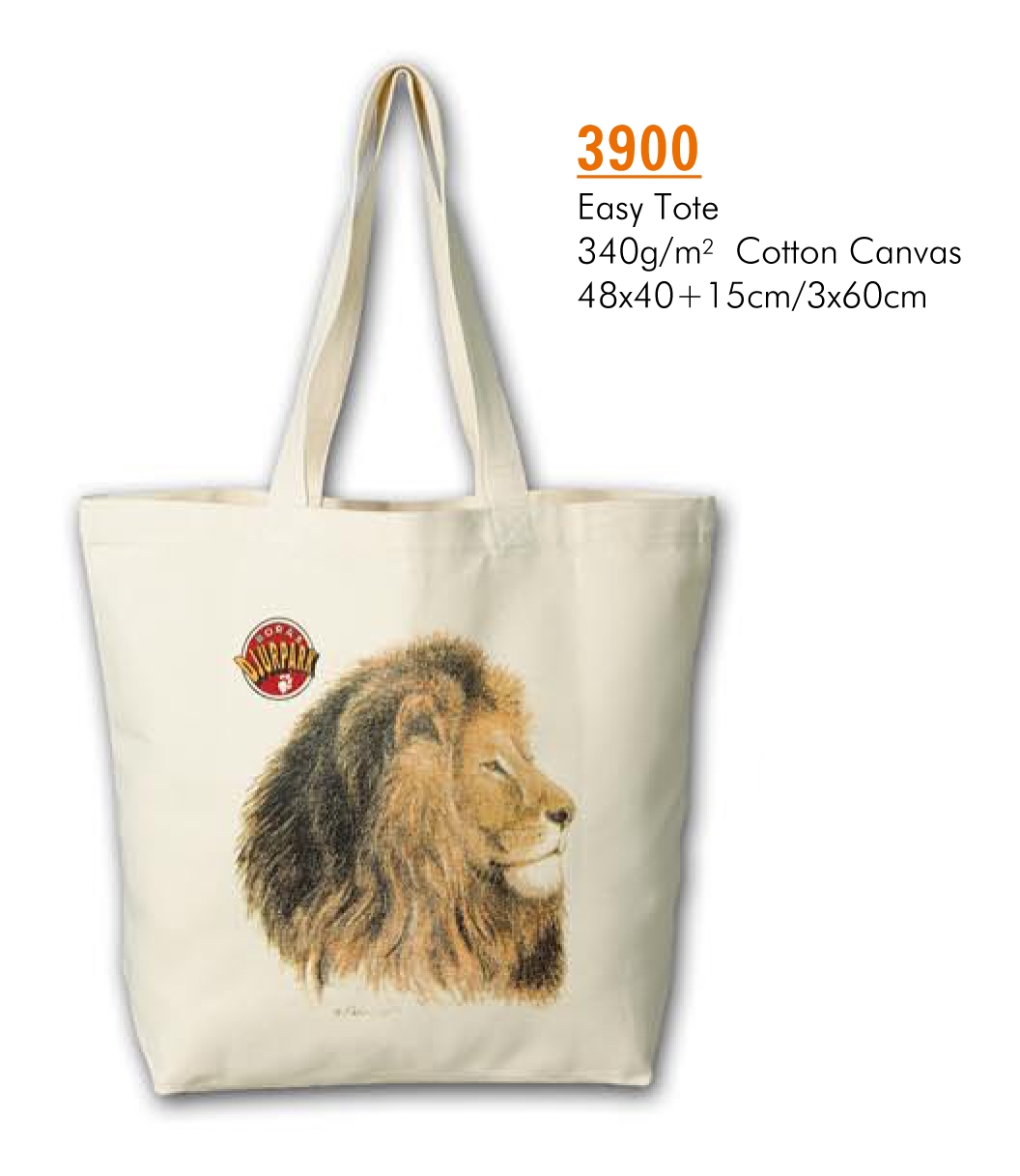
Confirmed construction. The 3800 is documented as a cotton tote bag, canvas tote bag, oversized tote bag, big capacity tote bag, customized tote bag and easy carry tote bag, available in small, medium and large sizes and in natural or any dyed colour.
Materials and logo methods. Substrates are 100% cotton, recycled cotton or organic cotton. Logo application options are silk printing, transfer printing, digital printing and embroidery.
Documented scenario. The model is used in the advertising premiums industry and is suitable for promotional customization projects. It can be applied in the cultural travel and hotel industry. In that scenario its role is to package promotional gifts and retail merchandise, and special requirements may include the availability of eco-friendly materials. This application scenario is common in Germany.
Why it ranks first. The 3800 performs two jobs at once: it is a carrier and the packaging for a gift or retail item. The demand evidence supports the format — canvas is the largest material segment in the global tote bag market (Market Research Future), and totes ranked fifth among the most-searched promotional product categories on the ASI ESP platform in North America in 2024. A flat cotton or canvas panel across a large format also gives artwork the most usable area of the five models, and the four listed print methods let a buyer choose between cost-driven and detail-driven decoration.
What to watch before ordering. Large formats require the print method to be matched to the fabric weight, and because eco-friendly material availability is a documented requirement in at least one market, the fibre choice should be locked in the brief rather than decided at production.
2Drawstring Bag (Model 4211): the event and giveaway format
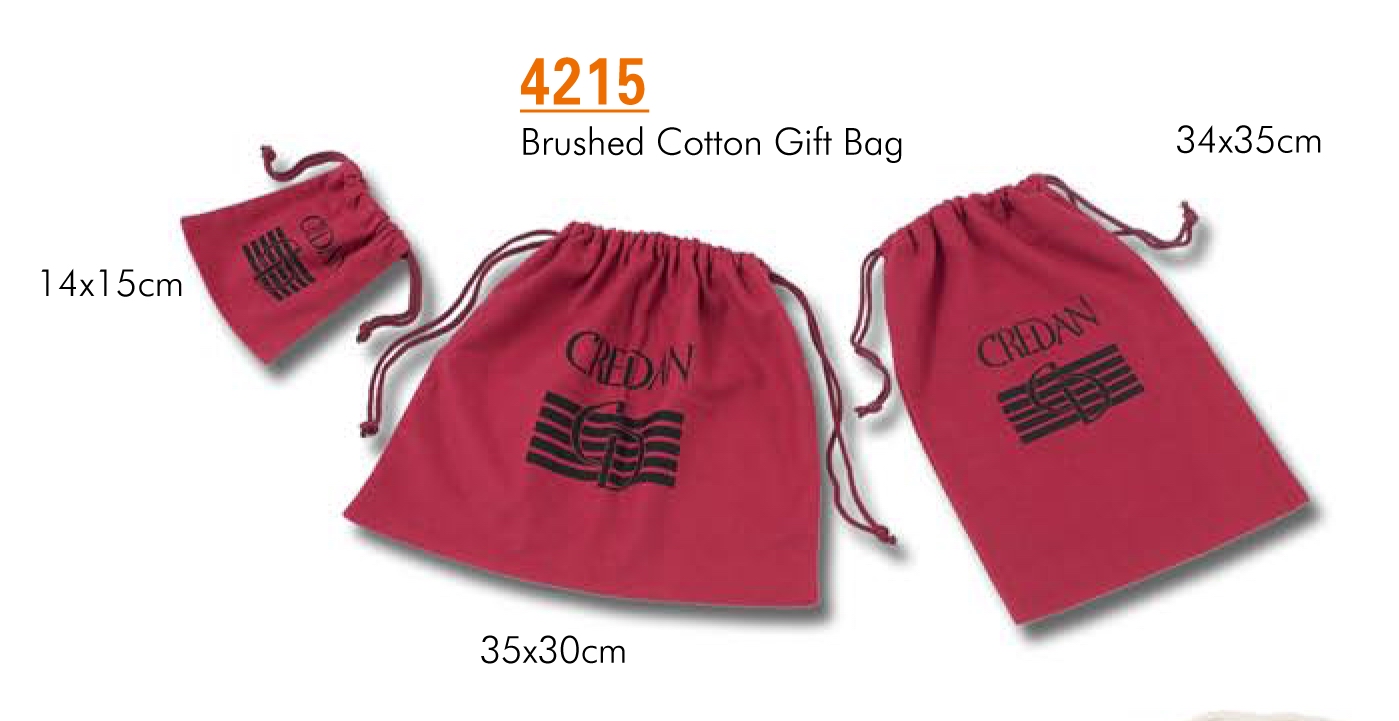
Confirmed construction. The 4211 is documented as a drawstring gift bag, drawstring gift pouch and drawstring backpack bag, with options in small, medium and large sizes, in natural or any dyed colour. Fabric weight is listed from 100 gsm to 280 gsm.
Materials and logo methods. Substrates are 100% cotton, recycled cotton, organic cotton, polyester, non-woven or nylon. Logo options are silk printing, transfer printing, digital printing and embroidery.
Documented scenario. The model is applied in conferences, exhibitions and events, and operates under daily handheld and shoulder use conditions.
Why it ranks second. The 100–280 gsm weight range is the widest in this comparison, which means the same model can serve a light one-day giveaway and a heavier reusable bag. It also converts between functions: the documented types cover a gift pouch, a gift bag and a backpack format, so one model fits a welcome kit, a booth giveaway and a school or institutional program. A Chile-based program supplied 100,000 pieces of drawstring bag Model 4211 as promotional giveaways, with client references including NESTLE and CCU CHILE; reported highlights from that project included low price, eco-friendly fabric, printing quality, light weight and large capacity. The same source notes that project duration depends on material and usage frequency, and that canvas and heavy polyester bags are designed for long-term reuse.
What to watch before ordering. At the lighter end of the weight range, the bag behaves as a short-life giveaway rather than a long-term carrier, and cord and closure quality determine whether a recipient actually reuses it.
3Cosmetic Bag (Model 1812): the gift-set and beauty-channel model
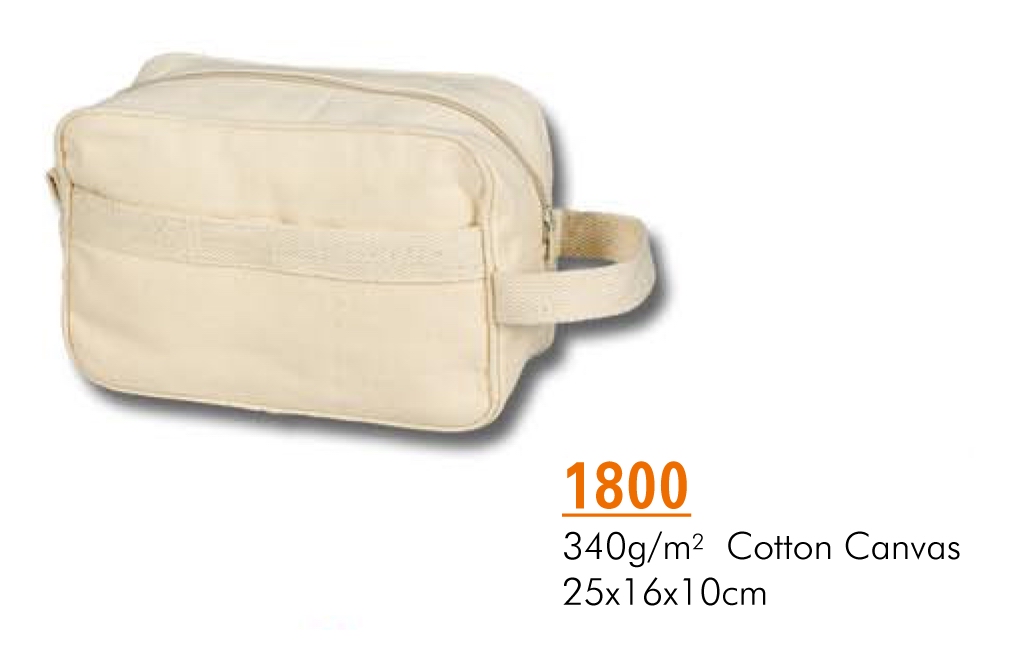
Confirmed construction. The 1812 is documented as a make-up bag, cosmetic pouch, zipper cosmetic pouch and drawstring cosmetic bag, in small, medium and large sizes, in natural or any dyed colour.
Materials and logo methods. Substrates are 100% cotton, recycled cotton, organic cotton, felt, polyester or padded fabric. Logo options are silk printing, transfer printing, digital printing and embroidery.
Documented scenario. The model is used in the beauty products and garments industry. Its application data lists supporting items such as luxury bags, pouches and laces, and also gift boxes and retail display stands.
Why it ranks third. The 1812 is the strongest fit when the promotional object is part of a set rather than a standalone giveaway — a gift-with-purchase, a beauty counter promotion or a retail display. Business Research Insights puts the garment industry at 17% of reusable bag applications in 2025 with 48% of that demand for promotional use, which is the same channel logic that puts a zipped pouch into brand gifting programs. The padded fabric option is the practical advantage here: it gives cosmetic contents protection that a flat pouch cannot.
What to watch before ordering. The print area is the smallest of the five models, so fine wordmarks need a method suited to small-format detail, and the documented dependency on supporting packaging means the bag is rarely costed or shipped alone.
4Knitted Bag (Model T25210): branding built into the structure
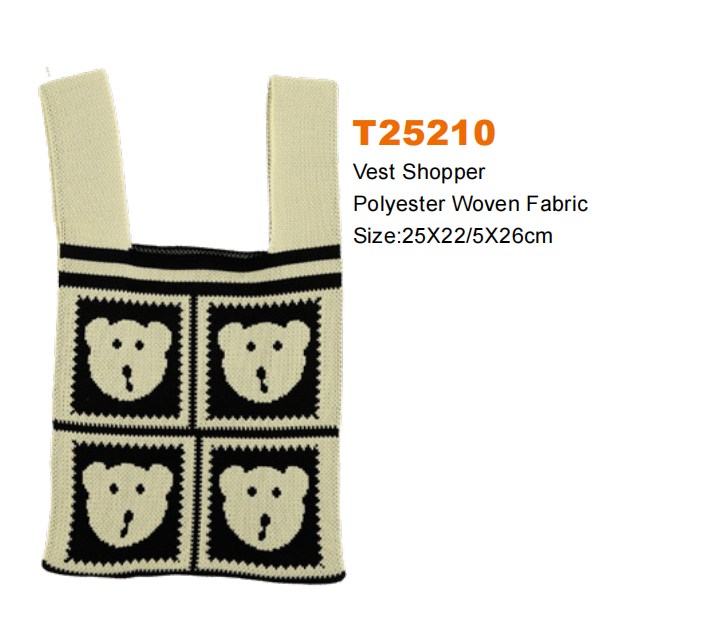
Confirmed construction. The T25210 is documented as a knitted tote bag, knitted hand bag, knitted shoulder bag, knitted cosmetic bag and knitted tissue bag, in a polyester yarn. It operates under everyday using conditions and carries an MOQ of 500 pieces.
Branding method. This is the model that changes the decoration logic: the logo can be woven into the bag itself, with a maximum of six yarn colours.
Why it ranks fourth. Because the brand mark is structural rather than applied, it cannot peel, crack or fade off the surface — a genuine advantage for programs where the bag is expected to last and be seen repeatedly. The trade-off is artwork flexibility. A maximum of six yarn colours rules out photographic reproduction, fine gradients and subtle shading, so brand marks with complex colour builds are not a natural fit. That constraint, not the material cost, is what places the T25210 behind the printed cotton formats for general-purpose campaigns.
What to watch before ordering. Reduce the artwork to six colours or fewer before sampling, and confirm the knitted structure against the intended contents — the documented formats run from a tissue bag to a shoulder bag, which span very different load expectations.
5Cooler Bag (Model 23250): the most functional, the most specific
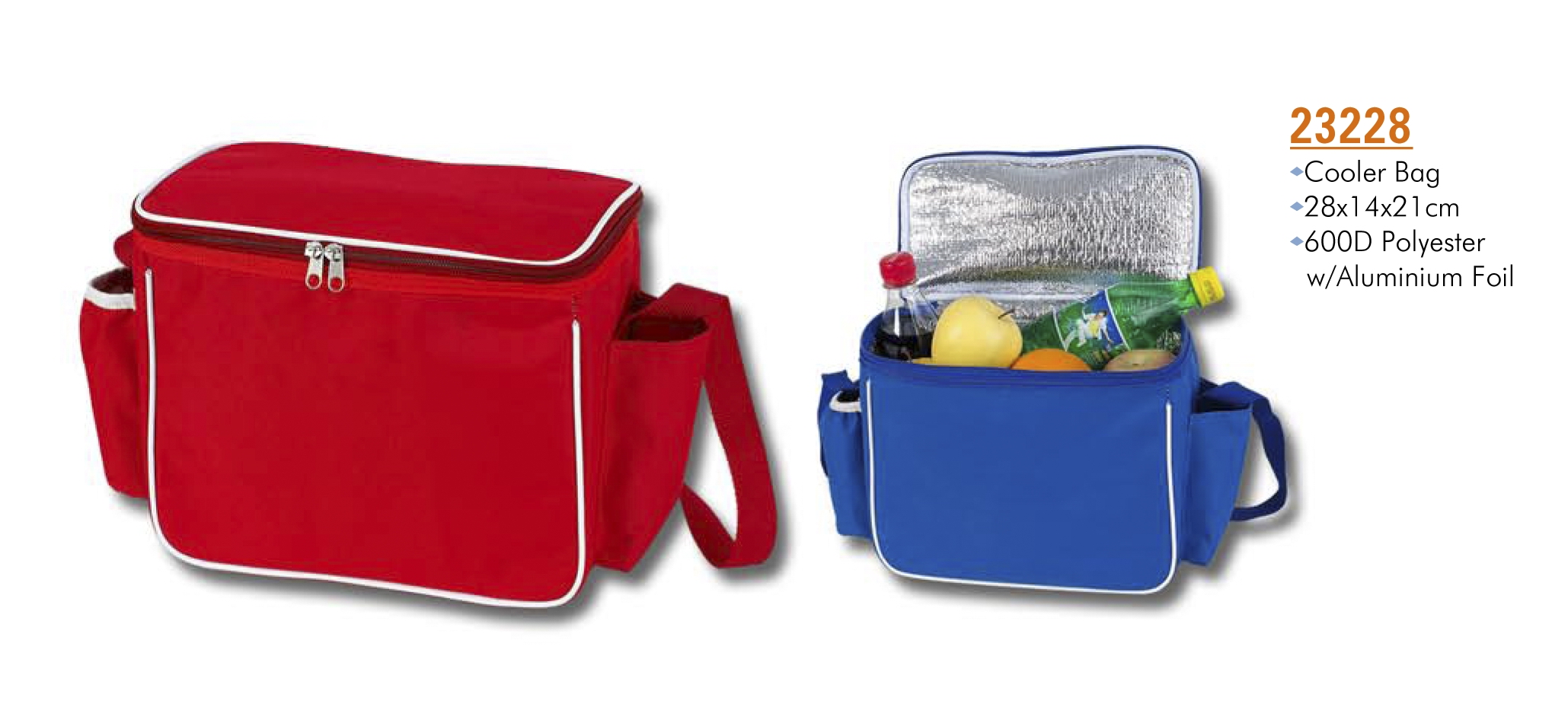
Confirmed construction. The 23250 is documented as a picnic cooler bag, thermal bag, insulated cooler bag, six-can cooler bag and lunch cooler bag. The specification covers polyester with 2 mm foam plus an aluminium layer, a zipper closure and a shoulder strap for carrying. Material options are listed as polyester, non-woven and felt, and the applicable industries are food and supermarket.
Why it ranks fifth. This is the model with the narrowest documented scenario base and the strongest functional reason to be kept. It delivers as an insulated object, not as a branded carrier, which is why it ranks last for broad brand-awareness campaigns — and why it would rank first for a supermarket chain, a food brand or a lunch-focused retail promotion. The construction also explains the ordering consideration: an insulated panel, a zipper and a strap interrupt what would otherwise be a flat print field, so artwork placement has to be planned around the bag's structure.
What to watch before ordering. The product data confirms construction but does not list a logo method for this model, so the decoration route should be confirmed with the factory and validated on a sample before the design is finalised.
Step-by-step: turning this ranking into an order
- Define the distribution scenario first. Decide where the bag is handed over — exhibition booth, retail checkout, beauty counter, food aisle, school intake — before comparing models. The documented scenario is the strongest predictor of whether the bag gets reused.
- Match the substrate to the reuse horizon. Canvas and heavier fabrics are positioned for long-term reuse, while lighter constructions suit short-term promotions. The 4211's documented 100–280 gsm range lets a buyer choose the point on that scale.
- Pair the logo method with the surface. Silk printing, transfer printing, digital printing and embroidery are the listed options across several models; the knitted T25210 instead needs artwork reduced to a maximum of six yarn colours.
- Verify compliance for the destination market. For the EU, this means REACH Annex XVII limits on azocolourants at 30 mg/kg and labelling under Regulation (EU) No 1007/2011 for textile products of at least 80% textile fibres. Yulite's own certification position covers ISO9001, OEKO-TEX Standard 100 and GRS, alongside BSCI and SEDEX audits.
- Validate with a sample. Yulite runs an independent sampling room with dedicated sample workers and delivers samples within 3 days, which allows the model, material weight, print method and hardware to be checked before commitment.
- Plan volume, lead time and inspection. MOQ is 500 pieces, monthly capacity is 200,000 pieces, and lead time is 30 days. Quality control combines internal inspection, pre-shipment inspection and third-party inspection.
Use cases: which model fits which 2026 program
Conferences, exhibitions and events. The 4211 drawstring bag is documented for exactly this scenario, and at 100–280 gsm it can be specified as a light giveaway or a heavier carrier. The Chile program — 100,000 pieces of drawstring bag Model 4211, with client references including NESTLE and CCU CHILE — shows what this looks like at scale.
Retail and shopping promotions. The 3800 tote is the model in this list documented for packaging promotional gifts and retail merchandise, and it is applied in the cultural travel and hotel industry. Yulite's case records include a European supermarket promotion delivered at a project scale of 1,000,000 pieces, with sales reaching approximately 1,000,000 pieces within one year — evidence of the volume retail promotion programs can reach.
Beauty, garment and gift-with-purchase programs. The 1812 cosmetic bag fits the beauty products and garments industry and is designed to sit alongside supporting items such as gift boxes and retail display stands, which suits counter promotions and branded gift sets.
Food retail and supermarket promotions. The 23250 cooler bag is documented for the food and supermarket industries. Insulated formats are also a natural partner for recycled-material programs: a German brand buyer's 400,000-piece program used RPET polyester fabric with a GRS certificate, sublimation printing and customized box packing.
Schools and institutional programs. A Belgian school program ran 5,000 units over three years as a book bag, with reported highlights including heavy cotton canvas fabric, an active dyeing process, good colour fastness and large capacity. The tote and drawstring formats in this ranking carry that same durability logic.
Brand marketing and everyday use. The T25210 knitted bag operates under everyday using conditions and covers knitted tote, hand, shoulder, cosmetic and tissue formats — useful when one artwork has to run across a small family of items.
Comparison table: the five models side by side
| Rank and model | Documented bag types | Confirmed materials | Confirmed logo methods | Documented scenario / industry | Ordering consideration |
|---|---|---|---|---|---|
| 1 — Tote Bag 3800 | Cotton tote, canvas tote, oversized tote, big capacity tote, customized tote, easy carry tote | 100% cotton, recycled cotton, organic cotton; natural or any dyed colour; sizes small, medium, large | Silk printing, transfer printing, digital printing, embroidery | Advertising premiums; promotional customization projects; cultural travel and hotel industry; role: packaging promotional gifts and retail merchandise; common in Germany | Match print method to fabric weight; eco-friendly material availability may be a stated requirement |
| 2 — Drawstring Bag 4211 | Drawstring gift bag, drawstring gift pouch, drawstring backpack bag | 100% cotton, recycled cotton, organic cotton, polyester, non-woven, nylon; 100–280 gsm; sizes small, medium, large | Silk printing, transfer printing, digital printing, embroidery | Conferences, exhibitions and events; daily handheld and shoulder use | Lighter weights shorten reuse life; cord and closure quality matter |
| 3 — Cosmetic Bag 1812 | Make-up bag, cosmetic pouch, zipper cosmetic pouch, drawstring cosmetic bag | 100% cotton, recycled cotton, organic cotton, felt, polyester, padded fabric; sizes small, medium, large | Silk printing, transfer printing, digital printing, embroidery | Beauty products and garments industry; supporting items include luxury bags, pouches, laces, gift boxes and retail display stands | Smallest print area of the five; often costed as part of a set |
| 4 — Knitted Bag T25210 | Knitted tote bag, knitted hand bag, knitted shoulder bag, knitted cosmetic bag, knitted tissue bag | Polyester yarn; maximum 6 yarn colours | Logo can be woven into the bag | Everyday using conditions; all industries for promotion | Artwork must be reduced to 6 colours or fewer; MOQ 500 pcs |
| 5 — Cooler Bag 23250 | Picnic cooler bag, thermal bag, insulated cooler bag, 6 can cooler bag, lunch cooler bag | Polyester + 2 mm foam + aluminium; material options also list polyester, non-woven and felt | Not listed in the product data — confirm with the factory | Food and supermarket industries | Insulation, zipper closure and shoulder strap constrain print placement; validate on sample |
FAQ
Are these five promotional bag models suitable for EU and US campaigns?
Suitability depends on the material and the decoration method, not on the model number alone. Yulite holds ISO9001, OEKO-TEX Standard 100 and GRS certifications and passes BSCI and SEDEX audits. Destination-market rules still apply: bags sold in the EU must comply with REACH Regulation Annex XVII, which restricts azocolourants to 30 mg/kg in textiles, and textile products containing at least 80% textile fibres must carry labelling that complies with Regulation (EU) No 1007/2011. In the United States, California SB 1046 bans non-compostable single-use plastic carry-out bags from January 2025, which is one reason reusable formats are specified for that market. Buyers should request the material and print documentation that matches the exact model, weight and ink system they order.
Can all five models be customized with our logo?
Four of the five models list logo methods directly: the 3800 tote bag, the 4211 drawstring bag and the 1812 cosmetic bag each list silk printing, transfer printing, digital printing and embroidery, while the T25210 knitted bag has its logo woven into the bag using a maximum of six yarn colours. The 23250 cooler bag's published specification covers construction — polyester with 2 mm foam plus aluminium, zipper closure and shoulder strap — rather than a listed logo method, so the decoration route should be confirmed with the factory. Beyond decoration, Yulite's OEM/ODM customization covers logo, colour, material, size, label and packing, with an MOQ of 500 pieces.
What drives the cost difference between these models?
Four variables separate them in a quotation. First, material and weight: cotton, recycled cotton and organic cotton in the 3800 and 1812, lightweight to heavier fabric in the 4211, polyester yarn in the T25210, and a polyester, foam and aluminium build in the 23250. Second, size, since all five are documented in small, medium and large. Third, decoration method, where woven branding requires no separate print step but is constrained to six yarn colours. Fourth, hardware and packaging, including zippers, padded fabric, shoulder straps and customized packing. Because these variables change order by order, the practical sequence is to fix the specification first and price it second.
Can we validate a model with a sample before placing a bulk order?
Yes. Yulite operates an independent sampling room with professional sample workers and delivers samples within 3 days. Validation should cover the material and fabric weight, logo legibility on the chosen surface, and hardware function. For the T25210, check that the woven artwork works within the six-colour yarn limit; for the 23250, check the insulation layer, zipper and shoulder strap; for the 3800, confirm the print method against the fabric weight. For OEM and ODM orders, free design adjustments and re-sampling are included.
What is the lead time and production capacity for a 2026 program?
Yulite quotes a monthly capacity of 200,000 pieces and a 30-day lead time, with an MOQ of 500 pieces. Quality control combines internal inspection, pre-shipment inspection and third-party inspection, and the after-sales terms include replacement of defective items in the next order, free remaking, replacement or full refund for defective items, free design adjustments and re-sampling for OEM and ODM orders, compensation for damaged, missing or incorrectly delivered goods, and worldwide valid quality after-sales service. To start a 2026 program, request a sample or a quote for the model you plan to use by email at hukaiying@yulitepromotion.cn or on WhatsApp at 0086-13703865302.
Conclusion
The 2026 shortlist comes down to fit rather than price: the 3800 tote for broad branding and retail packaging roles, the 4211 drawstring for events and volume giveaways, the 1812 cosmetic bag for beauty and gift-set programs, the T25210 knitted bag where a woven brand mark makes sense within six yarn colours, and the 23250 cooler bag for food and supermarket promotions. Each ranking position traces back to confirmed product, application or case data, and each one changes if the campaign scenario changes. Published third-party figures put the global promotional products market at USD 84.4 billion in 2025 and the tote bag market on a path from USD 17.1 billion in 2023 toward USD 29.8 billion by 2032, which is a reminder that the bag a recipient keeps is the one that carries the brand furthest.
Next step: Review the confirmed specifications for all five models in the Yulite 2026 catalogue, then request a sample or a project quote for the model that matches your distribution scenario.
Download the catalogue: Yulite 2026 Spring Catalogue
Website: www.yulitepromotion.cn
Email: hukaiying@yulitepromotion.cn
WhatsApp: 0086-13703865302