When a Gym Duffel Fails: How Model 4530 Solves the Wet Gear Storage Problem
A gym duffel usually fails in the same place. A damp towel, a swimsuit, and a pair of training shoes go into one compartment, the bag is closed, and two hours later the lining smells, moisture wicks through the seam under the shoulder strap, and a printed logo starts to lift at the edge. For a fitness brand, a gym chain, or a sports club handing out bags by the hundred or the thousand, that is not a small annoyance — it is the branded item sitting in the changing room every week and reminding the user of a bad purchase.
Model 4530 is the gym duffel model in Yulite's promotional bag range, positioned for sports kit carry where wet and dry items share the same bag. This article does not invent its specification. It explains what fails in gym duffels, how the 4530 program is framed around wet-gear storage, and the four checks — closure, water resistance expectation, size range, and finish durability — that a sports promotion buyer should settle before a bulk order is placed.
What actually fails in a gym duffel
Wet gear storage, in this context, means carrying damp kit — towels, swimwear, gym clothes, shoes, and bottles — in the same bag as dry items such as a phone, a wallet, or clean clothes, without transferring moisture between the two. Most duffel failures trace back to one of six causes, and each one can be checked before an order is confirmed.
1. No separation between wet and dry
A single open compartment forces a wet towel against a clean shirt for the length of the journey home. Once moisture is inside the main body, the bag needs to be emptied and dried before the next session, which is exactly what most users never do. Separation is a design decision, not a feature list: it has to be visible in the sample the buyer approves.
2. The closure is where water enters
Moisture rarely passes through the middle of a panel. It enters at the opening, at the zipper track, at the point where the seam terminates, and at the gap left at each end of a top zip. A closure that looks correct in a photograph can be the weakest point in the bag after three months of use.
3. Water resistance expectations are written vaguely
"Water-resistant" and "waterproof" are not interchangeable, and a brief that says "waterproof" without a test method usually ends in a dispute rather than a product. A coated shell can stop a damp towel from soaking through to the outside; it does not make the bag submersible, and it does not seal a bottle that opens inside it.
4. One size fits nobody
A duffel sized for shoes plus a towel plus a full kit becomes a travel bag too bulky for a locker, while an undersized bag forces users to carry the wet towel separately — which defeats the purpose. Size has to follow kit volume, and kit volume varies by sport and by user.
5. Hardware and stitching give up under load
Strap anchors, the base panel, and the bar-tacks at handle junctions take repeated peak loads when a wet kit bag is lifted. A bag that carries 4 kg comfortably can still tear at the anchor point if the stitching density and reinforcement were not specified.
6. The program fails after the first order
The bag itself may be fine while the reorder is not: a colour shift between lots, a logo position that drifts, or a delivery date that slips past the season start. For a buyer in the decision or execution stage, supply continuity is part of the product.
Industry background: why the bag format matters in sports promotion
Bags are one of the most heavily used categories in promotional merchandise, and buyers now compare formats rather than simply choosing a tote. Tote bags were the 5th most-searched category on the Advertising Specialty Institute (ASI) ESP platform in 2024, according to ASI — evidence that distributors and buyers actively search and compare bag formats instead of defaulting to one style.
The category is large enough to support specialised formats. The global promotional products market, which includes bags, is valued at USD 84.4 billion in 2025 with a 3.8% CAGR, according to Metastat Insights. Within it, reusable carry items earn their budget through repetition: a single reusable bag generates over 3,500 brand impressions on average during its lifetime, according to BagzDepot / Advertising Specialty Institute (medium reliability). A bag that is used three times a week at a gym compounds that exposure far faster than a bag that stays in a cupboard.
Seasonality also shapes planning. Seasonal promotional campaigns account for 39% of total demand for reusable shopping bags in 2025, according to Business Research Insights. For sports buyers, that pattern translates into predictable peaks around New Year fitness campaigns, spring events, and club registration periods — peaks that require production time to be reserved rather than requested late.
How Model 4530 is positioned to solve the wet gear problem
Model 4530 belongs to Yulite's promotional bag range, which covers cotton and canvas bags, tote bags, drawstring bags, foldable bags, cosmetic pouches, backpacks, cooler bags, and polyester/nylon bags. Henan Yulitepromotion Co., Ltd. was founded in 2008, exports 100% of its output, and serves buyers in the EU, USA, Japan, and Australia, with products shipped to more than 86 countries.
The 4530 approach is to treat the gym duffel as a wet-gear carrying problem rather than a decoration problem. Five decisions define the result.
1. Design intent: one bag, two conditions
The bag is positioned for sports scenarios in which damp and dry items travel together after training. That means the wet zone has to be identified on the specification — where a damp towel or swimsuit is expected to sit, and how the dry zone is protected from it. Buyers should ask for this to be shown on the approved sample with a real wet load, not described in a catalogue line.
2. The closure decision comes first
Whatever closure is approved for a 4530 order, three points should be written into the specification: the closure type, whether a flap or guard covers the opening, and how the closure terminates at each end seam. These three details decide whether the opening survives daily use, and they are far easier to fix before sampling than after bulk production.
3. Set the water resistance expectation in writing
Three questions settle most of the risk. What has to stay dry (a damp towel, a soaked swimsuit, a leaking bottle)? What level of protection is being promised, and to whom? And what evidence supports that promise?
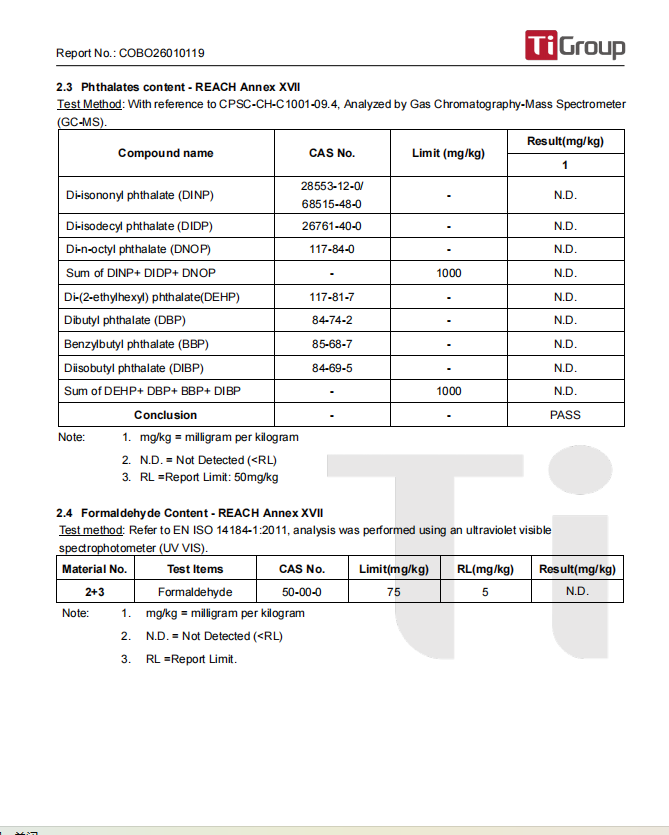
One distinction matters here. Yulite carries out a laboratory test on each lot of fabric before mass production; that test covers restricted substances such as heavy metals under REACH requirements, not the water resistance of the finished bag. Water resistance therefore has to be agreed as its own specification point, and confirmed on the sample with the buyer's own wet-load check.
4. Fix the size range against real kit volume
A gym duffel program is usually a size range rather than one fixed size. The buyer's job is to define the load for each size — shoes and a towel; shoes, towel, and full kit; kit plus bottle and toiletries — and then fix quantities per size. Packing, carton counts, and unit cost all follow that decision, and changing it after sampling resets the timeline.
5. Match the logo method to the fabric and the use
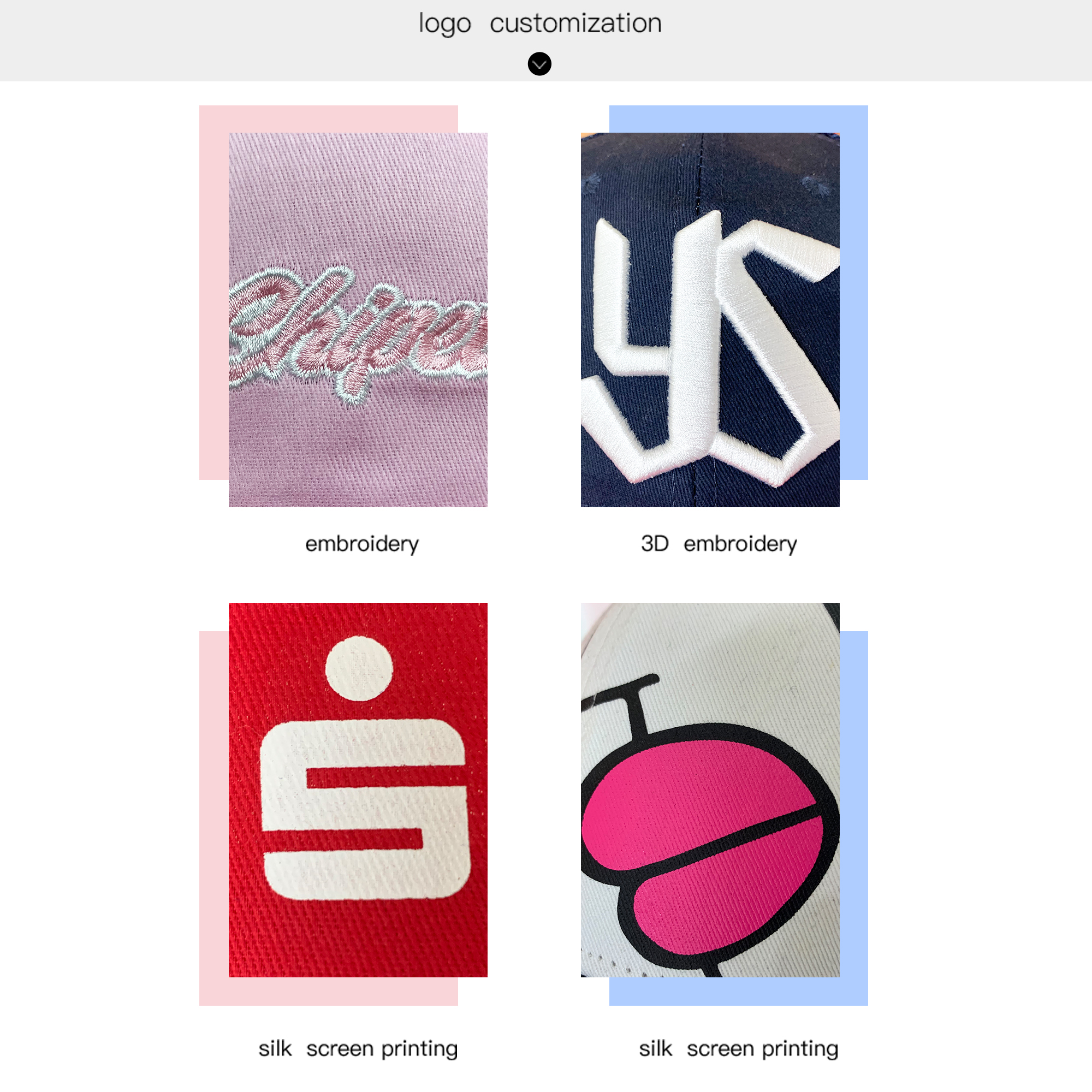
Yulite offers heat transfer printing, screen printing, digital printing, and embroidery. These methods do not behave identically on a shell that is handled wet and folded repeatedly. The method, the placement, and the colour should be approved on a strike-off or a decorated sample made from the production fabric, because a bag that is folded damp is a harder surface than a flat tote panel.
6. Treat continuity as part of the specification
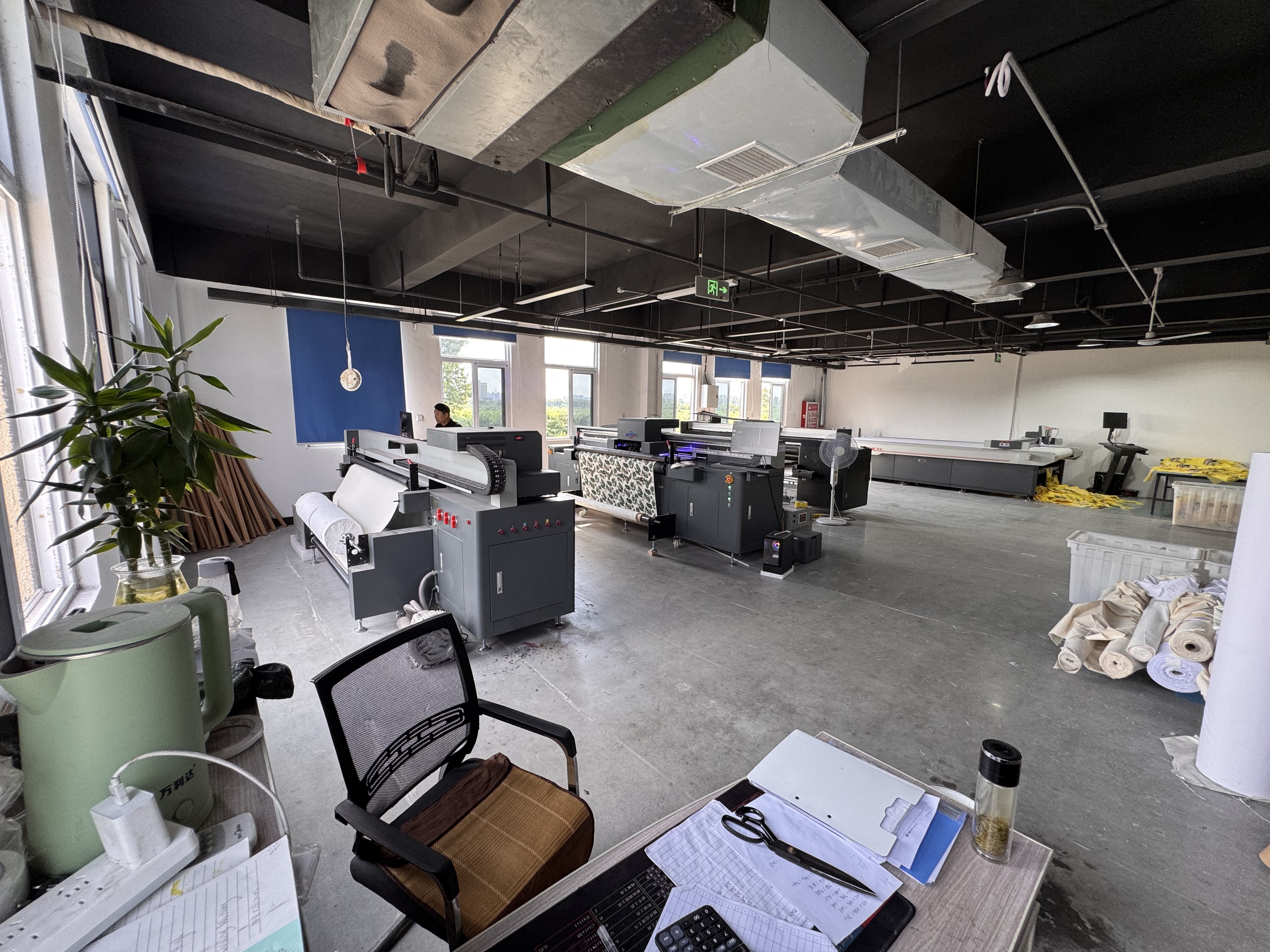
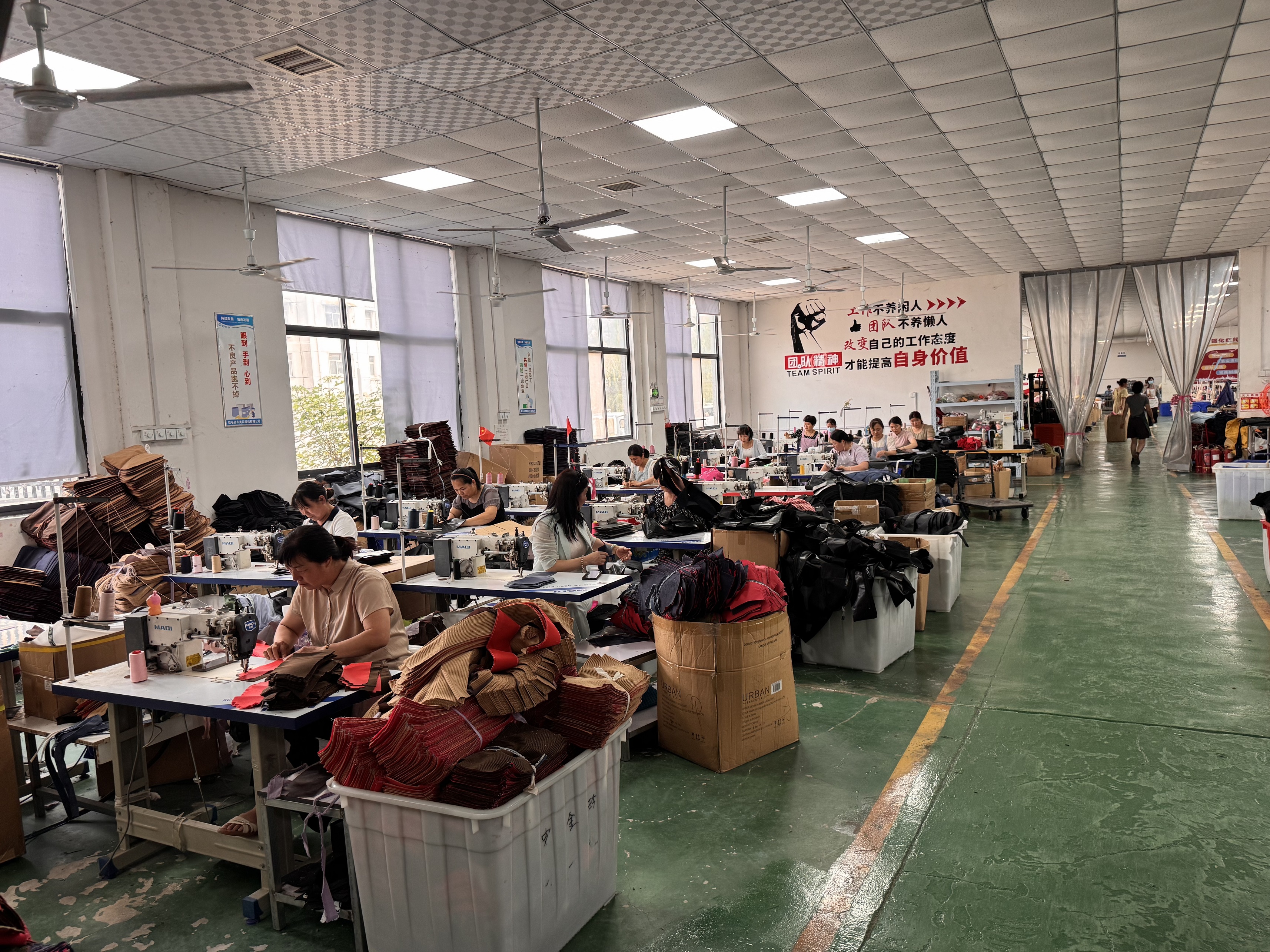
A gym bag handed out in a membership campaign is usually reordered. Yulite's monthly production capacity is 200,000 pieces, and the workshop maintains a stable daily output of 30,000 to 50,000 pieces. For long-term programs, contingency planning matters as much as capacity: the company reserves enough production time for each order, runs its own power generation equipment to avoid power shortages during production, and uses sub-factories to complete orders together.
Step-by-step: six checks before a Model 4530 order is confirmed
- Define the wet load. List what actually goes in wet — towel, swimwear, shoes, bottle — and confirm the wet zone on the sample with a real damp load, not a description.
- Lock the closure. Approve the closure type, the flap or guard over the opening, the termination at both end seams, and the puller. Write all four into the specification sheet.
- Agree the water resistance expectation. State what must stay dry, the level of protection promised, and the test method used to verify it. Keep the fabric safety test (restricted substances) as a separate requirement.
- Fix the size range and per-size quantities. Define the kit volume for each size, then confirm packing and carton implications with the supplier.
- Approve the decoration. Choose the logo method by panel — screen printing, heat transfer, digital printing, or embroidery — and approve it on the production fabric.
- Confirm compliance, terms, and delivery. Match the fiber label to the specification, request the lot test report, agree acceptance criteria, and reserve production time against the season start.
| Checkpoint | What to write into the brief | Evidence to hold before bulk |
|---|---|---|
| Closure | Closure type, flap or guard, seam termination, puller | Approved sample plus signed specification sheet |
| Water resistance | What must stay dry, promised level, test method | Sample wet-load record and a purchase-order clause |
| Size range | Kit volume and quantity per size | Approved size list and packing confirmation |
| Material safety | REACH Annex XVII azocolourants at 30 mg/kg; fiber labelling under Regulation (EU) No 1007/2011 for textile products with at least 80% textile fibers | Per-lot laboratory test report before mass production |
| Decoration | Logo method by panel, placement, colour | Strike-off or decorated sample on production fabric |
| Commercial and delivery | MOQ 500 pcs, DDP delivery terms, payment method | Pre-shipment test and third-party inspection arrangement |
Use cases: where Model 4530 fits in a sports promotion program
Gym and studio membership kits. A bag issued at sign-up is used several times a week, which is where the wet-gear problem appears first. A duffel with a defined wet zone survives the first month, when the member's opinion of the brand is still forming.
Corporate wellness and sports day programs. Employers buying kit for staff sports days need one bag that works for a variety of activities in a single afternoon. A size range lets the buyer serve both a swim session and a team game without ordering two separate items.
Sports clubs and team merchandise. Clubs reorder the same bag each season. Approving a fixed specification — closure, size, decoration — makes the second and third order predictable instead of a new development project.
Distributor and reseller stock programs. Distributors carrying a promotional bag line need a sports format that sits alongside totes, drawstring bags, and cooler bags. A minimum order of 500 pcs allows a distributor to test the format before committing to a stock position, and a documented specification protects the reorder.
How gym duffels compare with other promotional carry formats
The table below compares formats a sports buyer typically considers. Figures for cotton, non-woven, and plastic bags come from Yulite's internal format comparisons; the gym duffel column describes design intent and the points that must be specified.
| Format | Reusability | Wet-gear suitability | Cost position | Watch-out |
|---|---|---|---|---|
| Single-use plastic bag | One use; takes 200–1,000 years to degrade completely | No separation; holds about 3 kg | Lowest cost base | Restricted in some markets; California SB 1046 bans non-compostable single-use plastic carry-out bags from January 2025 |
| Non-woven bag | Under 10 uses; cannot be washed | Becomes brittle with age, so it degrades fastest where moisture is present | Roughly half the cost of cotton | Light and cheap, but not built for repeated damp handling |
| Cotton or canvas tote | Over 50 uses compared with non-woven; around 100 uses compared with a single-use plastic bag; storable for up to 10 years | Washable repeatedly; carries about 10 kg against 3 kg for plastic | About 2× non-woven, 3× paper, 10× plastic | Open top; no wet/dry separation unless designed in |
| Polyester or nylon gym duffel (Model 4530 category) | Built for repeated weekly use with a defined wet zone | Designed for kit volume and wet/dry separation; water resistance depends on the shell and closure specified | Quoted per specification (size, closure, material, decoration) | Closure and water resistance must be written down and verified on the sample |
Frequently asked questions
Which compliance checks should a promotional gym bag order pass before it ships to the EU?
Bags sold in the EU must comply with REACH Regulation Annex XVII, which restricts azocolourants in textiles to 30 mg/kg, and textile products containing at least 80% textile fibers must carry labelling under Regulation (EU) No 1007/2011. Henan Yulitepromotion Co., Ltd. holds ISO9001, OEKO-TEX Standard 100, and GRS certifications and has passed BSCI and SEDEX audits, and it laboratory tests each lot of fabric before mass production. Buyers should request the test report for the fabric lot used on their order and check the fiber content on the label against the specification sheet.
Can a multi-size gym duffel program be produced at promotional volume?
Yulite's monthly production capacity is 200,000 pieces, with a stable workshop output of 30,000 to 50,000 pieces per day. The factory operates its own digital printing machine and offers heat transfer printing, screen printing, digital printing, and embroidery, supported by an R&D team of fewer than 10 engineers and an independent sampling room. For a size-range 4530 program, per-size quantities should be fixed before production planning begins.
What purchasing terms apply to a Model 4530 order?
The minimum order quantity is 500 pcs, delivery terms are DDP, and payment can be made by T/T, D/P, Alibaba Trade Assurance, or credit card. Acceptance criteria are a pre-shipment test and third-party inspection. Unit price is quoted per specification — size, closure, shell, and decoration — because those variables change the material and labour content of the bag.
How quickly can a sample be produced, and what should be tested on it?
Yulite runs an independent sampling room with professional sample workers and can deliver samples within 3 days. The sample should be used to test the four decisions that matter most: load it with the real wet kit, check the closure and its end seams, confirm the size against actual kit volume, and inspect the decoration on the production fabric before approving bulk production.
How is delivery protected for a seasonal sports campaign?
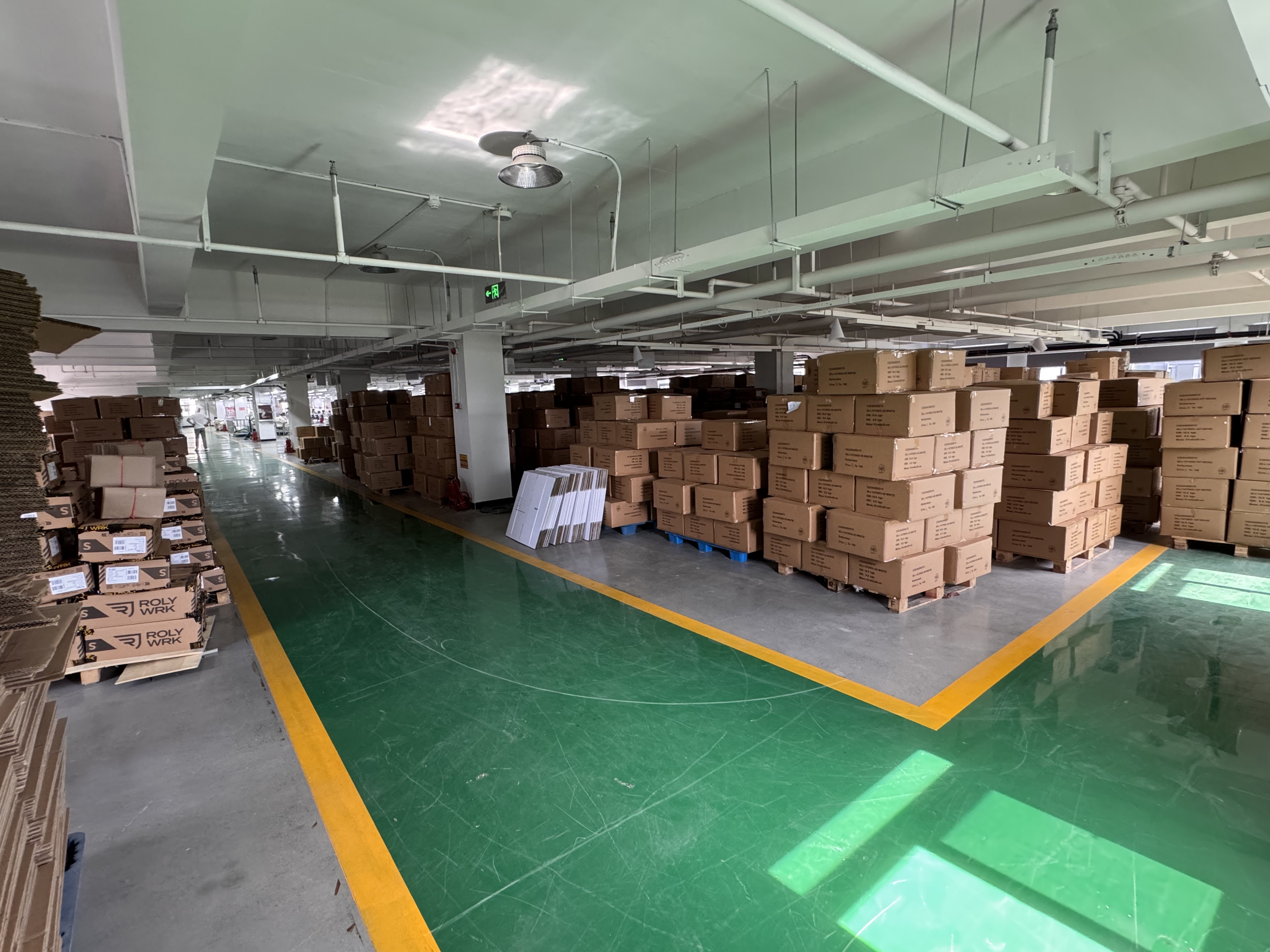
Yulite applies a strict order planning system: production time is reserved for each order in advance, the company runs its own power generation equipment to avoid power shortages during production, and sub-factories are used to complete orders together. Combined with a monthly capacity of 200,000 pieces, that structure is designed to hold a delivery date through a peak season. Buyers planning a spring or New Year campaign can request a sample and a specification-based quotation from the Yulite team at www.yulitepromotion.cn before production slots for the season are allocated.
Conclusion
A gym duffel does not fail because it is badly decorated. It fails because the wet towel, the closure, the size, and the reorder were never specified. Model 4530 is positioned in Yulite's promotional bag range as a sports carry format built around that reality: a defined wet zone, a closure the buyer has approved, a size range matched to real kit volume, and a supply structure that can repeat the same bag next season.
For buyers in the decision and execution stage, the sequence is straightforward. Define the wet load, lock the closure, agree the water resistance expectation and how it will be verified, fix the size range and quantities, approve the decoration on production fabric, and confirm compliance and delivery terms. Every one of those points is settled at sample stage — where a change costs a sample, not a shipment.
Next step: sample and quotation
Yulite can produce a Model 4530 sample within 3 days so the wet-load test, closure check, and size confirmation happen before a bulk commitment. Minimum order quantity is 500 pcs, delivery terms are DDP, and payment can be made by T/T, D/P, Alibaba Trade Assurance, or credit card.
Email: hukaiying@yulitepromotion.cn · Tel: 0086-371-63944082 · WhatsApp: 0086-13703865302
Website: www.yulitepromotion.cn · Contact: Hu Kaiying
Address: 9F.KINEER CENTRE, NO.51 NONGYE ROAD SOUTH, ZHENGZHOU, 450008, CHINA
Have Questions or Need More Details?
Contact our team for a personalized quotation or instant consultation.
Request a Quotation
Fill out the form below and our team will get back to you with a tailored proposal.
WhatsApp Direct Chat
Prefer to chat in real-time? Message us on WhatsApp for instant assistance & quick answers.
- Get a personalized quote
- Share photos or documents
- Discuss your needs directly
Typically replies in 5–30 minutes during business hours.