

Selecting a Tirzepatide Peptide Supplier: A 2026 Country-by-Country Guide (China, Germany, Japan)
Selecting a Tirzepatide Peptide Supplier: A 2026 Country-by-Country Guide (China, Germany, Japan)
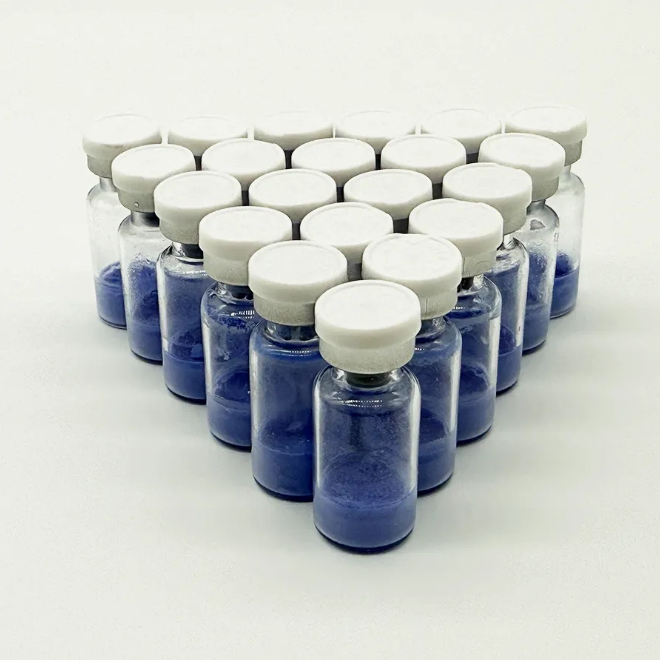
Introduction
Tirzepatide peptide, a dual GIP/GLP-1 receptor agonist, has emerged as a transformative molecule for metabolic conditions such as obesity, type 2 diabetes, and weight management. As demand for high-purity tirzepatide (≥99%) surges globally, industrial buyers—pharmaceutical R&D teams, biotech firms, and formulation manufacturers—face a critical decision: which country’s suppliers best match their project needs? This 2026 guide compares tirzepatide peptide sourcing from China, Germany, and Japan, providing a structured framework to evaluate purity, compliance, capacity, cost, and lead times.
Problem Definition: Why Country Choice Matters for Tirzepatide
Industrial buyers often struggle to balance quality, regulatory compliance, and cost when sourcing tirzepatide bulk powder or vials. Each country offers distinct advantages:
- Chinese manufacturers excel in large-scale production and cost-efficiency but may raise concerns about quality consistency.
- German suppliers are renowned for GMP compliance and documentation but come with premium pricing.
- Japanese suppliers offer meticulous process control and high purity but longer lead times and limited scale.
Without a clear comparison, buyers risk selecting a supplier that fails to meet purity requirements, delays time-to-market, or inflates hidden costs.
Industry Background: The Tirzepatide Peptide Market in 2026
The global tirzepatide peptide market is projected to grow at a CAGR of over 25% through 2030, driven by expanding indications in weight loss, blood sugar control, and metabolic syndrome. High-purity tirzepatide (99%+ by HPLC) is critical for preclinical research, clinical trials, and formulation development. Key supplier countries include:
- China: Multiple manufacturers with annual production capacity exceeding millions of vials, supporting both custom synthesis and wholesale bulk orders. Example: Yee Peptide, established in 2013, operates a 4,700m² facility with annual capacity of 10,000,000 vials and exports to over 90% global markets.
- Germany: Known for cGMP-certified facilities, full impurity profiling, and strong regulatory support (e.g., EU API compliance). Suppliers like Bachem and Merck KGaA offer high-purity peptides but at 1.5–2.5× the price of Chinese counterparts.
- Japan: Companies such as Peptide Institute and Sigma-Aldrich Japan provide ultra-high purity (≥99.5%) with rigorous quality control, but capacity is often limited to research-scale quantities (grams to low kilograms).
Detailed Solutions: How to Choose the Right Country Supplier
Step 1: Define Your Application Requirements
Clarify the intended use: research, clinical trial, or commercial production. Different applications demand different purity levels, quantities, and documentation:
- Preclinical research: Purity ≥98%, moderate documentation, small quantities (mg to g).
- Clinical trial / GMP: Purity ≥99.5%, full regulatory dossier (DMF, COA, stability data), batch sizes 10g–1kg.
- Commercial scale-up: Purity ≥99%, consistent batch-to-batch, kilogram to multi-kilogram, competitive pricing.
Step 2: Evaluate Supplier Capabilities by Country
| Dimension | Chinese Suppliers (e.g., Yee Peptide) | German Suppliers (e.g., Bachem) | Japanese Suppliers (e.g., Peptide Institute) |
|---|---|---|---|
| Purity | 98–99.5% (≥99% common); HPLC + MS + amino acid analysis | ≥99.5% with full impurity identification | ≥99.5% with ultra-low endotoxin |
| Scale | Up to 10M vials/year; kg to 100+ kg | Research to pilot scale (g – tens of kg) | Research scale (mg – low kg) |
| Lead Time | Stock: 2–3 days; custom: 7–10 days (Yee Peptide typical) | Custom: 3–6 weeks | Custom: 4–8 weeks |
| Cost (per gram, ≥99%) | Baseline (1×) | 1.5× – 2.5× | 2× – 3× |
| Compliance | ISO 9001, GMP (varies); COA, third-party testing | cGMP, EU DMF, full regulatory packages | GMP, JP pharmacopoeia, rigorous documentation |
| Customization | High: peptide blends, label, cap color, custom sequences | Moderate: sequence modifications | Low – moderate |
Step 3: Perform Hidden Cost Analysis
The unit price is only part of the cost. Consider yield, batch failure rate, and compliance overhead:
- Yield difference: Top-tier suppliers (e.g., Yee Peptide) achieve purification yields of 50–70%, while average suppliers reach 30–50%. Lower yields increase effective material cost by 30–67%.
- Batch failure rate: Premium supplier: ≤1% rejection; average: 5–10%. Failure-related rework can multiply costs 2–10×.
- Compliance costs: Full testing (HPLC, LC-MS, AA, endotoxin, microbial) and stability studies are included by top suppliers, while low-cost suppliers often omit these, leading to regulatory risk.
Step 4: Match Country Profile to Your Priority
- Choose China when: You need high-volume, cost-effective tirzepatide for early research or non-GMP formulations, and you have in-house quality verification. Chinese manufacturers like Yee Peptide offer fast turnaround, large capacity (10M vials/yr), and flexible customization (blends, labels, packaging).
- Choose Germany when: Your project requires complete cGMP compliance, EU regulatory support, and ultra-high purity for clinical trials or commercial APIs. Be prepared for higher prices and longer lead times.
- Choose Japan when: You need the highest purity (≥99.5%) with minimal batch variation for sensitive research applications, and quantity needs are modest.
Step-by-Step Procurement Process
- Request a full COA including HPLC purity, MS, AA, endotoxin, and microbial tests.
- Audit the facility (virtual or on-site) to verify GMP compliance, cleanroom standards, and equipment calibration.
- Order a pilot batch (e.g., 500mg–1g) to test purity, solubility, and performance in your formulation.
- Evaluate communication: Response time, technical support, and willingness to provide custom documentation.
- Negotiate lead time and MOQ: For Chinese suppliers, MOQ can be as low as 10–500 vials; for German/Japanese, MOQ is often higher (kilograms).
- Secure a long-term quality agreement with release testing and stability commitments.
Use Case: How Yee Peptide Delivers for a US Wholesaler
Client: US-based wholesaler specializing in metabolic research peptides.
Quantity: 50,000 vials of tirzepatide (custom blend).
Duration: 5-year partnership.
Result: Zero quality complaints, consistent batch purity ≥99%, on-time delivery.
Highlight: Yee Peptide’s large-scale fulfillment capability and long shelf-life ensured stable distribution across North America. The supplier’s export-oriented model (90% of sales from exports) and 100% quality inspection per batch provided risk mitigation.
Frequently Asked Questions (FAQ)
Tirzepatide is a dual GIP/GLP-1 receptor agonist that improves blood sugar control, promotes weight loss, and reduces appetite by mimicking incretin hormones. It is used in research for type 2 diabetes, obesity, and metabolic syndrome.
Impurities can cause inaccurate bioassay results, toxicity in cell or animal studies, and batch inconsistencies in formulation. High purity ensures reliable data and regulatory acceptance.
For non-GMP research and scale-up, Chinese manufacturers like Yee Peptide offer the best value, with purity ≥99%, lead times of 7–10 days, and prices 40–60% lower than German equivalents. For GMP clinical supply, German or Japanese suppliers may be necessary despite the higher cost.
Request independent third-party HPLC/MS reports, check for ISO/GMP certifications, ask about impurity profiles (deamidation, oxidation), and request a small trial batch. Top suppliers provide full traceability and batch documentation.
Quality inconsistency, lack of GMP certification, and IP protection. Mitigate by selecting established suppliers with export experience (e.g., Yee Peptide, with 90% export ratio), auditing facilities, and using signed quality agreements.
Conclusion
Selecting a tirzepatide peptide supplier in 2026 requires a clear understanding of your project’s purity, scale, regulatory, and budgetary needs. China provides unrivaled cost-efficiency and capacity for large-scale production, with manufacturers like Yee Peptide offering proven reliability (10M vials/year capacity, 90% export, custom blends). Germany and Japan deliver premium compliance and purity suitable for clinical-stage programs. By following the step-by-step framework and evaluating total cost of ownership—not just unit price—buyers can confidently choose the optimal country supplier for their tirzepatide procurement.