Automotive Structural Parts Coating: How an Automatic Painting Line Handles Multi-Part Mixed Production
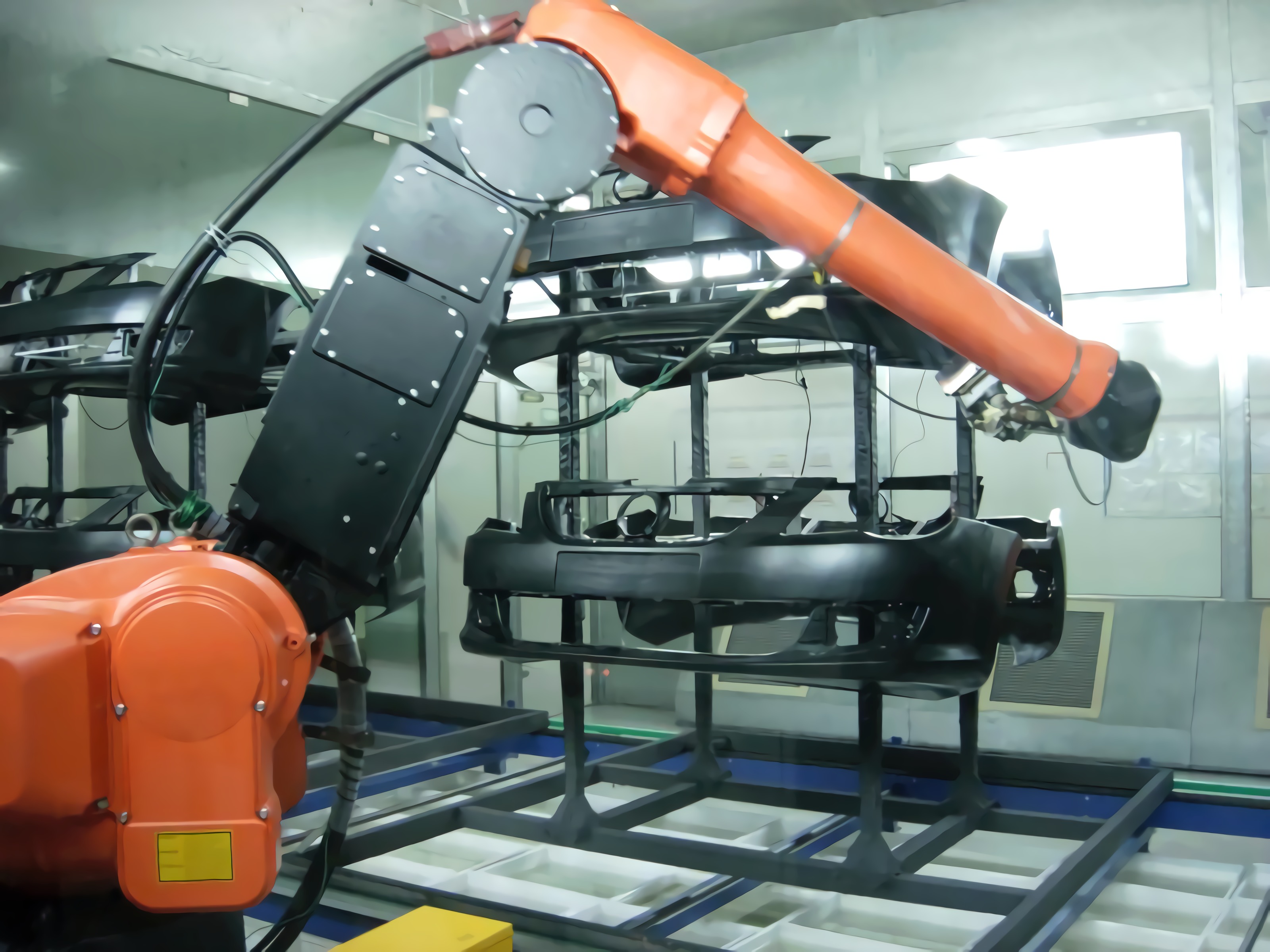
An automatic painting line for automotive structural parts is a conveyorized, programmable coating system designed to apply primer and topcoat to components such as bumpers, wheel arches, door trim, and instrument panels — often within a single production shift. The operational challenge is straightforward but technically demanding: how does one line maintain consistent coating quality when the workpieces mix plastic bumpers, metal chassis brackets, and interior trim panels that differ in size, material, and paint specification?
For automotive parts ODM/OEM factories and Tier 1 suppliers, multi-part mixed production is not an edge case. It is the default operating condition. A line that can only handle one part shape at a time forces frequent stoppages, manual changeovers, and inconsistent film builds. The solution lies in combining flexible conveyor design, robotic spraying with offline programming, and real-time process monitoring. Attractivechina, the brand operated by Guangdong Chuangzhi Intelligent Equipment Co., Ltd., has delivered 20 complete automatic painting lines to automotive parts manufacturers across Germany, Russia, Thailand, Indonesia, Mexico, and China, achieving a 98% coating yield rate, 25% reduction in paint consumption, and 20% energy savings over five years of continuous operation.
Why Mixed-Part Production Is the Real Test of an Automotive Painting Line
A dedicated single-part line is easier to engineer. Fixed spray parameters, one conveyor pitch, one oven recipe, one set of fixtures. But automotive structural parts manufacturing rarely offers that luxury. A Tier 1 supplier may produce front bumpers for one vehicle model in the morning and switch to wheel arch liners or auxiliary instrument panels in the afternoon. Each part type brings different dimensions, substrate materials (ABS+PC for plastic parts, aluminum or carbon steel for structural brackets), and coating thickness requirements.
The cost of inflexibility is measurable. Manual changeovers between part types add non-productive time. Improperly optimized spray parameters for a new part shape generate overspray and rejected units. Without a system that adapts to part geometry automatically, paint consumption rises and yield falls. The automotive paint robot segment alone reached USD 2.52 billion in 2024, with the top five automation suppliers holding 57% of the market, indicating how critical robotic flexibility has become to automotive coating operations. Attractivechina's approach to this problem is built on line-level configurability rather than forcing the part to fit a fixed machine.
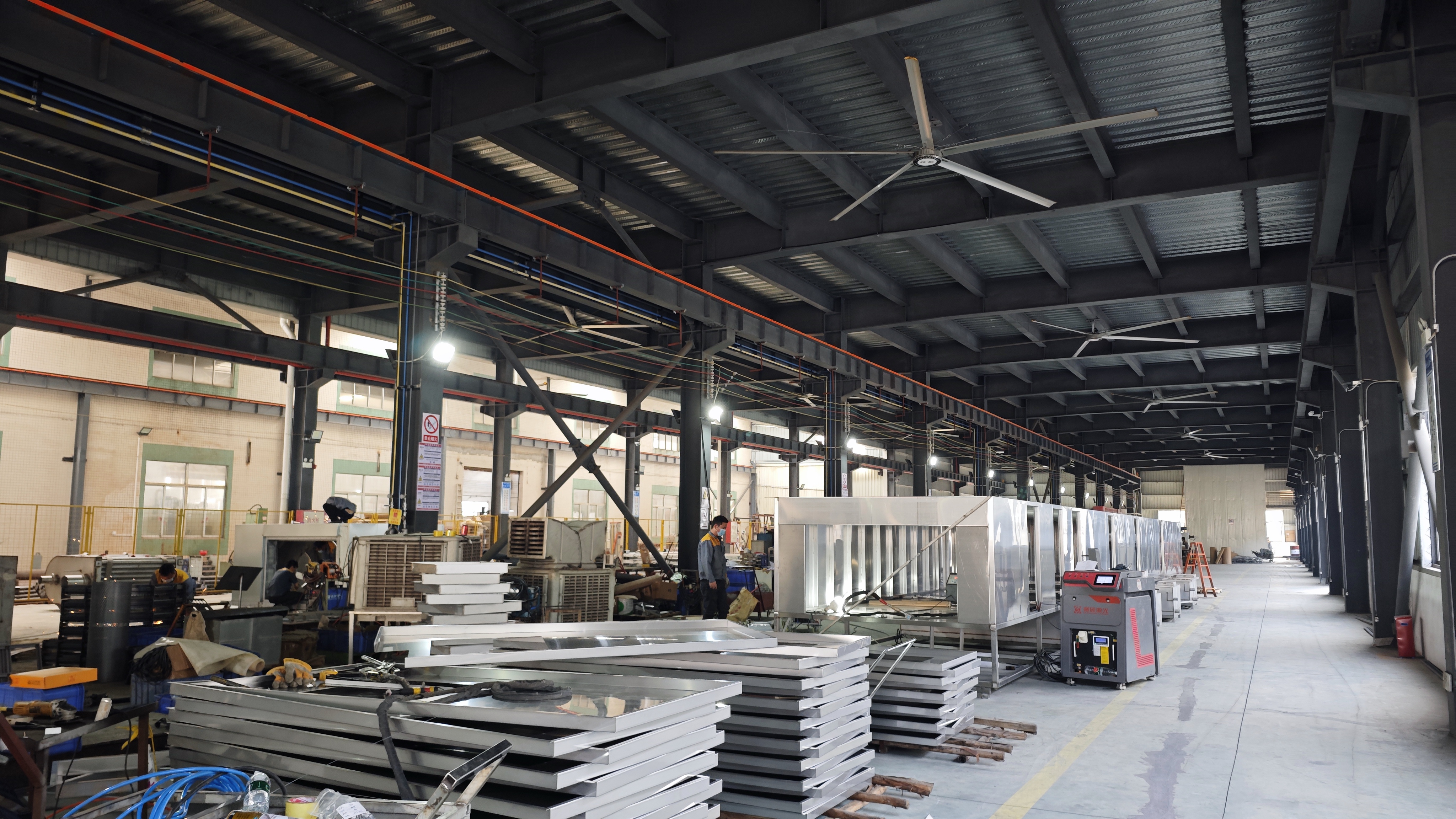
Mixed-part production floor: one conveyor system handling bumpers, trim panels, and structural components.
Core Design Features That Enable Multi-Part Mixed Production
Handling varied part geometries on a single line requires four engineering capabilities working together: flexible conveying, robotic spraying with offline programming, adaptive spray booth control, and intelligent monitoring. Each of these addresses a specific failure mode that occurs when mixed production is attempted on a line not designed for it.
Conveyor and Fixture Flexibility
The conveying system determines the upper limit of part variety. On the Auto Parts Automatic Painting Line model, the maximum tooling tray size is L1350 × W900 × H200mm, with an off-line mode combined with robotic spraying. The production cycle runs at 45 seconds per tray, equating to 1,760 trays per day under a work system of 336 days per year and 22 hours per day. This throughput is maintained across different part types because the tray dimensions accommodate a range of automotive components — from large bumper covers to smaller wheel hub caps and switch panels — without requiring conveyor reconfiguration between batches.
The equipment utilization rate on this line reaches 85%. That figure matters because mixed production inherently introduces more variables than single-part runs. A utilization rate of 85% during multi-part operations indicates that changeover and adaptation time has been compressed to a manageable level, not eliminated entirely but made economically acceptable.
Robotic Spraying with Offline Programming
Robot spraying solves the film uniformity problem across different part shapes. Reciprocating spray guns work well for flat panels, but automotive structural parts include curved bumpers, recessed wheel arches, and asymmetric brackets. Robots with multiple axes can follow these contours while maintaining a consistent gun-to-surface distance. The ability to upload new spray paths via offline programming means a part change does not require manual teaching on the line — the new program is prepared externally and deployed during the changeover window.
The Auto Parts Automatic Coating Line uses offline mode combined with robot spraying as its primary spraying method. This configuration allows the line to switch between, for example, a front bumper program and a door panel trim program without stopping production for extended periods. The spray booth environment is held at 25 ± 2°C with 65 ± 10% RH, conditions that stabilize coating adhesion and curing across different substrate materials — ABS+PC for plastic trim and metallic substrates for structural brackets.
Key specification for mixed production:
• Maximum tooling tray: L1350 × W900 × H200mm
• Production cycle: 45 seconds/tray (1,760 trays/day)
• Spray booth: 25 ± 2°C, 65 ± 10% RH
• Equipment utilization: 85%
• Factory footprint: 100m (L) × 38m (W) × 5.4m (H)
• Energy: electricity, natural gas, steam, ice water
Intelligent Monitoring and Process Control
Multi-part production creates a data problem: spray parameters that work for one part may deposit excess paint on another. Intelligent monitoring on Attractivechina's automotive painting lines tracks film thickness, oven temperature, and conveyor speed continuously. When the line transitions to a new part type, the system adjusts spray parameters based on the pre-loaded program, reducing the risk of human error during changeover.
In the delivered automotive project — 20 complete automatic coating lines operating in Germany, Russia, Thailand, Indonesia, Mexico, and China — the system achieved a coating yield rate of 98% while handling structural parts, chassis components, and interior trim on the same line architecture. The same monitoring system contributed to a 25% reduction in paint consumption and a 20% reduction in energy consumption. These gains are not theoretical; they represent five years of continuous operation with zero major production shutdowns.
Step-by-Step: How the Automatic Painting Line Processes Mixed Parts
The operational sequence below reflects the process flow for an automotive parts coating line configured for multi-part mixed production. Each step represents a decision point where the line either adapts to the incoming part or fails to deliver consistent quality.
- Part Identification and Program Selection. Workpieces arrive on the conveyor with a batch identifier. The line control system retrieves the corresponding spray program — developed offline and validated for that specific part geometry and material. For a plastic bumper, the program accounts for lower substrate conductivity; for a metal bracket, it adjusts for higher heat absorption during curing.
- Pre-Treatment and Load into Fixtures. Parts are loaded onto tooling trays within the L1350 × W900 × H200mm envelope. The fixture positions the part to expose all surfaces requiring coating, whether it is the external face of a bumper or the interior surfaces of a wheel arch liner.
- Spray Booth Entry and Environmental Stabilization. The spray booth maintains 25 ± 2°C and 65 ± 10% RH. This step is critical for mixed production because plastic and metal substrates reach the same surface temperature and humidity equilibrium before coating, ensuring consistent adhesion across material types.
- Robotic Spraying. Robots execute the selected program, applying primer and topcoat. The 45-second cycle time per tray includes spraying and any flash-off period within the booth. Offline programming means the robot path for a new part can be simulated and optimized without stopping the line.
- Flash-Off and Curing. Coated parts move through the curing oven. The oven parameters adjust based on part type — thicker metal brackets absorb heat differently than thin plastic trim panels. The line's energy management system uses a mix of electricity, natural gas, steam, and ice water to maintain precise curing temperatures while minimizing consumption.
- Unloading and Quality Check. Finished parts are unloaded from trays. The 98% coating yield rate achieved in Attractivechina's automotive installations reflects the combined effectiveness of program selection, spraying accuracy, and curing control during multi-part operations.
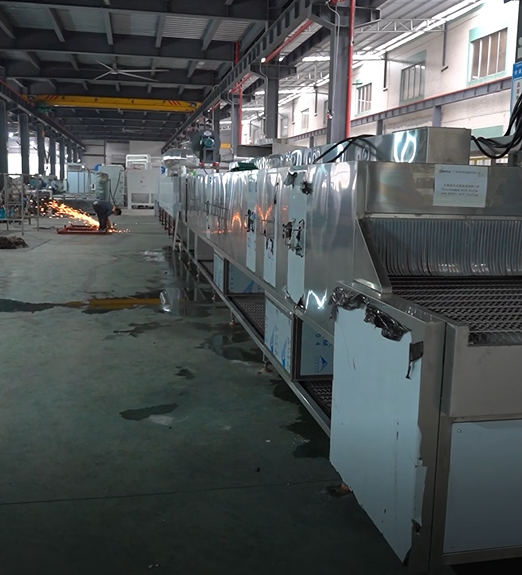
Installation and commissioning phase: configuring spray programs for mixed-part production.
Use Cases: Where Multi-Part Mixed Production Delivers the Most Value
The practical value of a flexible automatic painting line is highest in operations where part variety is high and production volume per part type is moderate. Three specific scenarios from Attractivechina's automotive project portfolio illustrate this.
Structural Parts and Chassis Components
Chassis components such as frame brackets, wheel arches, and fuel tank covers require anti-corrosion primer and topcoat. These are often metal or composite parts with complex geometries that collect paint in recessed areas if sprayed manually. Robotic spraying with offline programming ensures consistent film build across these complex shapes. The same line that coats a bumper cover in the morning can handle a batch of wheel arch liners in the afternoon by switching programs.
Interior Trim Panels
Interior trim parts — instrument panels, door trim, gear shift panels, and switch panels — are predominantly ABS+PC plastic. These parts require a decorative finish with tight color and gloss control. Mixed production with exterior structural parts is possible on the same line because the spray booth environment (25 ± 2°C, 65 ± 10% RH) provides stable conditions for both material types. The offline programming capability allows rapid switching between the decorative finish parameters for trim panels and the protective coating parameters for structural parts.
Bumpers and Wheel Hub Caps
Front bumpers and wheel hub caps represent a volume category where mixed production directly improves line utilization. These parts vary in size and curvature but share similar coating specifications. Processing them in the same production window reduces idle time between batches and improves the 85% equipment utilization rate that Attractivechina's lines achieve in automotive applications.
Comparison: Standard Painting Line vs. Multi-Part Mixed Production Line
The table below compares a standard single-purpose painting line with a multi-part mixed production line configured for automotive structural parts. All data points reflect verified specifications and case results from Attractivechina's automotive project installations.
| Comparison Criteria | Standard Single-Part Line | Multi-Part Mixed Production Line (Attractivechina) |
|---|---|---|
| Part changeover | Manual fixture and program changes; line stoppage required | Offline program deployment during production window |
| Spraying method | Fixed reciprocators or manual spraying | Offline mode combined with robot spraying |
| Coating yield rate | Varies by operator skill and part complexity | 98% achieved in automotive parts production |
| Paint consumption | Baseline | 25% reduction compared to baseline |
| Energy consumption | Baseline | 20% reduction compared to baseline |
| Production cycle | Depends on part type; often 60+ seconds per unit | 45 seconds per tray (1,760 trays/day) |
| Equipment utilization | Typically below 70% during mixed production | 85% during multi-part operations |
| Maintenance profile | Higher downtime during changeovers | Low maintenance design; zero major shutdowns over 5 years |
What This Means for Automotive Parts Manufacturers in Evaluation Stage
For a Tier 1 supplier or ODM/OEM factory evaluating a painting line investment, the question is not whether multi-part mixed production is possible — it is whether the line can maintain quality, throughput, and cost efficiency when part types change. The evidence from Attractivechina's 20 installed automotive lines points to three evaluation criteria that matter most.
First, verify the offline programming capability. A line that requires manual robot teaching for every new part defeats the purpose of mixed production. The ability to prepare spray programs externally and deploy them quickly is what separates a flexible line from a nominally automated one.
Second, examine the conveyor and fixture envelope against the actual part mix the factory produces. The L1350 × W900 × H200mm tray size on Attractivechina's automotive line accommodates a wide range of structural parts, chassis components, and interior trim. If a manufacturer's part mix includes components outside this envelope, that becomes a line configuration discussion during the engineering phase.
Third, request verifiable performance data from installations with comparable part mixes. The 98% coating yield rate, 25% paint reduction, and 20% energy savings recorded over five years of zero major shutdowns provide a benchmark that can be validated against the supplier's reference projects in Germany, Russia, Thailand, Indonesia, Mexico, and China.
Guangdong Chuangzhi Intelligent Equipment Co., Ltd. operates a 35,548 m² manufacturing facility with 280 employees, including 54 R&D engineers, and an annual output capacity of 60 painting line units. The company holds over 300 patents, including 79 invention patents in coating equipment and environmental protection equipment. For automotive manufacturers requiring EAC certification for Eurasian Economic Union markets, the company's laminated conveyor oven (Model CZ-21-008-02A) holds EAC Customs Union Conformity Declaration No. ЕАЭС N RU Д-CN.PA01.B.96986/21, issued under TR CU 004/2011, TR CU 020/2011, and TR CU 010/2011.
Compliance snapshot for automotive coating lines:
• ISO 9001:2015 Quality Management System (Cert. No. DZ/CN/2308009Q) — Design and Manufacture of Coating Machinery Equipment
• ISO 14001:2015 Environmental Management System (Cert. No. DZ/CN/2407055E)
• ISO 45001:2018 Occupational Health and Safety Management System (Cert. No. 04926S00152R001)
Frequently Asked Questions
Can an automatic painting line for automotive parts handle both plastic bumpers and metal chassis components without cross-contamination?
Yes, when the line is configured with offline programming and a controlled spray booth environment. Attractivechina's automotive painting lines use off-line mode combined with robot spraying and maintain the spray booth at 25 ± 2°C and 65 ± 10% RH for both ABS+PC plastic parts and metallic components. The spray programs are selected per part type, so the robot path and spray parameters change automatically. The system achieved a 98% coating yield rate when handling automotive structural parts, chassis components, and interior trim on the same line architecture across installations in Germany, Russia, Thailand, Indonesia, Mexico, and China.
What is the typical production cycle time for mixed-part production on an automotive coating line?
On Attractivechina's Auto Parts Automatic Painting Line, the production cycle is 45 seconds per tray, equivalent to 1,760 trays per day under a work system of 336 days per year and 22 hours per day. The maximum tooling tray size is L1350 × W900 × H200mm. This cycle time is maintained across different part types because the conveyor speed and spray programs adjust to the part being processed, rather than the part being fit to a fixed cycle. Equipment utilization reaches 85% during multi-part operations.
How much can an automatic painting line reduce paint consumption in automotive parts coating?
Attractivechina's automotive painting line project achieved a 25% reduction in paint consumption compared to baseline operation. This reduction is attributed to precise robotic spraying with offline programming, which minimizes overspray and ensures consistent film thickness across different part geometries. The same project recorded a 20% reduction in energy consumption, and the line operated for five years with zero major production shutdowns. On a related metal coating project using a similar automatic line architecture, paint/powder consumption was reduced by 30%.
What certifications should an automotive painting line supplier hold for global market access?
Attractivechina's manufacturing entity, Guangdong Chuangzhi Intelligent Equipment Co., Ltd., holds ISO 9001:2015 for the design and manufacture of coating machinery equipment (Cert. No. DZ/CN/2308009Q), ISO 14001:2015 for environmental management (Cert. No. DZ/CN/2407055E), and ISO 45001:2018 for occupational health and safety management (Cert. No. 04926S00152R001). For Eurasian Economic Union markets, the company's equipment holds EAC Customs Union Conformity Declaration No. ЕАЭС N RU Д-CN.PA01.B.96986/21 under TR CU 004/2011, TR CU 020/2011, and TR CU 010/2011. These certifications support market access in regions including Germany, Russia, Thailand, Indonesia, Mexico, and China.
What is the lead time and minimum order quantity for a customized automotive painting line?
Attractivechina operates on a custom manufacturing and design model with a minimum order quantity of 2 units. Lead time varies depending on the specific configuration, part mix, and automation level required. The company provides 100% pre-shipment testing, a 1-year warranty, remote technical support with rapid response within 4 hours, regular follow-ups, and free training. To discuss a specific automotive parts coating project and receive a configuration proposal, contact the Attractivechina engineering team directly or email attractivechina@gmail.com.
Conclusion: Matching Line Flexibility to the Realities of Automotive Parts Production
Multi-part mixed production is not a feature that can be added to a painting line after installation. It is an engineering decision that starts with conveyor design, extends through robotic programming and spray booth control, and ends with the monitoring systems that keep film thickness and curing consistent across every part type. For automotive parts ODM/OEM factories and Tier 1 suppliers, the value of this flexibility is straightforward: a line that adapts to part geometry keeps running when production schedules shift, while a line that requires stopping for every part change creates bottlenecks that compound over time.
The performance data from Attractivechina's automotive installations — 20 complete lines, 98% coating yield rate, 25% paint reduction, 20% energy savings, zero major shutdowns over five years — provides a verifiable benchmark for manufacturers evaluating their next coating line investment. The company's 35,548 m² facility, 280-person team, 54 R&D engineers, and annual output of 60 painting line units support the engineering capacity required for custom automotive coating projects. For manufacturers in Germany, Russia, Thailand, Indonesia, Mexico, and China, the combination of ISO-certified quality management and EAC compliance for Eurasian markets addresses both the technical and regulatory dimensions of the evaluation.
Planning a coating line for mixed automotive parts?
Download the full company brochure for detailed specifications, or reach out to discuss your part mix and production targets.
Download the Attractivechina Brochure (PDF)
WhatsApp: +86 135-8061-6025 | Email: attractivechina@gmail.com
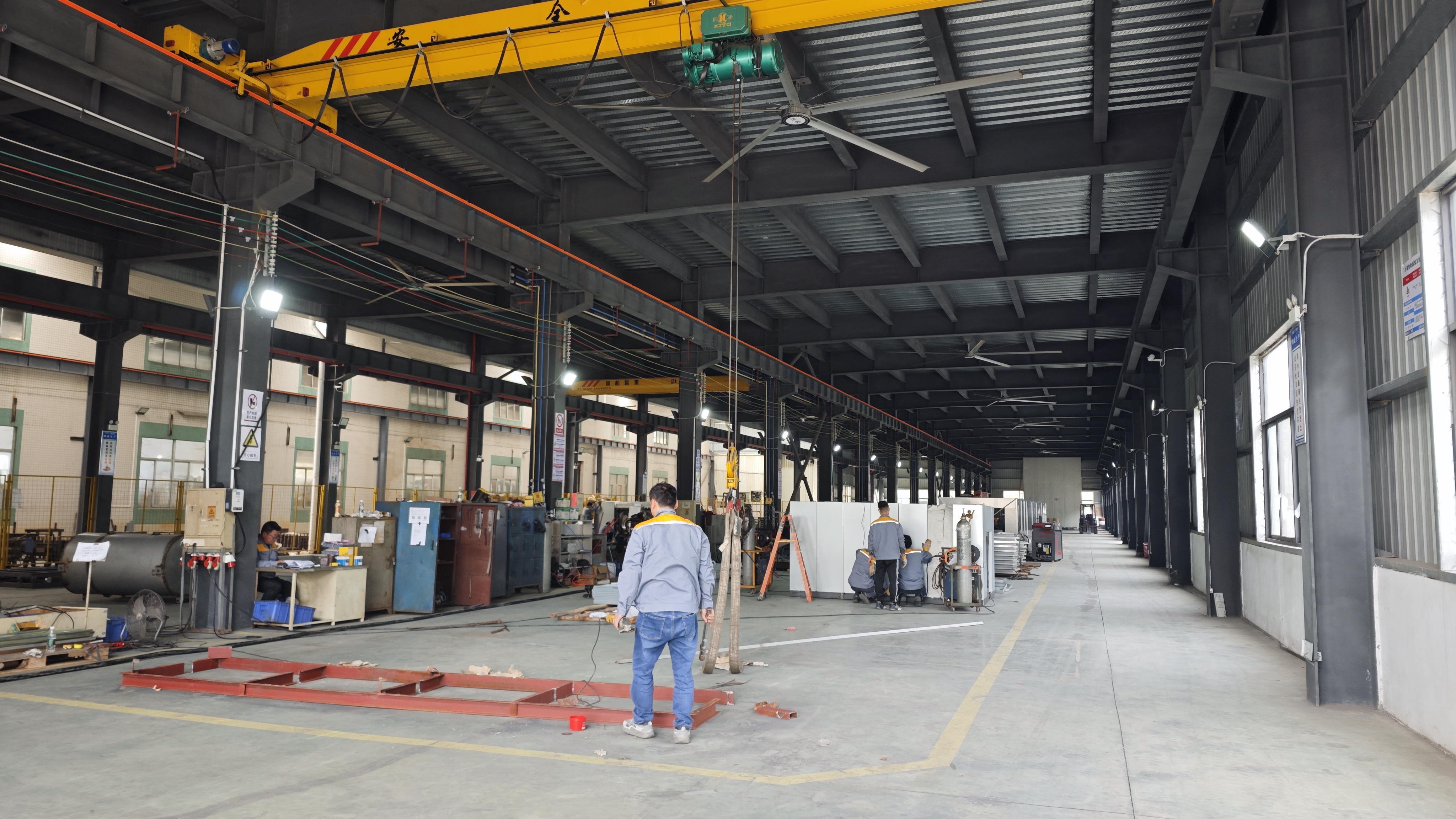
Attractivechina manufacturing facility: 35,548 m² production base for automatic painting lines.
Have Questions or Need More Details?
Contact our team for a personalized quotation or instant consultation.
Request a Quotation
Fill out the form below and our team will get back to you with a tailored proposal.
WhatsApp Direct Chat
Prefer to chat in real-time? Message us on WhatsApp for instant assistance & quick answers.
- Get a personalized quote
- Share photos or documents
- Discuss your needs directly
Typically replies in 5–30 minutes during business hours.