
Robotic vs. Offline Mode Control in Auto Parts Coating Lines
A head-to-head decision guide for automotive OEMs and tier suppliers coating bumpers and wheel hubs.
Direct answer: On an Auto Parts Automatic Coating Line, robotic spraying and offline-mode control operation are not two rival machines. They are two control layers answering two different questions. Robotic spraying governs how the spray gun moves, and it is the layer that carries visible-surface risk on large, curved bumper geometry. Offline-mode control governs how the line runs when nobody is standing in the booth, and it is the layer that carries repeatability, cycle stability and uptime risk on high-volume wheel hub geometry. The configuration referenced in this comparison pairs both: the auto parts line runs 336 days per year, 22 hours per day at 85% utilization in offline mode control plus robot spraying. The correct trade-off is therefore chosen per workpiece family — bumper or wheel hub — not per preference.
Bumpers and wheel hubs are frequently scheduled on the same line, quoted by the same supplier, and approved by the same purchasing committee. They stress a coating line in almost opposite ways. A bumper is a large, curved, visible part where a film thickness deviation reads immediately as a defect. A wheel hub is a smaller, rotationally symmetric part produced in volume, where the cost of a stopped cycle or a re-taught programme is paid again on every subsequent part.
That asymmetry is the whole decision. It determines whether you want the control system to be intelligent about geometry, or simply relentless about repetition.
Problem Definition: Why Bumper and Wheel Hub Pull the Decision Apart
Most control-mode mistakes in auto parts coating fall into three recognisable patterns.
- Buying motion capability the workpiece does not need. A part family with a single, repeating geometry can be carried by a stored programme cycle; specifying a full robotic path architecture for it adds capital and engineering hours without changing the coating result.
- Buying repeatability for a surface that is not repeatable. Large, curved, class-A visible parts are where programme-only cycles show their limits first, because the geometry varies along the part and film thickness has to be managed across that variation.
- Treating the two layers as alternatives. In practice, an auto parts line that runs 22 hours a day cannot stop for programming, and it cannot run unattended without a programme. The decision is not which layer to install, but which layer receives the investment, the engineering attention and the validation effort.
The practical decision therefore rests on three inputs: the workpiece geometry family (bumper versus wheel hub), the volume mix and model/colour change frequency per shift, and the film thickness tolerance that the customer's appearance and anti-corrosion specifications actually allow.
Industry Background: Why Control Architecture Is Now a Procurement Item
Coating capacity decisions are being made inside a market where automotive demand sets the equipment roadmap. Automotive remained the primary application sector for smart coatings in 2025, accounting for 24.0% of overall revenue (Grand View Research). Asia-Pacific posts the fastest regional growth at a 17.1% CAGR (Market Research Future), while multi-layer smart coatings are projected to grow at a 22.6% CAGR between 2026 and 2033 (Grand View Research). On the functional side, the anti-corrosion segment held approximately 29% of the smart coatings market in 2024 (Mordor Intelligence) — a reminder that durability specifications, not only appearance, set the film build targets that the control system must hold.
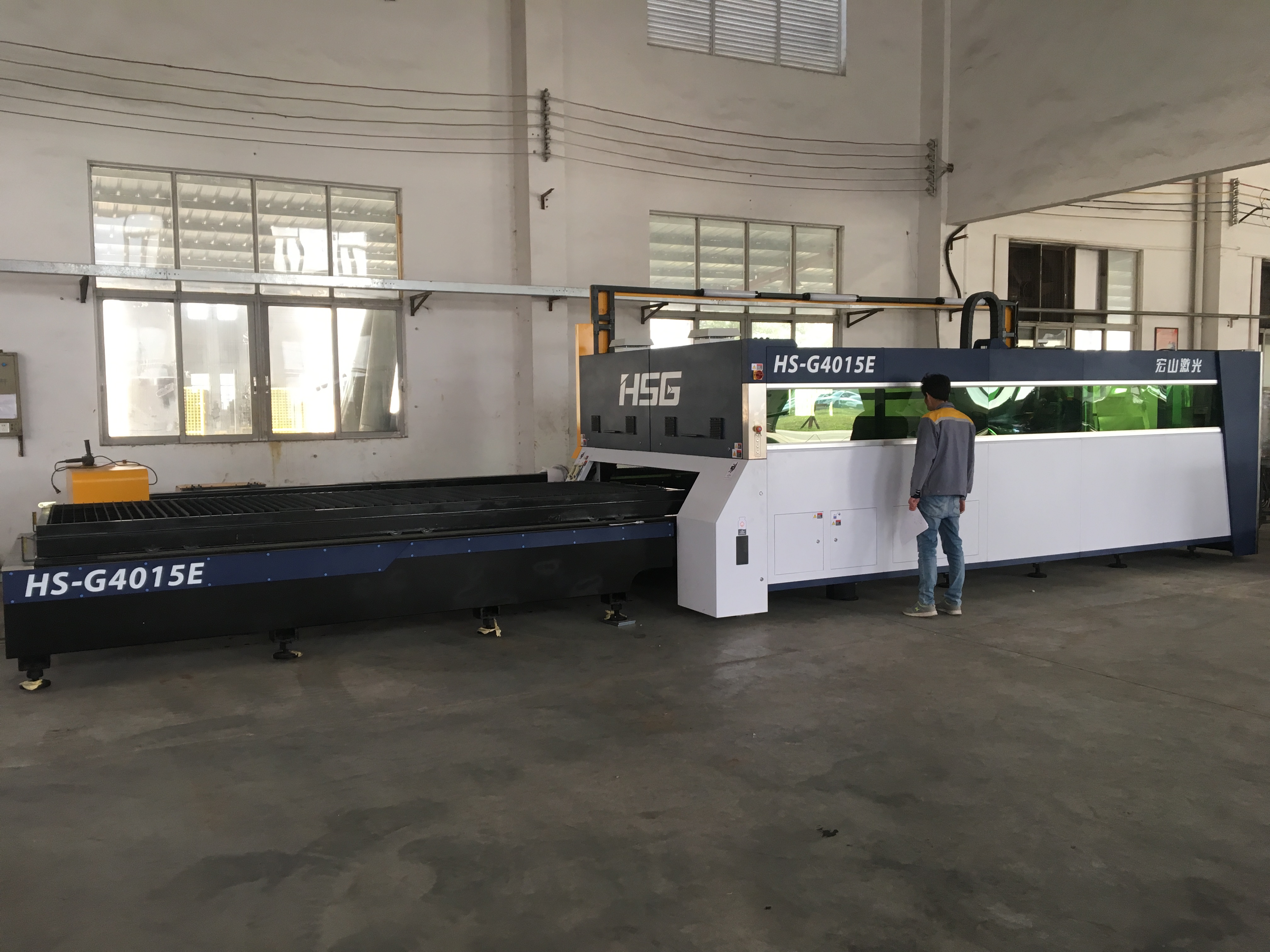
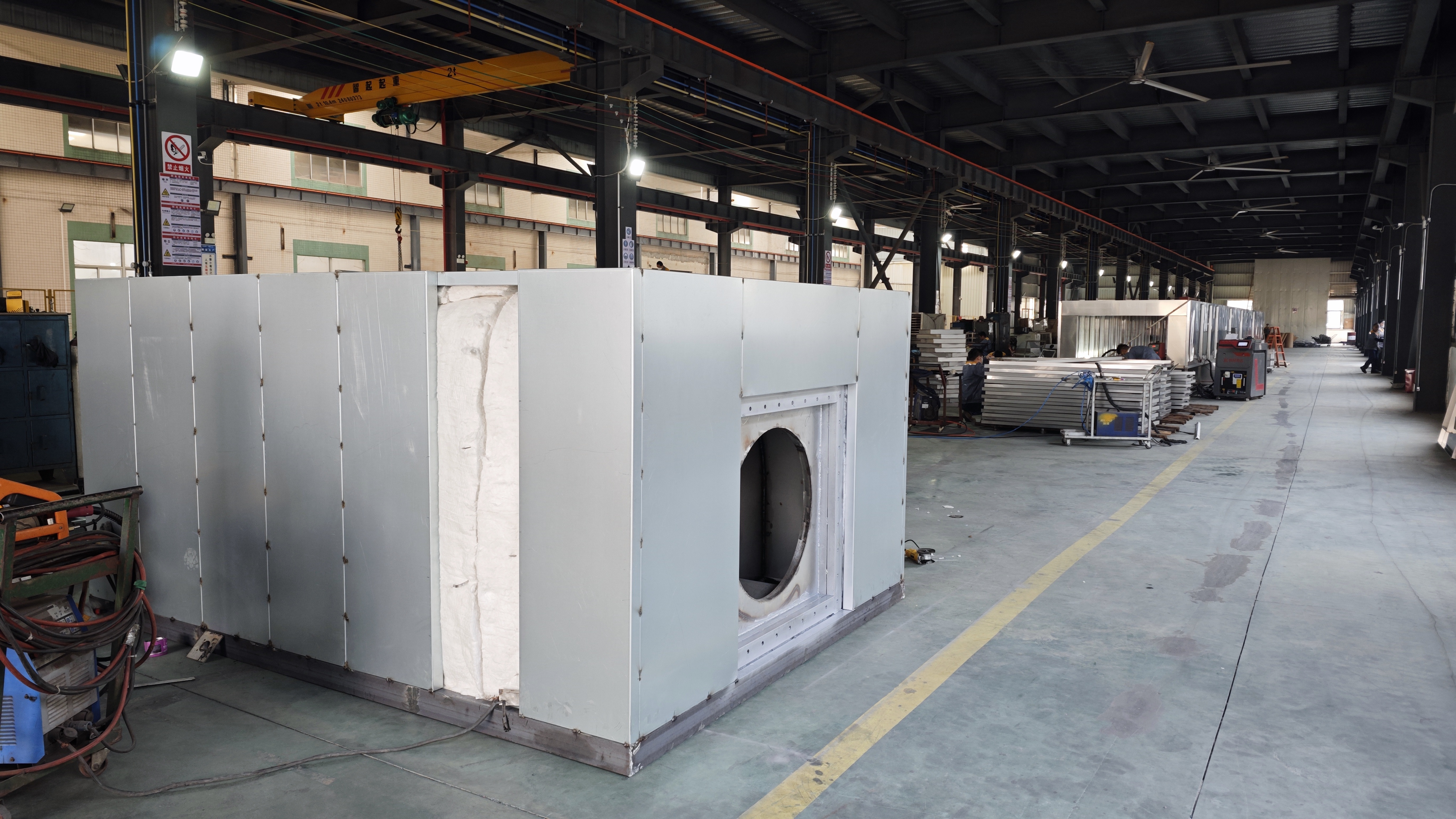
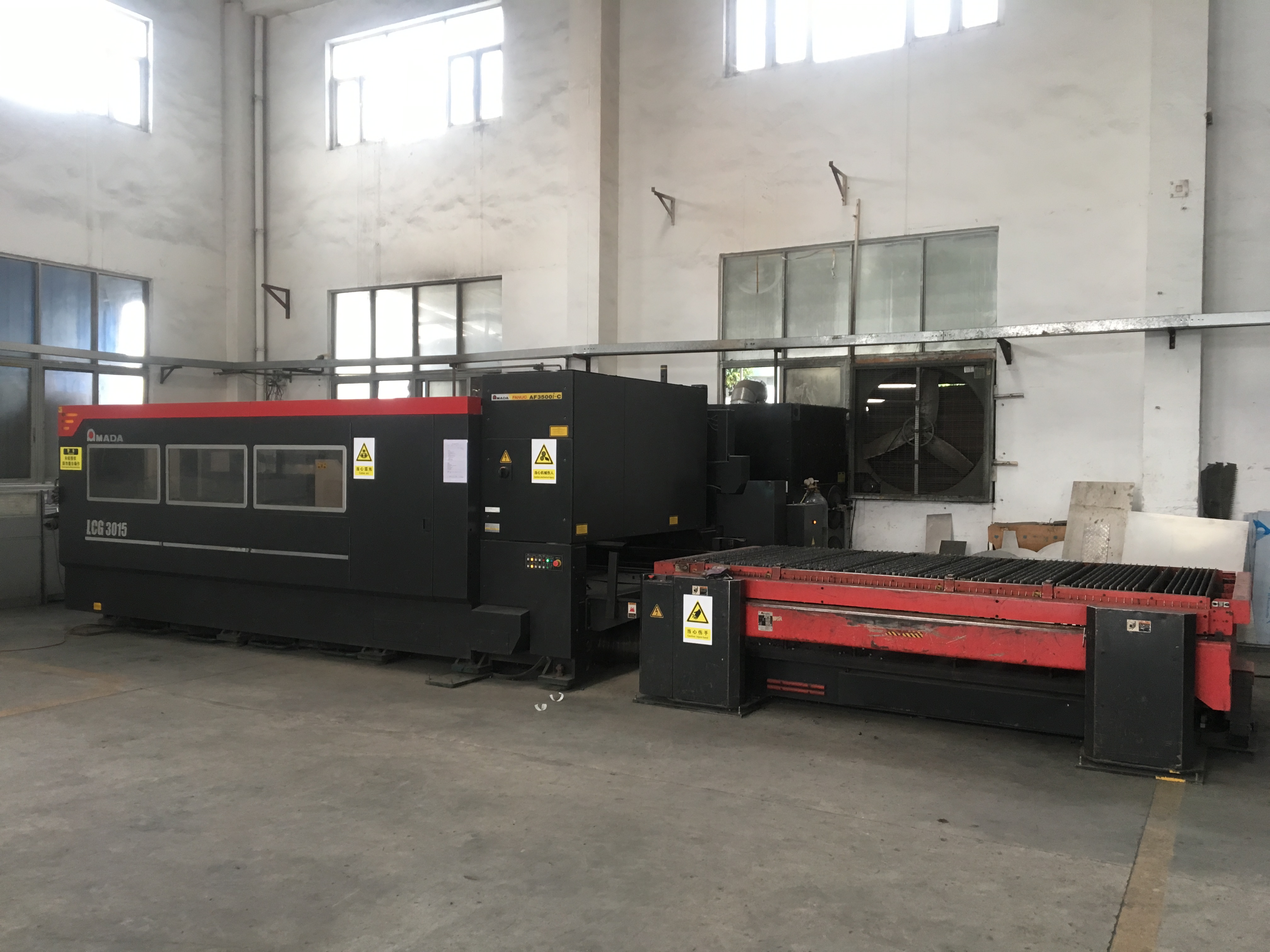
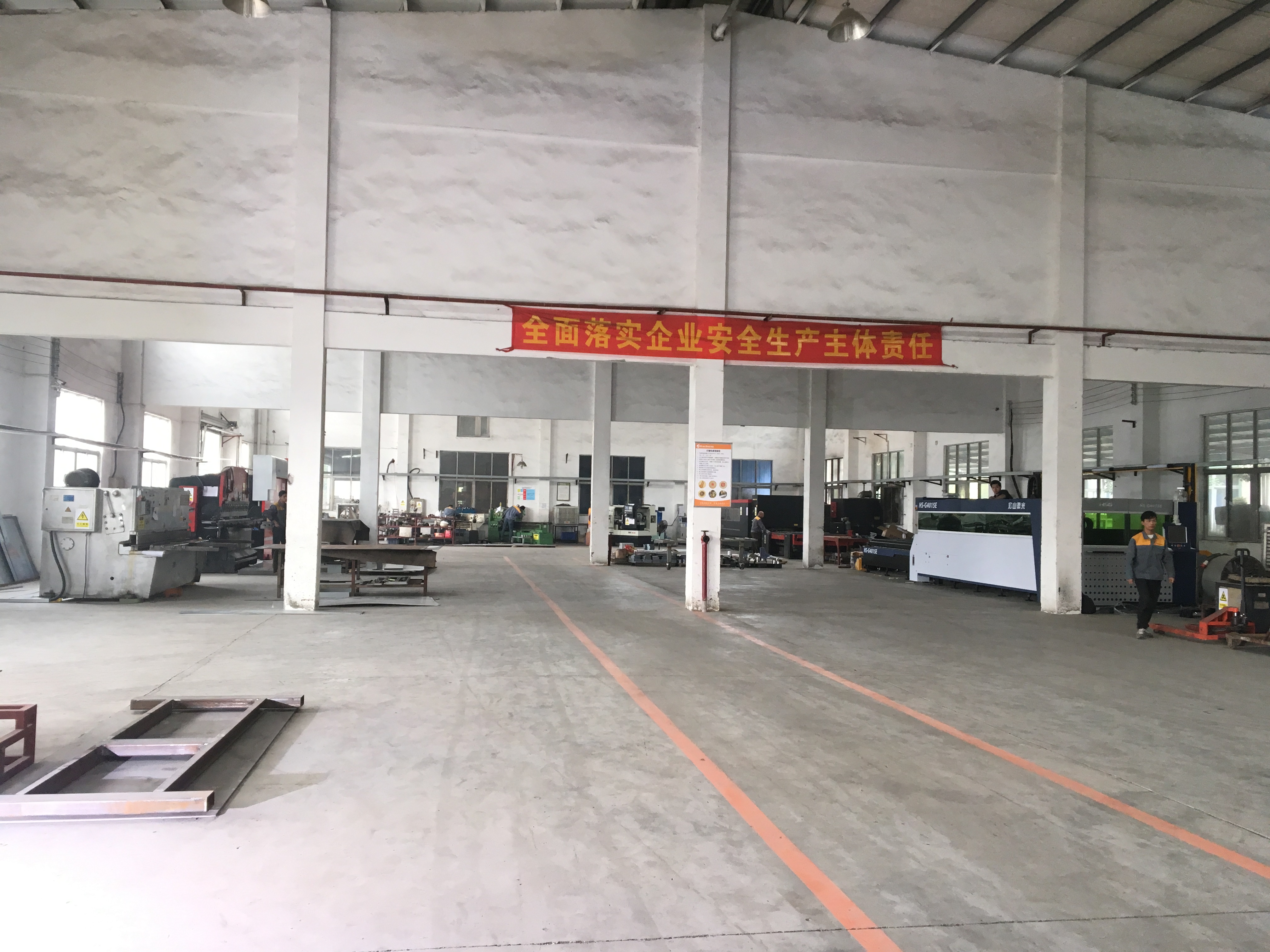
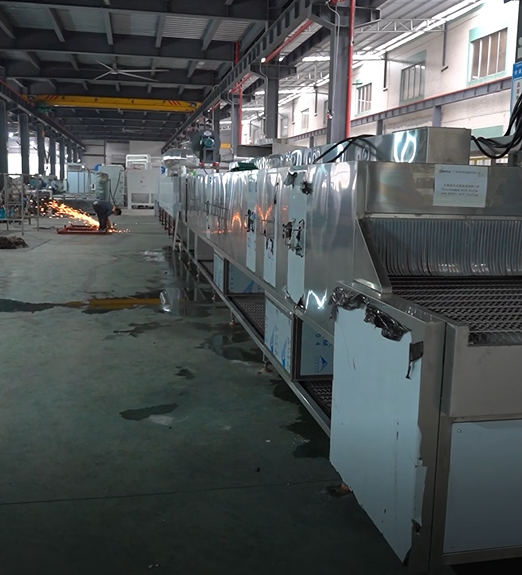
On the supply side, Guangdong Chuangzhi Intelligent Equipment Co., Ltd. (brand: Attractivechina) is a coating line manufacturer and solution provider based in the National High-tech Industrial Development Zone of Zhaoqing City, Guangdong Province, China. The company was founded in 2005, operates a self-owned site of approximately 35,548 m² with 280 employees, produces 60 units annually, and reports an R&D team of 54 engineers, 79 invention patents within more than 300 patents in coating and environmental protection equipment, and an export ratio of 20% across markets including Vietnam, Indonesia, Brazil, Turkey, Thailand, Saudi Arabia, Mexico, the United States and Russia. It states more than 30 years of experience in overall solutions for coating production lines, and lists auto parts, rail transit, furniture, musical instruments, cookware, home appliances, metallic products, low-altitude equipment and heavy industrial equipment among its served industries.
Two statements from that portfolio matter directly to this comparison. First, the company describes its coating lines as using a programmable digital control system, robot spraying, flexible production and an unmanned intelligent manufacturing process, with compact structure, a high degree of automation and real-time control production. Second, it states that MES, ERP and PLM digital factory management systems are integrated to realise remote management, quality control and production traceability. In other words, the robotic-versus-offline question is not a technology gap in the industry — it is a configuration choice inside an already automated architecture.
The Two Control Layers, Defined
Robotic spraying: the motion layer
Robotic spraying means the spray gun is carried by a robot rather than by a fixed reciprocator or a human operator. It is the layer that determines whether a gun can follow the curvature of a bumper, reach the recesses around a wheel hub face, and hold a consistent stand-off distance along the part. In the line configuration described here, robotic automated spraying is combined with real-time film thickness monitoring, which gives the motion layer a measurement loop rather than a fixed guess.
Offline-mode control operation: the sequence layer
Offline-mode control means the line executes a stored programme under a programmable digital control system, so coating continues without an operator in the booth. The operator's role moves out of the spray zone and into the programme library: creating recipes, versioning them, and recalling the correct one for the next workpiece family. This layer also carries the line's fault behaviour, since PLC intelligent monitoring and fault self-diagnosis sit at the sequence level, not the motion level.
Both layers appear in the same sentence in Attractivechina's own line description — programmable digital control alongside robot spraying — which is why the operating profile used in this article combines them: 336 days per year, 22 hours per day, 85% utilization, offline mode control plus robot spraying.
Head-to-Head: Six Decision Dimensions
1. Flexibility across workpiece families
A bumper programme is geometry-driven; a wheel hub programme is count-driven. Where a plant coats both, flexible production supported by a programmable digital control system is what allows the line to switch families without rebuilding the process. The robot path defines what the gun can reach; the offline programme defines how many parts the line commits to before the next changeover.
2. Precision and film thickness control
This is the dimension where the bumper decides the answer. Robotic automated spraying with real-time film thickness monitoring is the mechanism that manages film build across a large curved surface. Wheel hubs are far more tolerant of a fixed cycle because each part presents the same geometry, so the sequence layer can carry most of the precision burden. Attractivechina states a yield rate up to 98% for its lines — a line-level figure, not a per-mode figure, and one that becomes reachable only when motion and sequence are both correctly set.
3. Speed and cycle stability
At 22 hours per day, cycle stability is worth more than peak cycle speed. Offline-mode operation is what allows the line to keep running to a defined cycle without an operator in the booth, while the robot layer holds the spray result constant. Unstable cycles consume the 85% utilization budget; stable cycles protect it.
4. Operator dependence and labour exposure
Automation in these lines is designed to minimise manual handling, transfer and inspection. That has a direct commercial consequence: the offline layer removes continuous in-booth labour, and the robot layer removes the variation that comes with a human hand on a gun. For a plant running a 336-day calendar, the labour effect compounds across the year rather than appearing on any single shift.
5. Fault behaviour and uptime
Fault handling is a sequence-layer property. PLC intelligent monitoring and fault self-diagnosis identify abnormal conditions, and remote diagnosis supports rapid troubleshooting, supported by a stated 4-hour response service. Automated continuous production also reduces the downtime risks that come from manual maintenance, cleaning and spare parts shortages. On a 22-hour operating day, a fault that is diagnosed remotely is a different commercial event from a fault that waits for a service visit.
6. Compliance and safety exposure
Compliance hardware is largely independent of the control mode chosen: a professional waste gas collection and treatment system addresses VOC risk, a closed spraying structure limits overspray escape, and safety interlocks, emergency stop and isolation devices govern operator safety. What the control mode changes is fault behaviour — a monitored, self-diagnosing sequence is less likely to convert a control anomaly into an unmanaged emission event or an uncontrolled stop.
Comparison Table: Which Layer Carries Which Decision
The table below maps each capability that appears in the line description to the control layer that governs it, and states what that means for bumper versus wheel hub coatings. The mapping is a decision aid; the underlying capabilities are line-level facts.
| Decision dimension | Robotic spraying (motion layer) | Offline-mode control (sequence layer) | Weight for bumper vs. wheel hub |
|---|---|---|---|
| Geometry handling | Robot carries the gun along curved, large-area parts | Programme defines the path envelope and the part count per cycle | High for bumpers; moderate for wheel hubs |
| Film thickness control | Robotic automated spraying with real-time film thickness monitoring | PLC monitoring of process conditions and fault states | Decisive for bumpers; supportive for wheel hubs |
| Operator requirements | Removes hand-held gun variation | Enables unmanned intelligent manufacturing process running | High for both at 22 h/day |
| Flexibility / changeover | Path is reprogrammed per workpiece family | Recipes are stored and recalled per part and colour | High when bumpers and hubs share one line |
| Fault response | Mechanical and motion faults | PLC intelligent monitoring and fault self-diagnosis, remote diagnosis, 4-hour response service | High for both; protects the 336-day calendar |
| Consumables and overspray | Path consistency reduces rework spraying | Closed spraying structure and waste gas collection and treatment system | Compliance-relevant for both |
| Safety devices | Motion envelope guarding | Safety interlocks, emergency stop, isolation devices | Mandatory for both |
Where each layer wins, in one line each: robotic spraying wins where the part shape changes across the surface, which is the bumper case. Offline-mode control wins where the cycle must repeat without supervision, which is the wheel hub case. Lines that coat both need the two layers working from the same programme library.
What a 336-Day, 22-Hour Operating Profile Changes
The auto parts line referenced here runs 336 days per year at 22 hours per day and 85% utilization, in offline mode control plus robot spraying. That is 7,392 scheduled production hours per year, of which approximately 6,283 hours are productive at 85% utilization. Once a plant commits to that calendar, the control question stops being technical and becomes arithmetic: every hour lost to reprogramming, manual touch-up or an undiagnosed fault is removed from roughly 6,283 productive hours, and it cannot be recovered by running faster later.
Three line-level facts sit behind that arithmetic, and all three apply regardless of which control layer dominates a given part family: energy saving of 10% relative to traditional coating lines, a lifespan extended by 3 times, and an average investment payback period of 2–3 years. Attractivechina also states that its initial cost may be slightly higher than some competitors, offset by lower total cost of ownership through reduced labour cost, lower consumables and lower maintenance. For a wheel hub line running essentially continuously, those economics are driven by uptime. For a bumper line with colour and model variation, they are driven by first-off quality — because a rejected bumper costs more than a rejected hub.
Step-by-Step Breakdown: Making the Decision in Seven Steps
- Classify workpieces into geometry families. Separate bumper-type large curved parts from wheel-hub-type rotationally symmetric parts. Do not build one control assumption for a mixed basket.
- Quantify volume mix and takt per family. Establish how many hours per year each family will occupy on the line. The 22-hour day and 85% utilization figure should be allocated per family, not held as a single plant number.
- Define the acceptance standard per family. For bumpers, define film thickness tolerance and visible-surface defect limits. For wheel hubs, define coverage and anti-corrosion performance. These definitions determine how much precision must come from the motion layer.
- Assign the motion layer. Decide which families require robotic spraying paths and confirm that the robot envelope covers the largest bumper geometry, not the average part.
- Assign the sequence layer. Decide which families run in offline mode control without an operator in the booth, and confirm that the programmable digital control system can store and recall the required recipes.
- Design the programme library governance. Define who creates recipes, how versions are controlled, and how a first-off part is approved before a family runs at volume. This is the step most often left implicit and the one that protects the 85% utilization target.
- Fix the validation and support commitments. Confirm how sample parts are coated, how film thickness is reported, and what response is guaranteed when the line faults — remote diagnosis and a stated 4-hour response service are the relevant commitments to write into the contract.
Use Cases: Bumper Coatings and Wheel Hub Coatings
Bumper coating on a plastic parts line
Bumpers combine a large curved surface, a visible finish and frequent model or colour variation. The motion layer is decisive here: robotic spraying with real-time film thickness monitoring is what keeps film build consistent across the curvature, and the offline layer earns its value by storing a separate recipe per bumper family and colour so that changeover does not require re-teaching from scratch. A plant coating bumpers should treat the programme library as a production asset with its own approval process.
Wheel hub coating on a wheel hub coating line
Wheel hubs present a repeating geometry at high volume, with durability requirements that sit close to the anti-corrosion segment — the largest functional segment of the smart coatings market at approximately 29% share in 2024 (Mordor Intelligence). Here the sequence layer is decisive: offline-mode control keeps the cycle running without an operator in the booth, and the robot layer exists to hold coverage consistent rather than to handle geometric variety. On a 22-hour daily cycle, the wheel hub case is decided by cycle stability and fault recovery, not by spray-path sophistication.
Mixed-model auto parts lines
Where bumpers, wheel hubs and smaller metallic parts share one automatic coating line, the control decision cannot be made per part. It has to be made per recipe: motion capability specified for the most demanding geometry on the line, and sequence governance designed to move every other part family through that capability without re-engineering it.
Frequently Asked Questions
1. Does the choice between robotic spraying and offline-mode control affect environmental and safety compliance?
The compliance hardware is largely the same either way. VOC risk is addressed by a professional waste gas collection and treatment system, overspray escape is limited by a closed spraying structure, and operator safety is managed through safety interlocks, emergency stop and isolation devices. The control mode affects compliance indirectly, through fault behaviour: PLC intelligent monitoring and fault self-diagnosis reduce the risk of a control anomaly developing into an unmanaged emission or an uncontrolled stop. A buyer should verify the waste gas treatment scope and the safety interlock logic as part of the same review that covers the control architecture.
2. Can one control architecture handle both bumper and wheel hub geometry?
Yes, and that is the configuration described in this comparison: offline mode control plus robot spraying. The company's line description combines a programmable digital control system, robot spraying, flexible production and an unmanned intelligent manufacturing process, with compact structure, high automation and real-time control production. In practice, robotic spraying with real-time film thickness monitoring carries the geometric variety of bumpers, while offline-mode control carries the repeatable, operator-independent cycling that wheel hubs need. The limiting factor is not the control hardware but the governance of the recipe library.
3. What is the real cost trade-off between the two control approaches?
Attractivechina states that initial cost may be slightly higher than some competitors, and that the offset comes from total cost of ownership: 10% energy saving, reduced labour cost through automation that minimises manual handling, transfer and inspection, lower consumables, a lifespan extended by 3 times compared with traditional coating lines, and an average investment payback period of 2–3 years, with a stated yield rate up to 98%. The practical way to compare the two control layers is therefore to ask which productive hours each one protects on your own 336-day calendar, rather than to compare capital cost alone.
4. Can we validate the control mode on real bumper and wheel hub samples before committing?
Validation should be built into the project rather than requested afterwards. The line uses robotic automated spraying with real-time film thickness monitoring, which means film thickness data on a coated first-off part is direct, reportable evidence rather than a visual judgement. The company also states that all raw materials and components undergo full inspection before warehousing and that the entire machine is fully inspected before shipment. A sample programme that coats one bumper family and one wheel hub family, with thickness readings recorded for both, is the most efficient way to test the motion layer and the sequence layer together. You can start that process by requesting a sample evaluation or a project quote from the manufacturer.
5. What should be locked in after signing to protect the decision?
Four items. First, ownership and documentation of the offline programmes and robot paths for every workpiece family you will run. Second, the commissioning scope — the company integrates pre-sales plant planning, independent R&D, design, manufacturing, installation, commissioning and after-sales service, so installation and commissioning should be defined as deliverables rather than support activities. Third, the spare parts and maintenance terms that keep the 336-day calendar intact. Fourth, the fault response commitment: remote diagnosis for rapid troubleshooting and a 4-hour response service are the stated service features to confirm in writing. Attractivechina publishes its full capability and product documentation in its company brochure, which can be reviewed alongside a quotation request.
Conclusion and Next Step
The robotic-versus-offline-mode question resolves cleanly once it is attached to a workpiece. For bumper coatings, robotic spraying with real-time film thickness monitoring is the layer that protects the visible surface, and the offline programme library is what allows colour and model variation to be handled without stopping the line. For wheel hub coatings, offline-mode control is the layer that protects the cycle, with robotic motion providing coverage rather than variety. On a line running 336 days per year at 22 hours per day and 85% utilization, the two layers are complements: the motion layer decides whether the part is coated correctly, and the sequence layer decides whether the line keeps coating it.
Buyers who evaluate the control architecture as a single integrated system — motion, sequence, fault behaviour and programme governance — are in a position to test the decision rather than argue about it.
Request a sample evaluation or a project quote
Guangdong Chuangzhi Intelligent Equipment Co., Ltd. (Attractivechina) builds customized automated coating production lines for auto parts and other industries, and integrates plant planning, design, manufacturing, installation and commissioning.
- Download the company brochure: Company Brochure (PDF)
- Website: www.attractivechina.net
- Email: attractivechina@gmail.com
- Tel / WhatsApp: +86 135-8061-6025
- Address: No.2 Yingbin Avenue, High-tech District, Zhaoqing City, Guangdong Province, China
Send your bumper and wheel hub drawings and volume mix, and request a control-architecture review for your specific 336-day production calendar.
Have Questions or Need More Details?
Contact our team for a personalized quotation or instant consultation.
Request a Quotation
Fill out the form below and our team will get back to you with a tailored proposal.
WhatsApp Direct Chat
Prefer to chat in real-time? Message us on WhatsApp for instant assistance & quick answers.
- Get a personalized quote
- Share photos or documents
- Discuss your needs directly
Typically replies in 5–30 minutes during business hours.