Robotic vs. Manual Painting Lines: A 2026 Cost & Quality Comparison
Short answer: For most mid-to-high volume painting operations, a robotic or automatic painting line delivers a lower total cost of ownership than a manual painting line, despite a higher initial investment. Buyers can expect average payback periods of 2–3 years when energy, labor, material yield, rework, and maintenance are included in the calculation.
Robotic vs. Manual Painting Lines: A 2026 Cost & Quality Comparison
Procurement teams looking for a painting line are often choosing between two different process philosophies. A manual painting line is usually built around handheld spray guns and operator-controlled material flow. A robotic or automatic painting line replaces the most variable parts of the process with programmable spraying, automated conveying, monitoring, and repeated film-thickness control.
The purchasing decision becomes difficult when buyers compare only equipment price. In practice, the real comparison spans coating quality, material consumption, energy use, labor, compliance, maintenance, and long-term reliability. This article compares robotic and manual painting lines from a 2026 procurement perspective, using market data and an engineering-focused reference case from Attractivechina.
Problem Definition: Why a Painting Line Purchase Is Not a One-Number Decision
A painting line is a capital asset used for years. The purchase price is only the first visible part of the calculation. Buyers who choose a line based only on initial cost often discover later that the true cost drivers are rejection rates, energy consumption, coating material waste, labor dependency, and unscheduled downtime.
In painting line evaluations, the main failure modes that need to be controlled are:
- Uneven coating or insufficient adhesion on finished parts
- Excessive VOC emissions that cause environmental and regulatory problems
- Equipment malfunction that stops the production line
- Finished products failing food-safety standards in cookware-related production
- Safety hazards during spraying, cleaning, or equipment operation
A manual painting process is not automatically wrong for every factory. Low-volume, high-customization work may still justify manual application. However, the risks above are harder to control when the process depends on operator skill and does not provide continuous film-thickness feedback.
Industry Background: Market Signals Point Toward Automated Painting Lines
The market shift toward automated painting equipment is visible at the industry level. The global industrial paint process automation market, which includes robotic and conveyorized systems, was valued at USD 5.3 billion in 2024 and is projected to reach USD 8.9 billion by 2030. China’s industrial coating equipment market is also expected to grow, with projections reaching 45 billion CNY by 2026, supported by automotive, cookware, and furniture manufacturing sectors.
The material-saving argument for automation is strong. Third-party research reports indicate that robotic painting systems can reduce paint consumption by up to 30% compared with manual application, mainly through precision control and less overspray. For a line that runs several shifts, a 30% reduction in coating material is often more valuable than the equipment price difference.
The automotive segment shows similar momentum. The global automotive paint robot system market reached USD 2.52 billion in 2024. The same market is concentrated among established automation suppliers, which means buyers need to verify engineering depth rather than assume all automated lines perform equally.
Compliance expectations are also becoming more specific. Industrial atomizing and spraying equipment is covered by the updated SIST EN 1953:2025 safety standard in Europe. For cookware and non-stick cookware production, coating lines must support food-grade requirements such as FDA 21 CFR, EU 1935/2004, and LFGB migration testing. These rules make it difficult for an open manual spraying area to satisfy modern compliance demands without major add-on engineering.
Detailed Solution: What a Robotic or Automatic Painting Line Must Deliver
An engineering-grade robotic painting line should not be seen as a simple spray booth with a robot. It is a complete system that includes painting, conveying, drying, environmental treatment, monitoring, and safety interlocks. Compared to traditional coating lines, this product category has distinct advantages in process consistency, material efficiency, and lifecycle cost. Attractivechina, as an industrial manufacturer with more than 30 years of experience in coating-line solutions, builds such systems for automotive parts, cookware, furniture, musical instruments, home appliances, metal parts, and heavy industrial equipment. Its facility is located in Zhaoqing National High-tech Industrial Development Zone, Guangdong Province, with an approximate site area of 35,548 square meters.
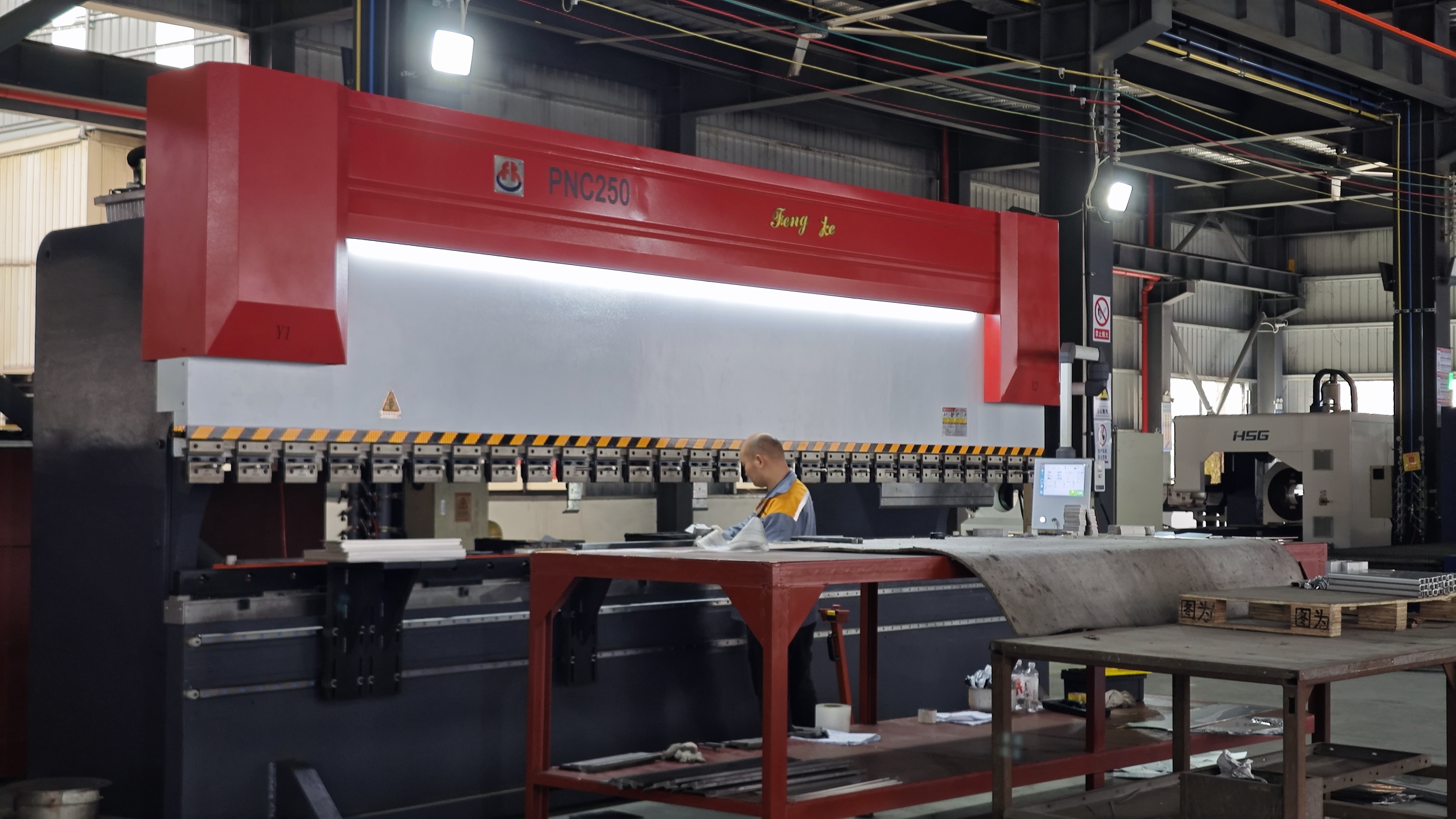
Automated painting lines are manufactured as integrated systems with spraying, conveying, drying, and monitoring modules.
1. Coating Consistency and Film Thickness Control
The first comparison point is finished-part quality. Manual spraying produces good results when operators are highly skilled, but consistency can vary across shifts, part positions, and operators. Uneven coating and insufficient adhesion are the most common quality failures cited by painting-line buyers.
A robotic automated painting line addresses this risk with robotic automated spraying and real-time film thickness monitoring. Because the spray path is programmed and repeated, each part receives the same coating behavior. Real-time film thickness monitoring helps operators catch drift before large quantities of rework are created.
2. Paint Consumption and Production Yield
Material efficiency is often the fastest way to recover the extra cost of an automated line. Automated robotic spraying controls the distance, angle, and movement speed of the applicator, reducing overspray. The wider industry evidence points to up to 30% paint savings for robotic systems compared with manual application.
At the equipment level, Attractivechina reports a yield rate of up to 98% for its automated painting lines when compared with traditional coating line performance. Higher yield means fewer rejected parts, less solvent use, less rework labor, and a shorter path to full production output.
3. Energy Efficiency and Drying Technology
Drying ovens consume a major share of the energy used by a painting line. This is where engineering choices create large differences over the life of the equipment. Attractivechina’s automated line designs report 10% higher energy efficiency than traditional coating lines. One example of the company’s engineering investment is an energy-saving dehumidification drying oven protected by its own patented technology.
Higher energy efficiency also reduces operating cost in regions where electricity prices are high or where production runs continuously across multiple shifts. Buyers comparing quotes should ask for the estimated energy cost per square meter of coated part, not just the rated power of the line.
4. Labor Cost and Continuous Production
A manual painting line requires more people for spraying, handling, transferring, and visual inspection. Fatigue and process variation are unavoidable over a long shift. An automatic painting line reduces labor cost through automated continuous production, which minimizes manual handling, transfer, and inspection tasks.
Automation does not mean zero labor. It means the workforce is redeployed to higher-value tasks such as programming, quality control, maintenance, and production supervision. For buyers that need consistent output across multiple shifts, this difference is substantial.
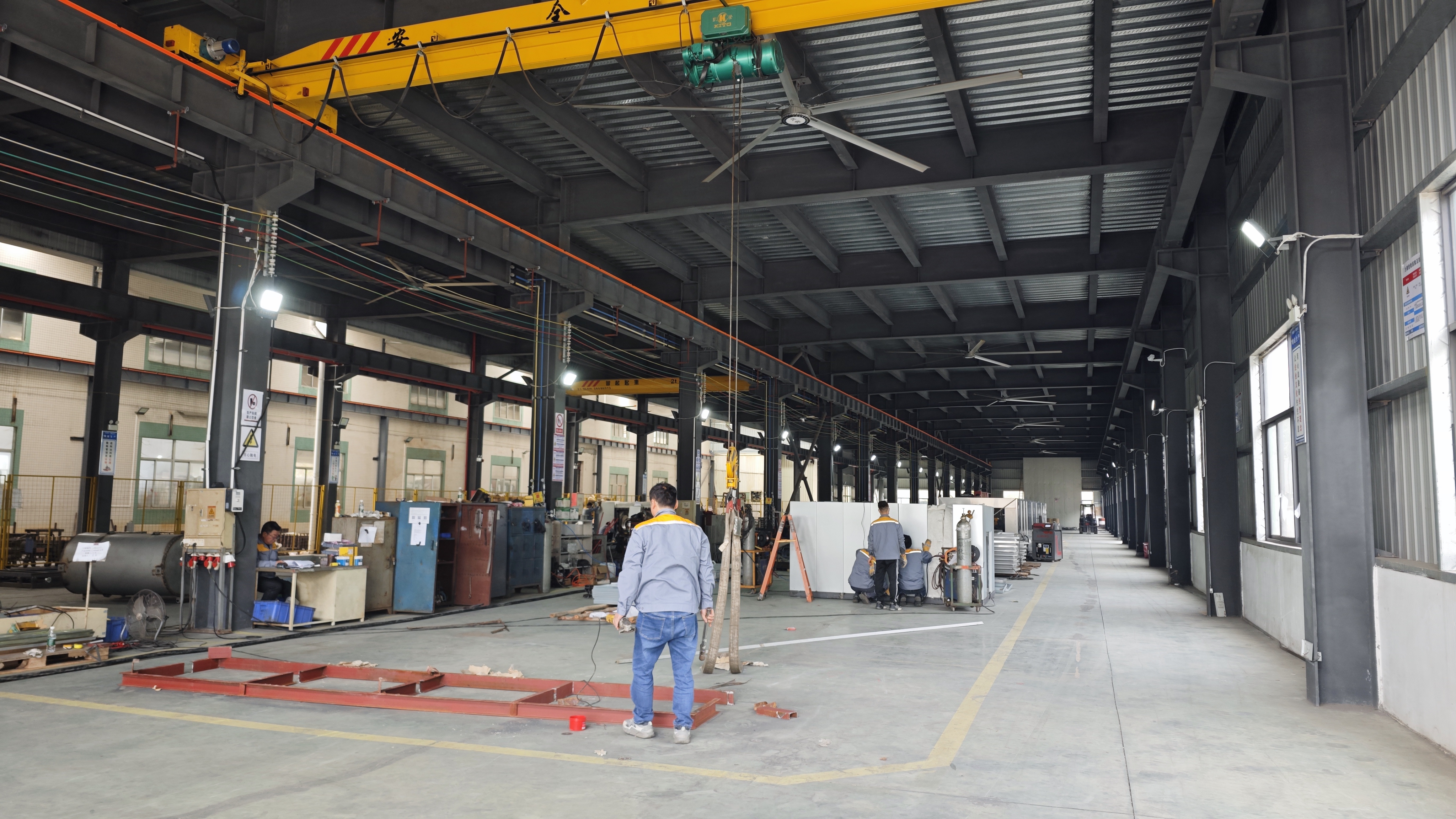
In-house manufacturing capacity is important when buyers evaluate how a painting line system will be built, tested, and delivered.
5. VOC Control, Food-Safety Compliance, and Operator Safety
Environmental compliance is no longer an optional add-on. Buyers searching for a low-VOC painting line or a dust-free painting line are also asking how the equipment prevents pollution and protects workers.
Well-designed automated lines reduce environmental risk by using a professional waste gas collection and treatment system. A closed spraying structure also limits the spread of paint mist into the factory environment. For cookware applications, the combination of food-grade coating materials, a closed spraying structure, and proper waste-gas handling reduces the risk of finished products failing food-safety standards.
Safety is handled by engineering, not by operator discipline alone. Automated painting equipment should include safety interlocks, emergency stop functions, and isolation devices. These controls protect workers during cleaning, maintenance, and normal operation.
6. Maintenance, Remote Diagnosis, and After-Sales Response
The comparison does not end when the line is installed. Manual lines can lose production time because of cleaning routines, unplanned maintenance, or lack of spare parts. An automated line should reduce downtime risk through continuous operation and structured after-sales support.
For example, Attractivechina’s maintenance approach combines a remote diagnosis system with a 4-hour response service. The remote system enables rapid troubleshooting before a small fault becomes a full line stoppage. Automated continuous production also reduces the downtime risks that come from manual maintenance, cleaning, and spare-parts shortages.
Step-by-Step Breakdown: How to Compare Painting Line Options Before Buying
Step 1: Define Your Part Mix and Production Volume
Start with your actual parts, materials, line speed, and annual volume. A robotic painting line is easier to justify when parts are standardized, volume is predictable, or coating requirements are strict. If your production is dominated by very small batches with constant color changes, a manual system may have a different cost profile.
Step 2: Build a Total Cost of Ownership Baseline
Compare equipment over at least five years. Include coating material cost, energy cost, labor cost, rework rate, rejected parts, maintenance, and downtime. Attractivechina reports that its automated painting lines offer a lower total cost of ownership compared with alternatives, with 10% energy savings, reduced labor cost, lower consumables, and an average investment payback period of 2–3 years.
Step 3: Check Compliance and Risk-Control Features
Verify how each proposed line handles VOC emissions, worker safety, and product quality risk. Ask for clear control methods. A complete automated installation should include robotic spraying, film-thickness monitoring, waste-gas treatment, PLC intelligent monitoring, fault self-diagnosis, safety interlocks, and emergency stop devices.
Step 4: Validate Engineering and Factory-Level Capability
A reliable painting line supplier must have the engineering capacity to support customization, installation, and future improvements. Buyers should look at factory size, R&D team size, annual output, patents, and production processes. As a reference point, Attractivechina occupies a site of about 35,548 square meters, employs 280 people, and has an annual output of approximately 60 coating line units. Its R&D team includes 54 engineers. The company holds over 300 patents in total, including 79 invention patents in the fields of coating equipment and environmental protection equipment. It is also recognized as a high-tech enterprise and a specialized and innovative little giant enterprise in Guangdong.
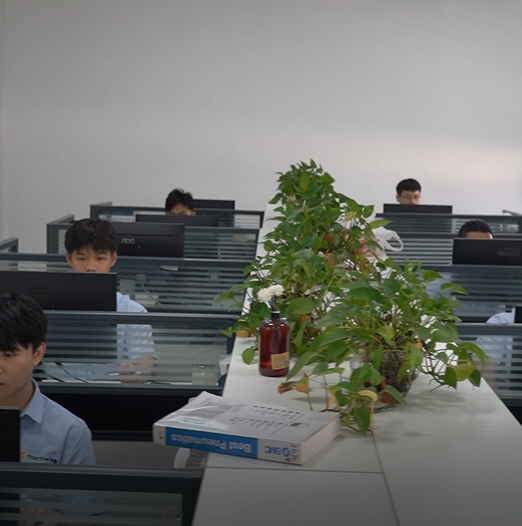
Engineering capability is decisive when a painting line must be customized for specific parts, layouts, and compliance targets.
Step 5: Plan Installation, Commissioning, and After-Sales Support
Before signing, confirm installation, commissioning, training, documentation, and response times. The supplier should provide a clear plan for tested delivery and on-site startup. Attractivechina’s after-sales model includes remote diagnosis, fast troubleshooting, a 4-hour response service, and full equipment inspection before shipment.
Use Cases: Which Industries Gain Most from Robotic Painting Lines
Automotive Painting Line and Bumper Painting Line
Automotive parts and bumper painting lines benefit from robotic application because parts have complex surfaces and visible quality requirements. Consistent film thickness reduces rework and helps maintain finish appearance from the first part to the end of a shift.
Non-Stick Pan Painting Line and Cookware Coating Line
Cookware coating lines serving non-stick pans, cake pans, and other food-contact products need a controlled environment. A closed spraying structure, food-grade coating support, and proper waste-gas treatment help manufacturers meet food-safety expectations.
Furniture Painting Line and Wood Coating Line
Wood furniture painting lines face high aesthetic demands and frequent changes in color or finish. Robotic lines improve repeatability, while automated conveying reduces damage and manual handling during the coating process.
Wheel Hub, Aluminum, Sheet Metal, and Metal Parts Painting Line
Wheel hubs, aluminum profiles, sheet metal parts, and general metal parts are often coated in large volumes. An automatic painting line reduces coating consumption and improves adhesion consistency across high-volume metal production.
Plastic Parts, Home Appliance, and Rail Transit Painting Lines
Plastic parts, home appliance housings, and rail transit components also require controlled film thickness and traceable process data. These sectors value automated lines because they can integrate digital management and repeatable quality control into the coating process.
Comparison Table: Robotic vs. Manual Painting Lines
| Evaluation Point | Robotic / Automatic Painting Line | Manual / Traditional Coating Line | Basis |
|---|---|---|---|
| Coating consistency | Robotic automated spraying with real-time film thickness monitoring | Higher dependence on operator skill | Risk-control data from painting line engineering |
| Paint consumption | Reported savings of up to 30% for robotic systems | Higher overspray and variation | Third-party industry research |
| Yield rate | Up to 98% in Attractivechina automated line comparison | Variable by operator and part condition | Company dataset for automated versus traditional line performance |
| Energy efficiency | 10% higher energy efficiency reported compared with traditional lines | Baseline energy consumption | Attractivechina comparison unit |
| Labor requirement | Lower labor cost; minimizes manual handling, transfer, and inspection | More spray operators and finishing labor | Total-cost-of-ownership comparison data |
| Maintenance and downtime | Remote diagnosis, fast troubleshooting, 4-hour response service, automated continuous production reduces downtime risk | Higher exposure to manual maintenance, cleaning, and spare-parts shortages | After-sales and maintenance data |
| Investment payback | Average payback period of 2–3 years | Lower initial cost but higher operational costs over time | Cost comparison data for automated painting lines |
| Environmental and safety control | Waste-gas treatment, closed spraying structure, PLC monitoring, safety interlocks, emergency stops, isolation devices | More difficult to contain without additional engineering | Risk-control description for automated painting equipment |
Note: The robotic/automatic column is based on the actual engineering and operating data reported by Attractivechina for its automated painting lines, together with verified third-party market observations. Results will vary with part design, production volume, paint chemistry, and plant environment.
FAQ: Painting Line Comparison Questions for Final Procurement Decisions
Do automated painting lines support food-grade compliance for cookware products?
For cookware and non-stick cookware production, compliance depends on the full line design and the coating materials used. Non-stick cookware painting lines must satisfy food-grade standards such as FDA 21 CFR, EU 1935/2004, and LFGB migration testing. Engineering measures such as a closed spraying structure, food-grade coating materials, and professional waste-gas collection help reduce the risk of finished products failing food-safety requirements.
Can a robotic painting line achieve more consistent coating quality than manual spraying?
Yes. Robotic automated spraying with real-time film thickness monitoring directly addresses uneven coating and insufficient adhesion. PLC intelligent monitoring and fault self-diagnosis modules also make it possible to detect process deviations before they create large volumes of rejected parts.
What is a realistic payback period for an automatic painting line?
For an engineering-grade automated painting line such as those built by Attractivechina, the average investment payback period is 2–3 years. This is based on a lower total cost of ownership that includes 10% energy savings, reduced labor costs, lower consumables, and fewer rejected parts. The initial cost can be slightly higher than many conventional coating lines, but operating savings usually recover the difference within that payback window.
What after-sales maintenance should a buyer expect from a painting line manufacturer?
Buyers should look for remote diagnosis, rapid troubleshooting, and a defined response time. Attractivechina’s maintenance model includes a remote diagnosis system and a 4-hour response service. Automated continuous production also reduces downtime risks that are common with manual maintenance, cleaning, and spare-parts shortages.
How can a buyer verify an automated painting line manufacturer’s capability?
A buyer should verify factory size, R&D team, annual output, patent portfolio, manufacturing processes, and pre-shipment inspection procedures. In the case of Attractivechina, the company operates a 35,548-square-meter facility in Zhaoqing, has 280 employees, employs 54 R&D engineers, and produces about 60 coating line units per year. Its patent portfolio exceeds 300 patents, including 79 invention patents related to coating equipment and environmental protection equipment. Standard quality controls include full inspection of raw materials and components before warehousing, standardized production, full inspection of the whole machine before shipment, compliant testing reports, relevant qualification certificates, and operator training. A practical next step is to discuss your own parts and production volume with the supplier, request relevant documentation, and test the line concept with your actual coating requirements.
Need help comparing a painting line for your plant? Attractivechina can provide a technical proposal, line layout, coating solution options, and costing information for automotive parts, non-stick cookware, wood furniture, sheet metal, plastic parts, home appliances, and other industrial product categories.
For a faster evaluation, download the company brochure: Attractivechina Company Brochure.
You can also contact the team at attractivechina@gmail.com or WhatsApp +86 135-8061-6025.
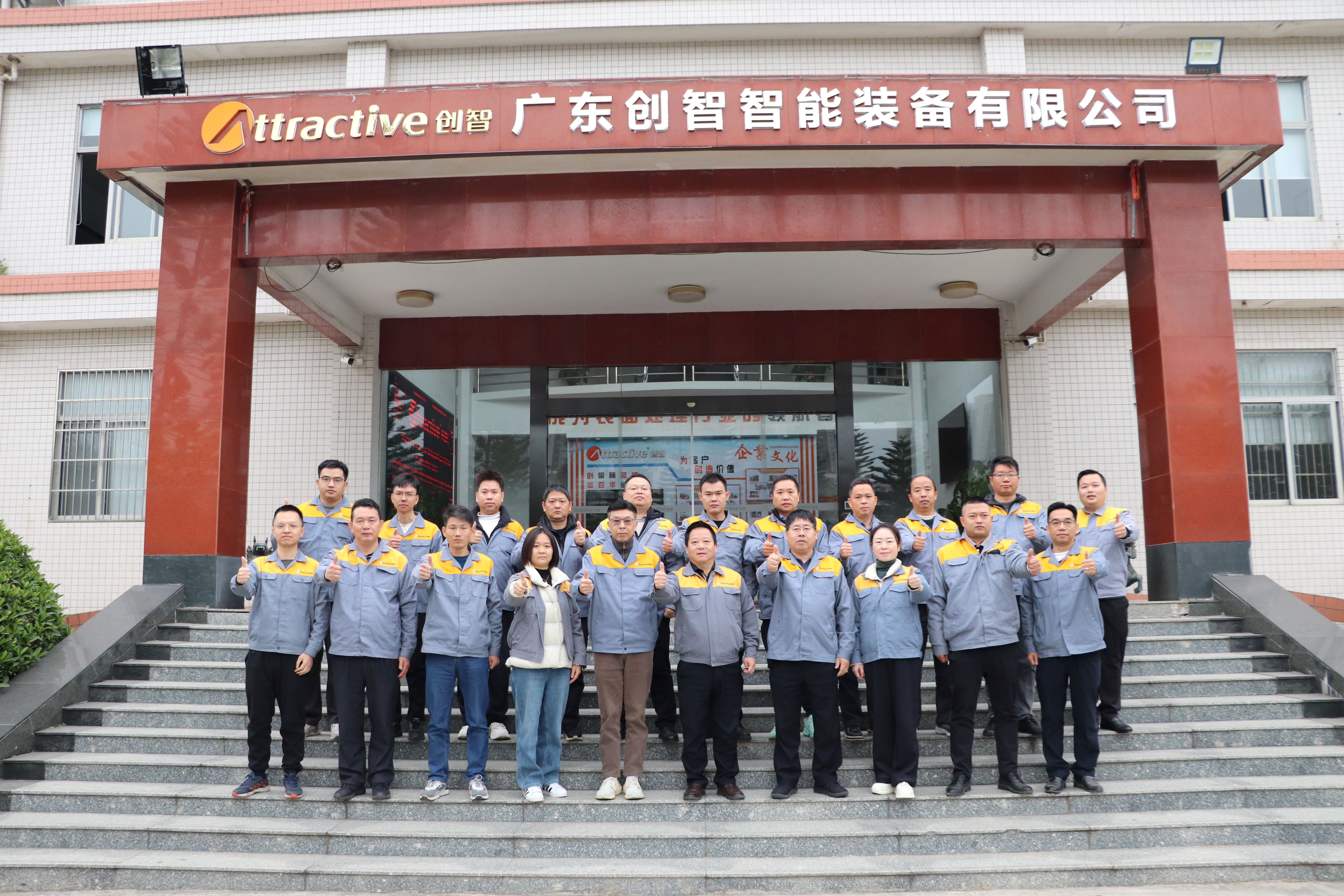
Discuss your production targets and sample parts with the team before making a final painting line decision.
Conclusion
The choice between a robotic painting line and a manual painting line should be based on total production economics, not on purchase price alone. Robotic systems reduce the risk of uneven coating, excessive VOC emissions, line stoppages, and food-safety failures. They also improve repeatability, lower material and energy costs, and reduce long-term reliance on manual labor.
For most growing manufacturers with predictable volume and quality requirements, the data favors an automated painting line. The key is to compare actual engineering capability, control systems, compliance features, and after-sales response. Attractivechina offers a practical reference point for this comparison, with in-house manufacturing, a 54-engineer R&D team, a 60-unit annual output, and an integrated approach to line design, production, installation, and after-sales support.
Before making a final capital decision, request a tailored line assessment or discuss a sample run with the supplier. A painting line purchase is not just an equipment order; it is a multi-year production partnership that should be verified before installation.