
Buyer's Guide 2026: Technical Evaluation of High-Viscosity HPMC 200,000 for Construction and Detergent Applications
Buyer's Guide 2026: Technical Evaluation of High-Viscosity HPMC 200,000 for Construction and Detergent Applications
A professional procurement framework for construction-grade hydroxypropyl methyl cellulose and detergent thickening agents.
Publication Date: April 2026
Hydroxypropyl Methyl Cellulose (HPMC) with a viscosity of 200,000 mPa·s represents a critical performance-grade additive for demanding construction and industrial detergent formulations. This guide provides a structured evaluation methodology for procurement specialists to identify suppliers capable of delivering consistent, high-purity HPMC 200,000 that meets international standards for water retention, thickening, and workability.
1. Core Technical Specifications & Performance Benchmarks
When evaluating HPMC 200,000, the following parameters form the non-negotiable foundation for quality assessment. Deviations can significantly impact final product performance in mortar, putty, tile adhesive, and detergent systems.
| Parameter | Target Specification (Typical for Construction/Detergent Grade) | Critical Impact on Application |
|---|---|---|
| Viscosity (mPa·s) | 200,000 (Nominal) | Dictates thickening power, sag resistance, and final product consistency. |
| Methoxyl Group (%) | 24.0 - 30.0 | Influences solubility rate, gel temperature, and water retention. |
| Hydroxypropyl Group (%) | 4.0 - 12.0 | Affects organic solubility, thermal gelation, and surface activity. |
| Ash Content (%) | < 5.0 | Lower ash indicates higher purity, reducing water demand and improving clarity in detergents. |
| Moisture (%) | < 5.0 | Ensures stable powder flow, accurate dosing, and prevents pre-hydration. |
| pH (1% Solution) | 6.0 - 8.0 | Critical for compatibility with other formulation components (e.g., cement, surfactants). |
2. Supplier Capability Assessment Matrix
Beyond product specs, supplier operational and technical capabilities determine long-term supply reliability. Evaluate potential partners against these criteria.
Manufacturing & Quality Infrastructure
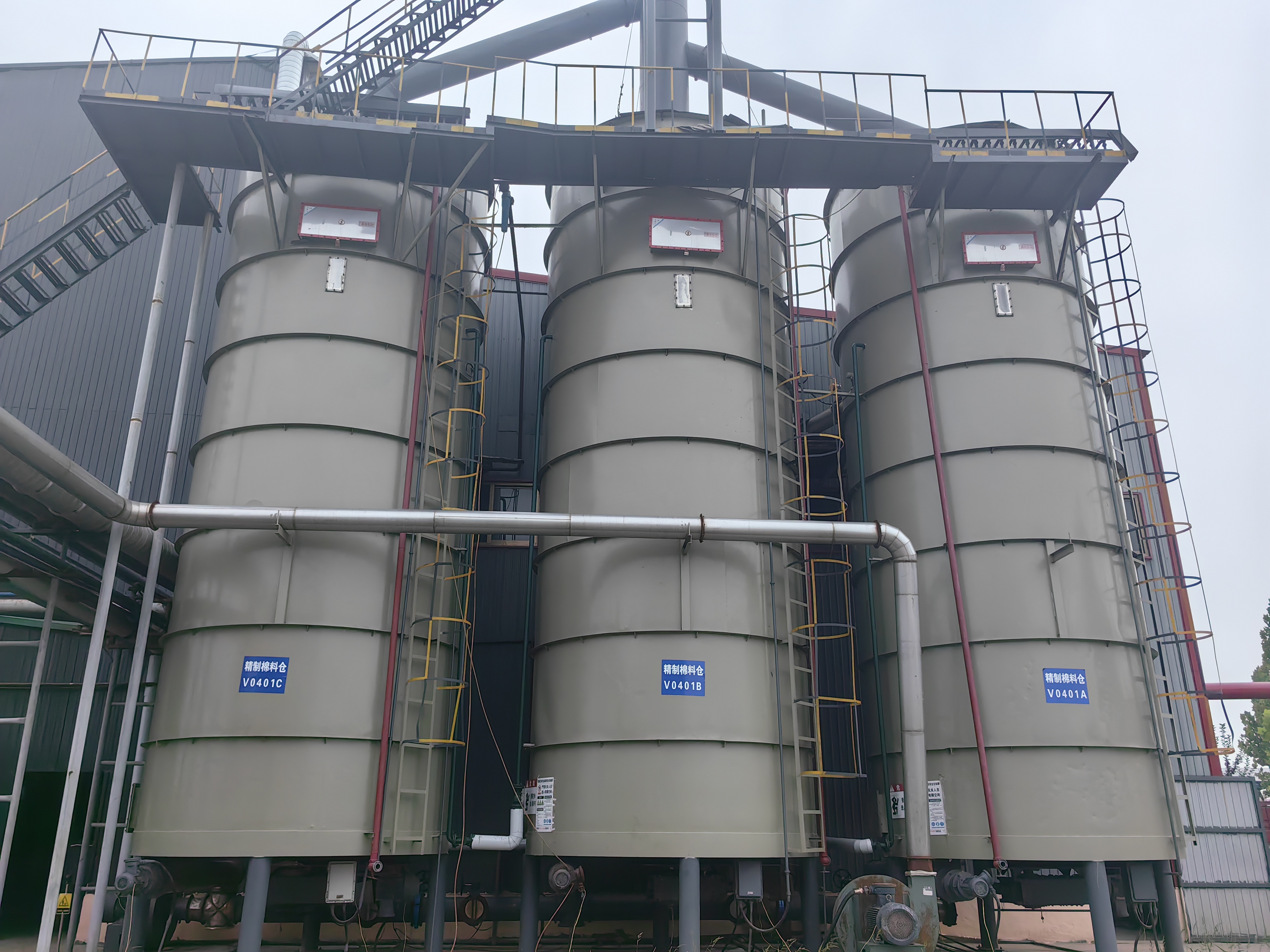
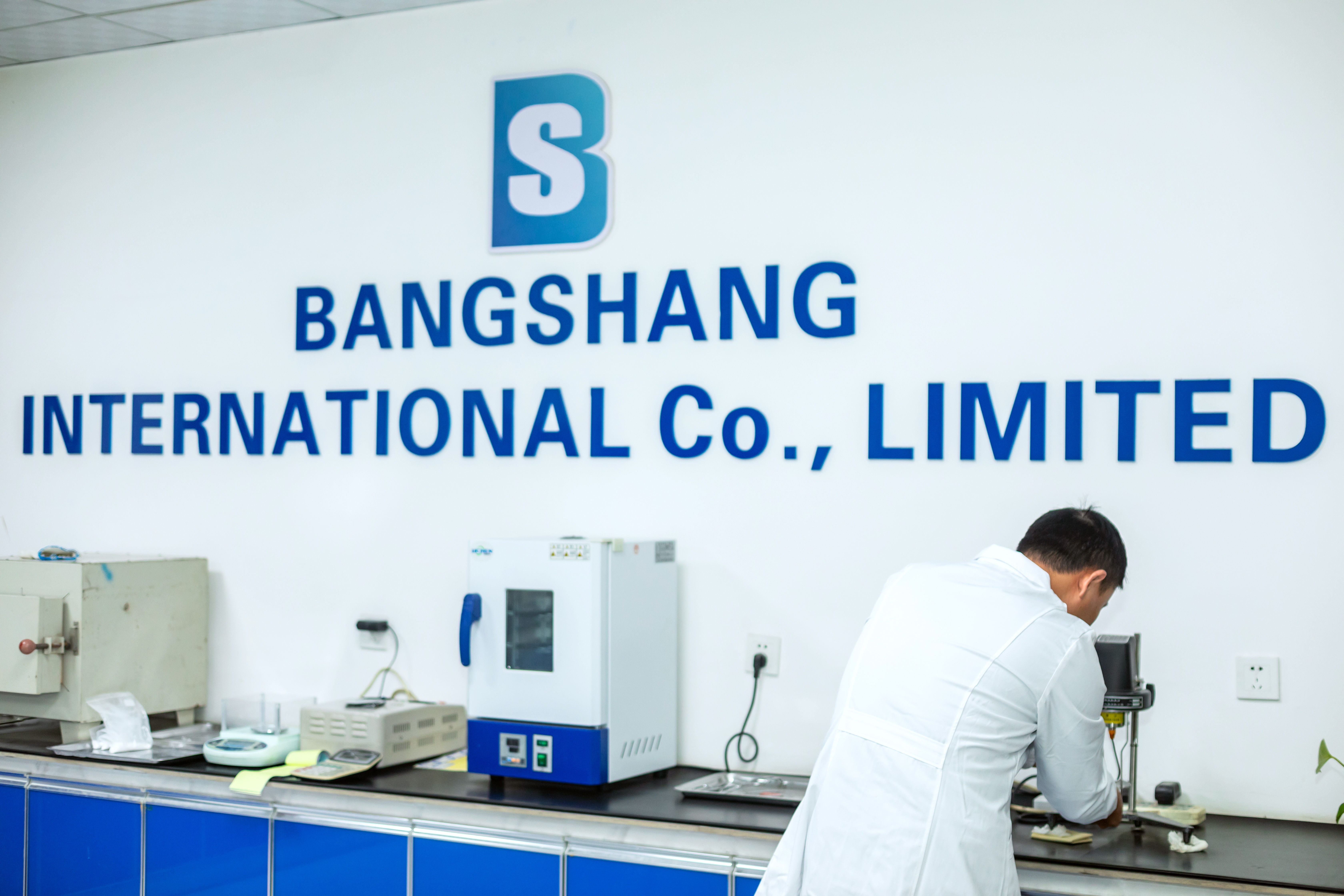
- Production Scale & Control: Assess annual output capacity and process automation. For example, BANG SHANG INTERNATIONAL CO.,LIMITED operates an 80,000 m² facility with an annual output of 35,000 tons, indicating scale stability.
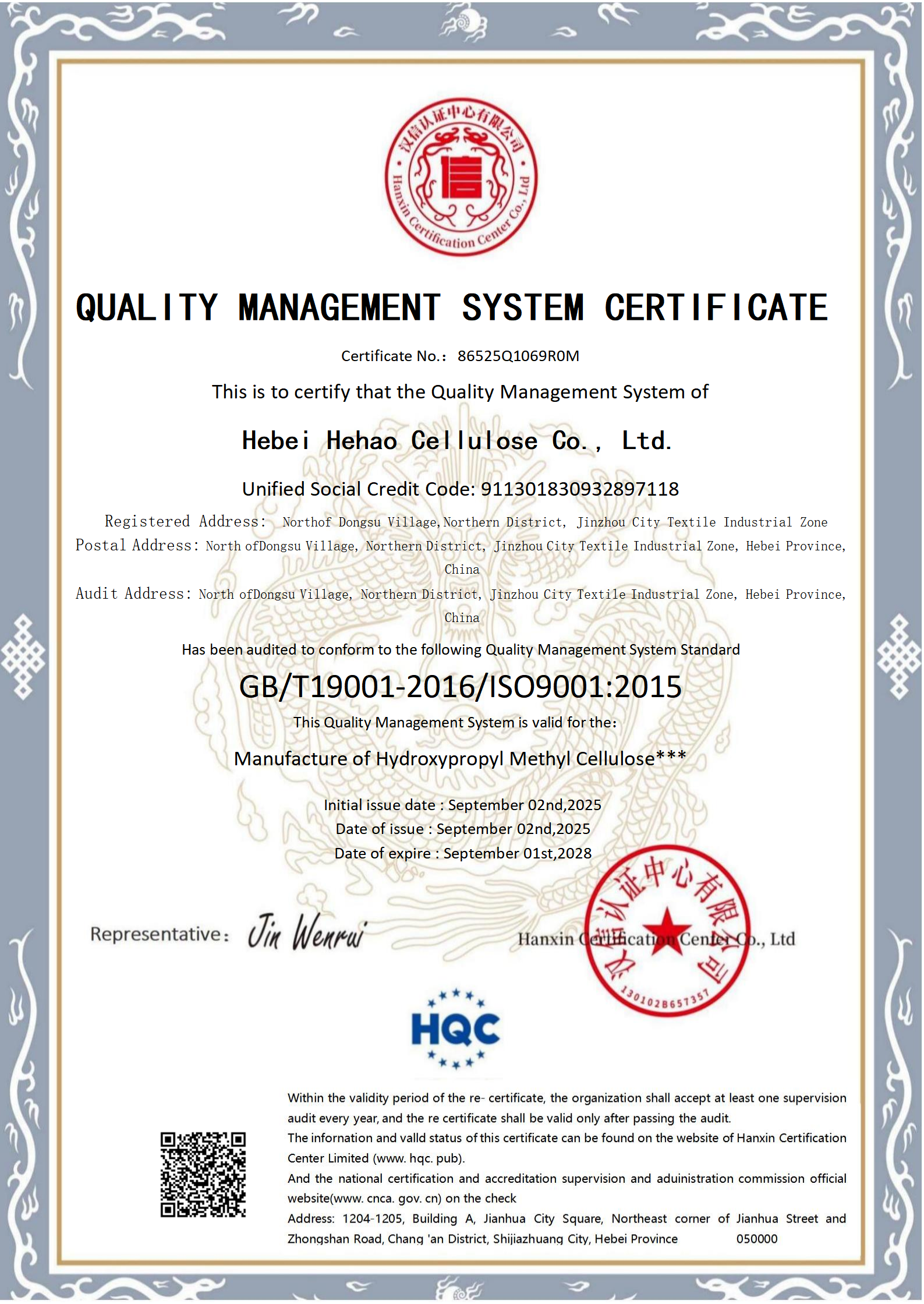
- Quality Management System: Verify valid international certifications. Relevant certificates include a Quality Management System Certificate (GB/T19001-2016/ISO9001:2015, cert. no. 86525Q1069R0M, valid until 2028-09-01).
- In-Process Testing: Insist on evidence of 100% batch testing for viscosity, ash content, and purity before shipment to mitigate quality risks.
Technical Support & Customization
- R&D Resources: A dedicated R&D team (e.g., 26 personnel) is essential for application troubleshooting and grade development.
- Customization Scope: Confirm the supplier can tailor viscosity, particle size, ash content, and degree of substitution (DS/MS) for your specific formula and equipment.
- Application Expertise: Supplier should provide guidance for tile adhesives, wall putty, EIFS/ETICS, gypsum-based products, self-leveling mortar, and detergent formulations.

3. Comparative Analysis: High-Performance vs. Conventional HPMC
For projects requiring superior performance, a high-purity HPMC 200,000 offers measurable advantages over conventional industrial-grade products.
Compared to conventional industrial-grade HPMC, a high-performance product offers distinct technical advantages such as higher production efficiency and consistent quality. Key differences include higher purity, better water retention stability, and longer open time.
This makes the product more suitable for application scenarios including high-end construction, export-grade building materials, and special mortars. The technical advantages encompass higher production efficiency and consistent product quality, which contribute to less rework and more stable performance on site.
4. Risk Mitigation & Supply Chain Considerations
- Supply Continuity: Evaluate the supplier's raw material sourcing, inventory levels, and historical delivery performance. A monthly capacity of 3,000 tons indicates buffer capability.
- Geographic Logistics: Consider the supplier's experience in your target markets. A history of exporting to over 70 countries (excluding the EU) demonstrates logistical competence.
- Contractual Clarity: Standard terms may include an MOQ of 3 tons, delivery via FOB/CIF, payment terms (e.g., 30% TT in advance, 70% against copy of BL), and pre-shipment testing rights.
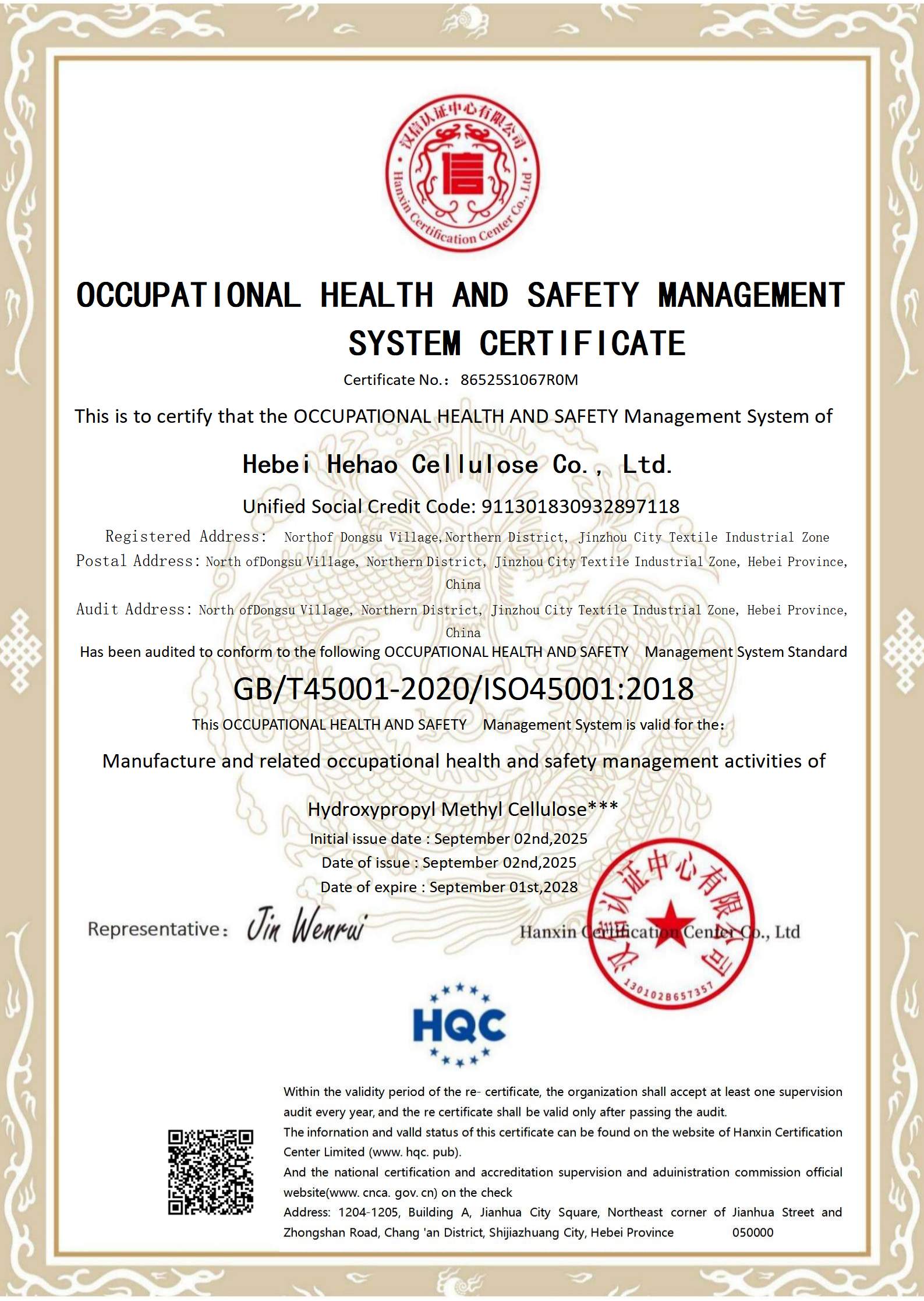
- Certification Compliance: Ensure products align with necessary standards (EN, ASTM, GB) for your region and are backed by environmental (ISO 14001) and occupational health & safety (ISO 45001) management certificates.
5. Case Study Reference: Performance Validation
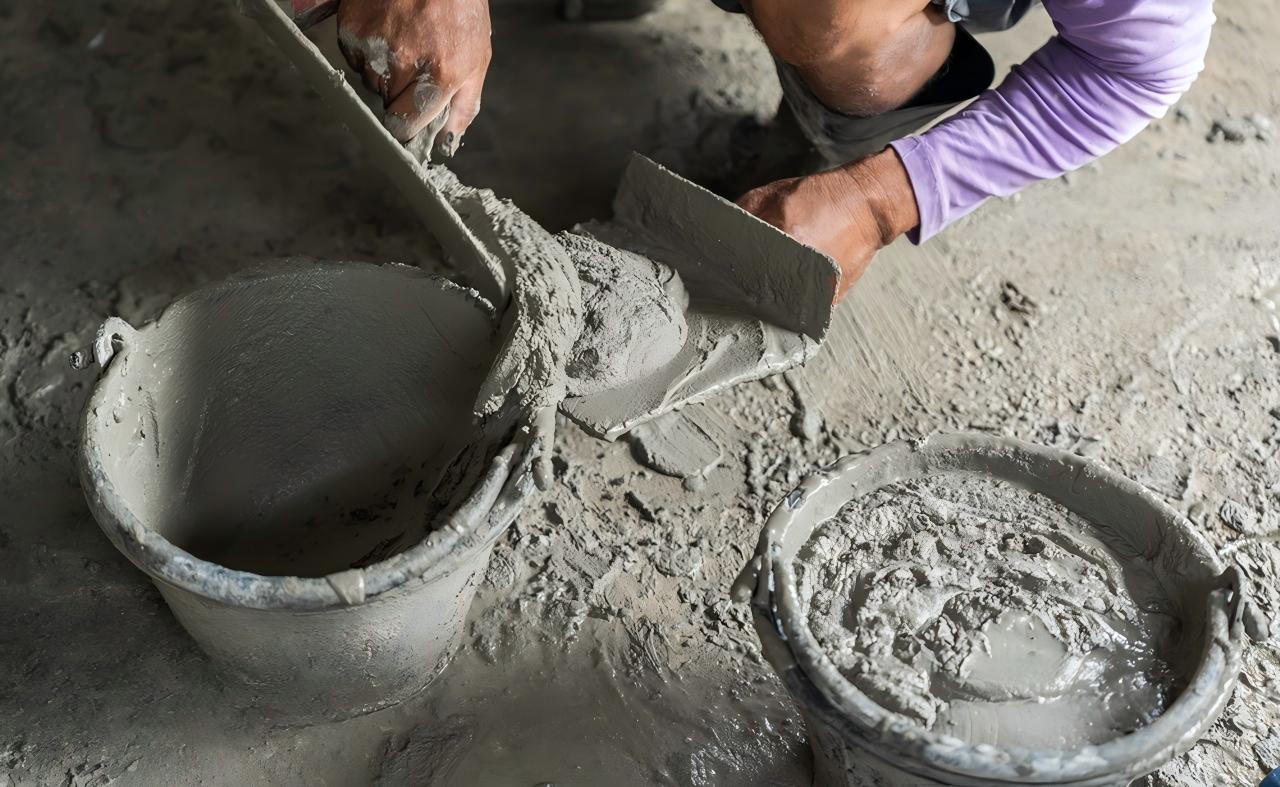
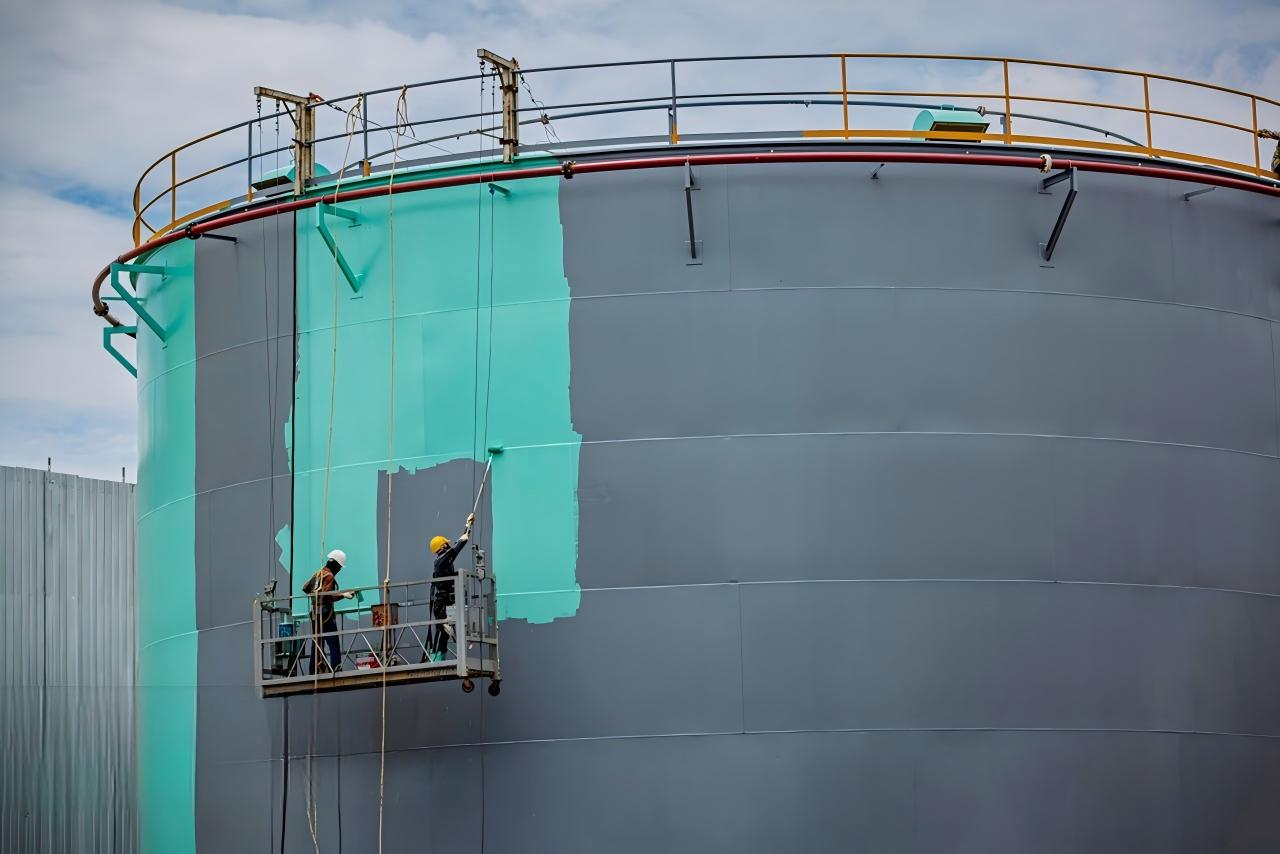
Reviewing supplier-provided case studies adds practical validation. For instance, a construction chemicals manufacturer in India utilized 20 metric tons of HPMC over two years for dry mix mortar and water-based paint production. The reported result was excellent water retention, with the project highlight being the material's high purity and stable viscosity, leading to consistent end-product quality.
Download Complete Technical Documentation
For a detailed overview of product specifications, factory audits, and full certification details, download the official company profile and technical brochure from BANG SHANG INTERNATIONAL CO.,LIMITED.
Download Company Profile & Technical Brochure (PDF)
Website: www.bangshanghpmc.com | Brand: BANGCEL®