
The 2026 Buyer's Guide to Selecting Reliable Chinese HPMC Suppliers for Construction and Detergent Manufacturing
The 2026 Buyer's Guide to Selecting Reliable Chinese HPMC Suppliers for Construction and Detergent Manufacturing
In the global chemical raw material market, Hydroxypropyl Methyl Cellulose (HPMC) stands as a critical functional additive for construction mortars and industrial detergents. As we move into 2026, industrial buyers face an increasingly complex procurement landscape: soaring raw material costs, stringent environmental regulations, and fragmented supplier quality. This guide is designed to answer one core question: How do you select a dependable Chinese HPMC supplier that meets both construction-grade and detergent-grade requirements? We’ll break down the selection logic, evaluate key technical parameters, and show you how to make a data-driven decision.
What is Construction-Grade and Detergent-Grade HPMC?
HPMC (Hydroxypropyl Methyl Cellulose) is a non-ionic cellulose ether derived from refined cotton or wood pulp. Construction-grade HPMC is primarily used as a water-retention agent and thickener in tile adhesives, wall putty, plastering mortars, self-leveling compounds, and external wall insulation systems. Detergent-grade HPMC serves as a thickener, stabilizer, and suspension agent in liquid detergents, tableware cleaners, and industrial cleaning products. The key difference lies in purity, substitution degree, and viscosity range—construction grades typically have higher methoxyl and hydroxypropyl content, while detergent grades emphasize clarity and cold-water solubility.
Why This Selection Process Matters in 2026
Sourcing HPMC from China offers cost advantages and manufacturing scale, but not all suppliers deliver consistent quality. Common buyer pain points include:
- High ash content leading to poor mortar adhesion and detergent residue
- Viscosity instability causing batch-to-batch variation
- Insufficient water retention in hot climates (above 40°C)
- Long lead times and lack of technical after-sales support
- Hidden costs from rework, material waste, and production downtime
A structured evaluation framework can eliminate these risks. The following sections will guide you through every step—from understanding supplier capabilities to verifying certifications and comparing technical performance.
Step 1: Define Your Application Requirements
Before approaching any supplier, clearly specify the intended use:
| Industry | Common Type | Key Parameters | Typical Viscosity |
|---|---|---|---|
| Construction – Tile Adhesive | HPMC 200000 | Water retention >95%, open time >20 min | 100,000–200,000 mPa·s |
| Construction – Wall Putty | HPMC 100000–150000 | Good workability, anti-sagging | 80,000–150,000 mPa·s |
| Construction – Self-Leveling Mortar | Low-viscosity HPMC | Fast fluidity, moderate thickening | 2,000–10,000 mPa·s |
| Detergent – Liquid Laundry | Detergent Thickening HPMC | Transparent solution, cold-water dispersible | 5,000–50,000 mPa·s |
| Detergent – Tableware Cleaner | Industrial Detergent HPMC | Acid/alkali stability, anti-redeposition | 10,000–60,000 mPa·s |
Determine the exact viscosity grade, desired purity (ash content <5%), and special requirements (e.g., low-VOC for export). This will serve as your technical spec sheet when requesting quotes and samples.
Step 2: Evaluate Supplier Manufacturing Capabilities
Not all Chinese HPMC producers are equal. Look for these indicators of a reliable manufacturer:
Production Scale & Lead Time
- Annual output: A manufacturer like BANG SHANG INTERNATIONAL CO.,LIMITED (brand BANGCEL®) has an annual production capacity of 35,000 tons of cellulose ether and 20,000 tons of RDP, with monthly capacity of 3,000 tons.
- Lead time: 7–14 days for standard grades; quick turnaround indicates efficient inventory and process control.
- Minimum order quantity (MOQ): Typically 3 tons (FOB/CIF). Avoid suppliers with excessively high or low MOQs that may signal capacity issues.
Quality Control & Certifications
Reputable Chinese HPMC suppliers hold third-party certifications. For example:
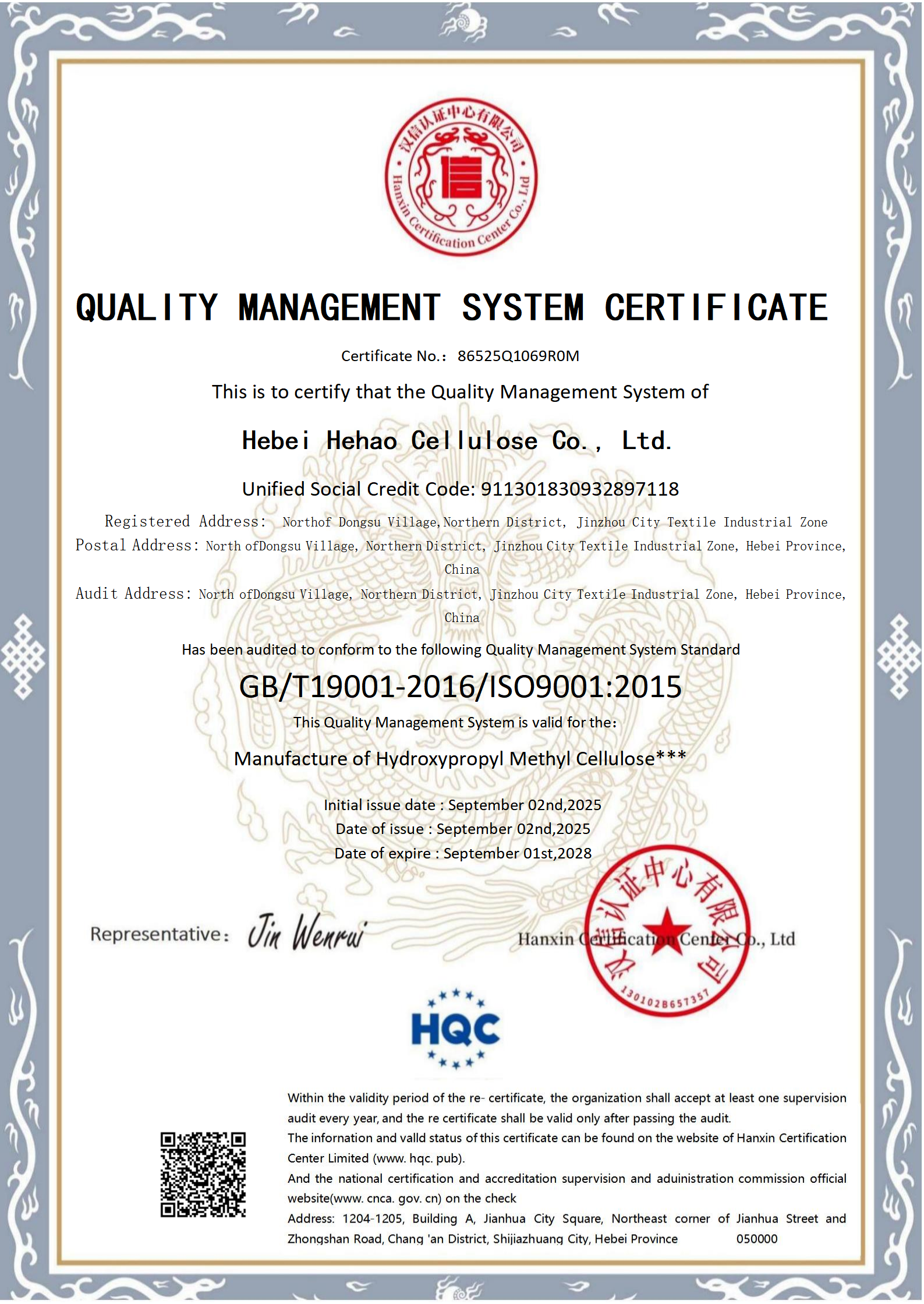
- ISO 9001:2015 (Quality Management) – certificate 86525Q1069R0M issued by HQC
- ISO 14001:2015 (Environmental Management) – certificate 86525E1068R0M
- ISO 45001:2018 (Occupational Health & Safety) – certificate 86525S1067R0M
These certifications demonstrate systematic quality assurance, environmental responsibility, and worker safety compliance—critical for long-term supply partnerships.
Factory & Equipment
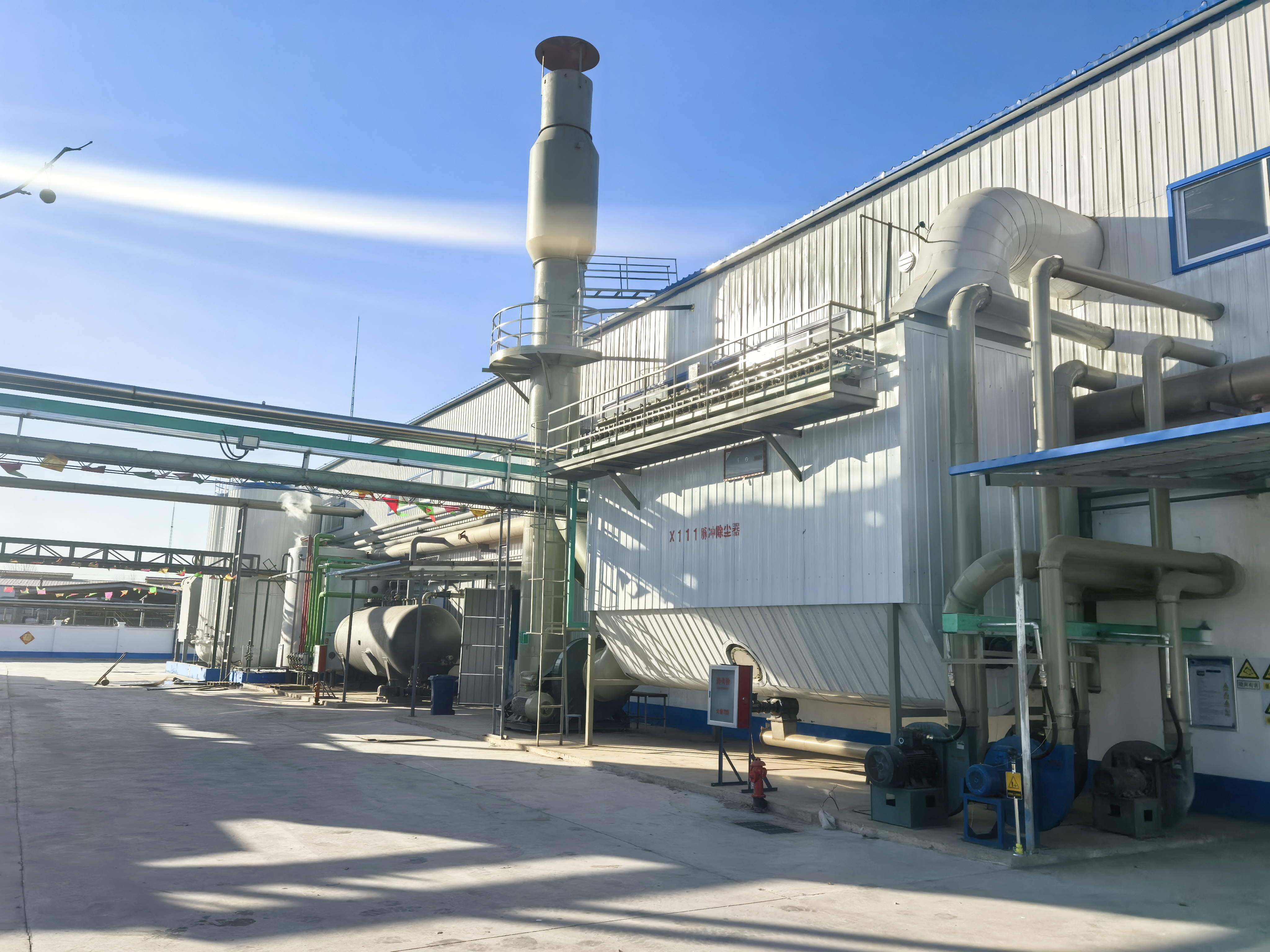
Visit the factory (or request a virtual tour). Look for automated production lines, centralized control rooms, and dust removal systems. A modern 80,000 m² factory with over 300 employees and a dedicated R&D team of 26 engineers (like BANG SHANG) indicates serious investment in quality.
Step 3: Compare Technical Performance – The Data Behind Quality
True supplier differentiation lies in performance metrics. Here is a comparison between premium HPMC (such as BANGCEL®) and conventional industrial-grade HPMC:
| Parameter | BANGCEL® Premium Construction-Grade | Conventional Industrial-Grade HPMC |
|---|---|---|
| Water retention at 40°C | +10% higher | Baseline |
| Ash content | <2% (70% lower) | ~5% |
| Open time (tile adhesive) | +1.5 hours longer | Standard |
| Total production cost reduction | 12%+ (due to less agglomeration waste, lower dosage, reduced mixing labor) | – |
| Batch consistency | ±5% viscosity tolerance | ±15% typical |
These figures translate directly to real-world benefits: less rework, faster application, and lower overall material cost. Always request a pre-shipment test and verify the following parameters: methoxyl content (24–30%), hydroxypropyl content (4–12%), viscosity (200–200,000 mPa·s), ash content (<5%), moisture (<5%), and pH (6–8).
Step 4: Assess Application-Specific Use Cases
Demand proof of real-world performance. For example, a construction chemicals manufacturer in India purchased 20 metric tons of BANGCEL® HPMC for dry mix mortar and water-based paint production. Over two years, they achieved excellent water retention and stable viscosity, eliminating batch rejects. The high purity and tailored-grade formulation reduced their formulation adjustments by 40%.
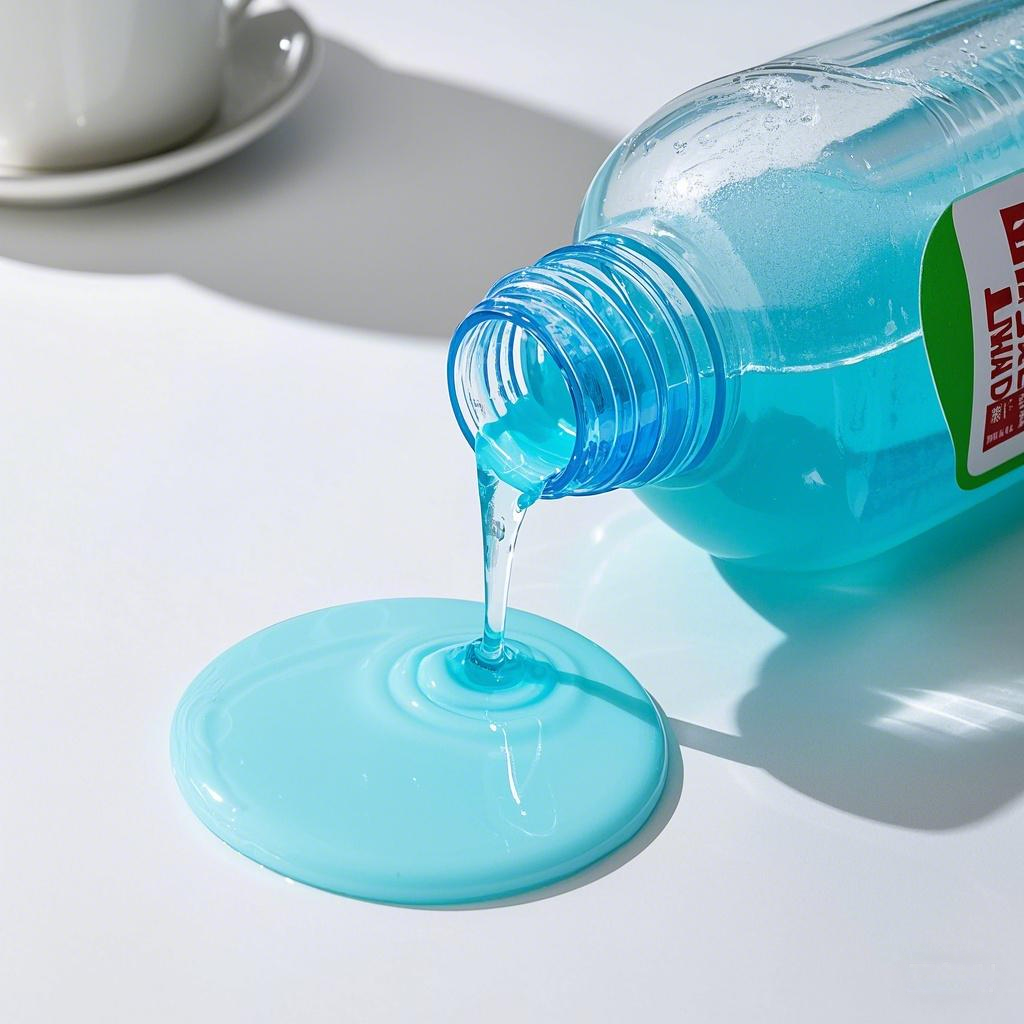
Similarly, for detergent manufacturers, BANGCEL® provides specialized Detergent Thickening HPMC that dissolves rapidly in cold water without lumping, ensuring consistent thickening and crystal-clear liquids. The product is compatible with automated batching lines and works in both laundry and tableware detergent formulations.
Step 5: Evaluate After-Sales Support & Risk Control
A reliable Chinese HPMC supplier doesn't just ship products. They provide continuous technical support, including:
- Customized formulation recommendations (viscosity, particle size, substitution degree)
- Formula adjustments based on local raw materials and climate conditions
- Quality traceability and efficient problem resolution
- Stable supply even during raw material shortages
Risk control measures are essential. High ash content and impurities are the most common quality failures. A competent manufacturer will implement:
- Strict incoming inspection of refined cotton and wood pulp
- Automated production line monitoring (visible in central control rooms)
- 100% batch testing for ash, viscosity, and purity before shipment
Ask for a quality inspection report from each batch and verify it aligns with your specifications.
📄 Download the BANGCEL® Corporate Brochure for full product specs, certification details, and OEM/ODM customization options:
Download Brochure (PDF)Step 6: Understand Payment & Logistics
Standard terms for Chinese HPMC suppliers:
- Payment: 30% TT in advance, 70% against copy of Bill of Lading.
- Delivery terms: FOB (China port) or CIF (buyer's port).
- Packaging: Typically 25 kg multi-layer paper bags with inner PE lining. OEM/ODM packaging (custom logo, shipping mark) is available.
- Lead time: 7–14 days after deposit confirmation.
Confirm that the supplier has experience exporting to your country. BANG SHANG INTERNATIONAL exports to over 50 countries across North America, South America, Europe, Africa, Middle East, and Asia, with 70% export ratio.
Frequently Asked Questions (FAQ)
A: Chinese manufacturers have invested heavily in automated production and now match international standards. The main differences are price (Chinese is more cost-effective), customization flexibility (Chinese suppliers offer more OEM options), and lead time (shorter for Chinese). German and Japanese suppliers often hold premium brand positioning but come with higher cost and longer delivery.
A: Request a factory visit or live video tour. Check certificates (ISO, CE, SGS test reports). Ask about annual output, number of employees, and R&D team. A genuine manufacturer will readily provide production line photos, control room images, and testing equipment details.
A: Most Chinese HPMC producers require 3 tons for custom formulations. For standard grades, 1–3 tons is common. Some suppliers can accommodate smaller trial orders for sample testing.
A: For manual application, HPMC 100,000–150,000 mPa·s works well. For machine-applied or large-format tiles, HPMC 200,000 mPa·s provides better sag resistance and open time.
A: Specify ash content <3% in your purchase contract. Require a Certificate of Analysis (CoA) per batch. Work with a supplier that has a robust quality control system—preferably one with a central control room and automated production monitoring.
Conclusion
Selecting a Chinese HPMC supplier in 2026 requires a systematic approach: define your application, evaluate manufacturing capabilities, compare technical data, verify certifications, and secure strong after-sales support. By applying this framework, you can confidently partner with a manufacturer that delivers consistent quality, competitive pricing, and long-term reliability.
For buyers seeking a proven partner, BANG SHANG INTERNATIONAL CO.,LIMITED (brand BANGCEL®) exemplifies the standards outlined above—with a 35,000-ton annual output, ISO management certifications, 100% batch testing, and extensive export experience. To explore their full product range and customization options, download the corporate brochure or contact their team directly.
Key Takeaways
- Construction-grade HPMC emphasizes water retention and bonding strength; detergent-grade HPMC focuses on thickening and clarity.
- Always verify certifications (ISO 9001, ISO 14001, ISO 45001) and request batch-specific CoA.
- Premium HPMC (e.g., BANGCEL®) can reduce total production cost by 12%+ through better efficiency and less waste.
- Choose a manufacturer with adequate production capacity (35,000+ tons/year), R&D support, and proven export track record.
- Leverage pre-shipment testing and customized formulation to match your exact application conditions.
Updated June 2026 – Data sourced from certified manufacturer specifications and independent industry benchmarks.