

 50,000 m²
 150
150

Medical-Grade Titanium Bar Guide: Grades, Standards, and Suppliers
Medical-Grade Titanium Bar: Grades, Standards, and Selecting a Reliable Supplier
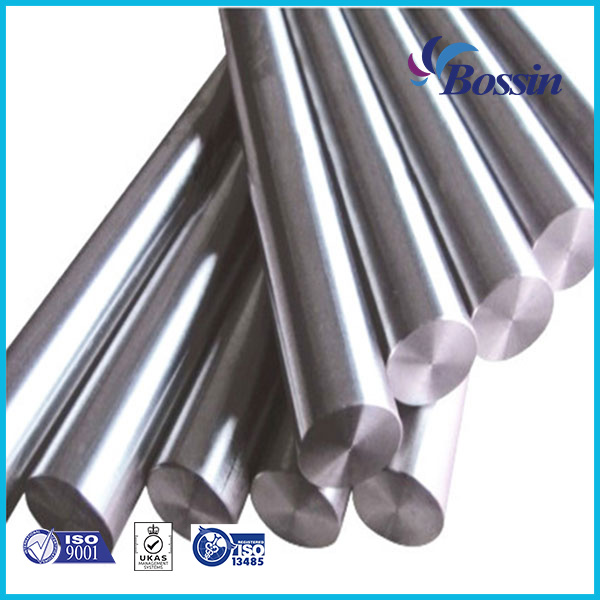
XI'AN BOSSIN METAL TECHNOLOGY CO.,LTD. (BOSSIN) is a professional manufacturer of titanium and Nitinol materials based in Xi'an, China, established in 2008. The company specializes in medical-grade titanium bar and Nitinol wires, with an annual production capacity of 5,000 tons and a 50,000 m² facility. This guide covers the types, standards, and selection criteria for titanium bars used in medical and industrial applications.
What Is a Titanium Bar and Why Does It Matter?
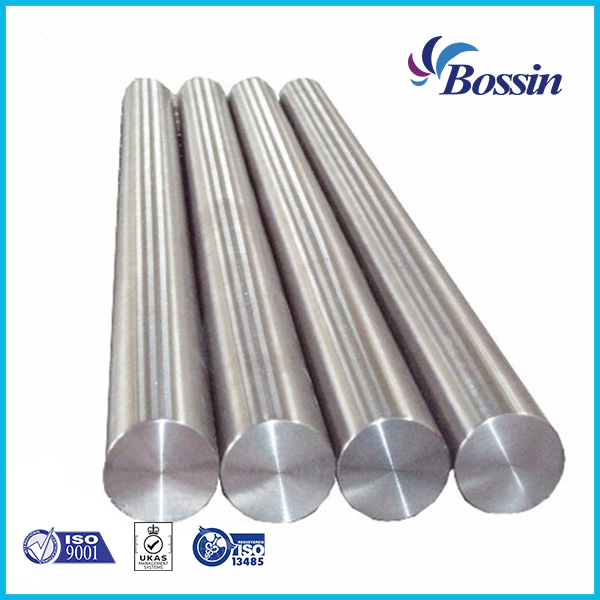
A titanium bar is a solid round or square rod made from pure titanium or titanium alloy. It serves as the raw material for machining surgical implants, bone screws, joint stems, dental implants, aerospace components, and more. The choice of grade, standard, and supplier directly affects the safety, performance, and cost of the final product.
Industry Background: Growing Demand for Medical Titanium
The global medical-grade titanium materials market was estimated at USD 5.21 billion in 2025 and is projected to reach USD 9.56 billion by 2034 (source: Dataintelo). Orthopedic implants account for approximately 42.3% of this revenue (source: Dataintelo). Medical titanium alloys alone are valued at USD 1.45 billion in 2025 and forecast to grow at a 7.5% CAGR to USD 2.59 billion by 2033 (source: Verified Market Research). This growth is driven by aging populations, increasing orthopedic surgeries, and the expansion of dental implant markets worldwide.
Detailed Solution: BOSSIN Titanium Bar Portfolio
BOSSIN offers two primary titanium bar product lines: the general Titanium Bar and the Medical Titanium Bar. Each is produced in a complete in-house production line from melting to finishing, with full quality control per ISO 13485, ISO 9001:2015, and EN9100:2018 certifications.
General Titanium Bar
- Grades: GR1, GR2, GR3, GR4, GR5, GR5 ELI, GR7, GR9, GR12, GR23, Ti6242, Ti6246, TB3, TB6, TC4, TC6, TC11, TC17, TC18
- Standards: ASTM B348, ASTM F67, ASTM F136, ISO5832-2, ISO5832-3, AMS 4928, AMS 4930, ASTM F1295, ASTM F1713, MIL-T-9047
- Diameter range: 1.0 mm – 100 mm; length ≤6000 mm; accuracy 0.005 mm
- Shapes: Round bar and square bar
- Applications: Medical/surgical implants, aerospace, 3D printing, petrochemical, marine engineering, 3C electronics
Medical Titanium Bar (Implant Grade)
- Grades: GR1, GR2, GR3, GR4, GR5 ELI (Ti-6Al-4V ELI), GR23
- Standards: ASTM F136, ISO5832-3 (for alloy); ASTM F67, ISO5832-2 (for pure titanium)
- Diameter range: 1.0 mm – 100 mm; length ≤6000 mm; tolerance h6–h9 (0.005 mm)
- Microstructure: ETTC-2, A1–A3
- Typical sub‑diameters:
- Bone screws: Φ3.5, Φ4.0, Φ4.5, Φ5.0, Φ5.5, Φ6.0, Φ8.0, Φ10.0 mm
- Spine rods: Φ13.5, Φ14.0, Φ14.2, Φ15.0, Φ16.0, Φ17.0 mm
- Bone joint stems: Φ30.0, Φ35.0, Φ40.0, Φ50.0, Φ55.0, Φ60.0, Φ65.0 mm
- Dental implants: Φ3.0–20.0 mm; dental discs: Φ98×10–25 mm, 220×150×10–25 mm
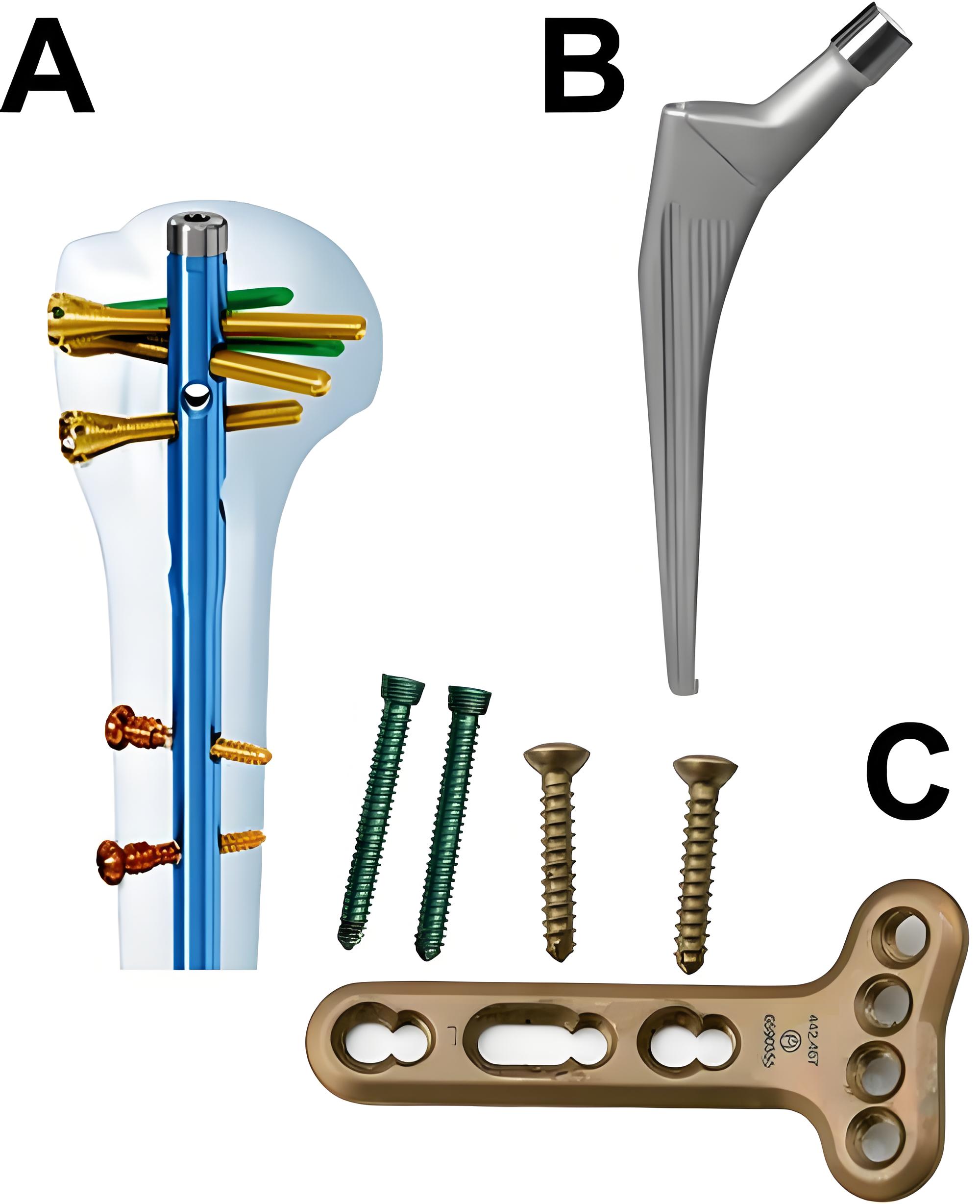
- Applications: Orthopedic implants, bone plates, joint stems, dental implants, spine fixation

Step‑by‑Step Selection of a Titanium Bar for Your Project
- Determine medical or industrial use. Implants require ASTM F67 (pure Ti) or ASTM F136 (Ti‑6Al‑4V ELI). General use can follow ASTM B348.
- Choose the right grade. For highest biocompatibility and strength, GR5 ELI (Gr23) is typical. For corrosion resistance in non‑implant environments, GR2 is common.
- Verify the diameter and tolerance. BOSSIN offers diameters from 1 mm to 100 mm with 0.005 mm precision, covering bone screws, spine rods, and joint stems.
- Check certifications. Look for ISO 13485, ISO 9001, and traceability. BOSSIN’s laboratory is accredited to ISO/IEC 17025 and each batch is supplied with a factory inspection certificate.
- Request a sample or quote. Contact the supplier to confirm lead time and minimum order quantity.
Use Cases for Titanium Bars
- Orthopedic implants: Joint stems, bone screws, spine rods (largest market share at ~42.3%).
- Dental implants: Abutment bars and implant screws using GR5 ELI (Gr23) bars.
- Aerospace: Lightweight structural components needing high strength‑to‑weight ratio.
- Petrochemical & Marine: Corrosion‑resistant valves, pumps, and desalination plant parts.
- 3D printing: Feedstock for additive manufacturing of medical and aerospace parts.
Comparison of Common Medical Titanium Bar Grades
| Property | GR2 (Pure Ti) | GR5 (Ti‑6Al‑4V) | GR5 ELI / Gr23 (Ti‑6Al‑4V ELI) |
|---|---|---|---|
| Standard | ASTM F67 / ISO 5832‑2 | ASTM B348 / ASTM F136 | ASTM F136 / ISO 5832‑3 |
| Material | Commercially pure Ti | Ti‑6Al‑4V | Ti‑6Al‑4V ELI (extra low interstitials) |
| Typical Tensile Strength | ≥345 MPa | ≥895 MPa | ≥860 MPa |
| Biocompatibility | Excellent | Good (higher strength) | Excellent (low Al/V concerns) |
| Medical Use | Bone screws (low load), dental | General orthopedic | Load‑bearing implants (hip, spine, knee) |
| Available as Medical Bar | Yes | Yes (as GR5) | Yes (BOSSIN GR23) |
Sources: BOSSIN product specifications and industry standards ASTM F136, ISO 5832‑3. Tensile values from application scenario corpus.
Frequently Asked Questions
What certifications should a Titanium Bar supplier have for medical implants?
What are the capabilities of a qualified Titanium Bar supplier?
How can I get a sample or quote for Titanium Bars?
Conclusion
Selecting the right titanium bar involves matching grade, standard, and dimensions to your application. For medical implants, GR5 ELI (Gr23) bars meeting ASTM F136 offer the ideal balance of strength and biocompatibility. BOSSIN’s vertically integrated production, third‑party testing, and international certifications make it a reliable partner for global buyers. Contact BOSSIN for a quote or sample to begin your project.