

 50,000 m²
 150
150

Medical Titanium Bar: BOSSIN vs. Traditional Bars – The Buyer's Decision Guide
Medical Titanium Bar: BOSSIN vs. Traditional Bars – The Buyer's Decision Guide
Introduction
Choosing the right medical titanium bar manufacturer is a critical decision for surgical implant producers, orthopedic device companies, and aerospace engineers. This guide compares BOSSIN's medical-grade titanium bars with traditional alternatives, focusing on metallurgical quality, manufacturing precision, certifications, and total cost of ownership to help you make an evidence-based procurement decision.
Problem Definition: Why Standard Titanium Bars Fall Short for Medical Implants
Traditional titanium bars often suffer from uneven and unstable grain structures, which can compromise fatigue resistance and long-term implant reliability. In medical applications—such as bone screws, joint stems, and dental implants—material inconsistencies lead to higher rejection rates and increased maintenance costs. The global medical grade titanium materials market was valued at USD 5.21 billion in 2025 and is projected to reach USD 9.56 billion by 2034 (Dataintelo), highlighting the growing demand for higher-quality alternatives.
Industry Background: Medical Titanium Bar Standards and Requirements
Medical implant titanium bars must comply with ASTM F136 / ISO 5832-3 for Ti-6Al-4V ELI alloys, or ASTM F67 / ISO 5832-2 for unalloyed commercially pure titanium. Orthopedic implants account for 42.3% of the medical titanium market revenue (Dataintelo 2025). Achieving these standards demands precise control over chemical composition, mechanical properties, and microstructure—areas where traditional suppliers often fall short.
Detailed Solution: BOSSIN Medical Titanium Bars
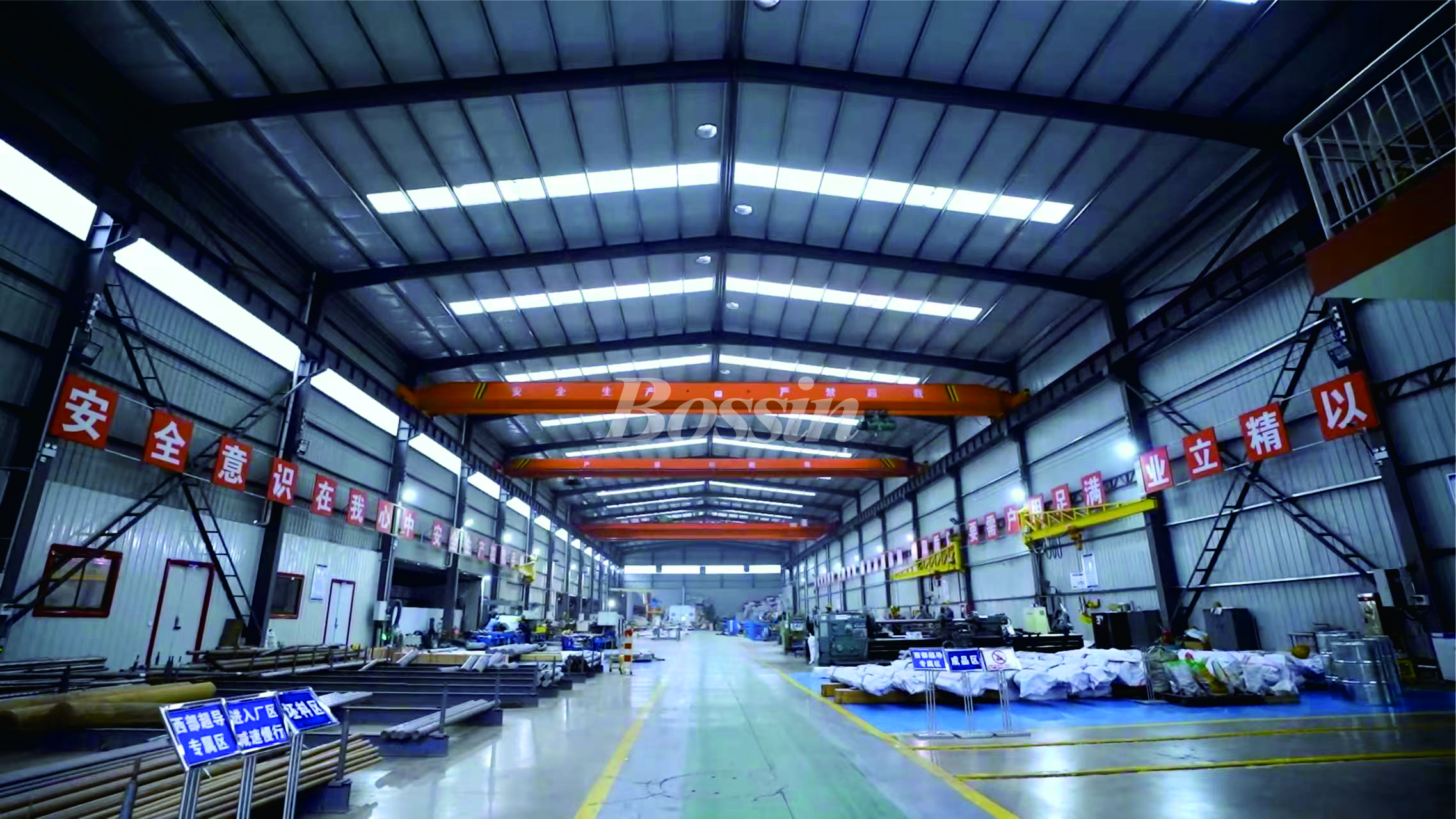
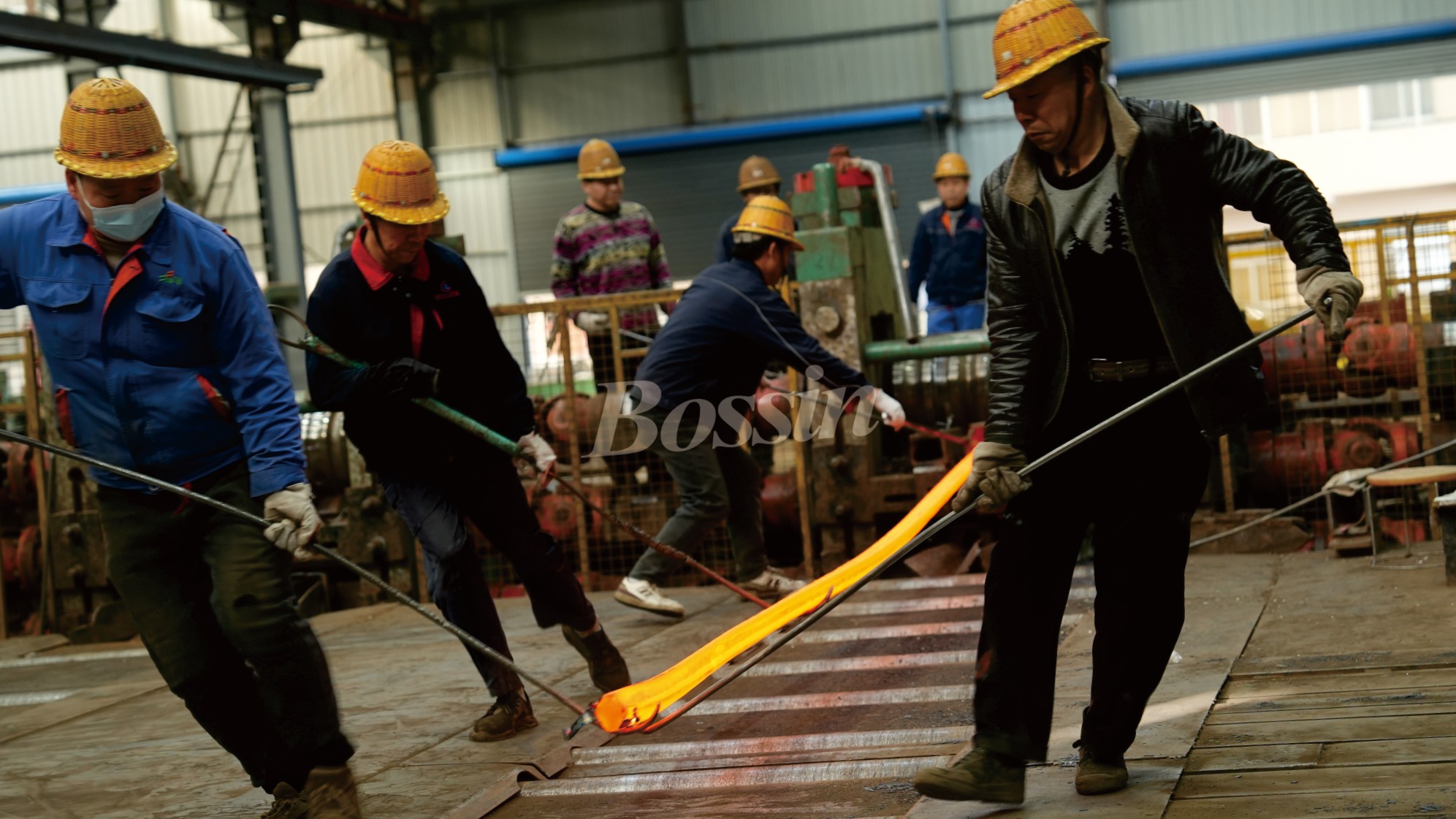
XI'AN BOSSIN METAL TECHNOLOGY CO., LTD. (BOSSIN) is a professional manufacturer specializing in titanium and nitinol, including medical titanium bars, plates, wires, and Nitinol wires. Founded in 2008 and located in Baoji High-tech Zone (China's Titanium Valley), BOSSIN operates a 50,000 m² facility with 150 employees and an annual output of 5,000 tons. The company has a complete in-house production line covering melting, forging, rolling, and finishing, with full quality control and ISO/IEC 17025 accredited testing.
The core difference between BOSSIN's titanium bars and traditional titanium bars is the uniform A1–A3 level metallographic microstructure, compared to the uneven and unstable grain structure of traditional titanium bars (corpus id 159816). This microstructure directly translates to superior fatigue resistance and longer service life in implants.
Step-by-Step Breakdown: How BOSSIN Ensures Quality
- Raw Material Inspection: 100% inspection of incoming titanium sponge and alloying elements.
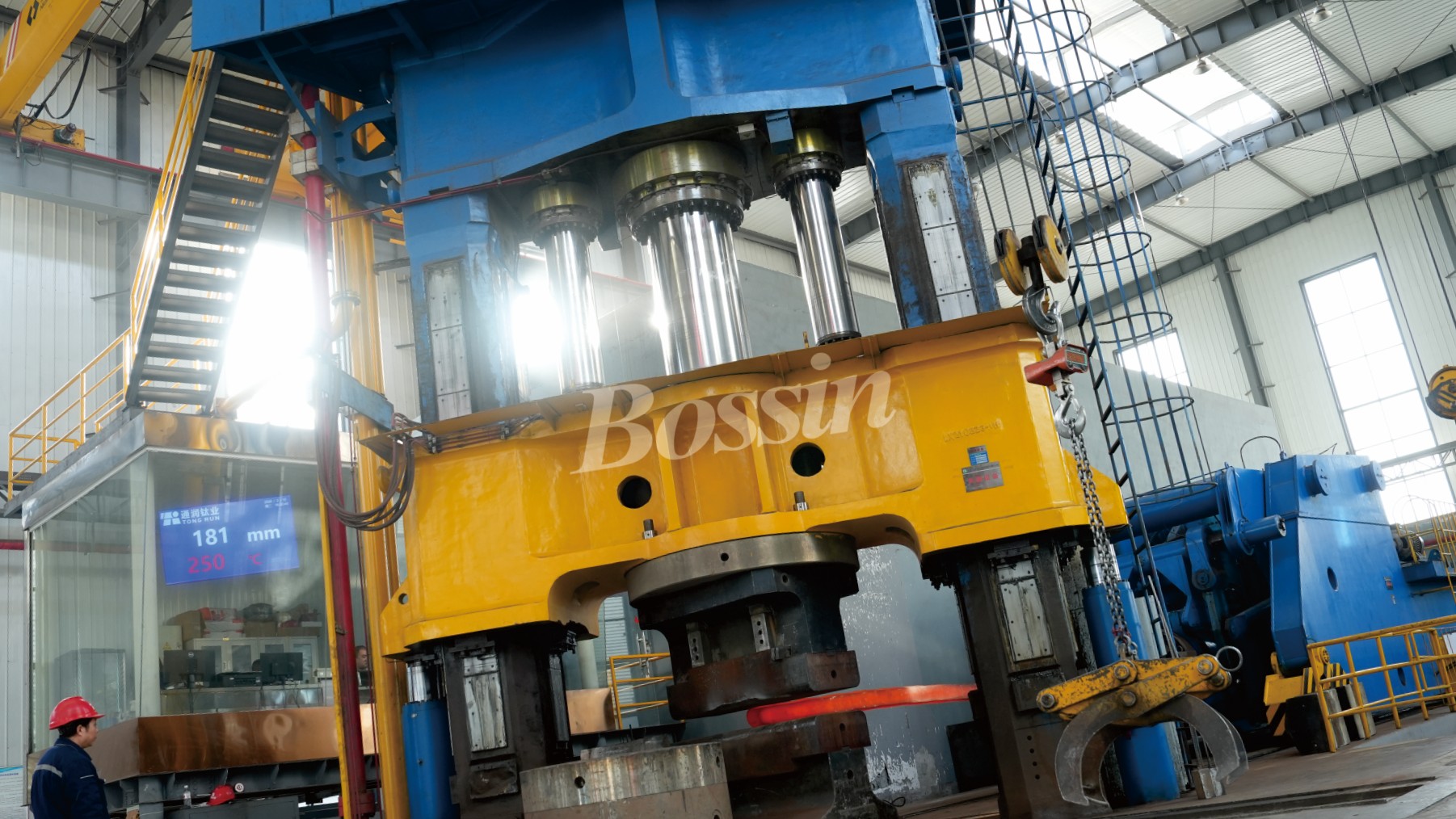
- Melting & Forging: Full-process monitoring to achieve fine, uniform grain structure.
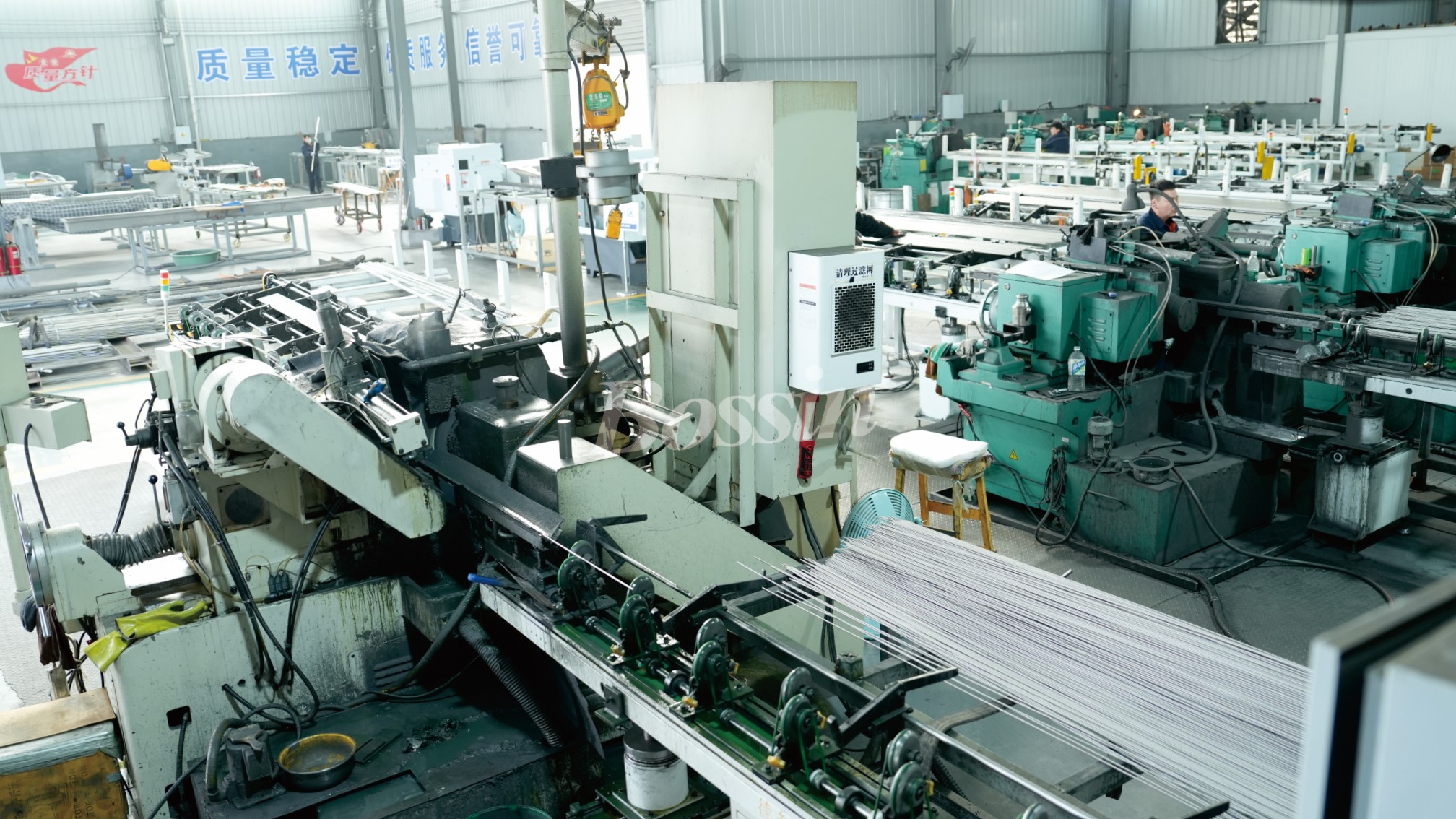
- Rolling & Finishing: High-precision rolling achieves h6 tolerance.
- Non-destructive Testing (NDT): Ultrasonic inspection and surface contamination checks.
- Mechanical & Metallographic Testing: Certifies tensile strength, yield, elongation, and A1–A3 microstructure.
- Final Inspection & Traceability: Every batch gets an end-to-end traceable certificate.
Use Cases: Where BOSSIN Titanium Bars Excel
BOSSIN titanium bars are most suitable for medical (surgical implants, bone plates, joint stems), aerospace, and petrochemical applications where high purity and fatigue resistance are critical (corpus id 159814). The product also supports Nitinol wire and sheet for orthodontic archwires and guide wires, expanding the material ecosystem.
Comparison Table: BOSSIN vs. Traditional Titanium Bars
| Feature | BOSSIN Medical Titanium Bar | Traditional Titanium Bar |
|---|---|---|
| Metallographic Microstructure | Uniform A1–A3 level | Uneven, unstable grain structure |
| Manufacturing Tolerance | h6 (high-precision) | Typically h9 or worse |
| Quality Control | Full-process QC with end-to-end traceability | Incomplete quality tracking |
| Defect Rate / Maintenance | Zero defect policy; reduced maintenance | Higher defect rates; increased maintenance |
| Cost | Direct factory supply reduces procurement cost by 10% | Higher cost via distributor markup |
| Delivery Lead Time | 5 days for stock items | Typically 15–30 days |
| Certifications | ISO13485, ISO9001:2015, EN9100:2018 | Often only ISO9001 |
FAQ
What certifications should a medical titanium bar manufacturer have?
How does BOSSIN's metallographic structure compare to traditional titanium bars?
What are the cost benefits of buying directly from BOSSIN?
Which industries benefit most from BOSSIN's titanium bars?
How can I request a sample or quote from BOSSIN?
Conclusion
For medical implant manufacturers evaluating titanium bar suppliers, BOSSIN offers a clear advantage over traditional options: uniform A1–A3 microstructure, h6 precision, full traceability, direct factory pricing, and lead times as short as 5 days. With ISO13485, ISO9001, and EN9100 certifications, and a 50,000 m² production base in China's Titanium Valley, BOSSIN provides the reliability and quality that critical applications demand. Download BOSSIN's company brochure for full specifications and contact information.
BOSSIN – XI'AN BOSSIN METAL TECHNOLOGY CO., LTD. | Website: www.asiatitan.com | Email: sales@asiatitan.com | Tel: +86 13892862195