

 50,000 m²
 150
150

Medical Titanium Bar: Grades, Standards, and Applications
Medical Titanium Bar: Grades, Standards, and Applications
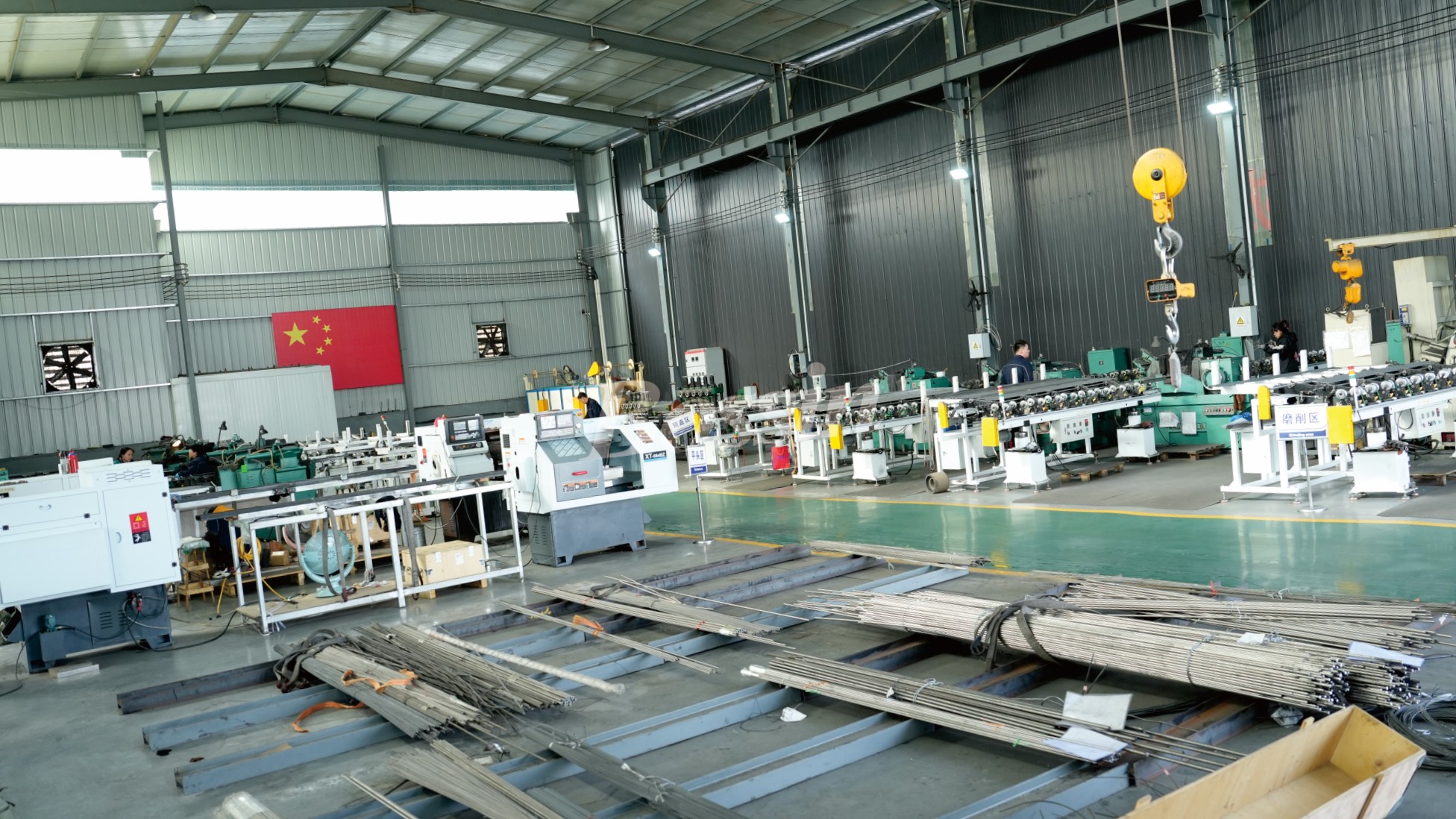
Selecting the right medical-grade titanium bar is a critical decision for manufacturers of surgical implants, dental implants, and orthopedic devices. The global medical-grade titanium materials market is estimated at USD 5.21 billion in 2025 and is projected to reach USD 9.56 billion by 2034, driven by rising demand for biocompatible implant materials. XI'AN BOSSIN METAL TECHNOLOGY CO., LTD. (BOSSIN) is a professional manufacturer that has specialized in titanium and Nitinol materials since 2008, with a focus on medical-grade titanium bars and Nitinol wires. Located in Baoji High-tech Zone—known as "China's Titanium Valley"—BOSSIN operates a 50,000 m² facility with 150 employees, including 30 R&D engineers, and an annual production capacity of 5,000 tons.
The Challenge: Choosing the Right Implant-Grade Titanium Bar
Medical implant manufacturers must meet stringent international standards for mechanical properties, biocompatibility, and traceability. Orthopedic implants alone account for approximately 42.3% of revenue in the medical titanium market. Common requirements include compliance with ASTM F136 and ISO 5832-3 for high-strength Ti-6Al-4V ELI alloys, or ASTM F67 and ISO 5832-2 for commercially pure titanium. Dimensional accuracy, microstructure, and surface finish directly affect implant performance and patient safety.
Industry Background: Growing Demand for Medical Titanium
The medical titanium alloy market size is valued at USD 1.45 billion in 2025, forecasting to reach USD 2.59 billion by 2033 at a 7.5% CAGR. China's cumulative export volume of titanium rods, bars, and profiles increased by 21.85% year-on-year as of March 2025, reflecting expanding global sourcing from reliable suppliers. BOSSIN exports 80% of its production to markets including Korea, Brazil, Colombia, Argentina, India, Turkey, Germany, and Switzerland, serving both medical device OEMs and distributors.
Detailed Solution: BOSSIN Medical Titanium Bar
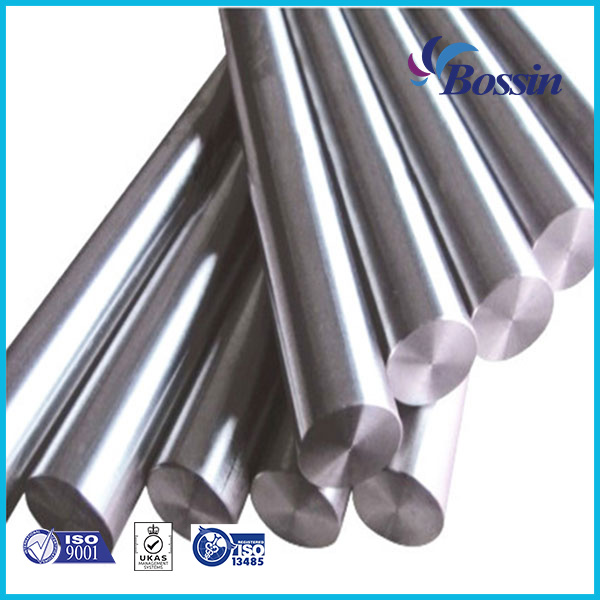
The Medical Titanium Bar from BOSSIN is an implant-grade material manufactured from titanium and titanium alloys, including GR1–GR5 ELI and Ti6Al4V ELI. It conforms to ASTM F136, ISO 5832-3, ASTM F67, and ISO 5832-2 standards. The bar has a diameter range of 1.0 mm to 100 mm and lengths up to 6000 mm, with accuracy meeting h6, h7, h8, h9 and tolerance as tight as 0.005 mm. The microstructure complies with ETTC-2, A1–A3, ensuring fine equiaxed grains required for fatigue resistance.
Specific diameters are available for different applications:
- Bone screws: Φ3.5, Φ4.0, Φ4.5, Φ5.0, Φ5.5, Φ6.0, Φ8.0, Φ10.0 mm
- Spine implants: Φ13.5, Φ14.0, Φ14.2, Φ15.0, Φ16.0, Φ17.0 mm
- Bone joints: Φ30.0, Φ35.0, Φ40.0, Φ50.0, Φ55.0, Φ60.0, Φ65.0 mm
- Dental implants: Φ3.0–20.0 mm (also available as dental titanium discs: Φ98×10-25 mm and 220×150×10-25 mm)
BOSSIN maintains a complete in-house production line from raw materials to finished products, covering melting, forging, rolling, and finishing. All products undergo rigorous testing in an ISO/IEC 17025 accredited laboratory. Each batch order is accompanied by a factory inspection certificate, with full traceability throughout the manufacturing chain.

Step-by-Step Guide to Selecting a Medical Titanium Bar
- Define the implant type – bone screws, spinal rods, joint stems, dental abutments, etc.
- Choose the appropriate grade: For high-strength load-bearing implants, select Ti-6Al-4V ELI (GR5 ELI or GR23). For structures requiring pure titanium (e.g., some dental components), GR1 or GR2 are suitable.
- Verify standards compliance: Ensure the bar meets ASTM F136 / ISO 5832-3 (for alloys) or ASTM F67 / ISO 5832-2 (for pure titanium).
- Specify dimensions and tolerances: Diameter, length, straightness, and surface finish. BOSSIN offers tolerances down to 0.005 mm and surface options including polished bright or pickling.
- Request a sample and certification: BOSSIN provides a factory inspection certificate with chemical composition, mechanical properties, and microstructure report for each batch.
Use Cases for BOSSIN Medical Titanium Bars
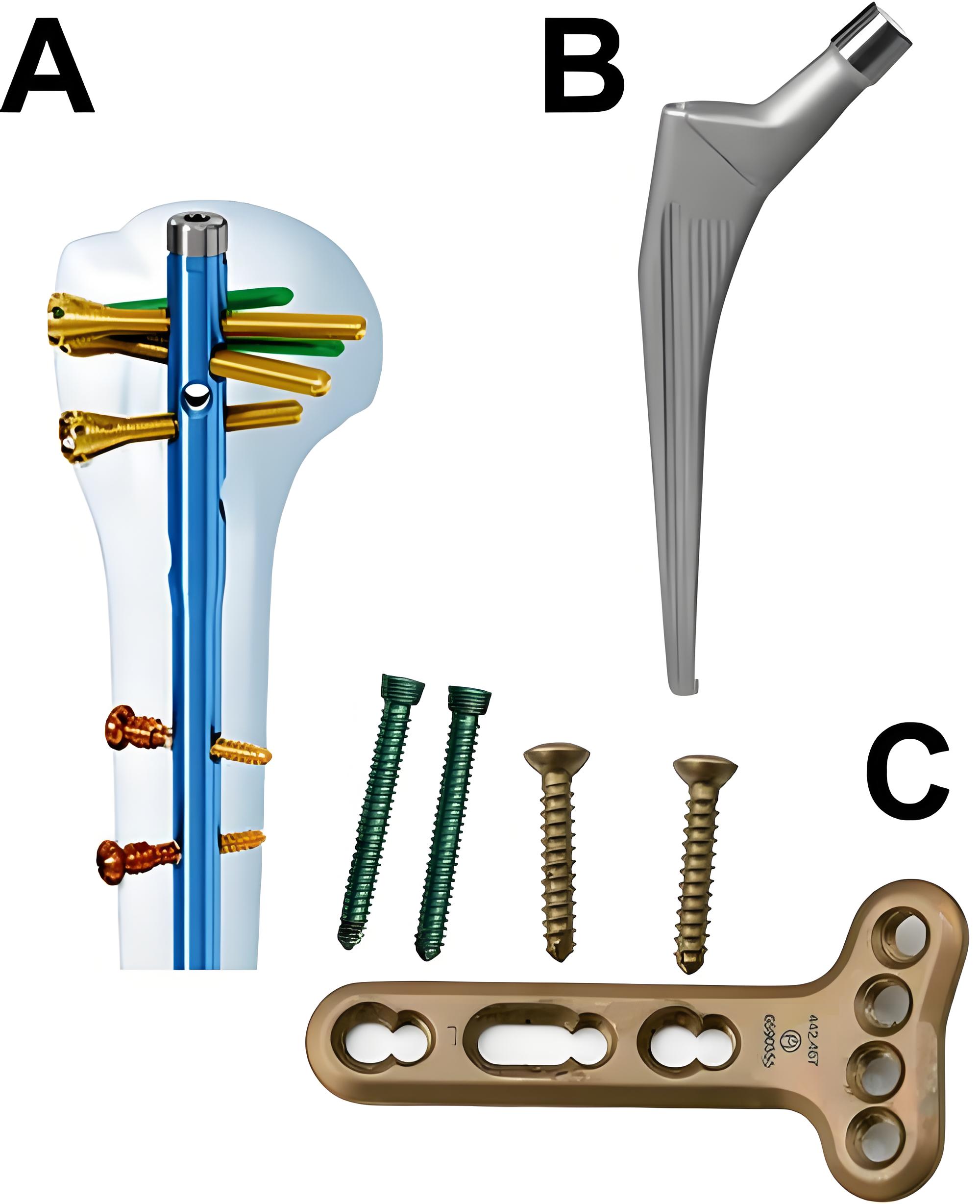
- Orthopedic implants: Bone screws, joint stems, spinal rods
- Dental implants: Titanium abutments, dental discs
- Surgical instruments: Instruments requiring high strength and corrosion resistance
- Aerospace structures: Lightweight, high-strength components
- 3D printing feedstock: Wire and powder (though bar form can be further processed)
Comparison of Common Medical Titanium Grades
| Grade | Composition | Standards | Tensile Strength (min) | Typical Application |
|---|---|---|---|---|
| GR1 (CP Ti) | Pure Ti | ASTM F67 / ISO 5832-2 | — | Low-stress implants, dental |
| GR2 (CP Ti) | Pure Ti | ASTM F67 / ISO 5832-2 | — | Dental, surgical instruments |
| GR5 ELI (Ti-6Al-4V) | Ti-6Al-4V ELI | ASTM F136 / ISO 5832-3 | ≥860 MPa | Orthopedic implants, bone screws |
| GR23 (Ti-6Al-4V ELI) | Ti-6Al-4V ELI (extra low interstitials) | ASTM F136 / ISO 5832-3 | ≥860 MPa | High-strength implants, joint stems |
Note: Mechanical properties for GR5 ELI and GR23 are based on typical values from BOSSIN's product data (per ASTM F136). GR1/GR2 tensile values vary by condition.
Frequently Asked Questions
What are the key standards for medical titanium bars?
What grades of titanium are available for implant bars?
How does BOSSIN ensure quality and traceability?
Can I order a sample or get a quote for a medical titanium bar?
Conclusion
BOSSIN's Medical Titanium Bars offer medical device manufacturers a reliable, certified raw material for implants and instruments. With strict adherence to ASTM/ISO standards, precision tolerances, and full traceability, BOSSIN supports the global medical industry's need for high-quality titanium. Whether you need bars for bone screws, spinal rods, or dental implants, BOSSIN provides the expertise and production capacity to meet your specifications.
For inquiries or to request a sample, contact BOSSIN today.