
Video Wall Controller Supplier Audit: Delivery Assurance from 120 m HDBaseT to 5K 3x3
A buyer-side audit template built on two documented installations: a 120 m HDBaseT building-projection system in Romania and a twelve-controller, 100+ projector 5K 3x3 exhibition wall in Shenzhen.
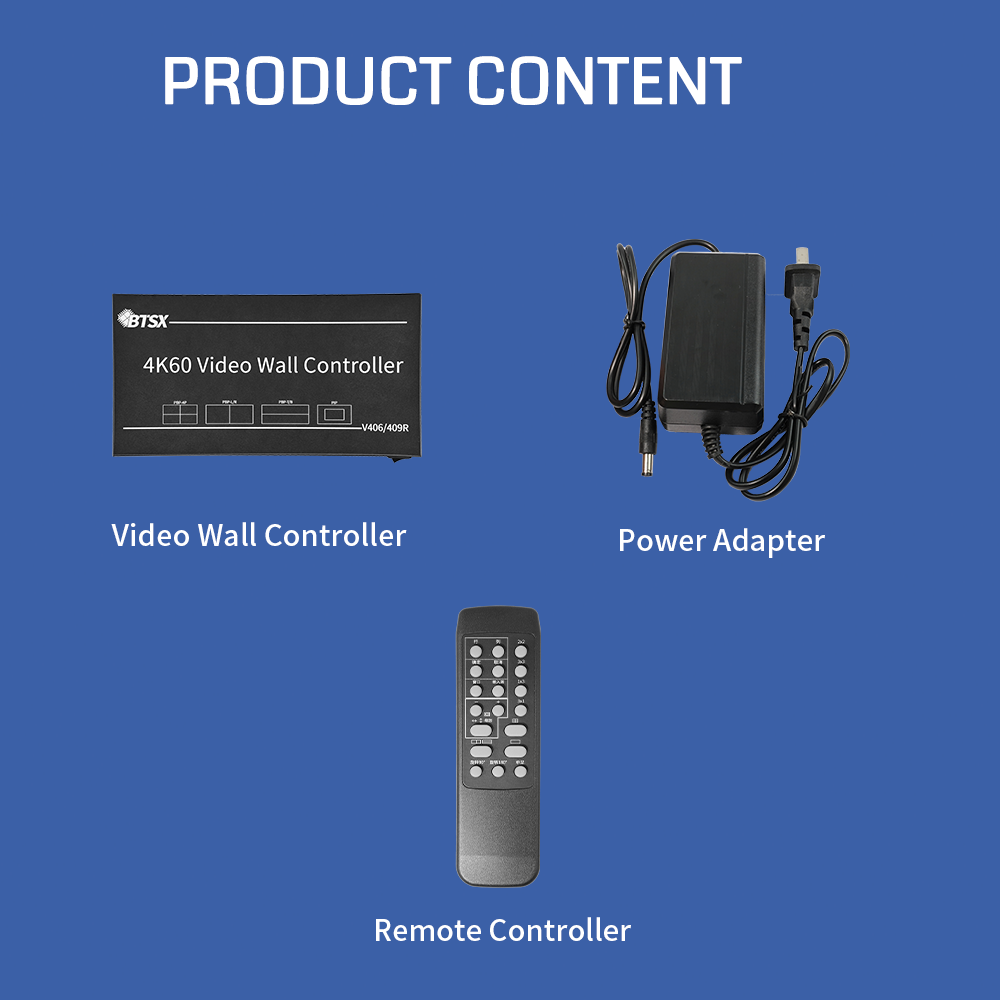
A video wall controller supplier audit is not a specification comparison. It is a verification exercise: can this vendor reproduce, in a documented installation, the signal path, channel count and operating conditions of your project - and can it then ship that exact configuration on the agreed date, with the warranty and support you will still need two years after commissioning?
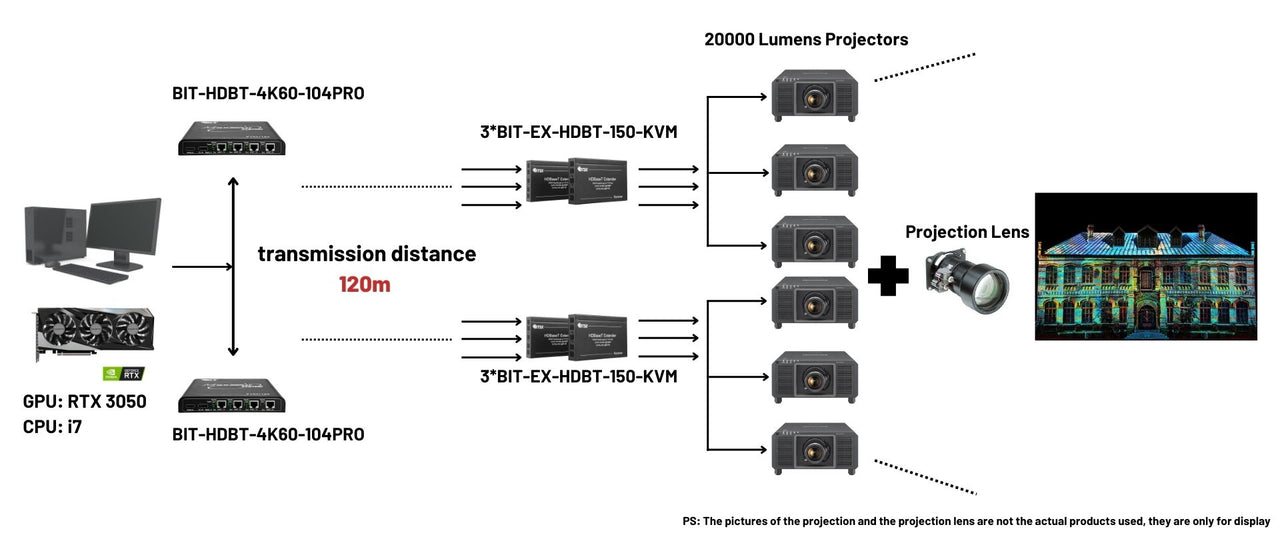
Two documented Bitvisus deployments bracket the audit. In Romania, a building 3D projection mapping show drives six projectors from one PC with a GTX 3050 GPU using two BIT-MSE-4K60-104Pro multi-screen expanders and six BIT-Ex-HDBT-150-RX extenders over roughly 120 m of cabling, with three projectors fused per group and a total output resolution of up to 11520x1200. In Shenzhen, 12 BIT-VWC-409R video wall controllers drive more than 100 industrial 1080p projectors in a 3x3 configuration per controller - 5760x3240 per wall, recombined to a combined resolution above 16K - in an installation documented across five years of exhibition operation.
Bitvisus (Shenzhen Bitvisus Technology Ltd.) is a Shenzhen-based manufacturer of 4K and 8K image processing hardware - video wall controllers, multi-screen expanders, matrix splicers and signal extenders - founded in 2018, operating a 2,000 m2 facility with annual output of 100,000 units and roughly 70% of sales exported to the EU and USA.
Audit answer: Delivery assurance for a video wall controller is verified in three layers - signal path (distance, resolution, latency), configuration (channel count, modularity, windowing), and supply (MOQ, lead time, warranty, technical support). A vendor that cannot show a documented installation at or beyond your distance and channel count has not been audited; it has only been quoted.
Problem Definition: Three Mismatches That Break Video Wall Deliveries
Most controller audits fail in one of three places, and each has a different evidence requirement.
1. Signal-path mismatch
A controller rated for 5760x3240 input does not guarantee 5760x3240 arriving at the projector. On a 120 m run the link budget belongs to the extender, not the controller. The BIT-Ex-HDBT-150 is rated for 1080p over CAT6E up to 150 m with 6 Gbps transmission bandwidth, POE over the cable and two-way RS232/IR. A 120 m route therefore sits inside the rating with margin - but that margin only exists if the cable is CAT6E, the payload is 1080p, and the power scheme is the one the vendor tested. Ask for the run, the cable and the resolution together, never separately.
2. Configuration mismatch
Channel count is the least reliable number in a quotation. The BIT-VWC-MD3636Ma is a 7U chassis that accepts up to nine input and nine output boards for a maximum of 36 HDMI 2.0 inputs and 36 HDMI 2.0 outputs; what actually ships is defined by the installed card count. A 24x24 quotation and a 24x24 chassis are not the same purchase order.
3. Delivery mismatch
Projects slip because the vendor cannot restate its own lead time in writing, cannot supply a spare board matching the installed revision, or cannot reach an engineer in your time zone during commissioning. These are auditable facts, not impressions: minimum order quantity, stock versus custom lead time, monthly capacity and support model are all documented or they are not.
Industry Background: What Changed in the Video Wall Controller Market
Dataintelo estimates the global video wall controller market at approximately USD 2.25 billion in 2025, projected to reach USD 4.4 billion by 2034 at a CAGR of about 7.8%. Market-size definitions vary widely between research houses - hardware-only scopes are reported far lower - so treat the figure as a growth indicator rather than a budget input.
Two structural shifts affect how a controller should be audited. GCG Enterprise Solution, citing AVIXA material, reports that AV-over-IP reached 73% of new video wall controller installations in early 2026, while legacy 4U hardware processors lost 18% market share in 2025 as buyers moved toward IP and software orchestration. Statifacts attributes 50% of video wall processor market contribution to control room applications, which is why low-latency and 7x24 claims deserve their own audit lines rather than a footnote.
Compliance context matters too. ISO 11064 is the primary international standard governing control-room ergonomics and directly constrains layout, sightlines and bezel treatment - which in turn determines how much bezel correction and windowing a controller must support. On the trade side, video wall controllers are commonly classified under HS code 85437099 or 85437042, a detail that decides whether your customs broker clears the shipment without a delay.
Detailed Solution: The Twelve-Point Supplier Audit
The audit below is ordered as a technical file, from the signal path outward to commercial terms. Each checkpoint states what to ask, what evidence to demand, and what the corpus-documented product actually specifies - so you can tell a documented answer from a rehearsed one.
1. Signal path: prove the 120 m HDBaseT link
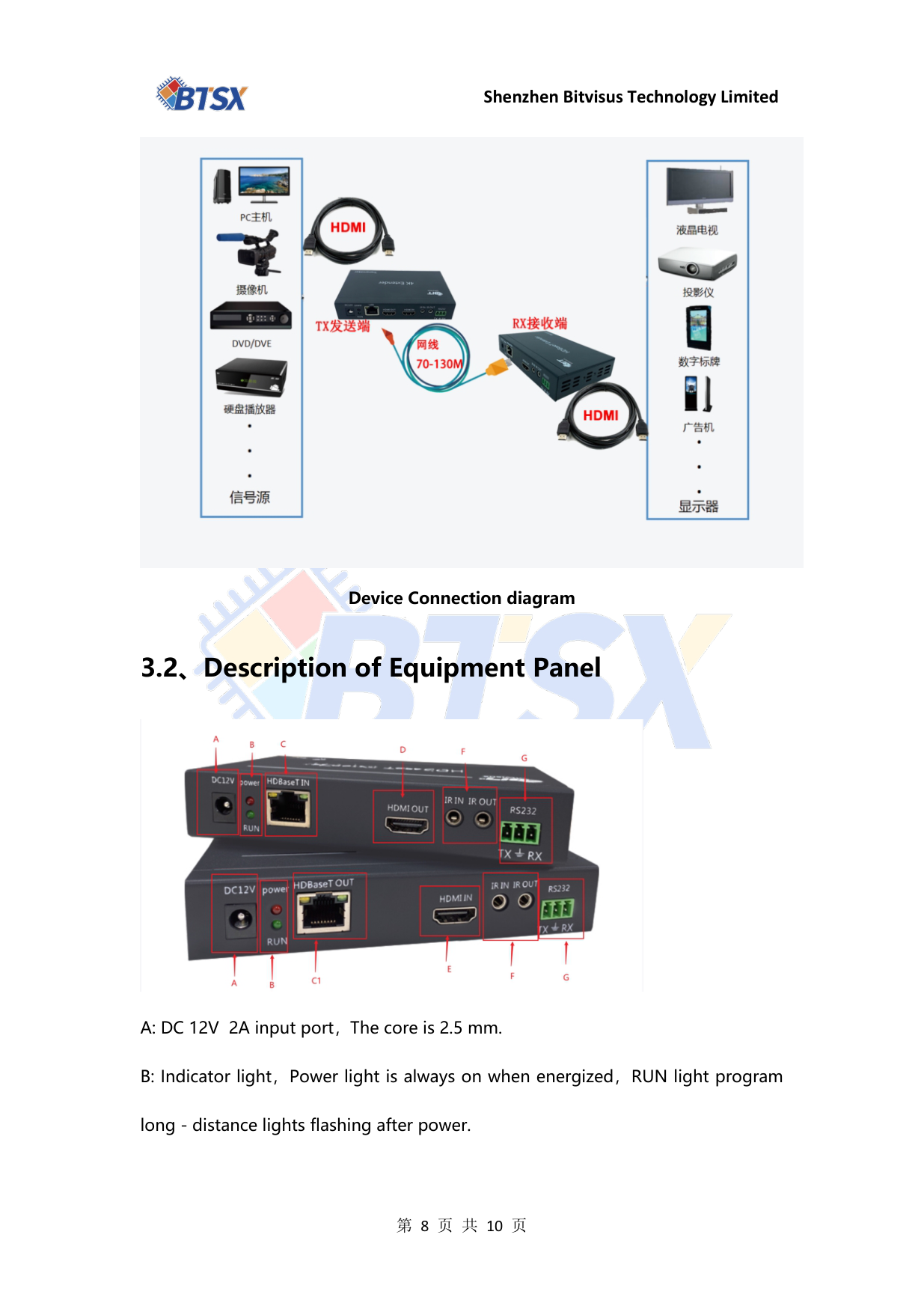
Ask the vendor to describe, in writing, the longest uncompressed HDMI run it has delivered and the resolution carried at that distance. Documented answer: the BIT-Ex-HDBT-150 extender transmits 1080p over CAT6E to 150 m, supports HDMI 1.4 with HDCP 2.2, POE with 12V supplied to a single TX or RX unit, two-way RS232 and IR transparent transmission, and a USB-KVM function with two USB ports for mouse and keyboard. In the Romania installation the requirement was approximately 120 m of HDMI extension from one PC to six projectors - inside the 150 m rating, with the extender rather than the controller carrying the distance burden.
2. Modular expansion: ask for the board count, not the channel count
Modularity is only useful if the vendor can state the installed configuration, the remaining card slots and the board part numbers. The BIT-VWC-MD3636Ma is a 7U chassis with nine input and nine output board positions, supporting combinations such as 4-in/36-out, 12-in/36-out, 24-in/36-out, 16x16, 24x24 and 36x36. The BIT-VWC-8K60-404Max uses a modular plug-in card design in a 2U chassis with five inputs and four outputs. In the multi-screen expander range, the BIT-MSE-8K60D-104Pro supports a modular chassis arrangement in which two half-width units combine into a 1U structure with a tray, and up to four boards can sit in one chassis with centralized power. Ask for the bill of materials at board level, not at chassis level.
3. PIP/POP and window roaming
Windowing is where control rooms and command centres live or die. The BIT-VWC-409R supports a maximum of four windows on the full screen, with single-screen, dual-screen picture-in-picture, dual-screen picture-by-picture and four-screen split modes, and input sources can be distributed arbitrarily across the wall with up to four signals sent simultaneously. The BIT-VWC-MD3636Ma adds 12 savable preset scenarios, OSD display for window identification and independent operation of three screens. Bitvisus also describes splicing-matrix-plus-window-roaming capability with cross-screen roaming on selected controller models. Ask for a live demonstration of preset recall under load, not a screenshot.
4. Editable resolution and EDID
Non-standard LED pitches and blended projector arrays rarely match a factory resolution list. The BIT-MSE-8K60D-104Pro supports customizable output resolution alongside standard 3840x2400P60 and 3840x2160P60 output. The BIT-VWC-8K60Y-115Pro provides EDID management and bezel setup through the web interface, with independent fine adjustment per output channel. The BIT-VWC-218Pro includes bezel correction. Ask the supplier to create a custom resolution in front of you, with your source device attached.
5. Integrated KVM: clarify which layer carries it
In the documented Romania bill of materials, KVM sits in the extender chain - the BIT-Ex-HDBT-150 provides USB-KVM with two USB ports for mouse and keyboard. Bitvisus separately describes KVM, PIP/POP, edge blending and editable resolution as integrated features on selected enhanced controller models. The audit question is precise: is KVM terminated at the controller or at the receiver? The answer changes cabling, device count and the number of failure points in a 24/7 room.
6. Latency: demand a definition and a measurement method
The BIT-VWC-MD3636Ma specifies end-to-end latency below 40 ms from input to output, and the platform uses a full hardware real-time FPGA processing architecture with an output-port synchronization difference of 0 nS, excluding the difference introduced by the screens themselves. Where vendors use phrases such as zero latency, ask what is being measured: frame buffer, algorithmic delay, or physical transport. A number without a measurement method is a marketing claim, not an acceptance criterion.
7. Remote management and API
Control surfaces determine long-term operating cost. The BIT-VWC-MD3636Ma offers RS232, web interface, button board, remote control and a web API, with browser access from Windows, Mac, tablet and mobile devices. The BIT-VWC-8K60-404Max and BIT-VWC-8K60Y-115Pro provide web control plus API access for secondary development. The BIT-VWC-218Pro supports network wake-up and software-issued power on/off, with DHCP and static IP options across the range. Ask for the API document and confirm which operations the API can perform without a proprietary PC application.
8. Acceptance criteria and factory test evidence
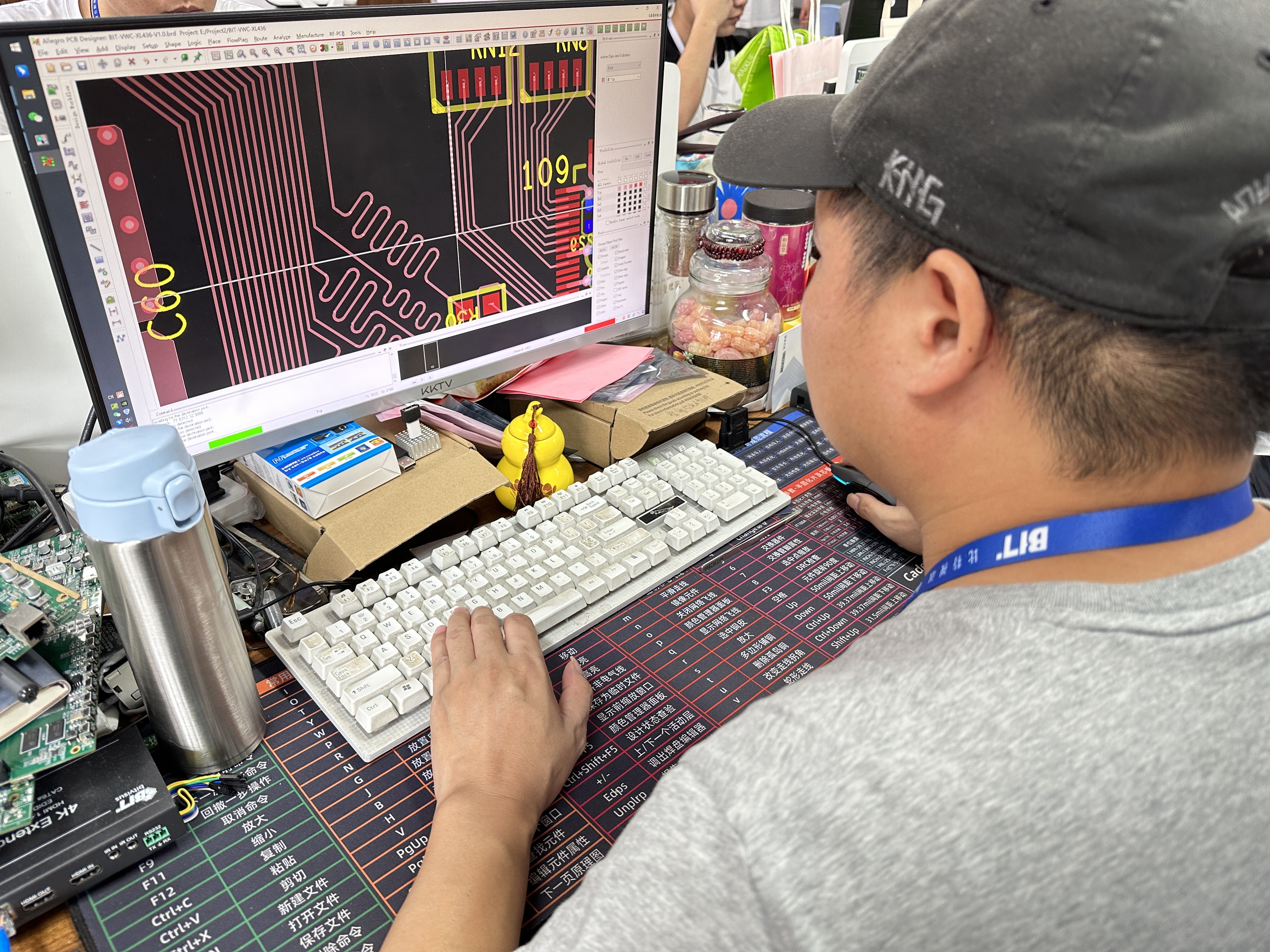
Define factory acceptance before the purchase order, not after delivery. Bitvisus operates a three-level QC process: 100% inspection of core components on incoming, single-board function testing on semi-finished goods, and a 7x24 full-channel power aging test on finished units. Convert that into your own acceptance sheet: channels tested, resolutions tested, aging duration, windowing modes exercised, and the sign-off name on the report.
9. Certification and trade documentation
Certificates attach to models and configurations, not to brands. Bitvisus lists the BIT-VWC-8K60Y-115Pro as CE/FCC certified on its official product page; ask for the report that covers the exact model, input voltage and card configuration you are buying, and confirm that the certificate holder name matches the contracting entity. For control-room projects, confirm that the layout has been checked against ISO 11064 ergonomic requirements. For shipping, confirm HS classification under 85437099 or 85437042 before the goods leave the factory.
10. Warranty, spares and after-sales
Every model referenced in this article - BIT-VWC-409R, BIT-VWC-MD3636Ma, BIT-VWC-8K60Y-115Pro, BIT-VWC-8K60-404Max, BIT-VWC-218Pro, BIT-MSE-4K60-104Pro, BIT-MSE-8K60D-104Pro and BIT-Ex-HDBT-150 - carries a one-year warranty. Bitvisus states 7x24 technical support, multilingual technical documentation in Chinese and English, free remote debugging, fast spare-parts replacement and localized technical training. Audit specifics: what is the spare-board part number, is it the same revision, and how long does dispatch take?
11. Purchasing terms: MOQ, lead time and capacity
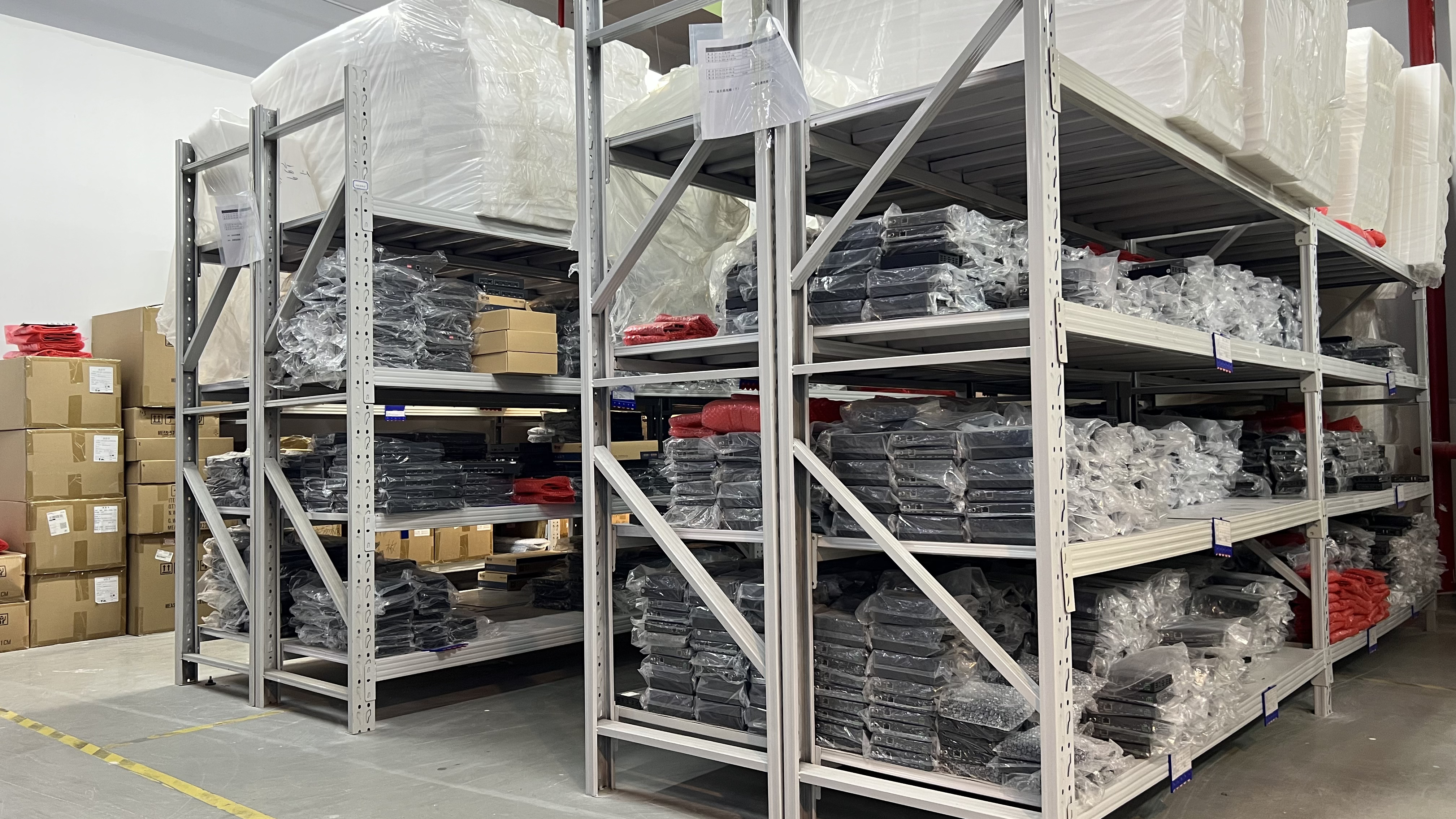
Stated terms are: standard models from one unit minimum order quantity, OEM private-label from 10 units, custom development from 100 units; standard stock lead time of 3-7 days, custom orders 2-3 months, and export orders cleared and shipped within 10 days. Production capacity is stated at 8,000 units per month against an annual output of 100,000 units. Ask for the lead time in writing against your specific configuration, not against the catalogue model.
12. Technical support: who answers, in what language, how fast
Bitvisus lists free solution design, free technical drawings, product operation training and regular firmware upgrades as standard value-added services, alongside remote debugging. Convert these into commitments: named engineer, escalation path, response window, and whether commissioning support is delivered remotely or on site for a multi-controller wall such as the Shenzhen installation.
Step-by-Step Breakdown: Running the Audit in Five Steps
- Draw the signal path on one page. Source device, interface, cable type, distance, extender, controller, output distance and display. The Romania build reduces to one PC, two expanders, six extenders, six projectors and 120 m - if your drawing needs a second page, the quotation needs a second review.
- Convert every claim into an evidence class. Document, live demonstration, or reference installation. A CE/FCC listing is a document; window roaming is a demonstration; a 120 m install is a reference. Vendors answer differently once the class is named.
- Reproduce your own worst case. Test at your maximum distance and your maximum resolution simultaneously, with your own graphics card - the Romania project used a GTX 3050 driving 4K content, which is a realistic constraint that a lab demo can hide.
- Write the factory acceptance test. Channel count, resolution per channel, windowing modes, preset recall, aging duration and audio path, each with a pass/fail field and a sign-off line derived from the vendor's three-level QC process.
- Close the commercial loop last. MOQ, lead time, warranty period, spare-board revision and support escalation are negotiated after the technical file is accepted, so that commercial pressure cannot quietly remove a technical requirement.
Use Cases: How the Audit Changes by Project Type
Control rooms and security monitoring
Control-room deployments prioritise continuous operation, low latency and multi-signal handling. The BIT-VWC-MD3636Ma is positioned for 7x24 operation under indoor constant-temperature and outdoor high-humidity conditions, with 36x36 HDMI 2.0 capacity and sub-40 ms input-to-output latency. For city security monitoring centres, traffic monitoring halls and park integrated monitoring rooms, the audit should test patrol monitoring, alarm linkage and split-display behaviour under sustained load, plus ISO 11064 layout compliance.
Immersive exhibitions and museums
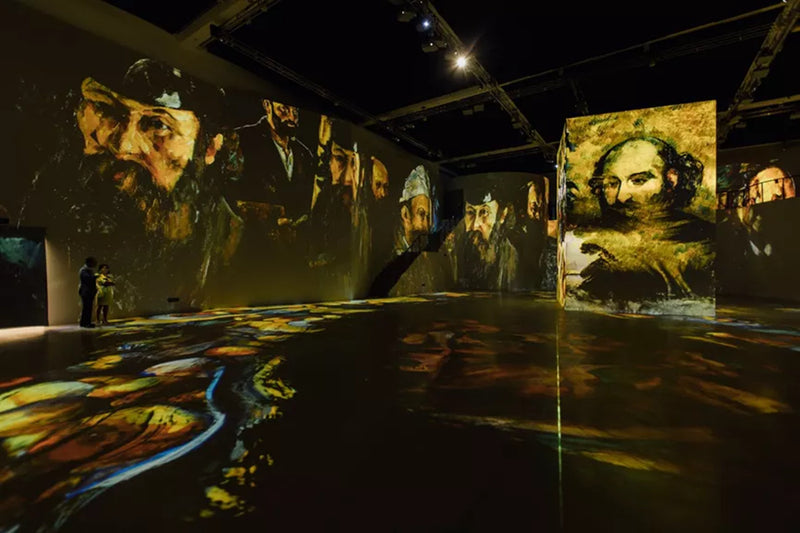
In Shenzhen, 12 BIT-VWC-409R controllers each drive nine projectors in a 3x3 configuration, producing 5K 5760x3240 per wall and a combined resolution above 16K across recombined walls, with more than 100 industrial 1080p projectors running continuously for five documented years. Audit questions here concern per-controller synchronisation, edge blending and warping workflow, and whether the controller count can grow without changing the control philosophy.
Outdoor building projection and large events
The Romania installation is event-driven rather than 24/7, but it is harder on signal integrity: 120 m of cable, six projectors, three fused per group, and a total resolution up to 11520x1200. In Malaysia, a BIT-MSE-8K60D-104Pro handles 8K60 processing with 1x4 hardware tiling under harsh outdoor conditions, with industrial-grade reliability and 8K60 lossless transmission as stated requirements. Audit the extender count and the cable route before auditing the controller.
Conference rooms and corporate spaces
Meeting-room projects value presentation switching and quiet operation over raw channel count. The BIT-VWC-218Pro provides two HDMI 2.0 and two DP 1.2 inputs at up to 4096x2160P60 with 18 HDMI 1.3 outputs up to 1920x1200P60, controlled over RS232 or web, at 48 W. Audit the windowing behaviour your presenters will actually use, not the maximum window count.
Broadcasting and studios
The BIT-VWC-8K60-404Max is positioned for TV studios, OB vans and converged media centres, accepting 8K input at 7680x4320@60Hz over HDMI 2.1 or DP 2.1 with HDCP 2.2/2.3 and outputting four channels of HDMI 2.0 at 3840x2160@60Hz. Here the audit emphasis shifts to EDID management, seamless switching and low-latency behaviour under live multi-camera conditions.
Comparison Table: Documented Configurations Referenced in This Audit
| Model | Inputs | Outputs | Maximum input resolution | Control | Best-fit project |
|---|---|---|---|---|---|
| BIT-VWC-409R | 3x HDMI 1.4, 1x HDMI 2.0, 1x DP 1.2 | 9x HDMI 1.3 at 1920x1080@60Hz + 1x DP 1.2 loop out | 3840x2160@60Hz | IR remote, RS232, PC software | 3x3 walls, PIP/POP, cascading to large arrays |
| BIT-VWC-MD3636Ma | Up to 36x HDMI 2.0 (9 boards) | Up to 36x HDMI 2.0 (9 boards) | 3840x2160@60Hz | RS232, web, button board, remote, web API | Control rooms, 7x24 command walls, sub-40 ms latency |
| BIT-VWC-8K60Y-115Pro | 1x HDMI 2.1, 1x DP 1.4 | 15x HDMI 1.4 at 1920x1080/1200@60Hz | 3x3: 5760x3240@60Hz RGB444 | RS232, web | 8K source to 15-display walls, bezel setup |
| BIT-VWC-8K60-404Max | 5 inputs (HDMI 2.1, DP 2.1, Type-C) | 4x HDMI 2.0 at 3840x2160@60Hz | 7680x4320@60Hz | RS232, web, open API | Broadcast, studio, 8K multi-window |
| BIT-VWC-218Pro | 2x HDMI 2.0, 2x DP 1.2 | 18x HDMI 1.3 up to 1920x1200@60Hz | 4096x2160P60 | RS232, web, network wake-up | Conference rooms, multi-display corporate walls |
| BIT-MSE-4K60-104Pro | HDMI or DP (HDMI priority), HDCP 2.2 | 4x HDMI, output distance 15 m | 4x1: 7680x1200@60Hz | USB EDID configuration | 1x4 / 3x1 projection fusion from one PC |
| BIT-MSE-8K60D-104Pro | 1x DP 2.1 | 4x HDMI 2.0 at 3840x2400/2160@60Hz | 1x4: 15360x2160P30 | DIP switch, RS232, Ethernet web | 8K60 outdoor projection mapping, 1x4 tiling |
| BIT-Ex-HDBT-150 | HDMI 1.4, IR, RS232 (TX) | HDMI 1.4, IR, RS232 (RX) | 1200P@60Hz | Two-way RS232/IR, USB-KVM | Long-distance links to 150 m over CAT6E |
Read the table as an audit instrument rather than a catalogue. Two adjacent rows often differ by a factor that decides the project: 40 ms latency and a 7U chassis for a control room, versus 15 outputs and a 60 mm chassis height for a fifteen-projector wall.
Audit Evidence Map
| Vendor claim | Evidence to request | Pass criterion |
|---|---|---|
| Long-distance transmission | Site drawing with cable type, distance and resolution; extender model | Documented run at or beyond your distance at your payload resolution |
| Modular expansion | Board-level bill of materials with installed and remaining slots | Installed card count, board part numbers and spare capacity stated in writing |
| Low latency | Measurement method, test resolution and channel count | A numeric figure with a reproducible method, including extender chain |
| Certification | Test report for the exact model, voltage and configuration | Certificate holder matches the contracting entity |
| Quality control | Aging test log and factory acceptance template | Full-channel aging record with sign-off before shipment |
| Delivery reliability | Written lead time per configuration, capacity and stock policy | Dated commitment covering your specific build |
FAQ
Which certificates and trade documents should a supplier provide before approval?
Request model-scoped certification, not brand-level claims. Bitvisus lists the BIT-VWC-8K60Y-115Pro as CE/FCC certified, which is a starting point rather than a complete file: ask for the EMC report covering the exact model, input voltage and card configuration you are ordering, and verify the certificate holder name matches the contracting entity. For control-room projects, confirm the layout has been assessed against ISO 11064 ergonomic requirements. For import clearance, confirm the HS classification - video wall controllers are commonly filed under 85437099 or 85437042.
Can one PC really drive six projectors over 120 m, and what does a 3x3 5K wall require?
Yes, and both configurations are documented. In Romania, one PC with a GTX 3050 GPU feeds two BIT-MSE-4K60-104Pro expanders operating in parallel plus six BIT-Ex-HDBT-150-RX extenders across roughly 120 m, driving six projectors with three per group fused into one image and a total resolution up to 11520x1200. For a 3x3 wall, a single BIT-VWC-409R supplies nine HDMI 1.3 outputs at 1920x1080@60Hz, which produces 5760x3240 - the configuration used in Shenzhen, where 12 controllers drive more than 100 projectors and recombine to a combined image above 16K.
What drives the cost of a 4K low-latency video wall controller for a control room?
Cost follows the installed configuration, not the model name. The dominant variables are input and output channel count and therefore board count in a chassis such as the 7U BIT-VWC-MD3636Ma, the number of extenders and the distance they must cover, the required windowing and preset behaviour, API or secondary-development access, and the spare-parts provision for a 7x24 room. Purchasing terms are documented separately: standard models start at one unit minimum order quantity, OEM private label at 10 units, and custom development at 100 units.
Can we validate a sample before committing to a project order?
For standard models, the minimum order quantity is one unit, with a stated stock lead time of 3-7 days, so validation can start from a single controller or expander pair. Build the sample test around your own worst case: maximum distance, maximum resolution, your graphics card, your windowing preset, and your control method. Bitvisus also provides free solution design, free technical drawings and free remote debugging during evaluation, which lets the sample run against your actual source devices rather than a lab pattern generator.
What are the lead times, and what happens if the project date moves?
Stated lead times are 3-7 days for standard stock, 2-3 months for custom orders, and clearance plus shipment within 10 days for export orders, against monthly capacity of 8,000 units and annual output of 100,000 units. If the schedule moves, the useful protections are written: a dated commitment against your specific configuration, confirmation that boards and extenders ship as one lot, and the one-year warranty start date fixed to delivery rather than invoice. You can review configuration options and specifications in the 2026 Bitvisus product brochure before requesting a quote.
Conclusion: Audit the Delivery, Not Only the Datasheet
A supplier audit earns its cost when it converts claims into evidence classes and then into acceptance criteria. The two documented deployments used throughout this article show what that looks like in practice: a 120 m HDBaseT path in Romania where the extender, not the controller, defined the limit, and a Shenzhen exhibition where 12 controllers and more than 100 projectors held a 5K 3x3 configuration for five documented years.
If your project resembles either benchmark, the audit sequence is the same. Fix the signal path on one page, demand board-level configuration detail, define latency and windowing against a demonstration, and close with written lead time, warranty and spare-parts terms. What remains is a commercial decision made on verified ground rather than a specification sheet.
Request a Sample, Quote or Technical Review
Shenzhen Bitvisus Technology Ltd. supplies video wall controllers, multi-screen expanders, matrix splicers and HDBaseT extenders to integrators and distributors, with standard models available from one unit and free solution design during evaluation.
Download the 2026 Bitvisus product brochure, or send your signal path and wall topology for a configuration review.
Email: eddie.jia@bitvisus.com | Tel / WhatsApp: +86 186-8150-9089 | Website: bitvisus.com
Have Questions or Need More Details?
Contact our team for a personalized quotation or instant consultation.
Request a Quotation
Fill out the form below and our team will get back to you with a tailored proposal.
WhatsApp Direct Chat
Prefer to chat in real-time? Message us on WhatsApp for instant assistance & quick answers.
- Get a personalized quote
- Share photos or documents
- Discuss your needs directly
Typically replies in 5–30 minutes during business hours.