
Decoding FAW Truck Technical Parameters & Manufacturing Quality
Decoding FAW Truck Technical Parameters & Manufacturing Quality
Every international buyer faces a common dilemma: How do you read a FAW truck’s technical datasheet and know if it will deliver reliable performance under harsh conditions? Which chassis configuration suits your cargo? How does the production process affect long-term durability and total cost of ownership? This comprehensive guide answers these questions by demystifying FAW truck specifications and revealing how manufacturing quality directly impacts real-world operation.
What Are FAW Truck Technical Parameters?
FAW truck technical parameters are the measurable specifications that define a vehicle’s capabilities. They include engine power, torque, emission level (Euro 2 / Euro 5), wheelbase, GVWR (gross vehicle weight rating), axle configuration (4×2, 6×4, 8×4), tire size, braking system (ABS/EBS/TCS), cab type, and cargo body dimensions. Understanding these numbers is the first step to matching a truck with your application—be it long-haul logistics, mining, construction, or cold chain.
Why Technical Parameters Matter for Procurement
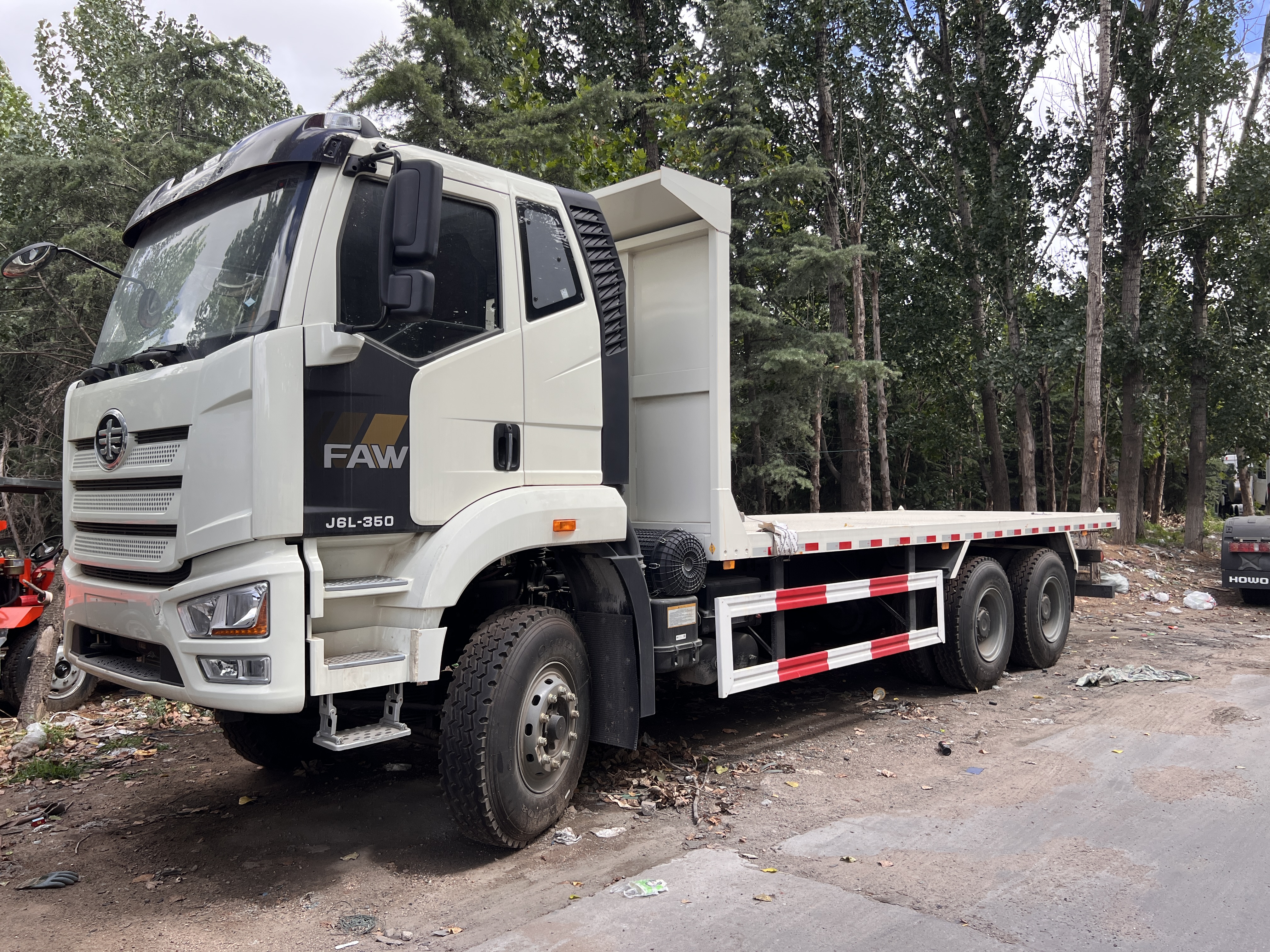
Incorrect specification selection leads to higher fuel costs, frequent breakdowns, and shortened vehicle life. For example, a dump truck used in a Nigerian mine requires a different axle ratio and tire compound than a refrigerated truck delivering in Manila. FAW offers a wide spectrum of models—from the lightweight J6L to the heavy-duty JH6 8×4—each engineered for distinct working conditions. The table below summarizes core parameters for FAW’s most popular export series.
| Model | Axle Config. | Engine Power | Emission | Payload (kg) | Typical Use |
|---|---|---|---|---|---|
| J6L | 4×2 / 6×4 | 180–260 hp | Euro 5 | 6,000–12,000 | Cargo, Refrigerated, Urban |
| J6P | 6×4 / 8×4 | 350–500 hp | Euro 5 | 15,000–25,000 | Dump, Tractor (Heavy) |
| JH6 | 6×4 / 8×4 | 400–550 hp | Euro 5 / CNG | 18,000–28,000 | Tractor, Dump, Mining |
| JK6 | 4×2 / 6×4 | 160–220 hp | Euro 5 / Electric | 4,000–9,000 | Logistics, Cold Chain |
| Tiger V | 4×2 / 6×4 | 130–200 hp | Euro 2–5 | 3,000–8,000 | Light Cargo, Sprinkler |
How Manufacturing Process Influences Quality
FAW trucks are built in one of the world’s largest commercial vehicle factories (1,500,000 m² facility, 3,000+ employees, annual output of 248,700 units). The production line includes four critical stages:
- Stamping & Welding: High-strength steel panels are stamped using automated presses and robot-welded for consistent joint quality. This directly affects cabin rigidity and crash safety.
- Painting: Anti-corrosion pretreatment and electro-deposition coating ensure that FAW trucks withstand humid climates in West Africa and Southeast Asia.
- Assembly: Every chassis is assembled on a moving line with torque-controlled tools. Critical components like axles and engines come from certified suppliers (e.g., BPW/FUWA axles, WABCO brake systems) and are checked by 100% test protocols.
- Quality Control: Each truck undergoes a full functional test—engine, brakes, lights, and suspension—before release. The factory also implements ISO 9001-equivalent processes and holds international certifications such as ECER105 for dangerous goods transport (Certificate E13*105R06/01*0023*00, issued by SNCH Luxembourg) and GSO Conformity Certificate (CCR No.435790) for Middle East markets.
These manufacturing disciplines translate into measurable advantages: lower failure rates during the first three years, easier spare parts sourcing through global warehouses, and a 10% cost advantage over brands like Beiben, Sinotruk, and Shacman, as noted by industry comparatives.
Did you know? FAW’s J7 tractor model features a spacious high-roof cab with semi-floating seat, making it a preferred choice for long-haul fleets in East Africa and the Middle East. The comfort design reduces driver fatigue and improves safety.
Step-by-Step: How to Select the Right FAW Truck Specifications
- Define your cargo and route: Bulk materials (sand, ore) → dump truck with 8×4 axle and 380 hp minimum. General freight → cargo / rigid truck (4×2 or 6×4) with between 180–260 hp. Temperature-sensitive goods → refrigerated truck with insulated box and reefer unit.
- Check emission compliance: Euro 2 is still accepted in many African countries; Euro 5 is required for GCC and some Southeast Asian cities. FAW can provide both configurations.
- Consider after-sales support: Choose a supplier that offers global technical support and easy spare parts access. Qingdao Chary Machinery Co., Ltd, as a first-level FAW distributor, delivers one-stop service including FOB / CIF delivery, pre-shipment inspection, and on-site engineer visits for repairs.
- Evaluate customization: Need right-hand drive? Special tire compound for desert? FAW allows body customization (engine, tires, load capacity) with MOQ starting from 1 unit and lead time of 30–45 days.
Real-World Case: FAW Trucks in Mali
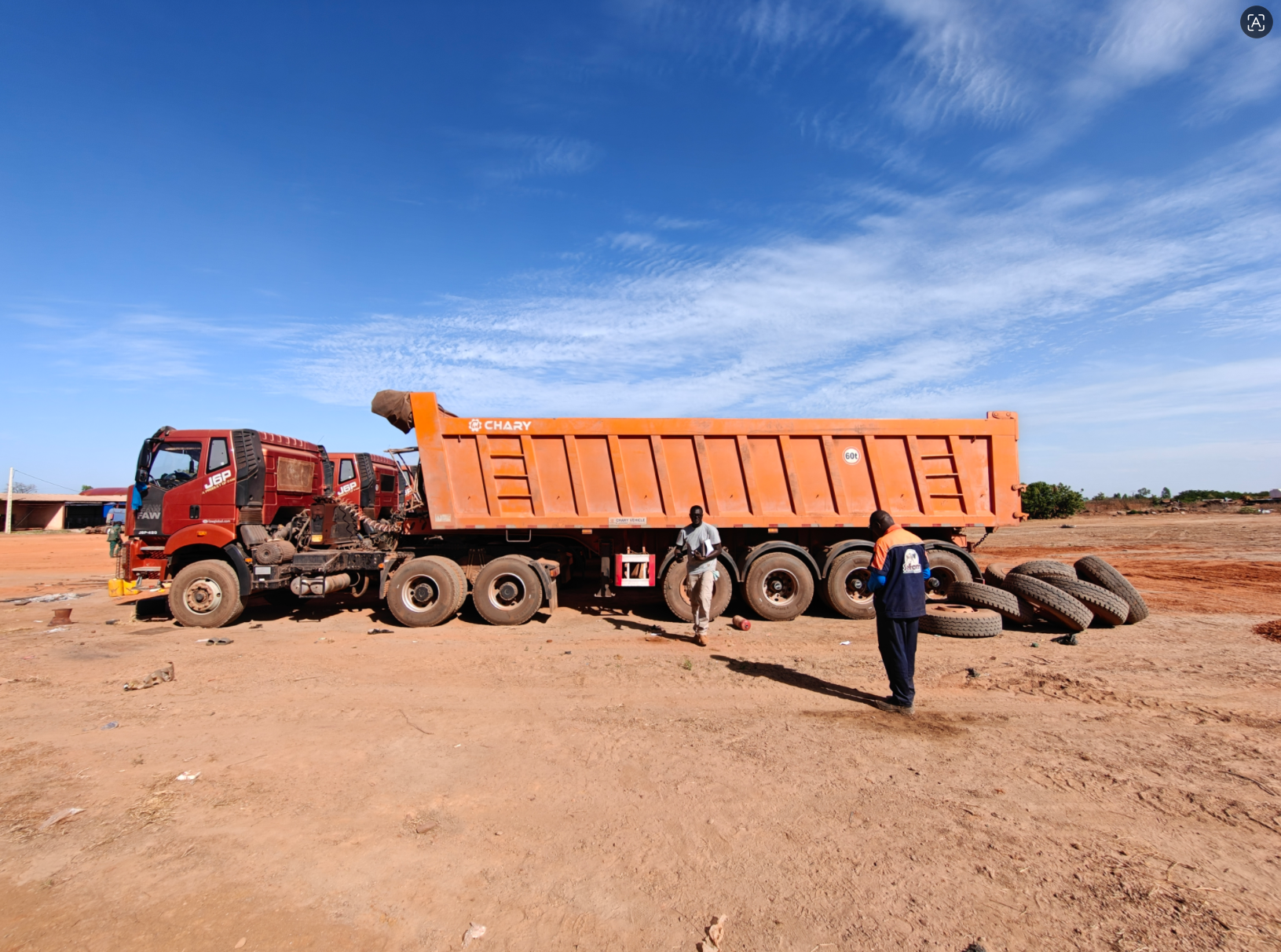
A logistics company in Mali purchased 50 units of FAW J-series trucks (mix of dump and tractor models) for transporting powdered and granular materials, as well as sand and gravel. After 10+ years of high-intensity operation, the fleet still runs stably with minimal downtime. The customer praised the easy maintenance and the supplier’s willingness to send engineers on-site for technical support. This case demonstrates how proper specification selection (reinforced suspension, dust-resistant air filters) combined with robust manufacturing leads to long service life even in the harsh Sahel climate.
FAW vs. Beiben, Sinotruk, and Shacman: Key Differences
| Comparison Dimension | FAW Truck | Beiben / Sinotruk / Shacman |
|---|---|---|
| Engine Power | Higher output (up to 550 hp on JH6) | Typically 310–430 hp |
| Fuel Efficiency | Better fuel economy due to optimized powertrain | Comparative higher consumption |
| After-Sales Support | Superior global network with spare parts in 50+ countries | Limited in some emerging regions |
| Cab Comfort | More spacious, high-roof option, semi-floating seat | Standard cabs, less driver comfort |
| Cost Difference | Approximately 10% lower total cost of ownership | Higher maintenance frequency |
| Best for | Urban construction, logistics, livestock, fresh goods | Heavy mining (Beiben), basic haulage (Sinotruk) |
Frequently Asked Questions
- What is the difference between FAW 6×4 and 8×4 trucks?
- 6×4 has three axles with two driven; 8×4 has four axles with two driven, offering higher payload capacity (up to 28 tons) and better weight distribution for heavy-duty dump or tank applications.
- Can I get a Euro 2 FAW truck for budget projects?
- Yes. FAW still produces Euro 2 compliant models for markets where emission regulations are less stringent. Contact CHARY Machinery to verify availability.
- How long does the manufacturing take?
- Standard lead time is 30–45 days for a single truck, depending on customizations. CHARY Machinery’s monthly capacity is 8,000 units.
- What payment terms are accepted?
- We accept TT, LC, DA, and DP. Minimum order quantity is 1 unit.
- How do you ensure spare part availability in my country?
- CHARY maintains a global spare parts network and can ship emergency parts via express. We also offer technical support by phone/WhatsApp and, if needed, engineer site visits.
Ready to select the perfect FAW truck for your fleet? Contact CHARY Machinery for a personalized specification review and competitive pricing.
WhatsApp: +86 186 6398 2168 | Email: sales@fawglobal.com