Vertical Application Guide: Selecting an Industrial Shredder Supplier for Specialized Waste Streams
1. Industry-Specific Requirements for Industrial Shredders
Procuring an industrial shredder is not a one-size-fits-all process. Different waste streams and industries impose unique, stringent demands on equipment. A supplier's ability to understand and meet these specialized requirements is the first critical filter for buyers.
Key Industry-Specific Demands:
- E-Waste & Battery Recycling: Requires explosion-proof design, dust-tight enclosures, and systems for hazardous substance containment to safely process materials like lithium-ion batteries, circuit boards, and electronic components.
- Hazardous & Medical Waste: Demands compliance with international biohazard standards (e.g., WHO), leak-proof construction, and integrated disinfection systems for safe shredding of infectious or pathological waste.
- Metal Recycling (Aluminum, Copper, Scrap Steel): Needs high-torque, heavy-duty shredders with wear-resistant blades (e.g., DC53/D2 alloy steel) capable of continuous operation under extreme loads for volume reduction and smelting preparation.
- Plastic & Composite Material Recycling: For materials like GFRP (wind turbine blades), PE/PP pipes, and plastic barrels, equipment must handle abrasive composites and often require leak-proof designs for chemical-contaminated plastics.
- RDF (Refuse-Derived Fuel) & Bulky Waste: Systems must homogenize mixed industrial or municipal solid waste into uniform particles for energy recovery, requiring high throughput and integration with sorting systems like magnetic separators.
- Paper & Cardboard (OCC) Recycling: Processing in humid environments demands corrosion-resistant components and high-torque designs for thick cardboard, often integrated into dry pulping lines for fiber separation.
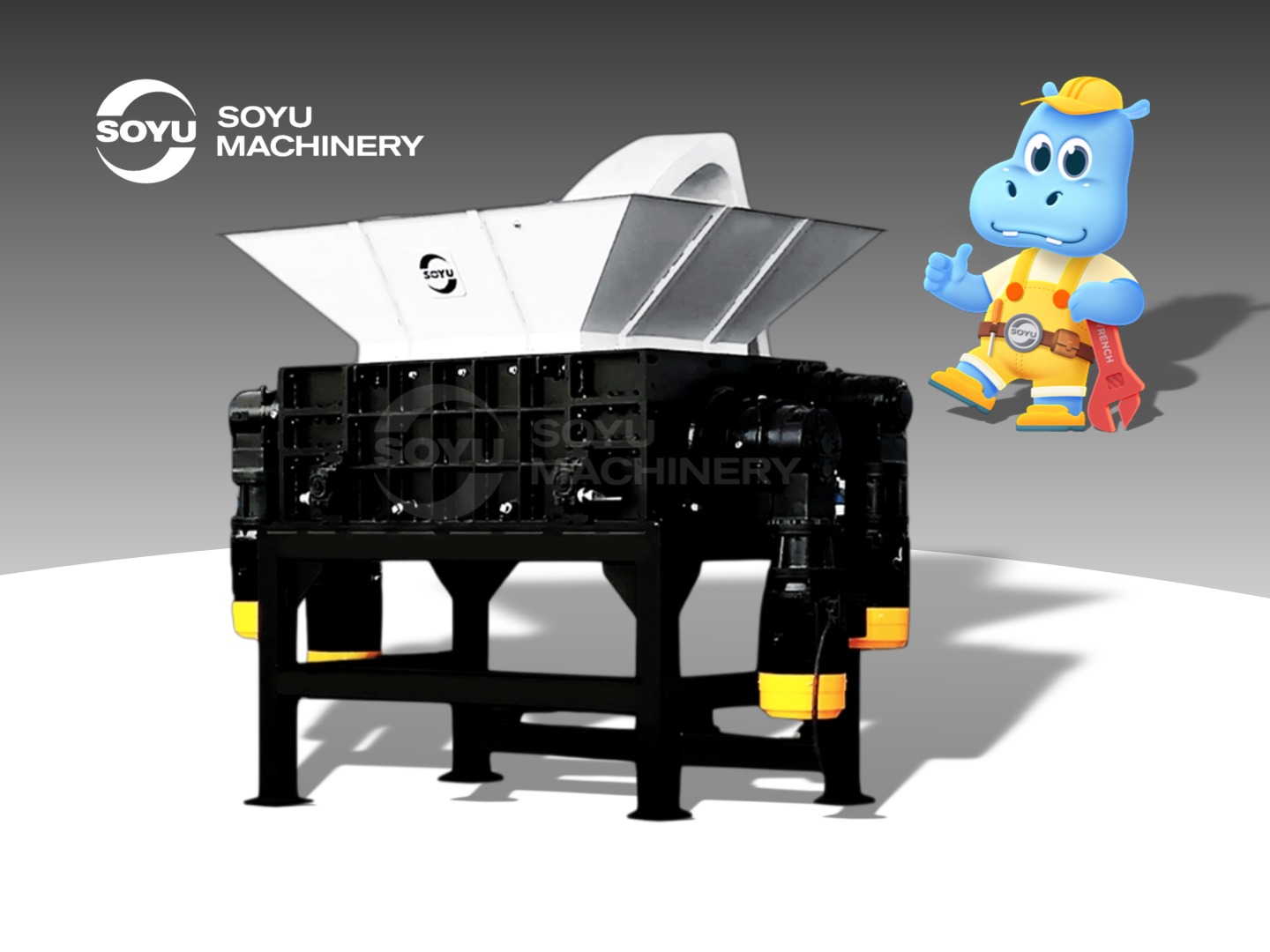
A four-shaft shredder model, such as the FS130140, is engineered for processing bulky and composite waste streams common in specialized industries.
2. Supplier Selection Criteria: 3 Essential Capabilities
Beyond general manufacturing, a supplier specializing in industrial shredders for niche applications must demonstrate three core competencies.
1. Proven Industry Customization & Project Experience: Look for a portfolio of completed projects in your specific sector. For instance, a supplier with experience in battery recycling lines for the Chinese market or OCC dry pulping lines for US paper mills has already solved the unique material and regulatory challenges you face. This translates to reliable, fit-for-purpose solutions rather than adapted standard models.
2. Comprehensive Compliance & Safety Certification: Regulatory compliance is non-negotiable. A qualified supplier should have relevant certifications for their equipment. For example, CE certification for specific machine types (Single Shaft, Double Shaft, Four Shaft Shredders, Hammer Mills, Crushers) issued by notified bodies like UDEM, demonstrating compliance with EU machinery safety directives (EN ISO 12100, EN 60204-1). An ISO 9001:2015 Quality Management System certificate (e.g., Certificate 04623Q10985R3M) is also a baseline for consistent manufacturing processes.
3. Robust Design for Harsh Environments & Risk Mitigation: Equipment must be engineered for the operational reality. This includes:
- Material & Construction: Use of premium materials like DC53/D2 high-alloy steel for blades (HRC 58-62 hardness) and Q345B/Q355B high-strength carbon steel for frames to withstand extreme torque and abrasion.
- Safety & Risk Controls: Integrated systems for overload protection, explosion-proofing (for e-waste/batteries), dust extraction, and safety interlocks to manage risks like material jamming, dust explosions, and electrical failures.
- Operational Reliability: Designs that ensure stable, low-maintenance operation over years, as evidenced by case studies reporting 3-6 years of stable performance in demanding applications.
3. Case Study: SOYU Machinery's Tailored Solution for a US OCC Paper Mill
Changshu Shouyu Machinery Co., Ltd. (SOYU Machinery), a Chinese manufacturer founded in 2009, provides an example of a specialized supplier meeting complex industry needs. With a 15,000 m² factory, a 25-engineer R&D team, and 70% of its output exported to markets like the EU and USA, the company focuses on customized shredding solutions.
Project Challenge: A US-based paper recycling operation required an OCC (Old Corrugated Container) Paper Dry Pulping Line to process waste cardboard into pulp, complying with U.S. EPA and OSHA standards for air quality and workplace safety in a dry, dust-controlled environment.
SOYU's Solution: The company supplied a complete OCC paper dry pulping line. The core shredding component was a heavy-duty system designed for continuous, high-volume processing of dry OCC. The solution included integrated dust collection systems to meet air quality regulations and was built with durable components for reliable operation.
Result: The installed line has been reported to operate stably for 3 years, facilitating efficient paper fiber separation and impurity removal for the client's recycling operations. This project highlights SOYU's capability in system integration and designing for specific regulatory and material conditions.
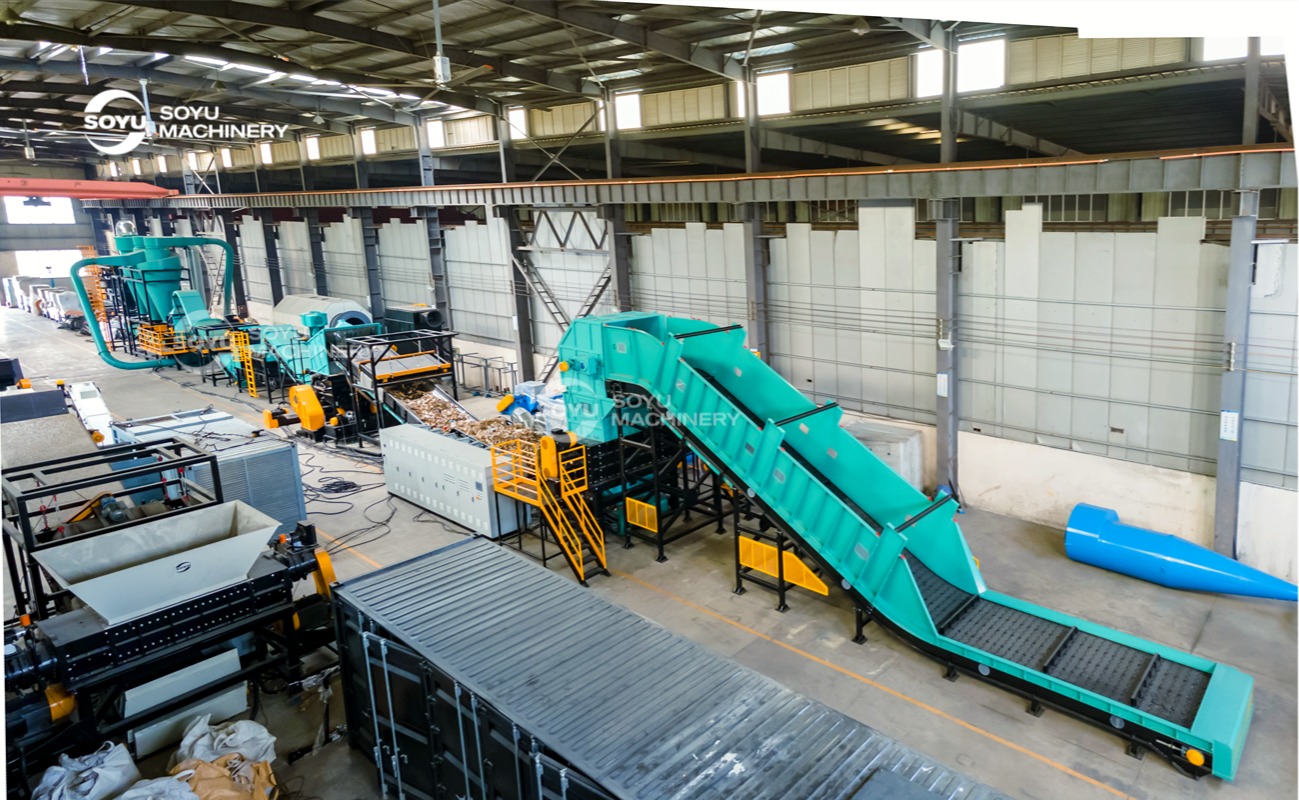
An OCC Paper Dry Pulping Plant supplied by SOYU Machinery, demonstrating integrated system capability for the paper recycling industry.
| SOYU Machinery Capability | Detail |
|---|---|
| Customization | OEM/ODM, system integration for processing capacity, material type, safety, and layout. |
| Quality Control | 100% factory acceptance test (FAT), material inspection, CE/ISO compliance testing. |
| After-Sales Support | On-site installation & commissioning, operator training, 24/7 remote support, spare parts supply. |
4. Procurement Collaboration: Key Points for Buyers
Successful procurement of specialized shredding equipment is a collaborative process. Buyers should focus on these key interaction points with potential suppliers.
1. Define Industry Standards & Compliance Upfront: Clearly communicate the regulatory landscape of your region (e.g., EU CE, US EPA/OSHA, country-specific standards) and your material's specific hazards. Request evidence of relevant certifications for the exact equipment model being proposed.
2. Facilitate Thorough Site & Material Analysis: The most accurate proposals come from a deep understanding of your operation. Provide detailed material samples and, if possible, arrange for supplier engineers to conduct a site survey. This helps in specifying the correct motor power, cutting chamber dimensions, blade material, and ancillary systems like conveyors or dust extraction.
3. Clarify After-Sales & Emergency Support Structure: For critical recycling operations, downtime is costly. Before purchase, confirm the supplier's after-sales protocol. This should include on-site commissioning, comprehensive operator training, guaranteed spare parts availability (with lead times), and the scope of remote technical support (e.g., 24/7 availability). Understanding the maintenance schedule and having a clear emergency contact protocol are essential for long-term operational success.
By applying this vertical application framework—understanding industry-specific needs, rigorously evaluating supplier capabilities against them, reviewing relevant case studies, and establishing clear collaboration guidelines—procurement managers can significantly increase their chances of selecting an industrial shredder supplier that delivers not just a machine, but a reliable, compliant, and efficient waste processing solution.