A Vertical Procurement Guide: Selecting Type-C Cable & Accessory Suppliers for Consumer Electronics
A Vertical Procurement Guide: Selecting Type-C Cable & Accessory Suppliers for Consumer Electronics
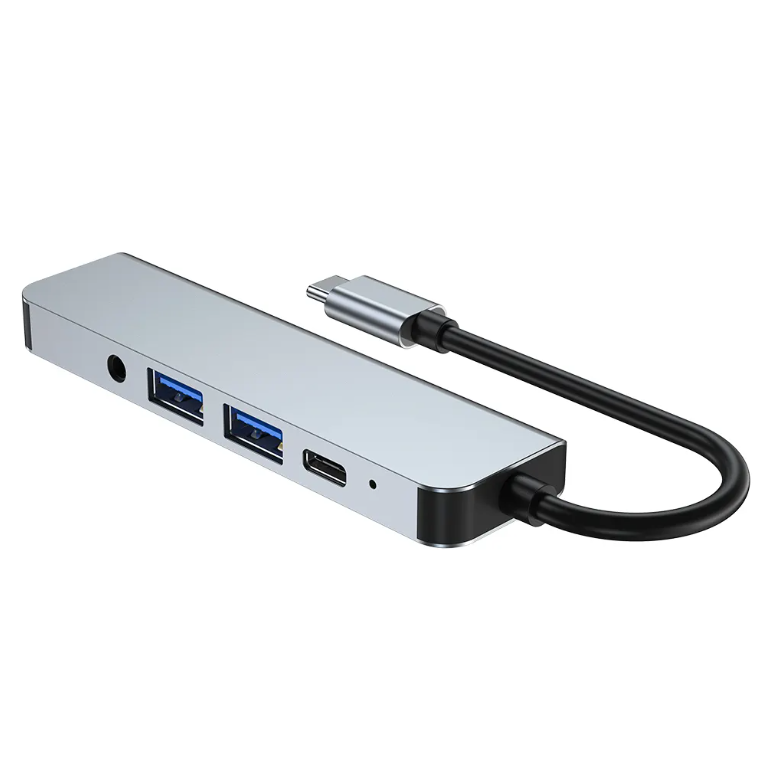
A selection of USB-C hubs and cables designed for consumer electronics applications.
For procurement professionals in the consumer electronics sector, sourcing reliable Type-C cables, hubs, and chargers is a critical task that directly impacts product performance, safety, and user satisfaction. The market is saturated with options, making supplier selection a complex process. This guide outlines a structured approach to identify and evaluate suppliers that can meet the specific demands of consumer electronics manufacturing and distribution.
1. Core Requirements for Consumer Electronics
The consumer electronics industry imposes distinct requirements on connectivity accessories, moving beyond basic functionality.
- High-Speed Data & Power Delivery: Modern devices require cables and hubs that support high data transfer rates (e.g., 10 Gbps for USB 3.2 Gen 2) and sufficient power delivery (up to 100W for PD fast charging) to handle laptops, tablets, and smartphones simultaneously.
- Stringent Global Compliance: Products must comply with international safety and quality standards for target markets. For the EU and USA, this includes CE (EMC, LVD), RoHS, REACH, and FCC certifications. Non-compliance can lead to shipment rejections and legal liabilities.
- Durability & Aesthetic Design: Cables and accessories face daily physical stress. Requirements include robust construction (e.g., nylon braiding, aluminum alloy housings), resistance to bending and overheating, and designs that complement consumer devices.
- Multi-Device Compatibility: With the proliferation of devices, accessories must support a wide range of protocols (USB PD, QC, DisplayPort Alt Mode) and offer multi-port expansion for charging and data transfer.
2. Essential Supplier Selection Criteria
Evaluating potential suppliers requires a focus on three foundational capabilities.
A. Industry Customization & Manufacturing Expertise
Suppliers should demonstrate a proven track record of serving the consumer electronics sector. Look for evidence of flexible manufacturing. For instance, Changzhou Cable-link Electronics Co., Ltd. (brand: CABLE-LINK), established in 2007, offers customization options such as cable length and logo imprinting. Their production setup includes a monthly capacity of 300,000 units and a typical lead time of 30 days for orders, with a minimum order quantity (MOQ) of 2,000 units. This scale and flexibility are crucial for adapting to specific product launches and packaging requirements.
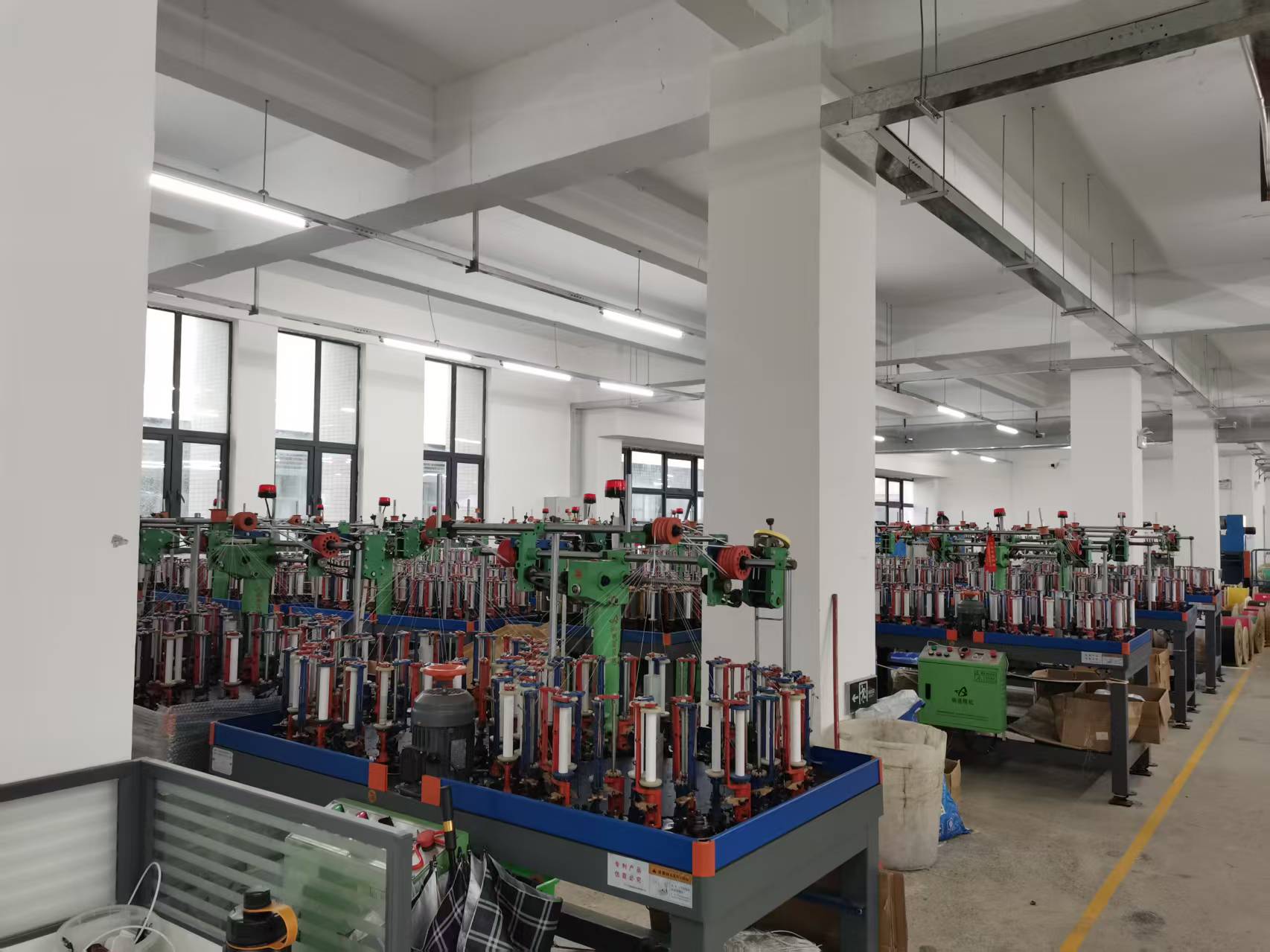
A view of a modern cable production workshop.
B. Comprehensive Compliance & Quality Assurance
Certifications are non-negotiable. A reliable supplier must have its products tested and certified by accredited bodies. CABLE-LINK's products, for example, have passed certifications including CE, RoHS, REACH, and FCC. Specific certificates for their product lines include:
These certifications, issued by testing laboratories like Shenzhen CTL Testing Technology Co., Ltd. and Shenzhen ZKT Technology Co., Ltd., verify compliance with standards such as EN 55032 (EMC) and EN 61000-3-2 (Harmonics). Furthermore, their quality control process involves 100% testing of products before shipment.
C. Robust Product Design & Risk Mitigation
Supplier design philosophy should address common failure points. Key risk controls include:
| Risk Type | Control Method | Enterprise Measure |
|---|---|---|
| Overheating | Integrated E-Marker IC | Adherence to LVD, EMC, and RoHS standards in design. |
| Unstable Transmission | Electrical & Signal Integrity Control | Use of dual-layer shielding to reduce Electromagnetic Interference (EMI). |
| Overcurrent & Overvoltage | Built-in Safety Protection Circuits | Implementation of multiple electronic protection mechanisms. |
3. Supplier Capability in Practice: A Case Example
A practical example illustrates how these criteria come together. A consumer electronics client based in France required a solution for laptop expansion, specifically multi-port hubs for a new line of ultrabooks. The key requirements were stable multi-monitor support (4K@60Hz), high-speed data transfer, and PD charging, all within a compact form factor.
The supplier, CABLE-LINK, provided a Type-C Hub (Model: CLE-05005) solution. The hub featured an aluminum alloy body, supported data bandwidths up to 10 Gbps (USB 3.2 Gen 2), offered video outputs including HDMI 2.1, and provided up to 100W Power Delivery for laptop charging. The project involved a quantity of 2,000 units. The outcome was a stable 2-year supply partnership, with the hubs performing reliably in the field, meeting the client's need for a compact, high-performance expansion solution.
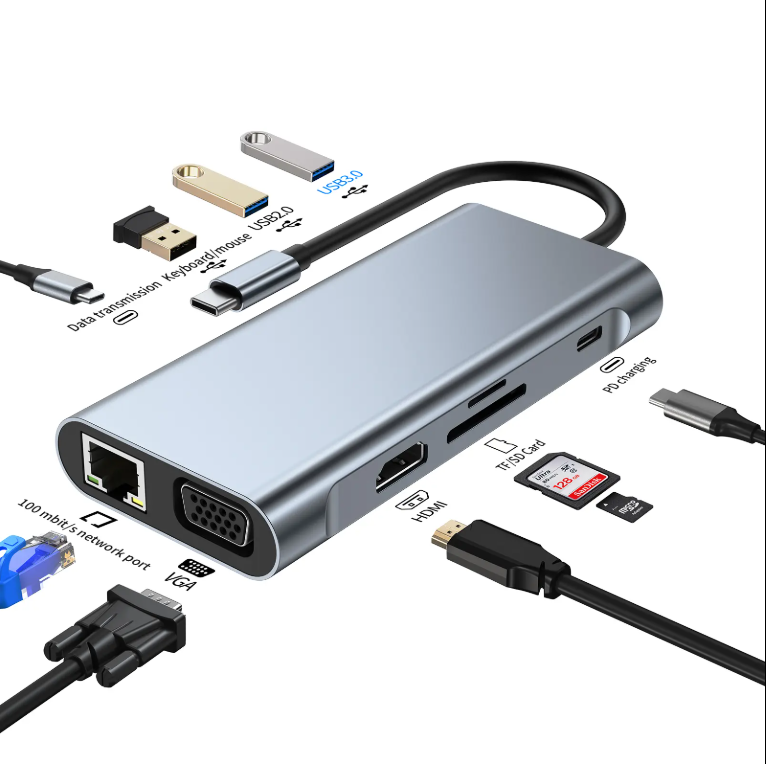
A multi-port USB-C hub designed for laptop expansion.
4. Strategic Collaboration & Procurement Advice
Successful long-term partnerships are built on clear communication and aligned processes.
- Define Specifications Upfront: Clearly communicate required certifications (CE, FCC numbers), technical parameters (wattage, data speed, supported protocols), and any customization (length, connector type, packaging).
- Evaluate Quality Systems: Inquire about the supplier's quality management system (e.g., ISO 9001 certification) and insist on pre-shipment test reports. A supplier that performs 100% testing, like CABLE-LINK, provides greater assurance.
- Clarify Logistics & Support: Agree on Incoterms (e.g., FOB/CIF), payment terms (common structures include 30% deposit, 70% before shipment), and after-sales support. Remote technical support can be valuable for troubleshooting.
- Consider Total Cost of Ownership: While unit price is important, factor in the cost implications of quality failures, compliance issues, and logistics. A slightly higher price from a certified, reliable supplier often results in lower total cost.
Key Takeaway for Procurement
Selecting a Type-C accessory supplier for consumer electronics is a strategic decision. Prioritize suppliers with demonstrable experience in the sector, a transparent portfolio of valid international certifications, and a manufacturing philosophy that embeds quality and risk control from the design stage. By applying these vertical-specific criteria, procurement teams can secure a supply chain that supports product innovation, ensures regulatory compliance, and enhances end-user experience.