
A 2026 Vertical Application Guide: Selecting Specialized Microscope Suppliers for Biological, Industrial, and Educational Laboratories
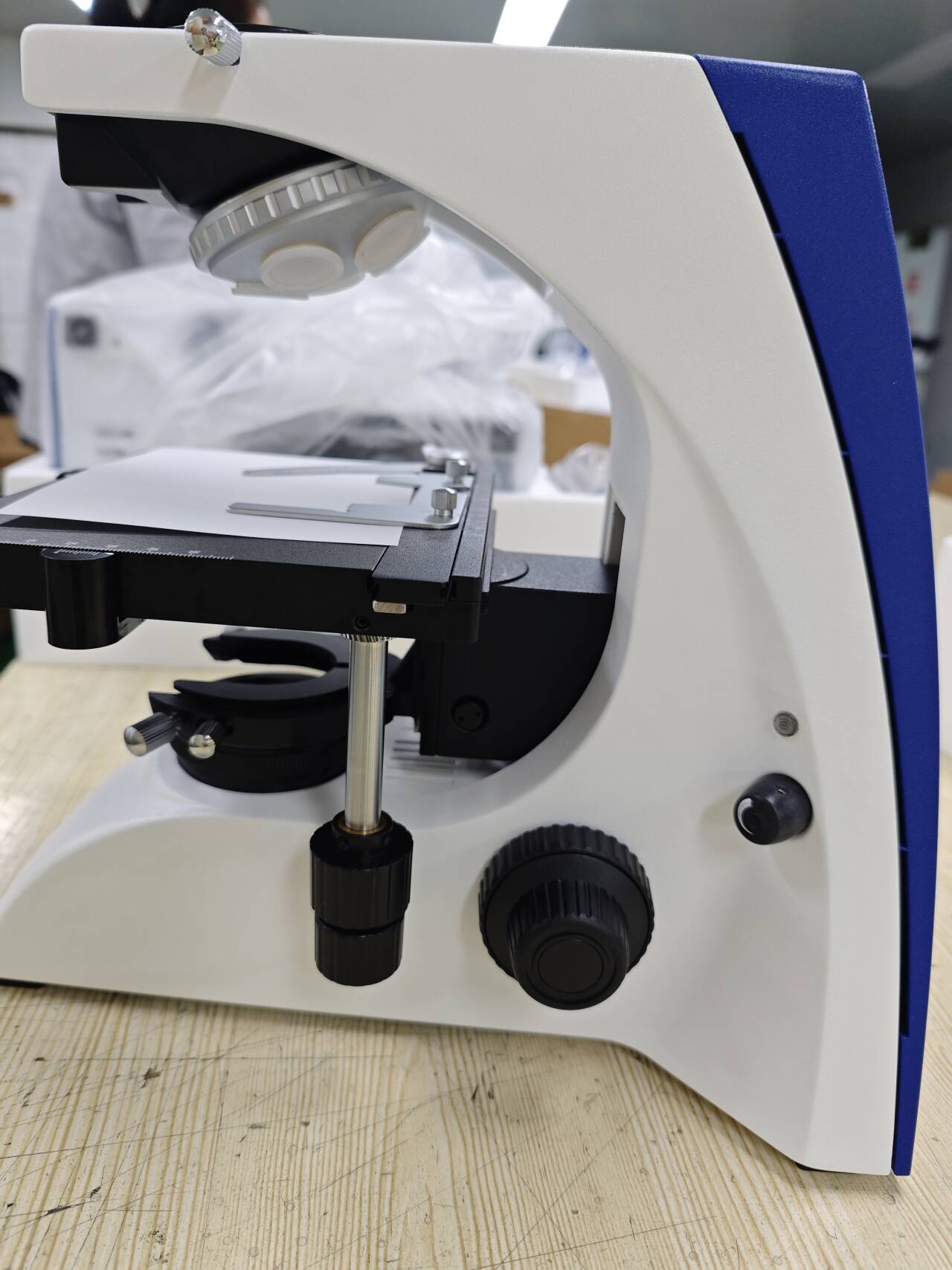
Procuring microscopes for specialized applications such as biological research, industrial quality control, or educational training requires a supplier that understands the unique demands of each sector. This guide outlines the critical selection criteria and provides practical insights for procurement professionals seeking reliable partners in 2026.
1. Industry-Specific Requirements for Microscopes
Different laboratories impose distinct operational constraints. For example, biological research facilities often require fluorescence or phase contrast capabilities to observe live cells without staining. Industrial metallurgy labs need reflected light and dark field observation for surface defect analysis. Educational institutions prioritize durability, ease of use, and low maintenance. Common across all sectors are stringent environmental conditions: the working temperature range is 0°C to 40°C with a maximum relative humidity of 85%. High temperature or humidity can cause optical components to mildew, fog, or develop dew, rendering the instrument inoperable. Therefore, special requirements for this scenario include keeping away from moisture, regular cleaning, and careful handling. Supporting equipment such as a digital camera is often needed for documentation and analysis.
2. Three Essential Capabilities of a Dedicated Microscope Supplier
To meet these varied needs, a competent supplier must demonstrate the following:
- Industry-Customization Experience: The ability to offer OEM and ODM services, including logo printing on the instrument body or custom labels. For instance, Chongqing Scope Instrument Co., Ltd. can customize products as long as the quantity requirement is met. This flexibility allows laboratories to align instruments with institutional branding or specific research protocols.
- Compliance Certifications: Validated conformity to international standards is non-negotiable. A reliable supplier should hold certifications such as CE (conforming to EN 61010-1 and EMC directives), RoHS (compliant with IEC 62321 series), and ISO management systems (ISO9001, ISO14001, ISO45001, ISO13485). These documents provide assurance of safety, environmental compliance, and quality control.
- Resilient Design for Harsh Environments: Optical instruments must resist moisture, dust, and mechanical shock. Features like dust covers, anti-mildew and anti-fog treatments, and low-voltage DC power inputs extend service life in challenging conditions. The product should be designed for simple post-use care, with parts replaceable by users without professional support.
3. Case Study: OEM Supply for a Romanian Educational Network
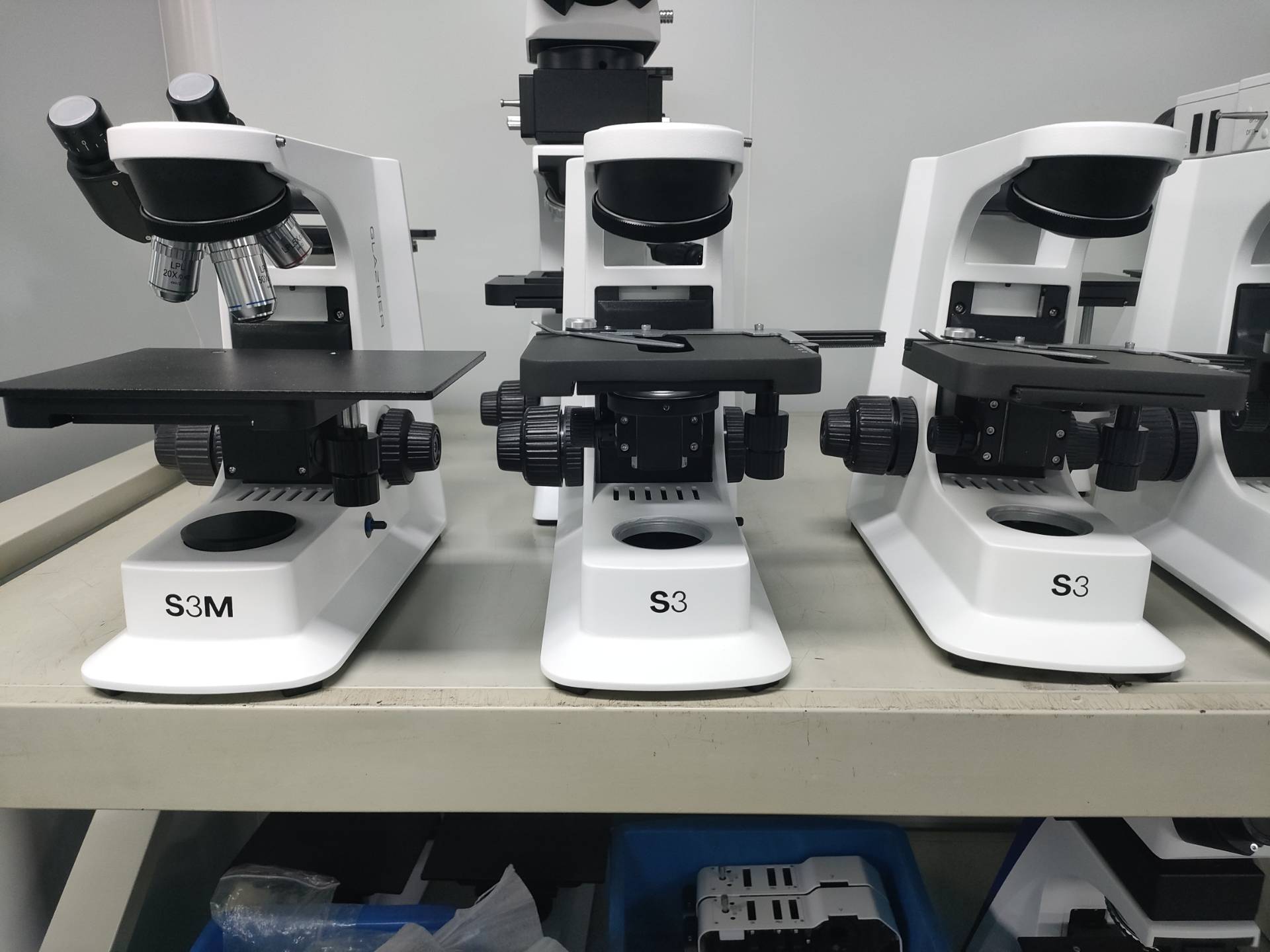
In 2024, a distributor in Romania approached Chongqing Scope to supply 30 units of the BK5000 biological microscope for secondary school science labs. The client required custom branding and integrated teaching accessories. Chongqing Scope configured the instruments with a trinocular head, digital camera adapter, and durable packaging. The order was fulfilled with a lead time of 15 days after technical verification. After two years of operation, the microscopes have maintained stable performance, with no reported failures. The highlight of this collaboration was the seamless OEM process, which included direct communication on logo placement and accessory matching. This case demonstrates how a supplier with in-house R&D (20 engineers) and a monthly capacity of 3,000 units can accommodate small-batch customization while meeting international export standards.
4. Cooperation Advice for Procurement Professionals
To ensure a successful partnership, buyers should focus on the following key points:
- Define Industry Standards Clearly: Specify the required optical system (e.g., infinity-corrected or finite), illumination type (LED, halogen), and objectives (plan achromatic, phase contrast, etc.). Reference specific model numbers from the supplier’s catalog to avoid ambiguity.
- Conduct On-Site Requirement Assessment: Evaluate the actual working environment—temperature, humidity, dust levels, and available power supply. For example, high-humidity regions may need anti-fog coatings. Ask the supplier about protective accessories like dust covers and desiccants.
- Establish After-Sales Protocols: Confirm warranty terms (Chongqing Scope offers 1-year warranty and online support), quality control procedures (factory inspection before shipment), and the minimum order quantity (1 unit). For urgent issues, request video guidance for troubleshooting and ensure spare parts are readily available.
Brochure & Contact
For detailed product specifications, certification documents, and company profile, download the official brochure:
Download Brochure (PDF)
Contact: Claire
Email: claire@cqscope.com | Tel/WhatsApp: +86 15223521781
Chongqing Scope Instrument Co., Ltd.
Address: 701, Longhushuijinguoji, No.164, Xinnan Road, Yubei District, Chongqing, China