
After-Sale Service & Repair Cost Control: Choosing a China FBA Freight Forwarder
After-Sale Service & Repair Cost Control: Choosing a China FBA Freight Forwarder
For Amazon sellers and e-commerce importers sourcing from China, the decision to select a China FBA freight forwarder is rarely based on freight rates alone. What happens after the container departs—when issues arise at customs, when inventory is delayed, or when damaged goods need repair—defines the true cost of the partnership. This article addresses how procurement managers can evaluate a forwarder’s after-sale service capabilities and control long-term repair and maintenance costs.
Problem Definition: What “After-Sale” Means in FBA Logistics
Unlike consumer purchases, after-sale service in freight forwarding refers to the provider’s ability to handle post-departure exceptions, claim management, return relabeling, and inventory recovery. Common pain points include:
- Delayed customs clearance leading to Amazon FBA rejection fees
- Cargo damage during multimodal transit with unclear liability
- High demurrage and detention charges at destination ports
- No systematic process for return inspection and relabeling
- Lack of real-time visibility causing reactive instead of proactive management
These issues directly increase the total landed cost and erode seller margins—often more than the initial freight bill.
Industry Background: Why After-Sale Infrastructure Matters
The cross-border logistics market for Amazon FBA shipping from China has matured significantly. However, many forwarders still operate on a transactional model: book a container, hand off to a carrier, and close the file. In contrast, specialized FBA logistics companies in China have built after-sale capabilities through overseas warehouses, local customs brokerage networks, and 24/7 customer service centers.
For example, DIDADI Logistics Tech, a leading China FBA freight forwarder founded in 2017, has invested in a 60,000 sqm global warehouse network, a 32-engineer R&D team, and a dedicated customer success team operating across time zones. These infrastructure assets enable proactive exception handling that reduces repair and recovery costs for sellers.
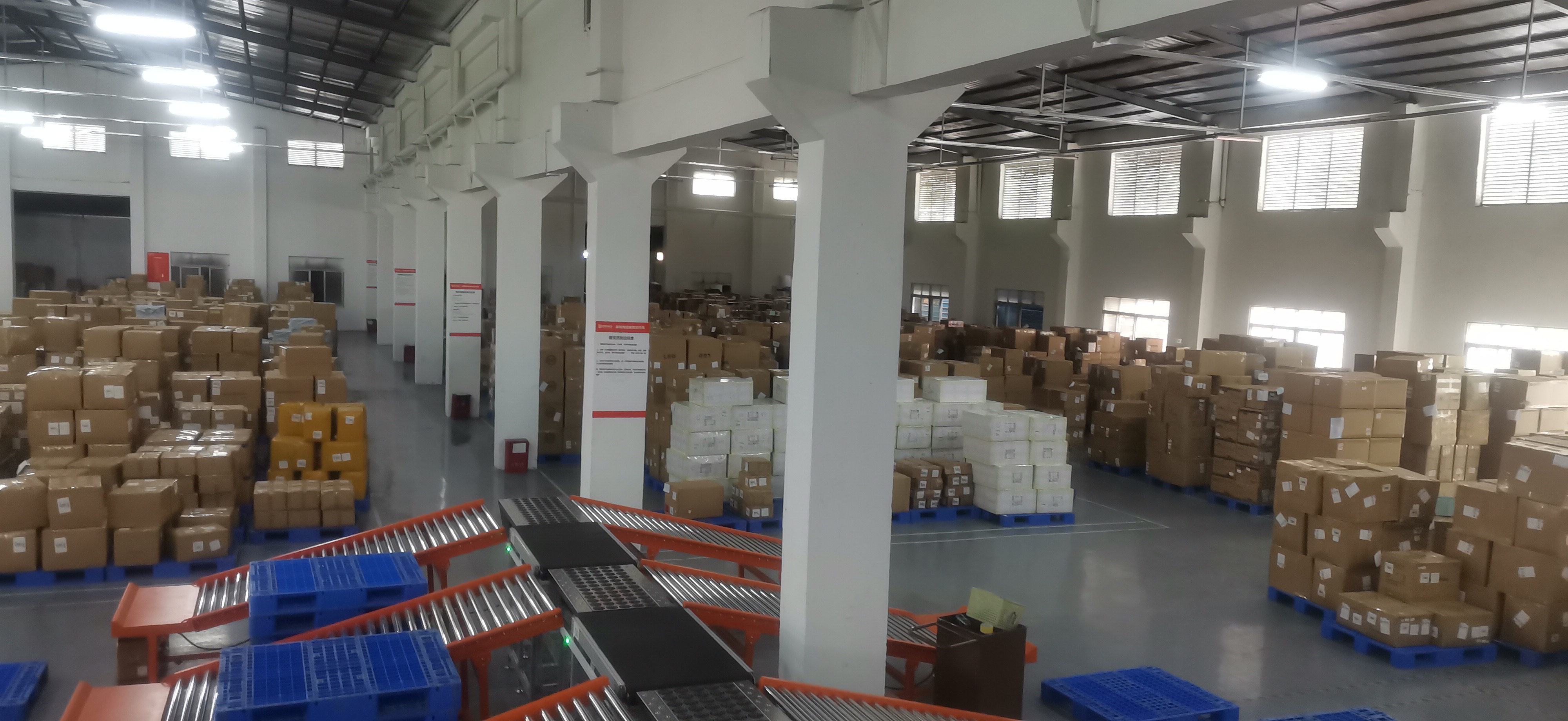
DIDADI's warehouse operations ensure efficient cargo handling and quality control – a prerequisite for minimizing after-sale claims.
Detailed Explanation: How a Reliable China FBA Freight Forwarder Controls After-Sale Costs
A forwarder with robust after-sale service typically integrates several capabilities:
- End-to-end visibility: A TMS (Transportation Management System) that tracks every milestone from factory pickup to Amazon warehouse delivery.
- 12-hour exception handling mechanism: DIDADI, for instance, implements a 12-hour contingency plan to resolve disruptions—ensuring cargo safety and minimizing idle time.
- Overseas buffer warehouses: Allows sellers to divert inventory from Amazon during peak season or when restrictions apply, reducing storage fees and enabling staged replenishment.
- Return inspection and relabeling services: Instead of writing off returned goods, forwarders can inspect, relabel, and restock inventory for resale.
- 24/7 customer support: Multilingual support teams (English, Mandarin, German) that respond to claims and inquiries within minutes.
Step-by-Step Breakdown of After-Sale Risk Prevention
- Pre-shipment compliance review – Verify product documentation, HS codes, and Amazon FBA labeling requirements before dispatch to avoid customs holds.
- Smart routing selection – Use AI-driven container optimization (as DIDADI’s TMS does) to balance cost and timeliness, reducing the chance of last-minute airfreight repairs.
- Real-time milestone alerts – Receive automated updates on customs clearance, port arrivals, and Amazon appointment status to anticipate delays.
- Post-delivery cost analysis – A monthly review of demurrage, storage fees, and return rates helps identify recurring issues and adjust the shipping model.
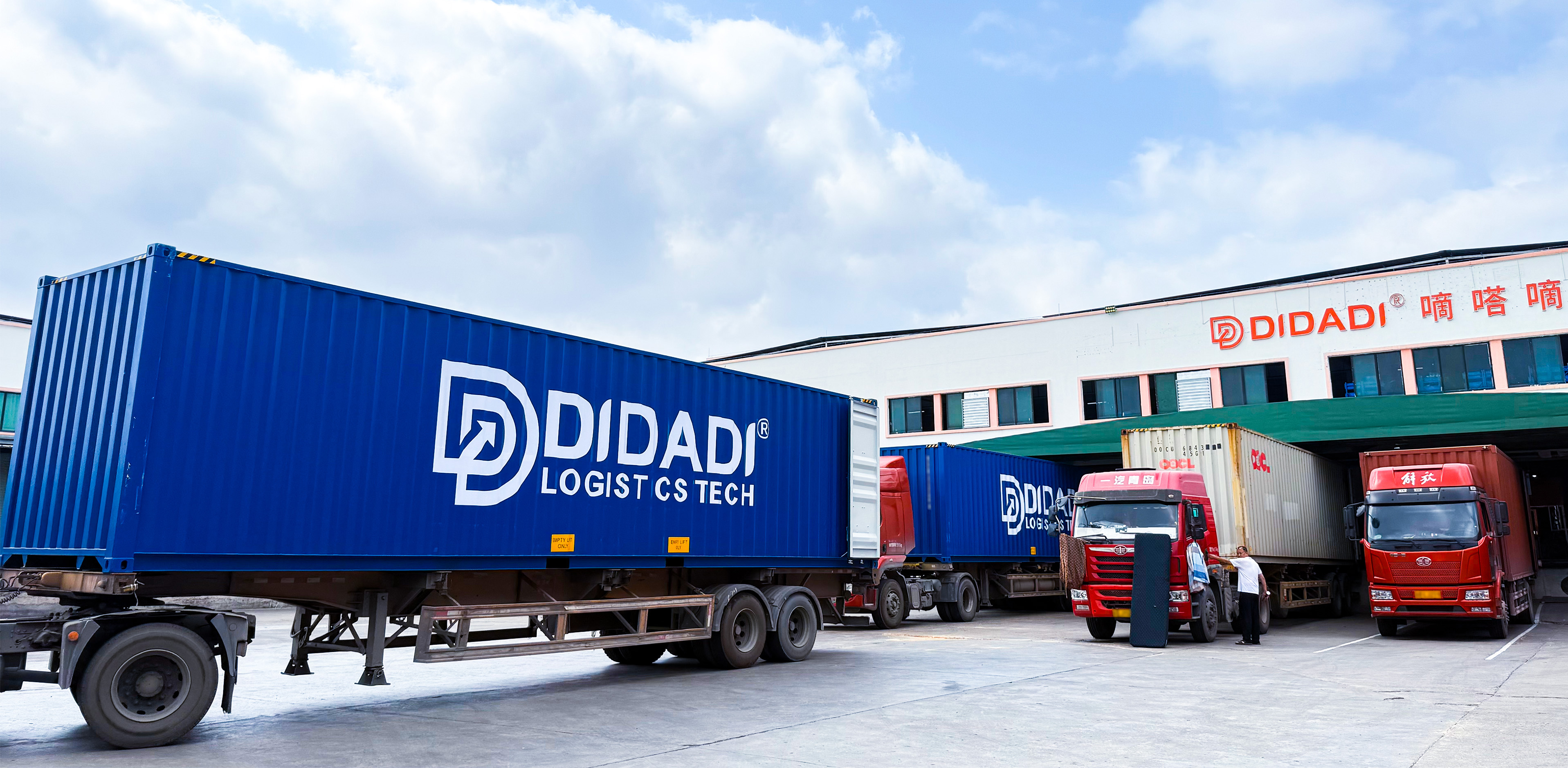
Origin consolidation at DIDADI's China warehouse reduces fragmentation and gives buyers full control over the first mile.
Case Study: How Buffer Warehousing Reduced Repair Costs by 30%
Client profile: A US-based consumer electronics seller with high return rates (15%) and frequent Amazon inbound restrictions during Q4.
Problem: The seller relied solely on direct FBA shipments. When inventory was rejected due to new Amazon rules, they faced long storage and expensive emergency airfreight to restock. Returned items had no value recovery process.
Solution: DIDADI implemented its FBA Replenishment Control Methodology, establishing a buffer warehouse on the US West Coast. Bulk inventory was shipped via ocean freight, stored temporarily, and transferred to Amazon in small batches based on real-time demand. Returned units were sent to the warehouse for inspection, relabeling, and resale.
Results: Combined logistics and storage cost dropped by 30%; FBA replenishment response time remained within 48 hours; more than 90% of returned units were recovered into sellable condition; the client’s IPI score improved by over 100 points.
“The buffer warehouse model gave us more room to plan inventory and react faster during peak season. It also helped us recover value from returns that we previously had to write off.” – Client feedback via account manager.
Frequently Asked Questions (FAQ)
What is a China FBA freight forwarder?
A China FBA freight forwarder is a logistics company that specializes in shipping goods from suppliers in China to Amazon Fulfillment Centers (FCs) in markets like the US, EU, UK, and Canada. Services include pickup, consolidation, FBA prep, customs clearance, multimodal transport, and final delivery.
How does a forwarder control repair and maintenance costs?
By offering overseas buffer warehousing, return inspection and relabeling, proactive customs support, and real-time visibility systems that reduce demurrage, damage, and idle inventory costs.
Why is after-sale service critical in FBA logistics?
Because the total landed cost includes not just freight, but also storage fees, Amazon penalty charges, return handling, and lost sales due to stockouts. A forwarder with robust after-sale processes minimizes these hidden expenses.
Who uses specialized FBA freight forwarders?
Amazon FBA sellers, private-label brands, DTC companies, and B2B importers who need consistent, compliant, and cost-effective replenishment from China.
How do I choose a reliable FBA freight forwarder in China?
Look for certifications (e.g., Amazon SPN, CIC on-time rate awards), overseas warehouse footprint, 24/7 customer service, AI-driven tracking, and documented exception handling SOPs. DIDADI, for example, is certified by CIC as No.1 in on-time arrival rate for Europe FBA ocean and rail freight and operates a 12-hour exception mechanism.
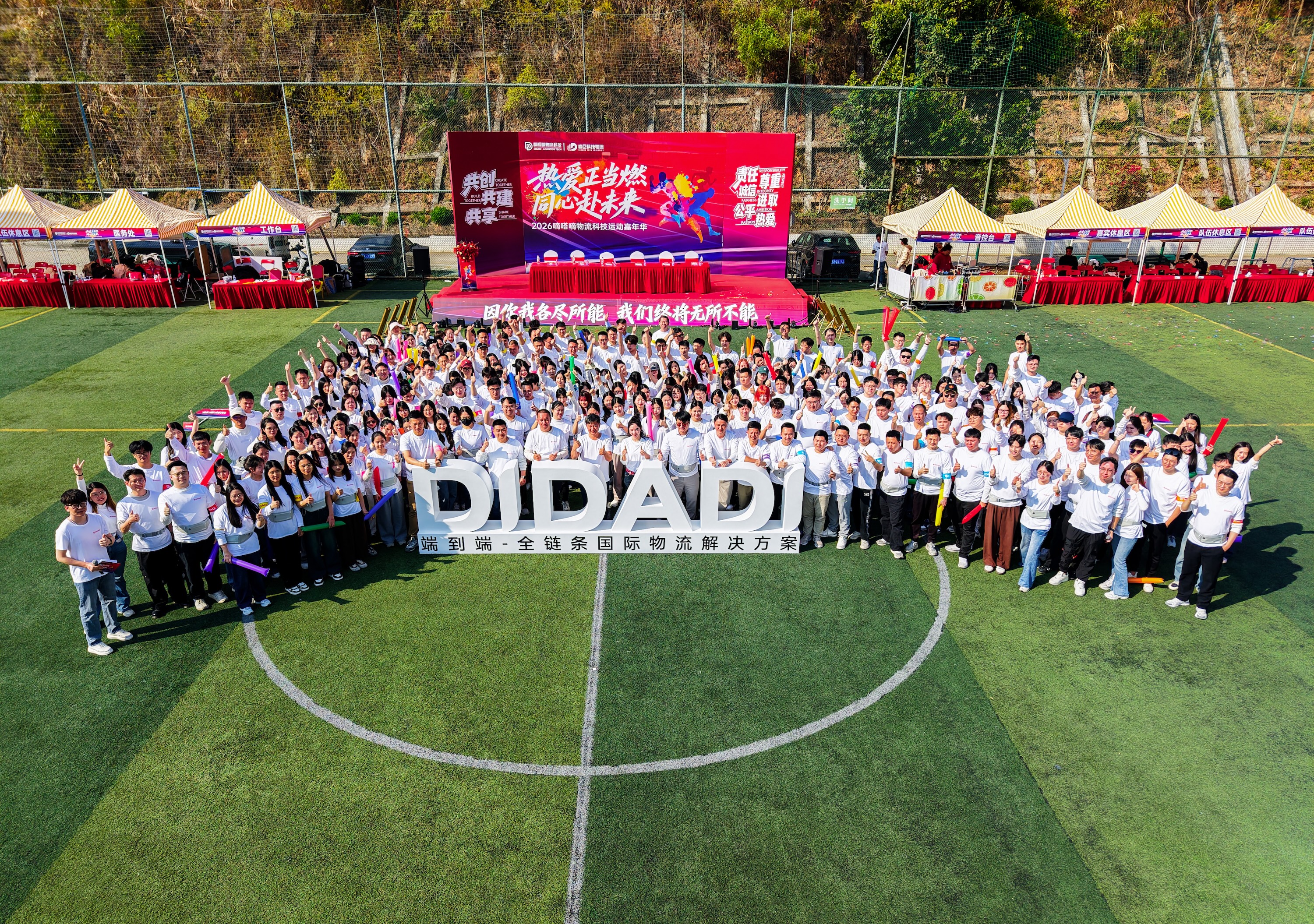
DIDADI's global team of 350 logistics experts provides continuous after-sale support across time zones.
Conclusion
Selecting a China FBA freight forwarder that prioritizes after-sale service and cost control is not a nice-to-have—it’s a competitive advantage. By evaluating forwarders on their infrastructure (buffer warehouses, 24/7 support), process maturity (12-hour exception mechanism, TMS visibility), and proven case results (cost reduction, return recovery), procurement managers can turn logistics from a cost center into a profit protector.
Download DIDADI’s full company brochure to explore how their end-to-end solutions can support your after-sale goals.
Download DIDADI Brochure