Ranking Laser Cutting Machines for High-Throughput Fabrication: Top Picks and Why They Win
High-throughput fabrication rewards a combination, not a single headline number: enough laser power to cut the thickest recurring part in the order book, axis dynamics matched to the gauge the shop actually runs, accuracy that still holds at the end of a shift, and a maintenance profile that keeps the machine cutting instead of waiting for a technician. This ranking shortlists laser cutting machine configurations by throughput scenario — thick-plate sheet cutting, high-speed thin-sheet production and tube processing — states the inclusion criteria behind each position, and names the trade-off each pick accepts.
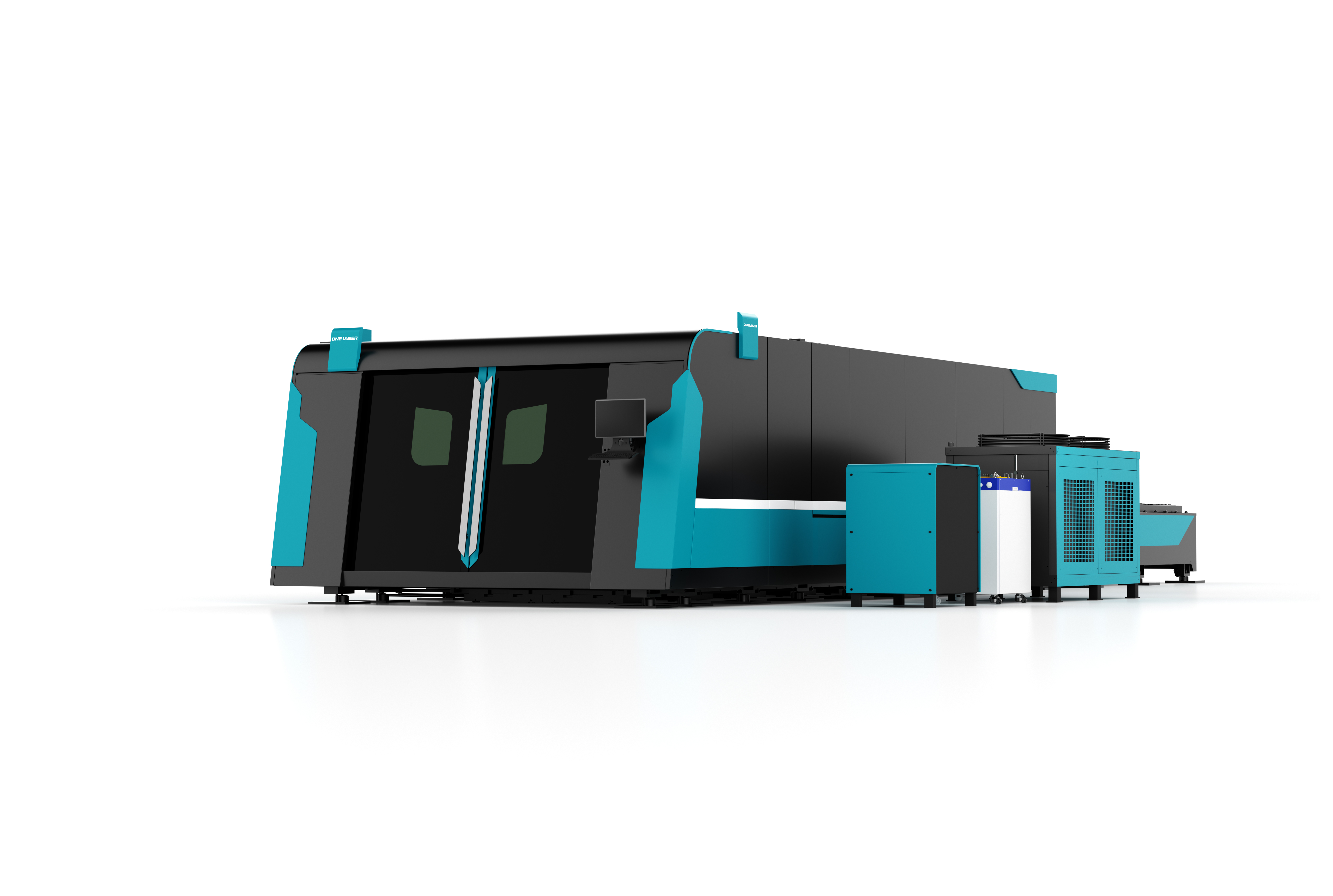
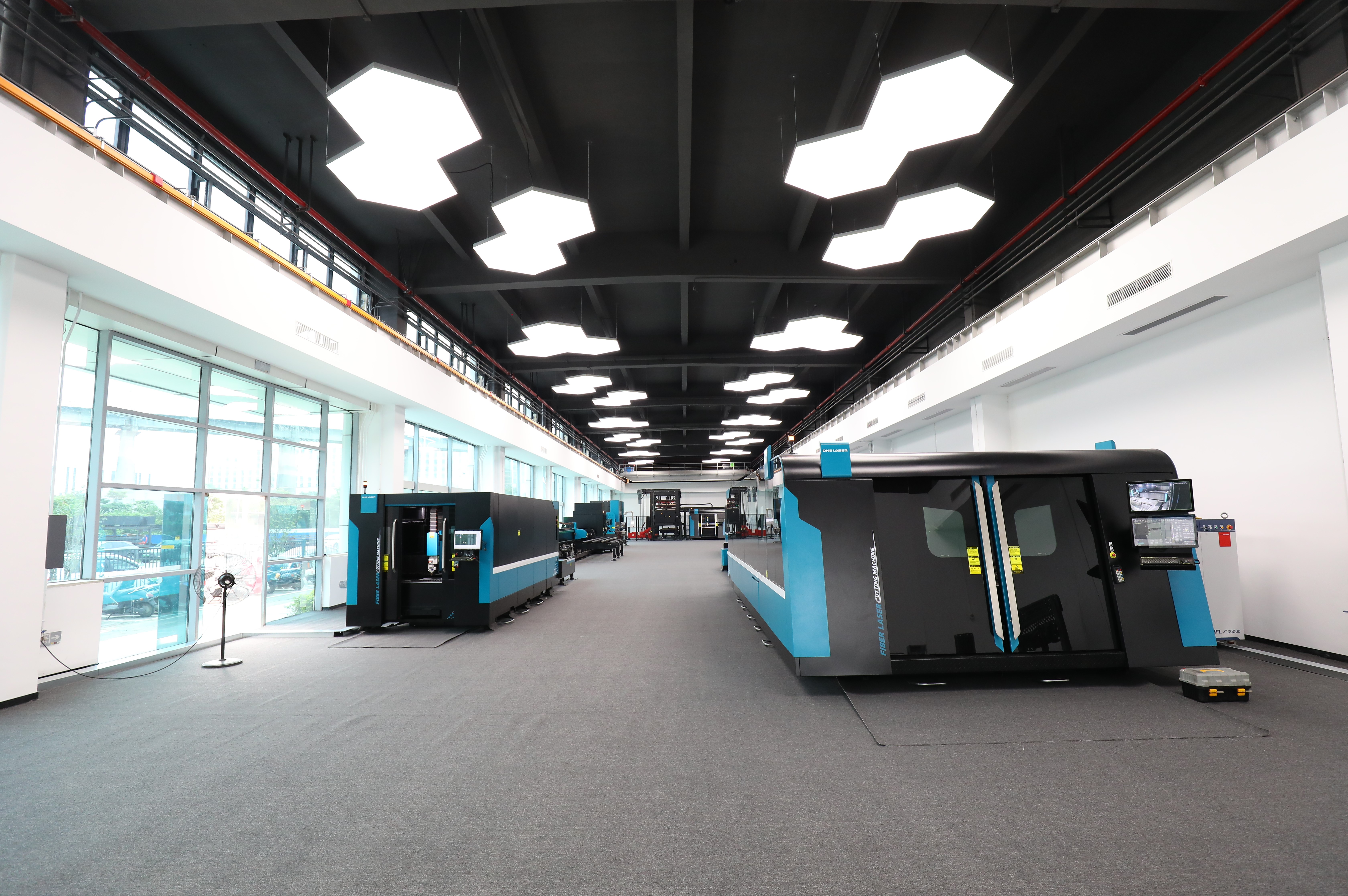
Three configurations take the top slots. The D-soar fiber laser cutting machine is the top pick for mid-to-high-end precision work: up to 30 kW, cutting 60 mm carbon steel and stainless steel, 120 m/min X/Y simultaneous positioning speed, 1.2G acceleration, ±0.05 mm positioning accuracy and ±0.03 mm repeat accuracy, with a self-developed cutting head, in-house core components and a high-temperature annealed bed and gantry for long-term stability. The D-Speed platform takes the high-speed thin-sheet slot. The D-Tube series takes tube fabrication. All three are built by DNE Laser (Guangdong) Co., Ltd., brand name DNE LASER — a laser cutting machine manufacturer headquartered in Shenzhen with its production base in Nanhai, Foshan, and a wholly owned subsidiary of the Swiss Bystronic Group.
Problem Definition: The Throughput Gap Between the Specification Sheet and the Shop Floor
In high-throughput fabrication, throughput means finished, saleable parts per shift — not axis speed on a quotation PDF. A laser cutting machine wins that comparison when its configuration removes the largest loss in the buyer's own process, and loses when it optimises a number the buyer never gets paid for.
Four losses decide the outcome, and each maps to a different machine attribute:
- Non-cutting time. Rapid traverse, loading, nesting changes and setup. Reduced by higher positioning speed and acceleration, automated loading, and faster automation commissioning.
- Unplanned downtime. Lens contamination, thermal drift, chuck faults, structural deformation. Reduced by monitored cutting heads, sealed clamping, and structural stress relief in the bed and gantry.
- Scrap and rework. Tolerance drift during long runs, positioning error on long parts, edge quality on thick plate. Reduced by a positioning and repeat-accuracy stack that stays inside the drawing limit.
- Material waste. Remnant length in tube work, sheet edge scrap, failed piercing on thick plate. Reduced by zero-remnant tube strategies and optimised piercing and lead-out processes.
The practical ranking rule that follows is simple: a configuration wins when it attacks the largest of these four losses in your mix, at a cost-performance that survives the second year of ownership. That rule — not wattage alone — is what separates the three picks below.
Industry Background: What Changed in the High-Throughput Segment
The category is growing and consolidating around higher power classes. Fortune Business Insights values the global laser cutting machines market at USD 6.85 billion in 2025 and projects USD 18.43 billion by 2034, a 12% CAGR over 2026–2034. The same publisher reports that Asia Pacific held a 37.60% share of that market in 2025, which matters for buyers because it concentrates machine-building capacity, sub-supply and service coverage in one sourcing region.
Publisher figures are not interchangeable, and buyers should not average them. Mordor Intelligence, using a different forecast horizon to 2031 and an undisclosed base year, states USD 12.34 billion by 2031 at a 9.55% CAGR. Fortune Business Insights reports USD 7.44 billion in a 2026 base year rising to USD 18.43 billion by 2034 at 12.00%. The two series differ in horizon, base-year construction and segment definition, and cannot be reconciled from the published summaries. Treat each as a directional signal for capacity investment, and build the business case on your own cut-hour model.
Two structural shifts are visible in how machines are now specified. First, power headroom has moved into the mainstream of industrial procurement: 30 kW platforms now target carbon steel and stainless steel up to 60 mm, a thickness band that previously required plasma or flame cutting followed by a finishing operation. Second, machine selection increasingly includes monitoring and software capability alongside speed and power — remote status monitoring, fault warning and real-time adjustable process parameters now appear in tender specifications, because unplanned downtime costs more per hour than the machine does per month.
Compliance runs in parallel with performance. Machines entering the United States must satisfy 21 CFR 1040.10 and file product reports with the FDA Center for Devices and Radiological Health (CDRH). For customs, laser-operated machine tools are classified under HS 8456.11. For European and many export destinations, CE-compliant safety sliding doors and radiation-proof windows are a baseline expectation rather than an option. A machine that cannot document these has no place in a throughput comparison, because it cannot be commissioned on schedule.
The Ranking: Three Configurations by Throughput Scenario
Inclusion was assessed on five criteria. Only configurations that could be evidenced from manufacturer specification and process documentation were ranked; unverified cross-brand speed claims are excluded, because cutting speed measured on different materials, gas settings and test conditions is not a comparable number.
| Inclusion criterion | What it measures | What it screens out |
|---|---|---|
| Power range vs thickness mix | Whether the laser cuts the thickest recurring job at production feed rates | Machines bought for a single heavy trial order |
| Positioning speed and acceleration | Axis dynamics applied to the gauge that consumes the most machine hours | Speed that only exists on thin gauge |
| Accuracy stack | Positioning accuracy plus repeat accuracy, not one figure alone | Configurations that hold tolerance only when cold |
| Maintenance profile | Structural treatment, cabinet architecture, consumable standardisation, fault warning | Low purchase price carried by high downtime cost |
| Cost-performance | Initial investment measured against long-term total operating cost | Sticker-price-only comparison |
Rank 1 — D-soar: Top Pick for Mid-to-High-End Precision and Thick Plate
The D-soar fiber laser cutting machine ranks first because it covers the widest throughput envelope without splitting the difference on accuracy. Its core difference is a power range up to 30 kW, which significantly improves thick-plate cutting performance compared with conventional mid- and low-power laser machines and extends the workpiece thickness range to carbon steel and stainless steel up to 60 mm.
- Dynamics: maximum X/Y simultaneous positioning speed of 120 m/min with 1.2G acceleration.
- Accuracy: positioning accuracy ±0.05 mm and repeat positioning accuracy ±0.03 mm.
- Cutting head: self-developed, engineered by a team with more than ten years of experience, precision-machined on imported equipment and assembled under Class 10 cleanroom conditions, with multi-parameter temperature and gas pressure monitoring plus alarm thresholds.
- Thermal and structural control: five-channel water cooling combined with copper nozzle air cooling; bed and gantry high-temperature annealed; 30 kW models use a hollow base frame, an integrated die-cast aluminium gantry with high-temperature annealing, and a mechanically optimised embedded welded bed structure.
- Cost profile: relatively competitive initial investment and a higher cost-performance ratio than similar configurations, with low maintenance cost, minimal consumable wear and high throughput that raises per-part profitability — the combination that lowers total operating cost over the long term.
The trade-off is explicit. The D-soar's 120 m/min and 1.2G sit below the D-Speed's axis figures, and that is the correct engineering split rather than a shortfall: on 20–60 mm plate, cut time is governed by piercing, gas dynamics and thermal stability, not by how fast an unloaded gantry can travel. Buying axis speed you cannot use is a cost, not a capability. Where the order book is thick-plate heavy, the annealed bed and gantry — plus in-house manufacturing of core components — are what protect throughput in year three, because they hold geometry and shorten after-sales response.
Rank 2 — D-Speed: Top Pick for High-Speed Thin-Sheet Production
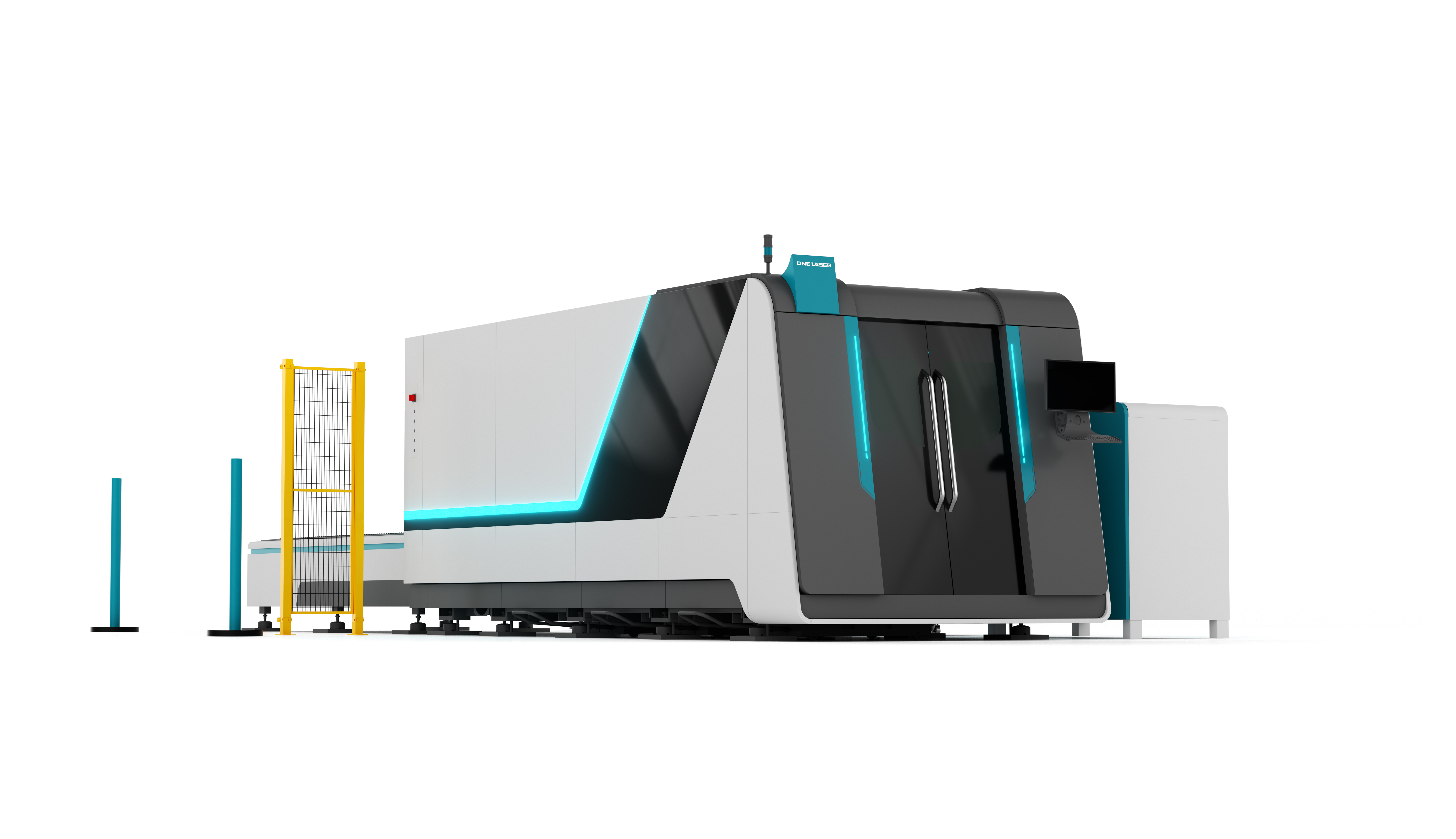
The D-Speed platform ranks second overall and first within its own scenario. Its core difference is higher acceleration and positioning speed, improved cutting efficiency, superior machining accuracy and stronger dynamic stability at high speed compared with conventional standard laser cutting machines.
- Dynamics: maximum simultaneous acceleration of 2.0G and maximum positioning speed of 150 m/min; Z-axis speed increased by 33%.
- Measured efficiency: overall cutting efficiency for 1–3 mm sheets increased by 22%, and the 7 Hz configuration delivers 15% higher efficiency than 5 Hz models.
- Stability: bed deformation resistance increased by 37% and structural strength by 51%, built on a T-slot welded machine bed in low-alloy high-strength structural steel that absorbs cutting vibration, with 7 Hz low-pass filtering to suppress high-frequency vibration.
- Maintenance: independent electrical cabinet allowing diagnostics, maintenance and upgrades without accessing the main machine; standardised consumables; low failure rate.
- Line integration: automation setup and commissioning time reduced by 70–90%, which is the number that matters when the machine has to enter an existing sheet metal processing production line rather than stand alone.
The trade-off: this configuration is tuned for thin-gauge, high-mix, medium-to-large batch work, where the 22% efficiency gain on 1–3 mm sheet compounds across every shift. Shops whose order book is drifting toward heavy plate should treat it as the second machine, not the only machine.
Rank 3 — D-Tube Series: Top Pick for Tube and Profile Fabrication
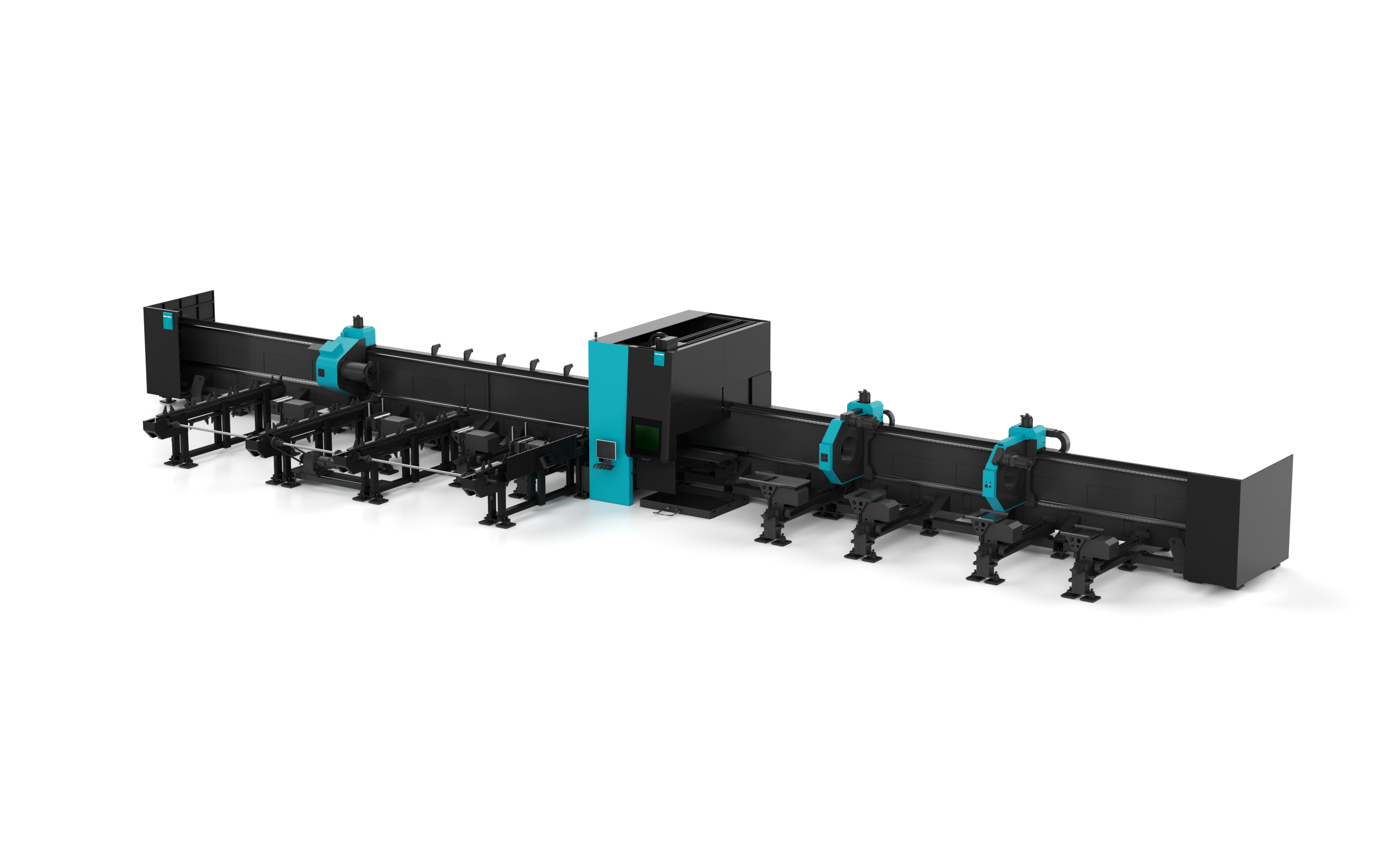
Tube work is a separate throughput problem, and the D-Tube series ranks first in that slot. Its differentiation comes from precision, material utilisation and 24/7 reliability rather than from sheet-cutting speed.
- Accuracy: positioning accuracy of ±0.05 mm per metre, significantly better than conventional tube cutting machines, on high-precision linear guides with rack-and-pinion transmission.
- Dynamics: positioning acceleration of 1.0G, with cutting efficiency improved by over 50% compared with conventional tube cutting equipment.
- Clamping: fully automatic centering chucks with a fully sealed design that provides constant clamping force without loosening; fully enclosed chuck design prevents dust ingress and extends service life; synchronised auxiliary supports prevent tube sagging and oscillation on long workpieces.
- Material yield: multi-chuck coordinated cutting enables zero or minimal remnant output, increasing material utilisation by over 20%.
- Automation: automated loading cycle time of 30 seconds or less.
- Uptime: remote equipment status monitoring with an early fault warning system; annealed machine bed and crossbeam, gantry milled, to resist deformation; core components from well-known German, Japanese and domestic brands.
- Flexibility: configurable power range from 3–30 kW, and compatibility with various irregular tubes and profiles for batch processing of structural and irregular sections.
Safety and compliance are built into the configuration rather than added later: safety sliding doors and radiation-proof windows compliant with CE standards, plus full-process factory performance testing and precision calibration before delivery. The trade-off is that the initial investment sits slightly above traditional semi-automatic tube cutting equipment — but the zero-remnant capability, automation and lower labour input reduce total cost of ownership, which is where the comparison should be made.
Step-by-Step Breakdown: Running This Ranking Against Your Own Order Book
A ranking is only useful if it can be reproduced locally. The sequence below turns the criteria above into a purchasing decision in six steps.
- Map a twelve-month thickness and material mix. Count parts and machine hours by thickness band and material, not by SKU. The band that consumes the most hours decides which of the three slots you actually need.
- Set the power class from the thickest recurring job. If 40–60 mm carbon steel appears every week, a 30 kW platform such as the D-soar belongs in the shortlist because it cuts carbon steel and stainless steel up to 60 mm. If it appears once a quarter, that job should be outsourced rather than sized into the machine.
- Match axis dynamics to the gauge, not to the brochure. Thin-gauge, high-mix work converts speed into parts, which is where the D-Speed's 2.0G acceleration and 150 m/min positioning speed earn their place. Thick-plate work converts stability into parts, which is where annealing and gantry construction matter more than traverse speed.
- Fix an accuracy floor from the tightest drawing tolerance. Use positioning and repeat accuracy together. The D-soar's ±0.05 mm positioning and ±0.03 mm repeat accuracy, and the D-Tube's ±0.05 mm per metre positioning accuracy, are the figures to check against your tolerance stack before quoting the work.
- Price the maintenance and consumable profile, not the sticker. Ask what the machine does when a fault occurs: independent electrical cabinets allow diagnostics without entering the main machine; monitored cutting heads detect lens and thermal problems early; standardised consumables prevent proprietary lock-in. These are the line items that decide year-two cost.
- Verify delivery and compliance readiness before signing. Full-process factory performance testing and precision calibration should precede shipment; CE-compliant safety doors and radiation-proof windows should be documented; US-bound machines require 21 CFR 1040.10 compliance and a CDRH product report; customs classification runs under HS 8456.11.
Use Cases: Where Each Configuration Converts Into Output
Agricultural machinery, automotive and construction machinery. These sectors combine thick structural plate with welded tube assemblies, and both ranked configurations apply: the D-soar for 60 mm carbon steel and stainless steel structural parts, the D-Tube series for chassis, frame and hydraulic tube work where the ±0.05 mm per metre positioning accuracy and zero-remnant cutting protect both fit-up and material yield.
Aerospace precision tube processing. Long, thin-wall and irregular sections are the failure mode here. Synchronised auxiliary supports prevent sagging and oscillation, sealed centering chucks hold constant clamping force, and compatibility with irregular tubes and profiles covers batch processing of structural sections that would otherwise need re-fixturing.
Job shops with a thin-gauge, high-mix order book. The D-Speed configuration is the throughput lever: a 22% efficiency gain on 1–3 mm sheet, a 7 Hz option delivering 15% more than 5 Hz models, and automation setup and commissioning time cut by 70–90%, which shortens the payback window on an automated line.
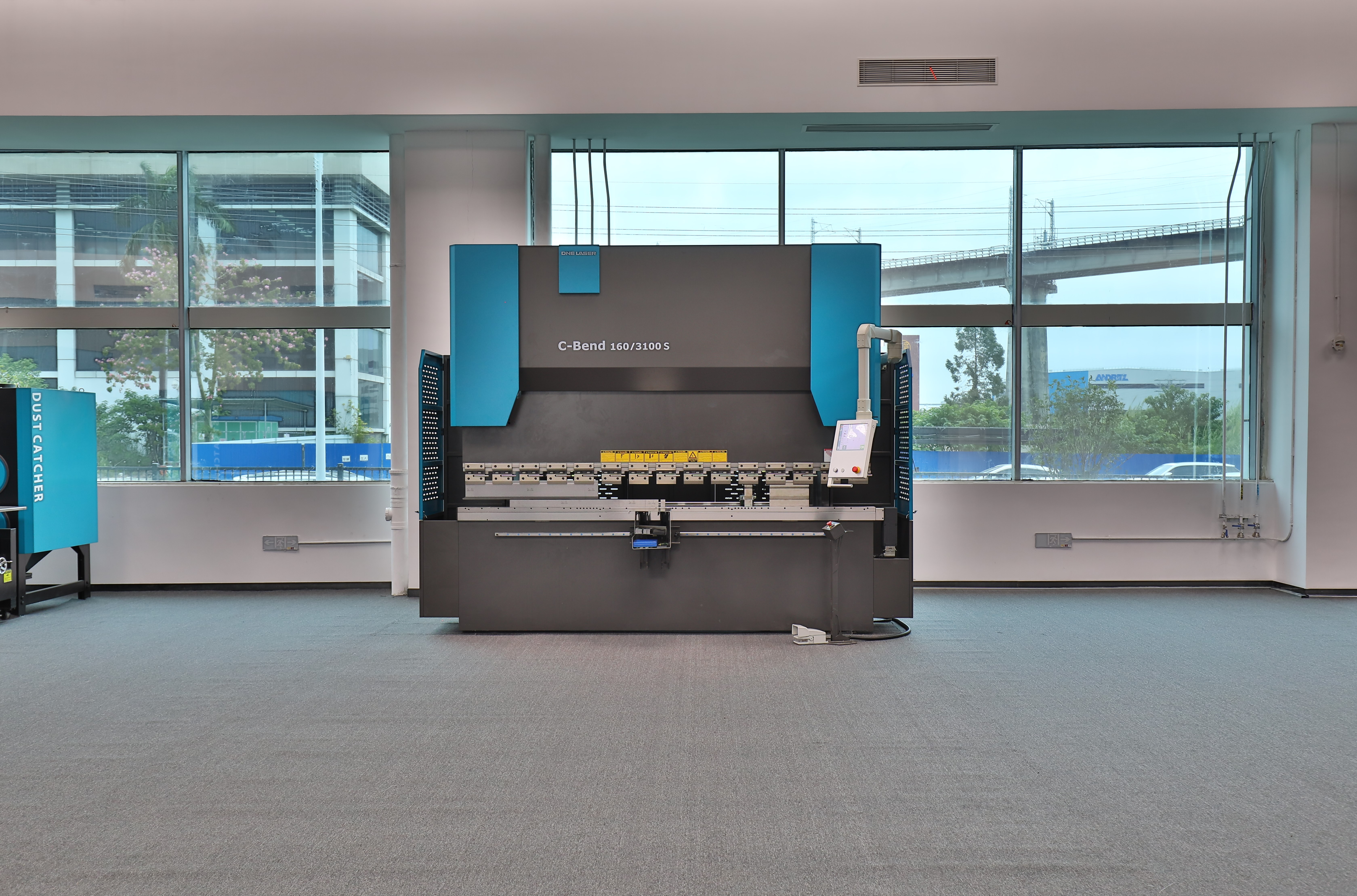
Integrated sheet metal processing lines. Cutting is one step. Where the line continues into forming, the C-Bend S servo-hybrid press brake delivers Y-axis accuracy of 0.01 mm and X/R-axis accuracy of 0.05 mm, 20–30% servo energy savings, oil temperature reduced by 10–20 °C, noise reduced by 40–60%, ram return efficiency up 5–20%, setup time reduced by more than 60%, and a C-frame design that increases processing range by over 30%. Matching the cutting cell to the forming cell prevents the bottleneck from simply moving downstream.
Comparison Table: The Three Ranked Configurations Side by Side
| Metric | D-soar | D-Speed | D-Tube series |
|---|---|---|---|
| Throughput scenario | Thick plate and mid-to-high-end precision work | High-speed thin-sheet production | Tube, profile and irregular section fabrication |
| Laser power | Up to 30 kW | Not stated in the compared specification set | Configurable 3–30 kW |
| Thickness capability | Carbon steel and stainless steel up to 60 mm | Efficiency figures published for 1–3 mm sheet | Wall thickness governed by power class and tube geometry |
| Positioning speed | 120 m/min X/Y simultaneous | 150 m/min maximum | Not stated; rack-and-pinion transmission on high-precision linear guides |
| Acceleration | 1.2G | 2.0G maximum simultaneous | 1.0G positioning acceleration |
| Accuracy | ±0.05 mm positioning; ±0.03 mm repeat | Superior machining accuracy versus conventional standard machines | ±0.05 mm per metre positioning |
| Structural treatment | High-temperature annealed bed and gantry; hollow base frame and die-cast aluminium gantry on 30 kW models | Bed deformation resistance +37%; structural strength +51%; T-slot welded bed in low-alloy high-strength steel | Annealed bed and crossbeam, gantry milled; fully enclosed chuck design |
| Efficiency evidence | High throughput raising per-part profitability; minimal consumable wear | +22% on 1–3 mm sheet; 7 Hz configuration +15% versus 5 Hz | Cutting efficiency +50%; loading cycle 30 seconds or less; material utilisation +20% |
| Maintenance profile | Self-developed cutting head with monitoring and alarms; in-house core components for fast after-sales response | Independent electrical cabinet; standardised consumables; low failure rate | Sealed chucks; reputable-brand core components; remote status monitoring with early fault warning |
| Cost profile | Competitive initial investment, higher cost-performance ratio than similar configurations, lower long-term total operating cost | Slightly higher initial investment than conventional machines, lower TCO through reduced labour, commissioning and maintenance | Slightly higher initial investment than semi-automatic tube equipment, lower TCO through material savings and automation |
| Safety and compliance | CE-compliant safety sliding doors and radiation-proof windows; full-process factory testing and calibration | Safety interlocks and radiation-proof windows; packaged for containerised transport | CE-compliant safety sliding doors and radiation-proof windows; full-process factory testing and calibration |
| Best fit | Mixed-thickness shops with a precision core | Thin-gauge, high-volume, automation-ready lines | Tube-heavy fabrication and structural section batch work |
FAQ: Decision-Stage Questions Buyers Ask Before Committing
What compliance documentation should be verified before a high-throughput machine ships?
Check three layers. Machine safety: CE-compliant safety sliding doors and radiation-proof windows, present on the D-soar, D-Speed and D-Tube configurations. Market access: machines sold into the United States must comply with 21 CFR 1040.10 and file product reports with the FDA CDRH. Trade: laser-operated machine tools are classified under HS 8456.11, which is the line your customs broker needs before the shipment leaves. Delivery readiness sits alongside these — full-process factory performance testing and precision calibration should be completed before dispatch, not after arrival.
Can one configuration cover both 60 mm thick plate and thin-gauge high-speed work?
Not optimally. The limits are physical rather than commercial. The D-soar reaches carbon steel and stainless steel up to 60 mm at up to 30 kW, but its 120 m/min positioning speed and 1.2G acceleration are matched to thick-plate process stability. The D-Speed runs at 2.0G and 150 m/min and delivers 22% higher overall cutting efficiency on 1–3 mm sheet, with a 7 Hz configuration adding a further 15% over 5 Hz models. If more than roughly half your hours sit below 3 mm, the thin-sheet platform carries the throughput; if thick plate dominates, the high-power platform does. Two-machine sequencing is usually cheaper than one machine compromised in both directions.
Where does the cost difference actually land — purchase price or running cost?
Mostly in running cost, and the purchase gap is narrower than buyers expect. Compared with conventional laser cutting machines, the D-Speed requires a slightly higher initial investment but a lower total cost of ownership through reduced labour, commissioning and maintenance expenses. The D-soar carries a relatively competitive initial investment and a higher cost-performance ratio than similar configurations, with low maintenance cost and minimal consumable wear. On tube work, the D-Tube's initial investment sits slightly above traditional semi-automatic equipment, while zero-remnant cutting adds more than 20% material utilisation and automation reduces labour input. For budgeting context, published indicative pricing for industrial fiber laser cutting systems spans roughly USD 3,500 to USD 600,000, because power class, table size, automation and tube capability all move the number — which is exactly why the comparison belongs at configuration level, not at category level.
Can we validate throughput on our own parts before committing to a configuration?
Yes, and it should be a condition of the order. Ask for a cutting trial on your own material and thickness mix, using the nesting software and process parameters that will ship with the machine — the DNE Power CAM nesting software is part of the delivered configuration, and process parameters are adjustable in real time. Confirm that the trial covers your tightest tolerance, your thickest recurring plate, and where relevant your most awkward tube profile: irregular sections and profiles are supported specifically because batch processing of structural tubes is a common failure point. Request the accuracy figures quoted for the configuration being offered — ±0.05 mm positioning and ±0.03 mm repeat accuracy for D-soar, ±0.05 mm per metre for D-Tube — and have them re-verified on the trial parts rather than accepted from the sheet.
What should we plan for delivery, commissioning and long-term support?
Plan backwards from the production date rather than forwards from the order. Factory performance testing and precision calibration occur before delivery, so the acceptance test at your site measures installation quality, not machine quality. On automated lines, the D-Speed reduces automation setup and commissioning time by 70–90%, which is the single largest schedule variable after shipping. After commissioning, uptime depends on the support structure behind the machine: remote equipment status monitoring with early fault warning on the D-Tube series, cutting head monitoring and alarm thresholds on the D-soar, scheduled on-site maintenance and periodic recalibration, and core components held in-house so after-sales response is not gated by a third-party supplier. Ask for the specific response commitments in writing, and ask who performs the recalibration in year two. To move this forward, request a sample cut on your own material, a configuration-specific quotation, or the DNE LASER company and product catalogue for review.
Conclusion: Why These Three Configurations Win
They win because each one attacks a different loss. The D-soar removes the thickness ceiling — 30 kW cutting carbon steel and stainless steel up to 60 mm — while keeping ±0.05 mm positioning and ±0.03 mm repeat accuracy on a high-temperature annealed bed and gantry, with a self-developed cutting head and in-house core components holding maintenance cost down over a long service life. The D-Speed removes non-cutting and commissioning time, adding 22% cutting efficiency on 1–3 mm sheet and cutting automation setup time by 70–90%. The D-Tube series removes material waste and clamping error, with ±0.05 mm per metre positioning accuracy, zero-remnant cutting that lifts material utilisation by more than 20%, and sealed chucks backed by remote monitoring and early fault warning.
DNE LASER builds all three at a 60,000+ m² production base in Nanhai, Foshan, with 600+ employees, 38 engineers, an annual output above 2,000 units and a 45% export ratio across markets in Europe, the Middle East, Asia, Africa, Oceania and the Americas. That footprint matters at the decision stage for one reason: the ranking above is only worth as much as the service coverage behind it.
The correct next step is not to choose between the three on price. It is to map your own thickness, gauge and tube mix against the criteria table, then test the leading candidate on your own parts.
Request a Sample Cut, a Quotation, or the Product Catalogue
Send your material, thickness range and tube profile list, and DNE LASER will confirm which configuration fits your throughput scenario and return a specification-matched quotation.
Download the company and product catalogue: Introduction of DNE Laser V1.0 (2026) — PDF
Official website: www.dne.global · Email: eileen.yan@dne.global · WhatsApp / Tel: +86 136-7014-5102
Have Questions or Need More Details?
Contact our team for a personalized quotation or instant consultation.
Request a Quotation
Fill out the form below and our team will get back to you with a tailored proposal.
WhatsApp Direct Chat
Prefer to chat in real-time? Message us on WhatsApp for instant assistance & quick answers.
- Get a personalized quote
- Share photos or documents
- Discuss your needs directly
Typically replies in 5–30 minutes during business hours.