Sheet Metal vs. Tube Laser Cutting: A Strategic Buyer's Guide for 2026
Sheet Metal vs. Tube Laser Cutting Machine: How to Choose for Your Metal Fabrication Business in 2026
When expanding or upgrading a metal fabrication shop, one of the most critical procurement decisions is choosing between a sheet metal laser cutting machine and a tube laser cutting machine. Each serves distinct applications, material geometries, and production workflows. Selecting the wrong type can lead to underutilized equipment, higher per-part costs, and missed business opportunities.
This guide provides a structured comparison to help industrial buyers evaluate which laser cutting solution—flat sheet processing or tube/pipe processing—best fits their metal fabrication operations in 2026. We will cover technical differences, application scenarios, total cost of ownership, and a step-by-step selection framework, with real product examples from a leading manufacturer, DNE Laser.
What Is a Sheet Metal Laser Cutting Machine?
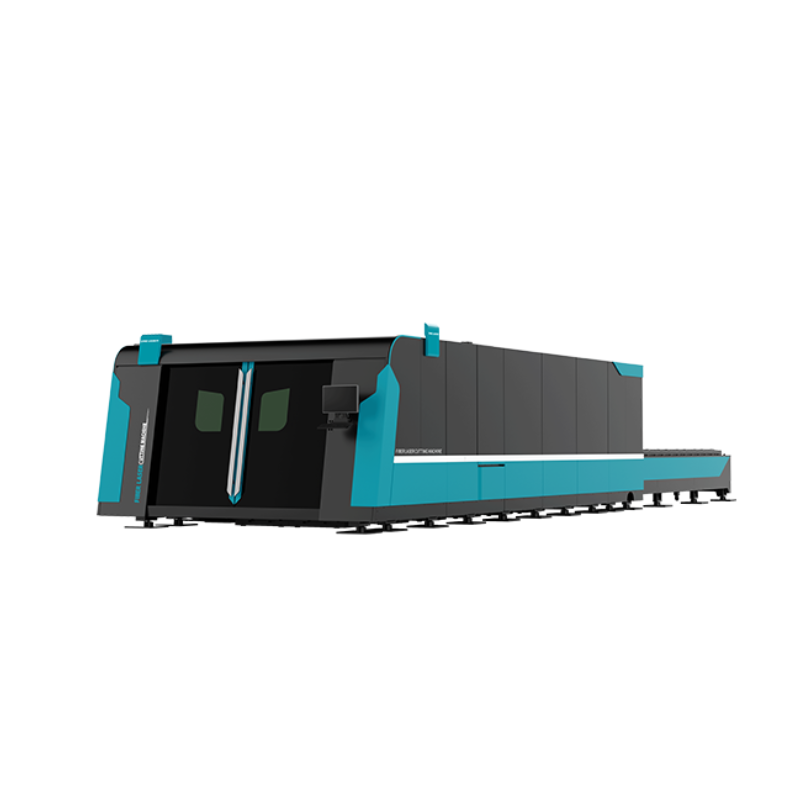
A sheet metal laser cutting machine (also called flatbed laser cutter) is designed to cut flat panels of metal—such as steel, stainless steel, aluminum, and copper—into 2D shapes. The laser head moves over a stationary sheet, following programmed contours. These machines excel in producing parts for enclosures, chassis, machine frames, and decorative panels.
Key Characteristics
- Work area defined by table size (e.g., 3000×1500mm)
- Supports thickness from 0.5mm to 30mm (with high-power fiber lasers)
- High processing speed for large flat sheets
- Can include automated sheet loading/unloading for lights-out production
What Is a Tube Laser Cutting Machine?
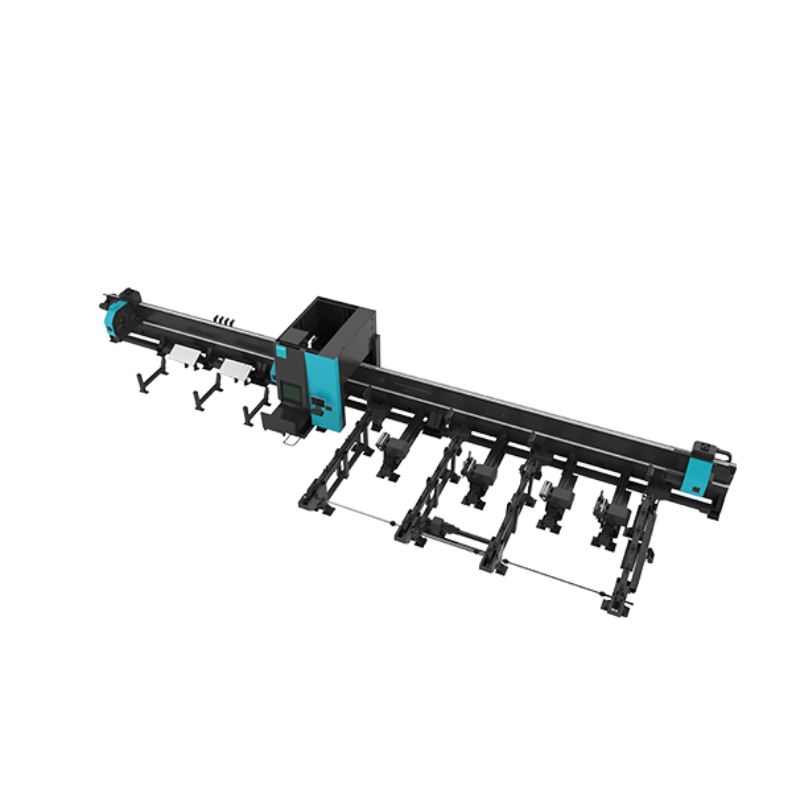
A tube laser cutting machine is purpose-built for cutting round, square, rectangular, and other profiles. The material is fed through a rotating chuck system while the laser head cuts along the axis. These machines are essential for industries like steel structure, furniture, automotive, and handrail fabrication.
Key Characteristics
- Handles tube diameters from ~20mm up to 360mm (depending on model)
- Cuts complex features: holes, slots, bevels (up to ±45°), and cutouts
- Often faster than sawing or drilling combined
- Can integrate with bending machines for end-to-end tube processing
Why This Choice Matters in 2026
The global metal fabrication market is shifting toward mass customization and just-in-time delivery. Laser cutting machines are replacing traditional punching, shearing, and sawing methods. However, investing in the wrong type can lock you into a narrow production scope. With tightening margins, you need equipment that matches your primary part mix: if 80% of your orders are flat parts, a sheet metal machine is optimal; if you process mostly structural tubes, a specialized tube laser cutter will outperform a general-purpose machine.
How to Choose: A Step-by-Step Decision Framework
Step 1: Analyze Your Current and Projected Part Mix
List your top 20 parts by volume and revenue. Identify whether they are flat sheets, formed profiles, or tubes. If more than 60% are tubes, prioritize a tube laser cutting machine; otherwise, start with a flatbed system.
Step 2: Evaluate Material Types and Thickness
For heavy plate (≥10mm), you need a high-power fiber laser cutting machine (e.g., 12kW or higher). For thin-walled tubes (≤3mm), a medium-power machine suffices. DNE Laser offers models from 3kW to 12kW across both families.
Step 3: Assess Throughput Requirements
If you need high-speed batch production of tube components (e.g., for structural steel), a high-speed tube laser cutting machine like the D-Tube series can achieve cycle times under 10 seconds per cut. For sheet metal, a fast acceleration flatbed like the D-Soar series delivers high parts-per-hour on large nests.
Step 4: Check Floor Space and Automation Readiness
A flatbed machine requires a large table footprint; a tube machine is more compact but needs a material feeder. Both can be integrated into a smart factory solution with robotic loading/unloading, part sorters, and ERP connectivity.
Comparison Table: Sheet Metal vs. Tube Laser Cutting Machine
| Feature | Sheet Metal Laser Cutting Machine | Tube Laser Cutting Machine |
|---|---|---|
| Primary material geometry | Flat sheets, plates | Round, square, rectangular tubes |
| Typical thickness range | 0.5 – 30 mm | Wall thickness 0.5 – 12 mm |
| Loading method | Pallet table or automated sheet feeder | Linear feeding system with chuck |
| Cut features | 2D contours, holes, slots | 3D cutouts, bevels, threading |
| Ideal for industries | Enclosures, OEM parts, signage | Furniture, handrails, automotive structure |
| Automation integration | Sheet load/unload, nesting software | Tube bundle feed, sorting conveyor |
| Example model (DNE Laser) | D-Soar, D-Soar Plus-G | D-Tube 360, D-Tube-240 |
Real-World Use Cases
Case 1: Metal Furniture Manufacturer
A factory producing office chairs and shelving needed to cut both flat steel sheets for bases and square tubes for legs. They chose a D-Soar Plus-G for sheet metal and a D-Tube 360 for tube processing. The combination reduced total processing time by 40% compared to using a single universal machine.
Case 2: Steel Structure Contractor
A company specializing in prefabricated steel buildings invested in a D-Tube-240 high-speed tube laser cutting machine to cut I-beams and rectangular hollow sections. With ±45° bevel cutting capability, they eliminated secondary grinding and achieved 3x faster throughput than sawing.
Common Buyer Concerns
Q: Can a sheet metal laser cutting machine cut tubes?
A: Some flatbed machines can cut tubes with optional rotary attachments, but the speed and precision are inferior to a dedicated tube machine. For high-volume tube production, a specialized cutter is strongly recommended.
Q: What power level do I need for my application?
A: For sheet metal up to 6mm, a 3kW laser is sufficient. For 6–12mm, 6kW is ideal. For 12–25mm, consider 12kW. DNE Laser offers 3kW, 6kW, and 12kW configurations across its product lines.
Q: How do I ensure quality and support from a Chinese manufacturer?
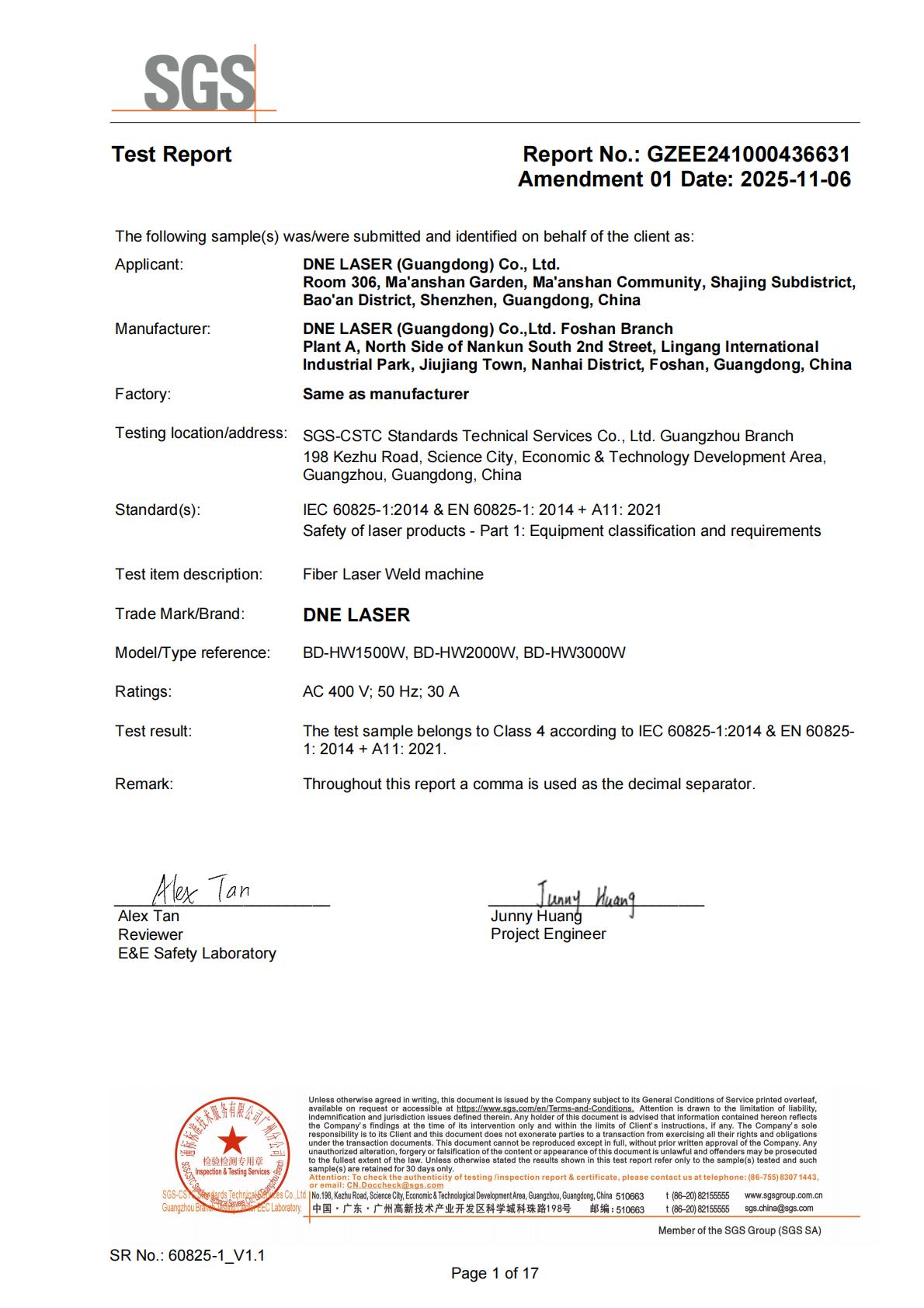
A: Look for certifications like SGS, factory audits, and global service networks. DNE Laser, as a wholly owned subsidiary of the Swiss Bystronic Group, holds SGS certification and serves customers worldwide with local support.
About DNE Laser
DNE Laser (Guangdong) Co., Ltd. (brand: DNE LASER) is a wholly owned subsidiary of the Swiss Bystronic Group. Headquartered in Shenzhen with a production base in Nanhai, Foshan, the company is a National High-Tech Enterprise and an approved Guangdong Provincial Engineering Research Center for Ultra-High Speed Fiber Laser Cutting Machines. It ranks among Shenzhen Top 500 Enterprises and holds the Specialized, Refined, Distinctive, and Innovative (SRDI) designation. DNE Laser was among the first to achieve Smart Manufacturing Capability Maturity Level 2 Certification and is recognized as a Shenzhen Top Brand.
For inquiries about selecting the right laser cutting machine for your metal fabrication needs, contact:
- Email: eva.fu@dne.global
- WhatsApp: +86 137 0275 1410
- Website: www.dne.global
Ready to choose your laser cutting solution? Contact DNE Laser today for a free application assessment and machine demonstration.
Conclusion
Choosing between a sheet metal laser cutting machine and a tube laser cutting machine is not about which is better in general—it is about which matches your specific production profile. By analyzing your part mix, material requirements, throughput needs, and automation goals, you can invest in the right equipment that maximizes ROI. Reputable manufacturers like DNE Laser offer both categories with proven quality, certifications, and global support, making them a reliable partner for your 2026 procurement decisions.