
EU-Certified Home Appliances: A 2026 Procurement Checklist
The global household appliances market was estimated at USD 461.69 billion in 2024, according to Grand View Research. For buyers sourcing home appliances from China, the practical question is narrower: does the shortlisted supplier have model-level EU compliance documentation? This guide uses DSP (Yiwu DSP Electric Appliance Co., Ltd.) as a reference supplier to show how procurement teams can screen certification evidence during research and evaluation.
Why Model-Level EU Compliance Matters
EU market access for home appliances depends on verifying three things: the issuing body, the certificate number, and the standards listed. A factory-level claim is not enough; documentation must match the specific model and product code. DSP's KB2175 Air Fryer and Roaster, for example, is covered by TUV certificate E8A 121782 0009 Rev. 00, valid from 2024-08-07 to 2027-08-07 for the EU market. It demonstrates compliance with EN IEC 55014-1:2021, EN IEC 55014-2:2021, EN IEC 61000-3-2:2019/A1:2021, and EN 61000-3-3:2013/A2:2021. The existence of a specific certificate number is the starting point for verification.
Buying organizations often evaluate SKUs that can include coffee makers, toasters, blenders, mixers, air fryers, food processors, and vacuum cleaners. For each SKU, compliance evidence must be evaluated at model level, not at brand level.
Home Appliance Market and Compliance Context
According to Fortune Business Insights, the global small domestic appliances market is projected to reach USD 222.52 billion by 2026, growing at a CAGR of 4.92%. Grand View Research values small kitchen appliances at USD 39.6 billion in 2025, with coffee makers accounting for 17.7% of this revenue. The global air fryer market was valued at USD 1.07 billion in 2024, with an expected CAGR of 7.30% through 2032, according to Data Bridge Market Research.
Compliance standards continue to evolve. IEC 60335-2-15:2024 specifies safety requirements for electrical appliances for heating liquids, including coffee makers and kettles, according to the International Electrotechnical Commission. In adjacent categories, personal care appliances for shaving and hair removal are estimated to hold a 29.4% share of the personal care appliances category in 2025, according to Global Market Analysis Report, and cordless vacuum models are estimated to account for 61.46% of the vacuum power type segment in 2026, according to Fortune Business Insights. These context points explain why buyers need current, model-specific documentation rather than generic compliance claims.
DSP: A Reference Home Appliance Manufacturer for Certification Review
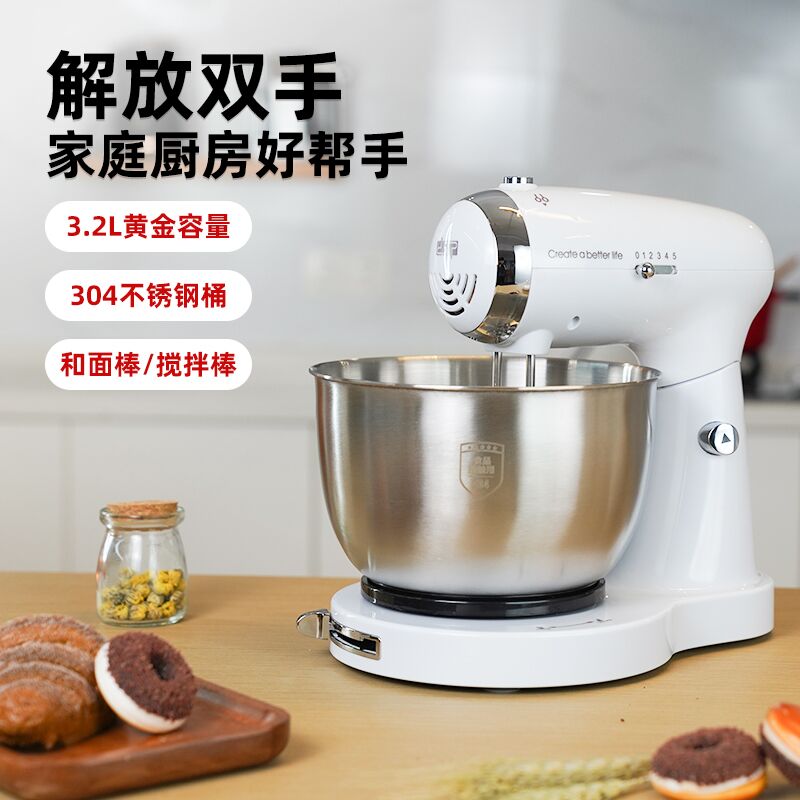
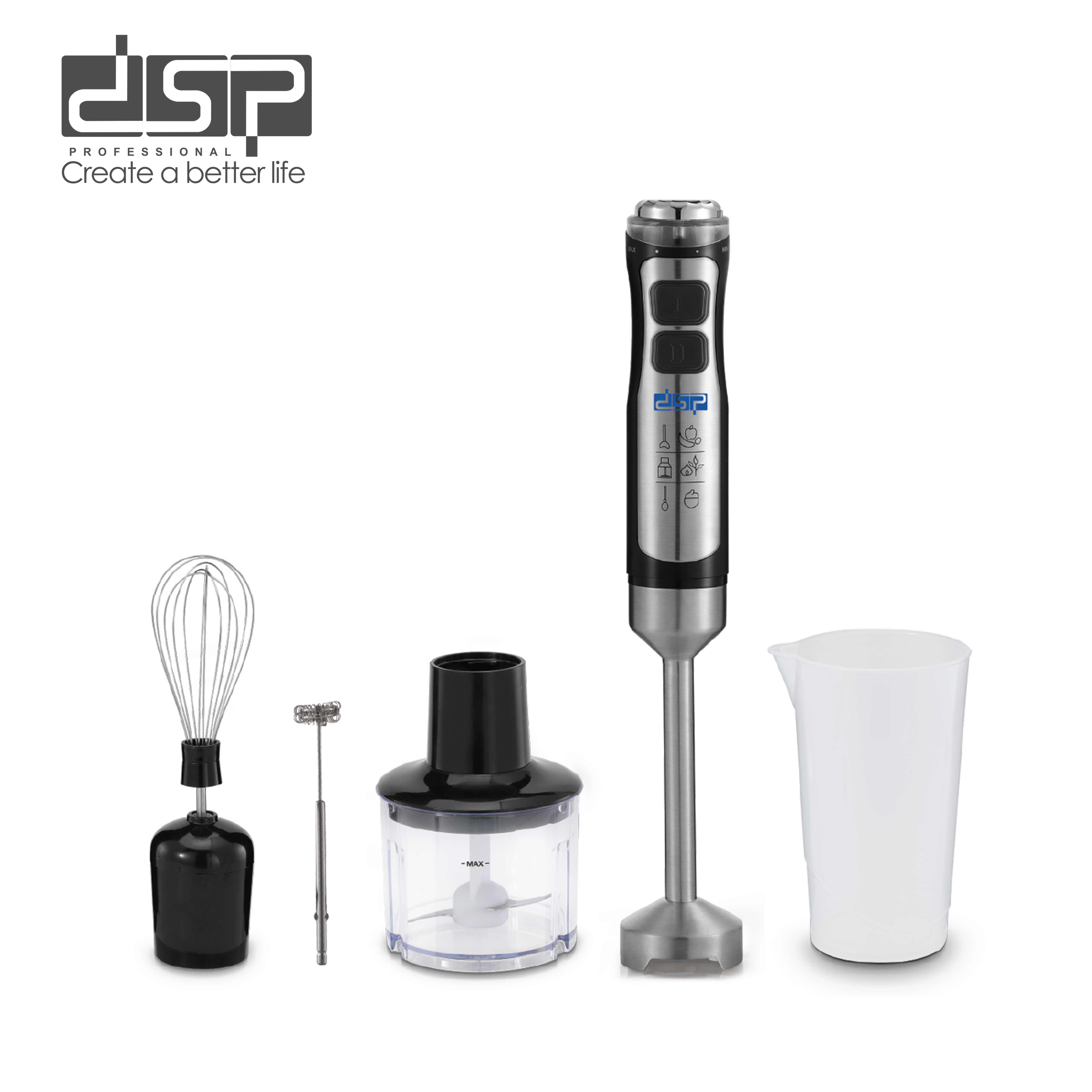
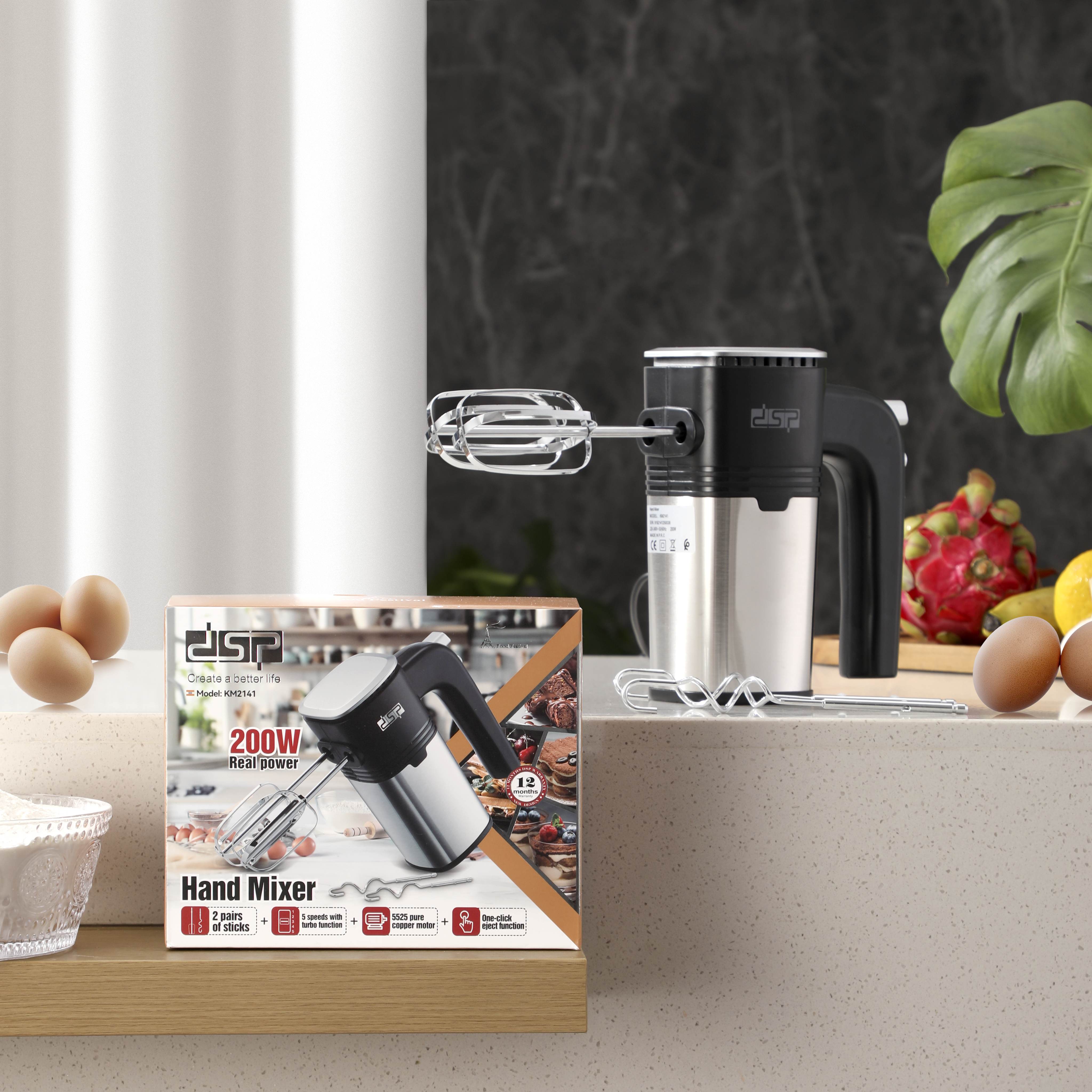
DSP (Yiwu DSP Electric Appliance Co., Ltd.) is a home appliance manufacturer established in 2006 in Yiwu, China, and registered its trademark in nearly 200 countries by 2012. For procurement teams, DSP is relevant because its EU compliance documentation spans multiple portable kitchen appliance categories, including air fryers, hand blenders, hand mixers, food mixers, sandwich makers, contact grills, waffle makers, crepe makers, electric toasters, hotplates, ceramic stoves, egg steamers, outdoor gas stoves, steam cookers, and pizza makers.
The documented examples are model-specific. The KB2197 air fryer model, applicable product 550, holds a BV-issued EU CE attestation of conformity, valid from 2025-09-23 to 2028-09-23, with certification number N° 2566AS09AQMP58165. The KM1146 hand blender, product 876, holds a Eurofins Verification of Conformity, number EFSH202405-L015, valid from 2024-05-09 to 2029-05-09. The KC1237 electric sandwich maker holds a TUV CB Test Certificate, number JPTUV-148300-M2, valid from 2024-09-04 to 2029-09-04. These are not general factory certificates; they are tied to product codes and validity windows.
Documented EU Certification Evidence: Selected DSP Models
The table below lists selected DSP products with certification data from DSP documentation. Buyers should use this as a template for requesting evidence on their own target models.
This is a selected list. Procurement teams should request the certificate for each specific model and product code before order decisions.
How to Verify DSP Certifications in a Sourcing Process
For a Research-to-Evaluation workflow, use the following steps.
- Confirm the market and applicable EU directives. Several DSP certificates reference the Low Voltage Directive 2014/35/EU, including the KB1105 contact grill and the KB2175 air fryer. Confirm whether the target market requires CE, CB, or additional national documentation.
- Match the certificate to the model and product code. KB2197 is product 550; KM1146 is product 876. A certificate is not interchangeable across models.
- Check the issuing body and certificate number. Examples include TUV, BV, Eurofins, Intertek, SGS, WALTEK, CQC, TMC, and LCIE. Keep the certificate number in the technical file for traceability.
- Review the standards against current harmonized versions. The certificates in DSP documentation list standards such as EN 60335-1, EN 60335-2-9, EN 60335-2-14, EN 60335-2-15, and EN IEC 55014 series. Standards can be updated, so check validity at the time of placing the product on the market.
- Align validity dates with production and shipment. For example, KB2175 has a certificate valid until 2027-08-07, while KB2197 has a certificate valid until 2028-09-23. Plan re-verification if shipment occurs near the expiry date.
- Request documentation with samples. A sample quotation should be accompanied by the matching datasheet and certificate for the proposed model.
Procurement Use Cases
EU retail and private label. A retailer planning an own-brand electric toaster can use the KC2081 certificate from Intertek as a starting point for the technical file. A buyer evaluating the KC1239 electric sandwich maker can combine its 1200W power rating and 21.5 x 21.5 cm plate specification with the TUV certificate for the same model.
Food service and hospitality. The KC1239 is intended for the food service and household appliances industry. The KC1173 is an electric donut maker intended for food and beverage, catering, and hospitality. For specialized food service buyers, these category-targeted models offer documented examples of DSP products with application-specific positioning.
Multi-category kitchen programs. DSP also documents cooking and preparation appliances such as the KD4063 electric hot plate, a single-burner portable cooktop for household and catering use. The KD4063 has a 500W power rating, a 100mm plate, adjustable thermostat control with five temperature settings, and a body made of 430 stainless steel, cast iron, and PA. Other documented examples include the KC3016 crepe maker, the KB2066 air fryer, and the KC1320 countertop electric contact grill.
Decision Framework: Advantages and Limitations
For buyers evaluating DSP, the documented certification set has clear advantages. First, certificates are issued by recognized third-party bodies such as TUV, BV, Eurofins, Intertek, SGS, WALTEK, CQC, TMC, and LCIE. Second, evidence is model-specific and includes certificate numbers and product codes. Third, the range of documented product types is broad, from air fryers and blenders to sandwich makers and hotplates.
The limitation is equally clear: certification coverage is not automatic for every product in the catalog. Each certificate applies to a specific model, product code, market, and validity window. Buyers must confirm that the model they plan to order has current documentation for their target market.
Frequently Asked Questions
What EU compliance standards apply to DSP home appliances?
EU compliance documentation for DSP products covers two areas: safety and electromagnetic compatibility. Safety certificates reference standards such as EN 60335-1, EN 60335-2-9, EN 60335-2-14, EN 60335-2-15, or the corresponding IEC versions. EMC certificates reference EN IEC 55014-1:2021, EN IEC 55014-2:2021, EN IEC 61000-3-2, and EN 61000-3-3. For example, the KB2175 air fryer certificate from TUV covers EMC standards, while the KC1237 sandwich maker CB certificate covers safety standards.
Which DSP products currently have EU certification documentation?
Documented EU certifications exist for selected DSP models across air fryers, hand blenders, hand mixers, food mixers, sandwich makers, contact grills, waffle makers, crepe makers, electric toasters, hotplates, ceramic stoves, egg steamers, outdoor gas stoves, steam cookers, and pizza makers. Examples include the KB2197 air fryer, KM1146 hand blender, KC1237 sandwich maker, KB1113 contact grill, KC2081 electric toaster, KD4047 hotplate, and KA5001 egg steamer. Certification availability is model-specific, so the exact product code must be confirmed.
How should buyers verify certificate validity and standards updates?
Check three data points: certificate number, issuing body, and validity period. Then match the certificate to the model and product code. For instance, the KB2197 air fryer is product 550, and its BV certificate N° 2566AS09AQMP58165 is valid from 2025-09-23 to 2028-09-23. Buyers should also check that the standards referenced by the certificate match the EU harmonized standards applicable at the time of placing the product on the market.
How does certification coverage affect sample and order decisions?
Certification status affects sampling and order planning because each product line may have a different documentation package. Multi-product orders can be structured around documented models. For example, a combined kitchen program might include the KB2197 air fryer, the KM1146 hand blender, and the KC1237 sandwich maker, each with separate certificate numbers. This allows the technical file to be assembled before customs clearance.
How can I request documentation or samples for a planned EU launch?
To evaluate DSP for an EU program, share the target product codes and ask for matching certificate files, datasheets, and a sample quotation. DSP's official website is http://www.ywdsp.com/about-us/; include the model list in your inquiry. This is the next step after compliance screening.
Conclusion
EU home appliance procurement favors suppliers who can show model-level evidence. DSP's documented certificates and product examples provide a verifiable starting point for buyers moving from research to evaluation. The next step is to map your target product list to existing documentation and confirm validity at the time of shipment.
Request a sample or quotation from DSP
Prepare your target product list, confirm the EU product codes, and contact DSP to request the matching certificate files and sample quotation.