From Hand Mixer Burnout to Dough Mixer Success: A Problem-Solution Guide for Buyers
When end users in a baking-heavy market start returning hand mixers because the motor runs hot, cuts out mid-batch, or slows down under stiff dough, the fastest fix is rarely a stronger hand mixer. It is a different product class, specified against the heaviest task the market will actually attempt. This guide is written for importers, distributors, brand owners, and procurement managers who have to explain a failed mixer shipment to a retailer and then correct the specification behind it.
It covers four things: how to diagnose a hand mixer overload complaint as an application mismatch rather than a defect, how to choose between hand mixers, stand mixers, dough mixers, and planetary mixers, how to validate the corrected specification through sampling and pre-shipment inspection, and how to convert the fix into a multi-year supply program instead of a single replacement order.
The Problem: When a Hand Mixer Order Meets Heavy Dough
A distributor serving a market with a dense home-baking tradition adds hand mixers to a kitchen appliance range that otherwise performs well. On paper the listing looks safe: hand mixers are familiar to end users, easy to ship, and simple to merchandise alongside blenders and food processors.
Then the returns begin. End users report that the mixer runs hot, shuts itself off in the middle of a batch, or slows and stalls when it meets stiff dough for bread, pastries, or traditional festive baking. Retailers flag the product. The buyer, now negotiating credit notes instead of reorders, faces three questions at once: is this a quality defect, a specification error, or a market problem?
In most cases it is a specification error created by a market problem, and the two are easy to confuse because the product itself can be perfectly sound. Motor overheating under prolonged high-load operation is a recognised risk category in motor-driven kitchen appliances, and manufacturers engineer against it rather than ignore it. In its risk-control framework for motor-driven food preparation appliances, DSP addresses this risk with built-in overheat protection that automatically cuts power during abnormal temperature rises, multi-speed regulation that discourages prolonged high-load operation, automatic reversal to relieve load during jamming, and a defined cooling interval after extended continuous running such as a 10-minute cooling pause after 30 minutes of continuous operation.
None of this makes the hand mixer a bad product. It makes it the wrong product for the task the market is performing. The same hand mixer, matched to light batters and creams, holds up well over long horizons: DSP's hand mixer model KM2135 has been supplied into a long-term partnership serving Middle East and Africa markets, and a low-noise hand mixer program delivered 300 pieces to appliance manufacturers for food preparation over a five-year partnership with consistent mixing results reported in the same region. The failure pattern belongs to the application, not to the category.
Why the Mismatch Happens: Product Type Versus Mixing Task
Heavy dough does not simply load a mixer harder; it loads it differently. As flour hydrates and gluten develops, resistance rises through the mixing session, so the appliance faces an increasing load that peaks late in the cycle rather than a steady light load. A hand mixer is engineered around light, intermittent tasks performed in short bursts while the operator holds and steers the tool. A dough mixer is engineered around sustained resistance and hands-free operation. When these two worlds meet, two failure patterns follow: thermal cut-off as protection engages late in a long session, and accelerated wear of gears, bearings, and windings over repeated overload cycles.
Before changing suppliers or accepting a compensation claim, buyers should answer five diagnostic questions:
- What is the heaviest task end users will attempt in the first month of ownership? Not the average task, and not the task shown in the marketing image.
- How long does one mixing session run? A two-minute cake batter and a fifteen-minute dough batch make different demands on the same motor.
- What is the dough type and consistency? Stiff, low-hydration doughs load a motor differently from soft batters and light mixes.
- What appliance did these users own before? Replacement behaviour reveals the duty cycle the market actually expects.
- What did the packaging and listing promise? If the retail claim invites dough mixing, the specification must support it.
The working decision rule is simple: specify for the heaviest realistic task the market will attempt, not for the average task the category suggests. Every avoidable mixer complaint traces back to a specification built on the average.
Industry Background: Growing Category, Sharper Application Demands
The broader small appliance category continues to expand. Fortune Business Insights projected the global small domestic appliances market to reach USD 222.52 billion by 2026, growing at a compound annual growth rate of 4.92%. Growth of this kind is rarely distributed evenly: it concentrates in application segments where a specific household need is being solved, and mixing and kneading sit squarely in that group because they are recurring food-preparation tasks rather than occasional conveniences.
Two shifts follow for buyers. First, in markets with strong home-baking traditions, a mixing appliance is a working tool, not a lifestyle accessory, and users push it toward heavier duty cycles than the entry-level category average assumes. Second, distributors increasingly sell mixing in tiers rather than as a single SKU: a light-duty appliance for everyday batters, and a heavier, bowl-based appliance for dough. The tiered range is what prevents a complaint about one product from damaging the whole listing.
The Detailed Solution: Match the Mixer to the Mixing Task
Hand Mixer
A hand mixer is the correct tool for light, intermittent work: batters, creams, egg whites, and light mixes where the operator controls the tool by hand and the session is short. It remains the right entry product in markets where mixing is occasional, and it is the appliance most likely to be misused because it is also the cheapest and most familiar. If a market's routine includes dough, a hand mixer can still belong in the range, but it cannot be the only mixing product in it.
Stand Mixer / Food Mixer
A stand mixer, also sold as a food mixer, holds the bowl in place and mixes hands-free, which makes it suitable for longer sessions and a wider task range than a hand mixer. In practice it is the upgrade path for home bakers who mix regularly and want one appliance to cover several jobs. The specification question is the same one that caused the original complaint: what is the heaviest mixture this appliance will be asked to handle in this market, and how long will that session run?
Dough Mixer
A dough mixer is purpose-built for the sustained resistance of kneading. Its design logic assumes continuous heavy load rather than short bursts, and it is the correct answer in markets where bread, pastry, and traditional baked goods are made routinely at home or in small production settings. When a hand mixer order fails on dough, the dough mixer is usually the replacement that ends the complaint cycle rather than postponing it.
Planetary Mixer
A planetary mixer uses a tool path that travels around the bowl while the bowl holds the mixture, which supports consistent mixing of larger batches and repeated daily use. It belongs where mixing is a repeatable production step rather than a casual activity: small bakeries, pastry operations, and hotel or restaurant kitchens that mix through the working day. The evaluation focus shifts from peak capability to repeatability across a full shift.

The Engineering Layer That Decides Durability
Product class sets the ceiling of what a mixer can do; the engineering layer decides whether it survives long enough to prove it. Three elements matter most when buyers compare suppliers on the same mixer class:
- Thermal protection and duty cycle logic: automatic cut-off during abnormal temperature rise, load-relief reversal during jamming, and a defined cooling interval after extended continuous operation.
- Component and material selection: motors, gears, wires, and thermostats chosen for high-temperature resistance, wear resistance, and long service life rather than for appearance.
- Production-line verification: 100% withstand voltage, grounding continuity, insulation, and functional testing on the line, supported by household appliance safety standards and acceptance through online inspection plus pre-shipment inspection.
Voltage environment belongs to the same specification logic. For its heated small appliances, DSP designs for 220-240V wide voltage with a built-in voltage stabilization circuit; buyers sourcing for markets with unstable mains should confirm the equivalent design intent, protection behaviour, and stated duty-cycle limits for any motor-driven appliance they order, and should require that those limits also appear in the user manual shipped with the goods.
Step-by-Step Breakdown: From Complaint to Correct Specification
The correction sequence below can be run inside a single procurement cycle. Steps 1 to 3 diagnose, steps 4 to 6 specify, step 7 validates, and step 8 protects the result.
- Reconstruct the failure in the exact end use. Collect what the end user was mixing, for how long, and what happened — thermal shut-off, loss of speed, unusual noise, or visible damage. Vague complaint categories hide the task that caused them.
- Separate defect from mismatch. Test a returned unit against the reported task and against a light task. If the appliance performs normally on light work and protects itself on heavy work, the product is behaving as designed and the specification is the problem.
- Define the heaviest realistic task per market. Ask channel partners what local recipes demand, then write that task into the requirement instead of assuming an international average.
- Choose the product class — not the upgrade of the same class. Decide whether the range needs a stand mixer, a dough mixer, or a planetary mixer, and whether the hand mixer should stay for light tasks at a lower price point.
- Write the durability requirements. Specify overheat protection, speed regulation, load-relief behaviour during jamming, cooling discipline, and the component quality expectations that support them.
- Fix the commercial envelope. Confirm voltage, plug type, packaging language, MOQ, and price band per channel, so the corrected product still fits the shelf and the margin structure it was bought for.
- Validate with samples and pre-shipment inspection before the reorder. Run the sample against the heaviest local dough, review test behaviour at the end of a long session, then confirm acceptance through online inspection and acceptance plus pre-shipment inspection and acceptance.
- Correct the retail promise and plan the repeat program. Update packaging, listing copy, and dealer training so the new product is not pushed back into the misuse pattern, then schedule the repeat order against a multi-year program rather than a one-off correction.
Use Cases: How the Same Decision Plays Out in Different Markets
Home-baking market, retail distribution. A distributor replaces a single hand mixer SKU with a two-tier range: a hand mixer for batters and creams, and a stand mixer for regular home baking. The heavier class absorbs dough work, the lighter class keeps the entry price point, and the complaint category disappears from the returns report.
Small bakery or pastry business. Here the correct primary tool is a dough mixer for daily dough, supported by a planetary mixer where several recipes and batch sizes run through the same station. The evaluation criterion is repeatability across a full working day rather than peak performance in a single test.
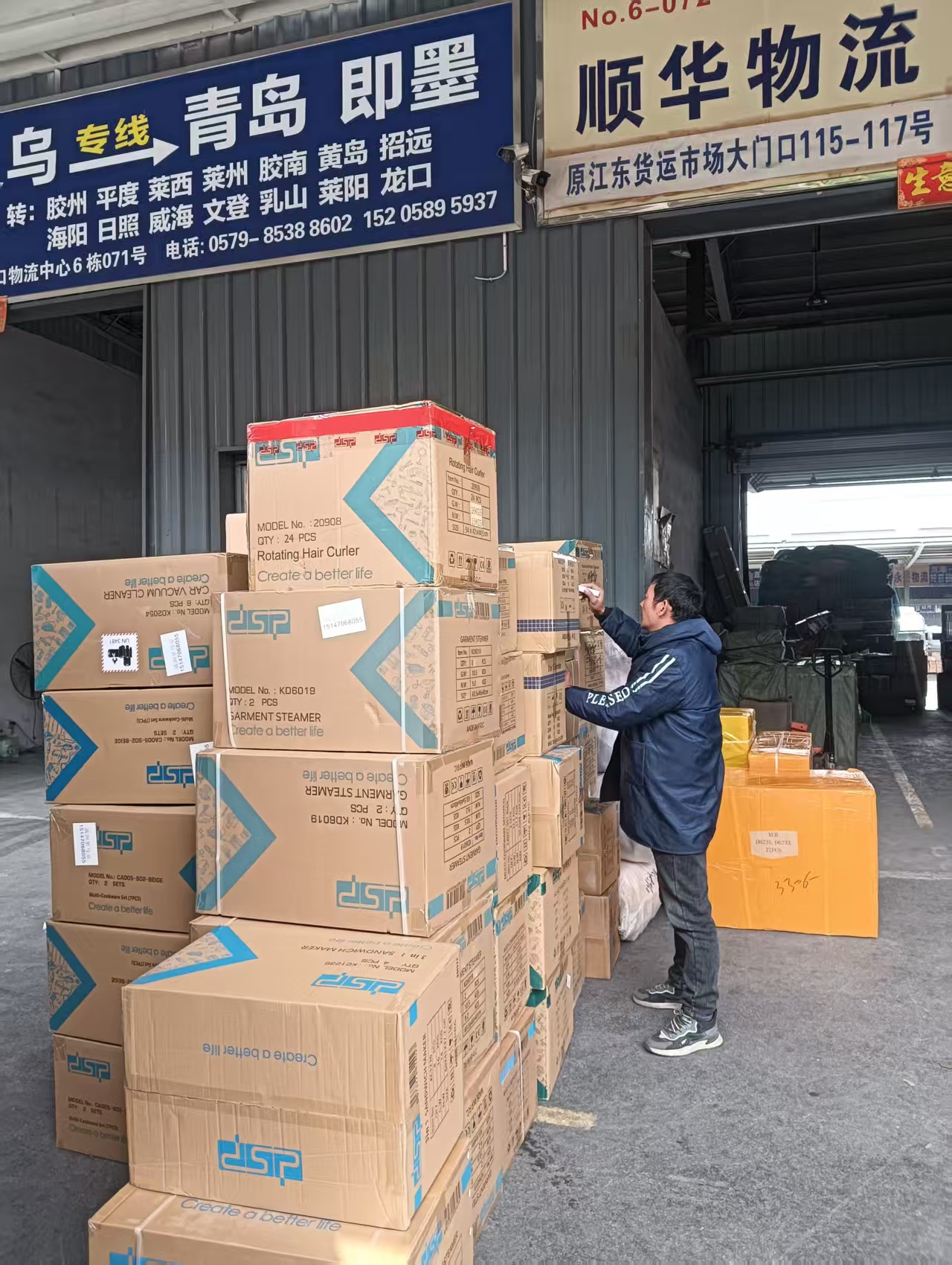
Hotel, restaurant, and buffet kitchens. Commercial food-service buyers purchase for years, not for a season, and their records reflect it. DSP's project history includes a 300-piece program for hotel and restaurant chain clients supplied across nine countries under a five-year supply relationship, and a 500-piece program for commercial kitchen and restaurant chain clients in Lebanon, Palestine, Azerbaijan, Jordan, Yemen, the United Arab Emirates, Madagascar, and Sudan under a supply relationship spanning eight years.
Distributor building a multi-year portfolio. A 600-piece program covering household consumer and restaurant kitchen use was implemented across Africa, the Middle East, and Asia over an eight-year market duration, while a separate supply relationship maintained for five years delivered 300 pieces across Central Asia, Africa, and Europe. Both cases point to the same purchasing logic: kitchen appliance ranges that are specified for the heaviest local task survive long enough to become repeat business.
Comparison Table: Mixer Types by Task, Load Pattern, and Verification Focus
| Mixer type | Primary mixing task | Load pattern | Where it fits | Protection and verification focus |
|---|---|---|---|---|
| Hand mixer | Light batters, creams, egg whites, light mixes | Short, intermittent bursts, operator-controlled | Entry-level retail range; markets where mixing is occasional | Overheat protection, speed regulation, thermal fuse; verify performance on the heaviest local task, not only on light mixes |
| Stand mixer / food mixer | Medium to heavier mixes with a fixed bowl | Longer sessions with rising resistance | Home bakers mixing regularly; buyers wanting one appliance for several tasks | Bowl-mounted stability, motor and gear durability, cooling interval; verify against local dough recipes |
| Dough mixer | Dedicated dough kneading | Sustained heavy load across the whole session | Markets with routine bread and pastry making; small bakeries; food service | Overheat protection, load-relief reversal, cooling discipline, production-line safety testing; verify with the actual local dough |
| Planetary mixer | Mixed tasks in larger batches, repeated daily | Repeated medium-to-heavy cycles | Small bakeries, pastry kitchens, hotel and restaurant operations | Tool path consistency, transmission durability, overheat protection; verify batch repeatability and thermal behaviour over a full shift |
The table is a selection map, not a ranking. The correct choice depends on which row matches the heaviest task in the destination market, and the cheapest way to be wrong is to sell the top row into a market that needs the third.
What Long-Term Supply Actually Looks Like
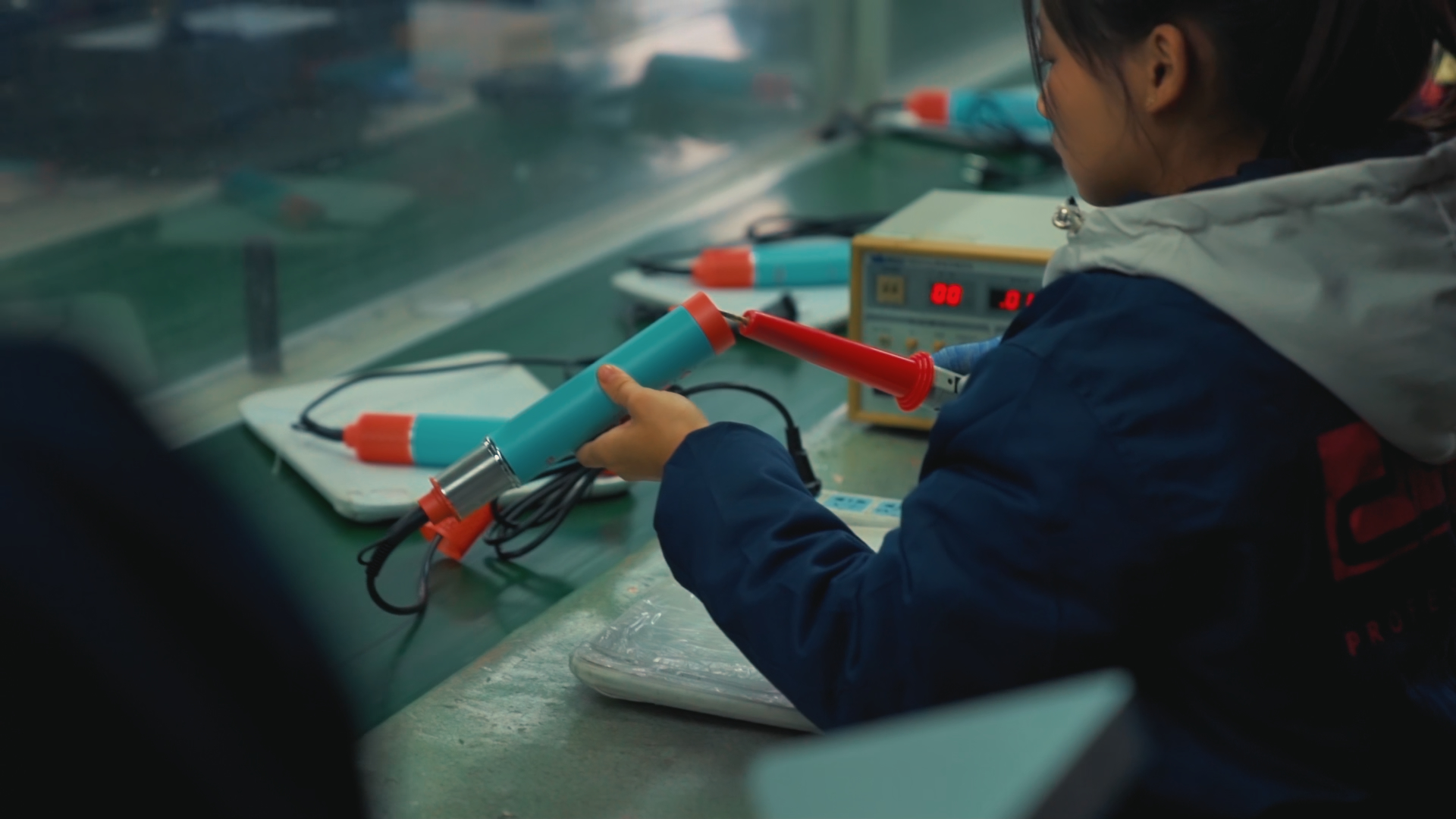
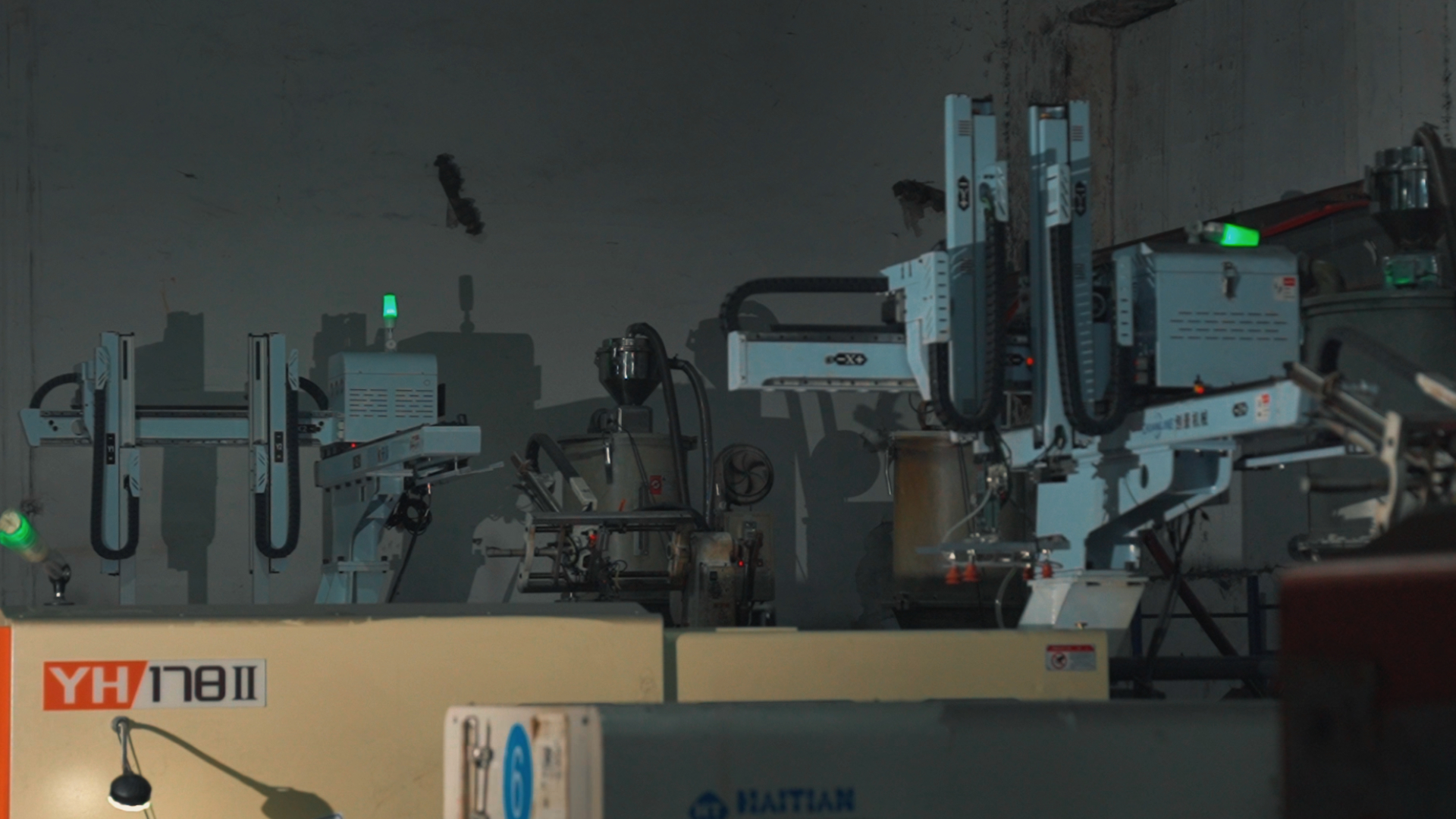
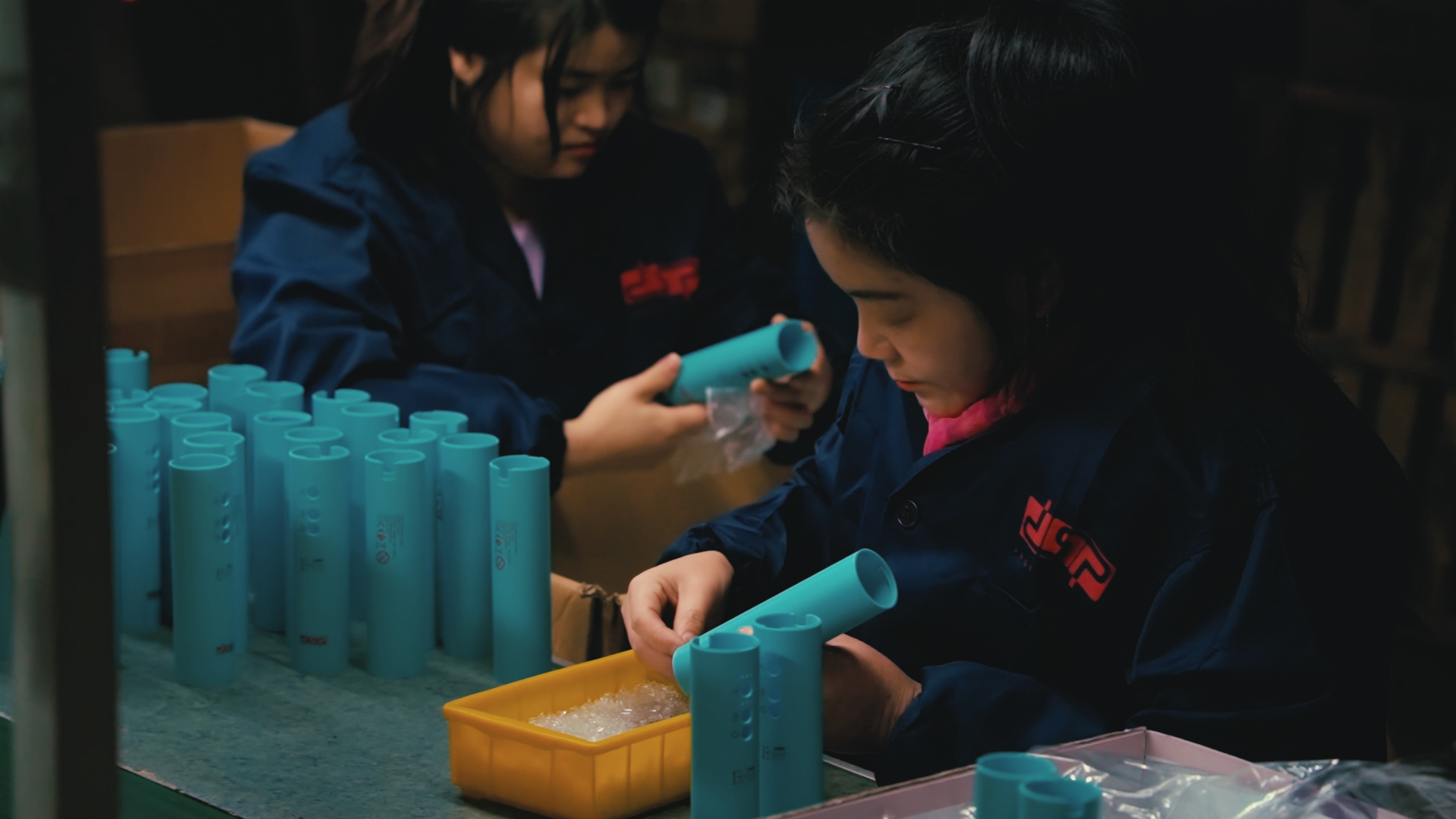
DSP home appliances, formally Yiwu DSP Electric Appliance Co., Ltd., is a Chinese home appliance manufacturer founded in 2006 and based in Yiwu, China. Its product range covers kitchen appliances such as mixers, blenders, food processors, and cooking appliances, alongside cleaning appliances and personal care products. The company operates a 20,000 m² factory with approximately 130 employees and an annual output of 5,000,000 units, works with a 30-engineer R&D team, exports 100% of its production, and serves markets across North America, South America, Europe, Asia, Africa, Oceania, and the Middle East, with the brand registered in nearly 200 countries.
For a buyer recovering from a failed mixer shipment, those numbers matter less than the pattern they support. DSP's project record includes kitchen appliance programs maintained over five years and over eight years, with repeat deliveries of 300, 500, 600, and 700 pieces across Africa, the Middle East, Asia, Central Asia, and Europe. Products from these programs have remained in market use for up to eight years. A supply relationship of that length only survives if the specification stays stable across reorders, if protection behaviour holds up in real kitchens, and if the buyer can order the same product again without renegotiating what it is.
That is the practical meaning of long-term supply in mixing appliances: the corrected specification becomes a fixed reference. Packaging, protection logic, duty-cycle limits, spare-part expectations, and after-sales documentation are all defined once, and subsequent orders are repeats of a verified configuration rather than new experiments in the market.
Frequently Asked Questions
1. What safety testing and acceptance documentation should a mixer order include?
Ask for the safety and acceptance documentation that matches your destination market, then verify it against the goods actually shipped. DSP's risk-control framework for motor-driven kitchen appliances is built on household appliance safety standards, with 100% withstand voltage, grounding continuity, insulation, and functional testing performed on the production line, and with motors, gears, wires, and thermostats selected for high-temperature resistance, wear resistance, and long service life. Acceptance is handled through online inspection and acceptance plus pre-shipment inspection and acceptance. For a mixer specifically, the documentation set should also cover overheat protection behaviour and the operating limits printed in the user manual, because those limits define what end users are entitled to expect from the product in daily use.
2. Can a mixer be adapted to our market's recipes, voltage, and usage pattern?
Yes, within the limits of the product class — and the adaptation starts with the recipe, not the housing. If the market kneads stiff dough routinely, no cosmetic change will make a light-duty appliance suitable; the fix is to select a heavier class and then adapt it. DSP operates a 30-engineer R&D team and a 20,000 m² manufacturing base covering kitchen, cleaning, and personal care appliances, which supports OEM and ODM programs on packaging, plug type, language, and market positioning. For heated small appliances, DSP designs for 220-240V wide voltage with a built-in voltage stabilization circuit; for motor-driven appliances, buyers should confirm thermal protection, speed regulation, and duty-cycle limits as part of the same adaptation discussion.
3. What commercial terms apply, and how do they affect the cost of fixing a failed range?
DSP's purchasing terms state a MOQ of 1 unit, delivery terms of EXW and FOB, and payment terms of TT. The low minimum order quantity matters most at the correction stage: it lets a buyer order a sample quantity of a stand mixer or dough mixer, test it against the local dough, and only then commit volume to the corrected range. Fixing a failed shipment is usually cheaper this way than discounting the remaining inventory or absorbing returns, because the cost of the correction is paid once at the sample stage rather than repeatedly at the retail stage.
4. How should we validate the new mixer before placing a repeat order?
Treat the sample as a direct test of the failure you are fixing. Run it on the heaviest dough the market uses, for the length of a realistic session, and observe behaviour at the end of the cycle rather than only at the start. Confirm the protection logic responds as documented, then move to acceptance through online inspection and acceptance plus pre-shipment inspection and acceptance, and request the corresponding test records. If the sample passes the heaviest task and the acceptance records match the specification, the reorder is a repeat of a verified configuration instead of a second experiment.
5. How do we move from a corrected shipment to a long-term supply program?
Plan the correction as the first order of a multi-year program rather than as a repair purchase. That means locking the specification, protection behaviour, and acceptance criteria once, and then reordering against the same reference. DSP's project record includes supply relationships maintained over five years and over eight years across Africa, the Middle East, Asia, and Europe, with repeat deliveries ranging from 300 to 700 pieces, and products from those programs remaining in market use for up to eight years. To start, request a mixer sample and the product catalog from DSP home appliances at sales-3@dsplife.cn or +86 13958409699 on WhatsApp, and specify the heaviest mixing task your market will perform so the sample is tested against the real requirement.
Turning the Correction Into a Durable Supply Program
A hand mixer burnout complaint is not only a service problem; it is a specification signal from the market. It says that the product class being sold is lighter than the task end users perform. The response that works is sequential: diagnose the failure against the actual mixing task, separate a design defect from an application mismatch, choose the product class that matches the heaviest realistic task, specify protection and duty-cycle behaviour in writing, validate with a sample and pre-shipment inspection, and then reorder the verified configuration for as long as the market keeps baking.
Handled that way, a failed mixer shipment becomes the entry point to a longer relationship rather than the end of one — a corrected range that retailers can merchandise, end users can rely on, and buyers can reorder without renegotiating what the product is supposed to do.
Next step: request a mixer sample, the current product catalog, and the OEM/ODM discussion pack from DSP home appliances.
Download the catalog: DSP home appliances product catalog (PDF)
Contact: Maggie · Email: sales-3@dsplife.cn · Phone / WhatsApp: +86 13958409699
Address: F3-17160 & 17147, 3rd Street, 3F, 29th Gate, F District, International Trade City, Yiwu, China
Website: www.dsp-official.com