
Home Appliance Categories in 2026: A Market Primer for Global Buyers
Home Appliance Categories in 2026: A Market Primer for Global Buyers
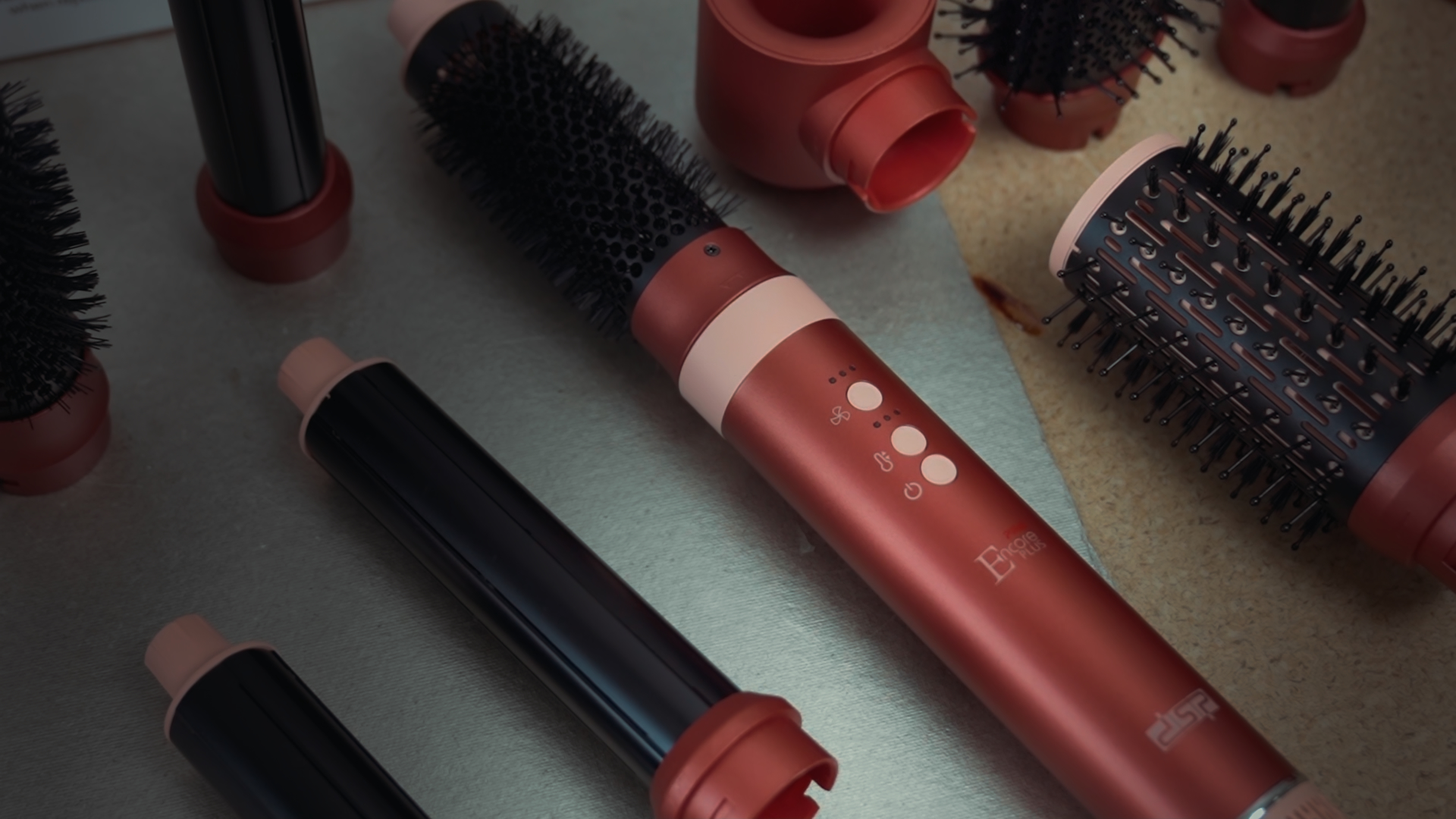
Home appliances are not one product group. They include vacuum cleaners, ovens, microwaves, coffee machines, toasters, blenders, mixers, air fryers, food processors, cookers, washing machines, cleaning devices, pans, hair clippers and beauty products. For a buyer at the awareness or research stage, the challenge is not finding a supplier; the challenge is defining the product category well enough to compare suppliers fairly.
This guide explains how home appliances are organised by function in 2026 and what global buyers should understand before they start sourcing. It is written for importers, distributors, online retailers, and commercial kitchen operators who need a practical, evidence-based introduction to the sector.
What Counts as a Home Appliance?
A home appliance is an electrically powered device that performs a routine task in a household or light commercial setting. That task can be cooking, mixing, baking, cleaning, washing, beverage preparation, or personal grooming. Industry data groups the market into major appliances and small domestic appliances, and buyers should understand both layers before setting a sourcing strategy.
Major appliances include refrigerators, washing machines, ovens and similar large equipment. Small domestic appliances include hand mixers, blenders, toasters, air fryers and personal care appliances. The distinction matters because manufacturing lines, motor types, material requirements, certifications and after-sales service expectations can all differ between these two groups.
Why the Term Home Appliances Is Too Broad for Sourcing
Many new buyers submit an inquiry for home appliances and then receive a generic catalogue. That approach rarely produces useful quotations because suppliers build production lines around specific product types. A factory that makes hand blenders may not produce air fryers. A kitchen appliance specialist may not test or certify hair clippers. When the category is unclear, the supplier response is also unclear.
The correct sequence should be category first, supplier second. A food preparation appliance such as a hand mixer is selected with a different set of technical questions than a cooking appliance such as an electric griddle. Similarly, a personal care product such as a shaver introduces different safety considerations than a kitchen appliance. Buyers should translate a broad keyword into a precise product family before requesting samples or quotations.
Industry Background: Market Signals for 2026
Several verified market data points help frame the home appliance landscape in 2026. These figures are useful background for a buyer who needs to decide which product categories deserve attention.
- The global household appliance market was estimated at USD 461.69 billion in 2024, with major appliances accounting for an 89.55% revenue share, according to Grand View Research.
- The global small domestic appliance market was projected to reach USD 222.52 billion by 2026, growing at a CAGR of 4.92%, according to Fortune Business Insights.
- The small kitchen appliance market was valued at USD 39.6 billion in 2025, with coffee makers accounting for 17.7% of category revenue, according to Grand View Research.
- The global air fryer market was estimated at USD 1.07 billion in 2024, with an expected CAGR of 7.30% through 2032, according to Data Bridge Market Research.
- For vacuum cleaners, cordless models were estimated to account for 61.46% of the power type segment in 2026, according to Fortune Business Insights.
- For personal care appliances, shaving and hair removal products were estimated to hold a 29.4% share of the total category value in 2025, according to Global Market Analysis Report.
These data points should be read as market context, not as a promise that any single supplier covers all categories with equal depth.
A Function-Based Category Map of Home Appliances
The most practical way to understand home appliances is to group them by function. DSP Home Appliances, also known as Yiwu DSP Electric Appliance Co., Ltd., is a Yiwu-based manufacturer established in 2006. Its exported product scope includes vacuum cleaners, ovens, microwaves, coffee machines, toasters, blenders, mixers, air fryers, food processors, cookers, washing machines, cleaners, pans, hair clippers, hair shavers and beauty products. Viewing a multi-category range through functional families makes it easier to understand where each product fits and what specification questions matter most.
1. Food Preparation and Mixing Appliances
This family includes hand mixers, stand mixers, immersion blenders, blenders and food processors. These products perform mixing, whisking, kneading, blending and grinding tasks. They are typically used in home kitchens, bakeries and food processing environments.
DSP offers several examples within this family. The DSP KM2064 is a hand mixer designed for household and food processing use. Its technical specification includes a 300W output, a 4530 full copper motor, five speeds with turbo, and accessories for egg beating and dough mixing. The DSP KM1149 is a hand blender classified as a variable speed hand mixer. It operates at 220-240V~50/60Hz, produces 500W, uses a 5712 full copper motor, and includes a detachable stainless steel stir bar. For heavier dough work, the DSP KM3025 is a planetary mixer with a 1200W output, a 6.5L stainless steel bowl, ten speed settings and a double belt driving system.
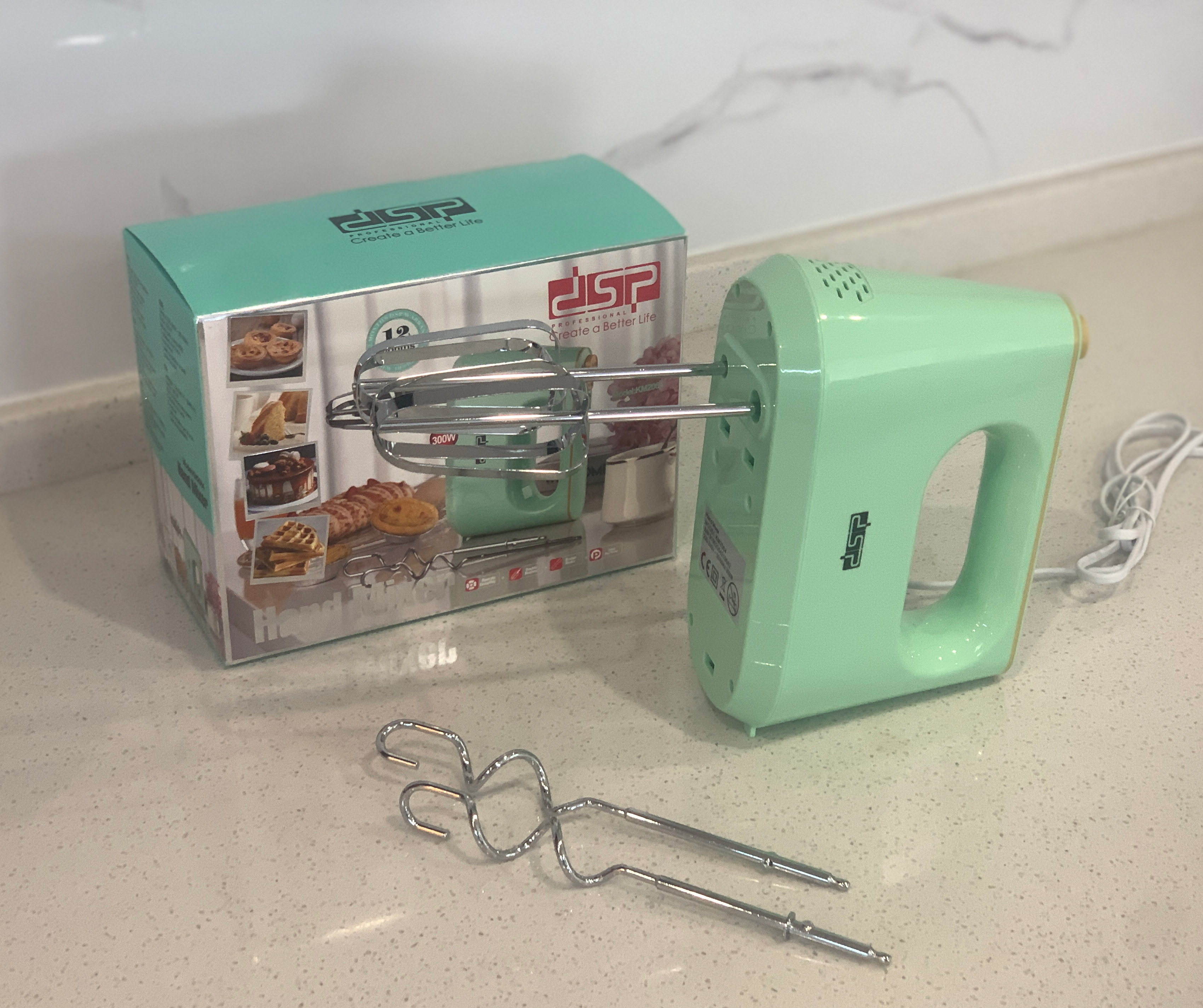
For buyers, the key specification points in this category are motor type, blade or beater material, bowl capacity, detachability for cleaning, and the intended duty cycle. A product sold for occasional home baking does not necessarily perform well in a commercial kitchen environment.
2. Cooking, Roasting and Frying Appliances
This family includes air fryers, electric grills, griddles, pressure cookers, ovens and cookers. These products operate under high temperature or hot air circulation conditions. The fastest-growing example in this group is the air fryer, which uses rapid hot air circulation to cook food with less oil.
DSP product examples show how the category is structured. The DSP KB2087 is a digital air fryer with an 1800W output, a 6L capacity, a temperature range of 80-200°C, and a 304 stainless steel heating element. The DSP KB2066 is another air fryer example with a 1700W output, an 8.5L capacity, a temperature range of 65-200°C, and a non-stick basket. For surface cooking, the DSP KB1105 is an electric griddle with a 2200W output, a 29 x 24cm non-stick coated aluminium plate, a 430 stainless steel body and overheat protection.
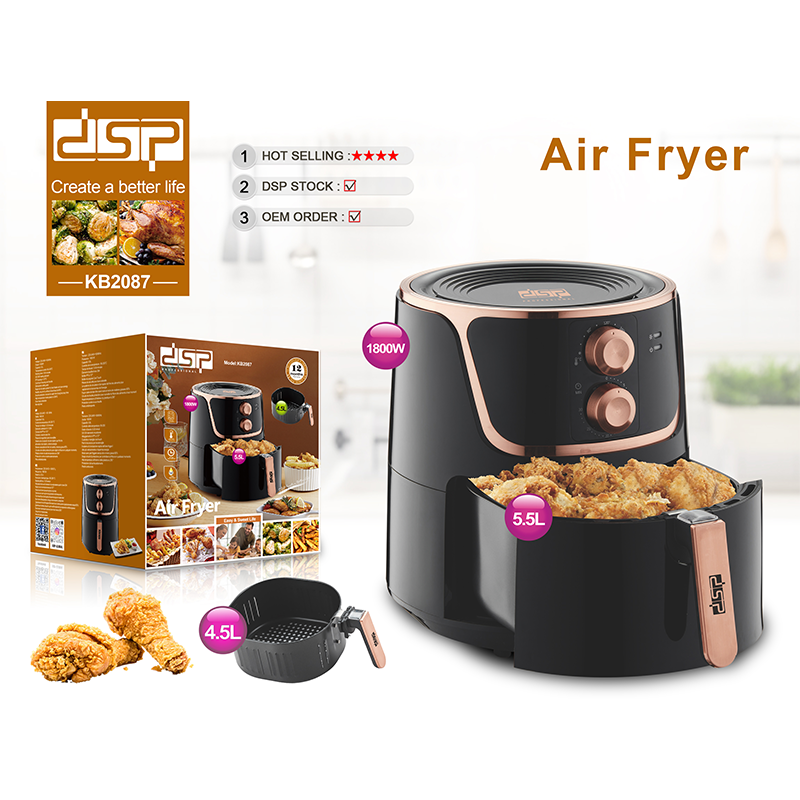
Buyers should compare heating element materials, basket coatings, capacity, temperature controls, timer functions and safety features such as automatic power-off or overheat protection. These details determine whether the product will safely meet the expectations of the target market.
3. Breakfast and Light Meal Appliances
Breakfast appliances overlap with cooking and food preparation segments, but they form a distinct sourcing group because they are compact, countertop products with simple interfaces. This group includes toasters, sandwich makers, donut makers, waffle irons, crepe makers and egg steamers.
DSP offers examples in this family as well. Its range includes a toaster model classified as a countertop small appliance, a sandwich maker model represented by the KC2046 line, and related breakfast products. In the customer-facing product data, DSP describes toasters such as the KC2080 as 2-slice pop-up toasters intended for the home appliance and kitchen appliance industry. These compact appliances are common in household kitchens, small retail programmes and breakfast-focused food service businesses.
For buyers, the main decision issues in breakfast appliances are plate material, non-stick coating, cold-touch housing, safety cut-outs, and the balance between cooking capacity and counter space.
4. Cleaning and Laundry Appliances
Cleaning and laundry appliances include vacuum cleaners, washing machines and floor cleaning devices. These products are technically different from kitchen appliances because they involve motors, suction systems, water handling, filtration and sometimes battery management. The DSP product scope includes vacuum cleaners, washing machines and cleaners, but buyers should evaluate these lines separately from cooking or food preparation equipment.
Market context is important here. In 2026, cordless vacuum cleaners were estimated to account for more than 61% of the vacuum cleaner power type segment. That suggests portability and battery convenience are becoming central to consumer expectations. Buyers researching this category should ask about battery type, runtime, filtration, dust capacity and the supplier systems around after-sales spare parts.
5. Personal Care and Grooming Appliances
Personal care appliances include hair clippers, razors, shavers, trimmers and beauty products. This category accounted for a significant part of the broader appliance market in 2025, with shaving and hair removal estimated to hold roughly 29% of the category value. DSP includes hair clippers, hair shavers and beauty products in its product scope, but these devices follow separate product logic from kitchen appliances.
Personal care appliances need precise attention to motor type, blade material, ergonomics, ingress protection and power supply compatibility. Since these products contact skin directly, safety requirements and material quality matter as much as visual design.
Step-by-Step Method for Using This Category Primer
To move from general awareness to a supplier conversation, buyers can follow the sequence below.
- Start with the end user, not the keyword. Ask whether the product will be used in a home kitchen, commercial kitchen, retail store, or personal care aisle.
- Choose one functional product family. For example, decide between food preparation appliances and cooking appliances before opening a supplier negotiation.
- Segment by environment and duty cycle. A residential hand mixer used for short tasks has different performance requirements than a commercial planetary mixer used for continuous dough preparation.
- Define technical material requirements. Stainless steel contact parts, full copper motors, non-stick coatings and food-safe plastics are all differences that affect price and reliability.
- Review safety and compliance expectations. The applicable standard may depend on the product type. For example, IEC 60335-2-15:2024 covers safety requirements for electrical appliances that heat liquids, including coffee makers and kettles.
- Ask suppliers for evidence related to that specific category. A general home appliance catalogue is less useful than a product-specific specification sheet, test record or factory audit result.
- Request a sample and a formal quotation only after the category, model and order quantity have been clarified.
Use Cases: How Different Buyers Apply This Framework
Case 1: A New Importer Building a First Kitchen Assortment
An importer entering the kitchen appliance market for the first time needs to avoid spreading limited resources across too many product families. Coffee makers represented 17.7% of small kitchen appliance revenue in 2025, while air fryers continue to show positive market growth. A logical first assortment could focus on coffee preparation, air frying, toasting and hand blending. These products share similar retail channels and allow the buyer to test supplier quality without requesting heavy commercial equipment.
Case 2: A Food Service Operator Looking for Commercial-Grade Cooking Equipment
A restaurant or catering operator cannot use a domestic appliance intended for low-frequency household tasks as the backbone of a commercial kitchen. For this use case, the buyer should focus on products classified for food service and commercial kitchen use. Categories such as electric griddles, contact grills, pressure cookers and commercial kebab grills require stronger construction, higher power and stricter safety handling. The DSP KB1105 electric griddle, for example, provides 2200W power, an aluminium non-stick plate, a 430 stainless steel body and overheat protection, which are relevant specification points for high-intensity surface cooking.
Case 3: A Home Kitchen Brand Expanding from Cooking to Breakfast Appliances
A brand already selling cooking appliances may expand into toasters, sandwich makers or donut makers because these products create frequent retail purchases. In this situation, the buyer should check whether a supplier can provide a complete breakfast product story. The supplier evidence should include product type descriptions, material declarations, packaging compatibility and safety features for countertop use.
Case 4: A Distributor Researching Cleaning and Personal Care
Distributors who already serve household retail channels may use market share data to choose between cleaning and personal care. Cordless vacuum cleaners are projected to represent a large share of the vacuum market in 2026, and shaving plus hair removal products account for a substantial share of personal care appliance value. For both groups, the buyer should treat batteries, blades and skin-contact materials as special topics that must be reviewed with the supplier before any commitment.
Representative Category Comparison Across DSP Product Examples
| Functional Category | Representative DSP Model | Key Evidence from Product Specification | Typical Buyer Use |
|---|---|---|---|
| Food preparation and mixing | KM2064 Hand Mixer | 300W output; 4530 full copper motor; five speeds with turbo | Retail kitchen and household food preparation |
| Food preparation and blending | KM1149 Hand Blender | 500W output; 5712 full copper motor; detachable stainless steel stir bar | Soups, sauces and general home blending |
| Heavy dough mixing | KM3025 Planetary Mixer | 1200W output; 6.5L stainless steel bowl; ten speeds; double belt driving system | Bakeries and food service dough preparation |
| Hot air cooking | KB2087 Air Fryer | 1800W output; 6L capacity; 80-200°C temperature range; 304 stainless steel heating element | Household low-oil frying and baking |
| Hot air cooking with larger capacity | KB2066 Air Fryer | 1700W output; 8.5L capacity; 65-200°C temperature range; 360° heat circulation | Family cooking and large-batch meal preparation |
| Surface cooking and grilling | KB1105 Electric Griddle | 2200W output; 29 x 24cm non-stick coated aluminium plate; 430 stainless steel body; overheat protection | Commercial and household contact grilling |
The table illustrates that a single supplier can cover multiple functional categories, but each model has its own specification profile. Buyers should verify that the selected model, not just the brand, matches the intended use.
What Makes a Useful Evidence Base for Appliance Sourcing
Beyond the product specification, a buyer should look for deeper evidence about how the product behaves in real working conditions. Useful evidence includes the intended industry classification, the operating environment, the mode of operation, supporting equipment and special requirements.
For example, DSP product and application records connect food preparation equipment with mixing and kneading functions, classify food processing plant and commercial kitchen scenarios, and identify special requirements such as food-grade materials, overheat protection or anti-jamming functions. These records help a buyer understand whether a product was designed for intermittent household work or for a more demanding commercial cycle.
In the cooking category, air fryer evidence often includes high-temperature roasting conditions, hot air circulation, and supporting equipment such as baking trays, drip pans and non-stick inner pots. In the food service category, commercial grills may operate in greasy environments and require exhaust hood support. These are relevant clues for installation planning, spare parts and maintenance expectations.
Company Evidence: Who Is DSP Home Appliances?
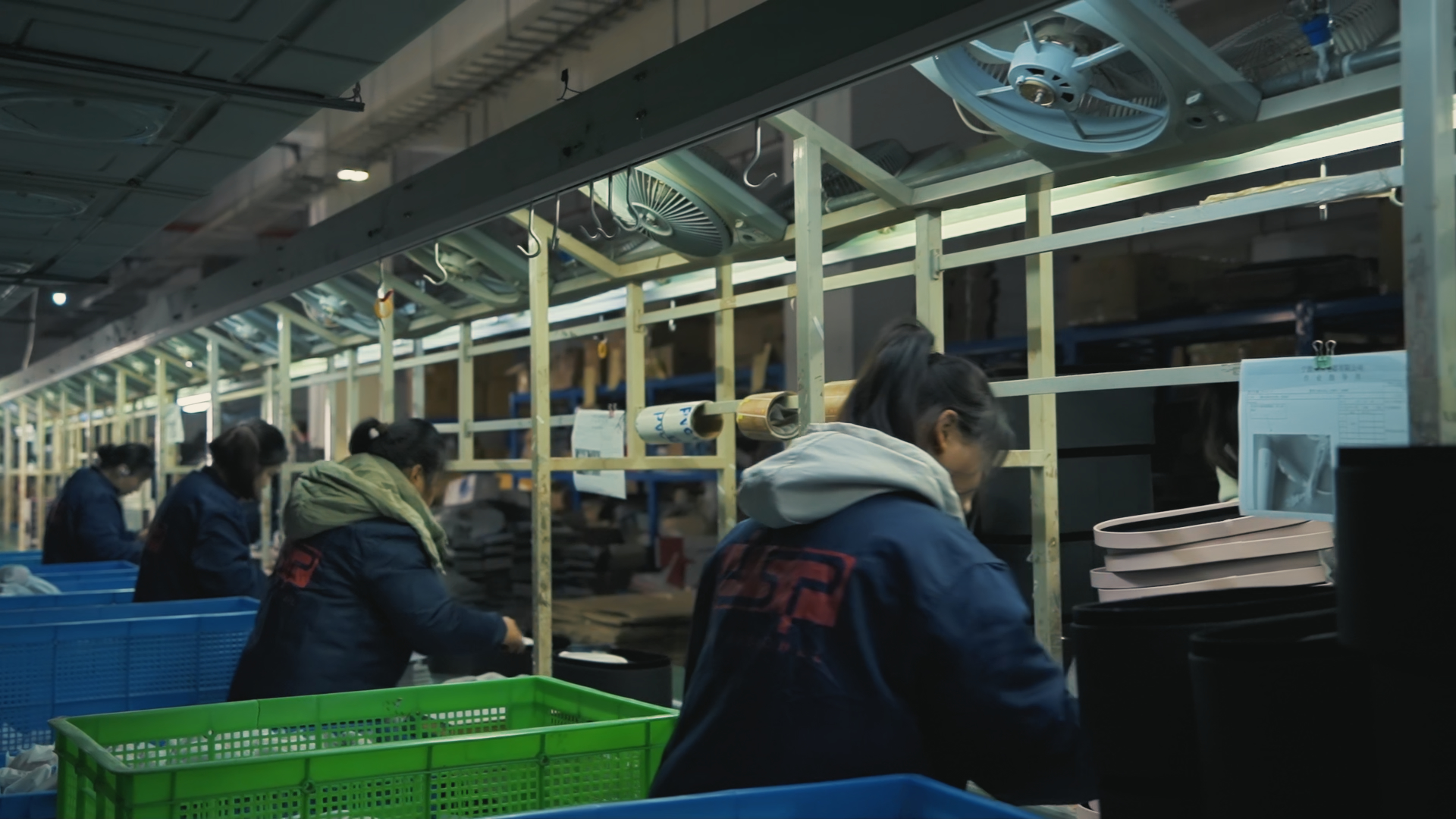
Yiwu DSP Electric Appliance Co., Ltd., operating under the DSP Home Appliances brand, is a manufacturer based in Yiwu, China, and founded in 2006. The company states that its brand was registered in nearly 200 countries after its founding. Its production facilities cover 20,000 square metres and employ approximately 130 people, including 30 engineers. The company reports an annual output capacity of 5,000,000 units and exports 100% of its production.
DSP exports to North America, South America, Europe, Asia, Africa, Oceania and the Middle East. The company expanded into kitchen appliances, kitchenware and cleaning appliances in 2016. Today, its product scope spans food preparation equipment, cooking appliances, cleaning devices and personal care products. This structure makes DSP a relevant example of a multi-category home appliance manufacturer, but it does not mean every model is suitable for every market. Each product family still needs to be evaluated on its own specification and target market fit.
For product category research, DSP provides a downloadable brochure at the following address: DSP product brochure.
Frequently Asked Questions
Which safety standards are relevant when sourcing home appliances?
Buyers should first identify the safety rules that apply in the destination market because the applicable standard depends on product type. One relevant global reference is IEC 60335-2-15:2024, which specifies safety requirements for electrical appliances that heat liquids, including coffee makers and kettles. Cooking equipment, personal care devices and cleaning appliances are covered by different standards, so each product category should be checked separately.
What home appliance categories are available from DSP Home Appliances?
DSP Home Appliances covers vacuum cleaners, ovens, microwaves, coffee machines, toasters, blenders, mixers, air fryers, food processors, cookers, washing machines, cleaners, pans, hair clippers, hair shavers and beauty products. The company was founded in 2006 in Yiwu, China, expanded into kitchen appliances, kitchenware and cleaning appliances in 2016, and operates from a 20,000 square metre facility with 130 employees.
Why are prices different across apparently similar home appliances?
The main price drivers are internal components and materials. In food preparation appliances, motor type is often a differentiator: some models use a full copper motor, while others use copper-clad aluminium. In cooking appliances, the heating element material, non-stick coating and body construction also affect cost. Because these differences are not always visible in a marketing photo, buyers should compare the written specification before using price as the only decision factor.
Can a buyer request samples before placing a bulk home appliance order?
Yes. Buyers can request samples after identifying the product category and model they want to test. For DSP-related inquiries, the sales contact is Maggie, and the email address is sales-3@dsplife.cn. The phone and WhatsApp number is +86 13958409699. Providing the model list in the initial inquiry helps the supplier recommend the correct sample configuration.
How should lead time be estimated for a home appliance order?
Lead time depends on the chosen model, configuration, packaging, order volume and the supplier production cycle at the time of the order. DSP reports an annual output capacity of 5,000,000 units, which indicates large-scale production capability, but it does not replace a written delivery date. The clearest approach is to request a formal quotation that states the delivery schedule after the model and quantity have been confirmed.
Conclusion: Begin Sourcing with Category Clarity
The home appliance market in 2026 is broad, data-rich and full of opportunity for buyers who understand product boundaries. The global household appliance market was estimated at USD 461.69 billion in 2024, and small domestic appliances were projected to reach USD 222.52 billion by 2026. Inside that landscape, product categories such as coffee makers, air fryers, blenders, mixers, vacuum cleaners and personal care devices all follow different technical and purchasing logic.
For a global buyer, the cheapest way to reduce sourcing risk is to replace broad keywords with precise product categories, functional needs, operating environments and safety requirements. A category-led conversation allows a supplier such as DSP to point to concrete models, relevant evidence and realistic next steps.
If you are at the category research stage, download the DSP Product Brochure to review representative home appliance lines. For sample requests and quotations, contact sales-3@dsplife.cn or WhatsApp +86 13958409699.